

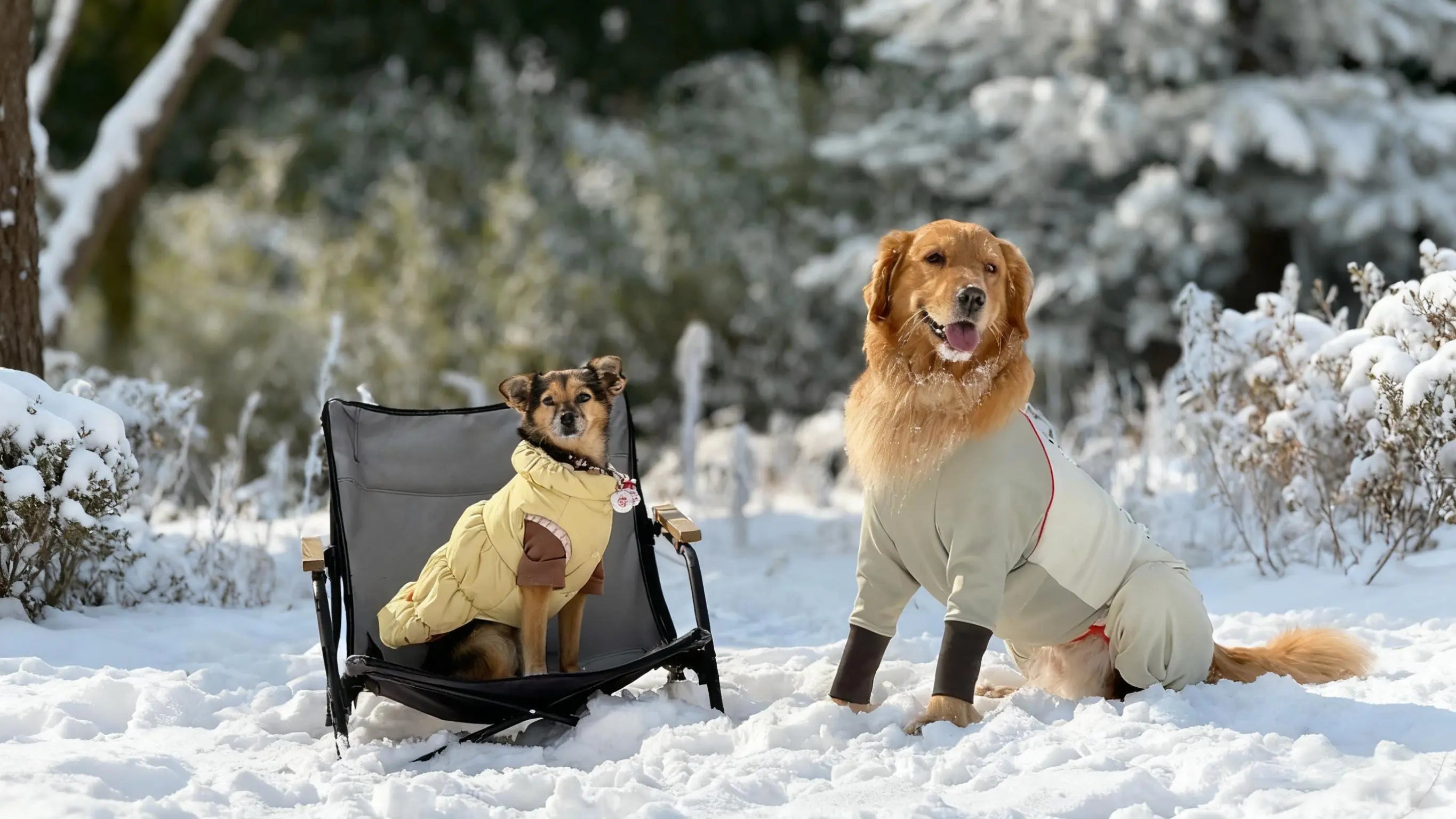
- by serviceHowoll
A Guide to Dog Coats Fabric
- by serviceHowoll
When selecting a coat for your furry friend, have you ever been baffled by the various fabric terms—Gore-Tex, fleece, nylon—what exactly is suitable for next week's rainforest hike? Choosing the wrong material can leave your dog feeling overheated, uncomfortable, or even chilly. Don’t worry, this ultimate guide will break down everything you need to know.
The material of your dog’s coat directly impacts its warmth, waterproofing, breathability, weight, durability, and comfort. For example, some materials offer exceptional warmth, but they may trap too much heat and leave your dog feeling overheated, while others are lightweight and breathable but lack insulation. Waterproof fabrics keep your dog dry, but they can sometimes be less breathable, which could lead to discomfort in warmer conditions. Durability is key for outdoor adventures, as some materials hold up better against wear and tear, while others may show signs of damage faster. Ultimately, there’s no “best” material—only the one that fits the specific needs of the activity or weather your dog will face. Understanding these factors will help you choose the right fabric for each situation.
The fabric of a dog coat is crucial for its performance. Dog coats generally consist of three layers: the outer layer, middle layer, and lining. Each layer serves a unique function, and choosing the right materials for each can make all the difference in keeping your dog comfortable. Now, we’ll reveal the common fabrics used for each of these layers and explain how they work together to provide the best protection and comfort for your dog.
The outer layer of a dog coat is responsible for protecting your dog from the elements—rain, snow, and wind. Materials like Gore-Tex, nylon, or polyester are commonly used for this layer, as they offer waterproof and windproof properties while still being durable enough to withstand outdoor conditions. This layer is the first line of defense, keeping your dog dry and shielded from harsh weather.
The middle layer of a dog coat is crucial for insulation, providing warmth without adding too much bulk. Materials like fleece, wool, and synthetic insulation trap heat, keeping your dog cozy during cold weather. This layer also helps regulate body temperature, ensuring your dog stays warm while remaining comfortable during outdoor activities.
The lining of a dog coat plays a crucial role in ensuring comfort and moisture control. It directly touches your dog’s skin, so soft, breathable fabrics like cotton or mesh are commonly used to prevent irritation and overheating. Additionally, moisture-wicking linings help keep your dog dry by drawing sweat away from the skin, which is especially useful during more active adventures. A good lining fabric also promotes ease of movement and keeps your dog comfortable throughout their wear, making it a key factor in choosing the right coat.
Different adventures call for different dog coats. But what should you look for in the fabric for each type of activity? Choosing the right material ensures your dog stays comfortable and protected during every adventure.
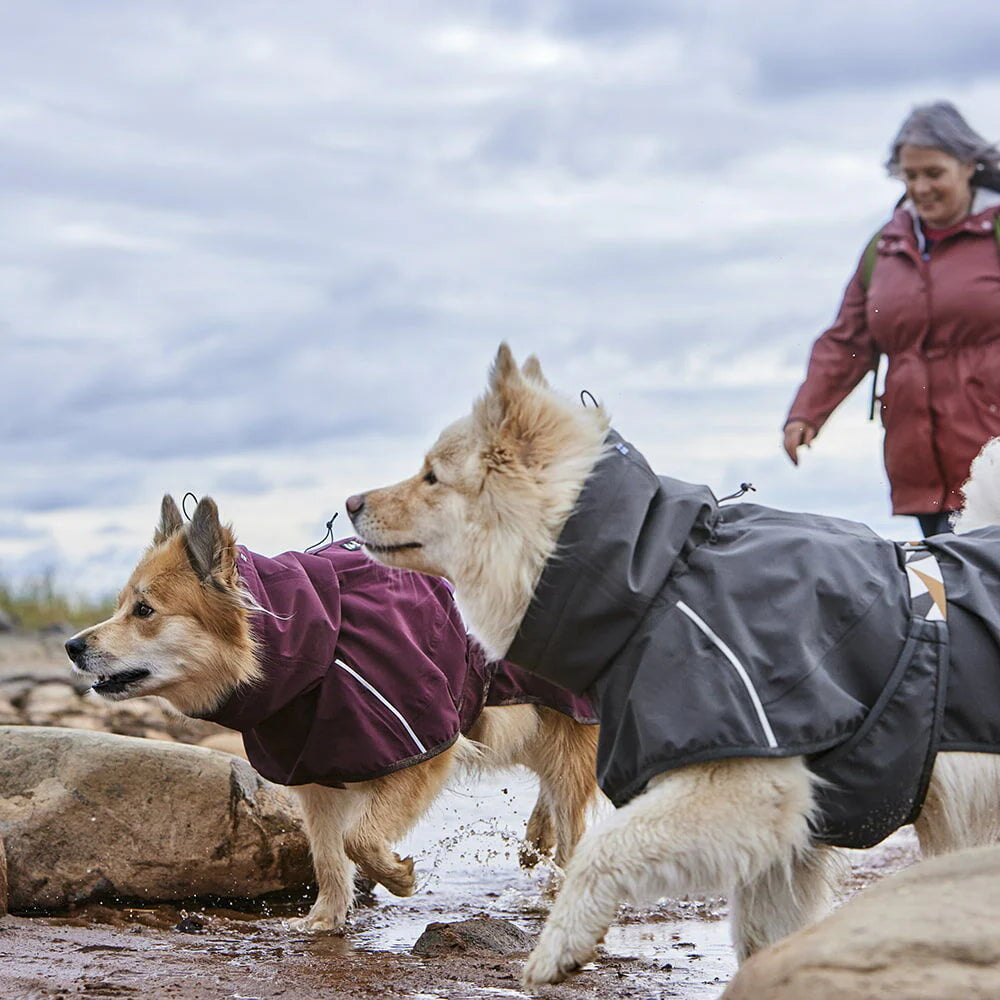
Prioritize waterproof and breathable outer shells, such as Gore-Tex, to ensure your dog stays dry without sacrificing airflow. Avoid heavy insulation, as it can lead to overheating during intense activity. Instead, opt for lightweight, quick-drying materials that won’t weigh your dog down. We recommend Hurtta's Mudventure Dog Coat for its perfect balance of durability, breathability, and weather protection, making it an excellent choice for outdoor adventures.
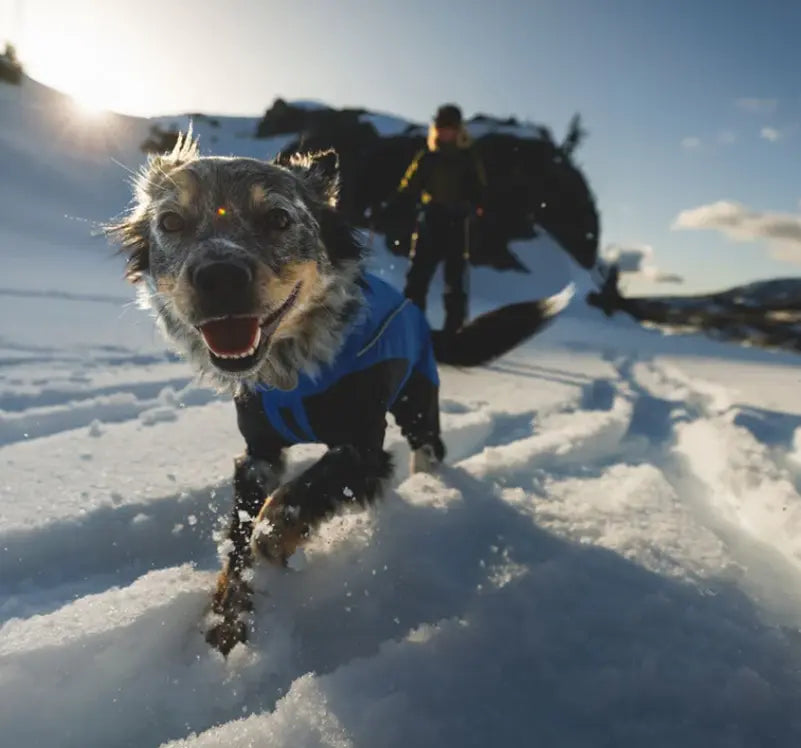
Look for a coat with a water-resistant outer shell made from materials like nylon or polyester, often treated with a Durable Water Repellent (DWR) coating to protect against snow, slush, and wet conditions. A warm mid-layer, such as polyfill or fleece, will help trap heat and keep your dog cozy in the cold. Additionally, ensure the coat offers full coverage, including the belly area, to prevent snow from getting under the coat and chilling your dog’s body. We recommend the Ruffwear Vert™ Coverall Dog Snow Suit for exceptional warmth, durability, and complete protection in snowy conditions.
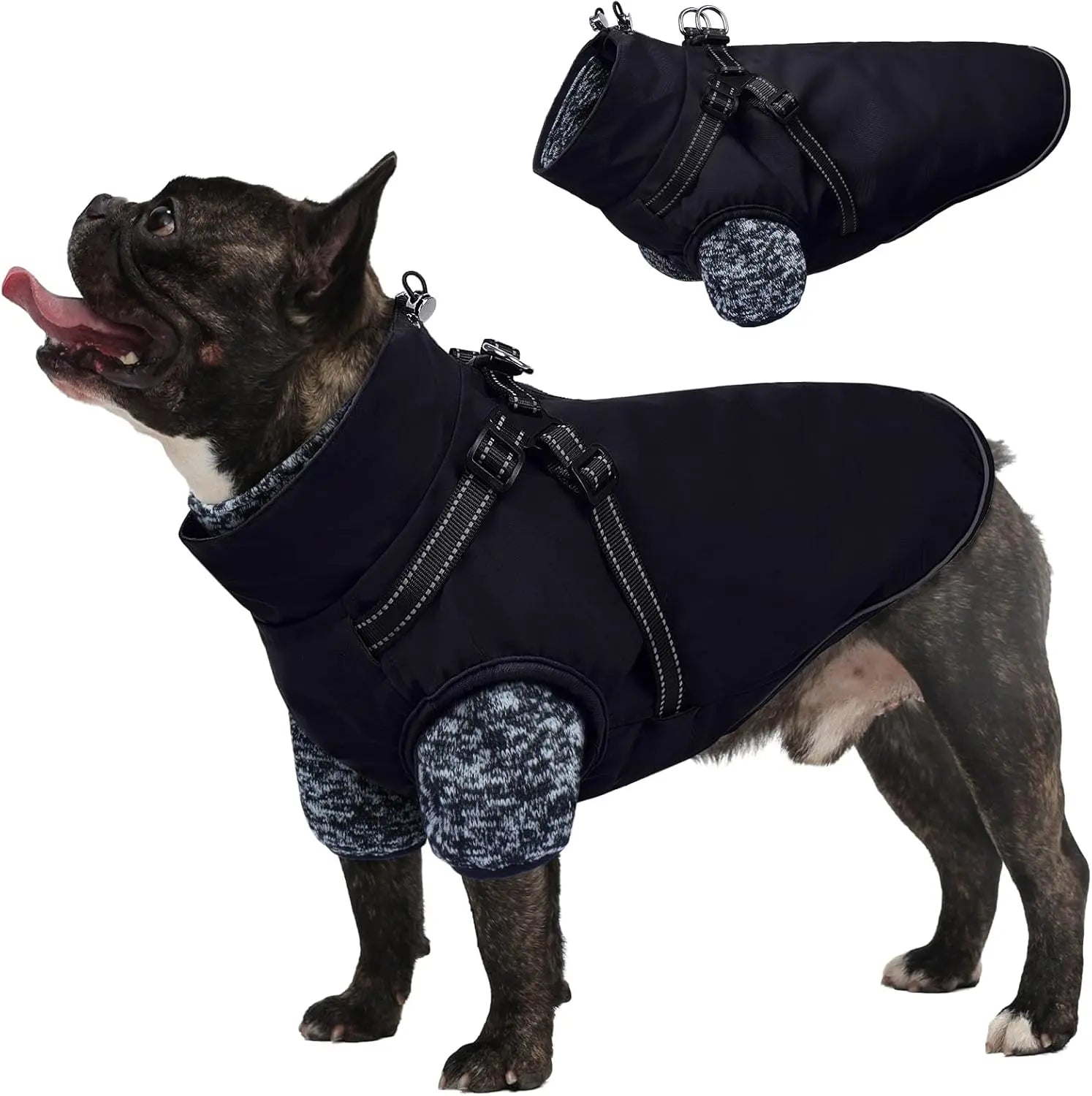
A stylish yet functional dog coat is essential to keep your pup comfortable while also looking good. A coat with a soft shell or nylon outer is perfect for providing water resistance and wind protection, ensuring your dog stays dry and cozy during those unpredictable weather conditions. The fleece lining adds warmth without being too bulky, making it ideal for mild to cool weather. We recommend Howoll’s Morandi Winter Dog Vest, which combines both style and practicality for your dog’s winter adventures.

For fall or spring adventures, versatility is key. A layered system, such as a removable fleece liner paired with a waterproof shell, is ideal for adapting to changing weather conditions. This allows you to adjust the coat’s warmth depending on the temperature, while the waterproof shell ensures your dog stays dry during unexpected rain. Soft shell dog coats are also perfect for these transitional seasons, offering a balance of water resistance, breathability, and light insulation. We recommend the Lelepet Dog Coat 3-in-1 available on Amazon, which offers a versatile design that adjusts to different weather conditions, making it a great option for these seasons.
Opt for fabrics that allow your dog to move freely without feeling restricted. Mesh linings are excellent for moisture-wicking, helping to keep your dog dry as they work up a sweat, while stretchy soft shells offer flexibility and comfort during active moments. Lightweight materials like nylon are perfect for high-energy outings, providing protection from the elements without the bulk of heavy insulation. We recommend Howoll's AeroDry Dog Vest, designed with these features in mind for ultimate comfort and performance during active adventures.

Now that you’ve learned about the different fabrics used in dog coats, you’re better equipped to choose the right one for your dog’s next adventure. From lightweight, breathable fabrics for high-intensity activities to insulated options for cold weather, the right material can make all the difference in keeping your dog comfortable and protected. Remember, there’s no one-size-fits-all fabric—consider the weather, activity level, and your dog’s needs when selecting their coat. With the perfect fabric, you and your furry friend will be ready to enjoy any outdoor adventure together!
Please read our FAQs page to find out more.
For cold weather, look for coats with insulating materials like fleece, wool, or synthetic insulation, combined with waterproof or water-resistant outer layers such as Gore-Tex or nylon to protect from wind and moisture.
A soft shell dog coat is more flexible, breathable, and water-resistant, making it ideal for active dogs. A hard shell is typically more protective against heavy rain and snow but may not offer as much breathability or movement.
For dogs that like to chew, look for coats made from strong, tear-resistant materials like ripstop fabric, heavy-duty nylon, or canvas. These fabrics are built to withstand rough use and can help prevent damage from chewing. Additionally, reinforced stitching and durable outer layers can further protect the coat from wear and tear.
Many dog coat fabrics, such as polyester, nylon, and cotton, are machine washable. These materials are durable and easy to clean, making them perfect for regular use. However, always check the manufacturer's care instructions to ensure proper washing and maintenance.
For a dog raincoat, choose waterproof materials like Gore-Tex, nylon, or polyester. These fabrics provide excellent water resistance while still allowing breathability. Look for a durable water-repellent (DWR) coating for extra protection, and ensure the material is lightweight to keep your dog comfortable during rainy walks.