

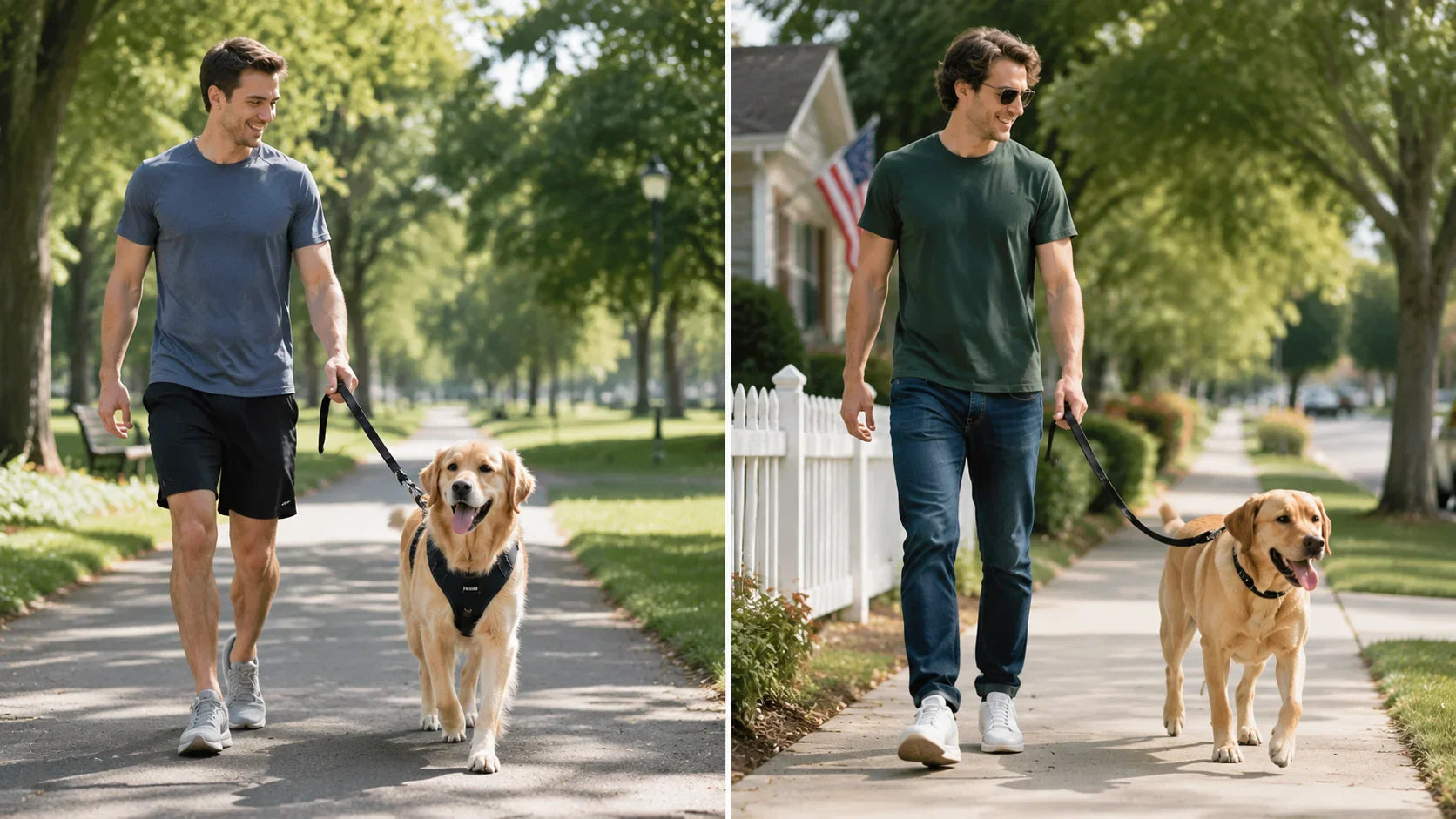
Dog Harness vs Collar: Which Is Best for Your Dog?
- by 03Howoll
Deciding what to attach your leash to is one of the first choices you'll make as a dog owner. Should you go with a dog harness or a dog collar? Both have their benefits, and the best choice really hinges on your furry friend's specific needs, breed, and walking habits. This guide will walk you through the differences between a dog harness and a dog collar, helping you determine which is the best option for your companion to ensure safe and happy walks.
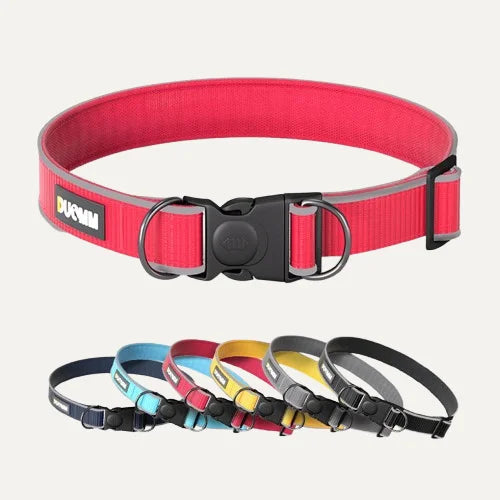
A dog harness is a piece of equipment that wraps around your dog's body, typically the chest and back. Unlike a collar, it distributes pressure more evenly, avoiding strain on the neck. This design provides better control, especially for dogs that are still learning good leash manners or those that get easily excited.
Pros of a Dog Harness:
Cons of a Dog Harness:
With leash attachments often on the back or chest, a harness can be a more comfortable option for many dogs. The main difference from a collar is that a harness engages the dog's core and shoulders rather than just their neck.
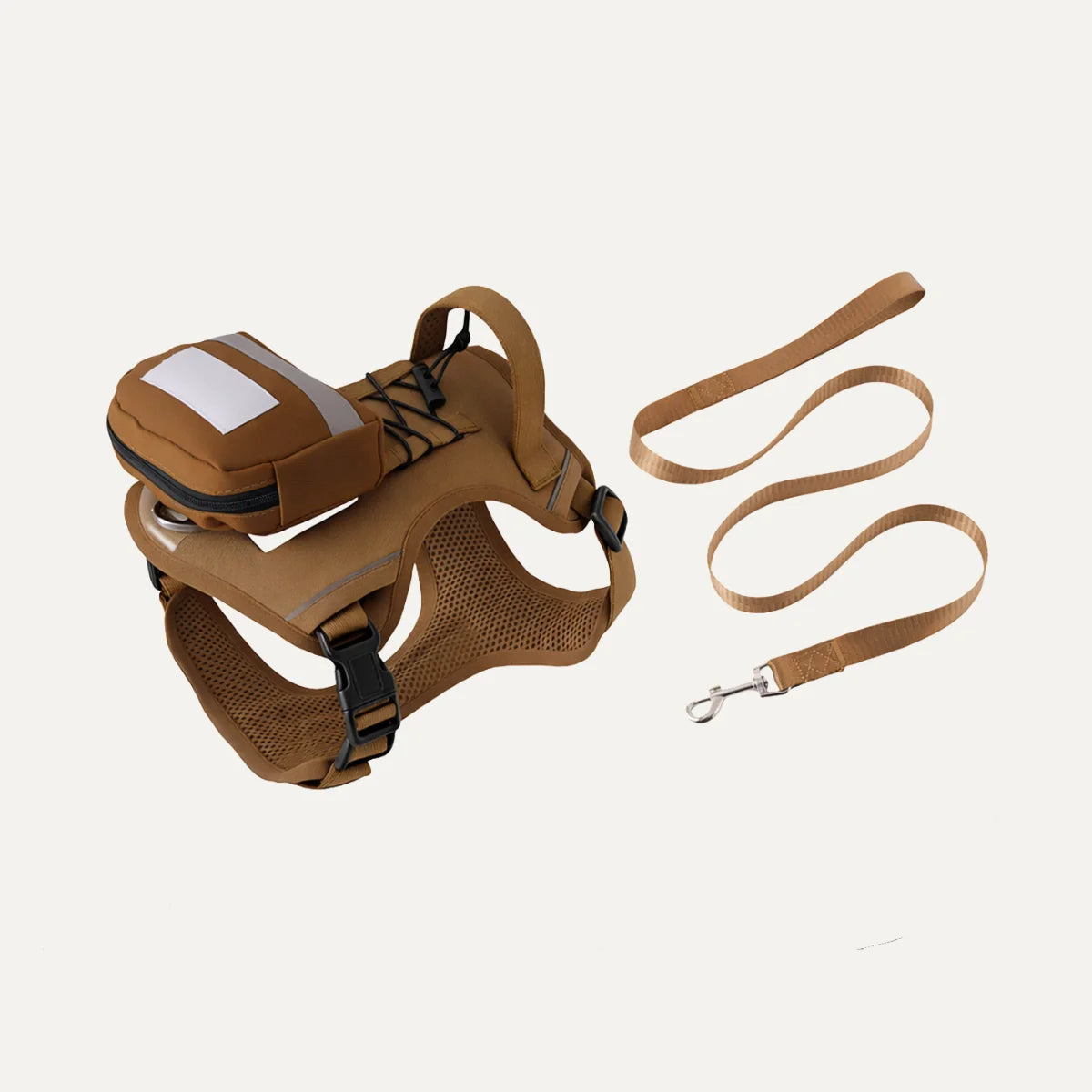
A dog collar is a simple band that fits around a dog’s neck. For many dog owners, it’s the go-to choice because it’s easy to use and perfect for holding essential ID tags and rabies tags. This ensures your dog can be identified if they ever get lost. A simple flat collar or flat buckle collar is what most people picture when they think of a dog collar.
There is a wide variety of styles available, from fashionable dog collars that let your pet’s personality shine to more specialized types. Martingale collars are especially useful for breeds with necks larger than their heads, like Greyhounds. Buckle martingale collars provide a hybrid solution for quick and easy on-and-off use.
Pros of Dog Collars:
Cons of Dog Collars:
While a collar is a classic option, it may not suit every dog—especially puppies learning to walk on a leash or dogs prone to pulling. The potential for neck pressure makes it important to decide if a collar is the safest and most effective choice for your dog’s training and well-being.
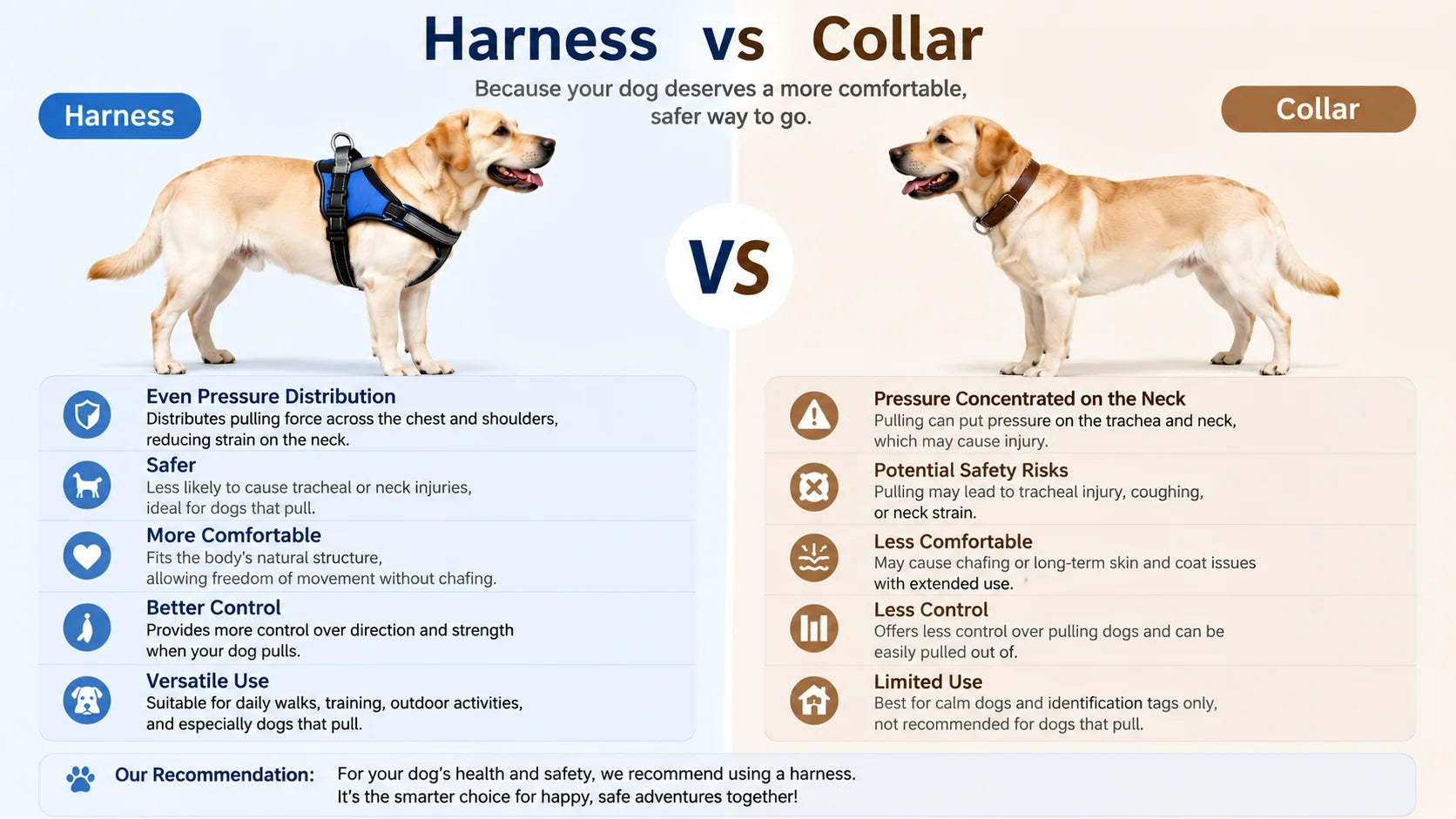
Choosing between a harness and a collar depends on various factors, including your dog's age, breed, body structure, health, and activity level. Each has its advantages; assessing these aspects will help determine the best option for your furry friend.
Choosing between a dog harness and a collar can greatly depend on your furry friend's age. Puppies often benefit from harnesses, as these provide better control and facilitate positive reinforcement during early leash training. They also prevent strain on the delicate structure of a puppy's neck. Conversely, adult dogs, particularly those with good leash manners, may thrive with a collar, especially if it’s lightweight and comfortable. Understanding your dog's age helps in selecting gear that meets their specific needs for safety and comfort during enjoyable daily walks.
When choosing between a dog harness vs collar, your dog’s breed and body type matter. Short-nosed breeds like Bulldogs and Pugs often benefit from a harness because it reduces pressure on the neck and airways. Small dogs with delicate necks and large dogs that pull may also need the added support and control of a harness.
Health conditions should also affect your harness or collar decision. Dogs with breathing issues, neck sensitivity, or mobility problems are usually safer and more comfortable in a harness. Choosing the right walking gear can improve comfort, safety, and leash control during daily walks.
Leash control is another key factor when deciding between a harness or collar. Dogs that frequently pull or lunge during walks should use a harness, especially a front-clip or Y-shaped design, which helps reduce pulling and gives owners better control. However, if your dog is already well-trained, walks calmly, and doesn’t pull on the leash, a collar can still work well for everyday walks.
Selecting gear based on the activity type is essential for ensuring your furry friend enjoys each outing. For vigorous activities, a dog harness provides better control and distributes pressure evenly, making it a comfortable option for active dogs. Conversely, for short trips or low-energy walks, a flat collar can be a convenient choice. Additionally, certain dog collars, like martingale collars, can offer a safe, adjustable fit for dogs with specific behavior challenges, enhancing overall leash training sessions.
Selecting the right gear for your furry friend involves understanding their specific needs and behavior. For dogs that pull, a dog harness is often the better choice, providing better control and reducing strain on the dog’s neck. Conversely, well-trained dogs may benefit from a collar, supporting good leash manners. Small or short-nosed breeds, such as brachycephalic dogs, might require more comfortable options to avoid respiratory issues, while large or working dogs often thrive with durable harness styles designed for their size and purpose.
For dogs that pull during walks, a dog harness can be a better choice. It distributes pressure across the dog’s body rather than concentrating it on the neck, reducing the risk of tracheal collapse and promoting healthier leash manners. Harnesses designed for strong pullers often feature adjustable straps for a proper fit, enhancing comfort and control. By prioritizing safety, dog parents can ensure enjoyable daily walks and positively influence their furry friend's behavior, making leash training more effective.
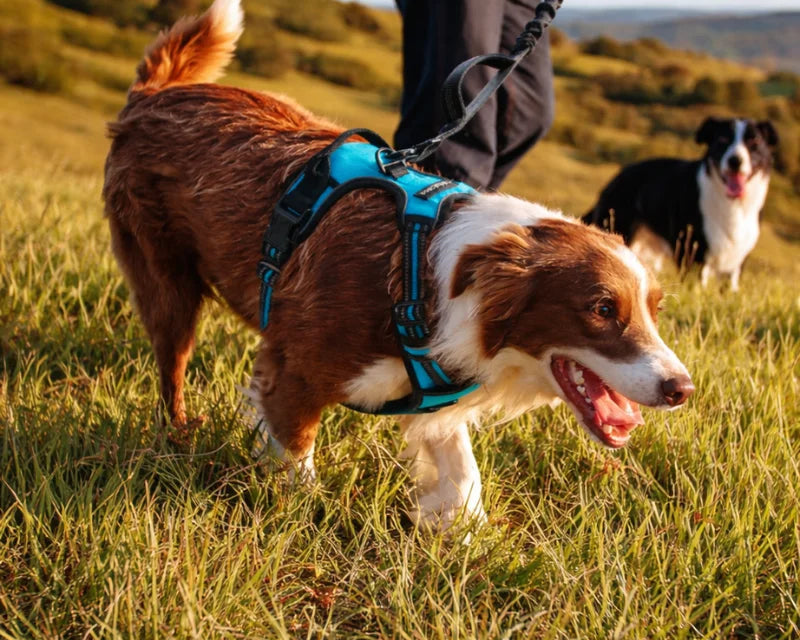
For well-trained dogs, a flat collar often emerges as the best option. This choice allows for easy attachment of ID tags and leashes while promoting good leash manners during walks. With the right fit, these collars remain comfortable for your furry friend. While harnesses can provide better control for dogs that pull, a well-behaved dog may thrive with the simplicity of a collar, demonstrating that sometimes less is more in fostering enjoyable daily walks and maintaining a connection between you and your pet.
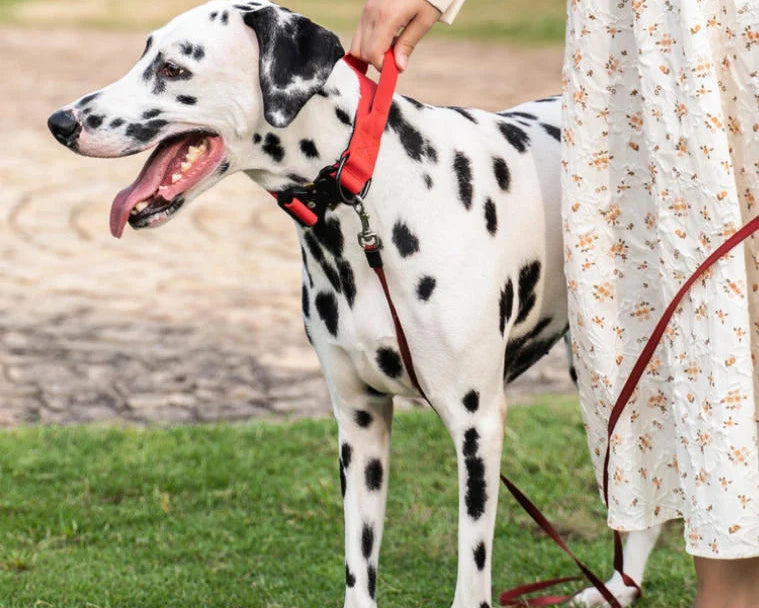
Given their unique anatomy, small or short-nosed dogs like brachycephalic breeds require special consideration regarding walk gear. A well-fitted dog harness often serves as a better choice, ensuring that their delicate trachea is protected while allowing for better control without choking. This comfortable option also mitigates the risk of respiratory issues that can occur with traditional collars. For optimal leash manners during walks, selecting a dog harness designed for their specific needs can make all the difference for both dog parents and their furry friends.
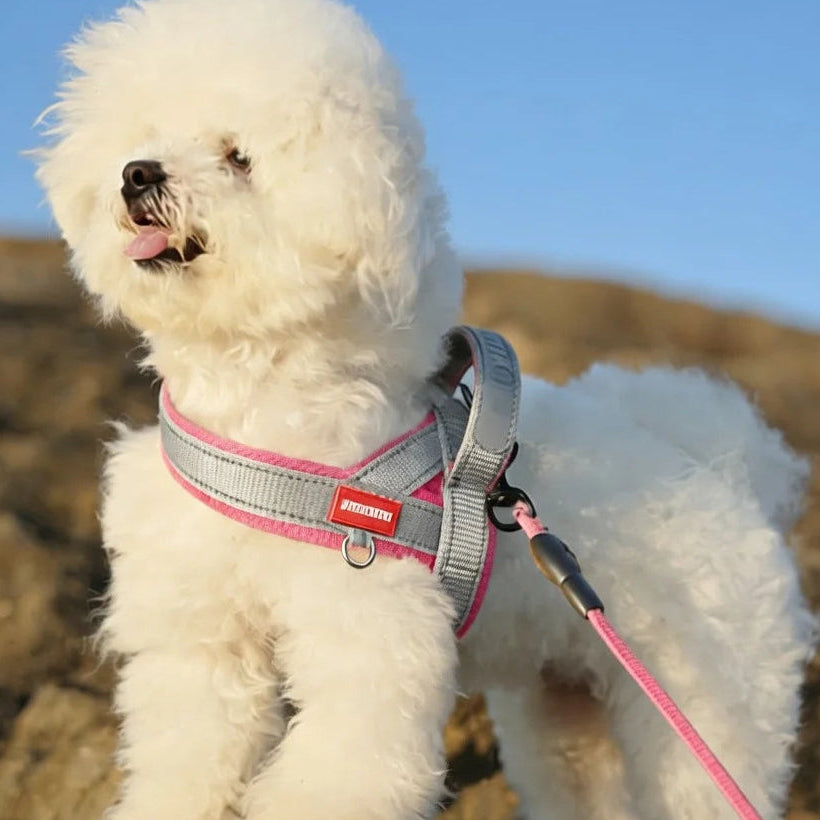
Large or working dogs often require better control and support during walks or training. Compared to a collar, a dog harness distributes pressure more evenly across the chest and shoulders, reducing strain on the neck. For strong breeds or highly active dogs, a harness provides safer handling, better stability, and improved control in outdoor environments.
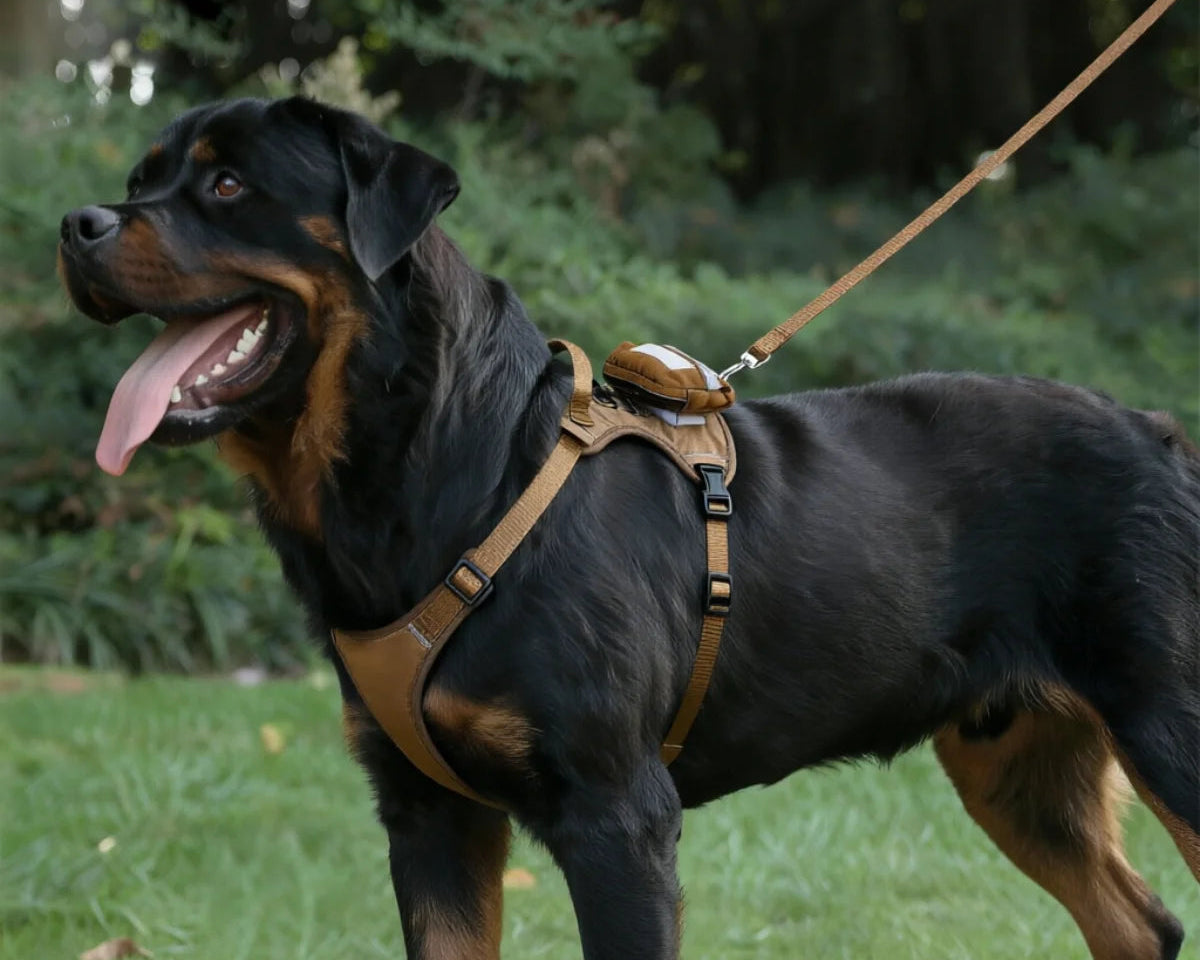
Choosing the right leash gear depends on your dog’s needs. Harnesses offer control and comfort for pullers or short-nosed breeds, while collars work well for well-trained dogs.
Find the perfect harness or collar for your dog today and make every walk safe and enjoyable!
Please read our FAQs page to find out more.
Yes, many dog owners do this. You can keep a dog collar on your pet at all times with their ID tags attached for safety. Then, for walks, you can put on a dog harness and use its leash attachments. This combination provides a comfortable option, ensuring your dog is both safe and identifiable.
For a reactive dog, a dog harness is recommended as it offers better control and helps you manage lunging without putting pressure on their neck. Combining a harness with positive reinforcement training can help improve leash manners and address your dog's specific needs in a safe and effective way.
Many professional dog trainers prefer a dog harness, especially a no-pull style, for obedience training and leash training. A harness provides better control without the risk of neck injury associated with a dog collar, making it a safer and more effective tool for teaching a dog to walk calmly.