
Do Dogs Need a Harness? Take the 3-Question Test
- by 03Howoll
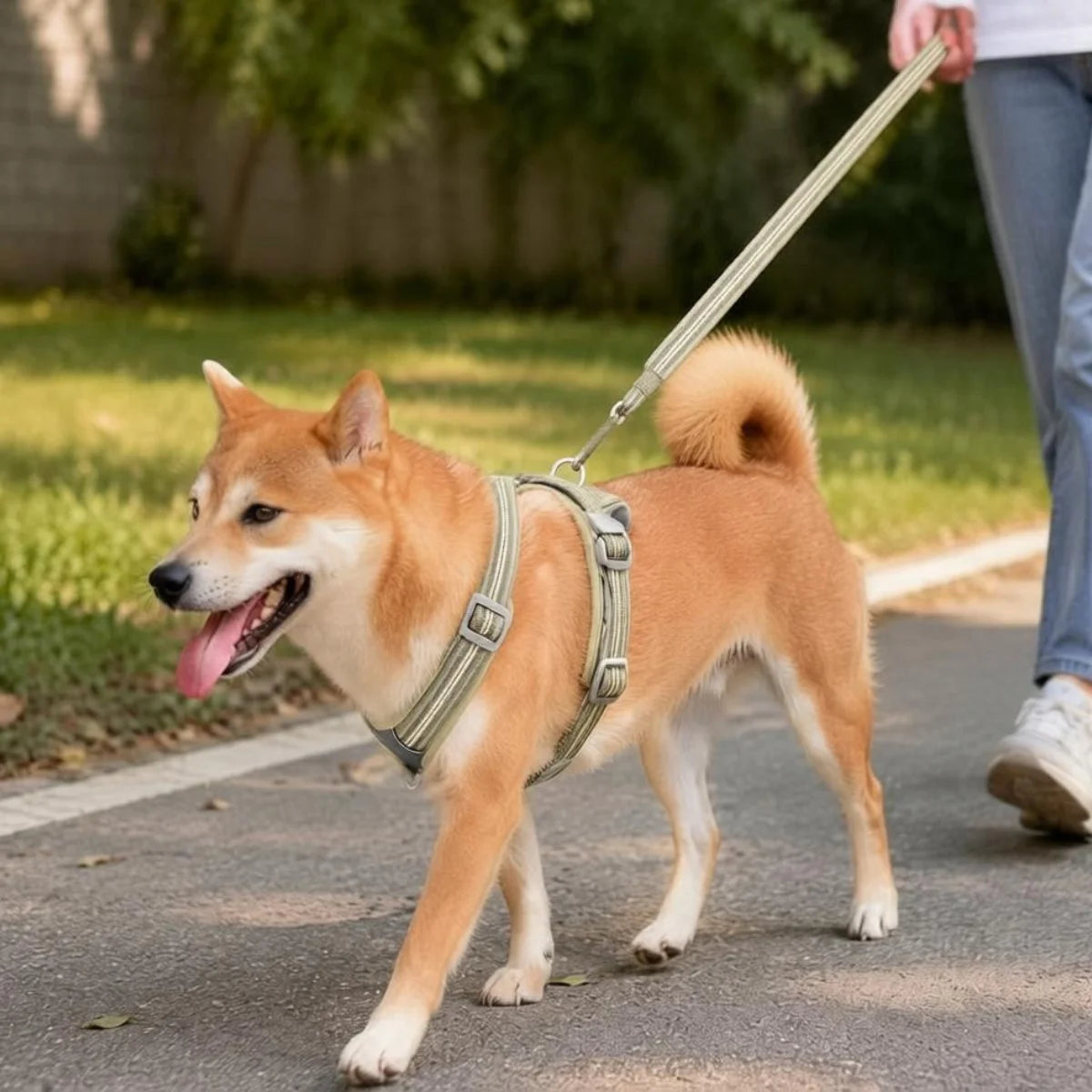
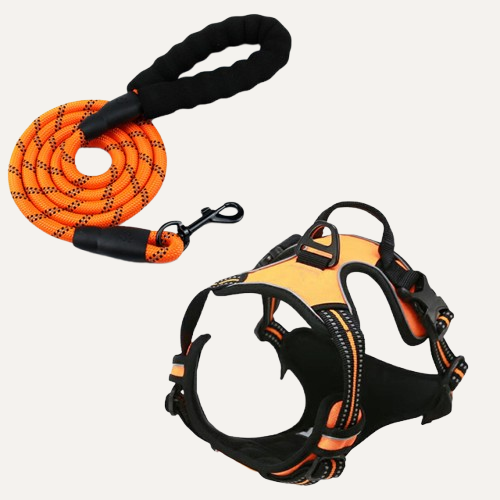
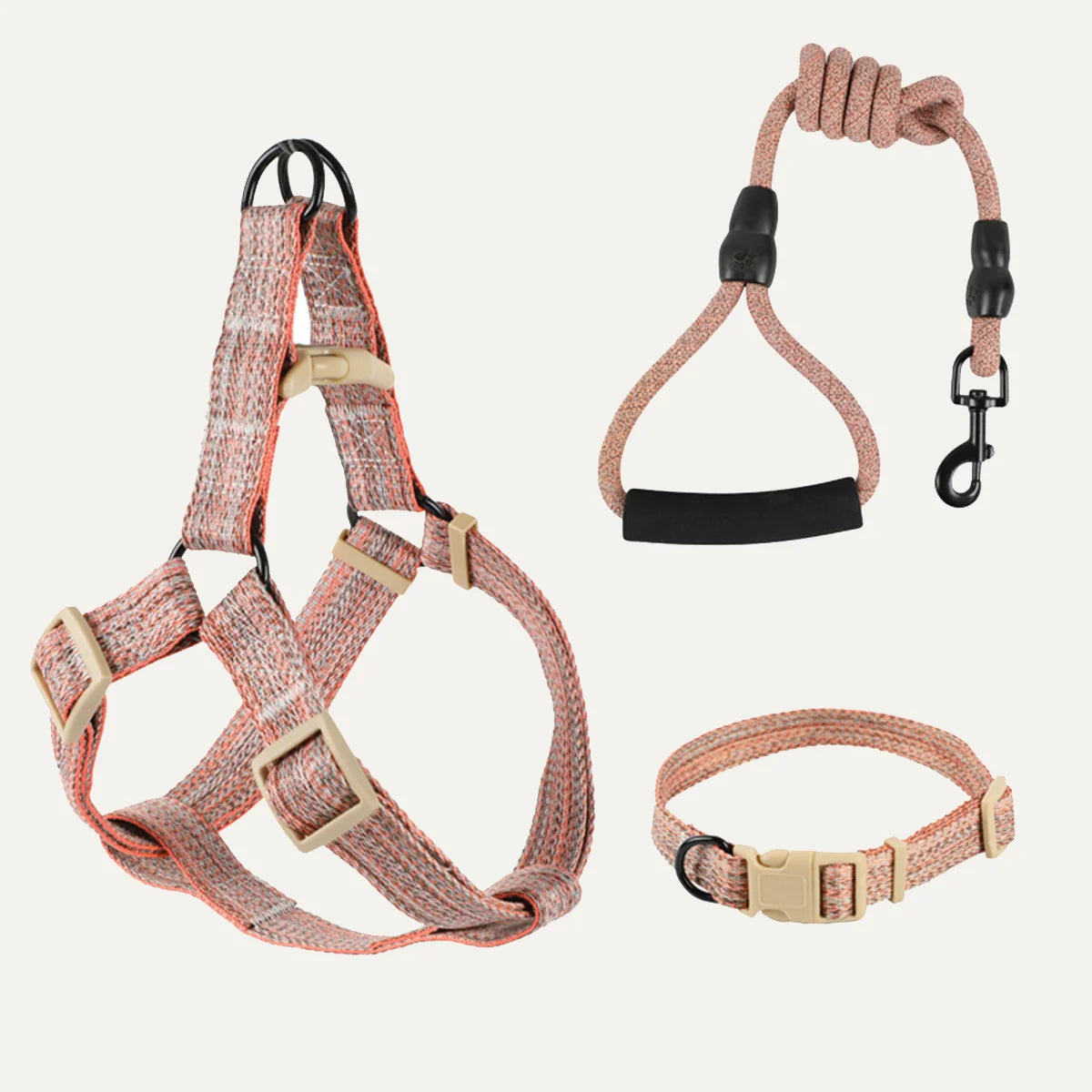
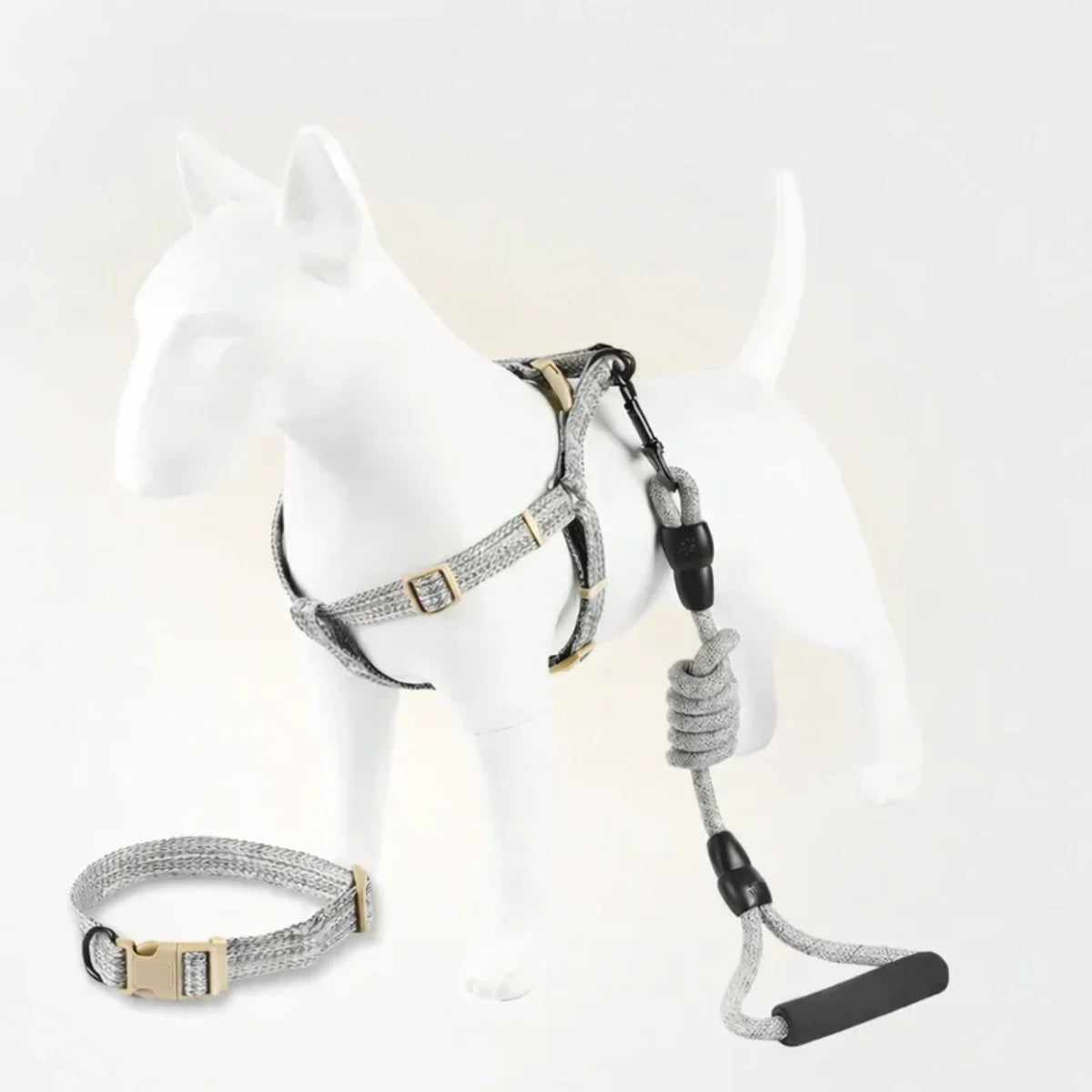
A dog harness is a piece of equipment that wraps around a dog’s torso, typically going around the front legs and chest. It connects to the leash either at the back or at the chest, offering better control compared to collars that only go around the neck. This design provides a more secure fit and helps distribute pressure more evenly across the dog’s body.
The primary purpose of a harness is to redirect pulling force away from the neck and throat, instead transferring it to the chest, shoulders, and back. This not only reduces strain on sensitive areas such as the trachea, thyroid, and cervical spine but also gives owners better control over their dog with multiple points of contact, making walks or training sessions easier and safer. The harness is designed with the health and safety of the dog in mind and is often essential for certain dogs, not just an optional accessory. Now, let’s take a look at which dogs absolutely need a harness and which dogs can manage without one.
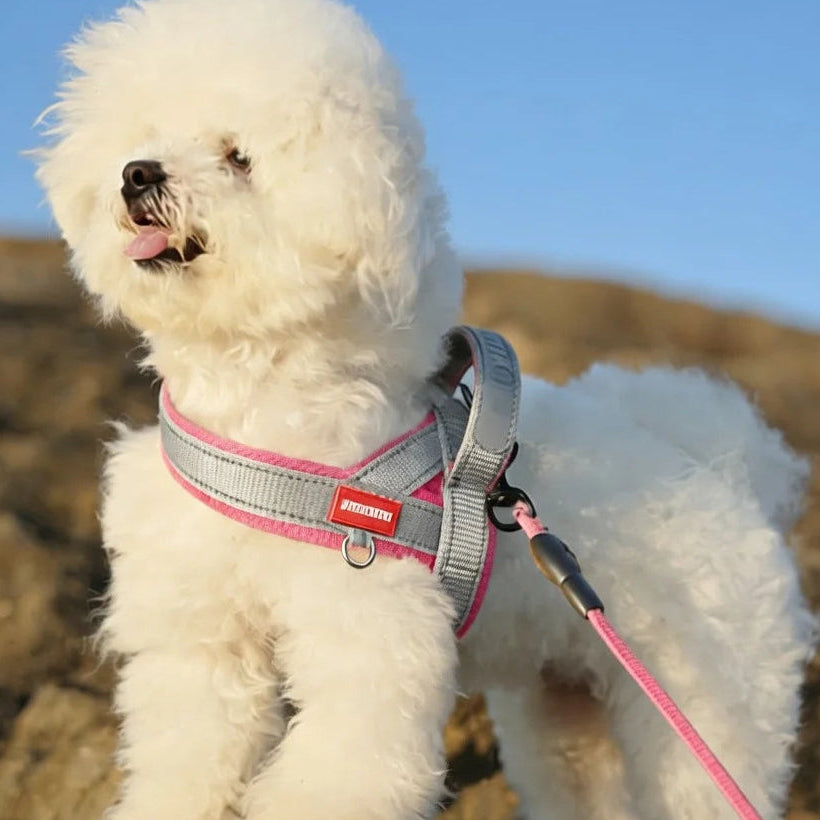
Small dogs, such as Chihuahuas, Yorkshire Terriers, Maltese, Pomeranians, and Toy Poodles, are particularly vulnerable to tracheal collapse due to their delicate necks and small size. Traditional collars, which place pressure directly on the neck, can exacerbate this issue, potentially leading to serious health problems. In contrast, a harness is designed to avoid any pressure on the neck. Instead, it redistributes the force across the chest and back, areas that are better equipped to handle such stress. For these breeds, using a harness is not just a comfort option but a critical health measure to ensure their safety and well-being.

Brachycephalic breeds, including French Bulldogs, English Bulldogs, Pugs, Boston Terriers, and Pekingese, are prone to airway constriction due to their unique facial structure. This narrowing of the airways makes it more difficult for these dogs to breathe, and any additional pressure applied to their necks can worsen these difficulties. As a result, using a collar that applies pressure to the neck can lead to severe complications. Veterinarians strongly recommend harnesses for these breeds because they avoid placing any strain on the neck, allowing for better airflow. By distributing pressure across the chest and back instead of the neck, a harness helps to ensure that these dogs can breathe more easily and comfortably, reducing the risk of respiratory distress.
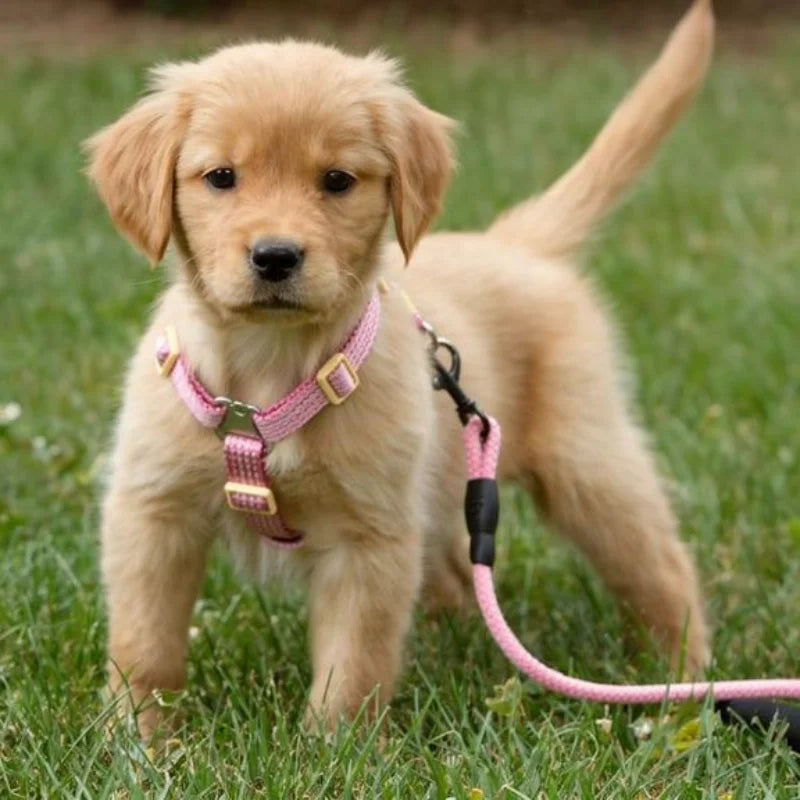
Puppy requires a harness due to several key reasons. Puppies are still in the process of developing their neck and trachea, making them more susceptible to injury compared to fully grown dogs. Their bodies are not yet fully equipped to handle the pressure from a traditional collar, which could potentially cause damage. Using a harness during their early stages helps avoid unnecessary strain on their developing neck structures.
Additionally, puppies are in the critical period of leash training, during which they may pull or lunge unexpectedly. A harness offers better control and safety by distributing the pressure across their body, providing a more secure way to guide them while walking. Starting harness use early also helps prevent future chronic injuries that could result from the constant tension a collar may place on their neck over time.
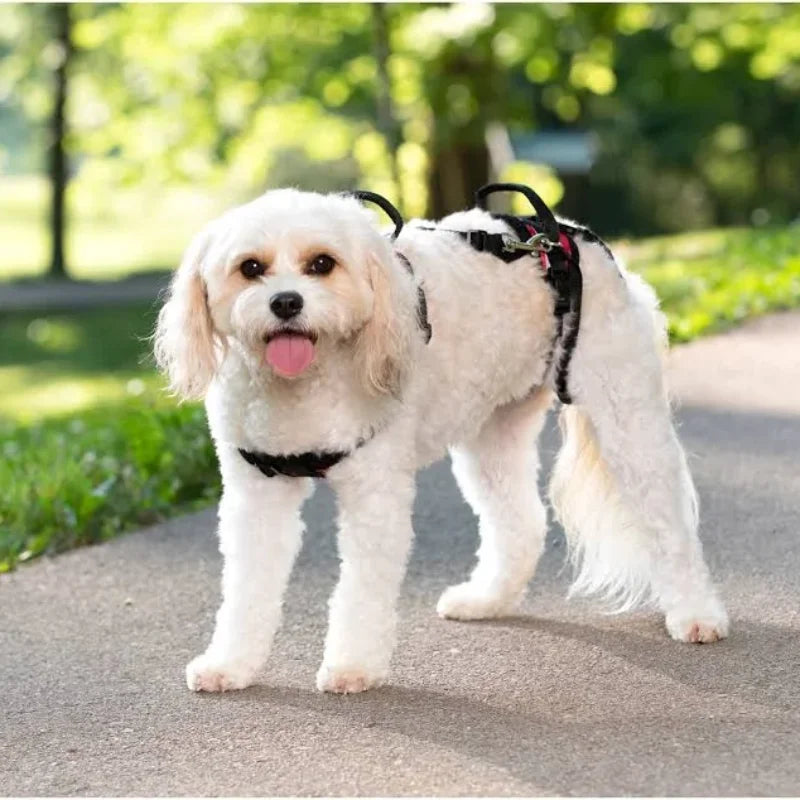
Certain health conditions make the use of a harness essential for a dog’s safety and comfort. For dogs with cervical spine issues or intervertebral disc problems, pressure on the neck from a collar can worsen pain and compress nerves. Similarly, dogs diagnosed with tracheal collapse must avoid collars altogether, as the pressure can severely aggravate the condition. In these cases, a harness is the only safe option.
Dogs with glaucoma or other eye problems can also benefit from a harness, as neck pressure from a collar can increase intraocular pressure, potentially worsening their condition. Likewise, dogs with hypothyroidism should avoid repeated neck pressure, which may negatively impact thyroid function over time.
Finally, for dogs suffering from arthritis, a harness is particularly helpful. It allows for better control when assisting older dogs in tasks like climbing stairs or getting into a car, as it avoids putting strain on their already sensitive joints. In all of these cases, a harness offers a safer, more supportive alternative to traditional collars.
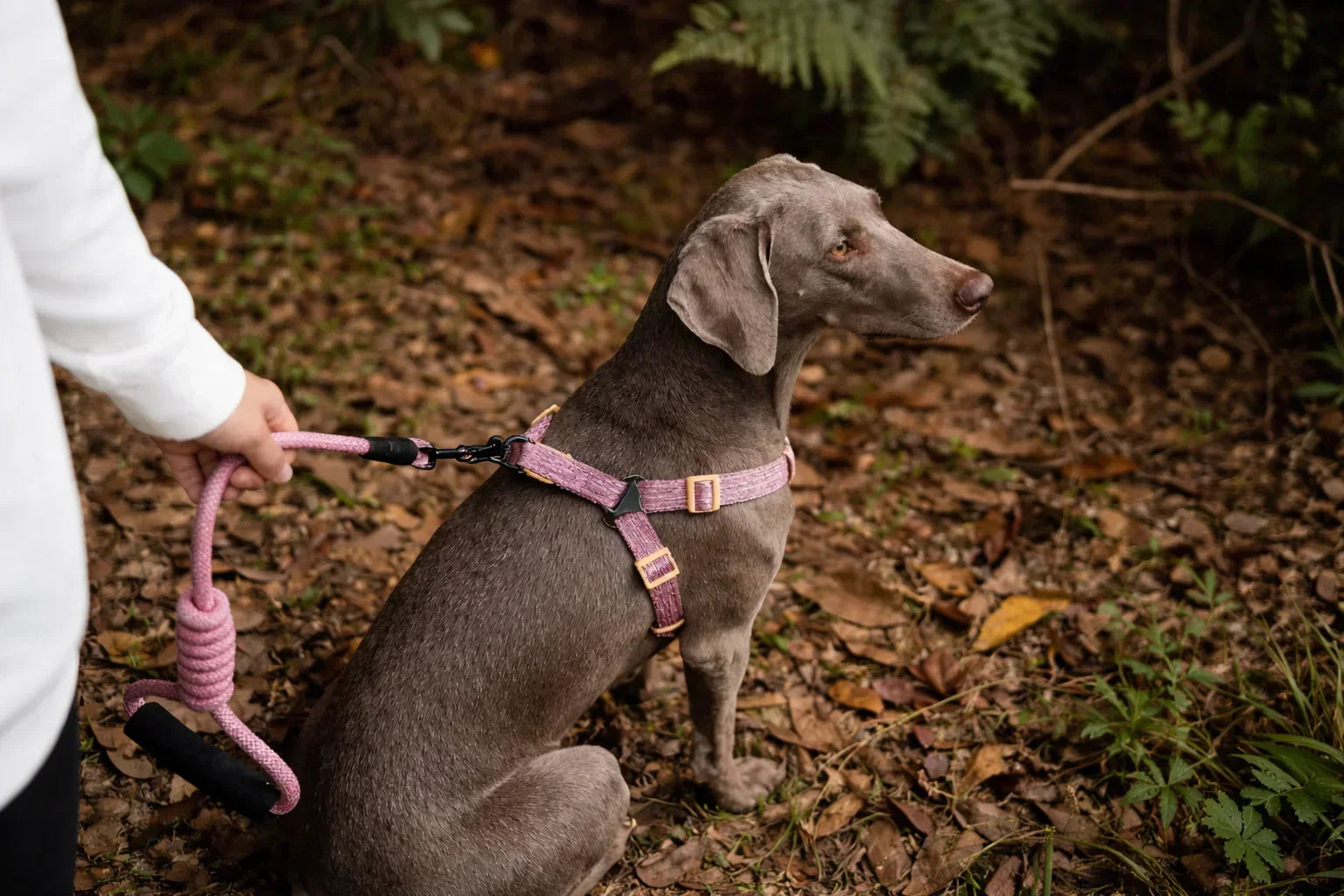
For dogs with specific behavioral traits, a harness can provide essential benefits. Dogs that tend to pull on the leash can benefit from a harness because it redistributes the pulling force across the body, reducing the strain on the owner and also protecting the dog from neck injury. Additionally, for dogs that are easily excited or prone to suddenly lunging, a harness gives the owner better control, helping prevent the dog from rushing into dangerous situations.
Dogs that are escape artists may be more secure in a well-designed harness, especially those with features like a three-point locking system or anti-escape designs. These features offer more safety than traditional collars, which can be easier for dogs to slip out of. Lastly, for dogs that are sensitive to neck touch, such as those who dislike having their necks restrained, a harness offers a more comfortable solution by avoiding any pressure on the neck, ensuring a less stressful experience for the dog.
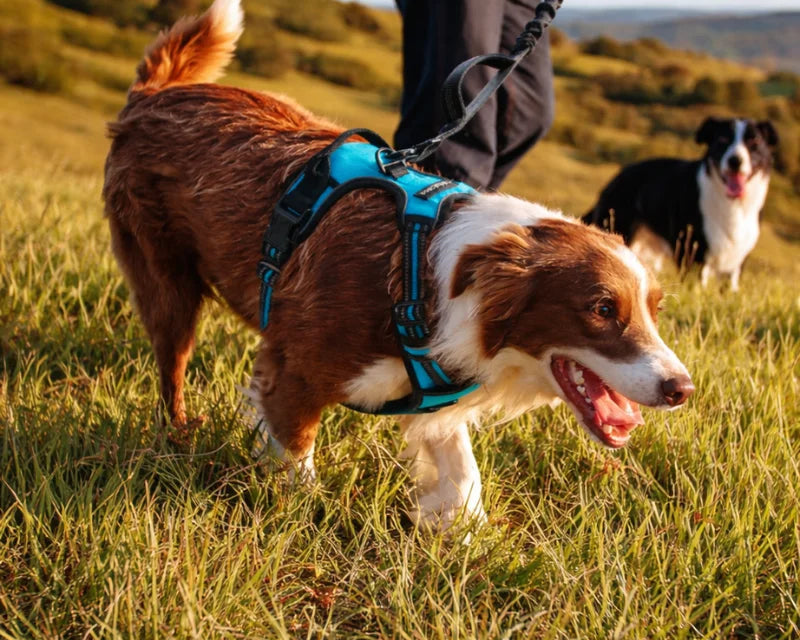
A harness is particularly beneficial in various situations where extra control and safety are required. For hiking and climbing, a harness provides better control on complex terrain, especially when it’s equipped with a handle that can assist in lifting or guiding the dog during difficult ascents. In running or agility training, a harness distributes pulling forces evenly, preventing strain on the neck while allowing the dog to maintain free movement and optimal breathing.
When traveling or flying, a harness becomes a practical tool as it often meets the requirements for airline-approved carriers or vehicle safety restraints, making it easier to secure your dog quickly. Additionally, for night walks, harnesses typically feature reflective surfaces, enhancing visibility and ensuring that both you and your dog remain safe in low-light conditions. Each of these activities highlights the versatility and safety advantages of using a harness for your dog.
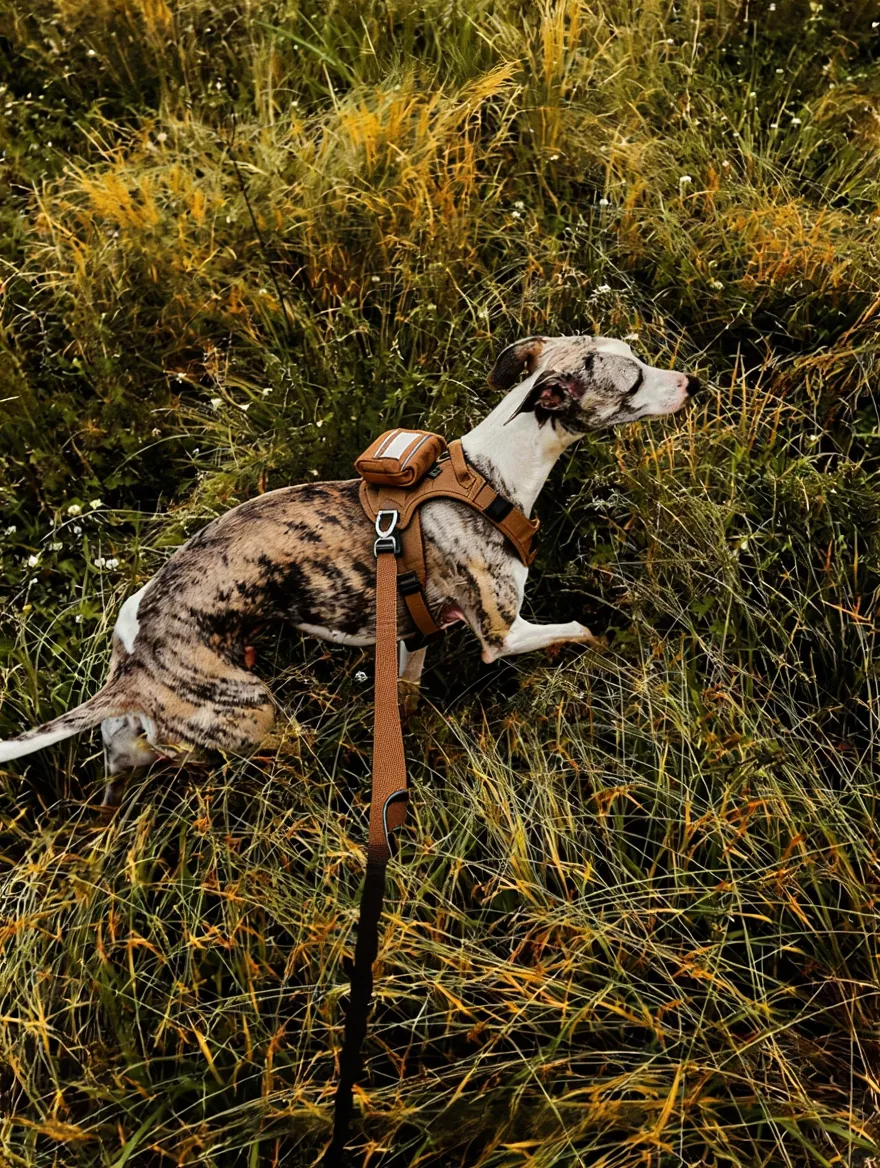
If a dog has undergone professional training and walks calmly without pulling, a harness may not be absolutely necessary. In cases where the dog is well-behaved on a leash, and the owner is experienced in leash handling, a collar may suffice. Additionally, if the dog does not have any neck or respiratory issues, the use of a harness becomes more of an optional accessory rather than a requirement. For these dogs, a collar could provide enough control without the need for a harness.
In situations where a dog is simply walking from the house to the backyard to use the bathroom, or engaging in short-term activity within a fully enclosed and secure environment, the risks are relatively low. In these cases, the necessity of a harness is diminished. Since the environment is safe and controlled, there is less need for the added control and safety that a harness provides. A collar or no restraint at all may be sufficient for these brief and low-risk activities.
Important Reminder:Even if your dog doesn't fall into a "high-risk" category, a harness remains a valuable long-term investment in their health. Think of it like a car’s airbags—they may not be necessary in everyday situations, but in case of an emergency, they could be crucial. The added security and comfort provided by a harness can make a significant difference when it's needed most.
Use this simple self-assessment checklist to help determine if a harness is the right choice for your dog.
Ready to choose the perfect harness for your dog? Visit our website to explore a range of high-quality harnesses that ensure your dog’s safety, comfort, and well-being.
Please read our FAQs page to find out more.
Puppies can typically start wearing a harness around 8 weeks old. It's important to choose a soft, adjustable harness that suits their size and stage of development. As they grow, you can adjust the harness for a comfortable, secure fit. Using a harness early on helps with leash training and provides better control.
For senior dogs, choose a harness that is easy to put on and offers extra support without restricting movement. Look for a padded design to ensure comfort, and consider a harness with a handle for easier lifting or assistance with mobility. Make sure the harness fits snugly but isn’t too tight, as older dogs may have more sensitive skin.
A well-fitted harness should not restrict your dog's movement. It is designed to distribute pressure evenly and allow freedom of movement, whether your dog is walking, running, or playing. However, make sure the harness is the right size and adjusted properly to ensure it doesn't rub or limit your dog’s natural motions.
If your small dog tries to escape, choose a harness with an escape-proof design, such as a three-point or adjustable harness. Make sure it fits snugly but comfortably. You can also consider harnesses with additional straps or security features to prevent escape.