

- by serviceHowoll
How to Clean Dog Coats
- by serviceHowoll
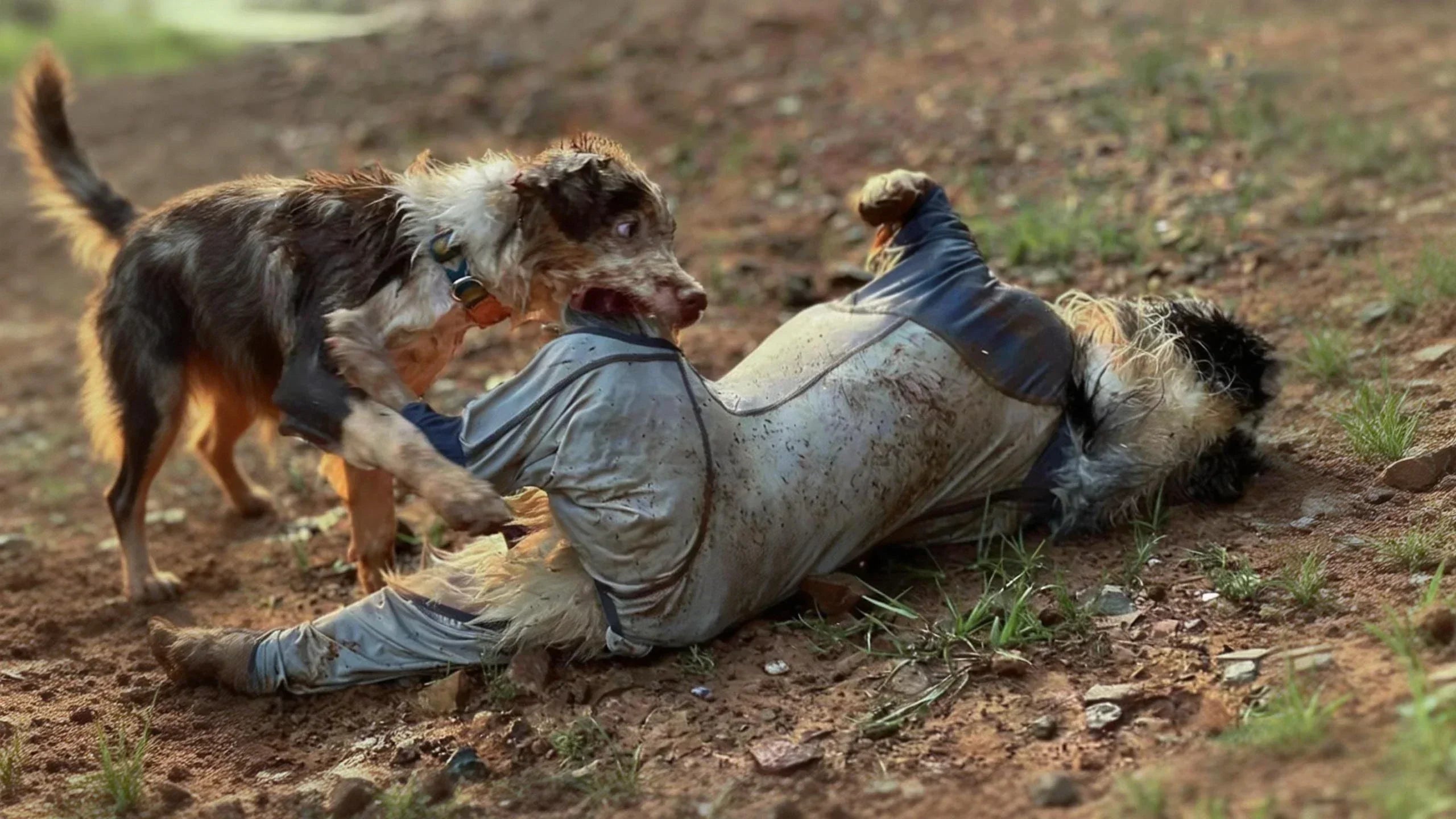
You’ve just returned from the perfect muddy hike with your dog. They had a blast, but their high-performance waterproof dog coat is now a mess. Should you toss it in the washing machine, or are you worried about ruining it? Don’t panic—proper cleaning not only restores your dog coat’s appearance but is also crucial for extending its lifespan and preserving its performance features like waterproofing. This comprehensive guide will walk you through everything from daily upkeep to deep cleaning.
Regularly cleaning dog coats helps prevent dirt and oils from slowly breaking down fabric fibers and technical coatings over time. When grime is allowed to build up, it can compromise waterproof performance, trap odors and bacteria, flatten insulation so the coat feels less warm, and even lead to premature wear on zippers and closures.Outdoor gear experts also point out that improper care is one of the leading reasons technical outerwear loses its performance too early, which is why regular maintenance is essential for both durability and functionality.
Before you clean dog coats, always flip the coat inside out and carefully read the care label. The manufacturer’s instructions are the most reliable guide for cleaning dog coats without damaging their performance features. Different dog coats are made from different materials—such as waterproof nylon shells, fleece linings, or quilted insulation—and each fabric reacts differently to water temperature, detergents, and washing methods. Ignoring the care label can lead to reduced waterproofing, flattened insulation, or premature wear. By checking the label first, you ensure that you’re using the safest and most effective method to clean dog coats, helping maintain both comfort and long-term durability.

For muddy or greasy stains on dog coats, taking the right steps before washing can make a big difference in cleaning results and fabric protection.
Start by letting mud dry completely. Once dry, gently brush it off using a soft-bristle brush or your hand—this prevents wet mud from spreading deeper into the fabric. For surface dirt or light grime, use a soft brush or a damp cloth to wipe the area clean, working in small sections to avoid soaking the material. If stains remain, spot-treat only the affected areas with a mild detergent diluted in water. Gently dab or rub the solution into the stain using a cloth or sponge, then rinse thoroughly with clean water to remove any residue.
Avoid harsh stain removers or heavy-duty cleaners, as these products can damage fabric fibers and strip the waterproof coating on technical dog coats, reducing their performance and lifespan.
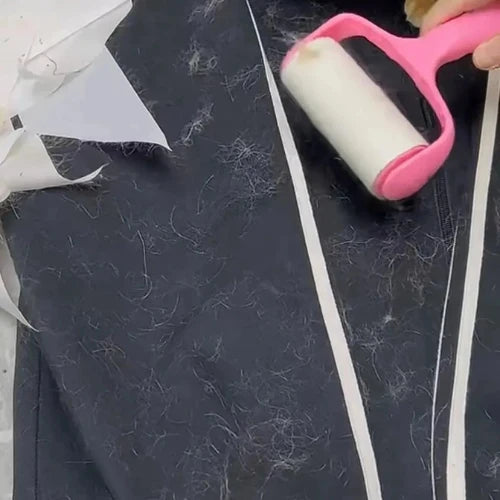
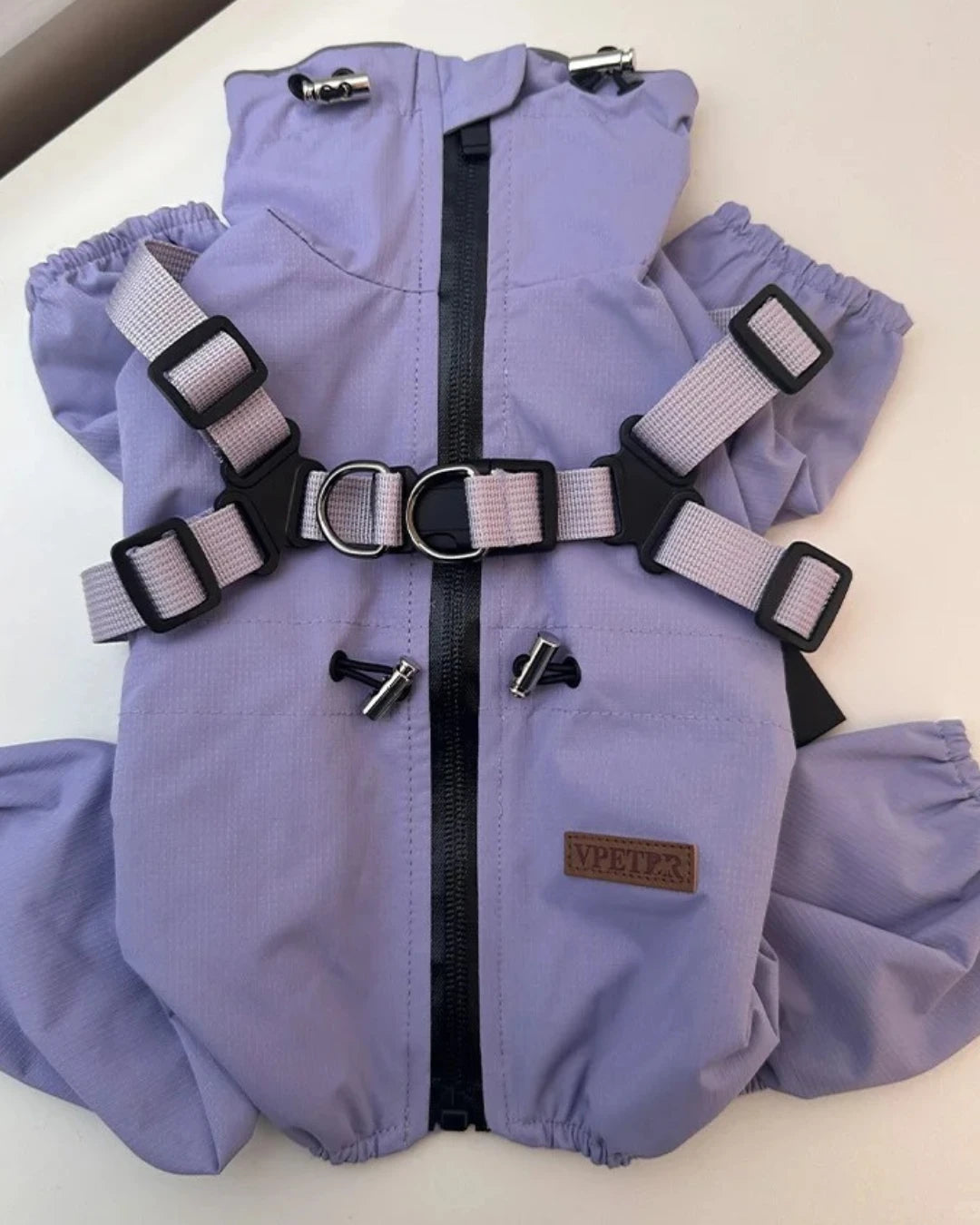
Before cleaning dog coats, taking a few minutes to prepare them properly can make a big difference in both cleaning results and long-term durability. Start by fully closing all zippers and fastening any Velcro or snap closures, which helps prevent snagging, stretching, or damage to the fabric during washing. Next, turn the dog coat inside out to protect the outer shell and waterproof coating while allowing sweat, oils, and dirt on the inside to be cleaned more thoroughly. Finally, shake off loose hair, dried mud, and surface debris, or use a soft brush if needed. These simple preparation steps help ensure that cleaning dog coats is more effective while reducing unnecessary wear on seams, insulation, and hardware.
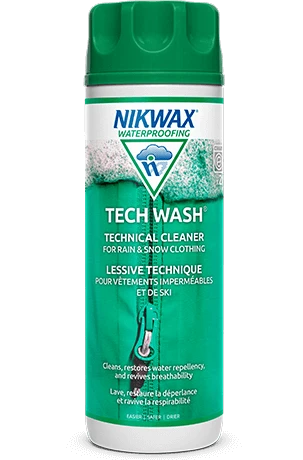
Not all detergents are created equal when it comes to cleaning dog coats. For the best results, always choose a mild, fragrance-free liquid detergent or a detergent specifically designed for technical outdoor gear, as these formulas are made to clean effectively without damaging waterproof membranes or insulation. Harsh products like fabric softeners, bleach, or powder detergents should be avoided, because they can clog fabric pores, leave residue behind, and destroy water-repellent finishes, ultimately reducing the performance and lifespan of dog coats.
For technical dog coats, two highly recommended and widely trusted options are:
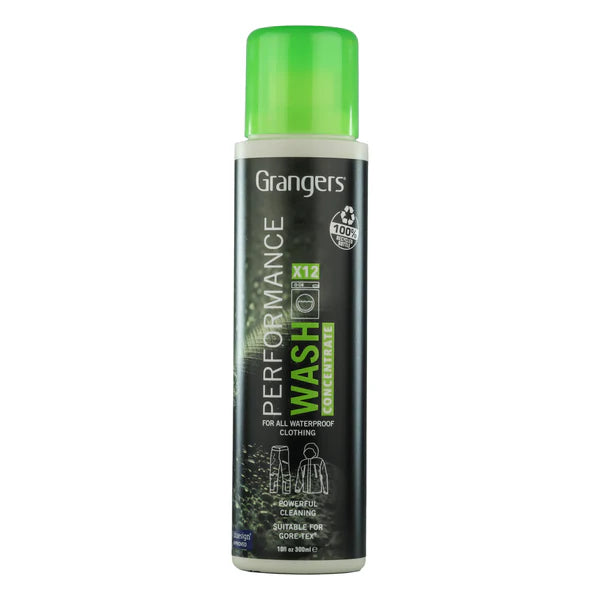
For most modern, high-quality dog coats, machine washing is safe when done correctly. Use cold or lukewarm water and select a gentle or delicate cycle to minimize stress on fabrics, seams, and insulation. It’s best to wash dog coats separately or with similar lightweight items to avoid abrasion from heavier garments. When cared for properly, most technical dog coats are designed to handle machine washing without compromising their performance.
For delicate, older, or heavily insulated dog coats, hand washing is often the safer option. Fill a basin with lukewarm water and gently agitate the coat to loosen dirt, avoiding any wringing or twisting that could damage the fabric or insulation. Rinse thoroughly until all soap residue is removed, as leftover detergent can affect breathability and comfort.
Soap residue is the enemy of performance fabrics, as leftover detergent can block breathability and reduce waterproof performance in dog coats. After washing, consider running an extra rinse cycle to ensure all detergent is fully removed. When spinning, use a low spin speed to gently extract excess water without putting unnecessary stress on seams, insulation, or technical fabric layers, helping dog coats maintain their shape and functionality over time.
For most dog coats, air drying is the safest option—either lay the coat flat or hang it in a well-ventilated area to allow moisture to evaporate evenly. Avoid leaving dog coats in direct sunlight for extended periods, as excessive heat and UV exposure can weaken fabrics and degrade waterproof coatings over time.
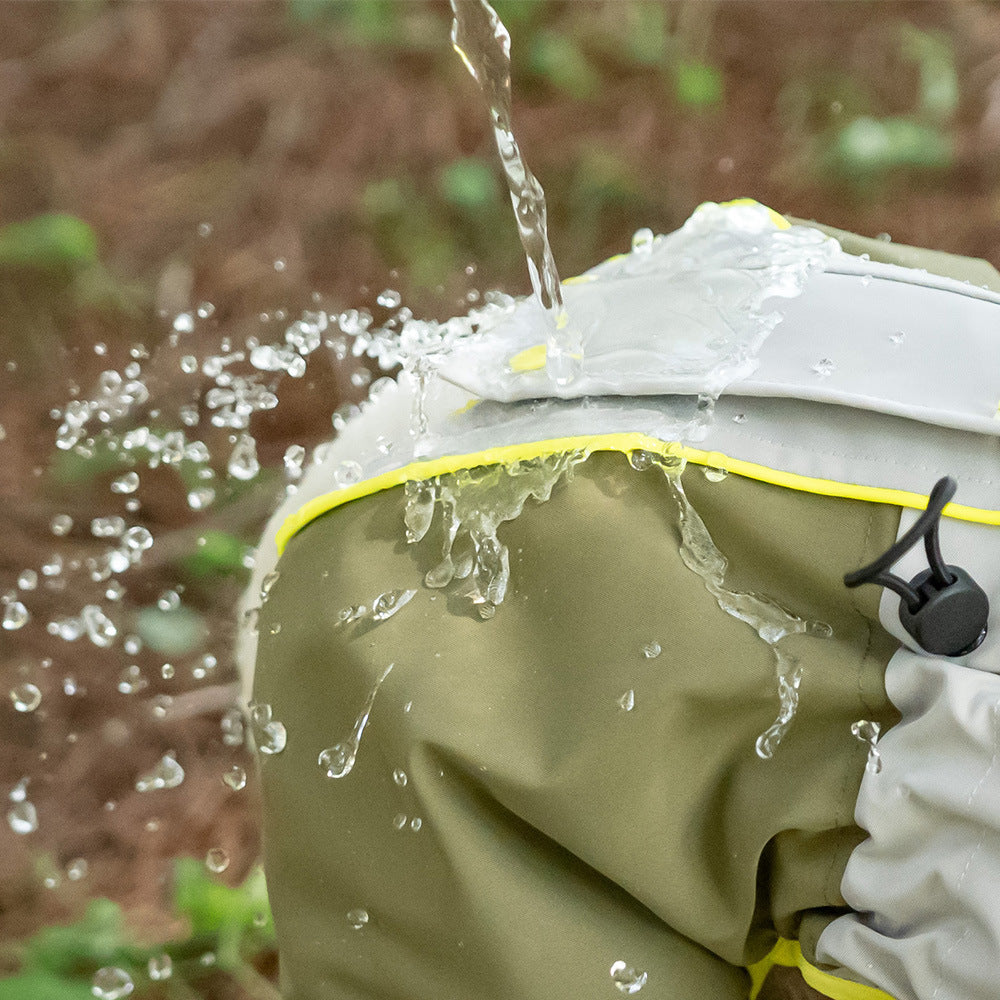
Some dog raincoats do allow low-heat tumble drying, which can actually help reactivate durable water-repellent finishes, but this should only be done if the care label explicitly permits it. Understanding how DWR coatings work helps explain why controlled heat can restore water beading and keep dog coats performing at their best during wet-weather adventures.
Before storing dog coats:
The same principles used to clean and maintain dog coats can also help you care for other essential dog gear. Items like dog harnesses, leashes, dog mats, and even certain dog toys often use similar fabrics, padding, and hardware. By checking the care label, choosing a gentle detergent, using the appropriate washing method, and drying properly, you can safely determine the best way to clean these items as well. Following this approach helps extend the lifespan of all your dog’s gear while keeping it clean, functional, and ready for everyday use or outdoor adventures.
Please read our FAQs page to find out more.
Most dog coats should be cleaned every few weeks during regular use, or whenever they become visibly dirty or start to smell. Frequent outdoor adventures in mud, rain, or snow may require more regular cleaning to maintain performance.
Yes. Turning dog coats inside out helps protect the outer shell and waterproof coating while allowing sweat, oils, and dirt on the inside to be cleaned more effectively.
To restore waterproofing on dog coats, follow these simple steps:
Yes, it’s recommended to wash dog coats separately or with similar outdoor gear. This helps prevent pet hair from sticking to other clothes and reduces friction from heavier garments that could damage technical fabrics.
The best water temperature for cleaning dog coats is cold to lukewarm, ideally between 30°C and 40°C (86°F–104°F). This temperature range is warm enough to remove dirt, oils, and odors while being gentle on technical fabrics, insulation, and waterproof membranes. Using hotter water can damage coatings, reduce breathability, and cause insulation to lose its loft, which is why sticking to this moderate temperature range helps keep dog coats performing well over time.