

How to Clean Dog Harness: Step-by-Step Guide for Owners
- by 03Howoll
A dog harness goes through a lot. One walk can mean dirt, loose hair, body oils, and whatever your pup found outside. That is why regular cleaning matters. Just like a dog’s collar, a harness can start to smell and look worn if you ignore it for too long. The good news is that cleaning it does not have to be hard. With a few simple steps, you can keep it fresh, comfortable, and ready for your next outing together.
Your dog harness picks up more than visible dirt. It also collects natural oils, dander, and everyday grime that build up over time. Without regular cleaning, those layers can lead to odor and make dog’s items feel unpleasant to wear.
Proper care also helps you spot problems early. A cleaner harness is easier to inspect, easier on your dog, and simpler to maintain. In many cases, cleaning can help reduce the chance of rubbing and skin irritation. Next, let’s look at the biggest benefits more closely.
A dog harness is used close to your dog’s body, so it can collect dirt, sweat, hair, mud, and outdoor debris over time. Regular cleaning is not only about keeping the harness looking nice. It also helps protect your dog’s comfort, reduce unwanted odor, and extend the life of the harness.
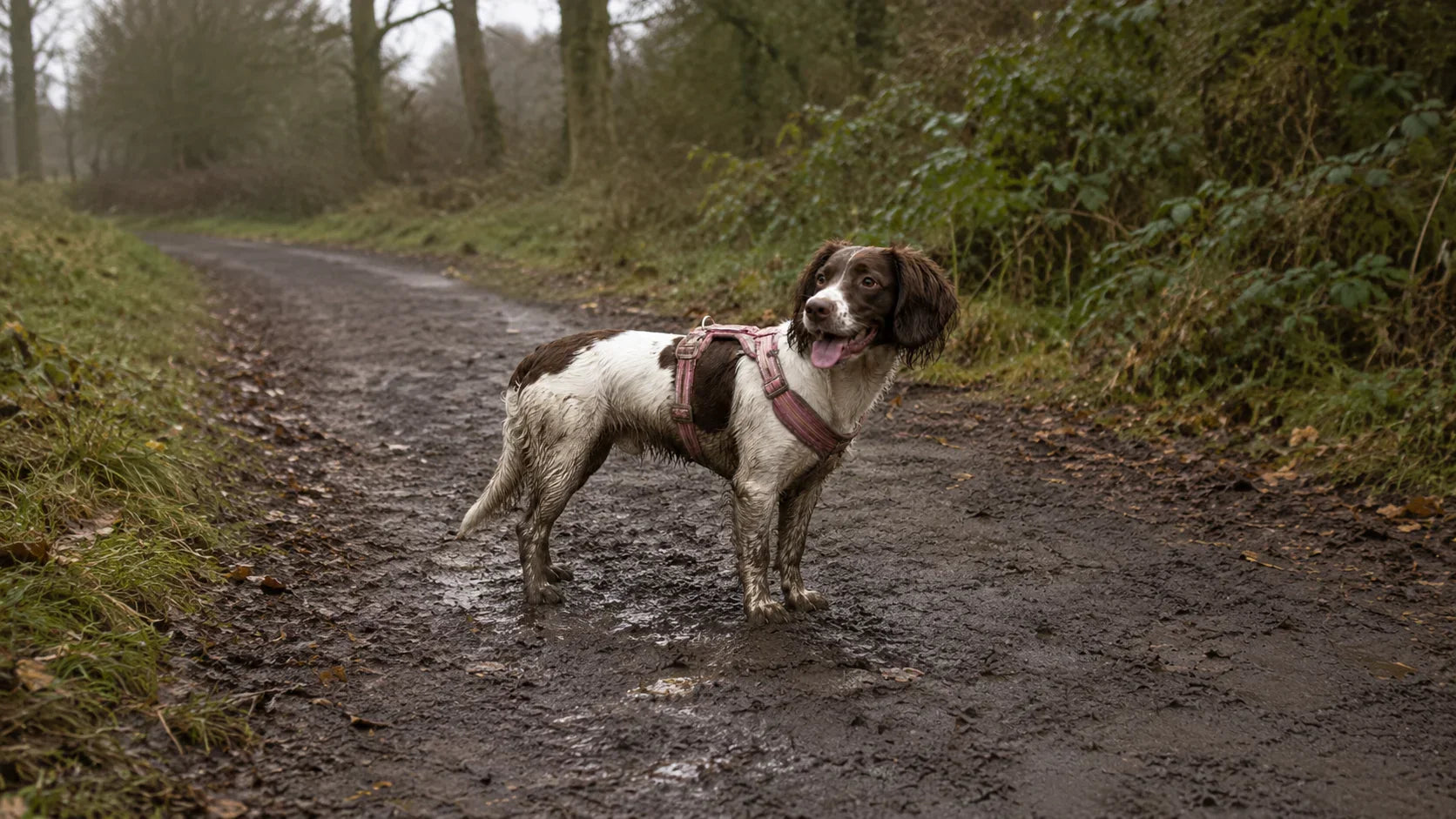
After outdoor walks, hikes, rainy days, or camping trips, a dog harness can easily absorb smells from sweat, moisture, grass, and mud. A smelly dog harness is a common problem for many dog owners, especially if the harness is used often in wet or dirty environments. Regular washing helps remove odor-causing buildup and keeps the harness fresher for both you and your dog.
Mud, sand, and dirt can slowly wear down the webbing, stitching, buckles, and metal D-ring on a dog harness. Over time, this can affect both the look and performance of the harness. By cleaning your dog harness regularly and checking the hardware after each wash, you can help maintain its strength, comfort, and durability for longer use.

There is no single schedule that fits every dog. The need for regular cleaning depends on how your dog’s harness is used and how dirty it gets. If your pup heads straight for a mud puddle, rolls in something unpleasant, or sheds much dog hair into the straps and padding, you will likely need to wash it sooner.
A practical approach is to clean dog’s items when they look dirty, smell off, or feel grimy. Dogs produce oils and dander just like people, so waiting too long can lead to odor and discomfort. If your dog wears the harness often, checking it after walks is a smart habit. That way, you can handle dirt early and keep the harness fresh without guessing.
Use this text to share information about your brand with your customers. Describe a product, share announcements, or welcome customers to your store.
Before you wash anything, get rid of what is sitting on the surface. A quick shake can remove excess dirt, dried mud, and small debris. This first step keeps the wash water cleaner and makes the rest of the process easier.
If your harness has much dog hair stuck in the fabric, take a minute to clear that away too. This matters even more if you plan to machine wash later, since trapped hair can add to the headache of a clogged washer. For fabric marks, removing debris first also helps you see where stains actually are.
Try these simple prep steps for dog’s items:
Once the loose mess is gone, you are ready to move on without grinding dirt deeper into the material.
The first rule of cleaning a dog’s harness is simple: read the care label. The tag usually tells you what temperature to use and whether the item can handle a machine wash. Skipping this step can lead to avoidable damage.
Even if the label says machine washing is allowed, that does not always mean it is the best way to wash a dog harness. The compiled guidance recommends hand washing because it is the gentlest method. That is especially helpful when you want to protect stitching, padding, and hardware from extra wear.
Take a few seconds here and you can save yourself trouble later. The care label gives you the safest starting point, helps you choose the right cleaning method, and makes it easier to keep the harness in good shape after repeated washes.
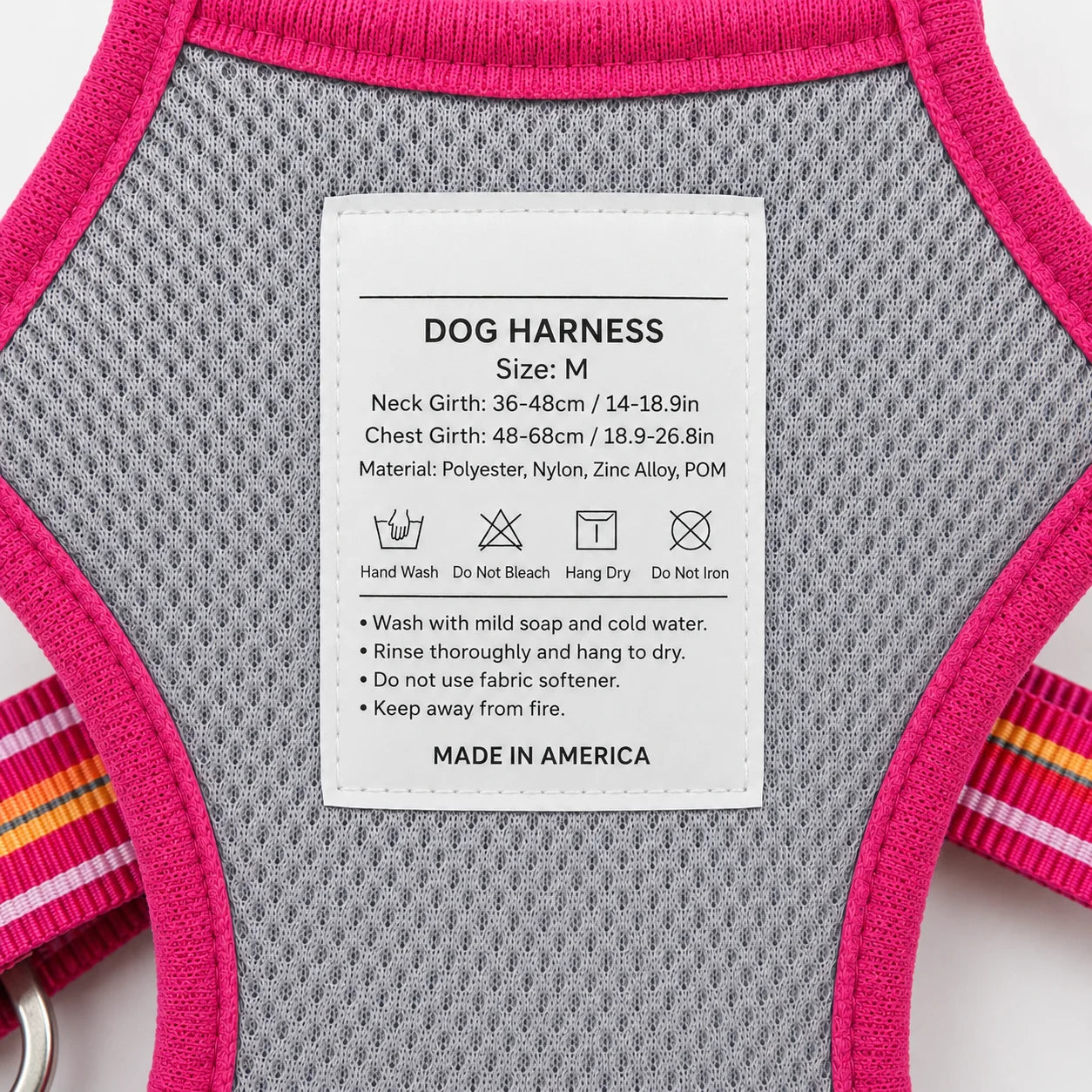
For most dog harnesses, hand washing is the safest choice. It is gentle on the material, easy to do at home, and effective for everyday dirt, sweat, and odor. When choosing a cleaning product, stick with pet-friendly options that are mild and easy to rinse out. A fragrance-free dog shampoo is one of the best choices because it is made for products that come close to your dog’s skin. You can also use a mild pet-safe soap or a free-and-clear detergent that is free from strong fragrance, dyes, bleach, and harsh chemicals.
If your harness has a strong odor after hiking, camping, rainy walks, or muddy outdoor use, an enzyme-based pet odor remover can be used as a pre-treatment. Spray or apply it to the smelly areas first, let it sit for a short time, and then hand wash the harness thoroughly. Always rinse well before your dog wears it again.
Avoid human soap, heavily scented laundry detergent, bleach, fabric softener, and chemical-heavy cleaners. These products may leave residue on the straps or padding and could irritate your dog’s skin. If you are wondering about dish soap, use it with caution and only choose a very mild, fragrance-free option when needed.
Once the wash is done, rinsing becomes the step you do not want to rush. Run the dog’s harness under clean water until the soap is gone. Any leftover cleaner can leave residue behind, attract more dirt, or make the harness feel stiff after drying.
Use running water and keep checking the straps, padding, and folds. If you washed it in hot water, make sure the rinse clears away all suds from every section. A clean rinse helps the harness dry better and smell fresher too.
After that, gently squeeze out excess water. Do not twist the harness hard, since that can stress seams or shape. The goal is to remove moisture without being rough. Once rinsing is complete, you are ready for the final drying step.
Drying matters just as much as washing. After rinsing, press out excess water gently and hang the harness up so air can move around it. Letting it air dry completely helps prevent lingering dampness and keeps it ready for safe use.
Avoid shortcuts here. The compiled instructions say not to use a dryer for these products. It is also smart to be careful with direct sunlight for long periods, since gentle drying is the goal. Whether you rinsed with cold water or warmer water, full drying still takes time.
Use these simple habits:
A completely dry harness feels better, smells cleaner, and is less likely to cause discomfort.
Not every part of a dog harness needs the same kind of attention. Straps, padding, buckles, and metal pieces all collect dirt in different ways. Looking at each area separately can make cleaning easier and more effective.
Proper care also helps protect durable materials and keeps your dog gear working the way it should. When you know what each section needs, you can clean dog’s accessories more carefully and avoid unnecessary wear. Let’s break down the main parts one by one.
Maintaining the integrity of webbing and straps is essential for the comfort of your furry friend. A simple solution of warm water mixed with mild soap or dog shampoo can effectively remove dirt and odor while preserving the vibrant colors of your dog’s harness. Utilizing a soft brush can help tackle stubborn spots without damaging the material. For those who prefer machine washing, placing the harness in a mesh laundry bag will protect it during the cycle, ensuring its longevity and durability.
Buckles and adjustment points need a lighter touch than fabric sections. These parts often trap grit around moving pieces, and rough handling can make them harder to use. If you want your dog gear to stay easy to fasten, clean these areas with care.
The safest way to clean a dog harness with buckles without damaging them is to focus on gentle cleaning. Hand washing helps because you can work around the hardware instead of tossing everything into a rough cycle. Pay close attention to creases where dirt hides, but do not scrub aggressively.
The D-Ring and other metal hardware can collect grime from outdoor use, especially if the harness gets wet often. These parts may not hold odor like fabric, but they still need attention if you want the harness to stay clean and usable.
For the main wash, use pet-safe products on the harness itself, such as dog shampoo or mild soap. If you are cleaning metal hardware specifically, white vinegar can be useful for that area. Keep the focus on the hardware only and avoid soaking parts that the care label says need extra caution.
After cleaning, dry the D-Ring and nearby metal pieces well before clipping on a leash. That helps protect your original gear and keeps the connection point ready for daily walks. A quick check after each wash also makes it easier to spot wear before it becomes a bigger issue.
Reflective strips help your dog’s harness stay visible, so it makes sense to treat them carefully. These areas can pick up dirt just like the rest of the harness, but rough scrubbing may wear them down faster. Gentle cleaning is the better approach.
If you are trying to remove stains from a fabric dog harness, start with loose debris first, then wash the area gently by hand. A soft brush can help with dried dirt before soaking. After that, use pet-safe cleaner and light pressure instead of harsh rubbing across reflective strips.
Think of reflective details like the wardrobe staples of safety gear. They need to stay clean, but they also need to stay intact. By washing them carefully and air drying the harness fully, you help protect both the look and function of this part for future walks.
Padding and mesh often hold onto sweat, oils, and odor more than flat straps do. Because these areas sit close to your dog, they can get grimy quickly and may take longer to dry. That makes careful washing especially important.
Use mild soap or dog shampoo and wash these sections gently by hand when possible. If the harness label allows a machine cycle, placing it in a mesh laundry bag adds some protection. Still, hand washing remains the gentlest method for sensitive sections like padding and mesh.
If odor lingers after cleaning, the compiled guidance suggests an overnight soak in a water and baking soda mixture before washing again. That can help with smell without reaching for harsh products. For a waterproof dog harness with padded sections, the same careful process applies: gentle washing, thorough rinsing, and complete air drying.
Even with regular cleaning and proper care, a dog harness will not last forever. Over time, daily walks, outdoor adventures, pulling, moisture, dirt, and repeated adjustments can slowly wear down the straps, stitching, buckles, and metal hardware. Knowing when to replace a dog harness is important because a damaged or poorly fitting harness can affect both comfort and safety.
You should consider replacing your dog harness if you notice frayed straps, loose stitching, cracked buckles, bent D-rings, rusted metal parts, or areas where the padding has become thin or uneven. These signs may seem small at first, but they can weaken the harness and make it less reliable during walks, training, hiking, or travel.
Fit is another important reason to replace a harness. If your dog has gained weight, lost weight, grown larger, or changed body shape, the old harness may no longer sit correctly on the chest and shoulders. A harness that is too tight can cause rubbing, while one that is too loose may shift around or allow your dog to slip out.
For active dogs that spend a lot of time outdoors, it is a good idea to inspect the harness regularly after cleaning. Check the adjustment points, leash attachment area, buckles, reflective strips, and padded sections. If the harness no longer feels secure, comfortable, or easy to adjust, it may be time to choose a new one. A durable, well-fitted dog harness helps keep every walk, hike, and outdoor adventure safer and more comfortable.
Cleaning your dog's harness is not just about maintaining hygiene; it's also essential for the comfort and longevity of the harness itself. By following the steps outlined in this guide, you can ensure that your furry friend has a clean and safe harness that doesn’t harbor odors or bacteria. Regular maintenance and proper cleaning techniques help to extend the life of the harness, ensuring it remains a reliable tool for walks and adventures. So, make it a habit to clean and check your dog's harness regularly. Your dog deserves the best, and a clean harness is a simple way to show you care. For any additional tips or questions about caring for your pet, feel free to reach out!
Please read our FAQs page to find out more.
Maybe, but check the care label first. If it allows a machine wash, remove loose hair to avoid the headache of a clogged washer and place the harness in a mesh laundry bag. Still, hand washing is usually the gentlest method and a safer choice for long-term care.
Regular cleaning, careful drying, and proper care can help dog gear last longer. Even with durable materials, dirt and oils build up over time. Clean dirty spots early, avoid harsh soaps and dryers, and you will make short work of dirty spots before they become bigger problems.
The best way is usually hand washing with mild soap or dog shampoo after checking the care label. If odor remains, try baking soda in a water soak before washing again. A machine wash may be allowed for some harnesses, but gentler cleaning usually helps them last longer.
For a waterproof dog harness, start by checking the label, then hand wash with dog shampoo since that is often the gentlest method. If odor stays behind, try a solution of water and baking soda. If machine washing is allowed, use a mesh laundry bag for added protection.