

- by 03Howoll
How to Measure a Dog for a Harness: Step-by-Step Guide
- by 03Howoll
Finding the best harness for your furry friend is more than just picking a cool color. It's about ensuring their safety, comfort, and happiness during walks and adventures. A poorly fitting harness can cause discomfort or even allow your dog to slip out, while the right one provides better control and a more enjoyable experience for both of you. This guide will walk you through everything, from understanding different harness styles to measuring your dog correctly, so you can choose the perfect option with confidence.
For many dog owners, a harness is an essential piece of gear. Unlike collars, which can put pressure on a dog's neck, harnesses distribute force more evenly across the chest and back. This is especially important for a large range of dog breeds, from small pups to powerful large dogs.
Choosing the right harness involves considering your dog's size, breed, and behavior, as well as the activities you'll be doing together. With so many different types of dog harnesses available, making the best choice ensures both safety and comfort. Let's explore what a harness does, the various styles, and the benefits of a perfect fit.
A dog harness is a piece of equipment that fits around your dog’s torso and is used with a leash for walks and other activities. It serves as an alternative to a traditional dog collar, which can cause discomfort or injury by pulling on the neck. The primary function of a harness is to distribute the pulling force across your dog's chest and back.
This distribution of pressure gives you better control over your dog without risking harm to their windpipe or spine. When your dog pulls or when you need to guide them, the force is spread over a larger, stronger area of their body. This makes walks more comfortable and safer for your pet.
Finding the right harness is crucial. Many come with multiple adjustment points to ensure a snug and secure fit. A well-fitted harness will not chafe or restrict movement, allowing your dog to walk, run, and play freely while staying securely connected to you.
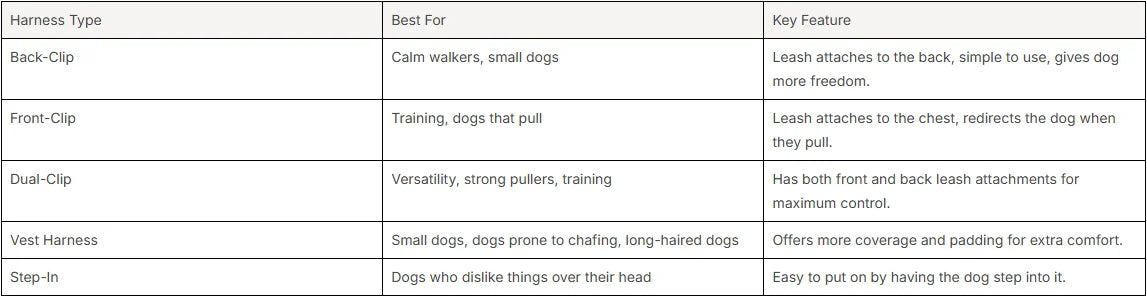
There are several types of dog harnesses, each designed with different functions and dog needs in mind. The harness style you select can depend on your dog's size and behavior. For example, a vest harness offers more coverage and padding, which is often ideal for small dogs that need extra comfort.
For large dogs or strong pullers, a strap harness made of durable materials can provide the necessary control. The most common designs include back-clip, front-clip, and dual-clip models. Back-clip harnesses are great for calm walkers, while front-clip harnesses help discourage pulling. Dual-clip options offer the most versatility.
Understanding the different styles helps you pick the right size dog harness for your companion. Here's a quick breakdown of common harness styles:
Using a perfect harness offers numerous advantages over a traditional collar, especially for dogs with certain physical traits or behaviors. A great fit ensures that the pressure from the leash is distributed evenly across the chest and back, avoiding the sensitive neck area. This is particularly beneficial for dogs prone to respiratory issues or breeds with wide chests.
A well-fitted harness also provides you with better control during walks. If your dog tends to pull, a no-pull harness style can gently redirect their movement without causing choking or discomfort. This makes training more effective and walks more enjoyable for both of you.
Above all, a secure harness prevents your dog from escaping. The benefits are clear and directly contribute to your dog's well-being.

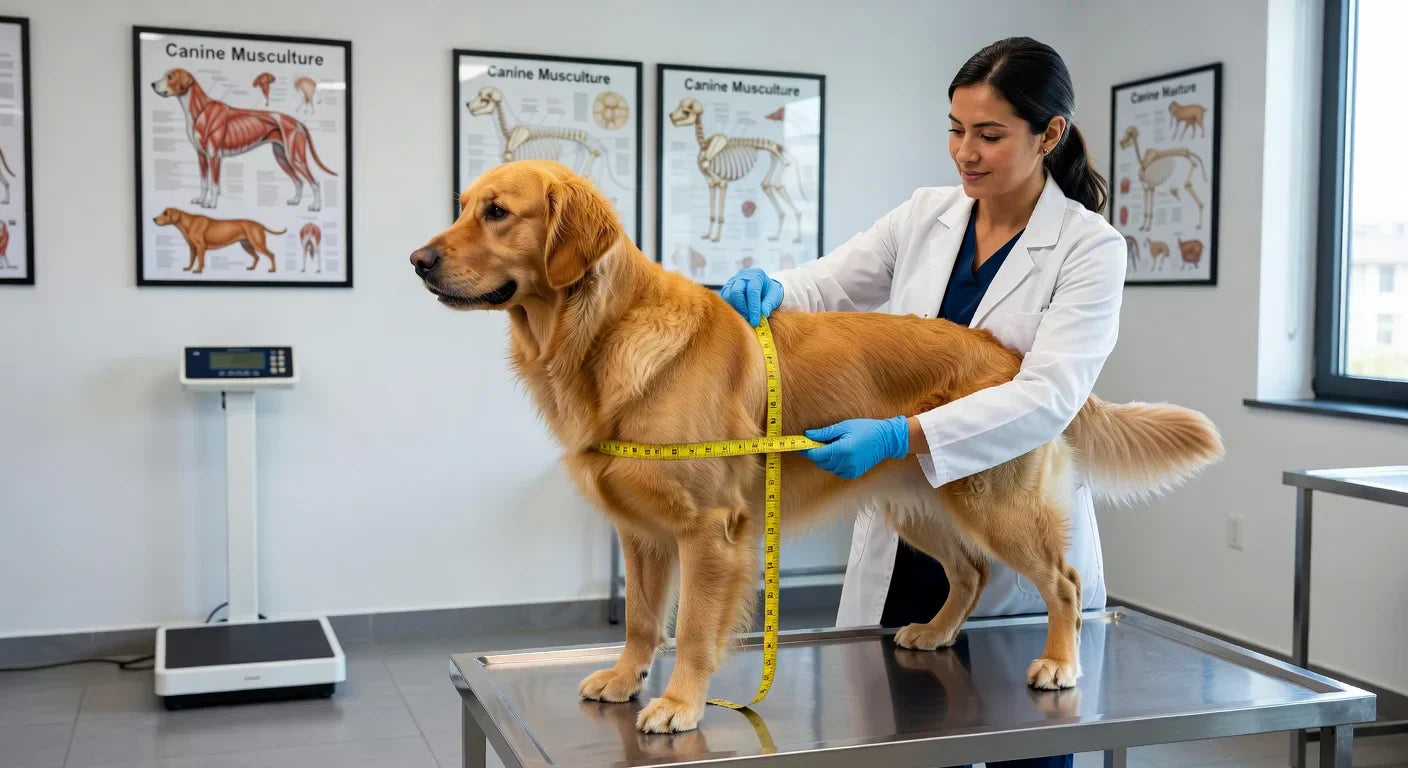
Getting the right fit for your dog’s harness starts with accurate measurements. Using a flexible tape measure is the best way to determine your dog's size. Taking the time to get correct dog's measurements is the most important step in ensuring the harness you buy is both comfortable and secure.
You will primarily need to measure your dog’s neck and chest girth. These two numbers are the foundation for finding a harness that won’t be too tight or too loose. The following steps will guide you through the process, from gathering your tools to checking the final fit.
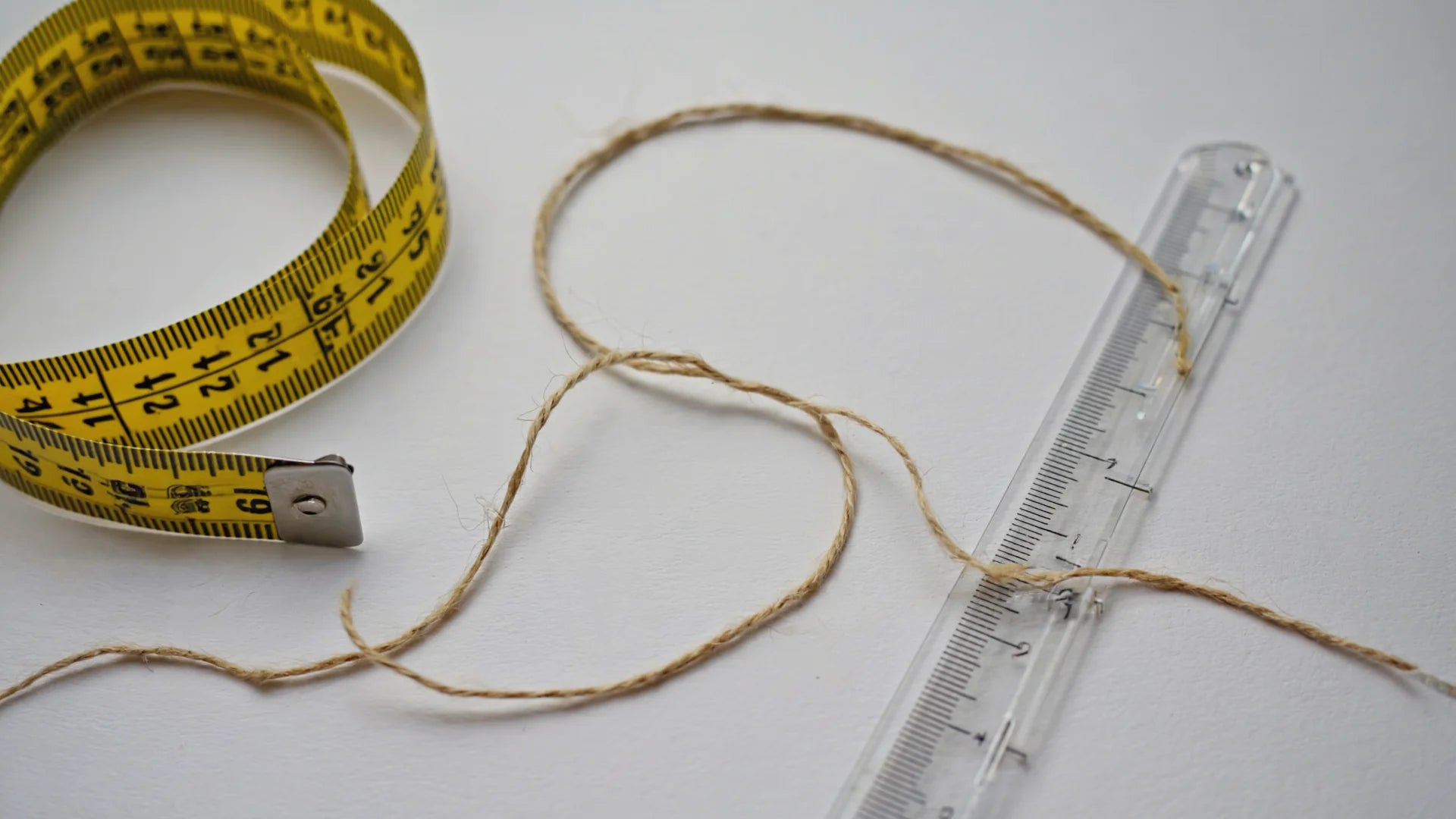
To measure your dog for a harness, you only need one simple tool: a flexible tape measure. This type of soft measuring tape is easy to wrap around your dog’s body and provides the most accurate reading. If you don't have one, a piece of string and a ruler will work just as well.
Before you begin, make sure your dog is calm and standing in a comfortable position. It can be helpful to have some treats on hand to make the experience positive. Being gentle and patient will help you get the correct measurements without stressing your pet.
Here are a few tips to keep in mind for an accurate measurement:
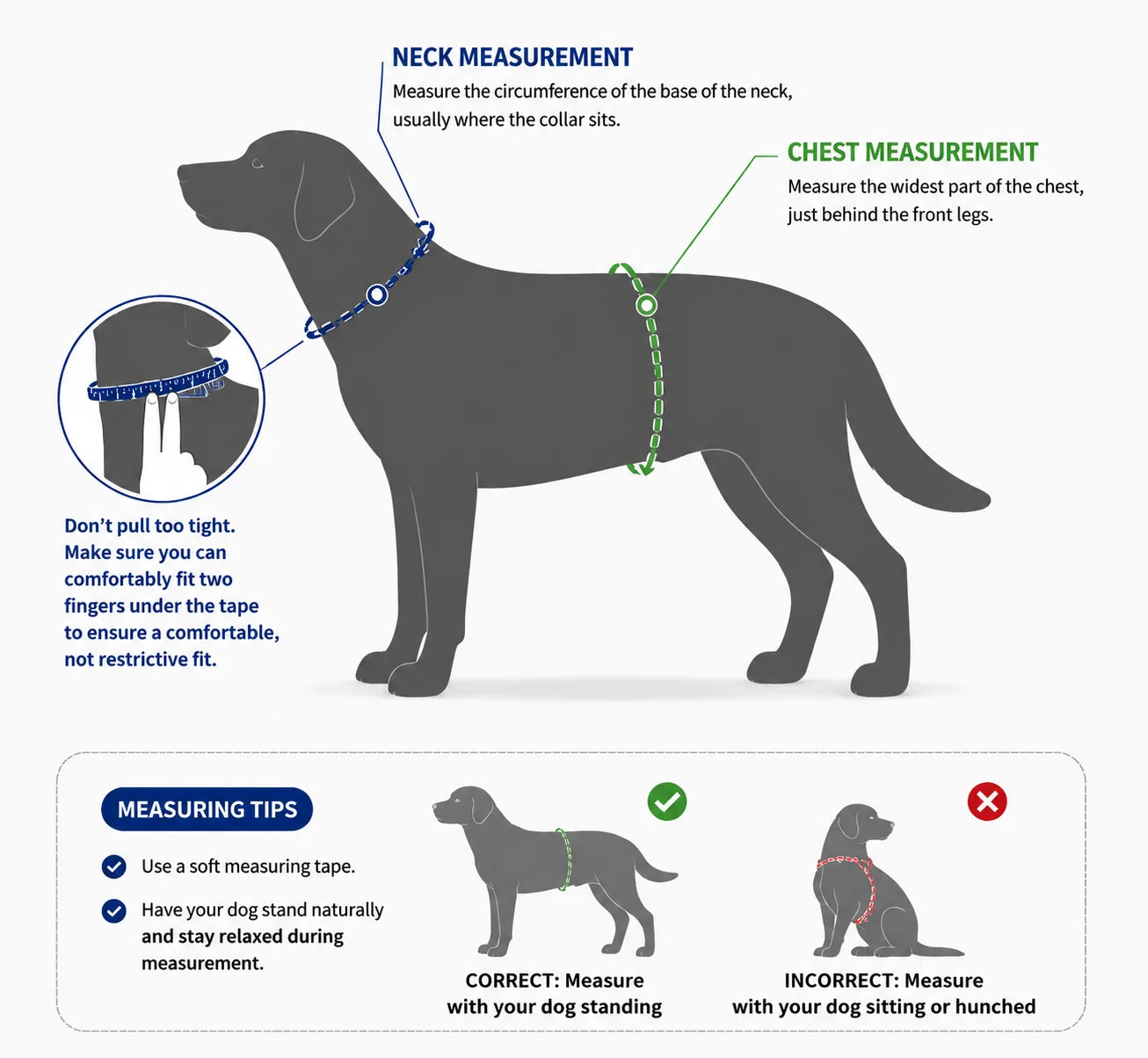
First, you’ll need to measure your dog's neck. Wrap the flexible measuring tape around the widest part of the neck, which is usually at the base where it meets the shoulders. Don't pull the tape too tight; you should be able to comfortably slip two fingers underneath it. This ensures the harness won't be too restrictive.
Next, it's time to measure the dog's chest, also known as the girth. This is the most critical measurement for a harness. Find the widest part of your dog's chest, typically right behind the front legs. Wrap the tape measure all the way around their rib cage at this point.
Again, remember the two-finger rule. This space is essential for ensuring the harness is comfortable and doesn't chafe, especially for dogs with wide chests. For dogs with a very deep but narrow chest, ensuring the tape is snug but not tight in the widest area is key. Note this measurement down carefully.
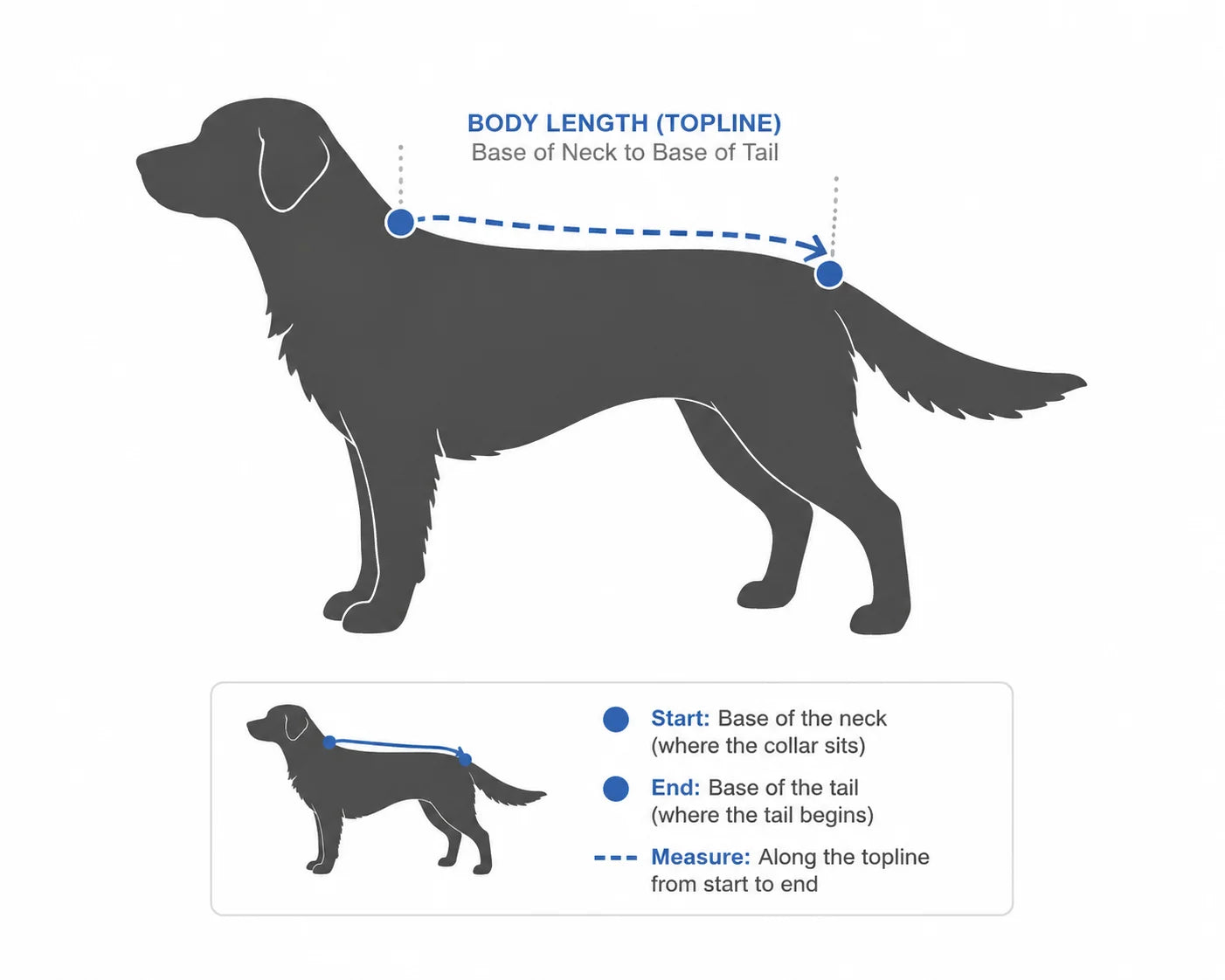
After measuring the neck and chest girth, some harness styles may also require the body length. This measurement, also called the topline, helps ensure the harness won't be too long or short for your dog's torso. To measure the body length, run the tape from the base of the neck to the base of the tail.
While the girth measurement focuses on the widest part of the rib cage, it's good to double-check this area. The harness straps will sit around this part of the body, so an accurate girth measurement is vital for a secure fit, especially for dogs with long bodies or uniquely shaped torsos.
For dogs with wide chests or deep rib cages, like Boxers or Greyhounds, you may need to pay extra attention to where the harness will sit. Ensuring the straps don't rub against their front legs is crucial for comfort. These measurements will help you compare against a brand's specific sizing chart.
Once you have your new harness, the final step is to try it on your dog and make adjustments. Most harnesses have several adjustment points with adjustable straps. Your goal is to achieve the right fit—snug enough that your dog can't back out of it, but loose enough to be comfortable.
Place the harness on your dog’s body and fasten all the clips. Use the adjustable straps to tighten or loosen the fit around the neck and chest. The harness should not be so tight that it restricts breathing or movement, nor should it be so loose that it slides around.
The "two-finger rule" is your best friend here. Check if you can comfortably slide two fingers under the straps at all points. This ensures a secure yet comfortable fit.
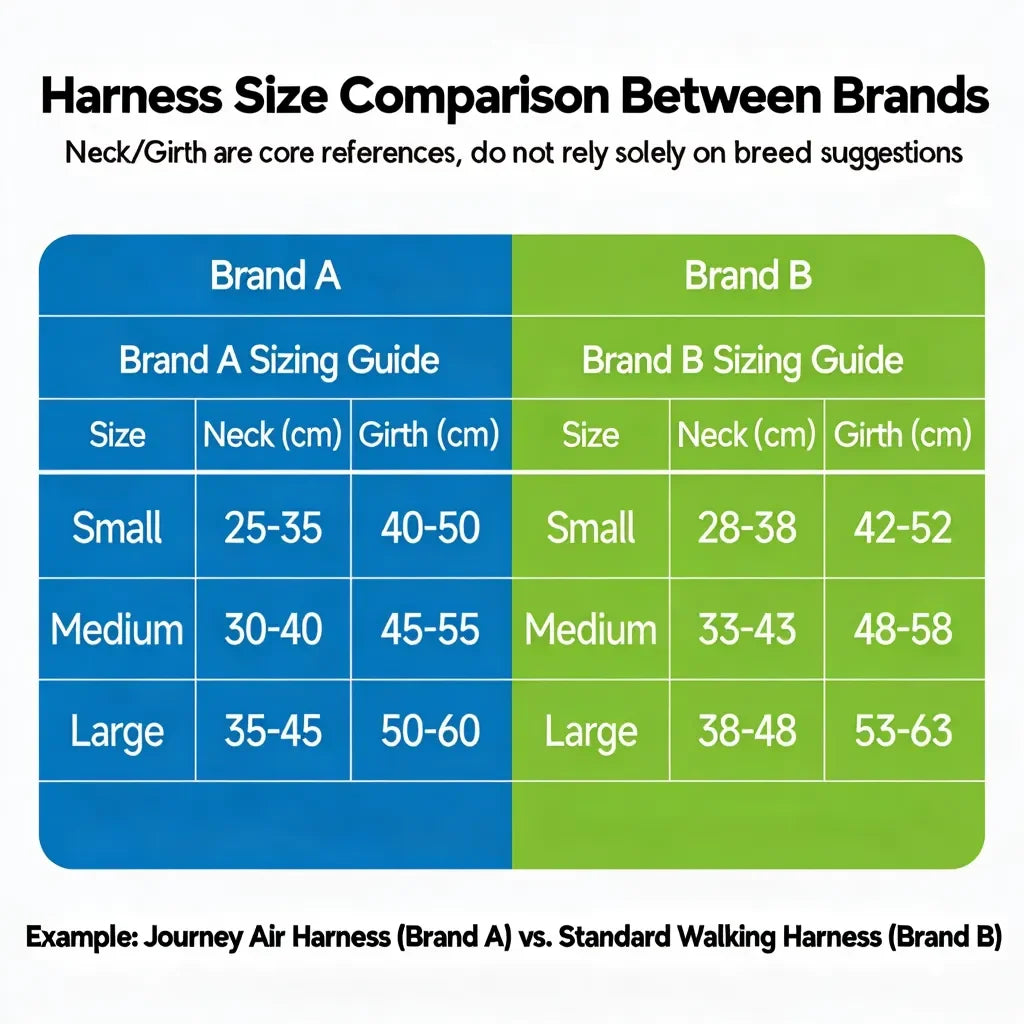
Harness manufacturers provide a sizing guide to help you find the correct harness size for your pet. These charts typically use the neck and chest girth measurements you took. It's very important to consult the specific brand's guide, as a "medium" in one brand might be a "large" in another. Don't rely on breed suggestions alone, as individual dogs vary greatly in size and shape. For example, a journey air harness might have a different fit profile than a standard walking harness.
Whether you have small dogs, large dogs, or something in between, the measurements are what matter most. Some charts might also include a weight range, but girth is the most reliable indicator of a good fit. Taking the time to compare your dog's measurements to the sizing guide is the best way to avoid the hassle of returns and ensure your dog gets a comfortable and secure harness from the start.
Achieving the perfect harness fit is all about the final adjustments. Once you've selected a size based on your measurements, it's time to fine-tune it for a proper fit on your dog. Start by loosening all the straps before placing the harness on your dog. Then, once it's on, you can tighten each strap for a snug, custom fit around your dog's neck and dog's chest. The goal is a secure hold without any pinching or excessive pressure.
Pay close attention to all the adjustment points. A well-designed harness will have multiple areas you can alter. The harness should be centered on your dog's back and chest. After adjusting, perform the two-finger test again, sliding two fingers under the straps at the neck and chest. If you can do this comfortably, and the harness doesn't shift excessively when your dog moves, you've likely found the right fit.
In conclusion, measuring your dog for a harness may seem like a small task, but it plays a crucial role in ensuring their comfort and safety. A well-fitted harness can enhance your dog's walking experience and provide better control during outings. Remember to take accurate measurements and consider your dog's unique body shape and size when choosing a harness. By following the steps outlined in this guide, you’ll be well-equipped to make an informed choice.
Ready to find the perfect harness for your furry friend? Browse our collection of adjustable, comfortable dog harnesses today and give your pup the fit and support they deserve for every walk and adventure!
Please read our FAQs page to find out more.
A properly fitted harness will be snug but not tight. You should be able to slide two fingers between the harness and your dog’s body. Check that the adjustable straps are secure and the harness doesn't restrict your dog's movement or cause chafing. The best fit ensures the harness size is correct and it doesn't slide around.
Yes, harness materials greatly affect durability and comfort. Nylon is a popular choice because it's strong, lightweight, and easy to clean. For extra comfort, look for harnesses with padded linings made from soft athletic fabric. A minimalist design with high-quality woven nylon can offer excellent durability for strong pullers.
A modular harness or one with many adjustment points is an excellent option for puppies and fast-growing dogs. These harnesses can be expanded as your dog grows, offering a longer-lasting fit. This adjustability saves you from having to buy multiple harnesses in a short period, making it a cost-effective choice.
Some harnesses are designed for both walking and car travel, but not all. A walking harness may not be crash-tested for safety in a vehicle. The best choice is to check the manufacturer's specifications. For car travel, a dedicated, crash-tested car harness is the safest option for your pet.