
- by JonesMila
Types of Dog Leashes: Which One is Best for Your Dog?
- by JonesMila
A dog leash is more than a simple walking accessory. It helps keep your dog close, guides their movement, supports training, and provides greater control in public spaces. However, not every leash works equally well for every dog or activity.
This guide explains the differences between a standard dog leash, retractable dog leash, slip leash for dogs, long dog leash, and hands free dog leash. It also covers when to use each style, what features to consider, and which common mistakes to avoid.
Walking a dog without a proper leash or using an unsuitable one can create serious safety risks for both the dog and the owner, as a lack of reliable control may cause the dog to run into traffic, chase animals, approach strangers, or enter dangerous situations, leading to accidents in busy areas, uncontrolled pulling or lunging, difficulty responding in emergencies, a higher chance of getting lost, and stressful, unpredictable walks—especially for puppies, strong pullers, reactive dogs, or large breeds—while the right leash design helps reduce these risks by improving control, communication, and responsiveness.
Different walking environments require different levels of control.
A quiet trail may give your dog more space to explore, while a crowded sidewalk requires them to remain closer to you. In busy areas, a fixed-length leash can help prevent your dog from stepping into traffic, approaching unfamiliar animals, or moving too close to other pedestrians.
Your dog’s behavior also affects how much control you need. A calm, well-trained dog may walk comfortably on several leash styles. A dog that pulls, lunges, or becomes distracted easily usually needs a leash that provides more immediate and predictable guidance.
The right leash should allow you to shorten the distance when necessary without making every walk feel restrictive.
A leash that works well in an open park may not be appropriate near roads, bicycles, crowds, or other dogs.
For example, a longer leash gives a dog more freedom, but it can also become tangled around trees, benches, people, or another animal. A lightweight retractable cord may be convenient in a quiet area but harder to control when a dog suddenly runs toward a hazard.
Choosing a leash according to the environment helps reduce the risk of:
No leash removes every risk, but the right design can make unexpected situations easier to manage.
Comfort matters for both ends of the leash.
A leash with a rough handle may irritate the owner’s hands, especially during long walks. A leash that is too heavy may place unnecessary weight on a small dog’s collar or harness. Constant tension can also make the walk uncomfortable and encourage the dog to pull against the pressure.
Features such as padded handles, smooth swivel clips, lightweight materials, reflective stitching, and shock-absorbing sections can improve the walking experience.
The goal is to choose a leash that feels secure without being unnecessarily heavy, restrictive, or difficult to handle.
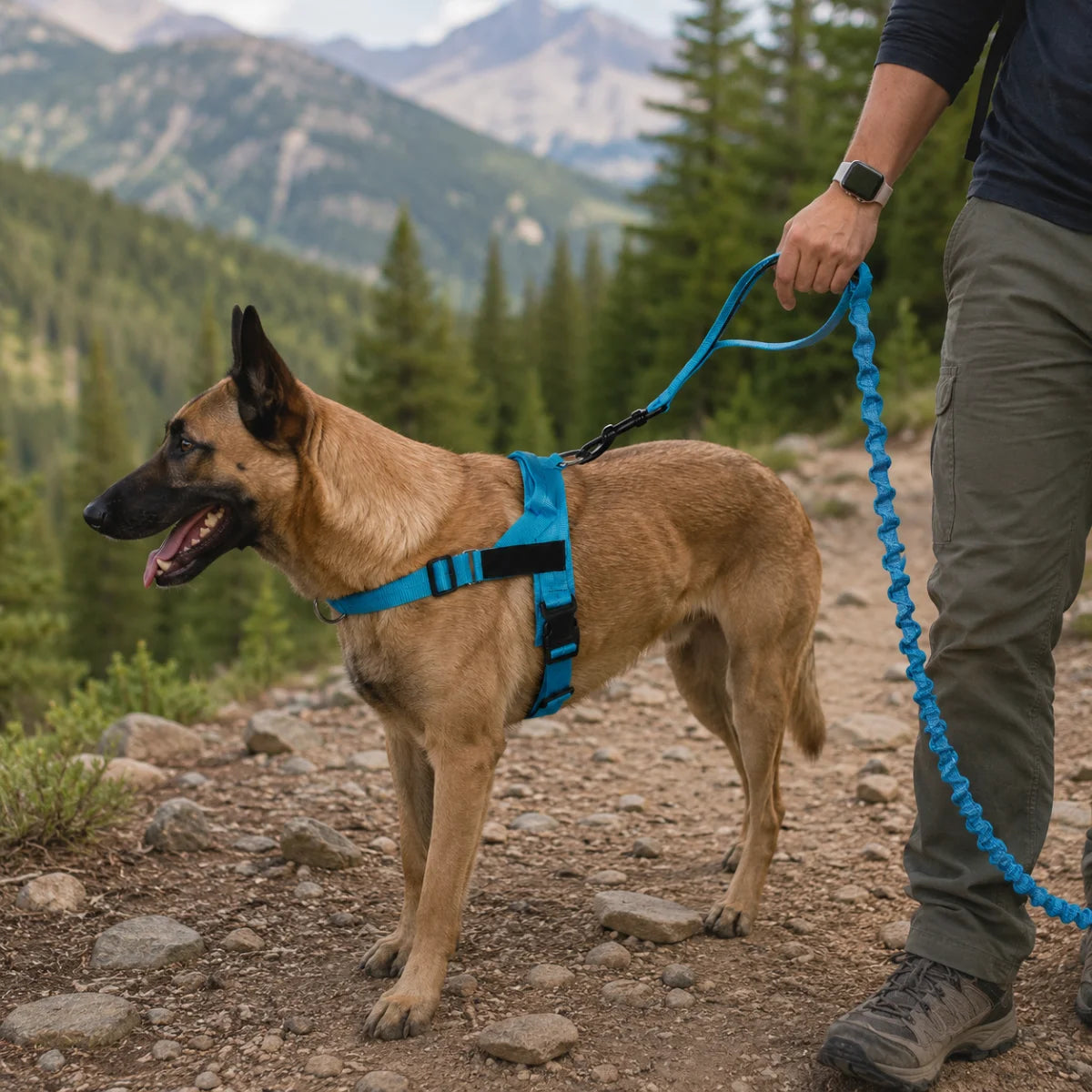
There are many leash designs available, but five of the most common types are standard, retractable, slip, long, and hands-free leashes. Each one offers a different balance of control, freedom, convenience, and training support.
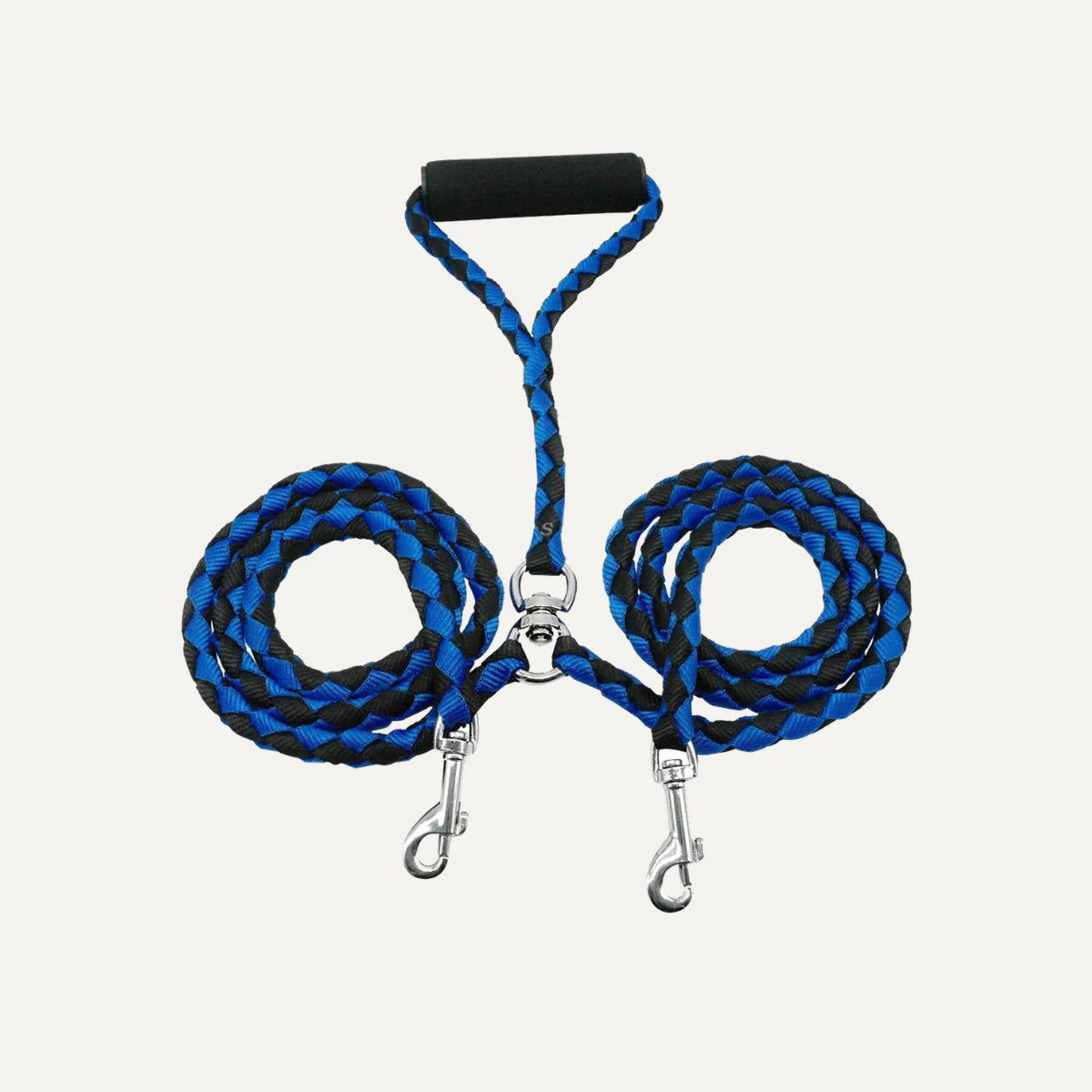
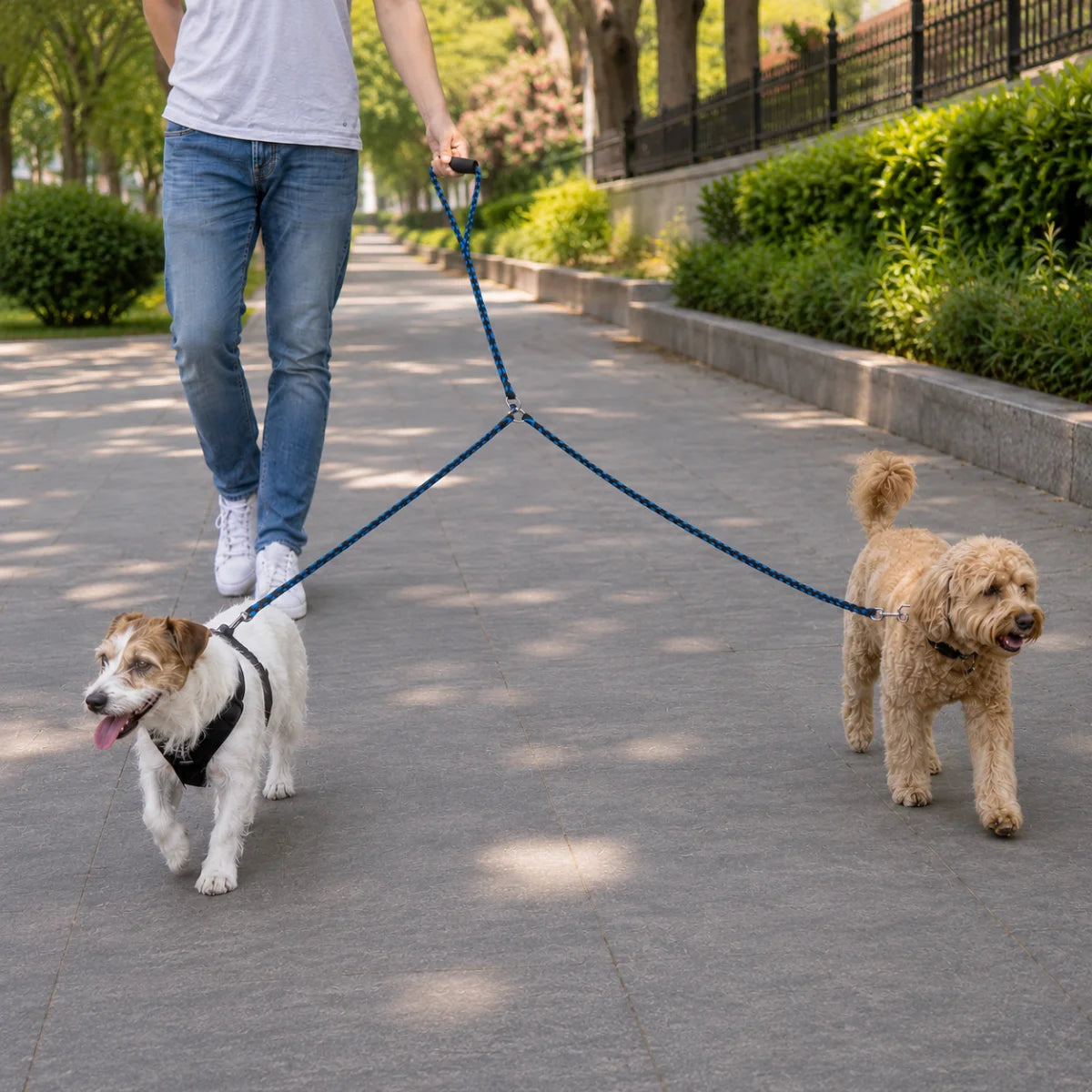
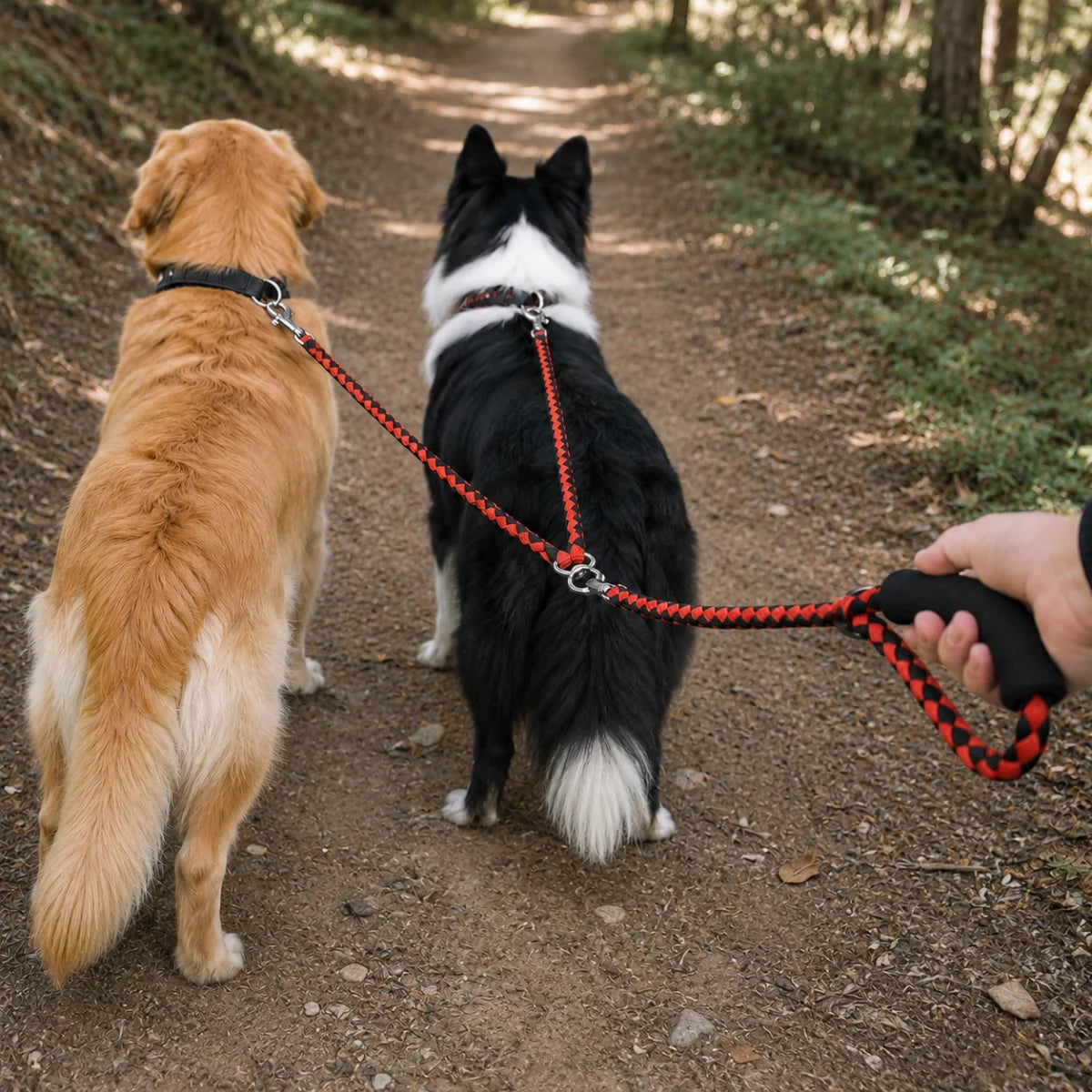
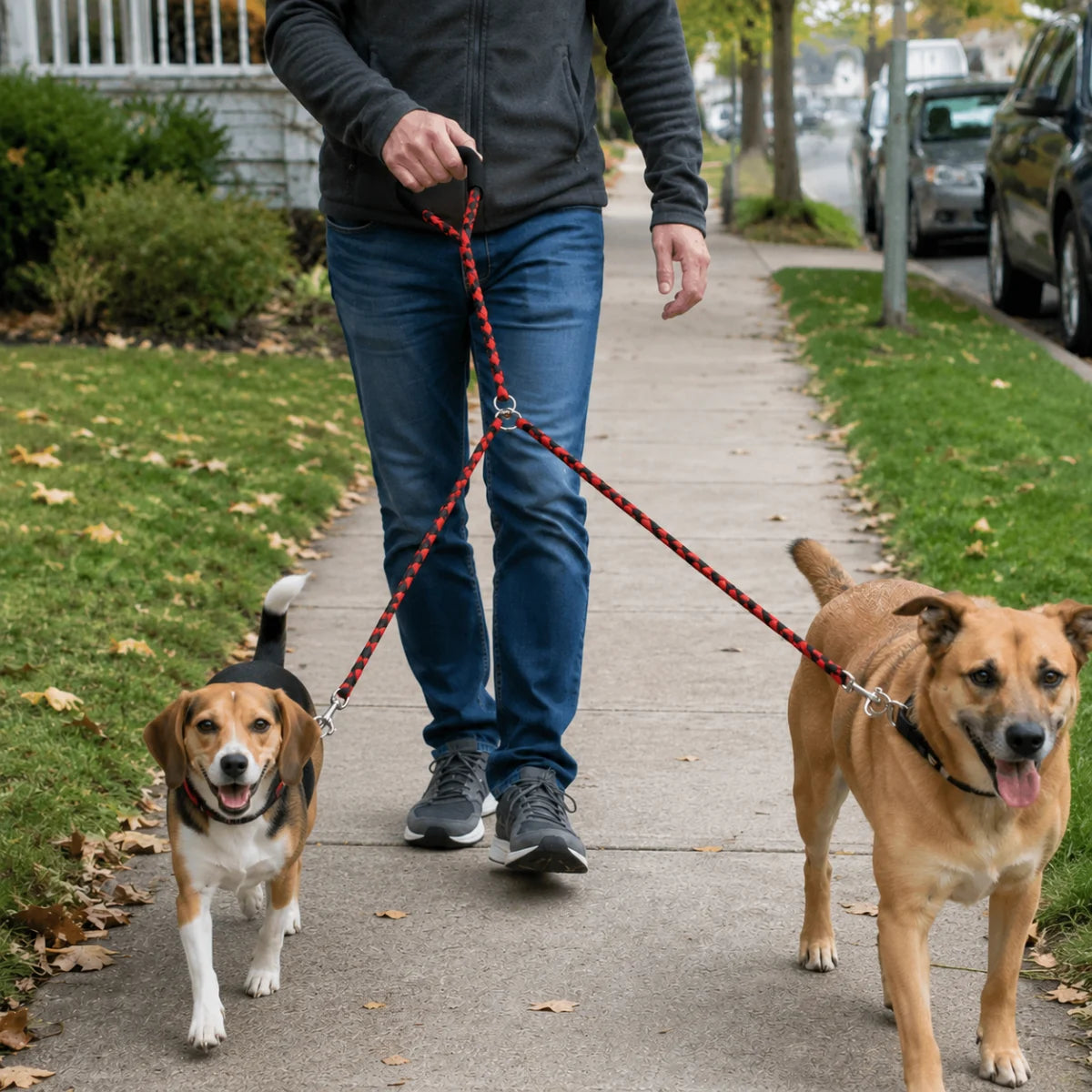
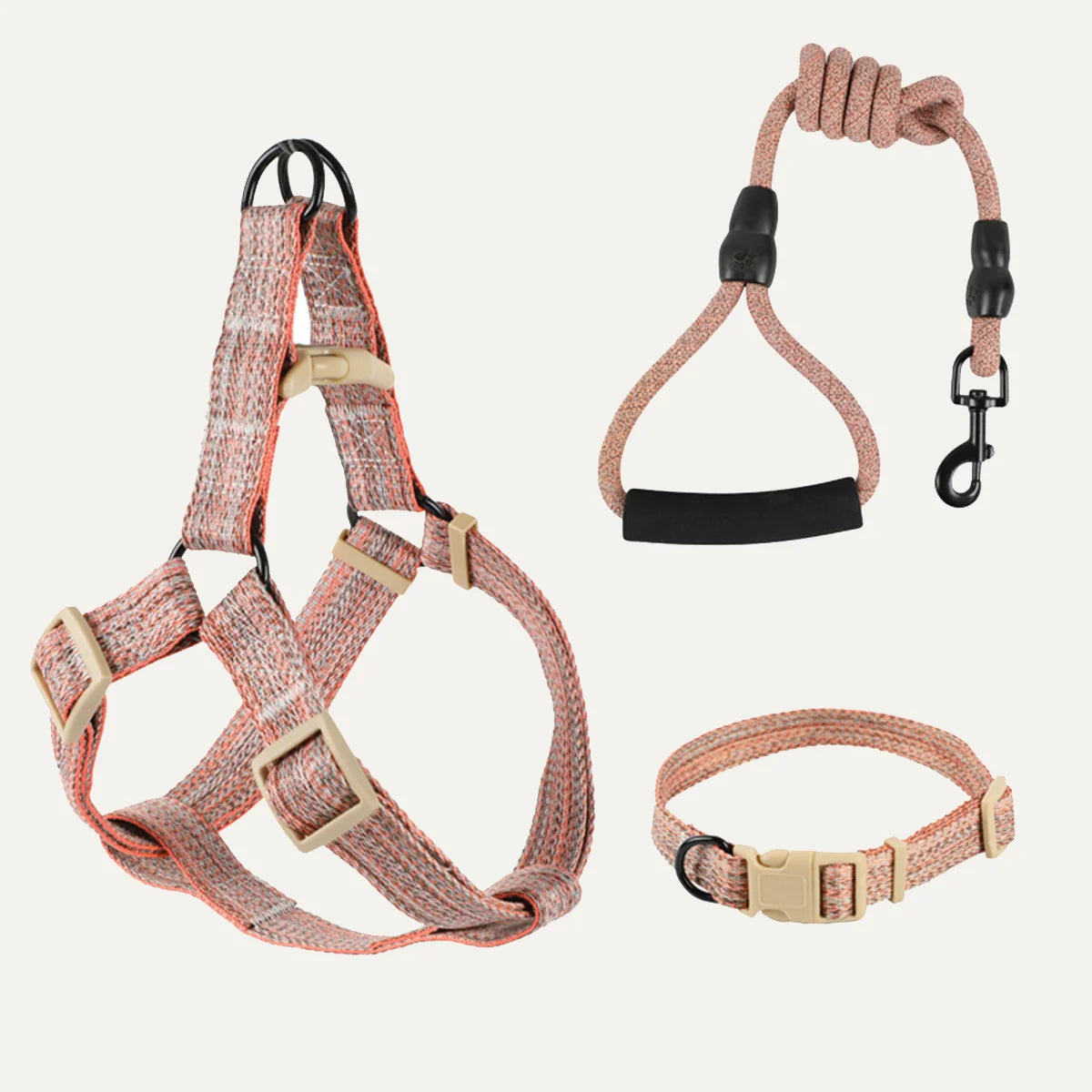
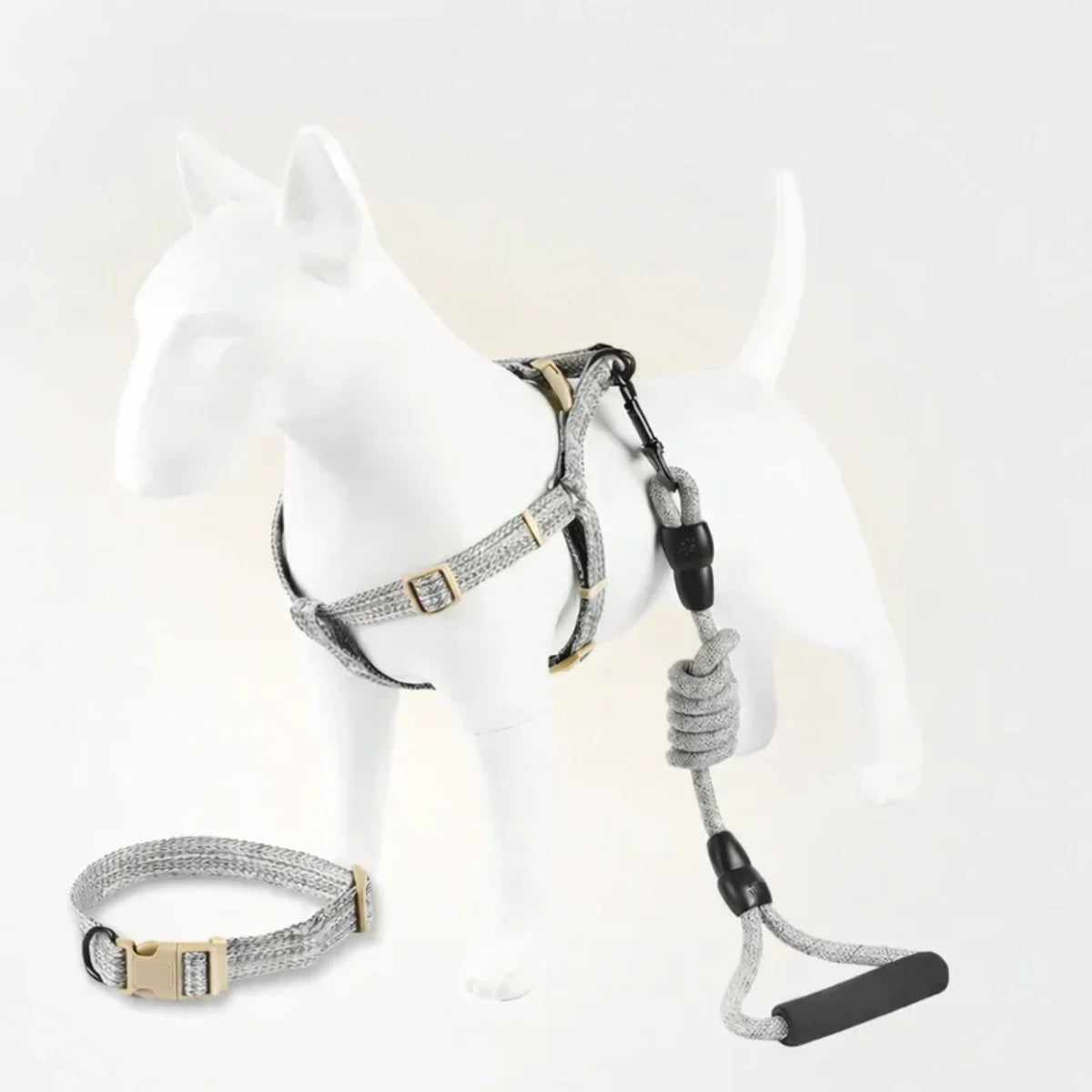
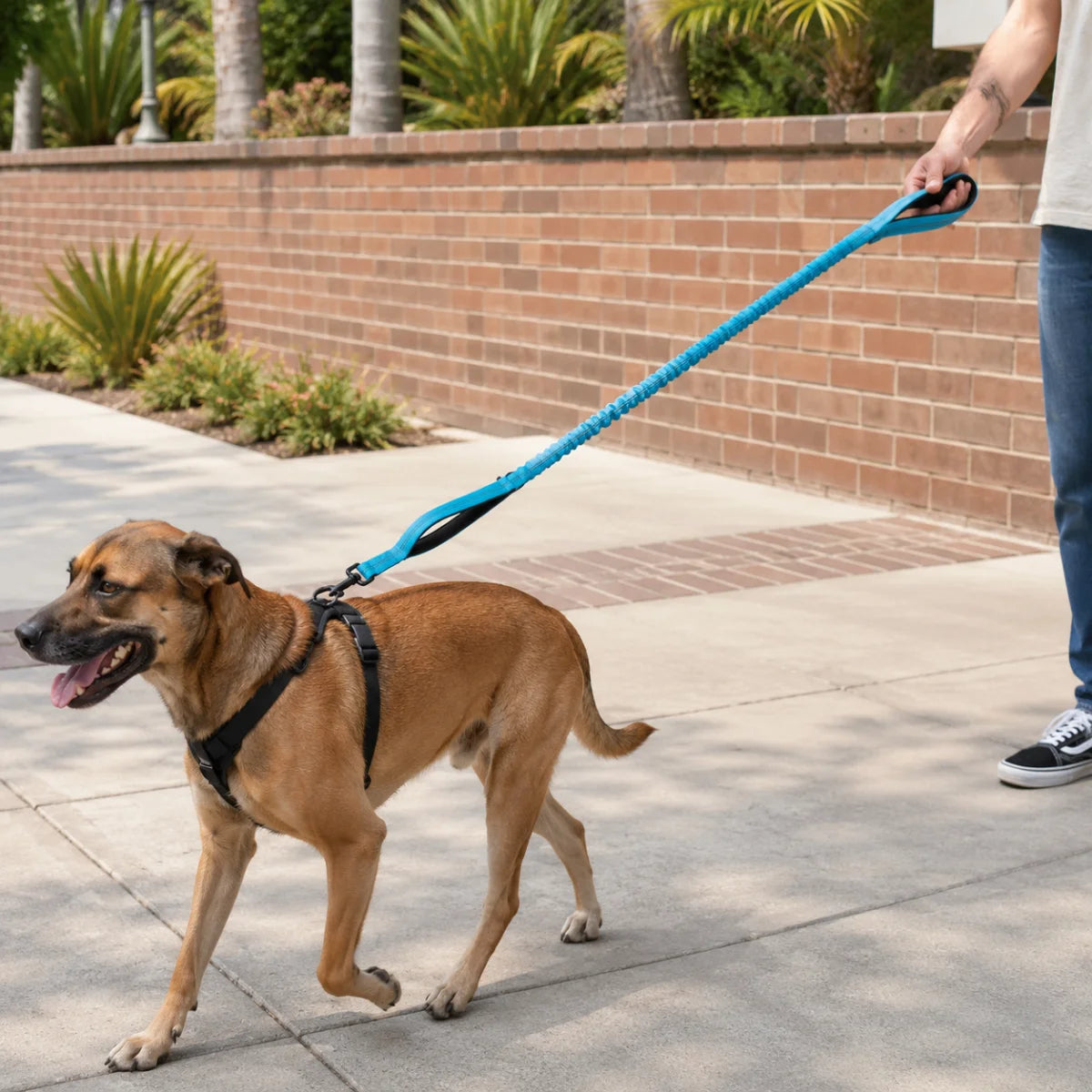
A standard dog leash has a fixed length with a handle at one end and a clip at the other. It is one of the most common choices for daily walking.
Most standard leashes are approximately four to six feet long. A 6-foot leash gives many dogs enough room to walk, sniff, and change position while still keeping them within a manageable distance.
Standard leashes are available in materials such as nylon, rope, leather, polyester, and coated webbing. Some models include padded handles, reflective details, dual handles, or reinforced stitching.
The main benefits of a standard dog leash include:
A shorter standard leash can be useful in crowded public areas, while a regular 6-foot leash is often suitable for neighborhood walks and general training.
The main limitation is that it provides less exploration space than a long or retractable leash. However, for many owners, the balance between freedom and control makes the standard leash the most practical everyday choice.

A retractable dog leash contains a thin cord or tape that extends from a plastic handle. An internal reel automatically collects the leash when the dog moves closer, while a locking button allows the owner to limit the length.
This design can give dogs more room to sniff and explore without leaving a long section of leash dragging on the ground.
A retractable leash may be suitable for:
However, retractable leashes provide less immediate control when fully extended. A dog may move several feet away before the owner can react to another dog, cyclist, vehicle, or unexpected distraction.
The thin cord can also wrap around legs, paws, people, or nearby objects. For this reason, retractable leashes are generally not the best choice for crowded sidewalks, busy roads, pet stores, or dogs that frequently lunge.

A slip leash combines a leash and collar in one piece. One end forms an adjustable loop that slips over the dog’s head, while a stopper helps prevent the loop from becoming too loose.
Slip leashes are commonly used by trainers, shelters, veterinary clinics, groomers, and rescue organizations because they are quick to put on and do not require a separate collar.
A slip leash for dogs can be useful for:
The leash tightens when the dog pulls, so correct placement and handling are important. The loop is generally positioned high on the neck rather than hanging loosely near the shoulders.
A slip leash should not remain under constant tension. Continuous pressure may cause discomfort, coughing, or unnecessary strain, especially in dogs with sensitive necks or respiratory concerns.

A long dog leash, sometimes called a long line, is a fixed-length leash designed to provide more distance than a standard walking leash.
Common lengths include 10 feet 15 feet 20 feet 30 feet 50 feet.
Long leashes are often used for recall training, distance commands, scent work, supervised outdoor exploration, and transitioning from close walking to greater freedom.
A long dog leash allows an owner to practice commands such as “come,” “stay,” and “check in” while maintaining a physical connection to the dog.
It can be especially useful in:
A 10-foot leash offers moderate freedom and may be easier for beginners to manage. A 20-foot leash provides more distance for recall practice, while 30- to 50-foot lines are generally better suited to large, open areas.

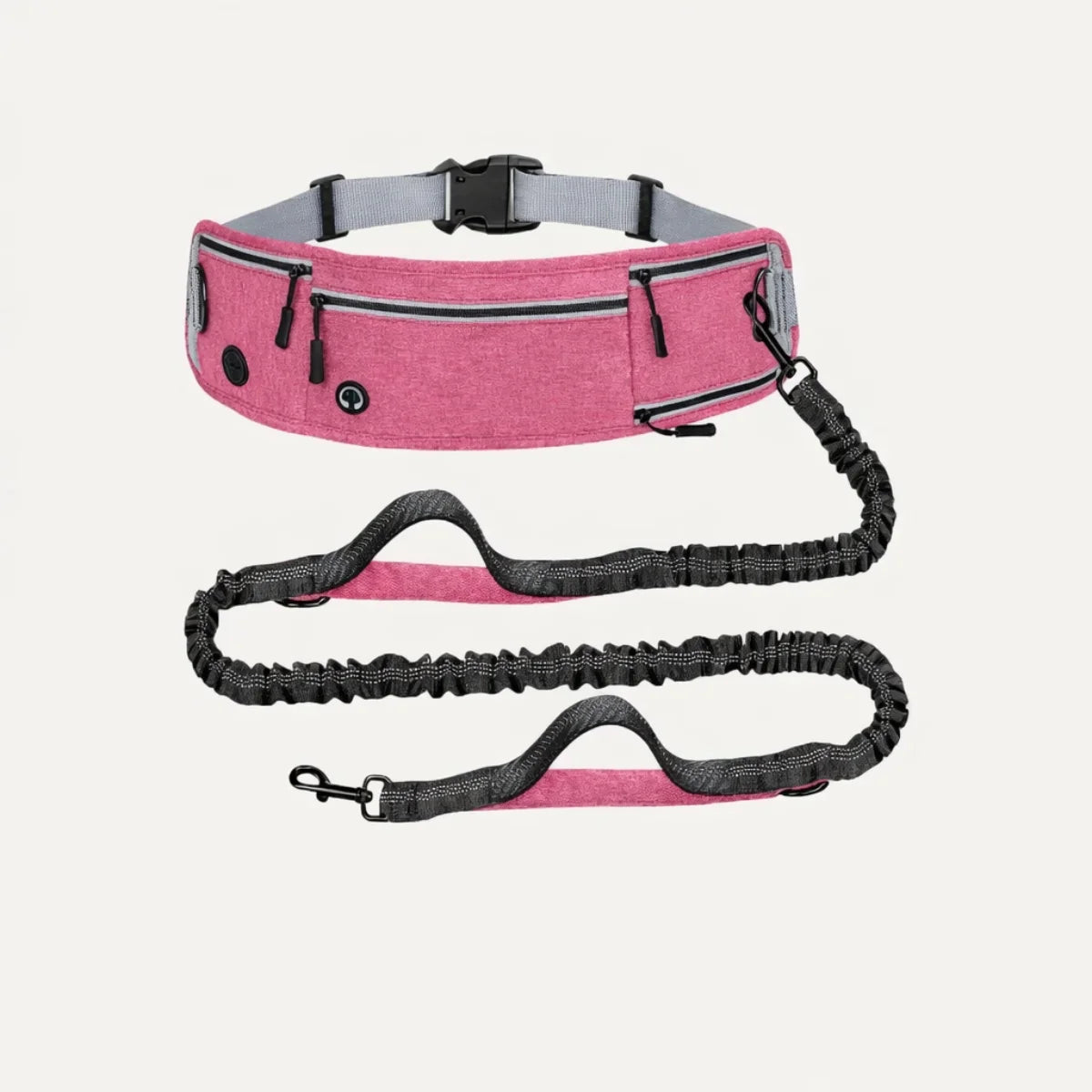
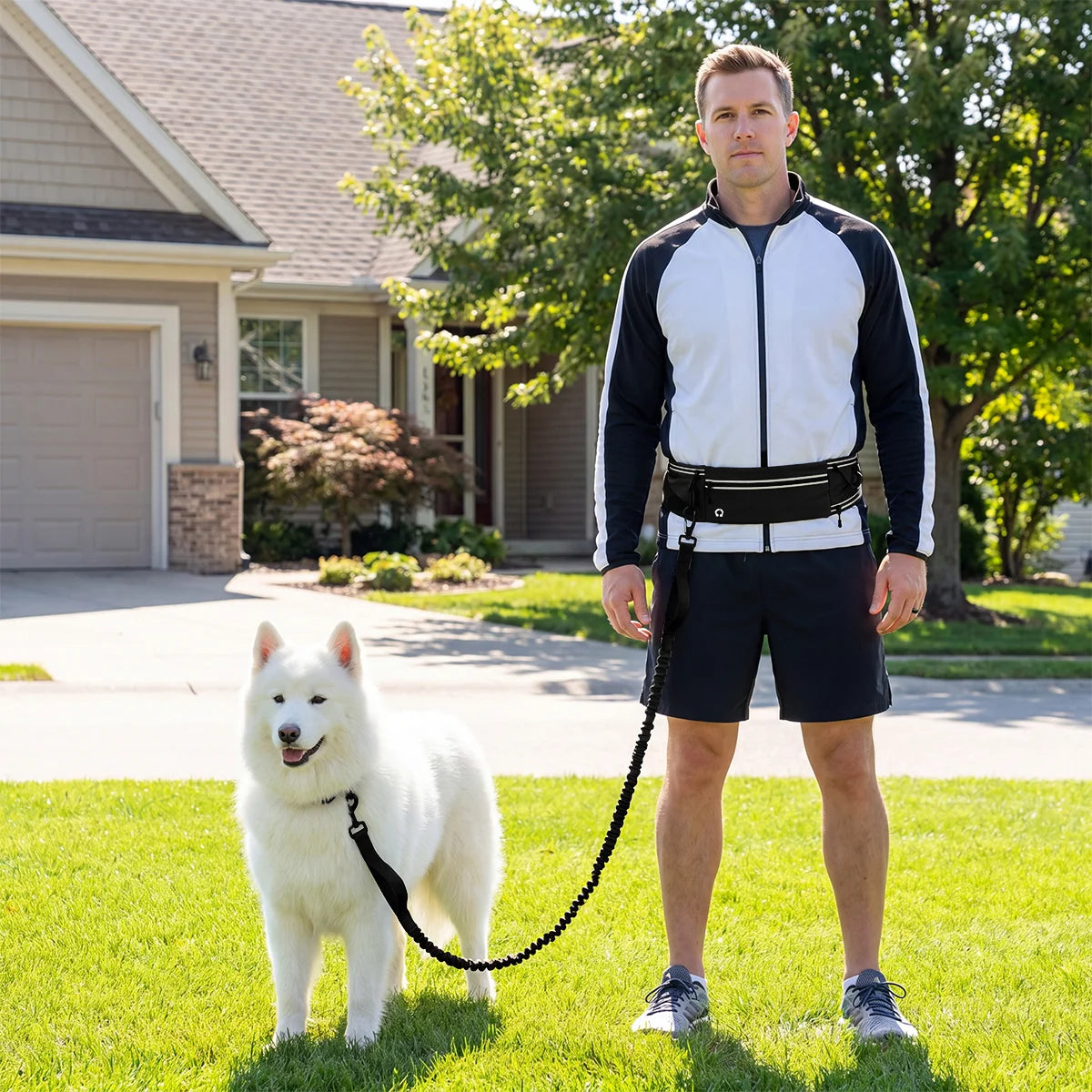
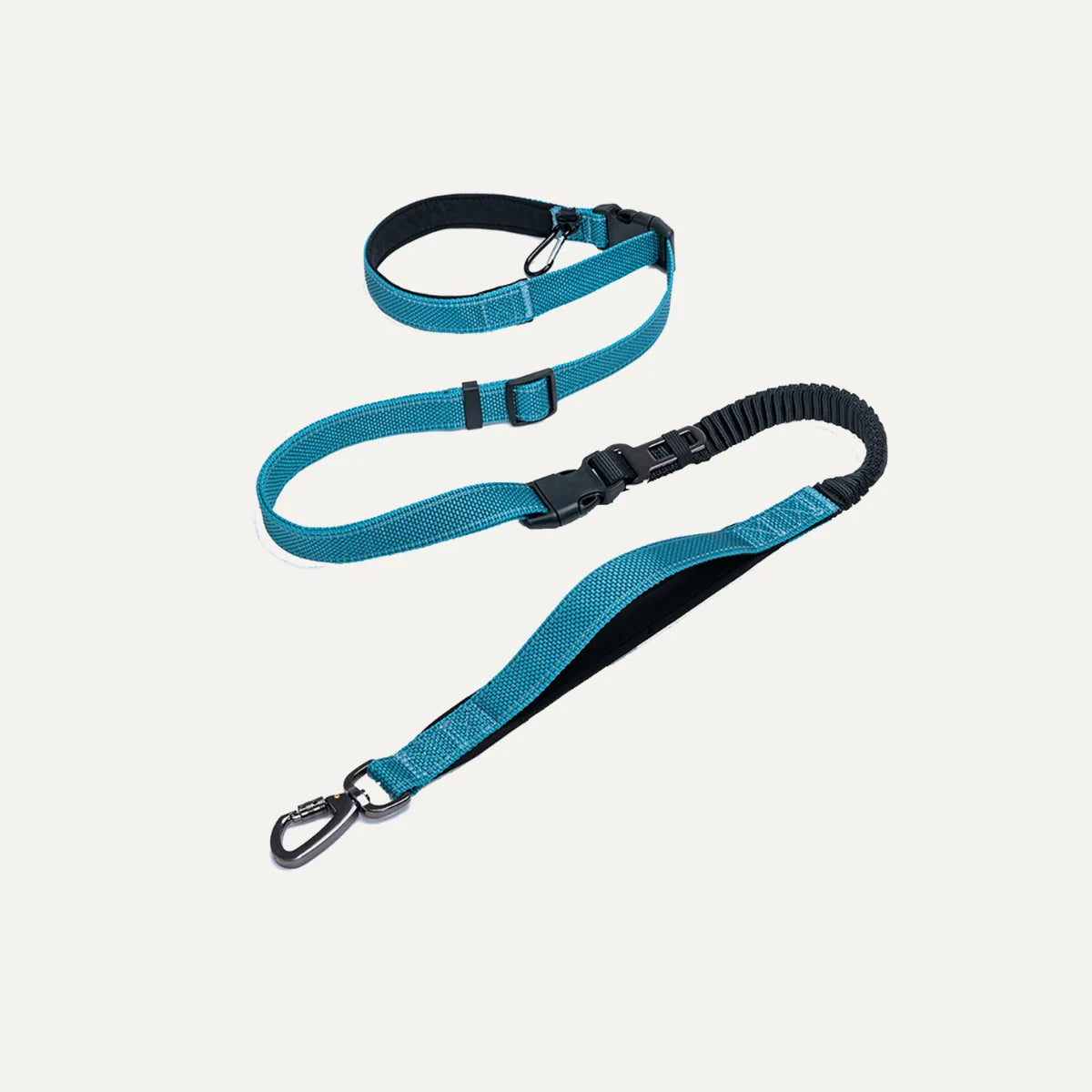
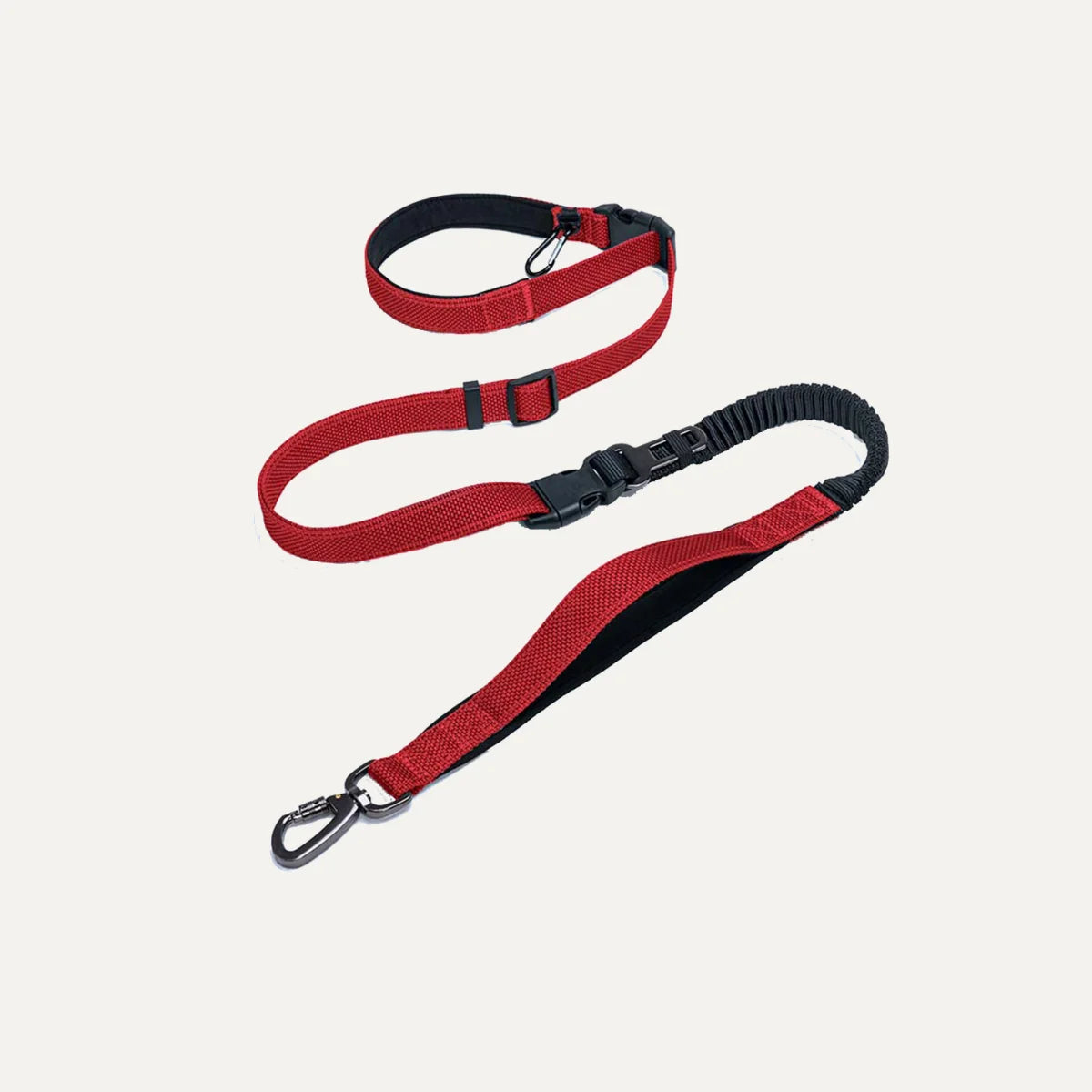
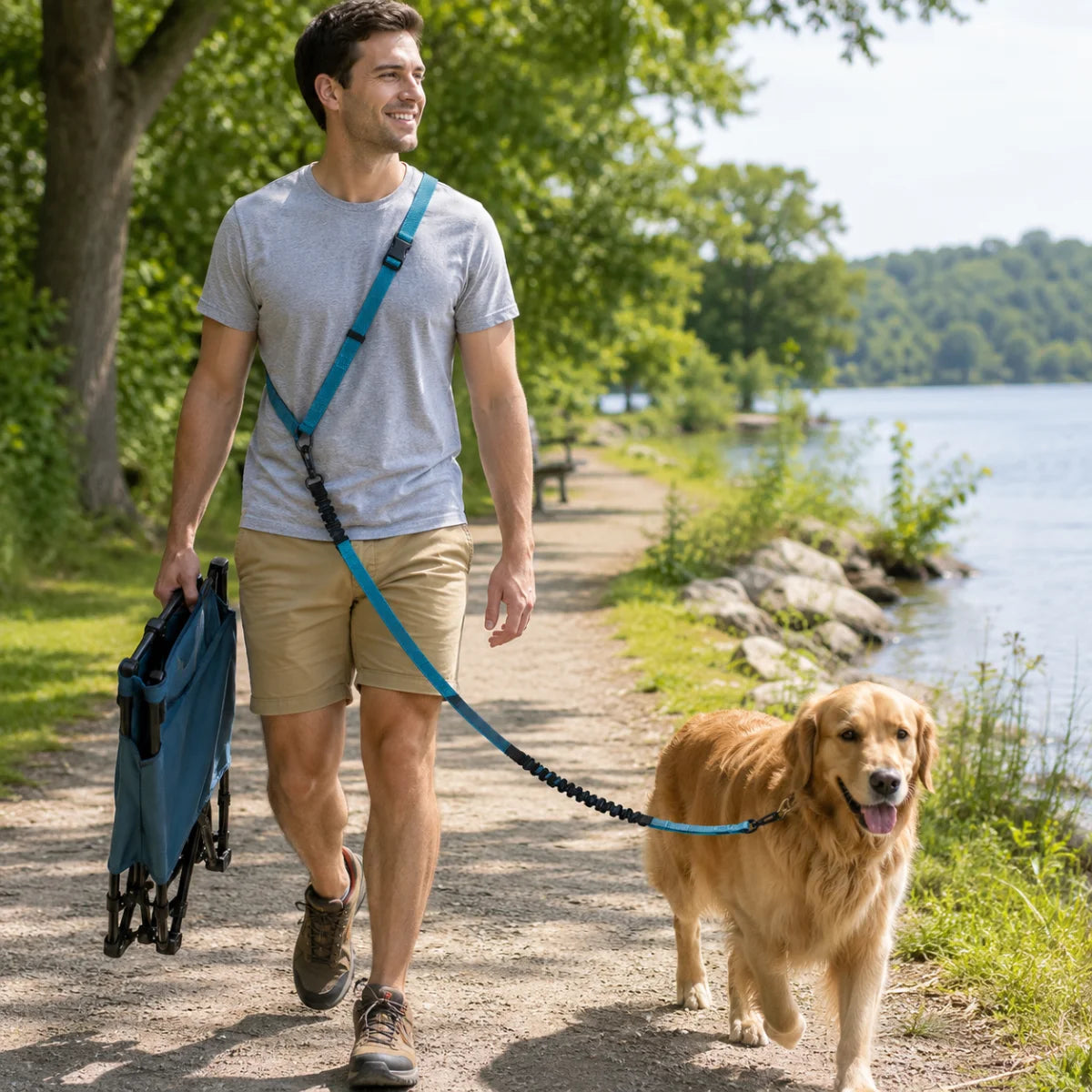
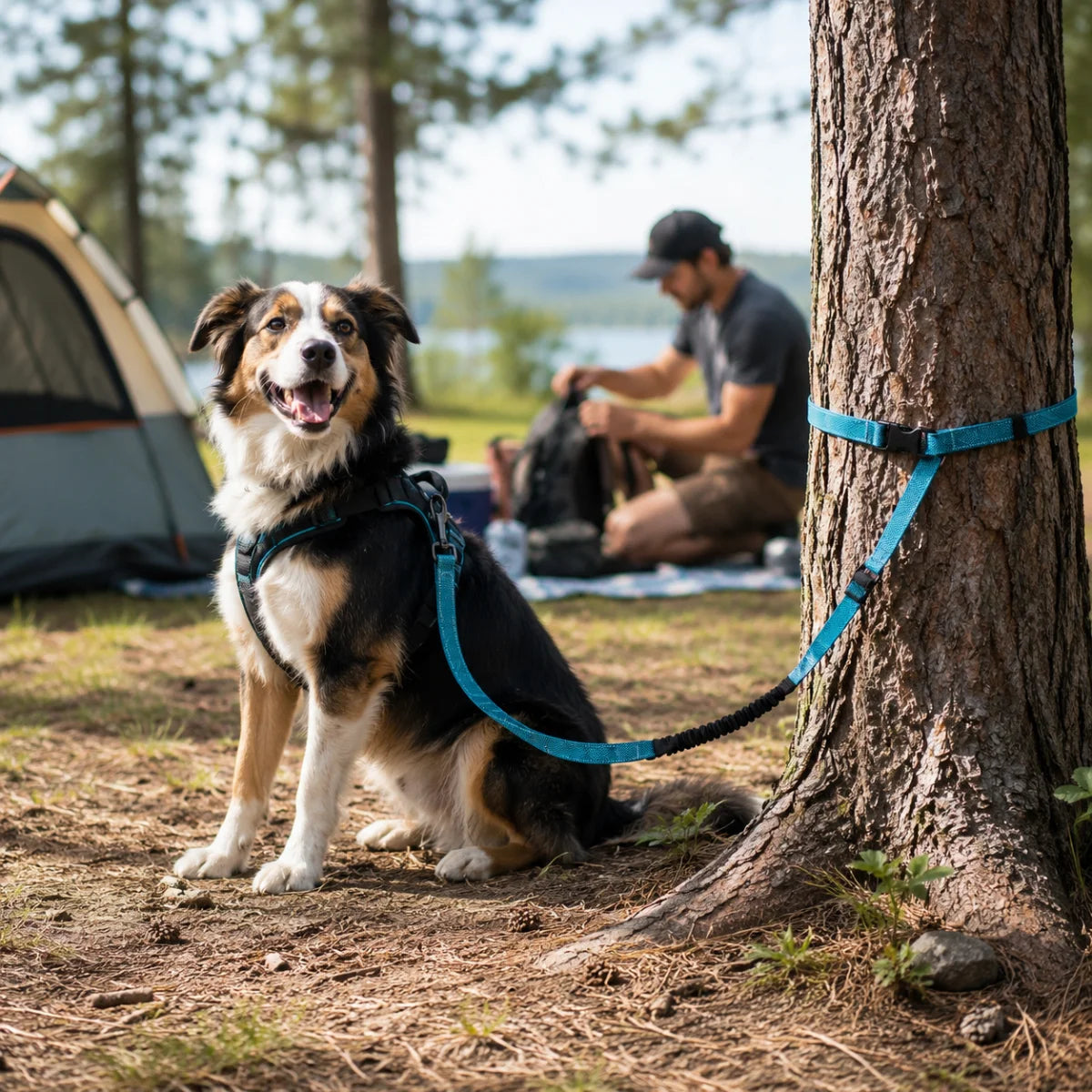
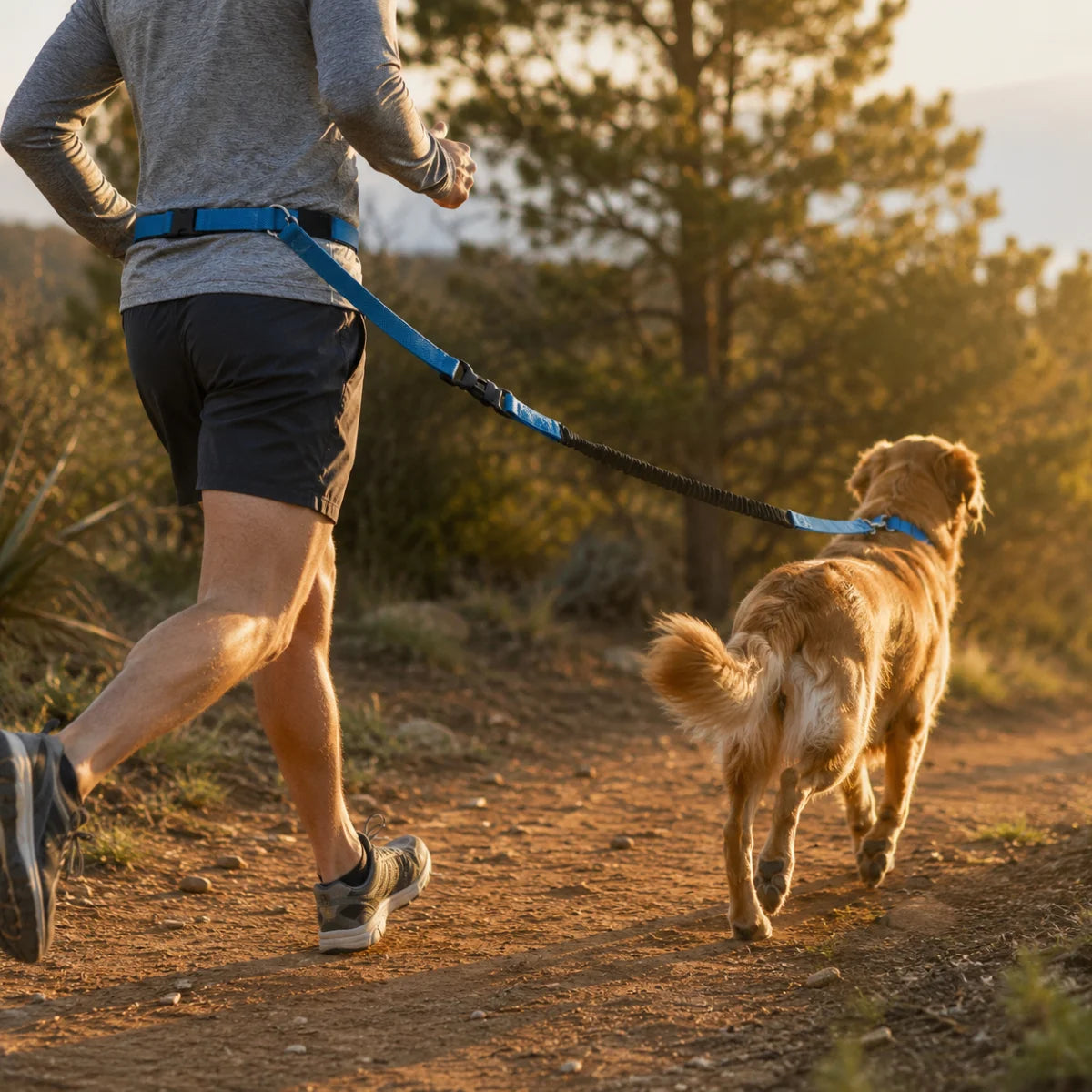
A hands free dog leash attaches around the owner’s waist or across the body instead of relying only on a handheld loop.
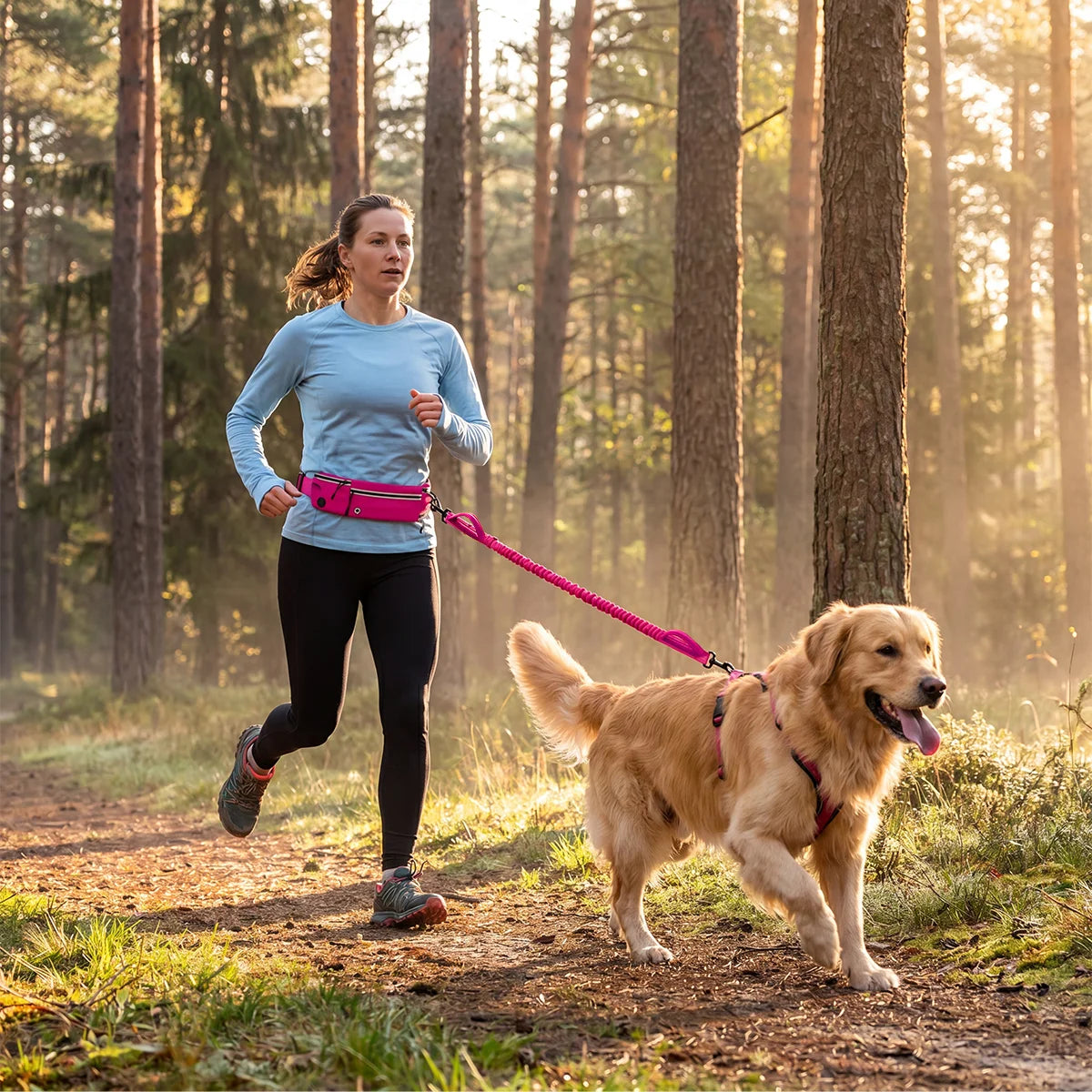
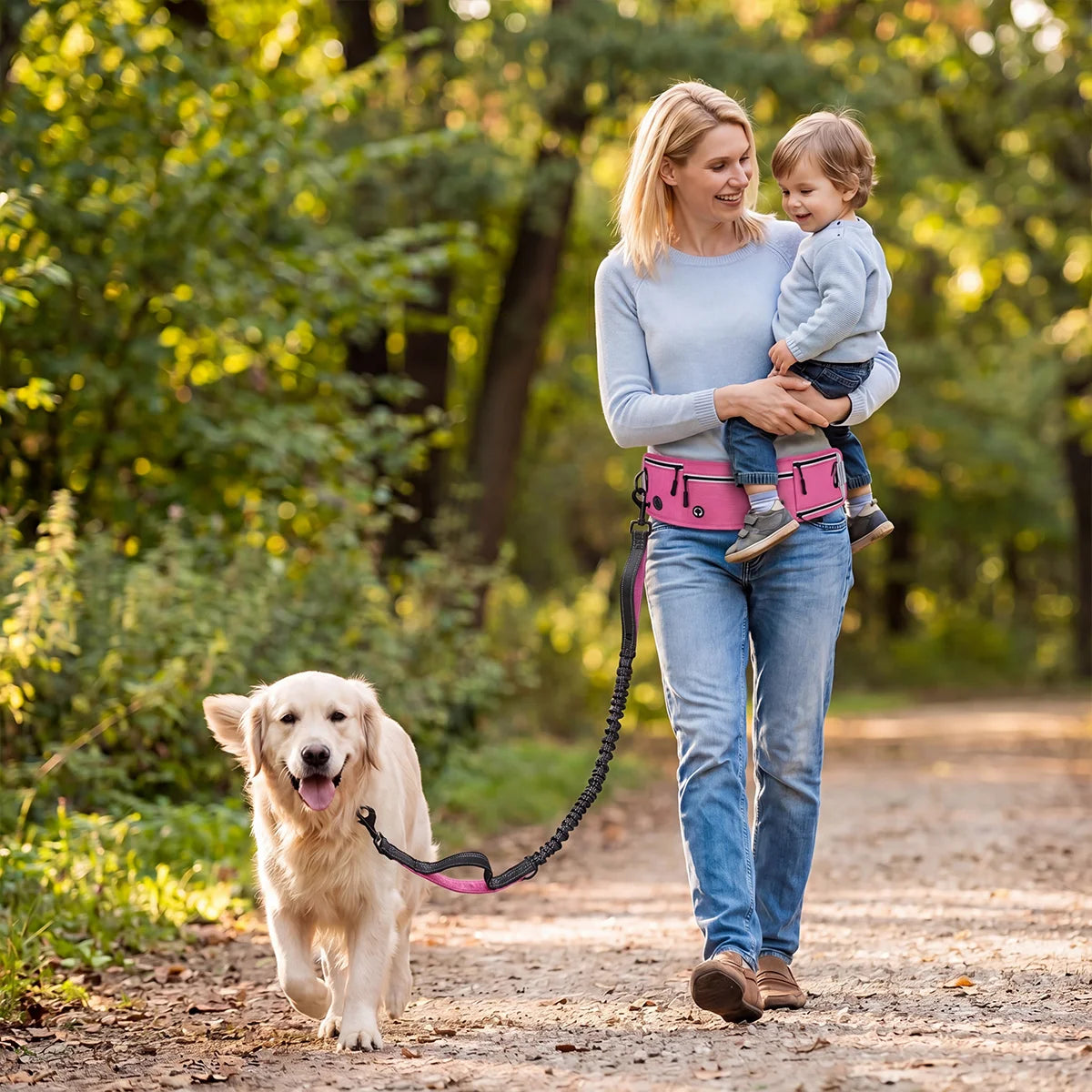
This design is popular for running, jogging, hiking, stroller walks, travel, and outdoor activities that require the owner to keep both hands available.
Many hands-free leashes include features such as:
The main benefit is convenience. The leash distributes pulling force across the owner’s waist or torso instead of placing all the pressure on one hand.
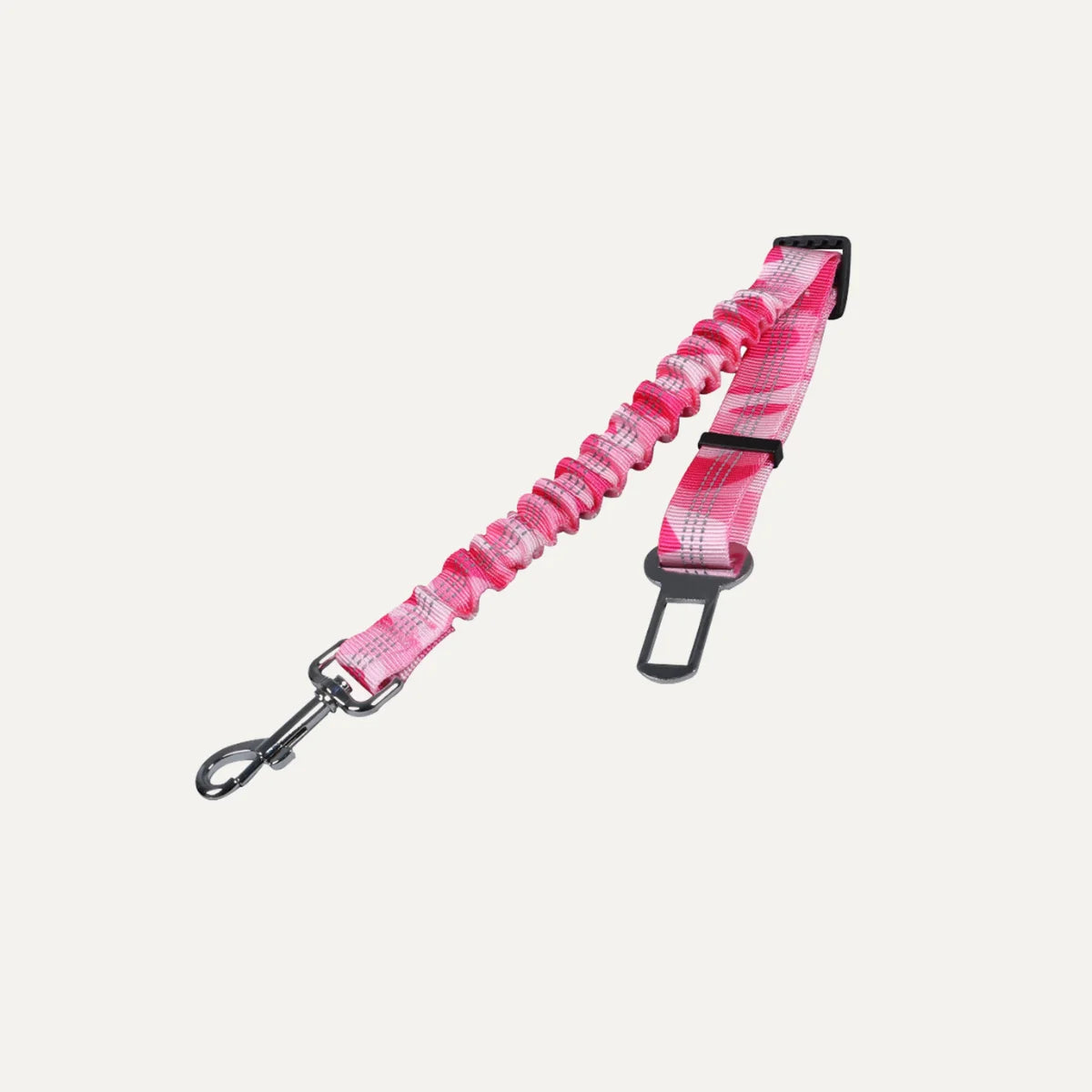
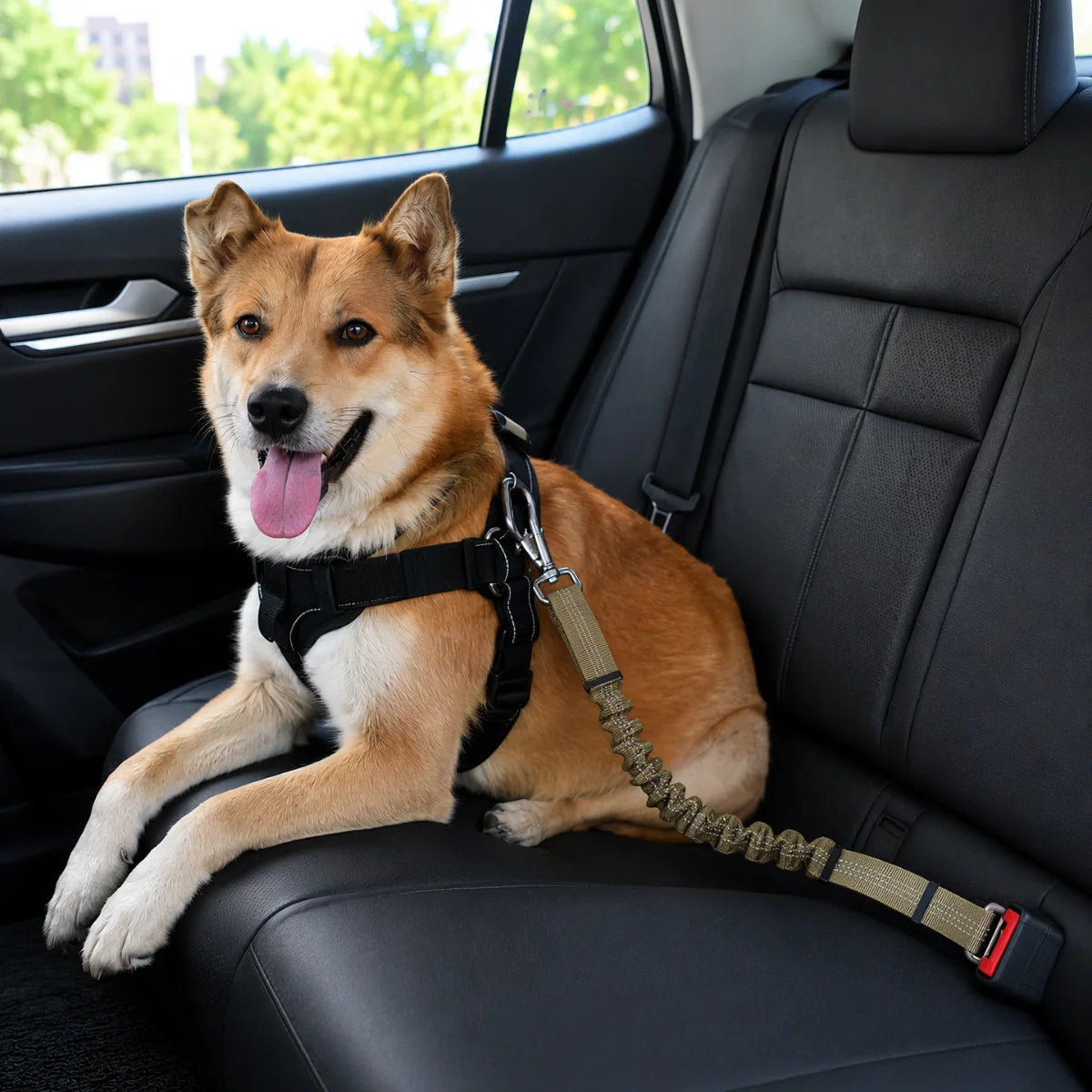
A bungee section may also help absorb some of the impact created by sudden changes in speed. However, shock absorption should not be treated as a substitute for training.

The best leash depends on where you are going and what you plan to do. Matching the leash to the activity can improve control while allowing the dog an appropriate amount of freedom.
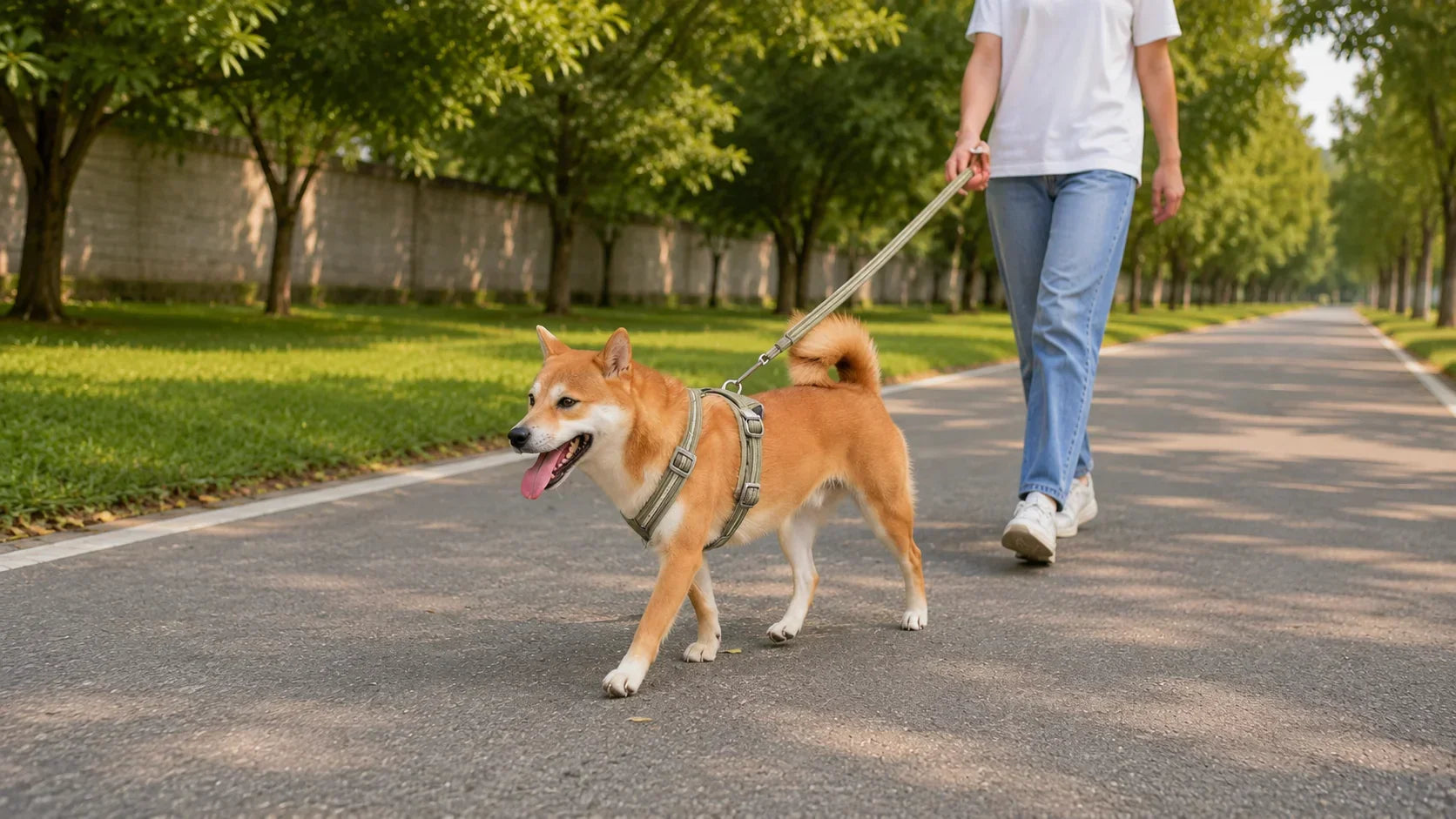
For daily walks, a fixed leash is usually the best leash because it keeps movement simple and predictable. In crowded areas, shorter leash length gives you better positioning and helps protect your dog’s safety when space gets tight.
A model with strong leash clips and, in some cases, a traffic handle can help when you need your dog close right away. A padded handle also makes repeated walks more comfortable, especially if your dog moves with force or excitement.
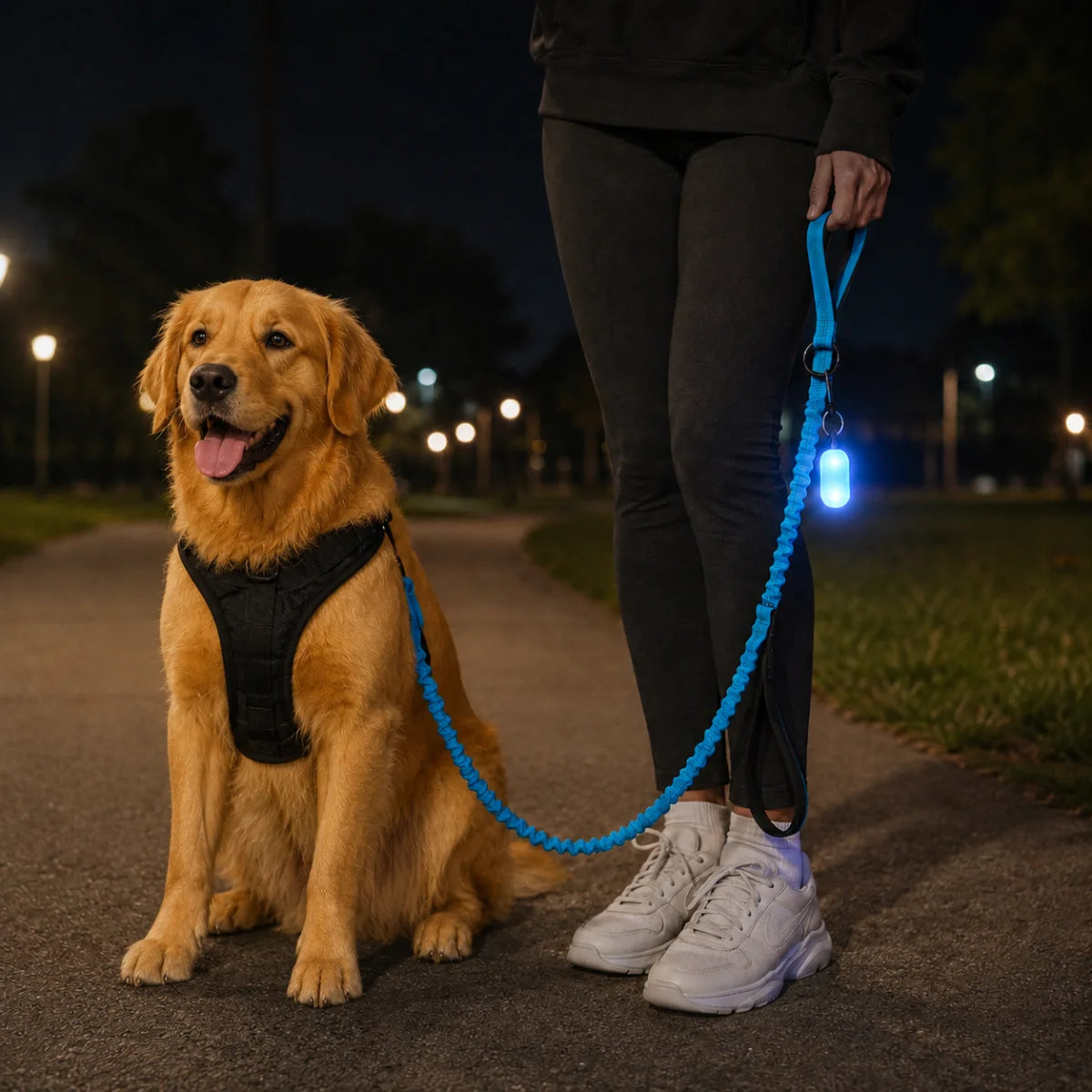
For night walks or low-light conditions, choose a leash with reflective details such as reflective stitching or strips. That added visibility can make a real difference near roads and sidewalks. Also inspect for leash wear often, since everyday use can weaken gear over time.
Training and exploration need room, but not too much freedom. That is where a training leash or long line works well. It gives your best dog space to move, sniff, and learn while you stay connected from a distance.
This is a good idea for dog training, recall work, and scent work in parks or fields. Some owners like a rope leash feel in hand, while others prefer flat lines that move easily through grass. A dog trainer may also use a slip lead for short, structured handling sessions.
So when should you use a slip lead versus a regular dog leash? Use a slip lead when you need quick on-and-off handling or focused control. For longer practice sessions and outdoor exploration, a regular training leash or long line is usually the best option.
If you like running or hiking with your dog, a hands free dog leash can make movement smoother. It lets your arms stay free and can feel more natural on trails or steady jogs. Many active owners also like adjustable leashes for added flexibility.
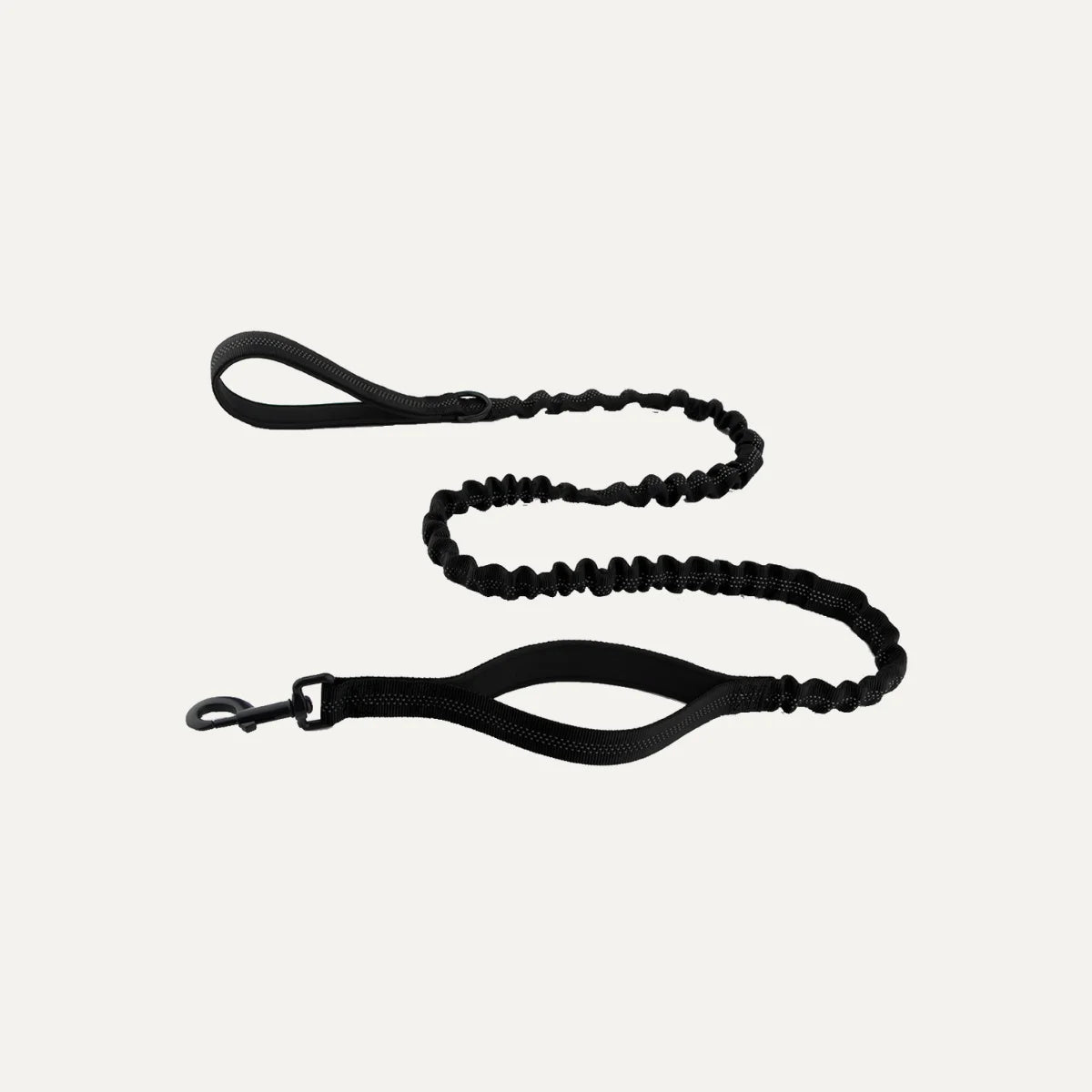
A bungee dog leash can help absorb sudden pulls, which is useful in dog sports and other active outings. Still, leash length should stay practical. Too much slack can feel messy, while a shorter setup usually gives better rhythm and more peace of mind.
Are hands-free dog leashes safe and effective for running or walking? Yes, when the setup matches your dog’s habits and your activity. For more specialized use, such as a dog bike leash system, strong hardware and controlled movement are the best option.
Choosing the right leash involves more than selecting a preferred color or length. The leash should fit your dog’s physical needs, walking behavior, activity level, and environment.
Begin by considering your dog’s weight and pulling power.
A small dog generally needs a lightweight leash and a smaller clip. Heavy hardware may swing against the dog or place unnecessary weight on a small collar or harness.
A large or powerful dog needs wider webbing, strong stitching, and durable metal hardware. The clip should close securely and rotate smoothly without bending under pressure.
Behavior is equally important.
A dog that pulls strongly may be easier to manage with a fixed-length leash that provides consistent control. A dog that lunges suddenly may not be suitable for a long or fully extended retractable leash.
Different activities create different leash requirements.
For daily neighborhood walks, a standard leash usually offers the most practical combination of control and comfort.
For recall training or supervised exploration, a long dog leash allows the dog to move farther away while remaining connected to the owner.
A retractable leash may work for relaxed sniffing walks in quiet, open spaces, provided the dog responds well to guidance and the owner maintains awareness of the surroundings.
A slip leash may be useful for short-term handling, quick transitions, or controlled training sessions.
For running, jogging, hiking, or walking with a stroller, a hands-free leash can make movement more natural and keep the owner’s hands available.
Many dog owners benefit from having more than one leash. A standard leash may be used for daily walks, while a long line or hands-free model is reserved for training and outdoor activities.
Leash length affects how much freedom and control the dog has.
A four- to six-foot leash is generally suitable for everyday walking. A longer leash may be useful for training, but it requires more space and careful handling.
The material should match the environment and frequency of use.
Nylon is lightweight, affordable, and easy to clean. Rope can feel comfortable in the hand and may offer good durability. Leather becomes softer with use but requires more maintenance. Coated materials may be easier to clean after muddy or wet walks.
Useful safety and comfort features include:
Before purchasing a leash, check the manufacturer’s size and weight recommendations. The leash should be strong enough for your dog without being unnecessarily bulky.
Even a well-designed leash can become less effective when it is chosen or used incorrectly. Avoiding a few common mistakes can make walks safer and more enjoyable.
Even a good leash can fail if you ignore damage. Frayed edges, worn stitching, or weak hardware can turn a normal walk into a risky moment. For any dog owner, checking leash wear should be part of the routine, not an afterthought.
Pay close attention to:
What should you look for in a strong and durable leash? Start with solid hardware, dependable stitching, and materials that hold up to repeated use. Replacing worn gear is the best way to keep a secure connection and maintain peace of mind. When damage appears, a better option is simply a new leash.
Wrapping a leash tightly around the wrist or fingers can cause injuries if the dog suddenly pulls. Long lines and thin cords can also create friction burns when they move quickly across the skin.
Hold the leash securely without winding it tightly around the body. When using a long line, organize the extra length so it can move without forming knots.
Avoid jerking or repeatedly pulling the leash. Sudden force can create discomfort and may make the dog more anxious or reactive.
Owners should also remain aware of where the leash is positioned. Keep it away from the dog’s legs, paws, and tail, and prevent it from wrapping around other people or animals.
Constant leash tension can make walks harder for both of you. When the line stays tight all the time, your dog may lean into it, and that can turn normal walking into a pulling habit. It also makes the walk feel less calm and less clear.
This is not only a training issue. It can affect leash wear too. A leash under steady strain may wear faster, especially around stitching and leash clips. If your dog pulls often, the best leash is usually one that gives control without adding unnecessary slack.
How do you choose the right type for your pet’s size and activity level? Look at leash type, leash length, and how your dog moves during dog training or daily walks. A shorter, steadier setup often helps reduce constant tension and improve communication.
Choosing the right dog leash is vital for ensuring enjoyable and safe walks for both you and your furry friend. With various types available, understanding the differences can enhance your dog's walking experience while providing you with better control. Consider your dog's size, behavior, and the activities you plan to engage in when selecting a leash. Avoid common mistakes, such as choosing solely based on length or neglecting wear and tear, to ensure optimal safety and comfort. By making informed decisions, you can strengthen your bond with your dog during your daily adventures.
Please read our FAQs page to find out more.
A 6-foot dog leash is generally the better all-purpose option because it gives a dog enough room to walk and sniff without moving too far away. A 4-foot leash provides closer control and may be more suitable for busy sidewalks, veterinary visits, strong dogs, or crowded public areas. The best choice depends on your walking environment and your dog’s behavior.
A long dog leash has a fixed length and must be managed manually, while a retractable leash extends and rewinds through a spring-loaded handle. Long leashes are commonly used for recall training, distance commands, and structured outdoor practice. Retractable leashes are mainly used to give calm dogs more freedom to sniff during relaxed walks in open, low-traffic areas.
A leash can be attached to either a properly fitted collar or harness. A collar may work well for dogs that walk calmly without pulling. A harness spreads pressure across the chest and body, making it a useful option for dogs that pull, small dogs, or dogs with sensitive necks. Whichever option you choose, check the fit and attachment point before every walk.
A lightweight 4- to 6-foot standard dog leash is usually the best choice for a puppy. Its fixed length provides consistent guidance and makes it easier to teach loose-leash walking. Avoid using a heavy leash or oversized clip that may feel uncomfortable. Retractable leashes are generally less suitable during early training because the changing length and tension can make boundaries less clear.