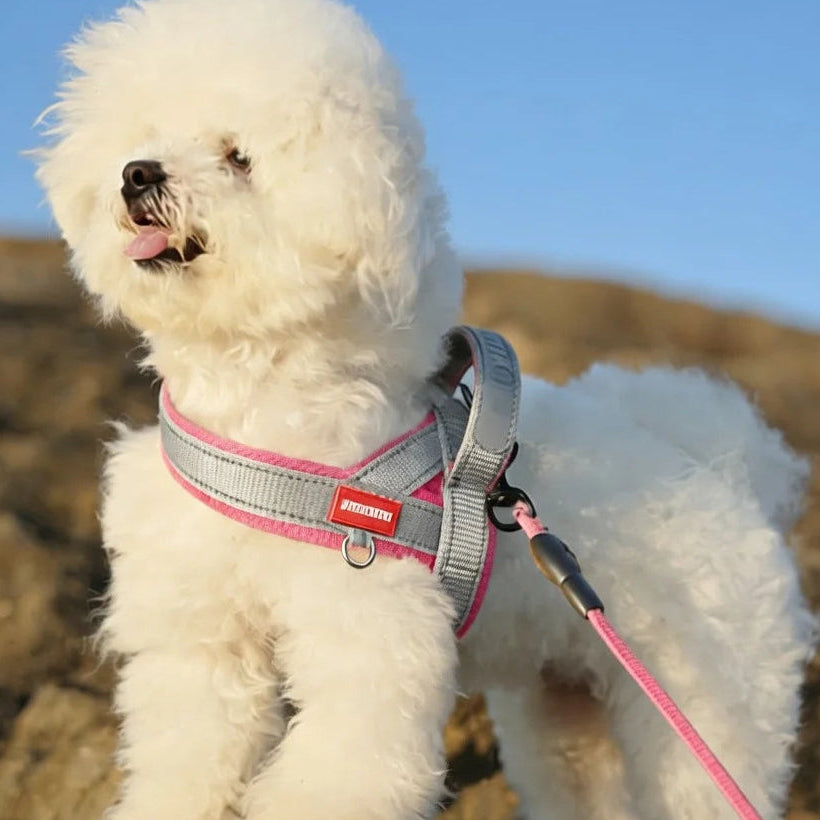


Understanding What is No Pull Dog Harness for Better Control
- by 03Howoll
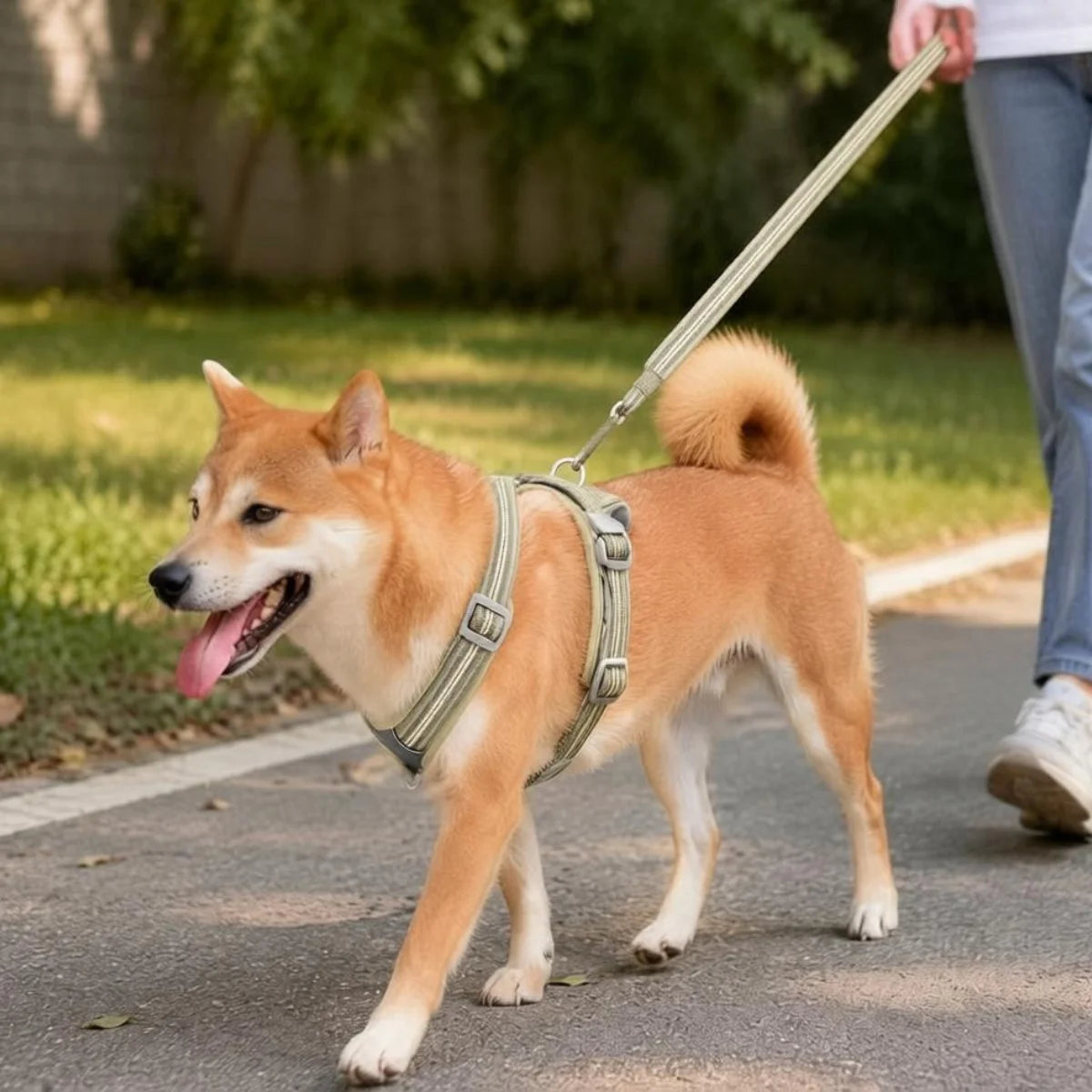
Choosing the right harness can greatly affect your dog's walking experience. Picture yourself strolling with your dog, when suddenly it sees a squirrel, another dog, or catches a fascinating scent—your pet lunges forward, yanking your arm so hard that you might lose your footing or even take a tumble. This tugging not only turns a pleasant walk into a hassle but also risks injury to your wrist or shoulder, and can harm your dog's neck if you're using a traditional collar. For this reason, a no pull dog harness is an excellent training tool, encouraging good leash behavior and supporting loose leash walking. By featuring a front attachment point that channels the dog's energy and applies gentle pressure to the chest instead of the neck, it helps maintain control. This clever device fundamentally improves walks, making it ideal for owners who want to minimize undesirable actions and enrich their outdoor adventures with their dogs.
This article will guide you through the workings of a no-pull dog harness and how to choose the right one for your dog.
A no pull dog harness is a specially designed piece of equipment that helps discourage your dog from pulling on the leash. According to Wikipedia, a no-pull harness is defined as "a type of harness that discourages pulling by redirecting the dog’s forward motion." Unlike a standard dog harness that has a clip on the back, a no pull version typically features an attachment point on the front of the harness, right on your dog's chest. This small design change makes a big difference in how the harness functions when your dog tries to pull ahead.
The main idea behind this type of harness is to provide better control without causing discomfort or pain to your dog. When a pull dog lunges forward, the front-clip design gently turns them back towards you, disrupting their momentum and making pulling less effective and rewarding. It's a tool that works with your dog’s body mechanics to teach them to walk calmly by your side, transforming your walking experience.
One of the biggest differences lies in how these harnesses manage a dog’s energy. No pull dog harnesses are designed with a front clip attachment point that redirects forward momentum, making it more difficult for dogs to pull ahead. This design serves as an excellent training tool, promoting proper leash manners through positive reinforcement of good behavior. Regular harnesses, on the other hand, often focus on comfort without addressing unwanted behaviors, which can lead to a frustrating experience for both dog and owner.
Additionally, the placement of the straps and attachment points significantly affects control. No pull harnesses typically equitably distribute pressure across a dog’s chest, preventing strain on their neck and shoulders—a vital aspect for small or brachycephalic breeds. Regular harnesses may lack these features, resulting in less effective control during walks.

Harnesses specifically engineered to prevent pulling incorporate several innovative features aimed at giving dog owners greater control while ensuring their pets' comfort and safety. One of the most significant components is the front leash attachment point, typically located at the center of the dog’s chest. When a dog tries to pull ahead, this design redirects their momentum to the side, gently steering them back towards the owner and discouraging forward lunging. This mechanical advantage allows for more manageable walks and reduces strain on both the handler and the animal.
In addition to improved control, these no-pull harnesses often feature multiple points of adjustment. This ensures a customized fit for dogs of all sizes and body types, including small breeds, puppies, or breeds with unique conformations such as French Bulldogs. The adjustable straps ensure that pressure is distributed evenly across the chest and shoulders rather than concentrating force on sensitive areas like the neck or throat. This design consideration protects against common injuries associated with traditional collars, such as tracheal collapse or neck strain.
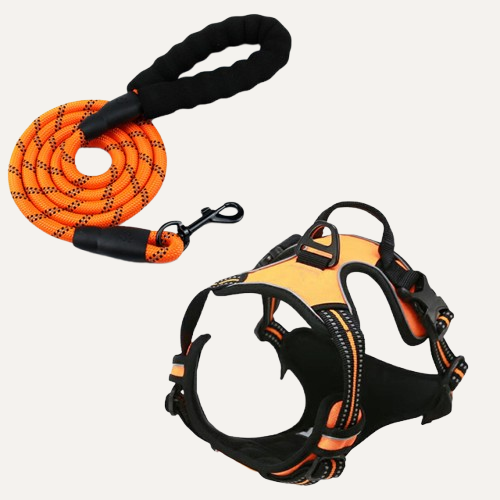
Many no-pull harnesses are constructed from lightweight, breathable materials to maximize comfort during extended walks or training sessions. Some also include padding in critical areas to prevent chafing or irritation, making them suitable for daily use. Reflective stitching or panels may be incorporated for added visibility during low-light conditions, further enhancing safety.
Training is most effective when combined with positive reinforcement techniques. Many owners find that using treats, praise, or toys in conjunction with a no-pull harness helps reinforce calm walking behavior and builds a stronger bond between pet and owner. Over time, dogs learn that maintaining a loose leash results in rewards and pleasant experiences.
Overall, harnesses designed to prevent pulling not only make walks more enjoyable but also contribute to better long-term behavior and well-being for both dogs and their humans. They are an excellent choice for anyone seeking a humane and effective solution to manage pulling while promoting healthy exercise routines.

Utilizing a no pull dog harness brings numerous advantages for both pets and their owners. One of the primary benefits lies in the reduction of unwanted behaviors, fostering proper leash manners. By incorporating the front clip attachment point, these harnesses facilitate a redirection of energy, helping to improve loose leash walking. This not only enhances the overall walking experience but also reinforces positive reinforcement of good behavior.
Safety is another vital factor; these harnesses distribute pressure evenly across the dog’s body, lessening strain on the neck and stabilizing the dog’s shoulders. This design proves especially beneficial for brachycephalic breeds or strong dogs prone to pulling. As a great training tool, a no pull harness ensures your walks become enjoyable, easing the frustration often associated with untrained dogs.
Enhanced walks can be achieved through the strategic use of no pull dog harnesses, which serve as an excellent training tool. Unlike regular harnesses, these designs focus on redirecting a dog’s energy and loss of forward momentum, effectively discouraging unwanted behaviors during walks. The front clip allows for better control, tending to minimize the strain on a dog's neck while promoting proper leash manners.
Dogs that might typically pull can be guided more gently, leading to a more enjoyable experience for both the pet and owner. Positive reinforcement of good behavior becomes easier with this type of harness, paving the way for loose leash walking. Such a shift not only creates a more pleasant outing but also fosters a stronger bond between dog owners and their pets.
Safety is a huge benefit of no-pull harnesses. Regular collars can put a dangerous amount of pressure on your dog’s neck and throat, especially for puppies and small breeds. A well-fitted no-pull harness avoids this issue entirely by distributing pressure across the dog's chest and body.
This design not only protects the delicate area around the dog’s neck but also allows for a full range of motion. A good harness should not restrict the movement of your dog's front legs or shoulders, ensuring they are comfortable during walks, hikes, or runs.
Key safety and comfort features include:
Selecting an appropriate no pull dog harness involves considering essential features that cater to your pet's needs. The attachment point plays a significant role in redirecting your dog's energy and can provide better control during walks. Look for adjustable straps to ensure a proper fit, which is crucial for safety and comfort. For brachycephalic breeds or small dogs, lightweight materials and a front clip harness may be favored, offering a full range of motion while encouraging loose leash walking.
When shopping for a no-pull harness, the most important feature is the front attachment point. This is what provides the redirection and control. Some harnesses also have a back clip, offering versatility, but the front clip is non-negotiable for managing pulling.
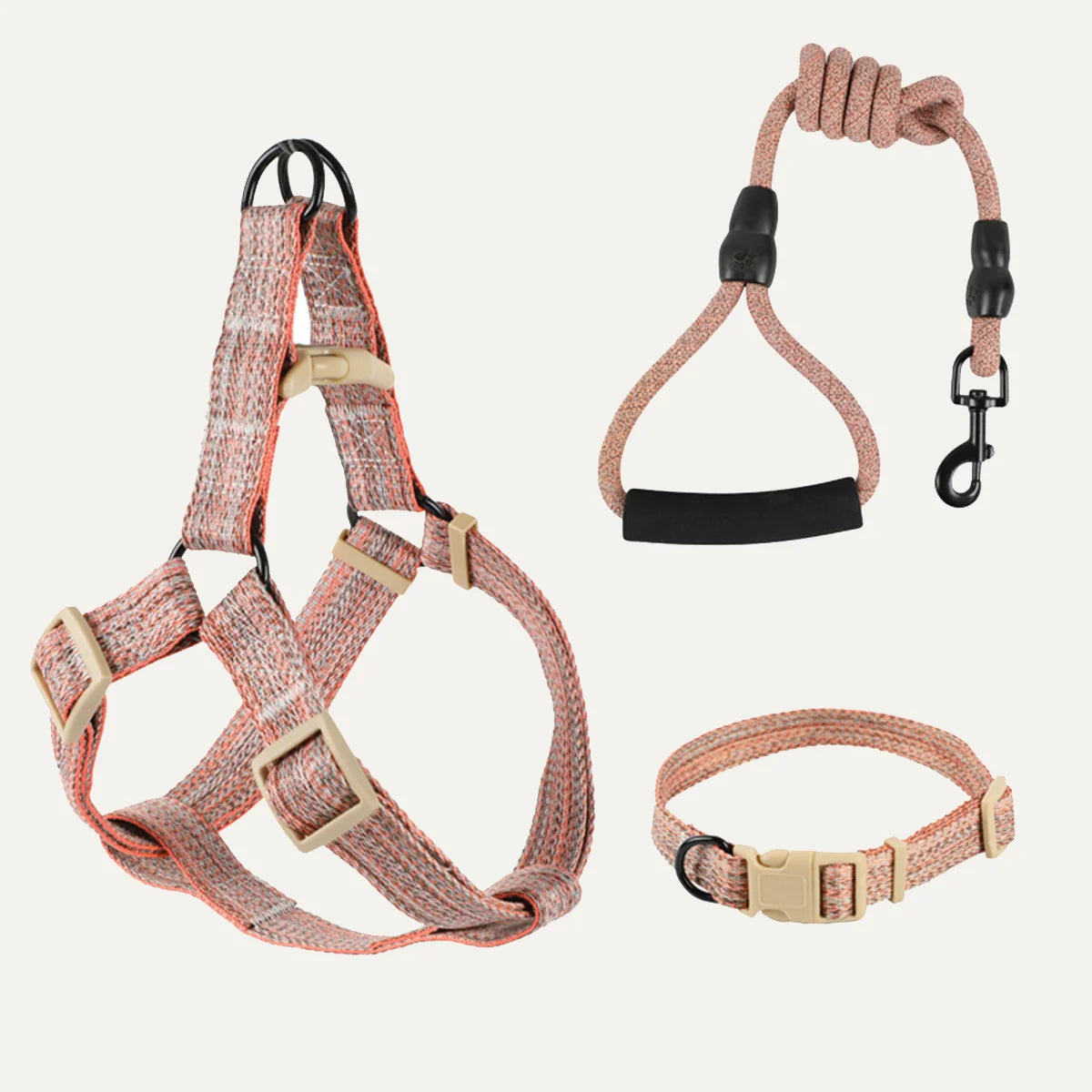
Beyond the clip, look for adjustable straps. These are essential for creating a secure and comfortable fit that can adapt to your dog’s unique shape. The front clip strap, which goes between the forelegs, should also be positioned so it doesn't cause chafing. Materials matter too; opt for lightweight, breathable fabrics that won’t irritate your dog’s skin.
Here are a few other features to keep in mind:
Achieving the proper fit is essential for a no-pull dog harness to work correctly and comfortably. A harness that is too loose can slip off, while one that is too tight can cause chafing and restrict movement. Most sizing guides will require you to measure around your dog's chest and from their neck to their tail.
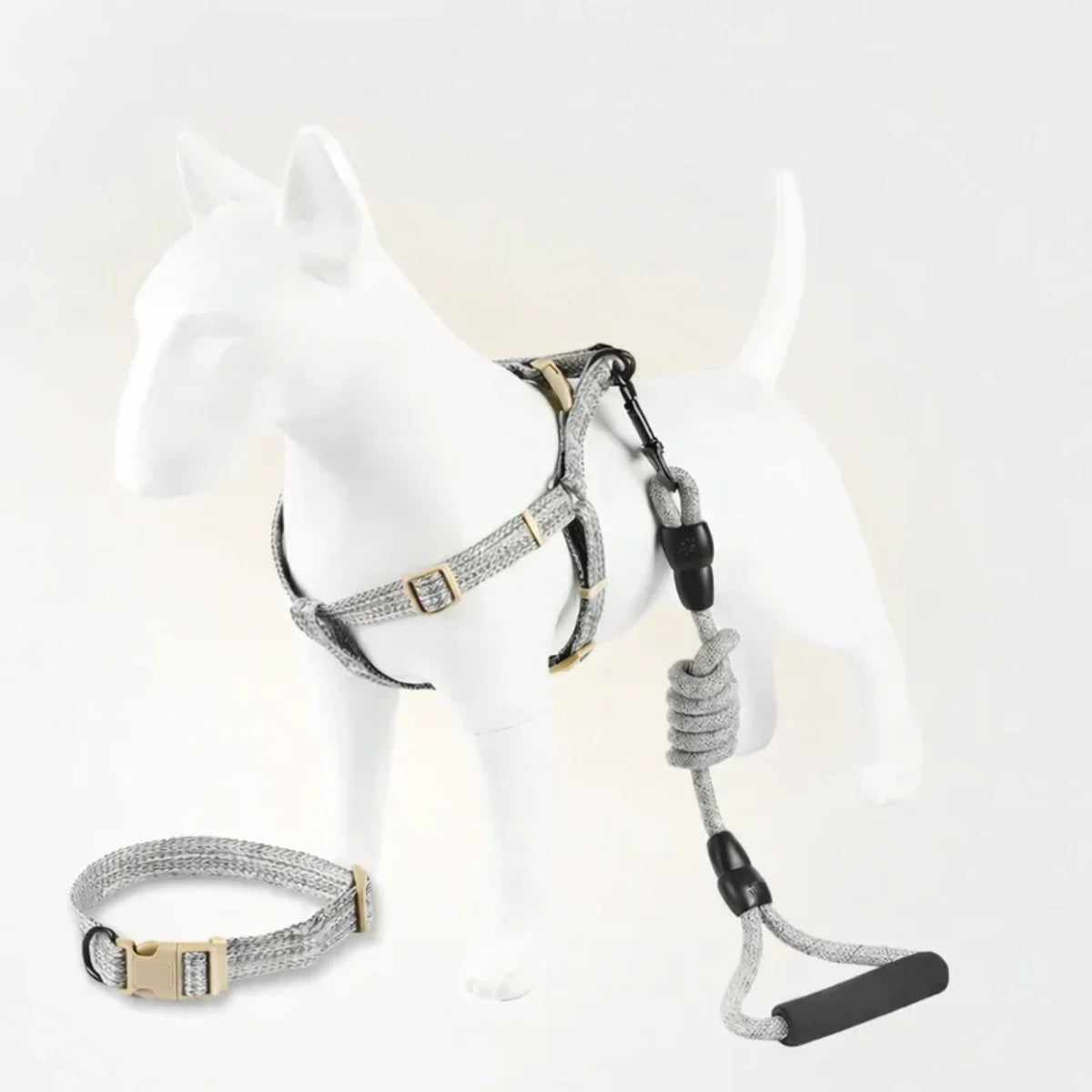
When you put the harness on, the front ring should sit conveniently at the front of your dog's chest. You should be able to comfortably slip two fingers between the harness and your dog's body at any point. This ensures it's secure but not constricting.
Pay close attention to these areas for a perfect fit:

Veterinarians and dog trainers recommend no-pull dog harnesses as effective tools for teaching proper leash manners. The front attachment point redirects pulling force away from the dog's neck, reducing strain and discomfort. This is especially beneficial for brachycephalic breeds like French Bulldogs. A proper fit with adjustable straps ensures comfort and control, while bright colors add appeal. These harnesses promote positive reinforcement, making walks more enjoyable for both dog and owner.
You’ll know the harness is effective when your dog pulls less, walks with a slack leash, and seems calmer. This shift helps reduce leash frustration and other unwanted behaviors. Signs of success include a relaxed dog, less pulling, and better focus on you, offering an opportunity for reinforcing good behavior.
Ready to make your walks easier and more enjoyable? Check out our collection of no-pull dog harnesses and find the perfect fit for your dog today!
Please read our FAQs page to find out more.
While a no pull harness can be worn for extended periods, it's essential to monitor your dog for signs of discomfort. Ensure the harness fits properly and allows free movement. Regular breaks from the harness can help prevent skin irritation and promote overall comfort.
No, when fitted correctly, no-pull harnesses are not cruel or uncomfortable. They are designed for comfort, distributing pressure across the dog's chest and allowing a full range of motion. Compared to collars that can choke, these pull harness options are a much safer and more humane choice for managing pulling.
No, a no-pull harness is not suitable for all dog breeds. It works well for heavy pullers, working breeds, puppies, and dogs with neck injuries. However, caution is needed for canine athletes (since front-clip designs can restrict shoulder movement), brachycephalic breeds like French Bulldogs (many vets prefer back-clip harnesses to avoid airway pressure), and toy breeds prone to tracheal collapse (a Y-shaped harness that sits lower on the chest is often better). Regardless of breed, success depends on a proper fit and pairing the harness with positive reinforcement training—no tool can replace teaching loose-leash walking.
The potential downsides are minimal and usually related to improper fit, which can cause chafing. If a dog pulls with extreme force, there is still a lot of strain on the harness, though it's managed better than with a collar. It's a tool to reduce pulling, not a magic cure for a lack of training.