

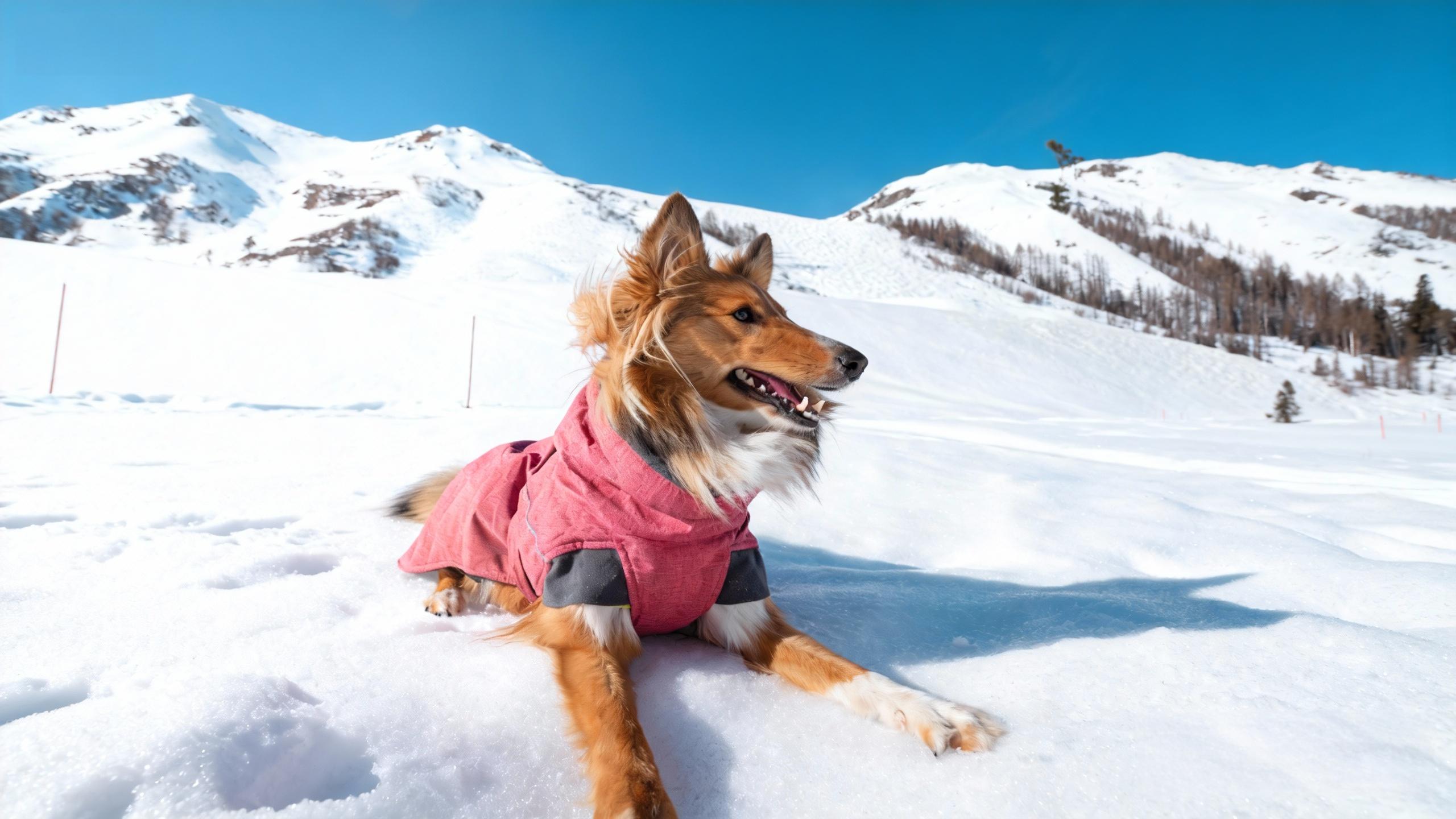
- by Howoll service
Do dogs really need coats?
- by Howoll service
“My dogs has fur—do they really need coats?”
This is a question many pet owners ask as winter approaches. Some people believe dogs are naturally built to handle cold weather and that dog coats are unnecessary. After all, dogs already have fur, right? At the same time, many owners worry about their dogs getting cold, uncomfortable, or even sick during winter walks. My answer is that dogs need coats. Next, let's explore why dogs need coats, how to determine if your dog needs coats, and how to choose the right coats.
Just like people, dogs are afraid of the cold. According to the Cornell University College of Veterinary Medicine, Dr. Aly Cohen, winter’s cold, snow, wind, and wet conditions can all become potential hazards for dogs—especially those not built for freezing temperatures. Even dogs with fur are not immune to cold-related health issues if they are exposed for too long or without proper protection.
When temperatures drop below freezing, dogs can lose body heat quickly, and prolonged exposure may lead to serious conditions such as hypothermia and frostbite. The RSPCA notes that hypothermia starts when a dog’s body can’t maintain its normal temperature range (about 37.5°C to 39.2°C), and once this happens, their organs and muscles don’t function as effectively. Older dogs, puppies, short-coated breeds, and those with health issues are especially less able to regulate body temperature and are therefore more vulnerable in cold weather.
This is why the question do dogs need coats goes beyond opinion or trends—it’s about reducing real winter health risks, not just comfort.
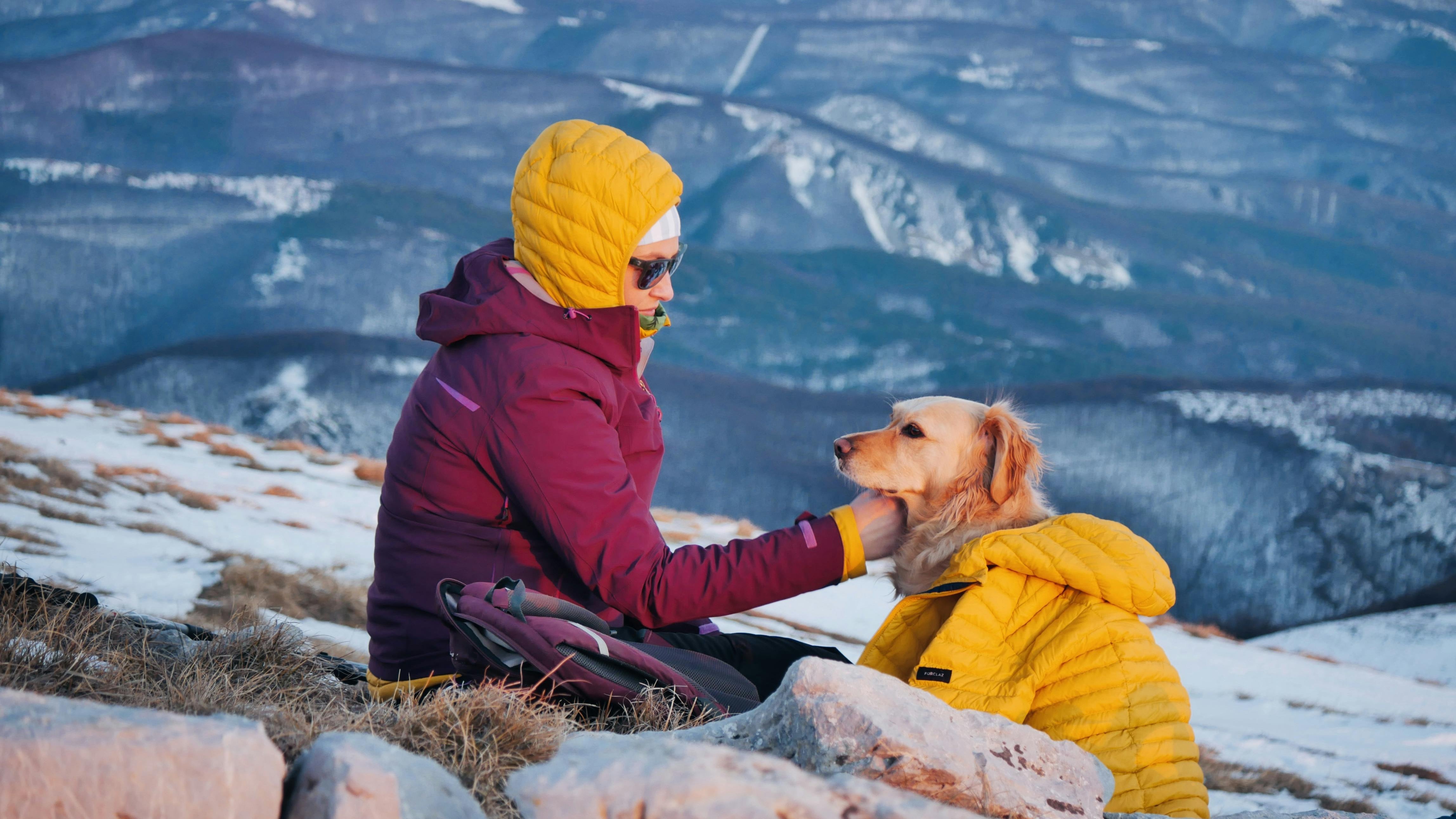
When asking do dogs need coats, the answer usually depends on three key factors: breed and fur type, health and age, and weather conditions. Looking at these factors together makes it much easier to decide whether dog coats are just optional—or genuinely beneficial for your dog in cold weather.
Not all dogs’ fur protects them equally. Dogs with thick double coats—like Siberian Huskies, Malamutes, or Samoyeds—have two layers of fur that trap heat and protect against snow and wind, so they tolerate cold much better without extra layers. In contrast, dogs with short or thin fur lose heat rapidly because their coat doesn’t trap enough warmth. This includes breeds such as Greyhounds, Italian Greyhounds, Chihuahuas, and many short-haired terriers. Short coats offer minimal insulation, so these dogs often need dog coats to maintain body heat during winter walks.
Puppies and senior dogs, regardless of breed, struggle more to regulate body temperature and are more susceptible to cold-related stress. Dogs with conditions like arthritis, hypothyroidism, or weakened immune systems also lose heat more easily and may find outdoor cold weather uncomfortable or even risky without a layer of protection.
Cold weather isn’t just about low temperatures—it’s about how long your dog will be outside and what conditions they’ll face. Dogs that only go out for quick bathroom breaks might do fine without a coat in mild cold. However, when wind chill, rain, snow, or wet ground come into play, your dog loses heat faster and is more likely to benefit from protective clothing. Even moderately cold days with strong winds can warrant a coat for many dogs.
Also consider activity level: a dog that stays still in the cold will get cold faster than one running vigorously. But if your dog is not very active on winter walks, a coat helps preserve their body heat and keeps them comfortable longer.
Sometimes, the clearest answer to do dogs need coats doesn’t come from breed charts or weather apps—it comes directly from your dog’s behavior. Dogs often show subtle (and not-so-subtle) signs when they’re feeling cold.
Common signs include shivering or trembling, especially shortly after going outside. This is one of the most obvious indicators that your dog is struggling to maintain body heat. Another sign is hesitation or resistance to going outdoors—if your dog suddenly refuses winter walks or tries to turn back quickly, cold discomfort may be the reason.
You may also notice your dog lifting their paws off the ground, walking stiffly, or slowing down more than usual. Cold temperatures can cause muscle tightness and increase joint pressure, particularly in senior dogs. Some dogs will try to curl their body, tuck their tail, or seek warmth immediately once they return indoors, all of which are natural responses to cold stress.

Once you’ve decided that do dogs need coats applies to your dog, the next step is choosing the right one. Not all dog coats offer the same level of protection, and selecting the wrong coat can reduce comfort or limit movement. The best dog coat should match your local weather, fit your dog properly, and support their activity level.
Start with the weather your dog will actually face. In dry but cold conditions, an insulated dog coat — think the WarmGuard Fleece Dog Vest helps retain body heat and keeps your dog warm during walks. If your winter includes rain, snow, or slush, a waterproof or water-resistant outer layer — such as ArcticShield Dog Jacket becomes essential. Wet fur loses heat much faster, which is why many dogs feel colder in damp weather than in dry cold.
For windy environments, look for dog coats that cover the chest and core area well — like the Padded Dog Vest, as wind chill significantly increases heat loss. Choosing dog coats based on real weather conditions ensures your dog stays protected—not just comfortable.
Similar to how humans dress for outdoor activities, layering works for dogs too. In cold conditions, a smart dog coat system follows the same principle as human outdoor gear and typically focuses on three functional layers:


The right size is just as important as warmth when choosing dog coats. A coat that is too tight can restrict movement and cause discomfort, while one that is too loose allows cold air to enter and reduces heat retention.A well-fitting dog coat should sit comfortably around the chest and shoulders, covering the dog’s core without pressing or rubbing. You should be able to fit two fingers between the coat and your dog’s body—snug enough to stay in place, but loose enough to allow natural movement.
Always measure your dog’s chest girth, neck, and back length before choosing a size. Properly fitted dog coats stay in position during walks and rest periods, helping maintain body heat more effectively. When the fit is right, dogs are more likely to accept the coat and benefit fully from its warmth and protection. Learn more about How to Measure Your Dog for the Perfect Fit.
A short, relaxed morning walk and an active outdoor hike place very different demands on your dog—and they require different types of coats. Active dogs that run, hike, or play outdoors need lightweight, flexible dog coats that provide warmth without overheating. These coats should allow airflow while protecting the core from cold and wind — PortaPup Insulated Dog Jacket.
After intense activity, a dog’s body temperature can drop quickly once movement slows or stops. As sweat evaporates and wind exposure increases, stored heat is lost faster than many owners realize. To prevent your dog from getting chilled — or potentially becoming sick — it’s a good idea to carry a thicker, warmer coat for post-activity use. Putting on warmer dog coats — Winter Padded Dog Jacket during rest breaks or after the activity helps retain body heat and keeps your dog comfortable and protected in changing conditions.
The answer is clear: many dogs need coats, especially when cold, wind, or changing outdoor conditions are involved. A well-chosen dog coat isn’t about overprotecting—it’s about giving your dog the freedom to stay warm, move confidently, and enjoy the outdoors without unnecessary risk. When your dog is properly protected, there’s no reason to hold back. Put on the coat, step outside, and head into your next adventure together.
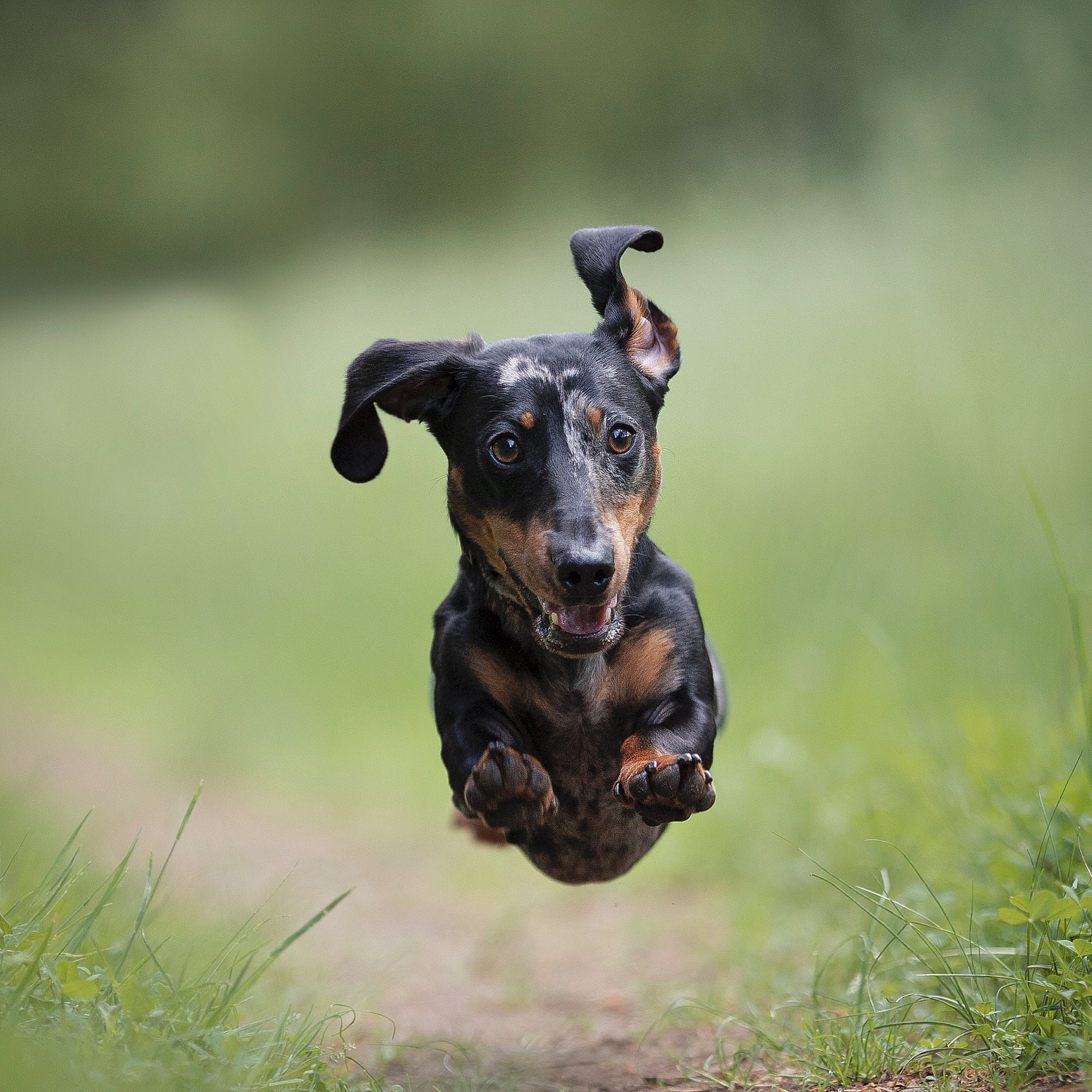
The lightweight, sporty coat is perfect for high-energy activities—whether it’s running, hiking, or daily walks—offering freedom of movement without overheating. After the adventure, the warm layer helps your dog retain body heat and recover comfortably, especially in cooler weather.
Let your dog enjoy the snow, but keep outdoor time short and supervised. Non–snow breeds often lose heat quickly, even if they seem excited at first. Using a well-fitted dog coat helps retain body heat and prevents your dog from getting too cold, especially during longer playtime or after activity slows down.
Many veterinarians suggest paying closer attention once temperatures drop below 45°F (7°C)—especially for small dogs, short-haired breeds, puppies, and senior dogs. Wind, rain, and snow can make dogs feel cold at even higher temperatures.
Start by choosing a lightweight, well-fitted dog coat and let your dog wear it indoors for short periods to get used to the feeling. Gradually increase wear time and pair it with treats or positive reinforcement. Most dogs adapt quickly once they realize the coat keeps them warm and comfortable outdoors.