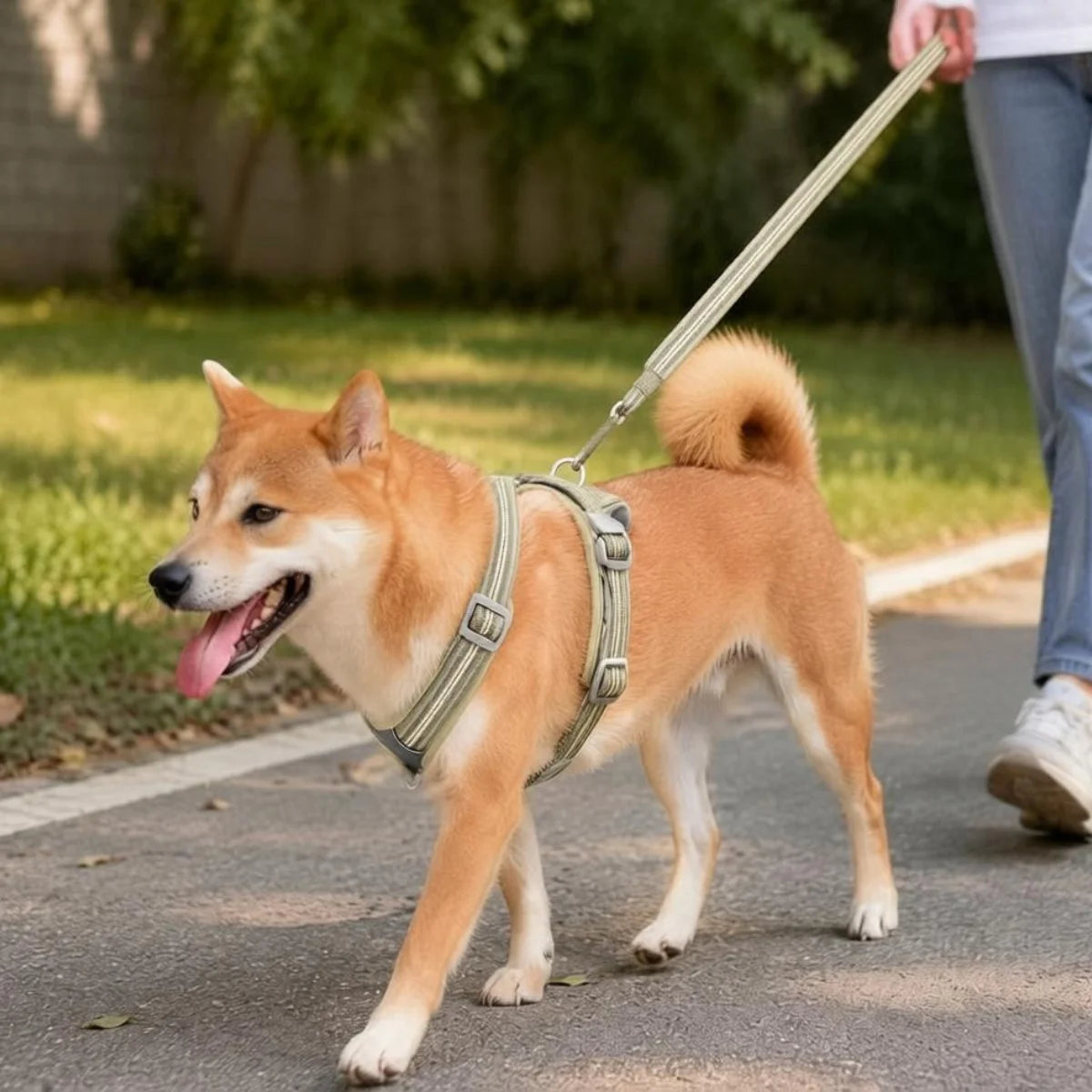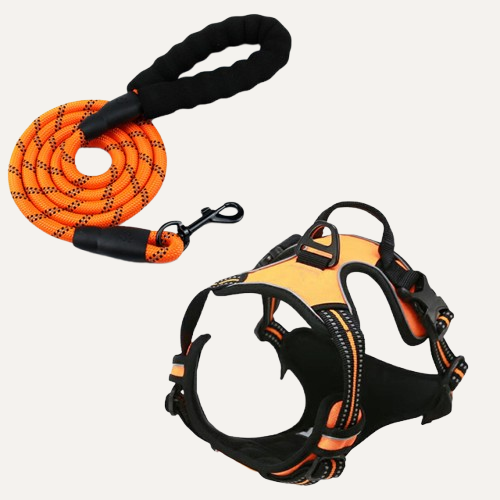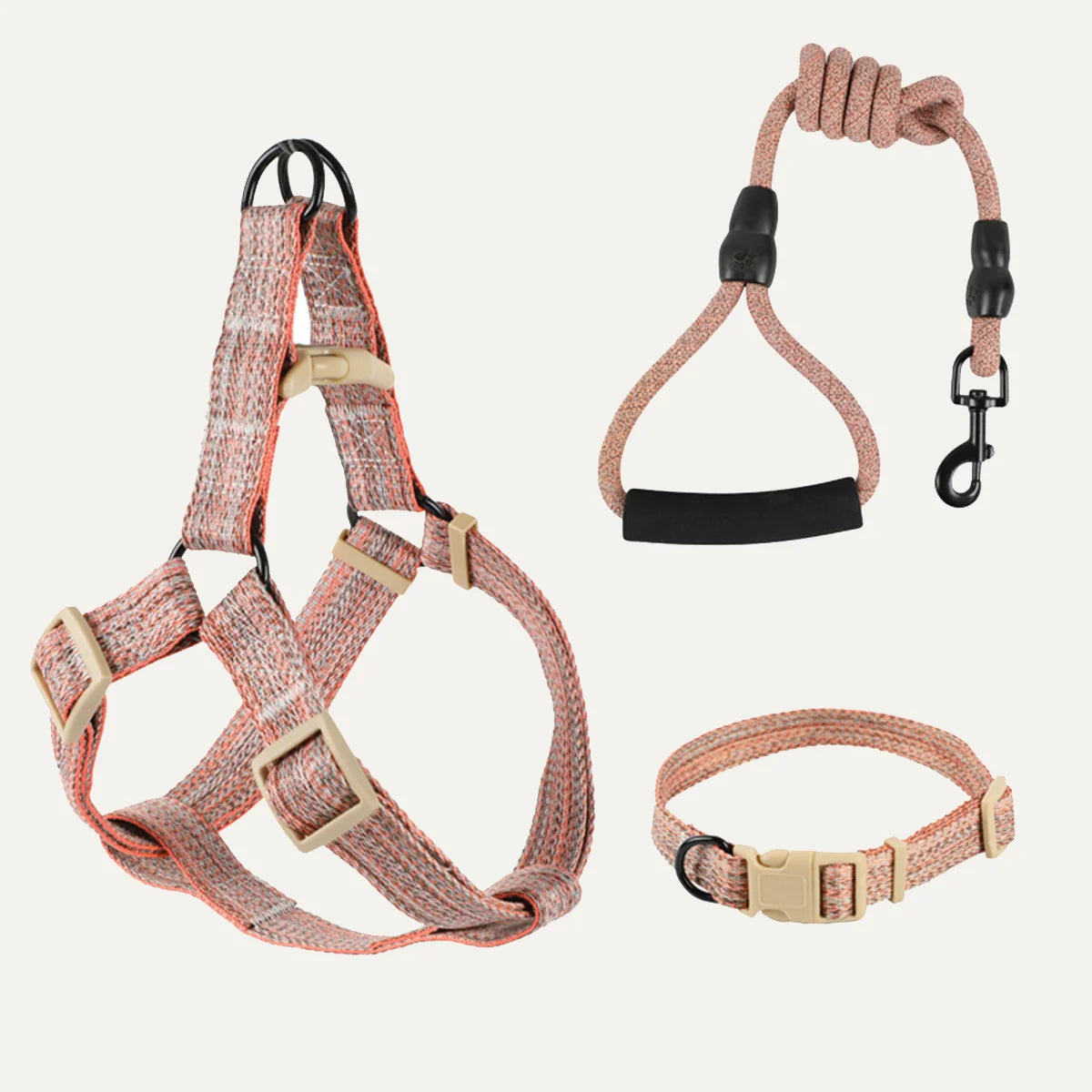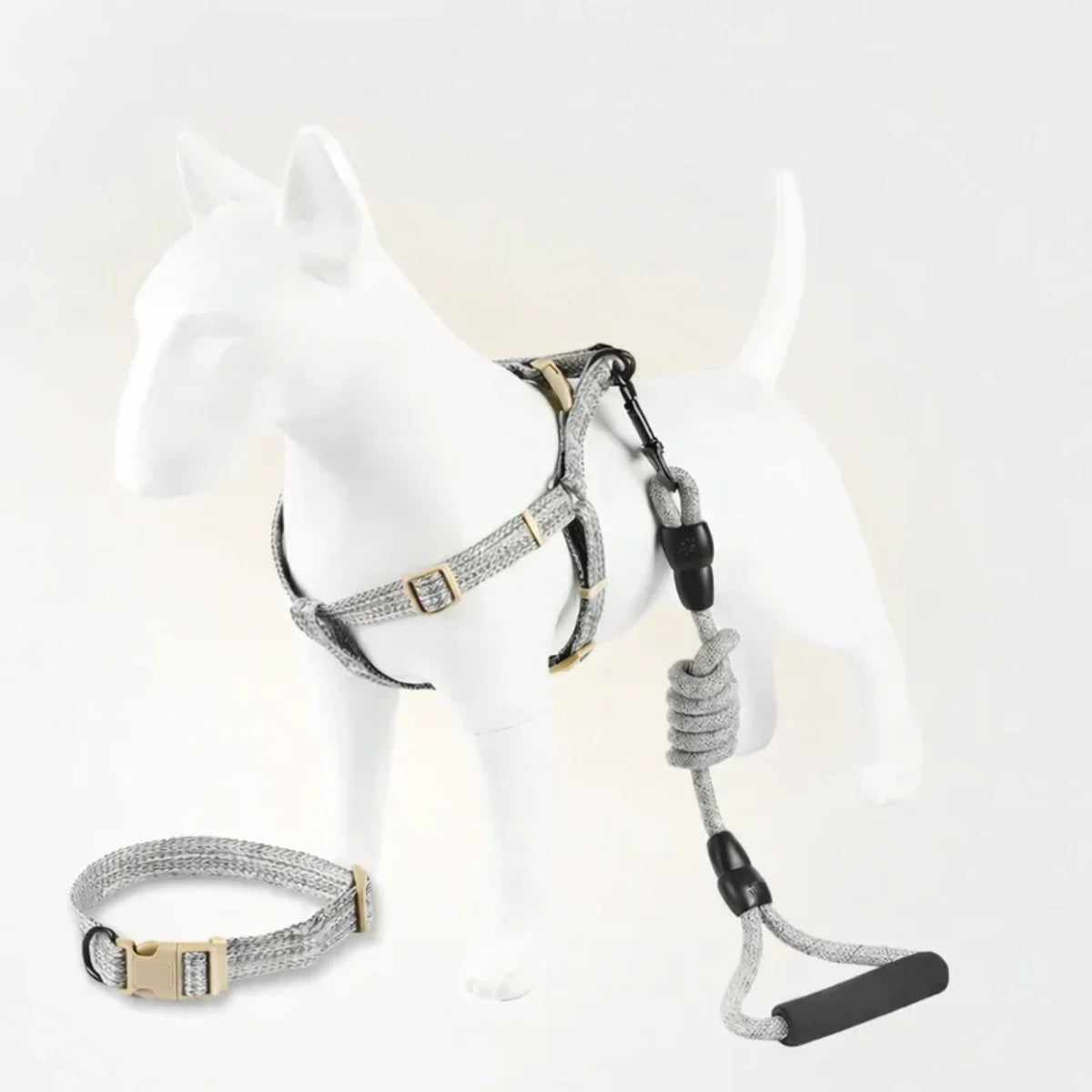

Dog Car Safety: Why Your Dog Needs a Car Harness
- by 03Howoll
Car rides are enjoyable for many dogs, but they also pose significant risks. Ensuring pet safety is crucial every time your dog enters the vehicle, even for a quick jaunt across town. A purpose-built dog harness is essential; it not only reduces the risk of injury but also limits movement and enhances travel safety for everyone in the car. A good car harness should be designed specifically for dogs, providing a secure fit and comfort during rides. This article will explain why your dog needs a car harness and what features define a quality one.
A dog car harness is a safety harness made to work as a restraint system inside a vehicle. Unlike a basic harness for walks, it is built to connect to vehicle attachment points and manage force during sudden stops or a crash test situation. Its job is to help control forward movement and spread pressure across stronger parts of your dog’s body.
If you are asking what is the safest type of dog car harness for traveling with your pet, the best choice is a model with independent certification and proven crash test performance. The compiled information points to the Sleepypod Clickit Sport as the only harness with Center for Pet Safety certification. It uses strong webbing, automotive-grade materials, and a design intended to reduce collision force while attaching through the car’s seatbelt system.
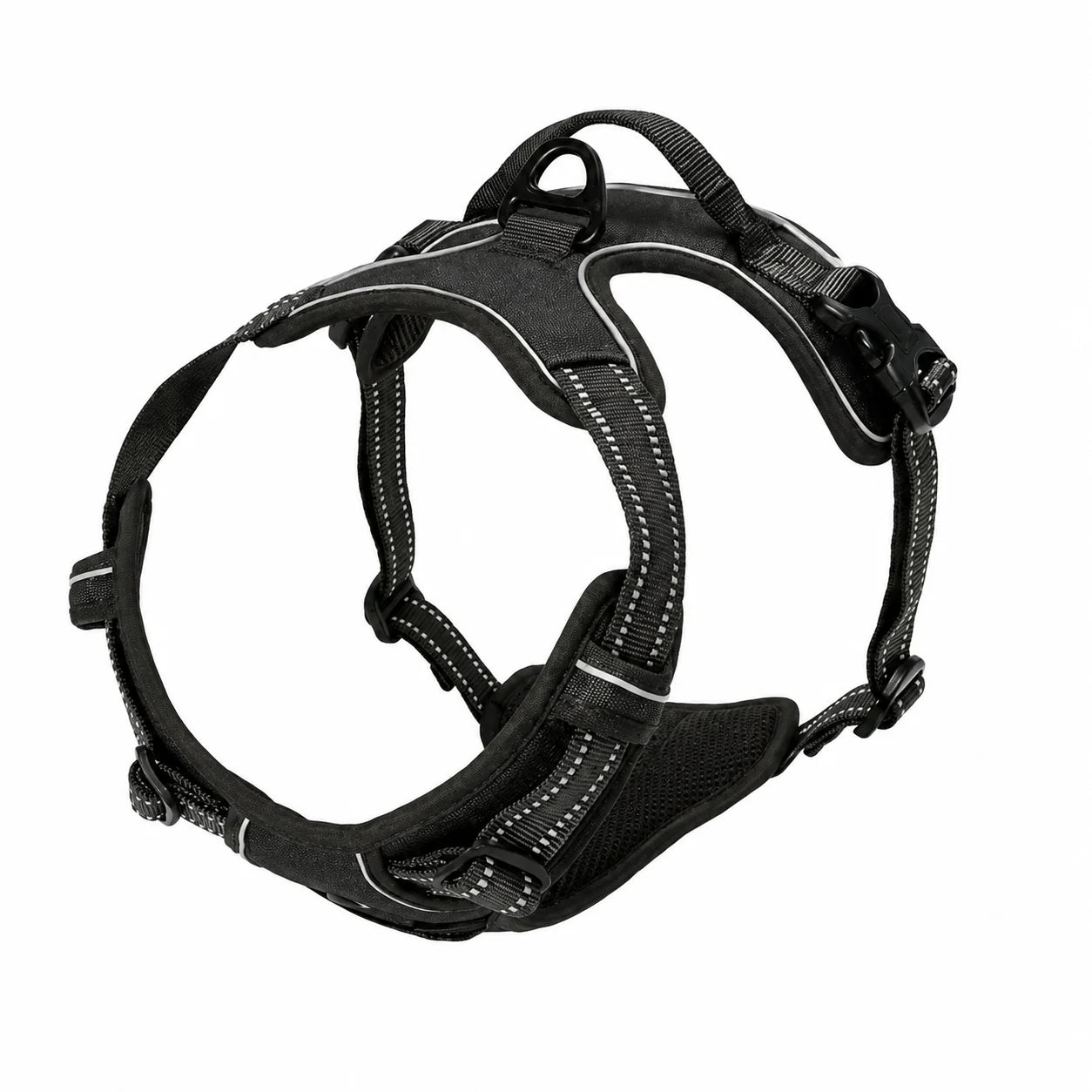
A car harness is not just a nice extra. It is a basic pet safety tool. During a car accident, a loose dog can be thrown forward, hit a window, or strike a person in the vehicle. Even a small dog can create huge impact energy in seconds.
That is why restrainat matters so much. At highway speed, dogs can generate hundreds or even thousands of pounds of force. A proper car harness helps reduce that danger. It also supports safer driving by keeping your dog from roaming. These risks become clearer in the next three sections.
Sudden braking can turn a calm ride into a dangerous moment. A safety harness helps keep your dog from being thrown across the seat or into hard surfaces. In a car accident, that restraint system can make a major difference because it limits how far the dog’s body travels forward.
Fit still matters. If the harness is loose, it can allow too much movement and increase injury risk.
Many pet owners focus on crash safety, but distraction is another serious issue. Unrestrained dogs may climb into the front, move between car seats, or demand attention while you drive. Even a quick glance away from the road can raise risk.
A secure fit in the back seat helps cut down that movement. Your dog stays in one place, and you can keep your attention where it belongs. Some states also have laws related to restraint, so it may not always be legal to travel with a dog unrestrained in the car.
Safer driving protects your dog too. Less movement inside the cabin means fewer surprises for everyone.
Safety and comfort work together. For many pups, a harness with a good fit feels more stable than riding loose. When the design includes padding and a broad contact area, the ride can feel calmer, especially on a longer road trip.
You can help your dog get used to it by choosing a secure fit and using the same setup each time. The compiled information stresses proper adjustment, flat straps, and correct placement on the chest rather than the throat. That consistency helps dogs settle faster.
A calmer dog usually means an easier ride. Comfort is important, but only when it comes with real protection.
Start with proven safety standards. A dog harness for the car should be made for vehicle restraint, not treated like a simple walking harness. Look for a model with a good fit, strong materials, and a design that works with your seatbelt system.
A solid chest plate, reliable hardware, and adjustable straps are all important. To choose well, focus on size, adjustability, and build quality first.
Size affects safety more than many people expect. A harness that is too loose can let your dog’s body move too far during braking or impact. One that is too tight can create pressure in the wrong places. A secure fit starts with correct sizing for your dog, not guesswork.
The compiled information gives a simple rule: you should be able to fit exactly two fingers between the harness and your dog’s chest. That helps create a good fit for both smaller dogs and larger dogs without leaving too much slack.
If you want your dog to stay secure, fit matters just as much as brand or price.
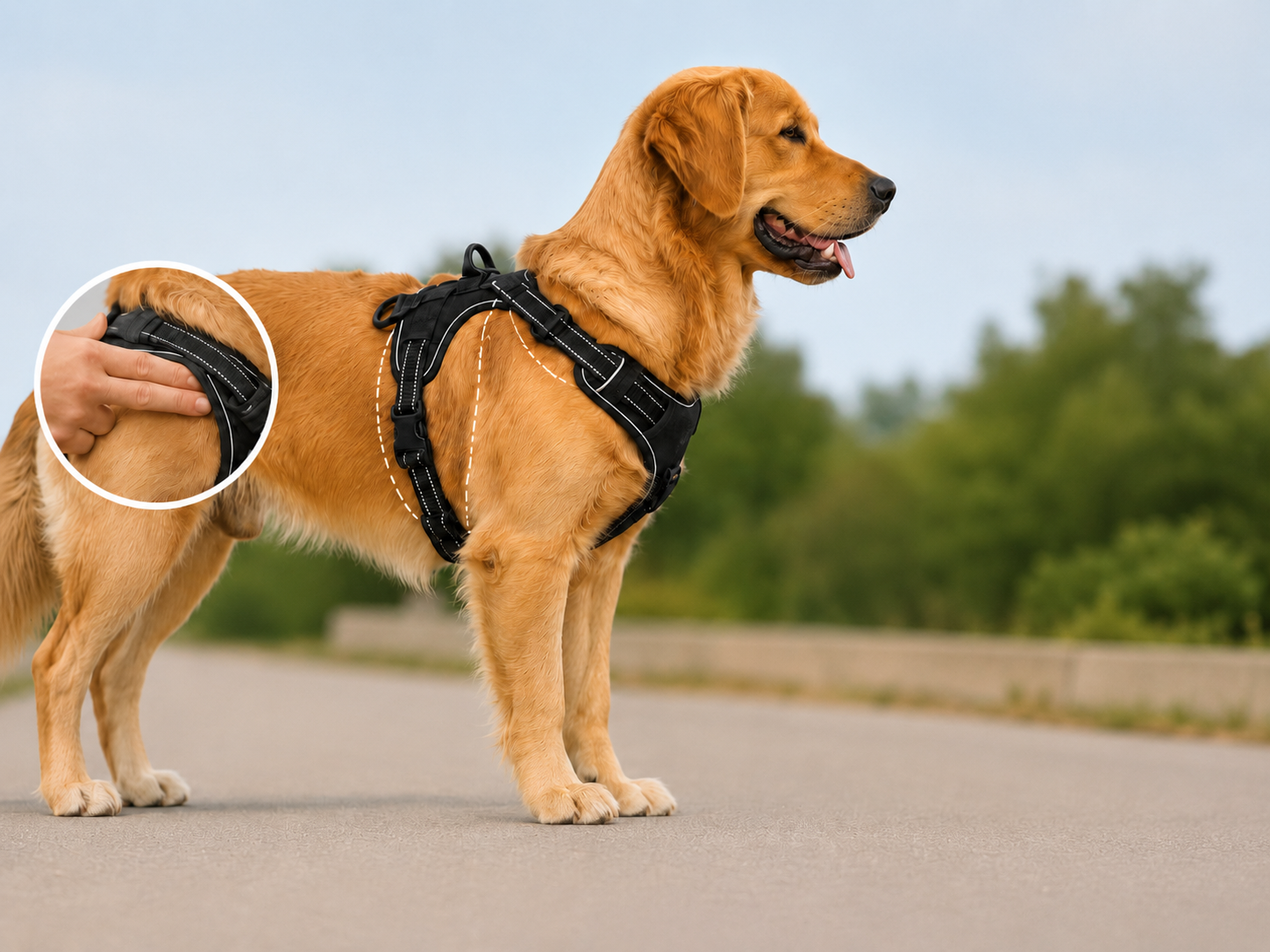
Adjustability makes a big difference because dogs do not all share the same shape. Adjustable straps help you fine-tune the harness so it sits correctly on the chest and shoulders. That usually makes them better than fixed-size options for everyday use.
You should also pay attention to buckles and overall setup. A quick fit design is useful only if it still holds the dog securely. The compiled information warns against extension tethers, which increase forward travel and can make a crash more dangerous instead of safer.
A harness should be easy to use, but safety has to come first every time.

Materials matter because cheap parts often fail under real force. The compiled information points to ballistic nylon, strong webbing, and all-steel hardware as better choices than light fabric or plastic pieces. Padding also helps when it supports impact control and not just comfort.
The attachment method matters too. A reliable carabiner or seatbelt path must connect to strong vehicle points, not weak add-ons. Expert-recommended crash-tested harnesses are preferred, and models that have undergone safety testing are also noted in the compiled information.
Good durability is not just about long wear. It is part of real crash performance.
Using the harness the right way is just as important as buying the right one. Place your dog in the backseat, ideally in the center position if your vehicle allows it, because that offers better protection from side impacts and helps avoid front airbag danger. Then check for a secure fit, flat straps, and correct chest placement before each trip.
Most certified or tested harnesses are designed to work with a standard car seatbelt system, but compatibility can vary by vehicle design. Follow the product directions closely and connect only to approved attachment points. Do not loop the setup around weak areas, and do not use extension pieces that increase movement. If your dog cannot use a harness well, a crate is another restraint option mentioned in the compiled information.
Dogs should wear a car harness on every car travel outing, not just on long drives. That includes quick errands, daily car rides, and every road trip. Most crashes and sudden stops are unexpected, so waiting for a “big trip” does not make sense. Safety works best as a routine.
Think about the event of an accident, not just normal driving. A short ride can still involve hard braking, a turn, or another driver’s mistake. That is why caution should be constant. If your dog is in the vehicle, the harness should be on and correctly attached. Making it part of every trip helps you stay consistent and gives your dog better protection without needing to rethink it each time.
In conclusion, ensuring your dog's safety during car rides is vital, and a car harness is an effective solution. By using a dog car harness, you not only protect your furry friend during sudden stops but also minimize distractions while driving, making travel safer and more enjoyable for both of you. When choosing the right harness, consider size, adjustability, and quality materials to ensure maximum comfort and safety. Remember that prioritizing your pet's well-being while on the road is an integral part of responsible pet ownership. For further assistance in selecting the best harness for your dog, feel free to reach out for a consultation. Your pet’s safety matters!
Please read our FAQs page to find out more.
No. Pet safety laws vary by state, so dog car harnesses are not legal requirements everywhere. Some states do regulate restraint for dogs in vehicles, while others do not. Terms of service, copyright laws, and similar site language are unrelated to road rules. Always check your own state laws before travel.
A dog harness made for car rides is primarily intended for vehicle use. The compiled information focuses on car certification and safety standards, not airplane approval. Airlines may have their own rules, so do not assume a car-certified harness meets airplane requirements. Check the carrier’s policy before flying.
A dog car harness is a safety harness built for restraint in a moving vehicle. It is designed to work with a seatbelt and manage crash forces. A standard walking harness is made for leash use and everyday control, not for impact protection during vehicle travel.