


- by 03Howoll
Beginner's Guide: Best Dog Harness Material Explained
- by 03Howoll
Choosing the best harness for your dog starts with selecting the right materials. Different harness materials offer unique benefits based on your pet’s needs and lifestyle. Comfort and durability are key, as they affect your dog's experience—durable nylon or breathable mesh can prevent skin irritation and ensure safety during walks.
Material choice also influences leash behavior and training, especially for strong pullers. Consider how each option enhances safety, comfort, fit, and adjustability to avoid discomfort. The right material makes walks enjoyable for both you and your dog.
When you shop for dog gear, you will notice a few common materials come up again and again. These include nylon, polyester, leather, neoprene, oxford fabric, and mesh. Each one feels different and performs differently during walks, training, and outdoor use.
Some different types of materials work better for cooling, while others focus on strength or water resistance. The durability of the harness matters even more for large dogs or active pets. Before comparing each option, it helps to know why the material itself changes the whole experience.
Material matters because a harness sits against your dog’s body for the entire walk. If the fabric is rough, stiff, or holds too much heat, it can turn a normal outing into an uncomfortable one. During long walks, the right material becomes even more important because repeated movement increases rubbing.
Think about where a harness touches your dog. It wraps around the chest, shoulders, and the widest part of the neck, so those contact areas can become pressure points if the design or fabric is poor. A soft, well-matched material can reduce strain on your dog’s skin and help legs move freely.
The safety of the harness is tied to material too. A weak material, poor stitching, or trapped moisture can shorten the life of the gear. You want something that feels secure, fits snugly, and supports your dog without causing irritation.
Comfort and durability are two of the most important factors when choosing dog harnesses. Comfort means the harness does not rub, pinch, or trap too much heat. Durability means it can handle regular walks, daily movement, and the sudden force of a strong pull without failing.
For comfort, look at padding, breathability, and how the material sits on the chest and shoulders. A harness should distribute pressure instead of concentrating it in one spot. That matters for puppies, senior dogs, and dogs that wear gear often. Even a little bit of rubbing can become a problem over time.
For durability, focus on sturdy fabric, dependable closures, and strong stitching. Strong pullers and larger dogs need tougher materials than a smaller dog taking short neighborhood walks. In short, the best harness blends a comfortable feel with construction that stands up to real life.
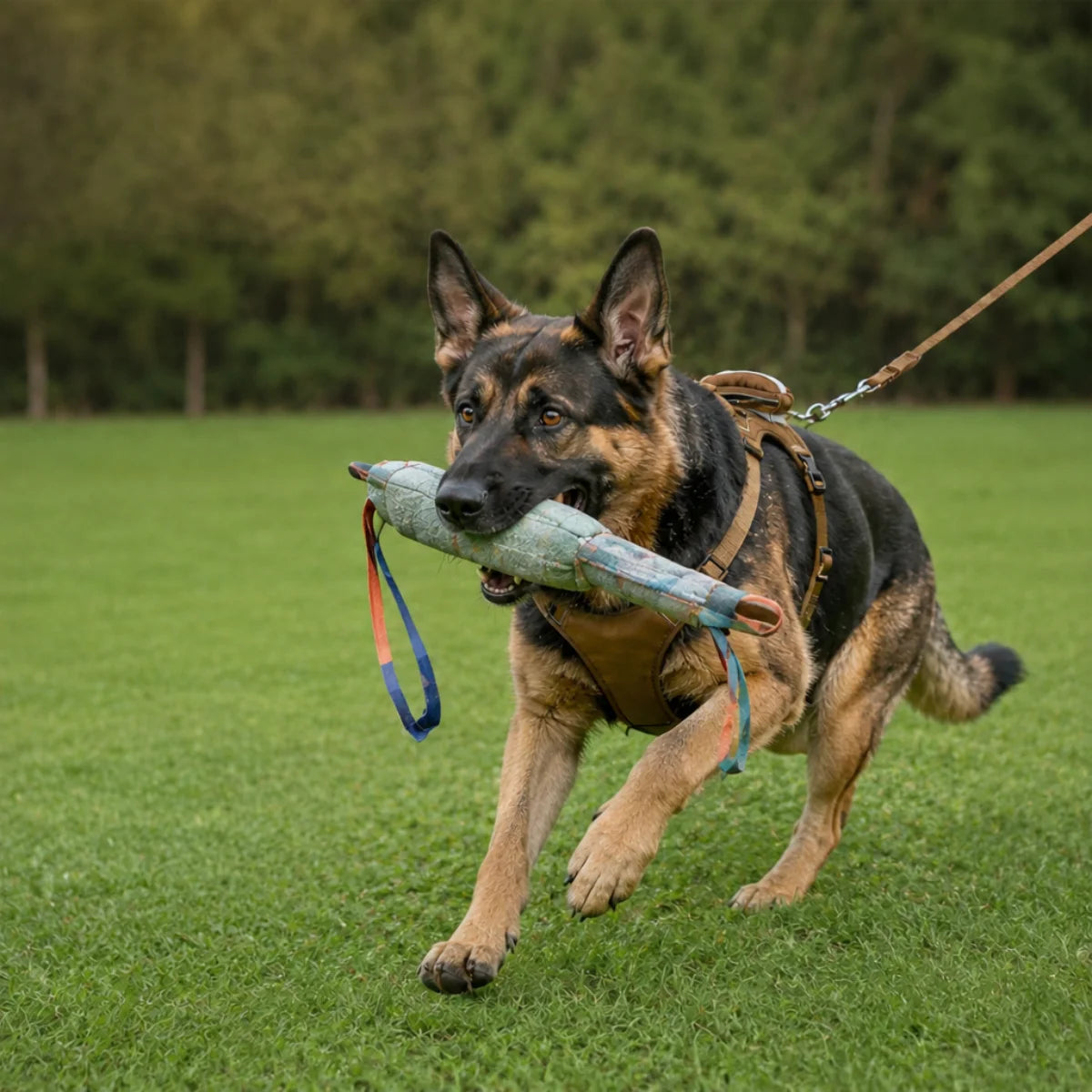
Most dog harnesses are made from a small group of common materials, and each has its own set of pros. Some are lightweight and easy to clean. Others are built for strength, style, or outdoor use. That is why one popular choice may work well for one dog but not another.
You will often see synthetic material options such as nylon, polyester, neoprene, and mesh, along with leather and oxford fabric. As you compare them, think about comfort, cleaning needs, and the durability of the harness. Here is a closer look at how each material performs.
A nylon dog harness is often regarded as a staple in dog gear due to its balance of durability and comfort. Known for its strength, nylon can withstand the force of a strong pull from active dogs, making it an excellent option for pet owners with energetic furry friends. This material is also lightweight, which helps to eliminate pressure points and reduce the risk of skin irritation for dogs with sensitive skin.
Moreover, nylon harnesses come in various designs and colors, providing ample choices for dog owners seeking a perfect fit. The breathable mesh incorporated in some models can be a game changer, allowing airflow while keeping your dog cool during warm weather. Regular maintenance, such as washing and checking for weak material or frayed edges, ensures that the harness remains safe and functional.

Polyester is another synthetic material used in dog harnesses. For many pet owners, it can be a practical option because it is commonly found in everyday products and can be simple to wipe down or wash. If easy care matters to you, polyester is worth a look.
Still, polyester is often seen as less durable than stronger options used for heavy pulling or very active dogs. That means it may be better for lighter wear, a smaller dog, or calm daily walks rather than high-strain use. The full harness design still matters, not just the fabric alone.
Regular maintenance helps polyester stay usable and fresh. Like other washable harnesses, it should be cleaned after muddy outings or water exposure. If you want easy upkeep, polyester and nylon are usually simpler than leather, which needs more hands-on care to stay in good shape.
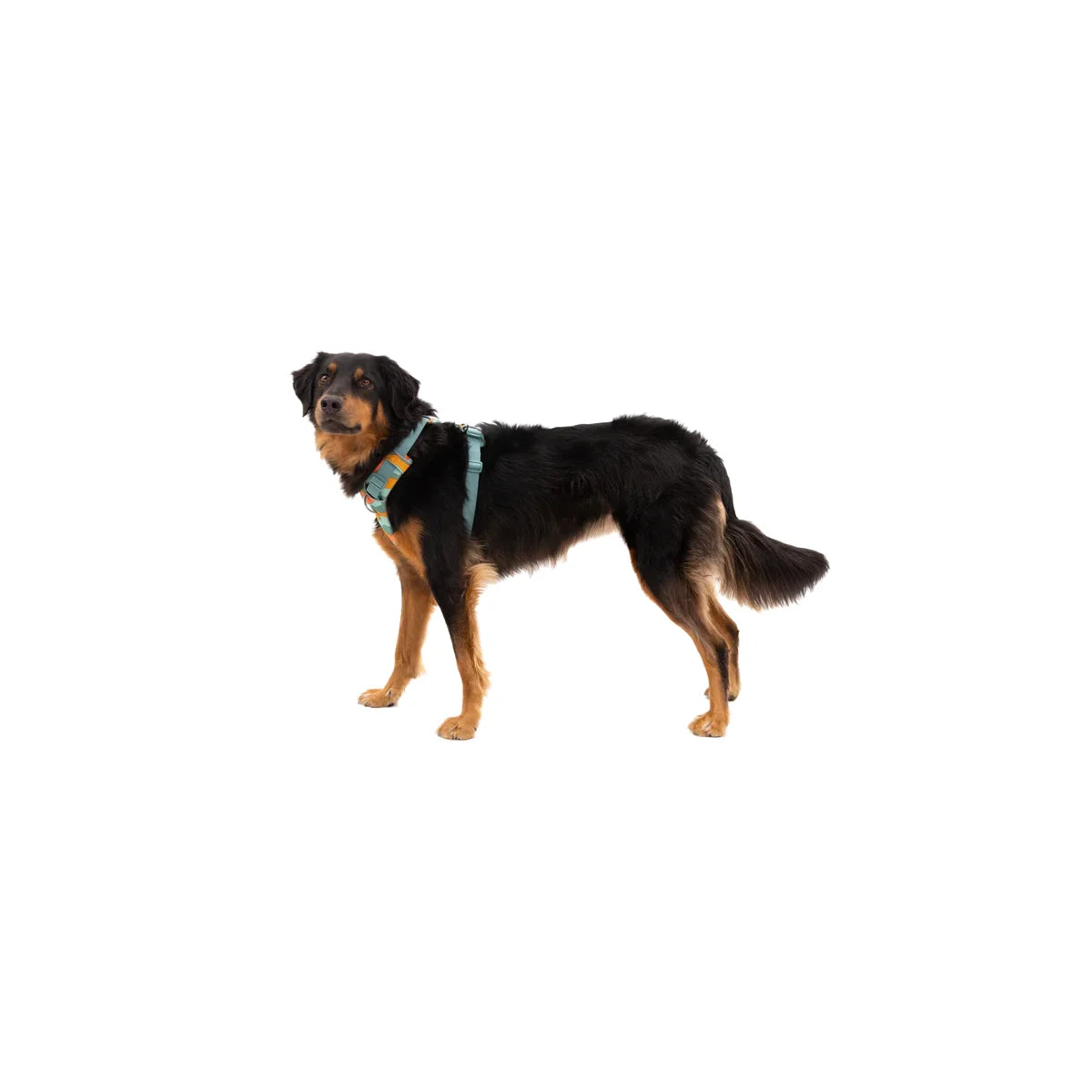
Leather is a classic choice for dog collars and harnesses. Many dog owners like its appearance and long-lasting feel. When it is cared for properly, leather offers strong durability and can remain useful for a long time. It often appeals to people who want a more traditional style.
That said, leather asks for more attention than many synthetic options. It can dry out or crack if neglected, so regular cleaning and conditioning matter. If you want to keep it in good condition, you need to treat it as gear that needs upkeep, not something you can ignore after a muddy walk.
Compared with nylon, leather looks more refined but is usually heavier and more expensive. Nylon is often easier for everyday use. Leather can still be a good option if you value appearance, structure, and long-term wear and are willing to handle the maintenance.
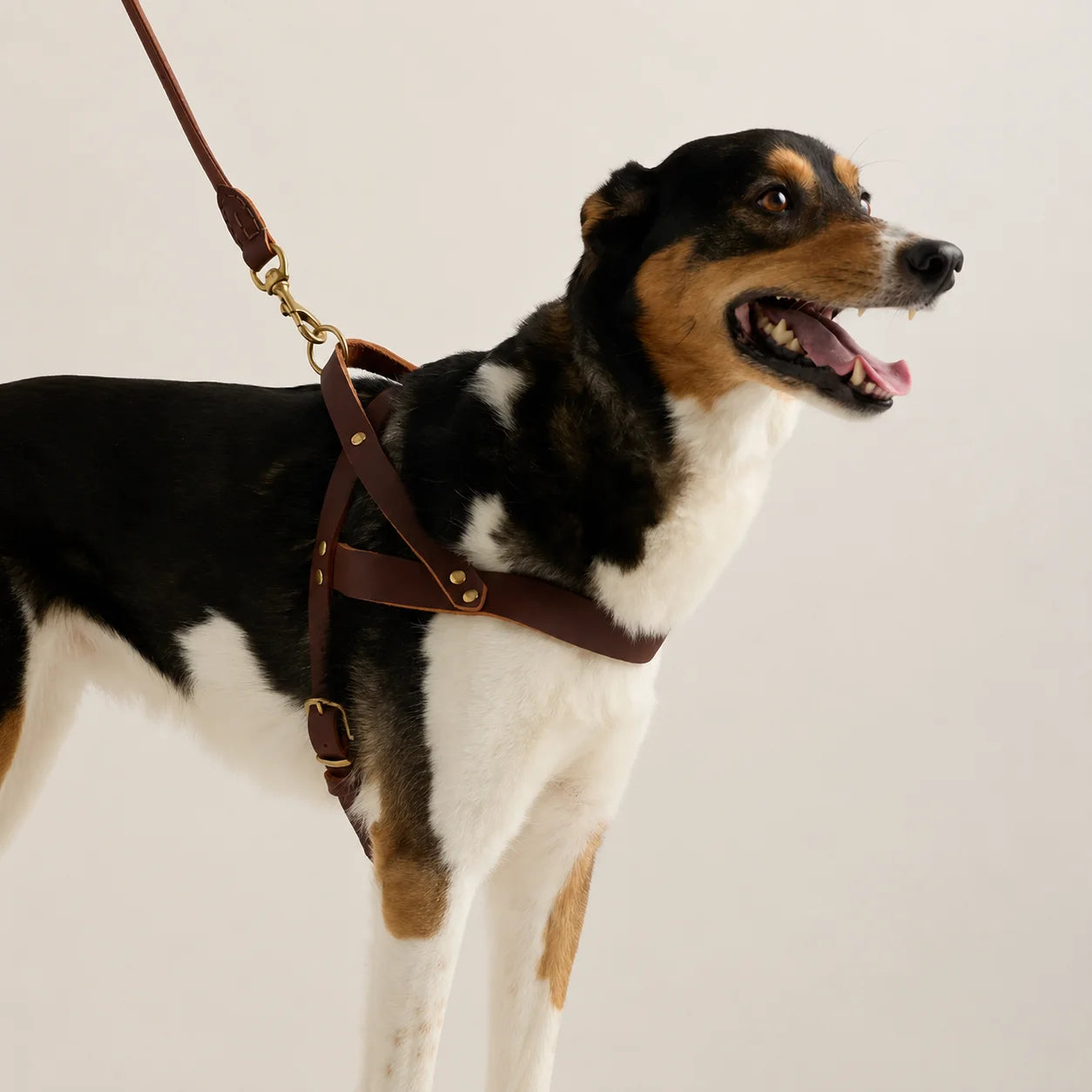
Neoprene harnesses are a smart option for dogs that spend time around water. Neoprene is a synthetic rubber material known for padding and water-friendly use. If you are looking at waterproof dog harnesses, this material often stands out because it can handle splashes, swimming, and damp conditions.
Comfort is one reason many people choose neoprene. The padded feel can help soften contact areas and reduce harsh pressure points across the chest and shoulders. For warm weather, some owners even like that it can be soaked to help cool a dog down during outdoor activity.
There is one tradeoff to keep in mind. Neoprene is not very breathable, so it may trap heat and moisture during longer walks. In other words, it can be comfortable and durable for water use, but it is not always the best pick for dogs that overheat easily.
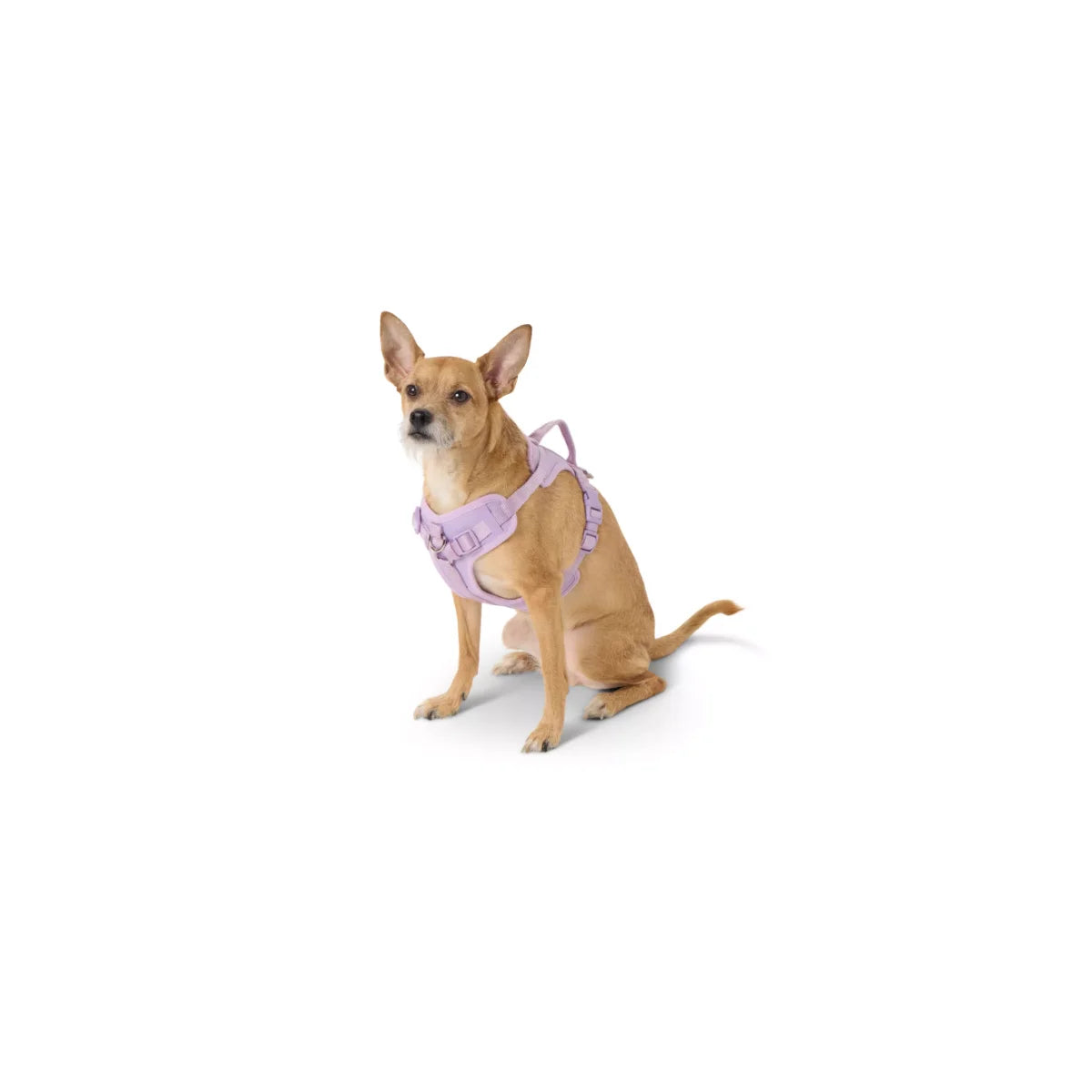
Oxford fabric is often used when dog owners want a durable material with a practical outdoor feel. In a dog harness, it can offer a tougher outer layer that stands up well to daily movement, trail use, and repeated wear. It is often chosen for function first.
A strong, escape-proof harness depends on more than fabric alone, but sturdy materials do help. Oxford fabric works best when paired with secure closures, adjustment points, and a snug fit around the chest and neck. If your dog tends to back up or wiggle, fit is just as important as fabric strength.
Some oxford fabric designs also include reflective stitching. That added detail helps your dog stay more visible in low light, which is useful on early morning or evening walks. If you want a practical harness for everyday use, this material can be a solid option.

Mesh harnesses are known for airflow. If your dog gets warm easily, breathable mesh can feel much better than heavier fabrics. This more breathable material is especially appealing in warm weather, and many owners of small dogs like it because it is light and easy to wear.
The tradeoff is strength. A soft mesh harness is usually not as strong as nylon or leather, especially for dogs that pull hard or move with sudden force. Mesh tends to be less durable and may have less padding in some designs, which can sometimes lead to rubbing.
That does not make mesh a bad option. It simply makes it a better fit for calmer dogs, smaller breeds, or short walks where breathability matters most. For a larger dog or strong puller, you will usually want a sturdier material with stronger structure and support.
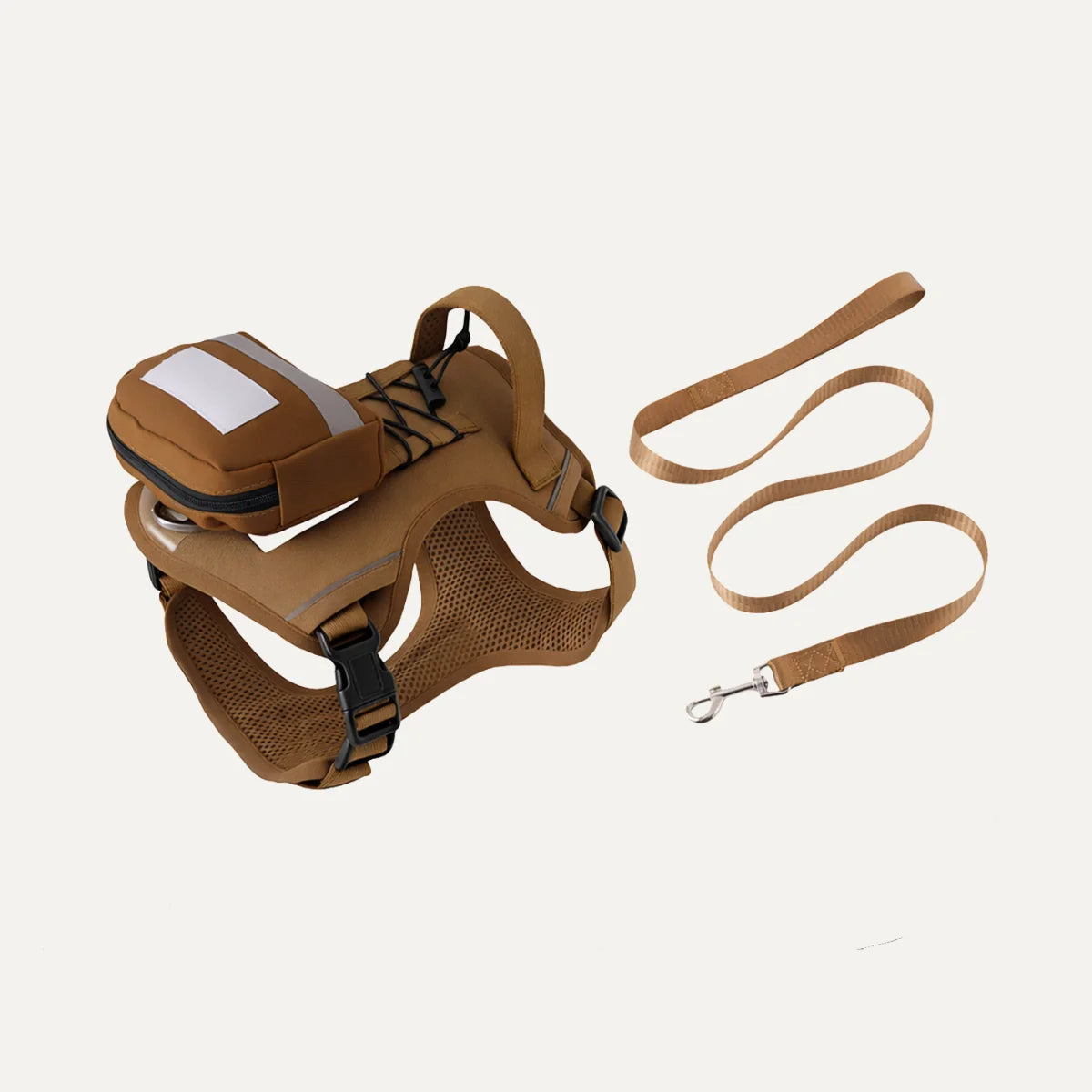
Some dogs react quickly to rough fabric, trapped moisture, or constant rubbing. If your pet has sensitive skin, the wrong harness can lead to skin irritation, hot spots, or general discomfort. In those cases, the feel of the material matters just as much as strength.
A hypoallergenic option may help, but fit still matters for your dog’s skin. Even big dogs can get rubbing around the chest or under the legs if the harness shifts too much. The next sections cover better material choices for dogs that need extra care.
Some dogs react quickly to rough fabric, trapped moisture, or constant rubbing. If your pet has sensitive skin, the wrong harness can lead to skin irritation, hot spots, or general discomfort. In those cases, the feel of the material matters just as much as strength.Yes, some materials are better than others for sensitive dogs, even though no harness works the same way for every pet. A hypoallergenic dog harness usually means the fabric is less likely to irritate the dog’s skin, especially when paired with a good fit and regular cleaning.
Soft contact surfaces and clean, dry gear matter a lot. Materials that stay damp or rub roughly can trigger problems faster. For many dogs, the best approach is to choose a harness that feels smooth, does not trap too much moisture, and stays stable during movement.
A hypoallergenic option may help, but fit still matters for your dog’s skin. Even big dogs can get rubbing around the chest or under the legs if the harness shifts too much. The next sections cover better material choices for dogs that need extra care.
Finding the right harness for dogs with sensitive skin requires careful consideration of materials that prioritize comfort and minimize irritation. Breathable mesh harnesses stand out as an excellent choice due to their ability to allow airflow, reducing the risk of trap heat and discomfort during walks. Neoprene harnesses also provide cushioning and soft surfaces, making them ideal for pets prone to pressure points.
An adjustable neck and multiple adjustment points enhance the fit, ensuring that larger or smaller dogs can find a comfortable solution tailored to their unique body shapes. Opting for well-stitched designs made from durable nylon or synthetic materials often leads to a sturdy yet gentle harness. Regularly checking for wear and tear will maintain the safety and comfort of your dog's gear.
Finding the right material for your dog’s harness starts with a few simple questions. How active is your dog? Do they pull? Are they often in water, heat, or mud? Dog owners usually get better results when they match material to daily habits instead of buying on looks alone.
The perfect fit still matters just as much as material. A great fabric will not fix a loose or poorly shaped harness. In the next steps, you will see how to narrow the options and choose a harness that works in everyday life.
Before you compare materials, gather the basics. Start with your dog’s size, walking habits, and any special concerns like pulling, swimming, or skin sensitivity. The best dog gear choice usually becomes clearer when you focus on your dog’s lifestyle instead of trends.
You also need the right measurements. Measure the base of the neck where it meets the shoulders and the widest part of the chest behind the front legs. A cloth tape works well, but a piece of string and ruler can help if needed. Good sizing supports both comfort and durability.
Choosing the right dog harness material is easier when you follow a clear process. Instead of picking a harness only by appearance, start with your dog’s daily needs, activity level, size, and comfort. Different materials serve different purposes: nylon is strong and lightweight, mesh is breathable, neoprene works well around water, leather offers long-term durability and style, and Oxford fabric is often used for tougher outdoor gear.
In the following steps, we will look at how to assess your dog’s needs, compare popular harness materials, and test the final fit for comfort and safety. By matching the material to your dog’s lifestyle and checking how it feels on the body, you can choose a harness that is supportive, secure, and suitable for everyday use.
Begin with your dog’s energy level. Active dogs usually need stronger, more dependable materials because their harness sees more movement, pulling, and outdoor wear. Dog owners with hiking dogs, training dogs, or pets that lunge often should usually lean toward sturdier options.
Size also matters. Small dogs may be comfortable in lighter harnesses, especially if they do not pull much. Large dogs create more force, so they often need tougher materials, stronger hardware, and a snug fit. A harness for a larger dog should be secure enough that backing out is difficult.
If you want a strong, escape-proof dog harness, focus on structure first. Choose a material known for strength, such as nylon or another durable build, then make sure the harness has solid closures and enough adjustability. A poor fit can defeat even a strong fabric.
Selecting the right material for your dog's harness requires considering their daily activities. Active dogs often benefit from durable nylon or breathable mesh, which can withstand rigorous play and provide comfort without trapping heat. For leisure walks or less intense outings, softer materials like neoprene offer a perfect fit while ensuring less irritation against your dog's skin. Pet owners should evaluate how their furry friends engage with their environment, ensuring the chosen harness supports their lifestyle while maintaining proper fit and safety.
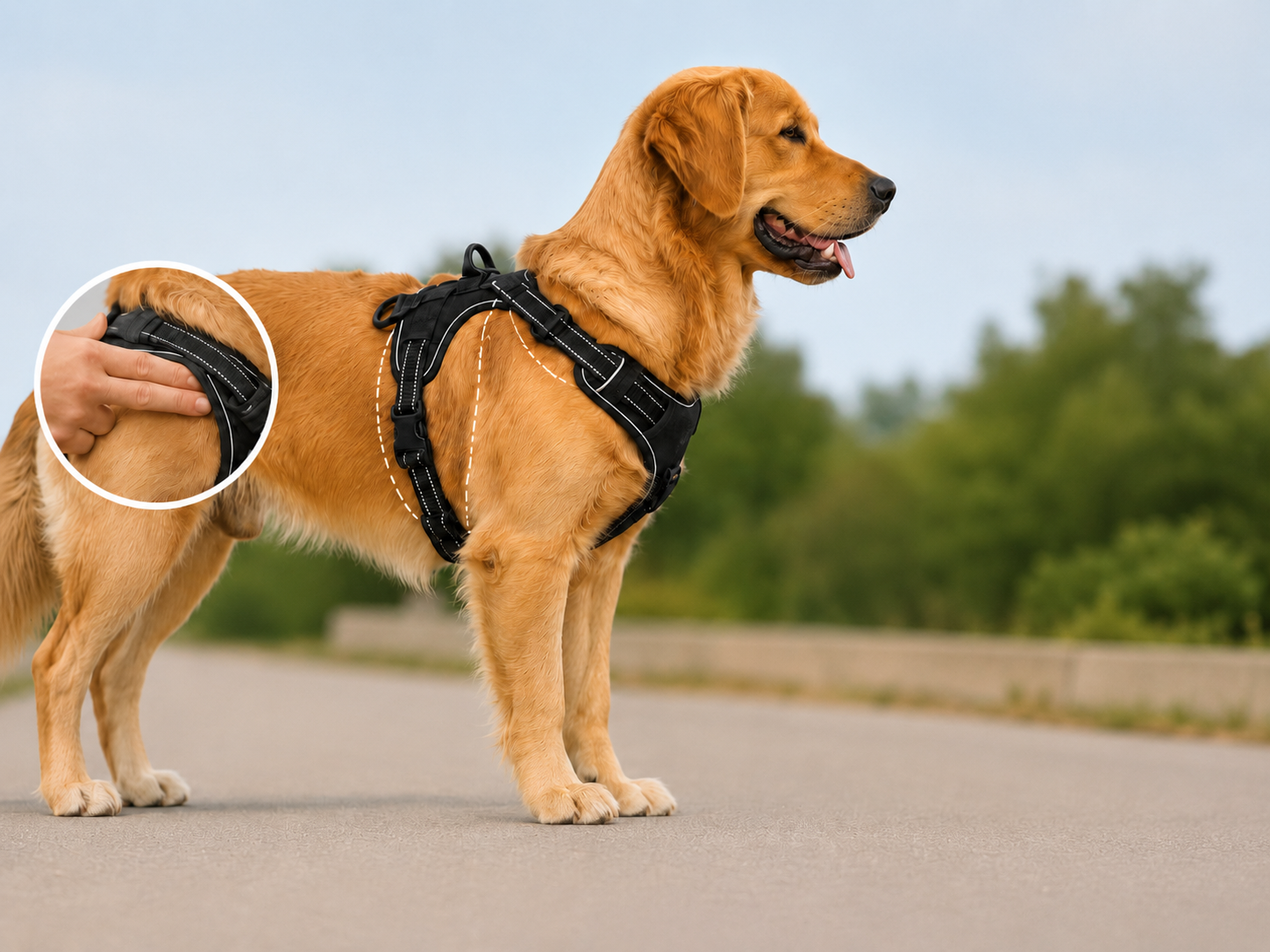
Once you have chosen a material, test the harness in real life. A perfect fit means your dog can move freely without slipping out. The harness should sit snugly around the chest and shoulders without digging into the dog’s neck or shifting too much when your dog changes direction.
Pay close attention to adjustment points. A harness with more ways to fine-tune the fit usually gives you better control over comfort. After putting it on, tighten gradually so it feels secure but not restrictive. You should be able to get fingers underneath, but it should not feel loose.
Material choice is very important during long walks because rubbing gets worse over time. Watch for red spots, trapped heat, or signs of pressure points after a test walk. If your dog moves well and seems relaxed, you are on the right track.
Choosing the right material for your dog’s harness is crucial for their comfort, safety, and overall well-being. By understanding the various materials available and their unique properties, you can make an informed decision that caters to your dog's specific needs. Whether it’s a sturdy nylon harness for active adventures or a soft mesh option for sensitive skin, making the right choice can enhance both your dog’s experience and your ease of mind. Remember, a well-fitted and comfortable harness not only keeps your dog secure but also makes walks more enjoyable for both of you. Happy harness shopping! If you have any questions or need personalized guidance, feel free to reach out for assistance.
Please read our FAQs page to find out more.
For sensitive skin, a dog harness with soft contact areas and a stable fit is usually best. Breathable mesh can help reduce heat, while some padded styles may ease rubbing. A hypoallergenic choice should also stay clean and dry, since trapped moisture often leads to skin irritation on your dog’s skin.
Yes, some waterproof dog harnesses are comfortable for daily use, especially neoprene harnesses because they add padding against the dog’s body. The main issue is heat and moisture buildup. With regular maintenance and drying, they can work well, but dogs that overheat may prefer a more breathable option.
Usually not. Mesh harnesses are valued for breathability, not maximum strength. Even with strong stitching, mesh is generally a weaker material than nylon or leather in terms of durability. It often works better for smaller breeds and lighter use than for heavy pulling or high-impact daily wear.
For many dog owners, polyester and nylon are among the easiest dog harnesses materials to clean in real life. This kind of synthetic material can usually be washed with mild detergent and air dried. Leather lasts well, but it needs more regular maintenance to prevent drying and cracking.