

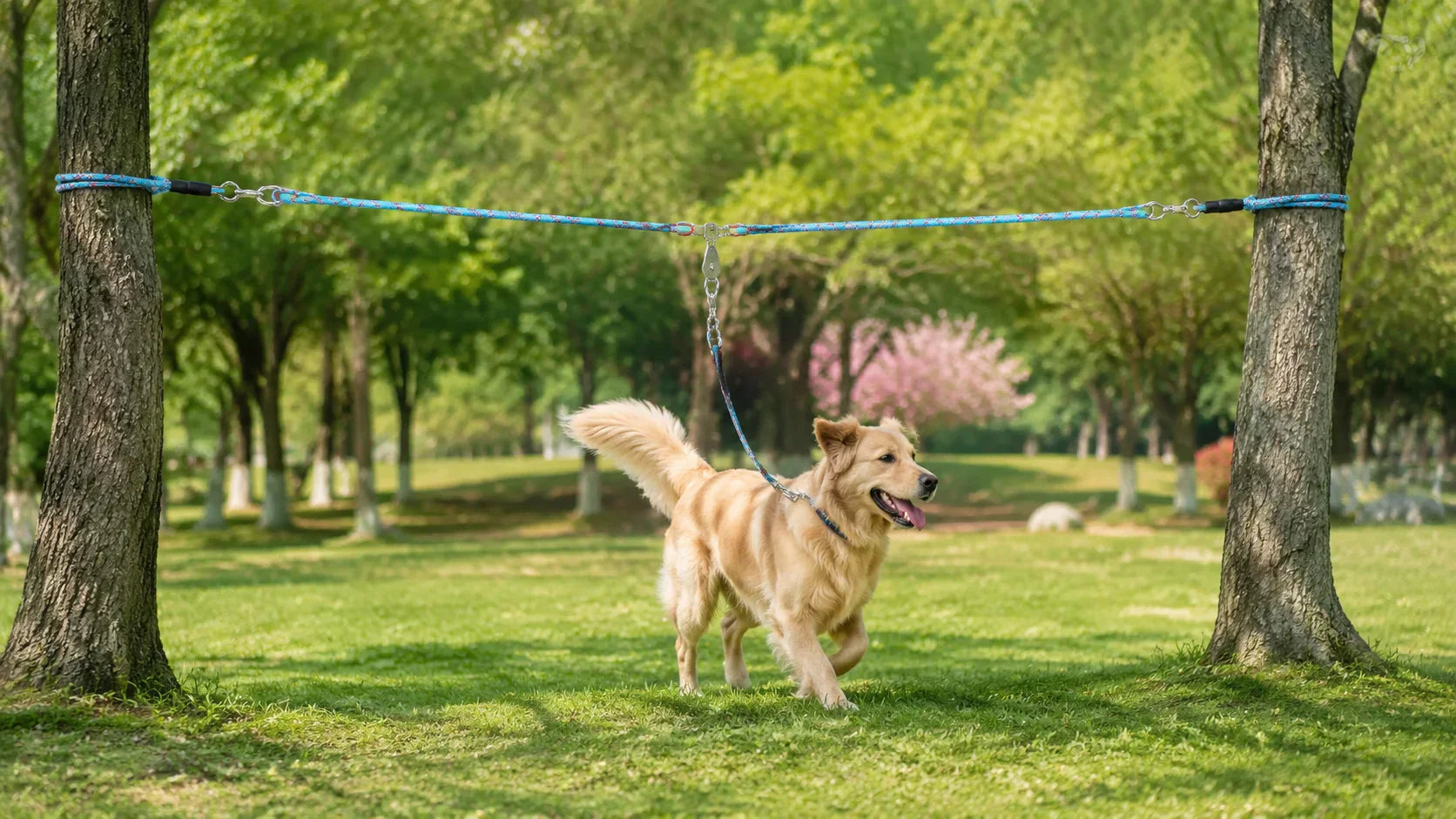
- by 03Howoll
Heavy Duty Dog Tie Out: Steel Cable vs Nylon vs Polyester – Which Material Is Best?
- by 03Howoll
As dedicated dog owners, providing a safe outdoor space for your furry friend to play is a top priority. While a securely fenced yard is ideal, it's not always possible. That's where a heavy-duty dog tie out comes in, proving to be an invaluable solution. This simple piece of equipment can give your dog the freedom to explore, stretch their legs, and enjoy the fresh air, whether you're setting up a temporary dog run or just need a secure spot for them in the yard. In this article, we will introduce you to three types of materials—steel cable, nylon, and polyester—and explain how to choose between them. Understanding the benefits and features of these different materials is essential for ensuring your dog's safety and happiness.
Selecting the right material for a heavy duty dog tie out significantly impacts your dog's safety, durability, and overall comfort. For instance, steel cables are exceptionally durable and resistant to wear, making them ideal for large dogs that may exert more force. Their bite-resistant properties mean they can withstand aggressive chewers, ensuring your dog remains secure during outdoor adventures. On the other hand, nylon and polyester options offer flexibility and lightweight portability, which can be great for smaller dogs or those enjoying trips to the dog park. However, it’s important to note that while nylon is suitable for small dogs, it may not hold up as well against stronger pullers compared to steel. A proper choice not only ensures your furry friend can enjoy their outdoor space without worries but also reduces maintenance concerns, allowing them to explore to their heart’s content in a safe environment.
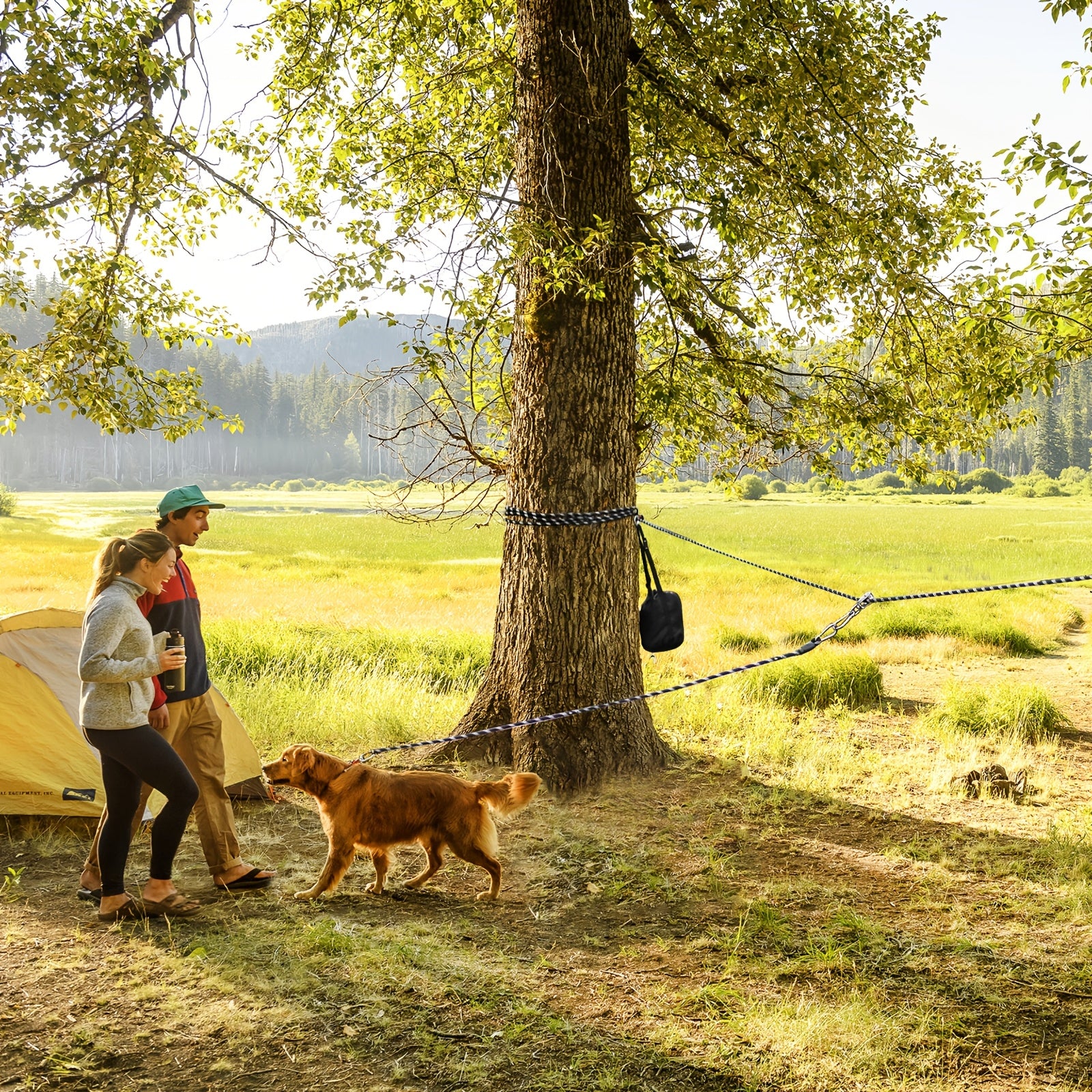
Let's look at the three most common materials used for dog tie outs: steel cable, nylon, and polyester. Each has its own set of advantages and disadvantages that make it more suitable for different types of dogs and outdoor space setups. Moving your dog from the living room to the yard requires reliable equipment.
The choice you make will impact everything from durability to how easily the cable might get tangled around plant pots. We will examine the specifics of steel cable, nylon cable, and polyester to help you determine which one is the best fit for your companion and your yard.
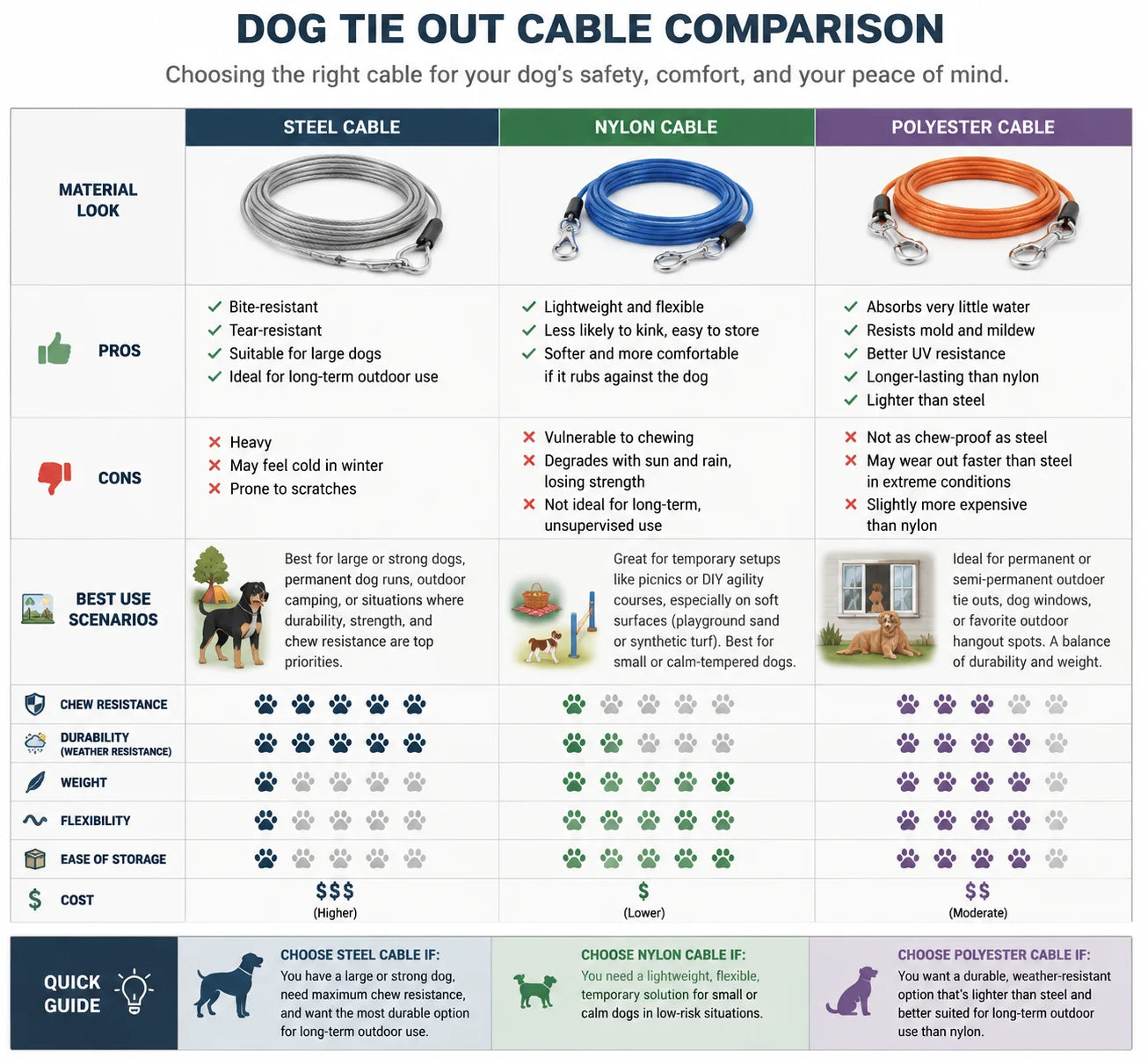
Pros:
Cons:
Scenarios for Use:
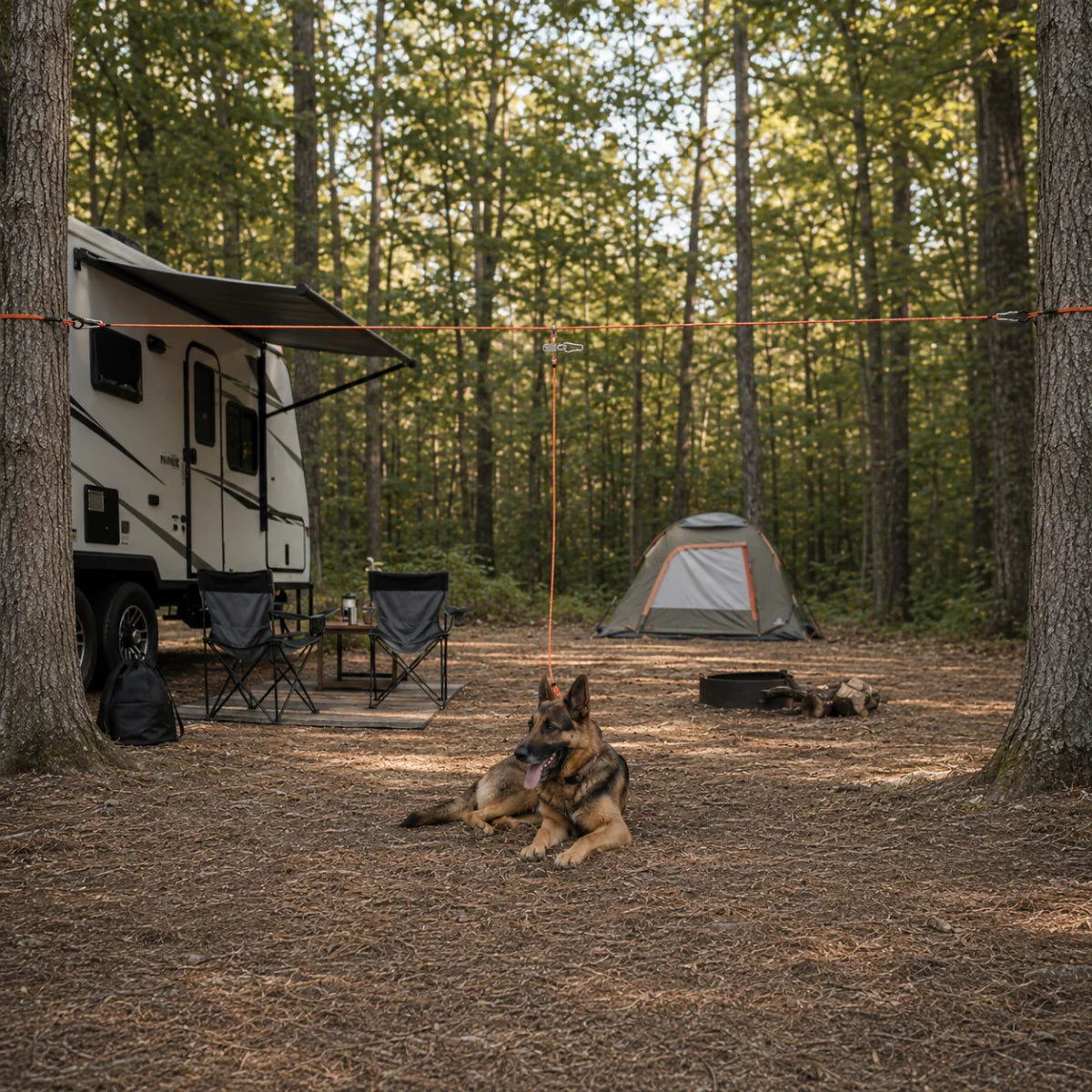
A steel cable is commonly chosen by dog owners with large or strong dogs, especially when setting up a permanent dog run or for outdoor camping. It’s best suited for situations where durability, strength, and chew resistance are top priorities—such as with dogs that pull heavily or are prone to testing their limits. While steel cables are less flexible and heavier than other materials, their reliability makes them a preferred choice for securing powerful dogs in outdoor environments.
Pros:
Cons:
Scenarios for Use:
Nylon cable is a good choice for temporary setups, such as securing your dog during a picnic. It is also practical for building a DIY agility course, especially on soft surfaces like playground sand or synthetic turf, where a heavy steel cable could be cumbersome. Nylon is most suitable for small dogs or those with a calmer temperament.
Pros:
Cons:
Scenarios for Use:
Choosing the right material for your dog tie out is about more than strength. Consider your dog's behavior, your yard, and how you'll use the tie out—whether for a permanent run or occasional use.
Think about your dog's size, chewing habits, and activity level, as well as your landscape. Each factor impacts safety and effectiveness. We'll cover these considerations to help you select the best option for both your dog’s safety and your peace of mind.
The most important factor in your decision is your dog's size and strength. A tie out that is perfectly safe for a 15-pound terrier could be a serious hazard for an 80-pound retriever. Large dogs can exert a tremendous amount of force when they lunge or pull, and you need a material that can handle that stress without snapping.
For this reason, steel is almost always the recommended choice for large dogs. For small dogs or seniors, a lighter-weight nylon or polyester cable may be sufficient and more comfortable, as it won't be as heavy for them to drag around. The goal is to provide security without encumbering your pet unnecessarily.
When making your selection, keep these points in mind:
Some dogs couldn't care less about their leash or tie out, while others view it as a personal chew toy challenge. You know your dog best. If you have a puppy or a known chewer, this behavior must be a primary consideration in your choice of material. Territorial animals may also chew out of frustration.
Nylon and polyester cables are simply not built to withstand a dedicated chewer. A few minutes of gnawing can compromise the integrity of the cable, making it unsafe. For dogs who love to chew, a steel cable is the only truly reliable option. The hard, slick surface is unappealing and nearly impossible for them to damage with their teeth.
Dog owners should always keep the following in mind:
Think about what your dog will be doing while on the tie out. Is it for short potty breaks, or will they be spending hours in the outdoor space? An active dog who loves to run back and forth will have different needs than a dog who prefers to nap in a cool spot.
A dog using a tie out as part of a dog run or a makeshift dog agility course will put more wear and tear on the equipment. In this case, a durable, tangle-resistant steel cable is often best. For a dog that is simply tethered in one of their favorite hangout spots to relax, a lighter polyester or nylon cable might be more comfortable and convenient.
Consider the primary use when deciding:
Your budget will inevitably play a role in your decision. Generally, nylon tie outs are the most affordable, followed by polyester, with steel cables being the most expensive upfront. However, it's important to think about the long-term cost, not just the initial price tag.
While a nylon cable might be cheaper now, if you have to replace it every few months due to wear or chewing, a more expensive steel cable can be more economical in the long run. Investing in the right material from the start saves you money and, more importantly, ensures your dog’s safety. You wouldn't use cheap PVC pipe for a permanent water feature, so don't skimp on your dog's lifeline.
Here’s a quick cost breakdown:
Choosing the right material is the first step, but just a few things to keep in mind when tying out cables safely involve more. Always ensure the tether is attached to a secure, stationary object or a high-quality stake designed specifically for this purpose. A flimsy stake can be pulled out of the ground by a strong dog. Also, always use a harness instead of a collar to attach the tether. This prevents choking and serious neck injuries if your dog runs to the end of the line. Dog owners should also clear the area of any obstacles the cable could get tangled on, like furniture or bushes.
Supervision is key. Never leave your dog tethered for extended periods, especially on hot days. Check on them frequently and ensure they always have access to fresh water and shade, perhaps under shade trees. Keep the tethered area away from a fence line where interactions with other animals could occur. A tie out is a temporary management tool, not a replacement for a secure fence or your attention. Following these tips helps make the experience safe and positive for your pet.
In conclusion, selecting the right material for a heavy-duty dog tie out is crucial for ensuring your dog's safety and comfort. Whether you opt for steel cable, nylon, or polyester, each material has its specific advantages and considerations based on your dog's size, strength, and habits. By understanding these factors, you can make an informed decision that meets your pet's needs while also aligning with your budget.
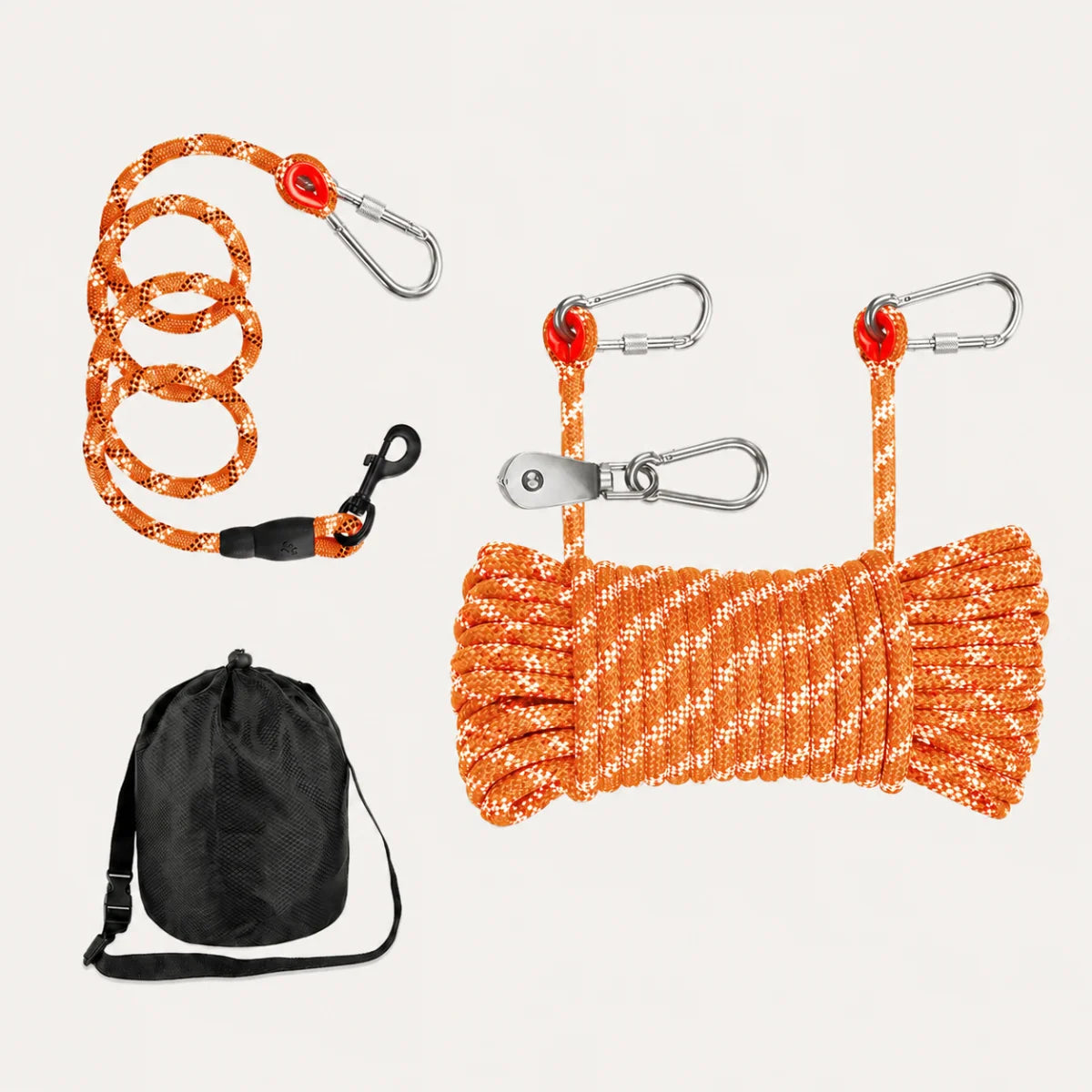
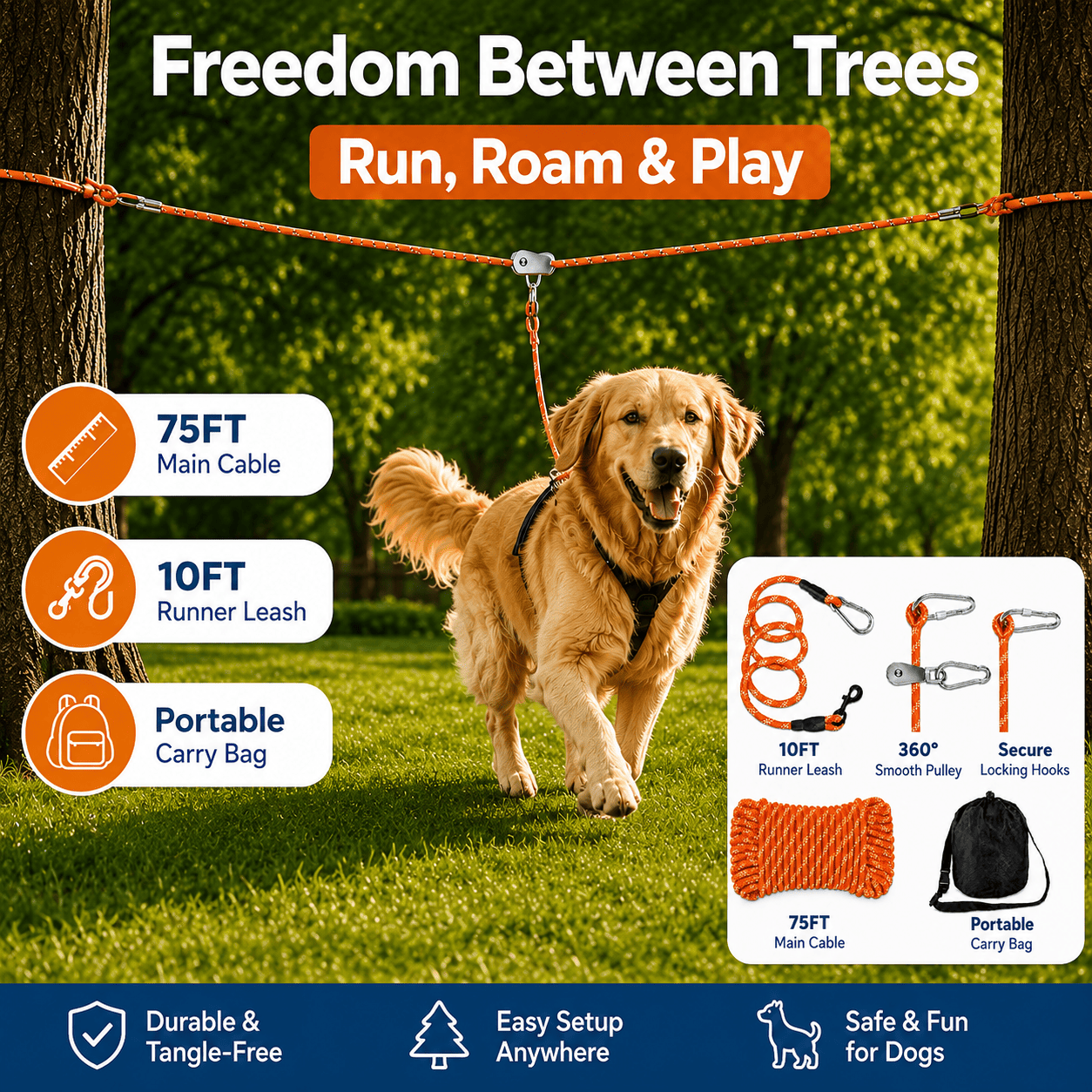
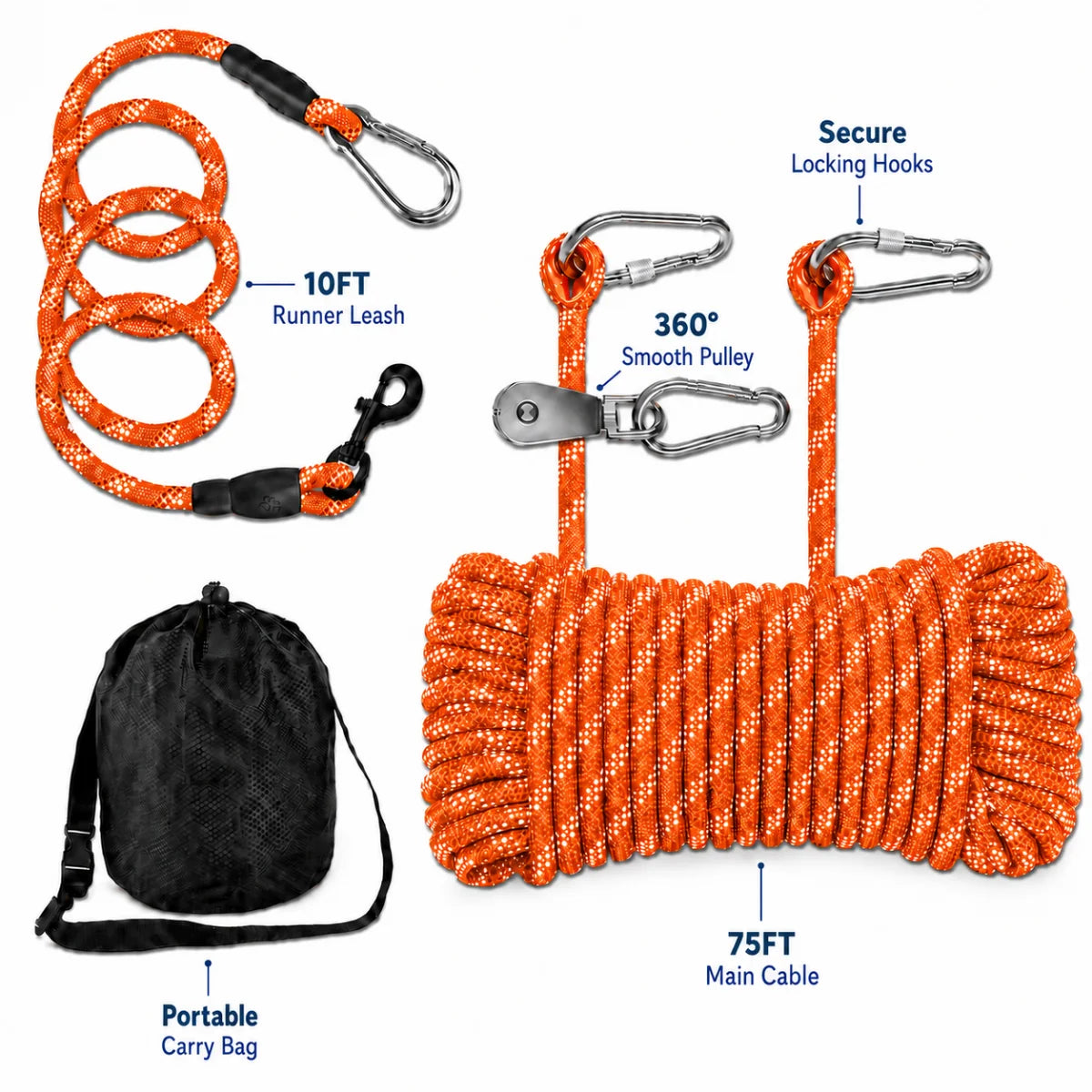
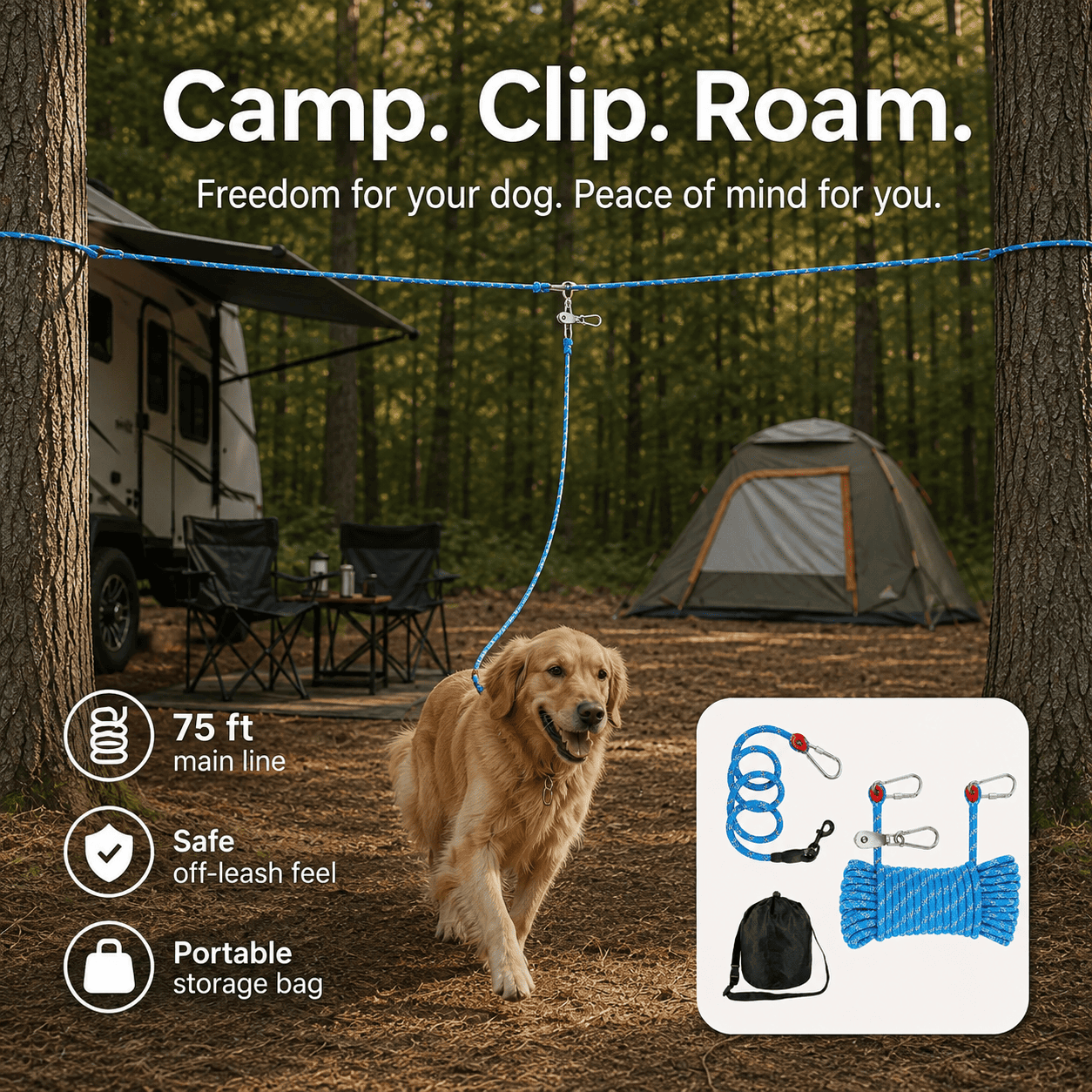
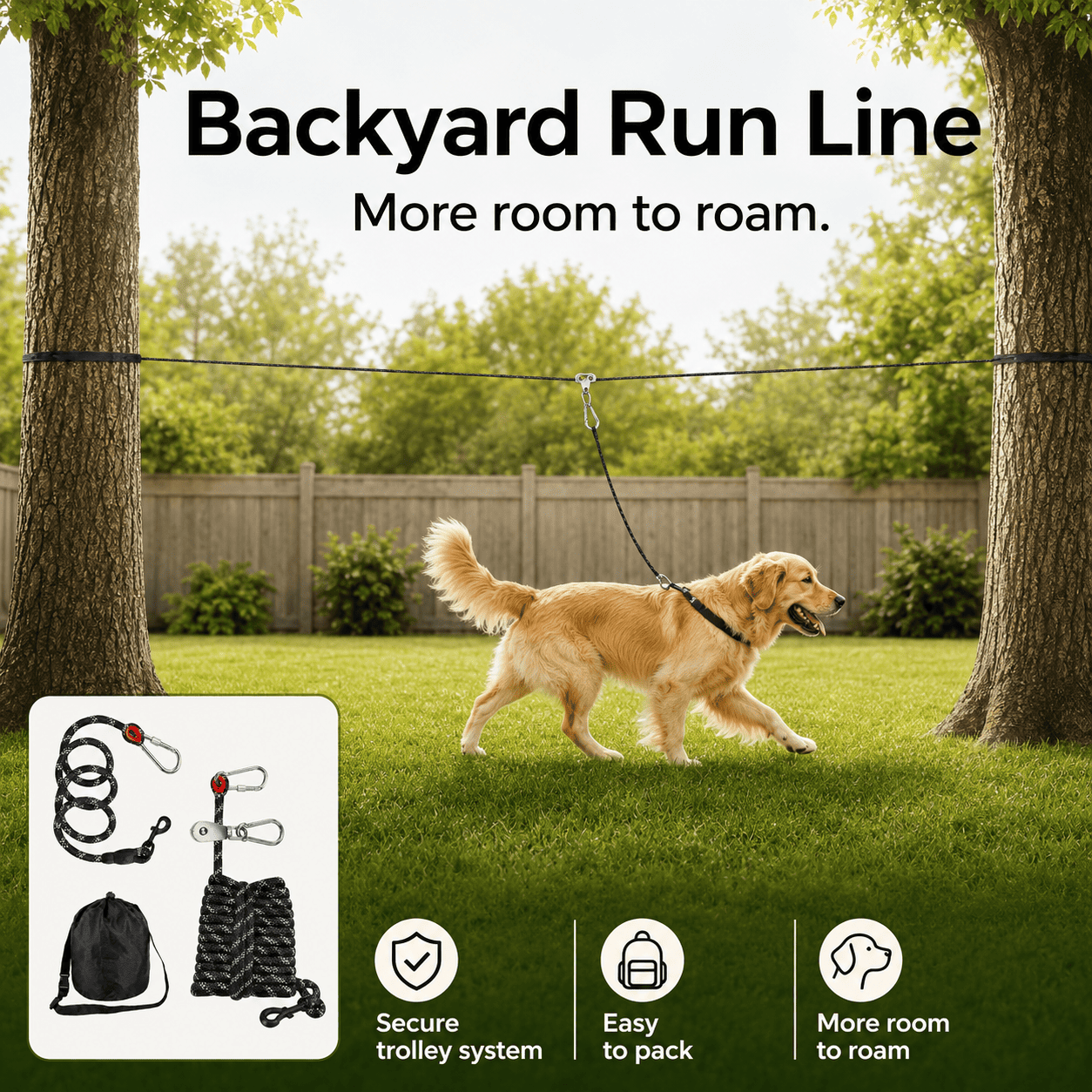
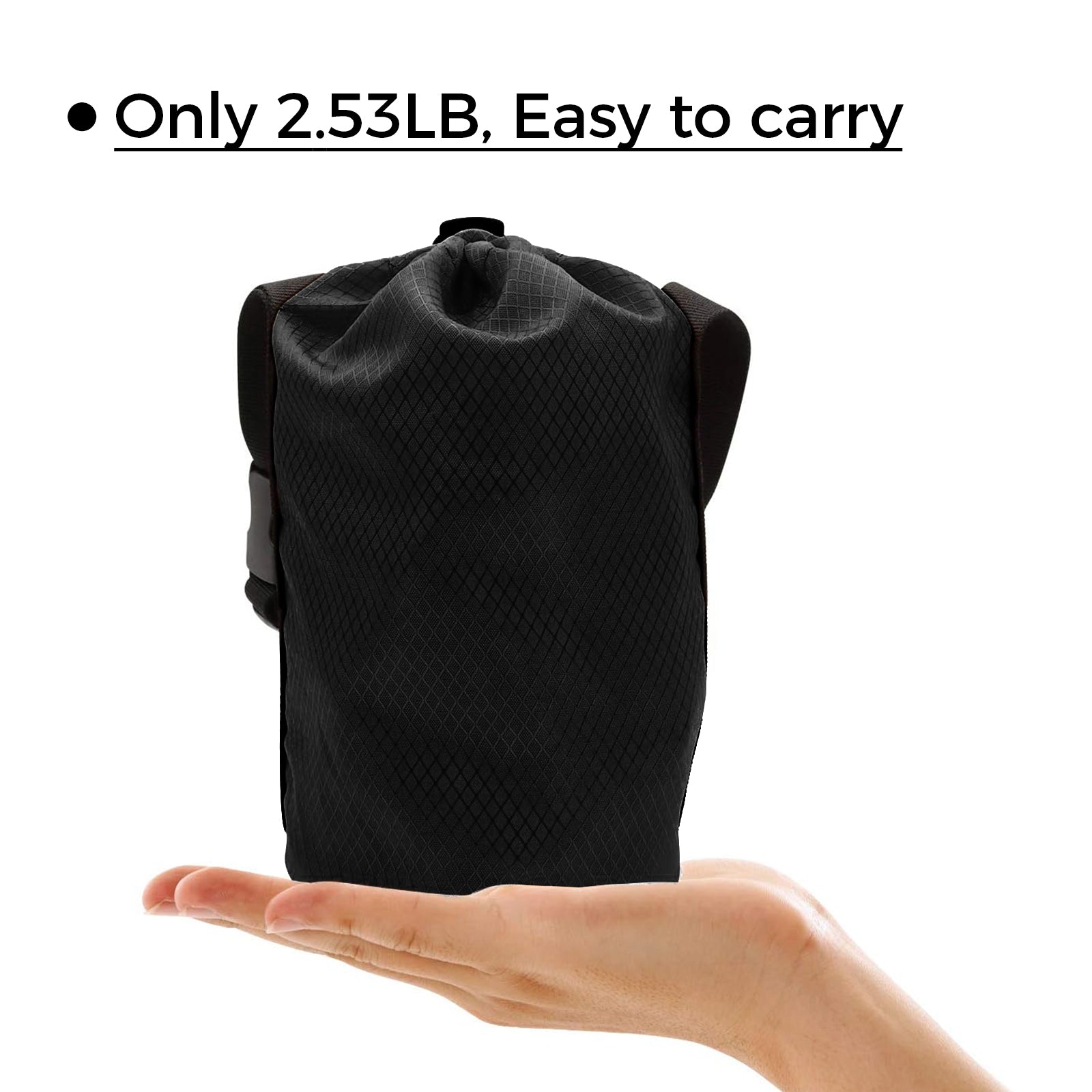
When considering polyester, Howoll's polyester tie-out stands out for its durability and strength, making it an excellent choice for various dog breeds. It is designed to withstand wear and tear while remaining lightweight and easy to handle. Additionally, Howoll's tie-out features a weather-resistant coating, ensuring it remains functional in various outdoor conditions.
Remember, a well-chosen tie-out not only provides security but also enhances your dog's outdoor experience. If you have more questions or need personalized advice, feel free to reach out for a consultation!

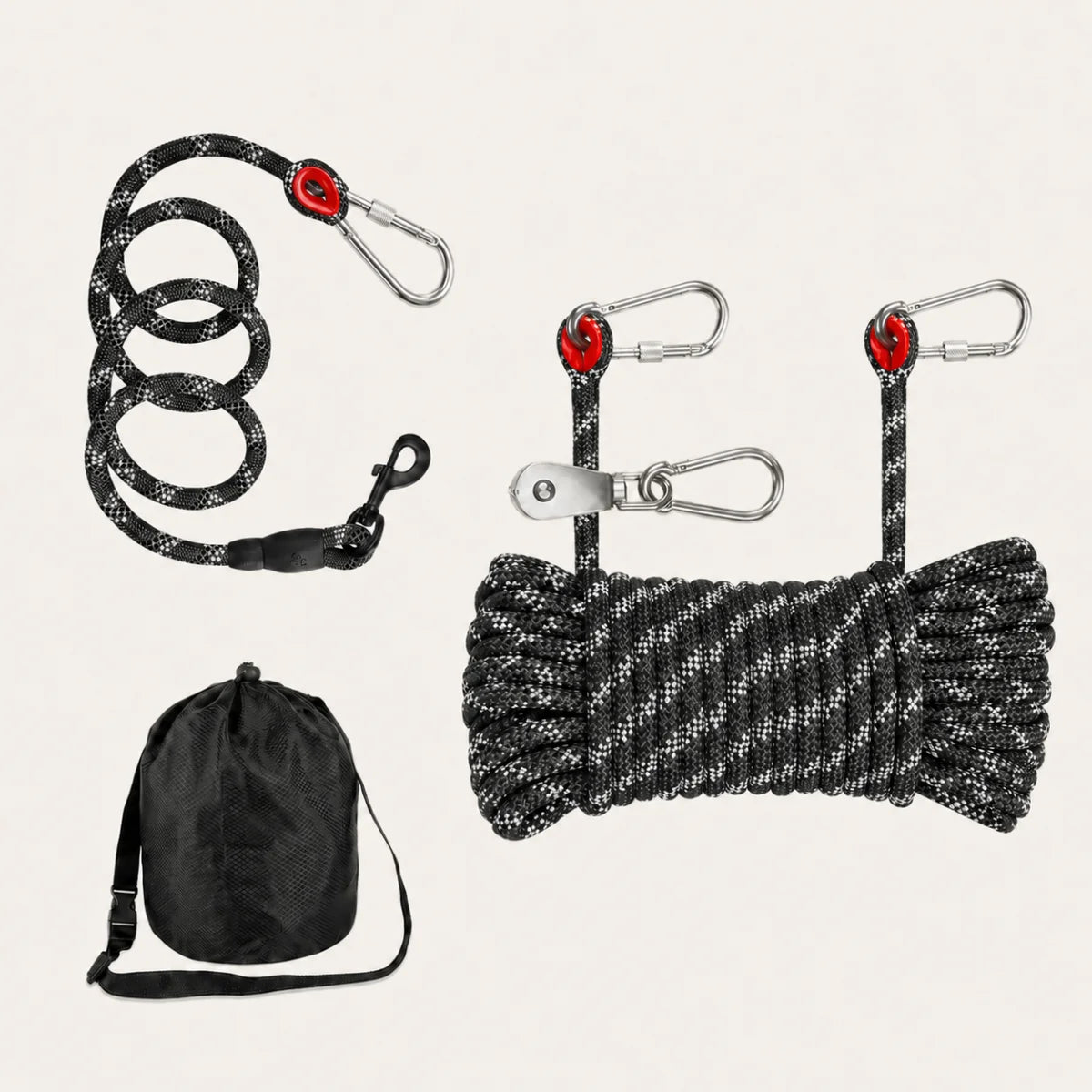
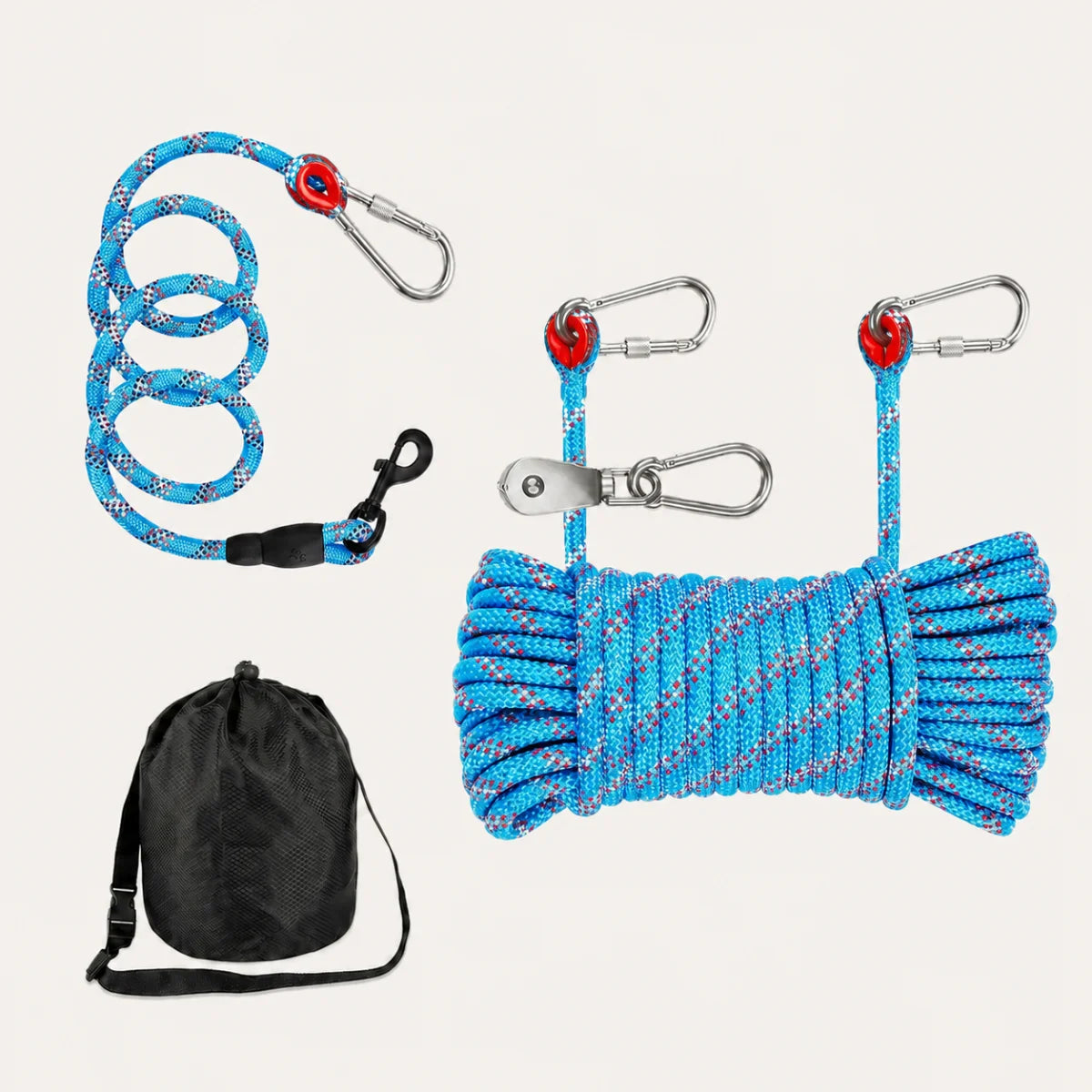
Please read our FAQs page to find out more.
For most dog owners, especially those with large dogs or aggressive chewers, a vinyl-coated steel cable is the safest material. Its superior strength and resistance to chewing prevent escapes and equipment failure, providing peace of mind that fabric-based options cannot match.
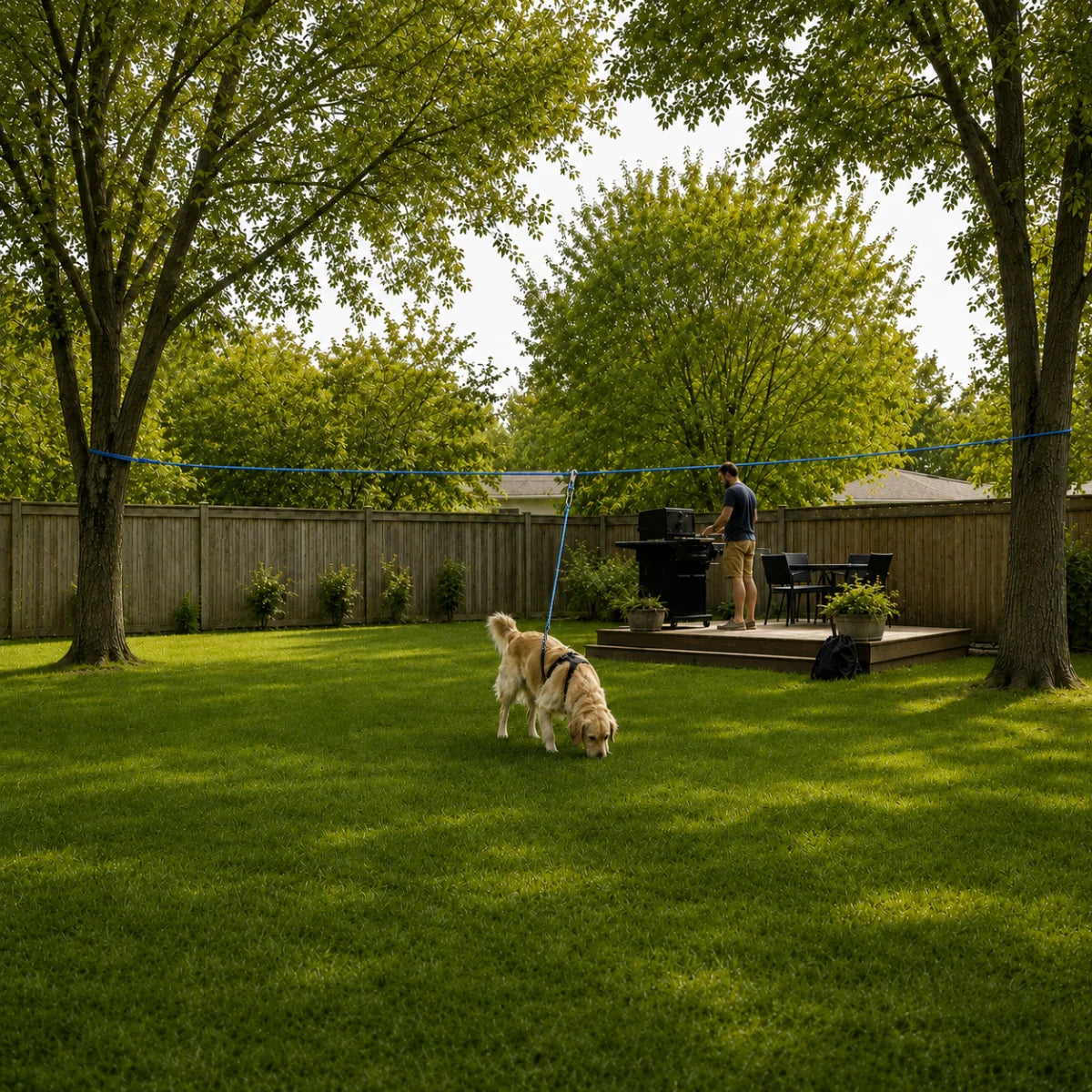
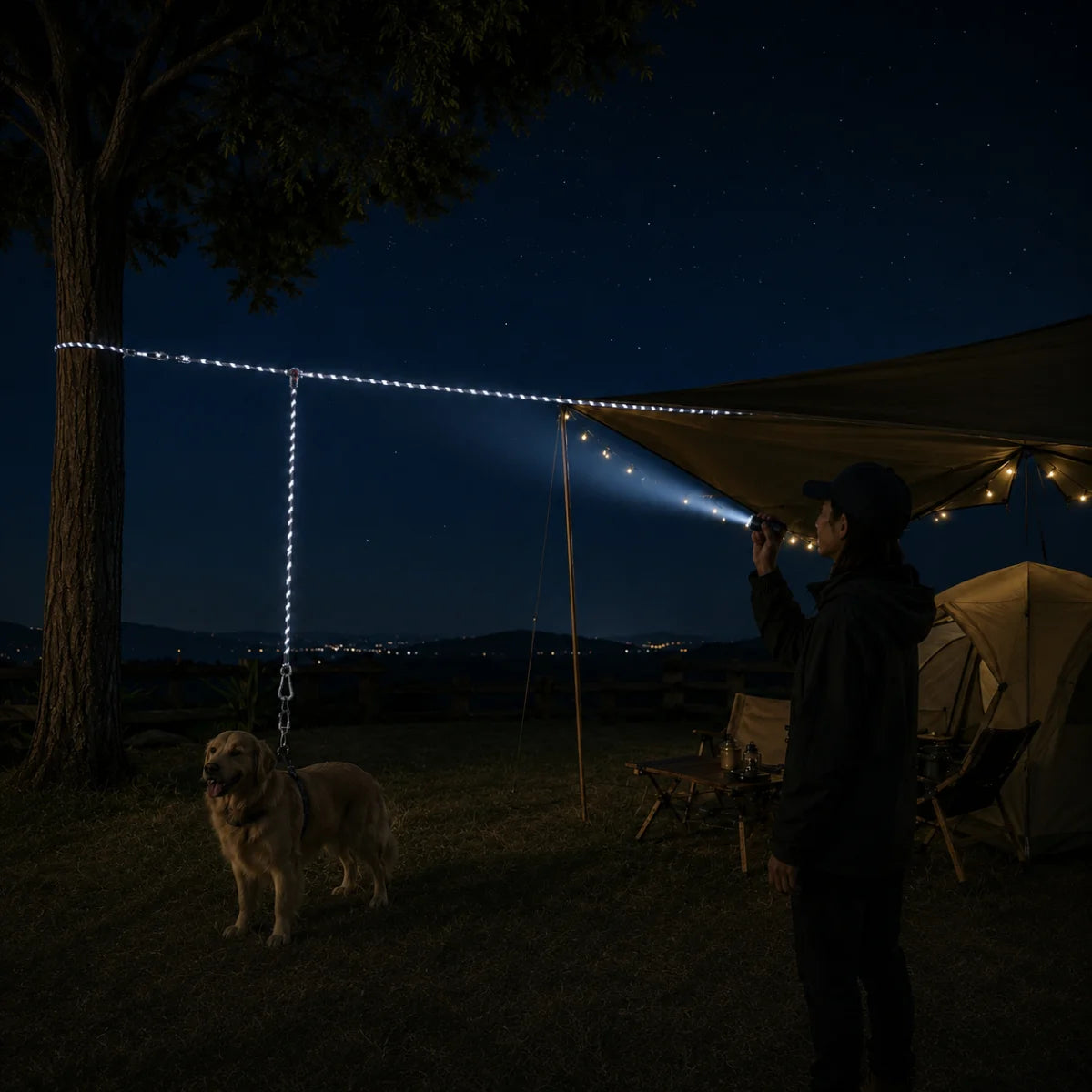
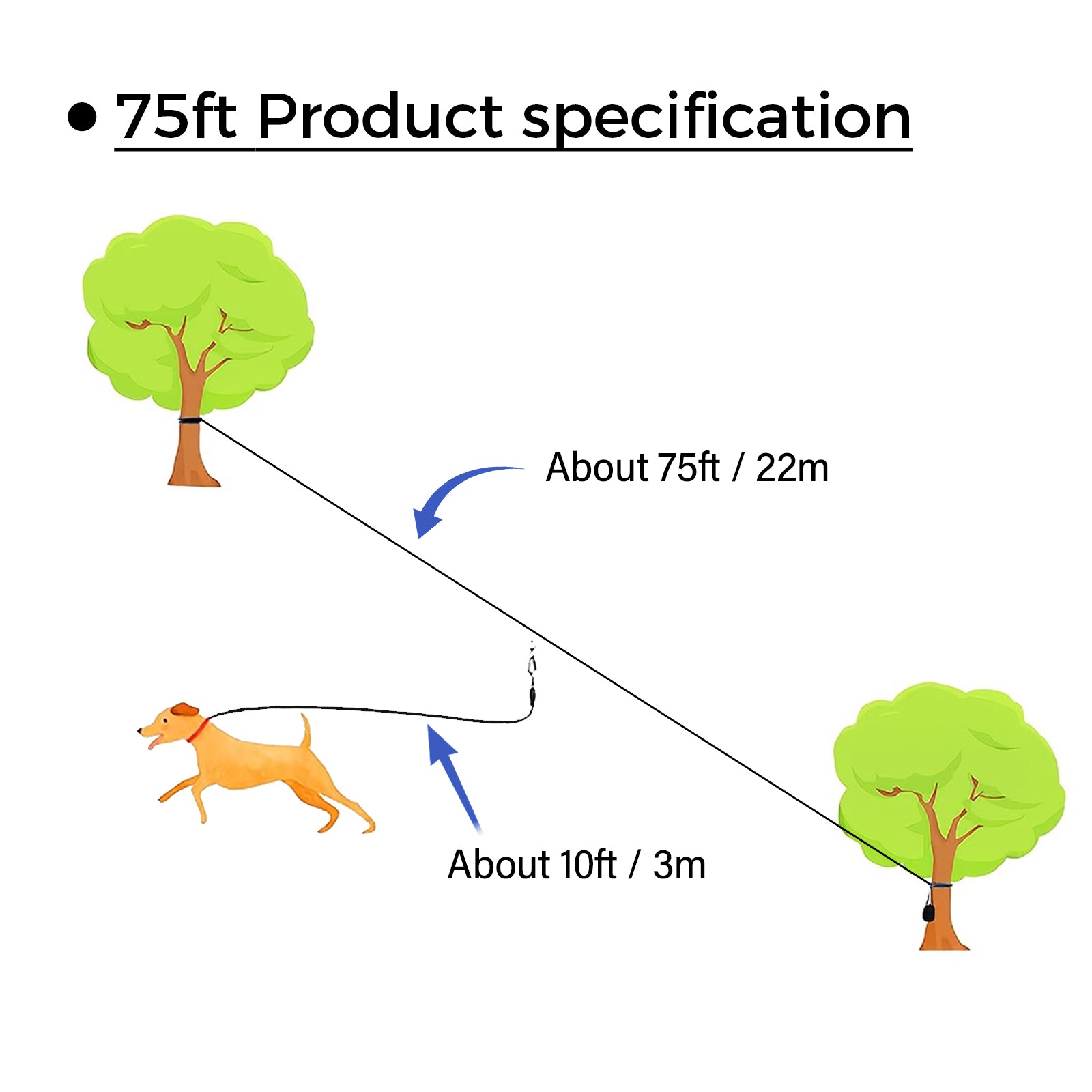
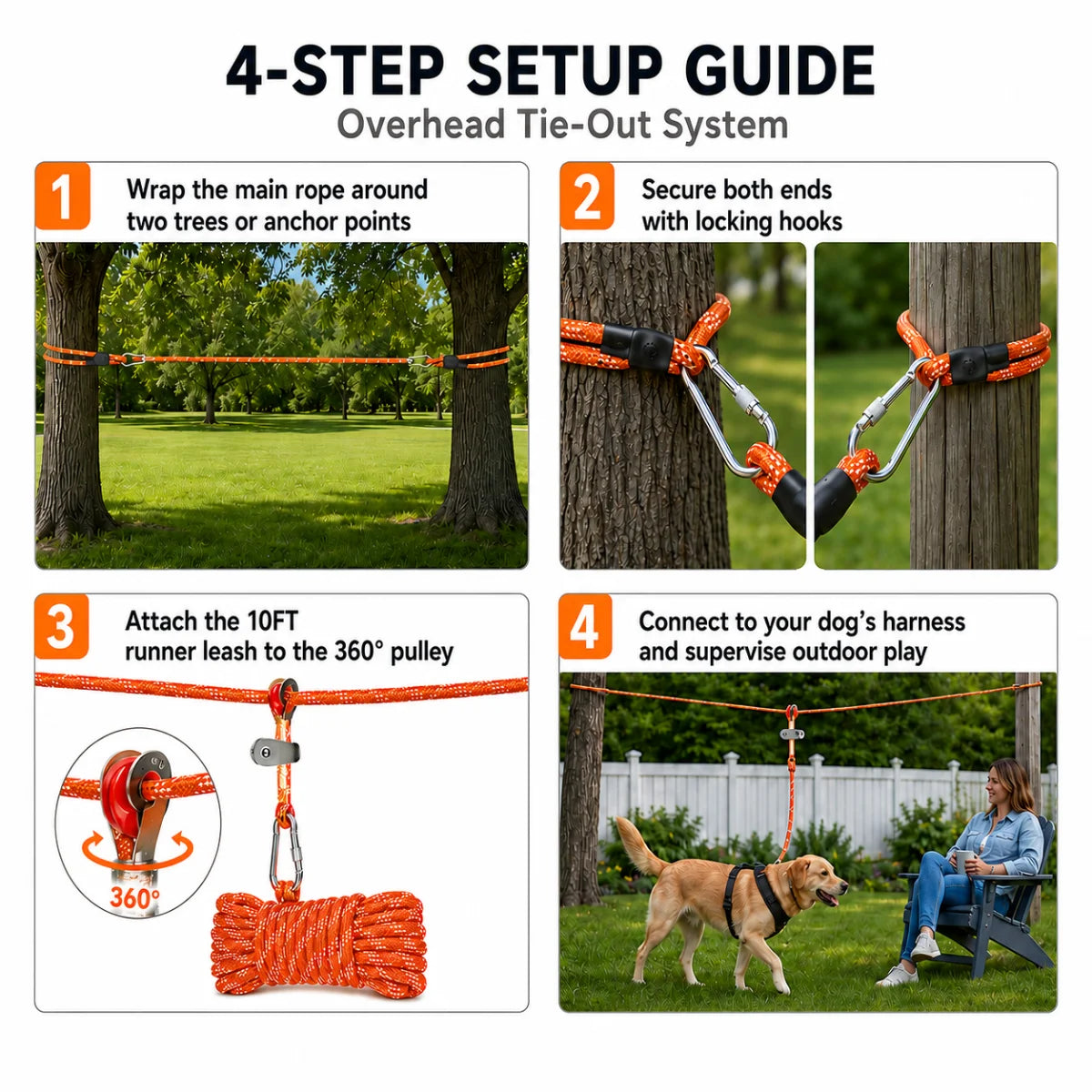
To prevent tangles, clear the dog run area of obstacles like furniture, plant pots, and toys. Using a trolley system or zip line, where the tether is suspended overhead, is the most effective way to eliminate tangling and allow your dog maximum freedom of movement.
When choosing the right material for dog camping, consider factors like your dog’s size, strength, and chewing habits. Assess the outdoor activities planned and set a budget. Evaluating these factors ensures you select a durable and suitable tie-out material for your dog's adventures.
Polyester is generally more durable and resistant to UV rays than nylon, making it a better choice for outdoor use. However, nylon is often lighter and may offer more flexibility. Ultimately, the best material depends on your specific needs and your dog's activities.