

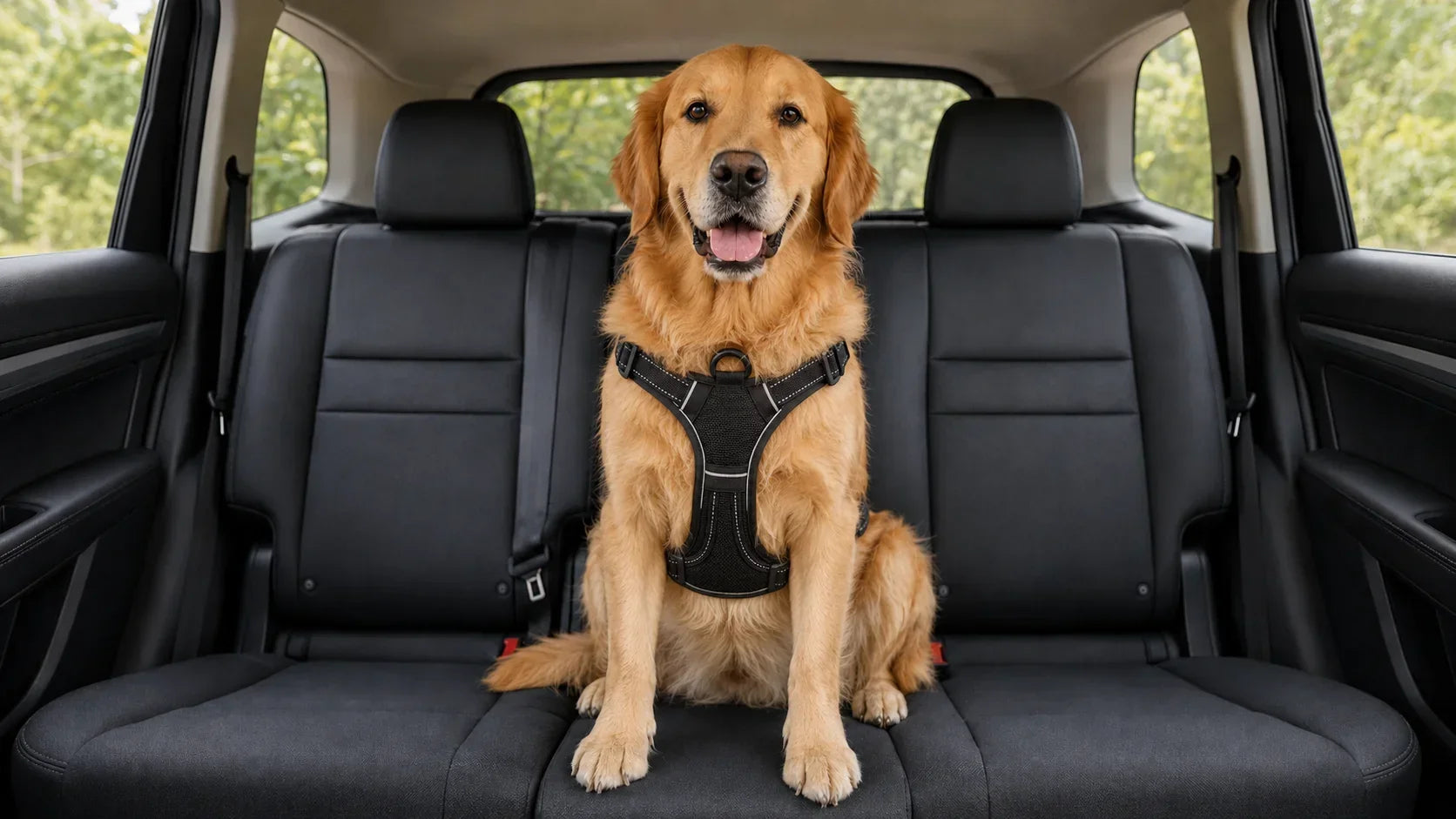
- by JonesMila
How to Choose a Dog Car Harness for Safe Travel
- by JonesMila
Car rides can be fun for your dog, but safety has to come first. A good dog car harness helps protect your pet, limits movement, and makes driving less distracting for you. That matters on a quick trip across town and on longer drives too. If you want better pet safety without making your dog uncomfortable, choosing the right setup is worth your time. The key is knowing what features matter most and how they fit your travel routine.
The right harness depends partly on how and where you travel. A product used for a five-minute trip to the park may require different everyday features from one worn during an all-day road trip.
For short trips to the park, groomer, veterinary clinic, or daycare, convenience and ease of use usually matter most. You want a harness that is quick to put on, simple to attach to the vehicle, and comfortable enough for everyday use. If the setup feels complicated or annoying, you may stop using it, which reduces overall pet safety.
Useful features include:
Highway driving and long road trips require closer attention to testing, durability, and comfort. Higher speeds can create greater forces during sudden stops, while longer wearing periods may increase rubbing or heat buildup. In the event of an accident, a stronger restraint system can make a real difference, especially when it uses a secure seat belt tether and tough seat belt webbing designed for impact control.
For these trips, prioritize:
Once you understand your travel needs, examine how each harness is designed and what safety information the manufacturer provides.
A crash-tested dog harness is generally preferable to a regular walking harness because it provides more information about how the product was evaluated, but “crash tested” does not always mean every product follows the same conditions or a universal standard. Before buying, it is important to understand who conducted the test, whether it was done by the manufacturer or an independent organization, what method and speed were used, what dog weights or test-dummy sizes were included, whether all sizes were tested, what vehicle attachment system was used, and whether the results are publicly available. The tested setup also matters because if a harness was evaluated with a specific tether, seat-belt path, or anchor system, using a different connector may not reproduce the same level of performance.
Marketing terms such as “vehicle ready,” “crash resistant,” and “heavy duty” do not provide enough evidence on their own. Prefer products that explain exactly how they were tested and which sizes and weights the results cover.
During sudden braking, the restraint system should distribute force through stronger areas of the dog’s body, and a wide chest panel helps spread pressure instead of concentrating it on the neck or a narrow strap.
It should sit over the center of the chest, stay below the throat, avoid the front legs, remain stable as the dog moves, and connect securely to the load-bearing straps. While padding may improve comfort, true safety depends on the overall structure, including webbing, stitching, attachment points, and the vehicle connection.
The outer fabric is only one part of the harness, so it is important to examine the components that actually carry the load when the dog is restrained. These include wide, durable webbing running through the main structure, reinforced stitching at key intersections and attachment points, buckles that lock securely and do not open under pressure, adjustment sliders that do not slip easily, strong metal loops or other connecting hardware, and smooth edges without sharp or rough surfaces. Pay close attention to the areas where the chest panel meets the straps and where the harness connects to the vehicle, since these points may experience significant force during sudden braking.
For more information about nylon, polyester, mesh, and other common fabrics, you can refer to our guide to dog harness materials.
Even a well-designed dog car safety harness may not work as intended if it is too loose, too tight, or positioned incorrectly.
Start by measuring your dog’s chest girth. Wrap a soft measuring tape around the widest part of the rib cage, usually just behind the front legs. Keep the tape close to the body without pulling it tight.
You should also check your dog’s weight. Some car harnesses have specific weight limits or crash-test ranges, so chest size alone may not be enough.
Always use the individual brand’s size chart. Small, medium, and large are not standardized between manufacturers, and your dog’s usual walking-harness size may not match the car-harness size.
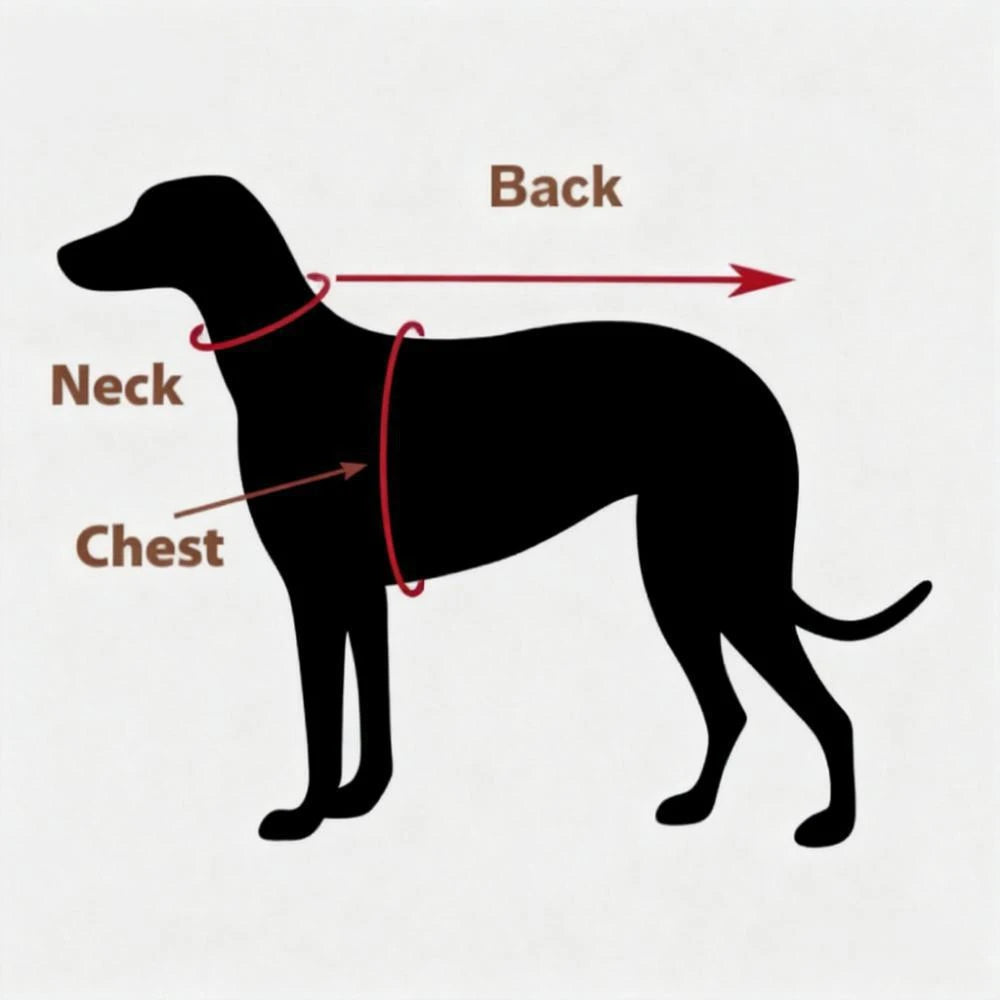
After putting on the harness, check that:
As a general starting point, you may be able to fit approximately two fingers beneath the straps. However, the manufacturer’s fitting instructions should take priority because designs vary.
Before a long journey, connect the harness in the rear seat and take a short practice drive. Check it again afterward for movement, loose adjustments, or signs of rubbing.

A dog car harness is not the only way to manage a dog in a vehicle. The best option depends on your dog’s behavior, physical needs, and the amount of space available.
For many pet owners, a dog car harness offers a good mix of safety and flexibility. It keeps the dog restrained while still allowing limited movement to sit, lie down, or shift a little. That can make trips more comfortable without giving your dog free range of the vehicle.
Most models connect through a seat belt tether, a seat belt buckle, a headrest point, or lower anchors used for child seats. Some expert-backed choices focus on crash-tested harnesses with built-in tethers because they are designed for true travel safety, not just restraint.

Some dogs feel calmer in an enclosed space. A secured travel crate can be one of the safest options, especially on longer drives. It works well for dogs that settle better when they are not exposed to every sound and movement in the pet car.
For smaller dogs, a pet carrier may serve a similar purpose. These setups can also help keep your car cleaner, especially when paired with floor protection or seat covers. Unlike a car seat, the crate focuses more on containment than elevation.
Like harnesses, crates can also reduce driver distraction by keeping the dog in one place.

A vehicle barrier separates your dog from the front area of the car. For some pet parents, that is a helpful way to keep an active dog out of the driver’s space. It can be useful in a larger pet car, especially if your dog rides in the cargo or rear area.
Still, a safety barrier does not restrain the dog the way a harness or crate does. That means it helps with roaming, but it may offer less direct protection in sudden stops. Fit also depends on the car model, so not every barrier works in every vehicle.
Use a barrier if your main concern is keeping the dog away from the driver.
If you need actual restraint, a harness used with regular seat belt systems may be the better choice.

The right travel restraint depends on your dog’s comfort, behavior, and physical needs, as well as your vehicle’s available space. The table below compares the situations each option suits best and the main limitation to consider before choosing.
| Travel restraint | Best suited for | Main limitation |
|---|---|---|
| Dog car harness | Dogs that wear a harness comfortably and travel on a seat | Requires accurate fitting and correct installation |
| Secured travel crate | Dogs that prefer an enclosed area or cannot use a harness | Requires sufficient vehicle space and secure installation |
| Vehicle barrier | Preventing access to the front passenger area | Does not provide the same direct restraint as a harness or secured crate |
Please read our FAQs page to find out more.
Crash-tested is better because it shows safety performance. Check who tested it, what sizes were tested, and how it was tested. “Crash tested” doesn’t always mean independently certified.
Not always. Many walking harnesses are not designed for vehicle use. A true dog car harness is made to work with a seat belt buckle or tether system. If your dog rides in a car seat, use the restraint system made for that setup.
Start with feedback from pet owners who use the product for real travel. User reviews can help you compare comfort, fit, and ease of use. Look for patterns in what buyers say about a seat belt harness, especially when judging best choices and exceptional value.
A harnessed dog should generally travel in the rear seat, away from front airbags and the driver. Use the seating position and seat-belt route specified by the harness manufacturer, since installation requirements differ between products.
This depends on the harness design and its approved installation method. Do not lengthen the tether or alter the seat-belt route to create additional movement. Follow the manufacturer’s instructions regarding the intended travel position.