
- by 03Howoll
How to Choose the Best Leash for Dogs That Pull Effectively
- by 03Howoll
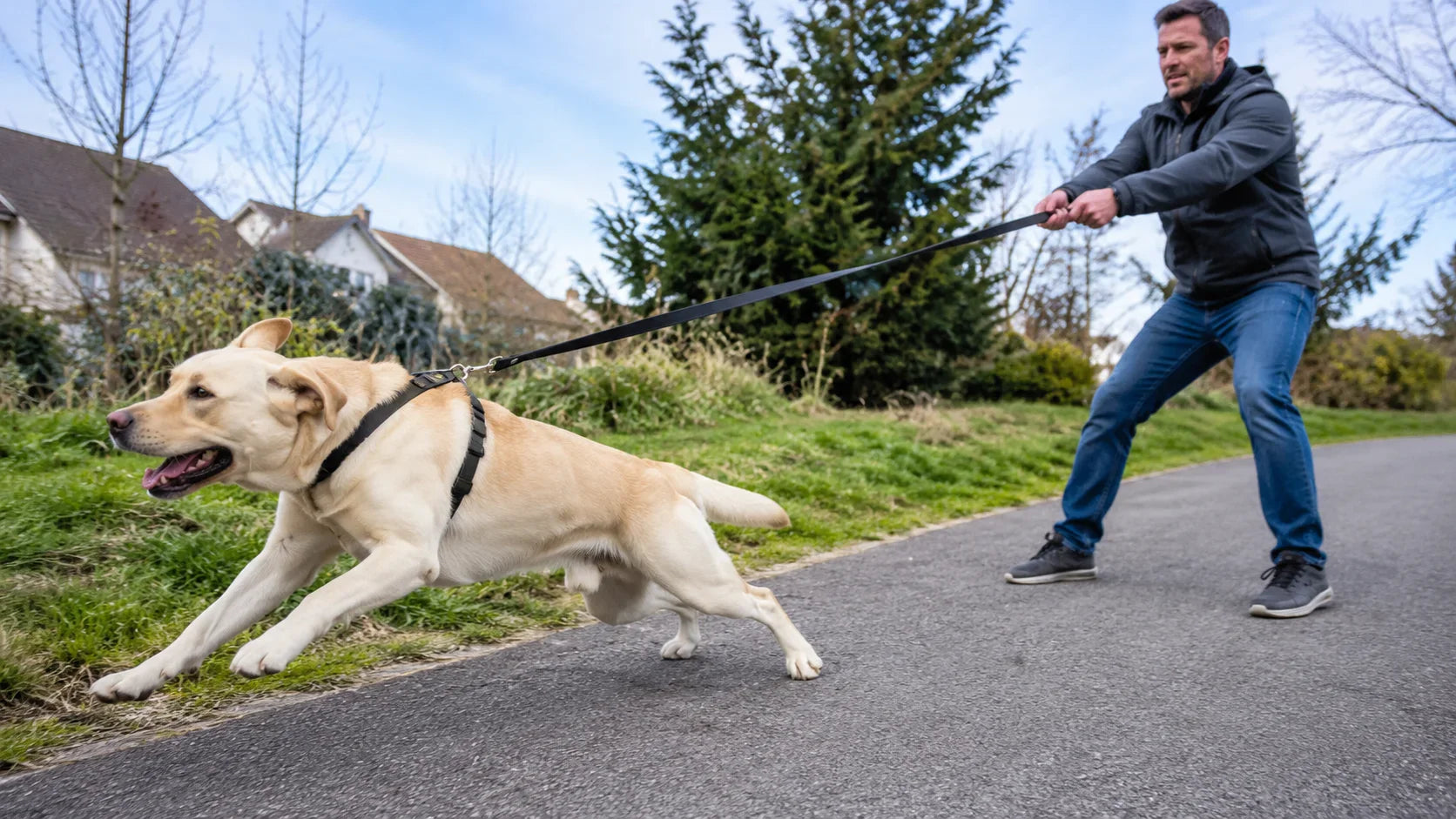
Walking your dog should feel enjoyable, safe, and relaxed. But if your dog keeps pulling ahead, lunging toward distractions, or dragging you down the sidewalk, daily walks can quickly become stressful. Many dog owners search for the best leash for dogs that pull because they want better control without making walks uncomfortable for their pets.
A good leash cannot magically fix pulling overnight, but the right design can make a big difference. A strong no pull dog leash, a reliable dog training leash, or a shock-absorbing bungee dog leash can help reduce sudden force, improve handling, and support better walking habits.
In this guide, we will explain why dogs pull, what features to look for in a leash, which leash types work best, which ones to avoid, and how to stop dog from pulling on leash with simple training steps.
Before choosing a leash, it is important to understand why pulling happens. In most cases, dog pulling on leash is not a sign that your dog is trying to be difficult. It usually means your dog is excited, undertrained, overstimulated, or using the leash in the way they have learned works best.
For many dogs, pulling is driven by excitement. The outside world is full of movement, sounds, and scents, and their sense of smell pushes them to investigate everything quickly. That is especially true for pups who are still learning how walks work.
In many cases, leash pulling is not a serious behavioral issue. It is simply enthusiasm mixed with curiosity. When something interesting appears, your dog’s attention shifts away from you right away, much like a browser jumping from one tab to another.
If they reach that thing by pulling, they may learn that pulling helps them get what they want. Over time, this can become a habit. This is why choosing the right leash matters. A leash that gives you better control can help slow your dog down and make it easier to redirect their attention.
Loose-leash walking is a learned skill. Many dogs are not born knowing how to walk calmly beside a person. If a dog has never been taught that a loose leash leads to forward movement, they may pull simply because no one has shown them a better option.
That is why leash training should start with simple, short training sessions. You teach the dog that staying near you and keeping a loose leash leads to rewards, while pulling makes the walk stop. Over time, that pattern becomes easier for the dog to follow.
A few practical techniques work well. Reward your dog often for being at your side. Use a clear walking cue such as “let’s go” or “with me.” When tension appears, stop and wait for slack before moving again. These small steps build reliable loose leash walking without adding stress.
Equipment can make a big difference. A leash that gives too much distance or feels hard to manage can make leash pulling worse. If your dog can rush far ahead before you respond, pulling becomes part of the routine.
Some leash designs can unintentionally encourage pulling. When a leash allows too much distance or feels difficult to handle, your dog may learn to move ahead without checking in with you. This can quickly turn pulling into a habit rather than an occasional behavior.
For example, retractable leashes often extend too far, giving dogs the chance to build momentum before you can respond. Thin or low-quality leashes may wear out faster under tension, while handles that lack comfort or grip can make it harder to stay in control.
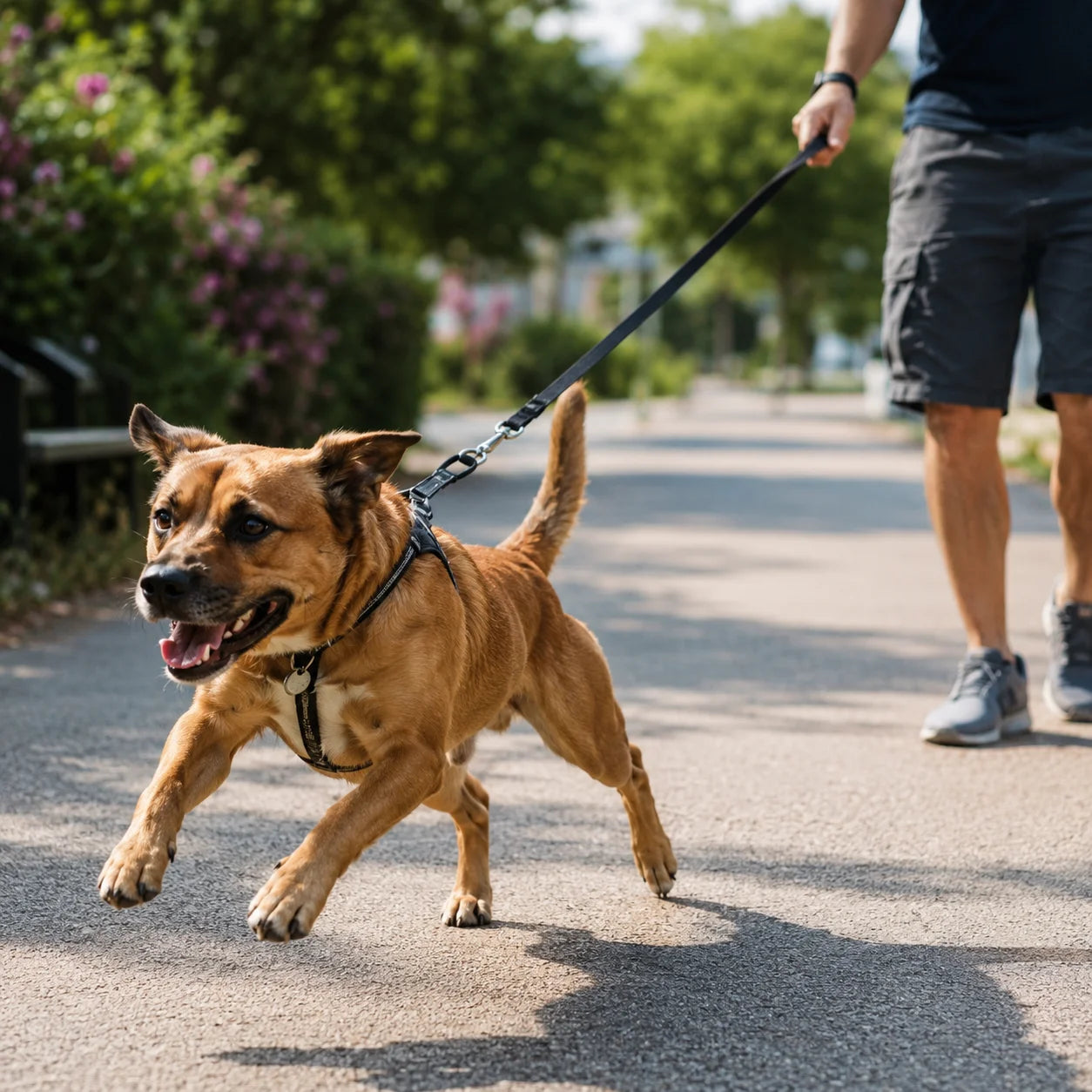
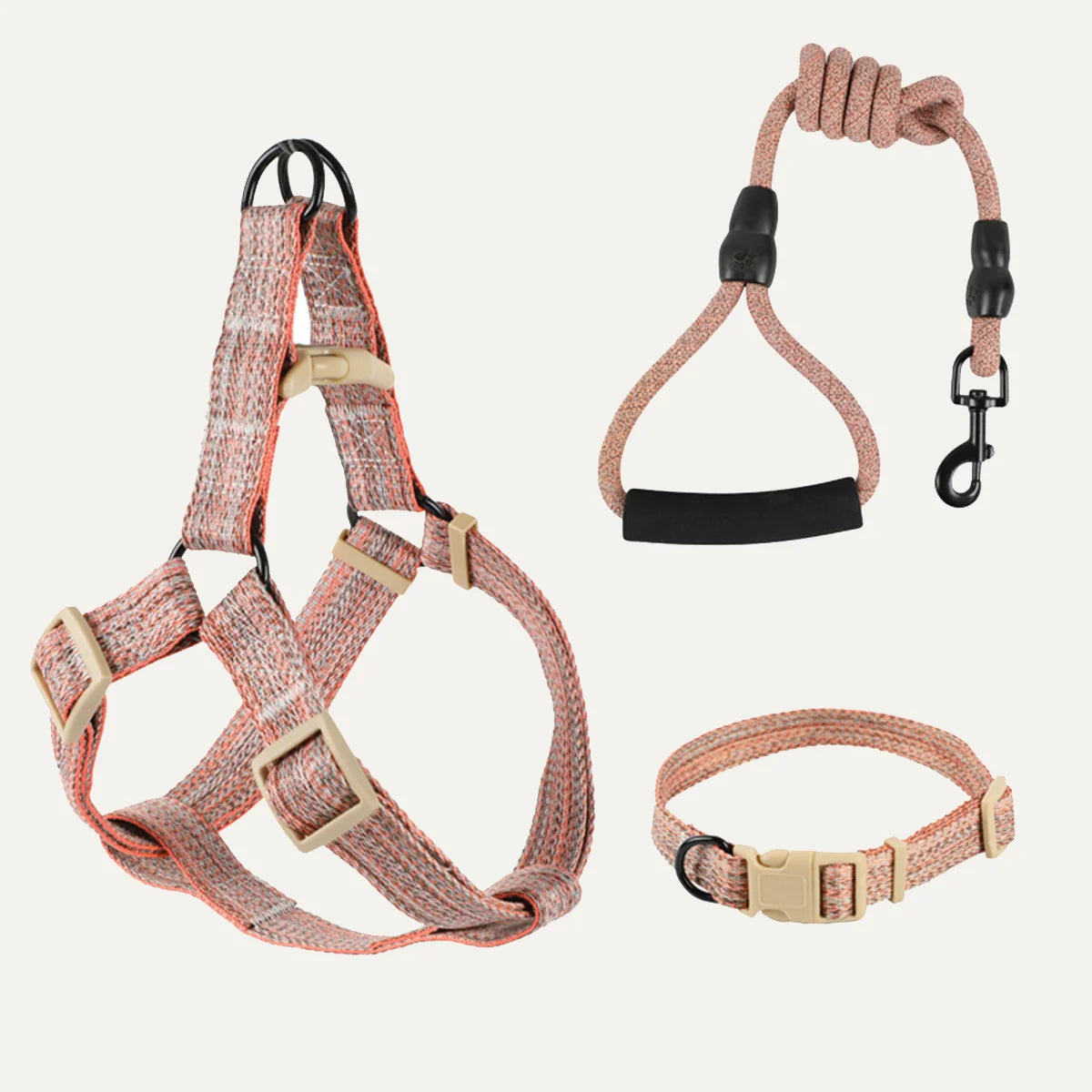
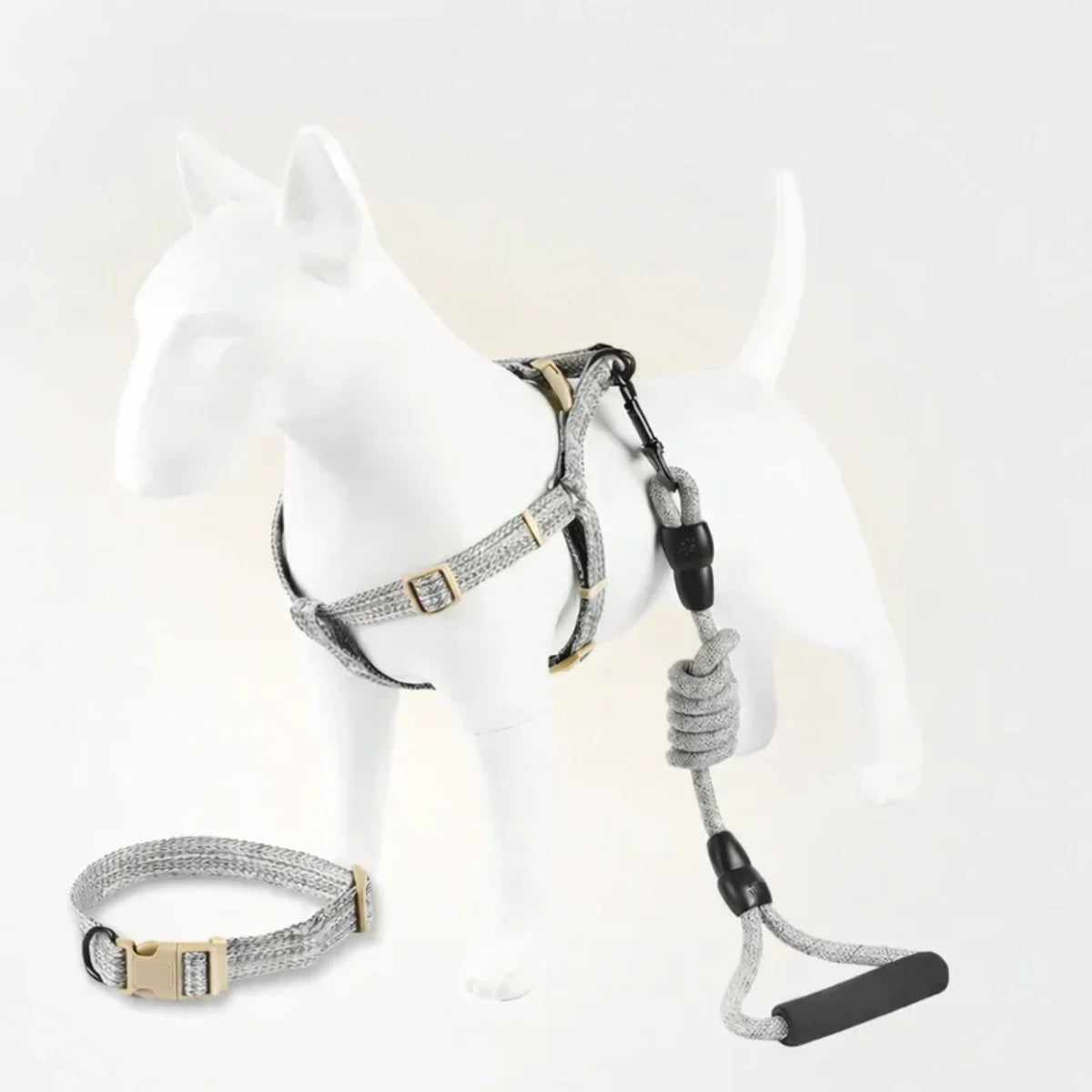
A no pull dog leash is usually part of a setup designed to reduce the force and speed of pulling while giving you better control. In practice, many owners pair a leash with a pull dog harness or no pull dog harness rather than relying on the leash alone. For larger puppies, a front-clip harness can make it easier to redirect movement if the dog surges forward. That helps reduce pressure on the neck and supports safer handling. Still, gear is only one piece of the answer. A dog trainer would tell you that equipment helps most when it supports leash training, not replaces it. No-pull options can reduce pulling, but dogs still need rewards, repetition, and clear walking rules. Used that way, they can be very useful.
The best leash for a pulling dog should help you stay comfortable, controlled, and consistent during walks. A leash trainer or professional dog trainer will usually focus on handling, length, and how quickly you can respond when the dog reaches the end of the leash.
Material is one of the most important features. Dogs that pull create repeated pressure on the leash, especially when they lunge suddenly or move with force. A weak leash may stretch, fray, or break down faster.
Look for durable materials such as strong nylon, climbing-style rope, reinforced webbing, or other heavy-duty construction. For large dogs and strong pullers, a heavy-duty dog leash is usually a better choice than a thin basic leash.
The stitching should also be reinforced, especially near the handle and clip. These areas receive the most pressure during pulling. A strong leash gives you more confidence during daily walks, outdoor adventures, and training sessions.
A pulling dog does not only put pressure on the leash. It also puts pressure on your hand, wrist, and arm. If the handle is too thin, rough, or hard, it can become painful during longer walks.
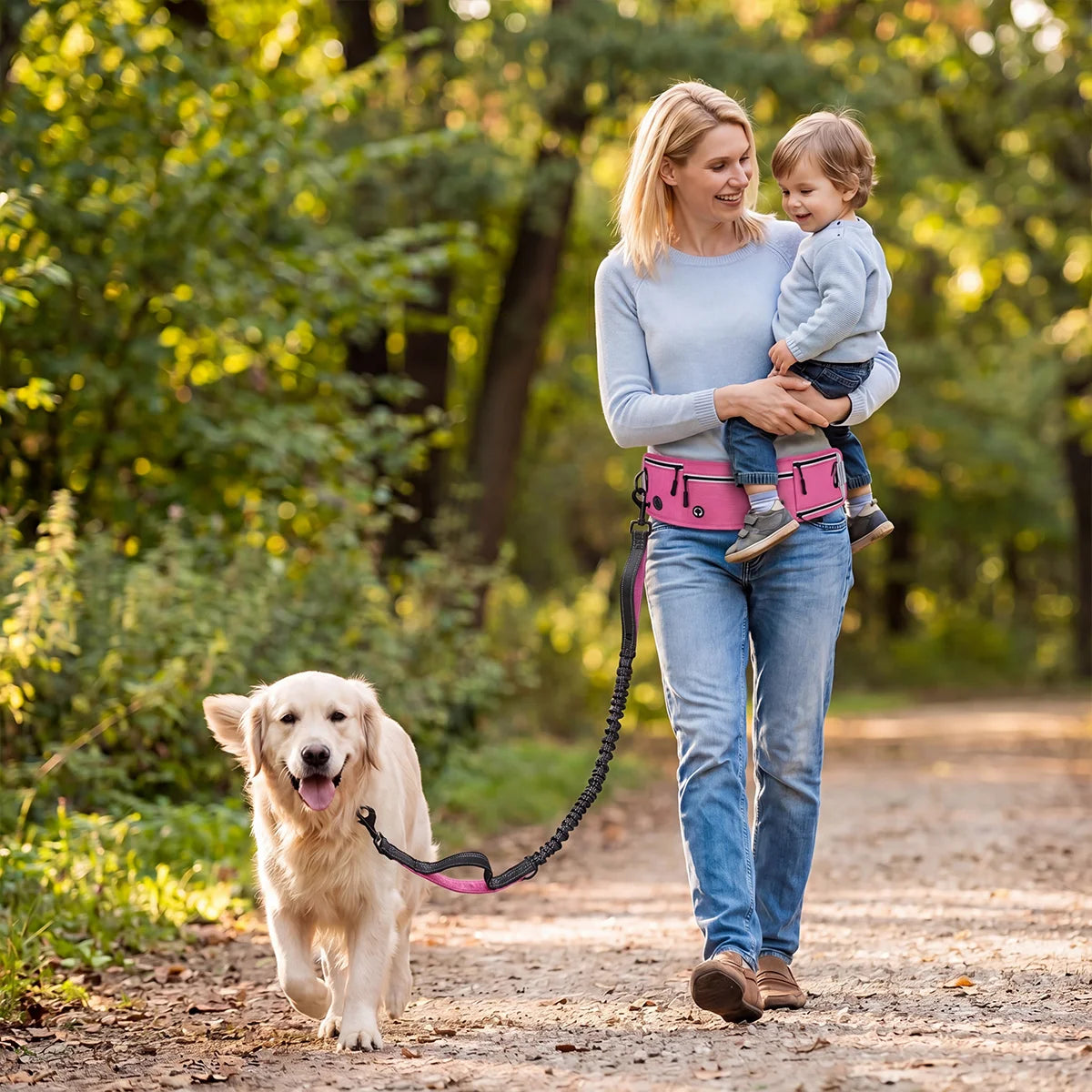
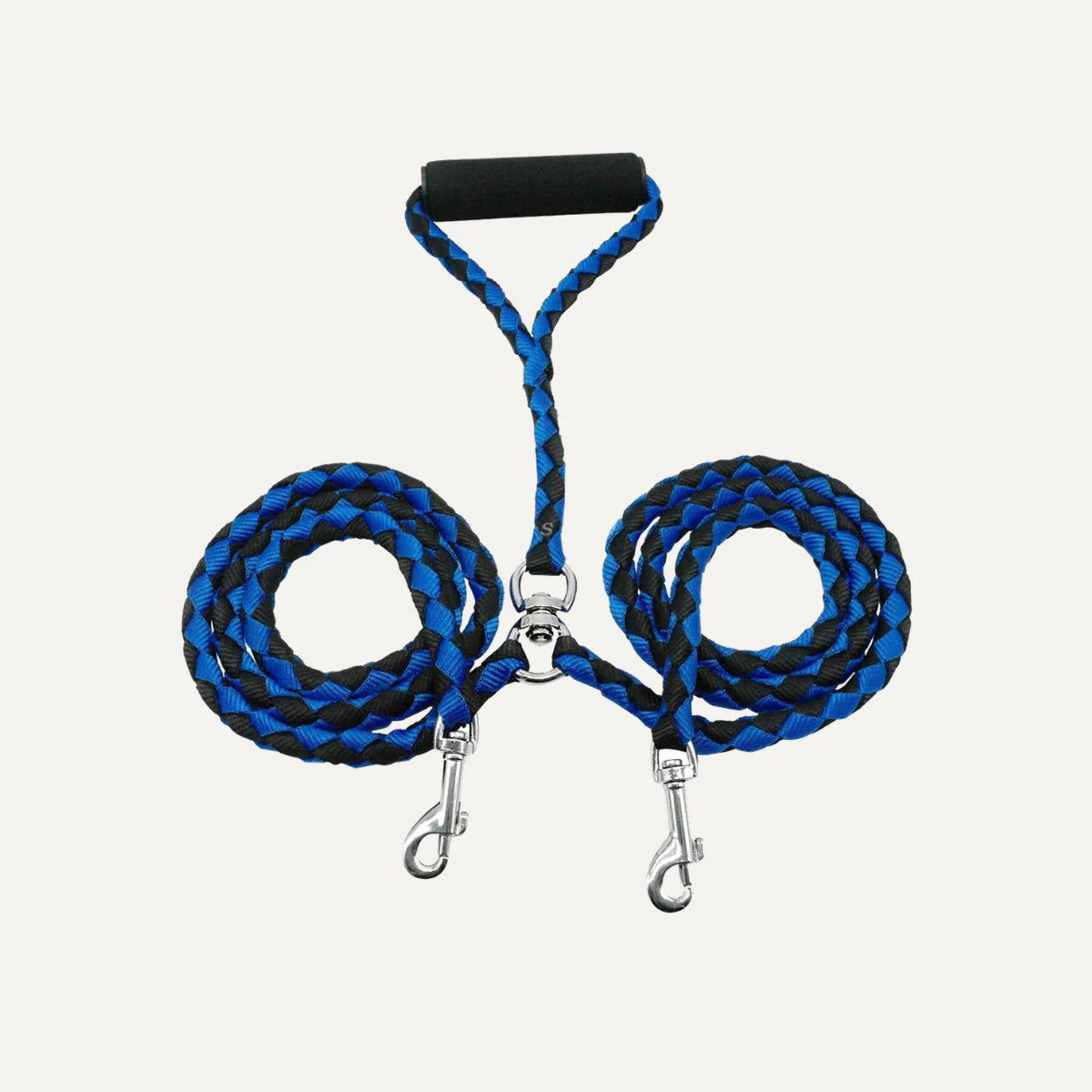
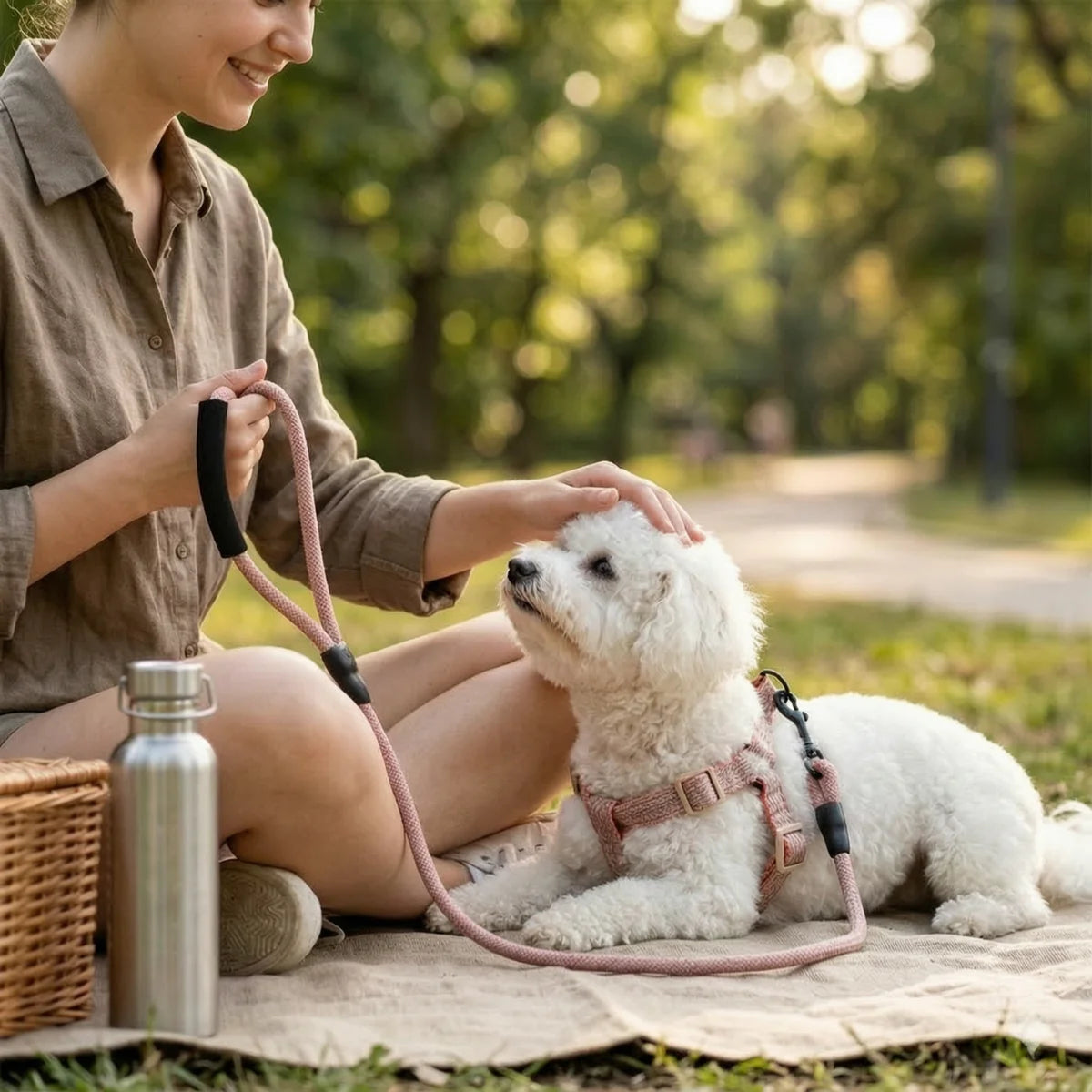
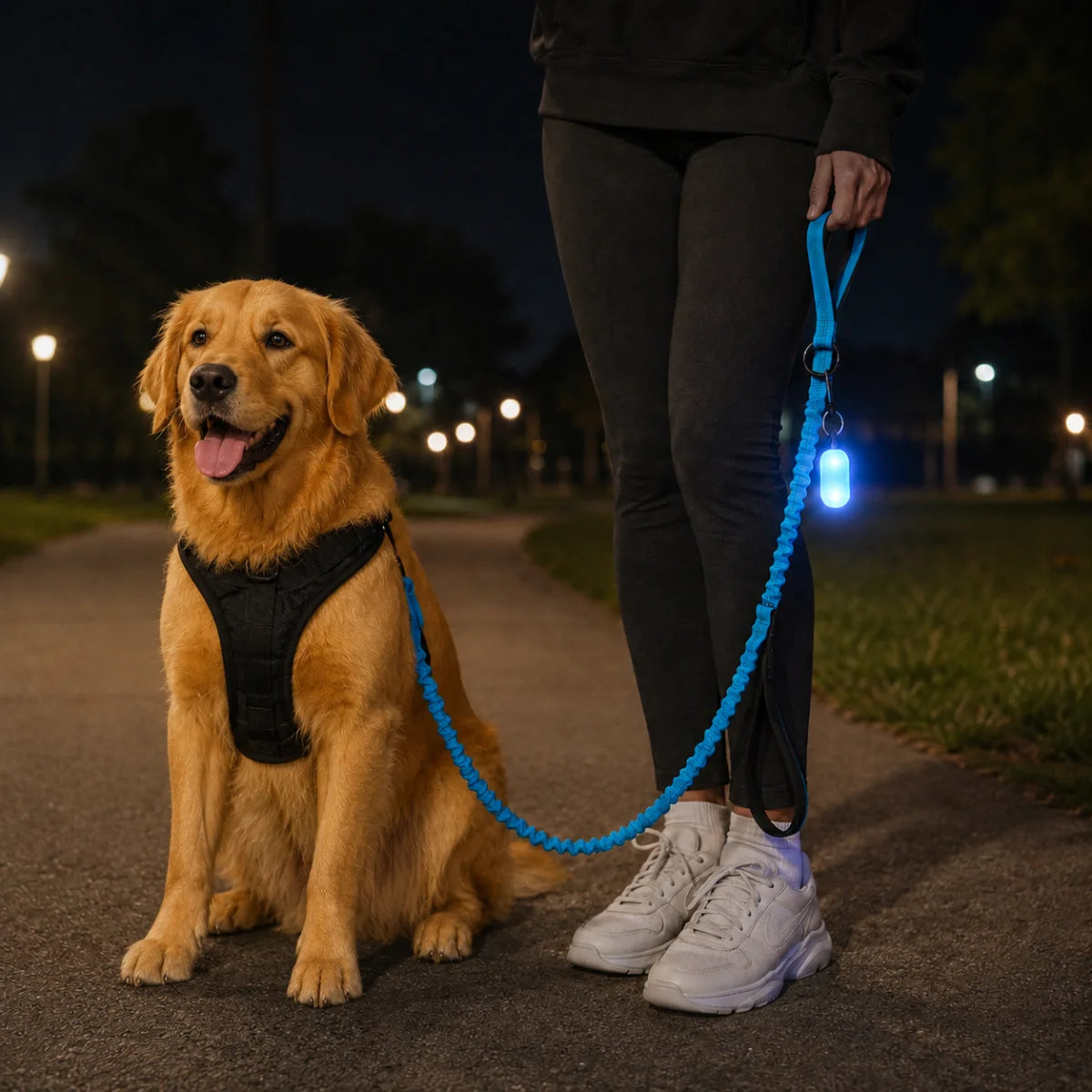
A comfortable padded handle helps reduce hand strain and gives you a better grip. This is especially useful if your dog pulls suddenly or if you walk for long periods. Soft padding, an anti-slip grip, and a secure loop can make the leash easier to hold.
For dogs that pull strongly, comfort is not just a nice extra feature. It helps you stay in control. If the leash hurts your hand, you may loosen your grip or react too late when your dog moves quickly.
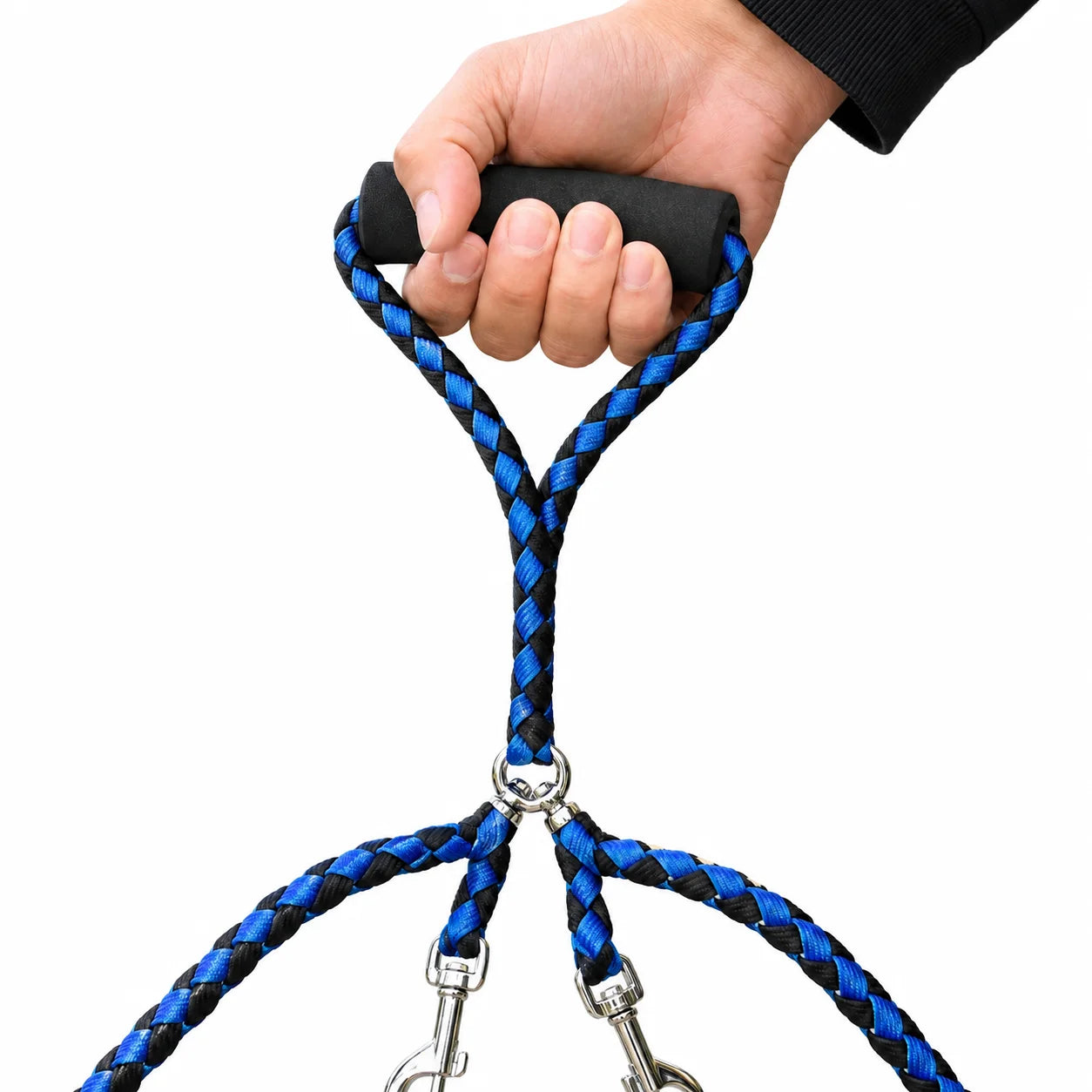
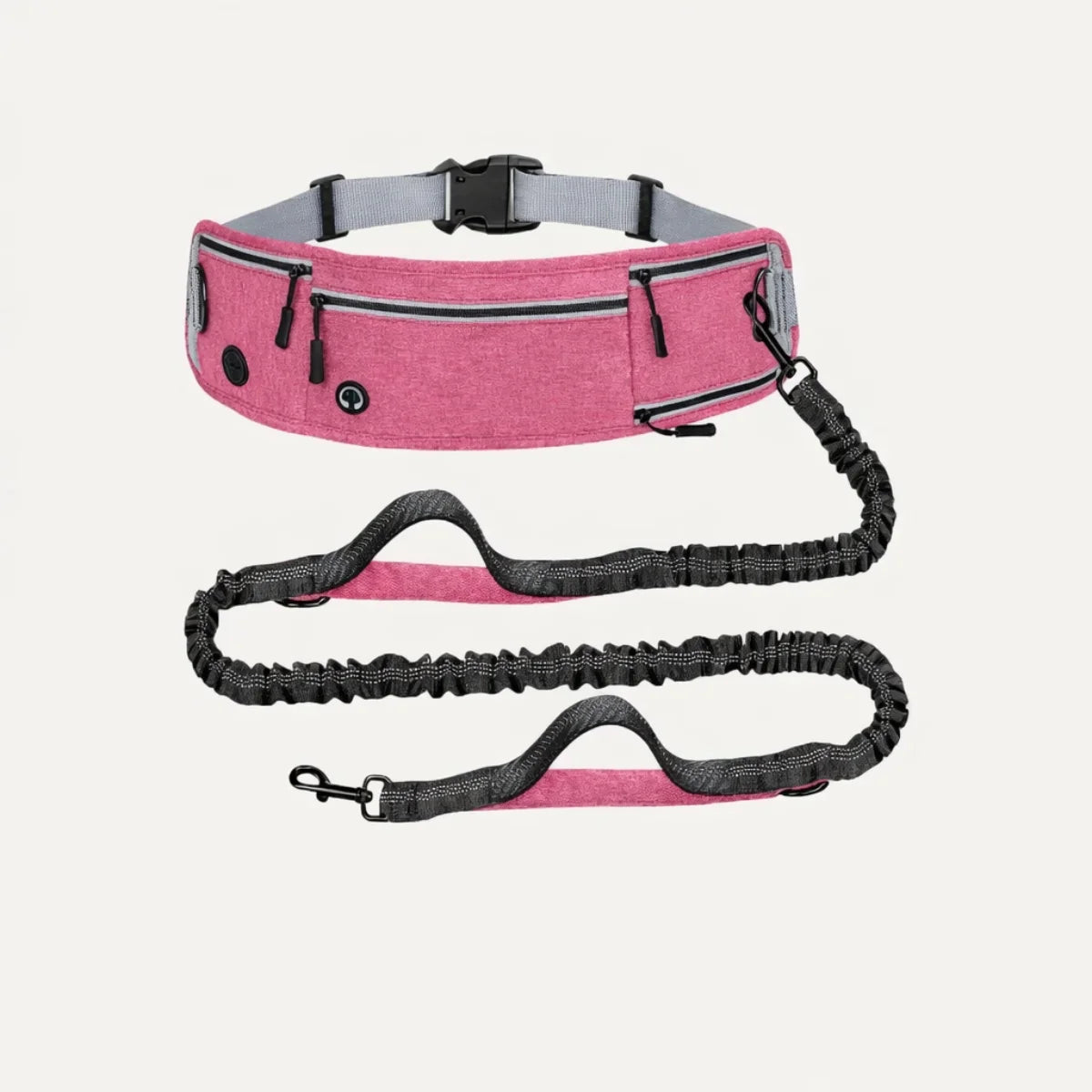
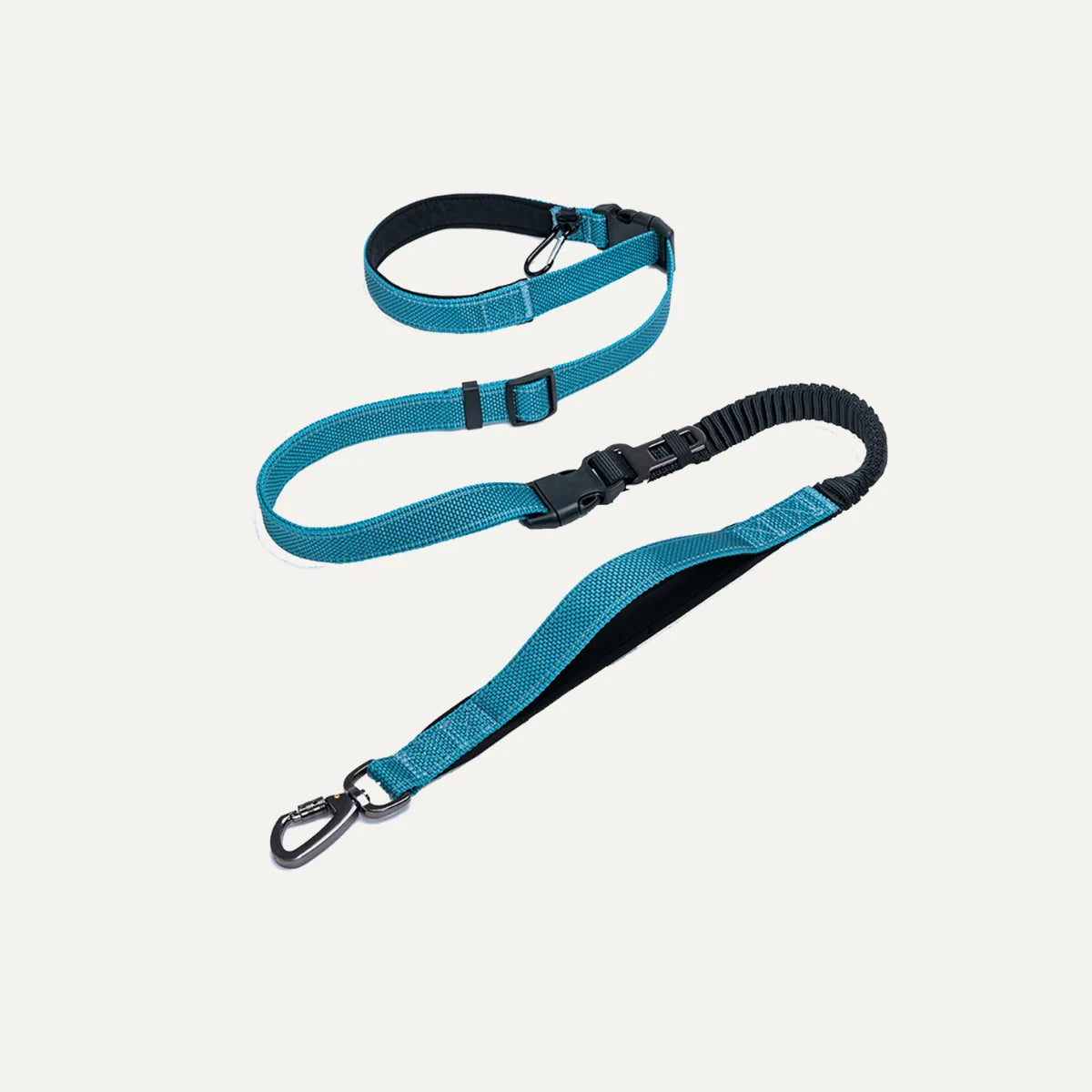
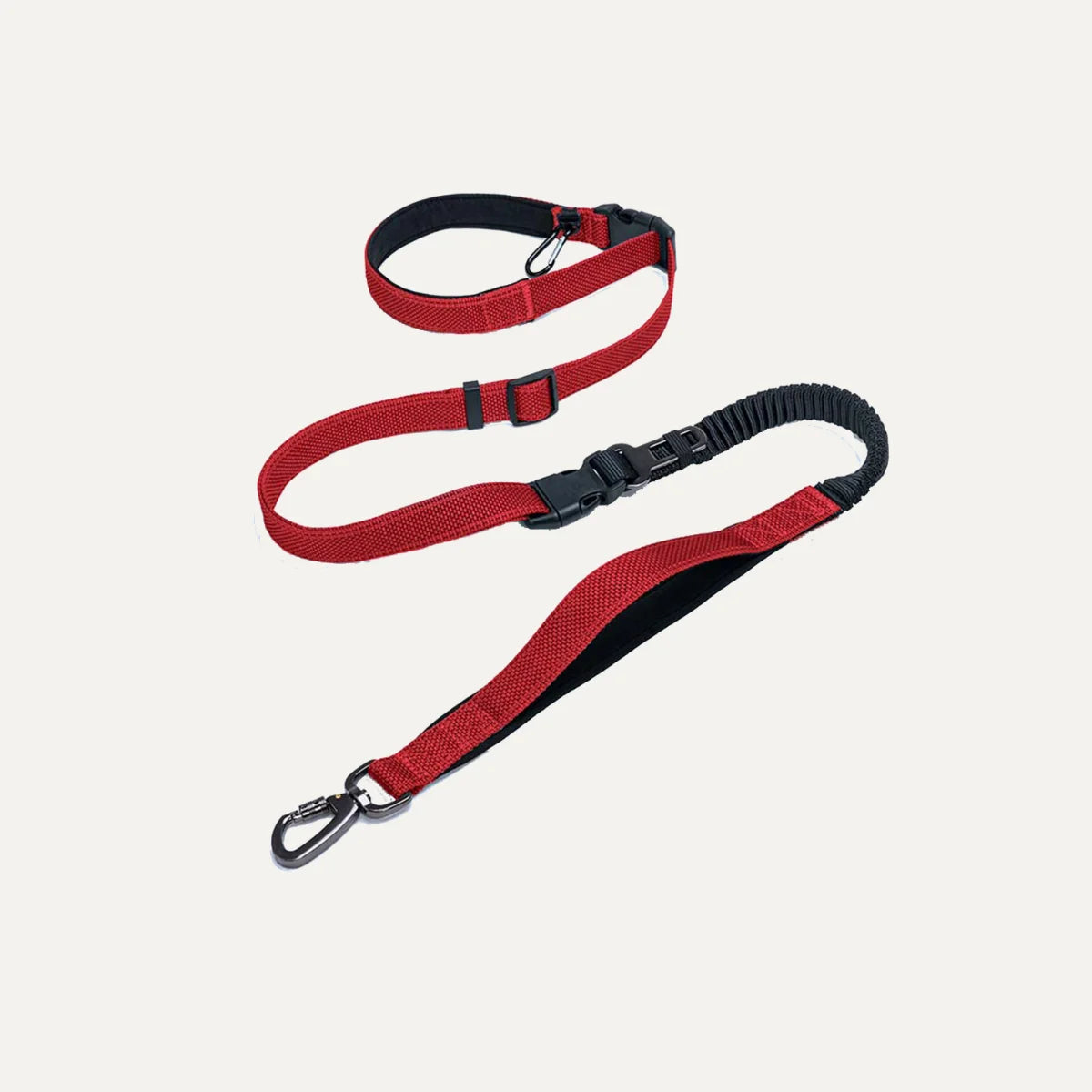
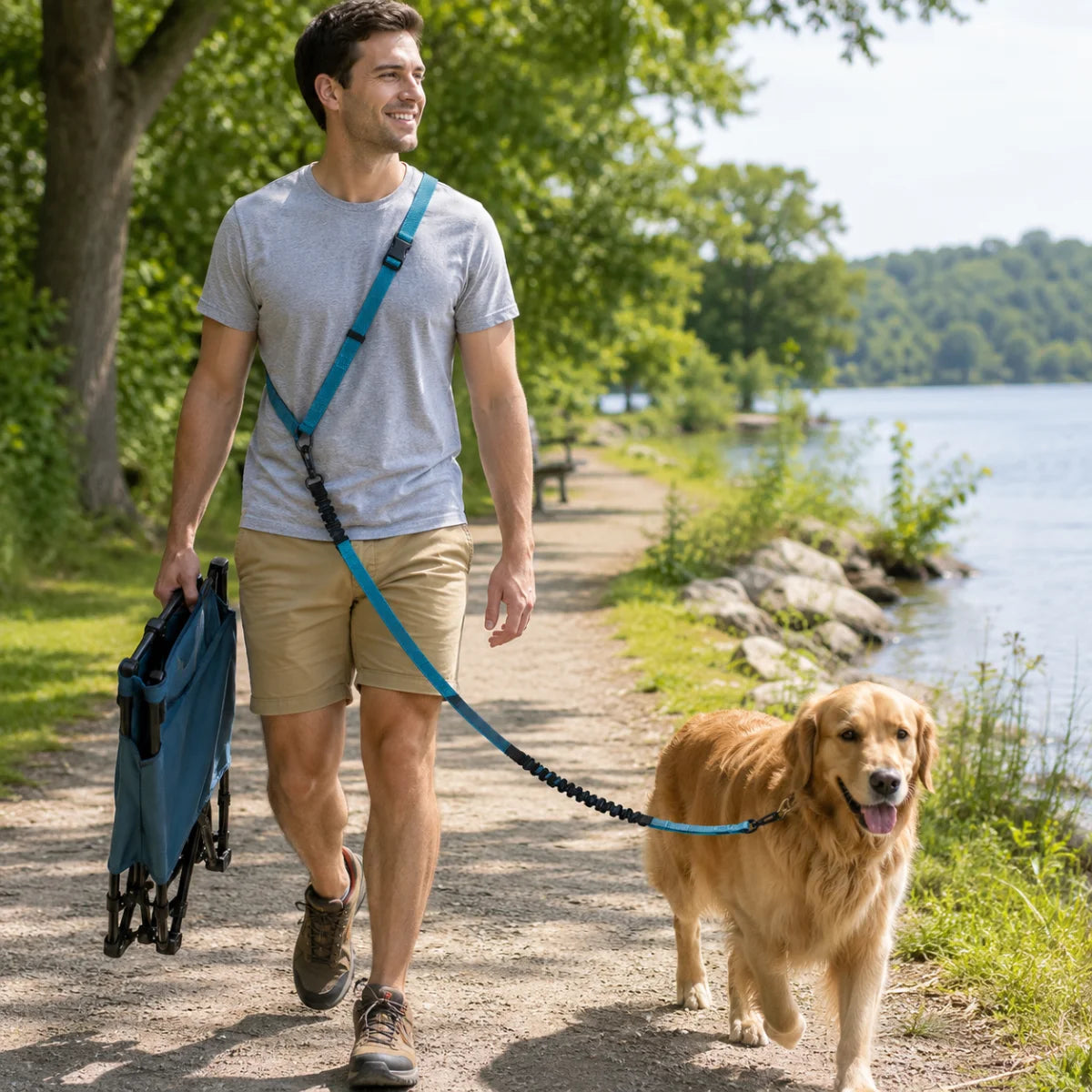
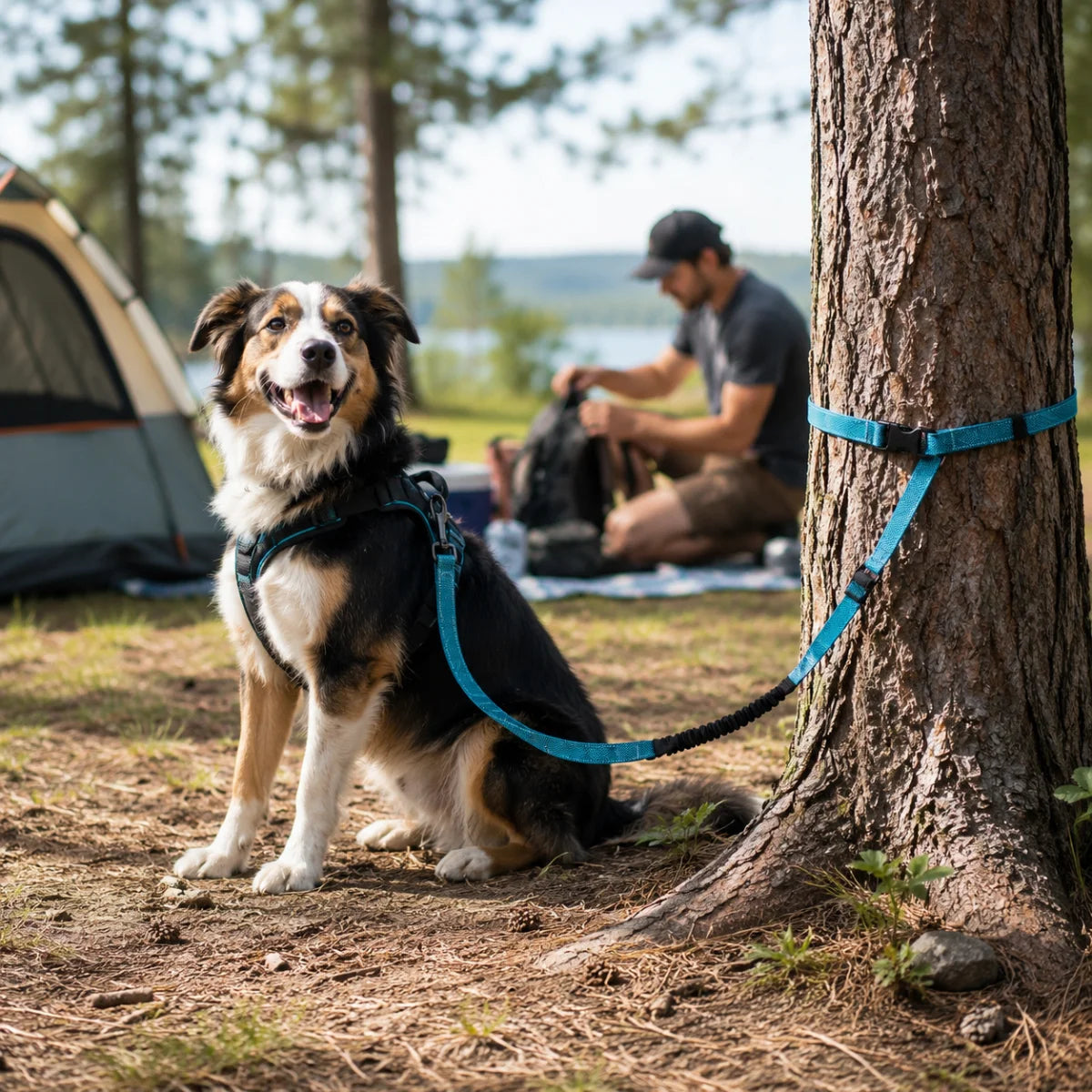
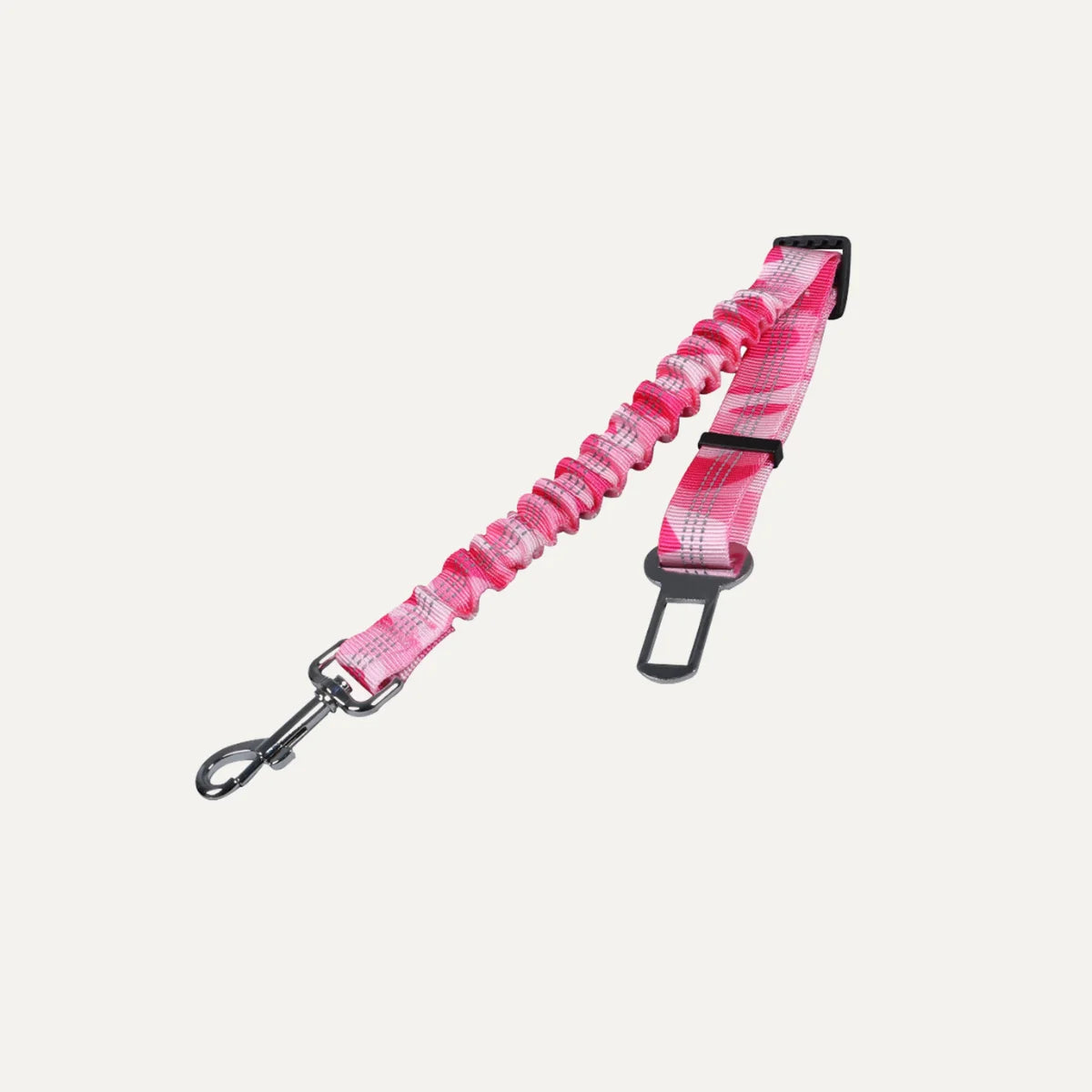
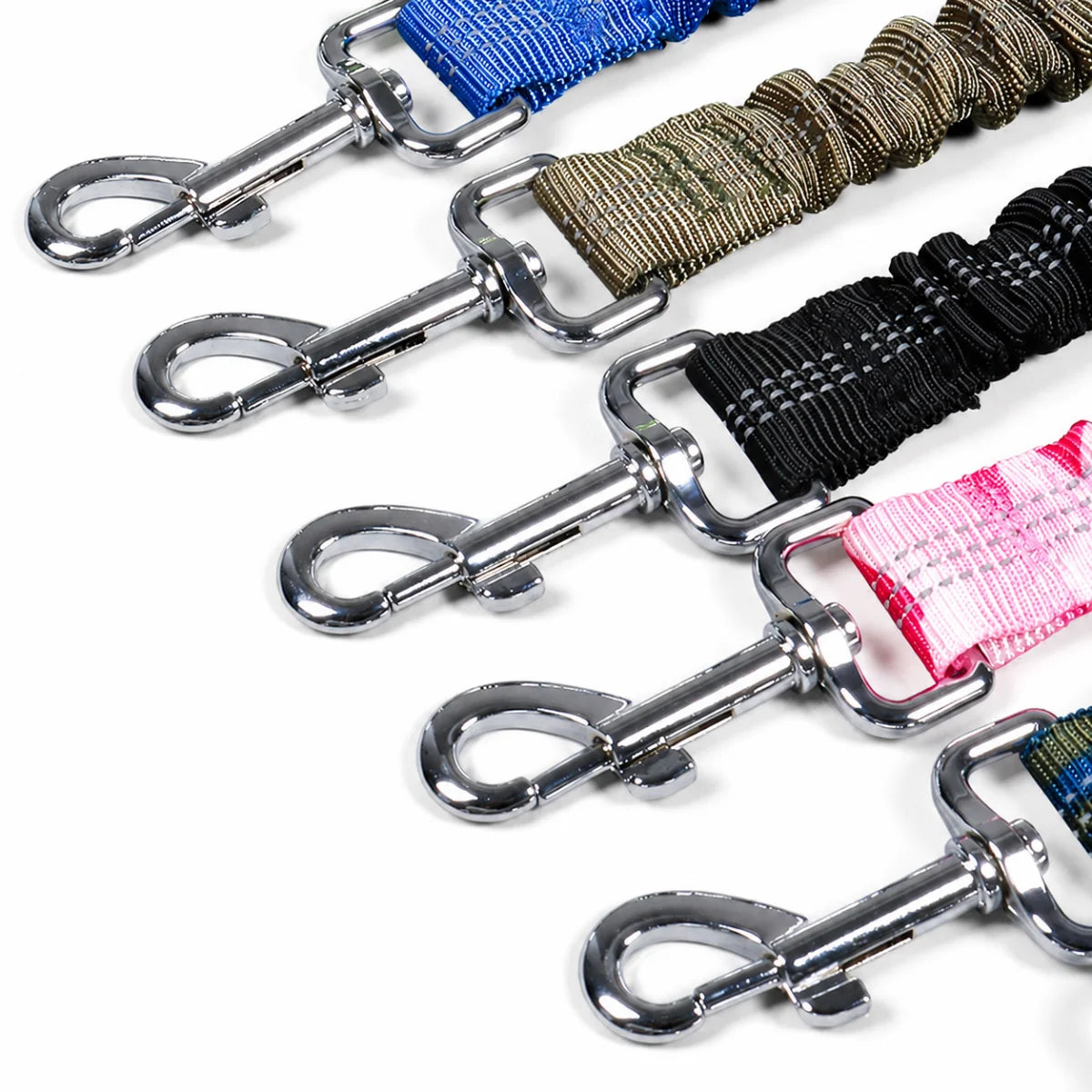
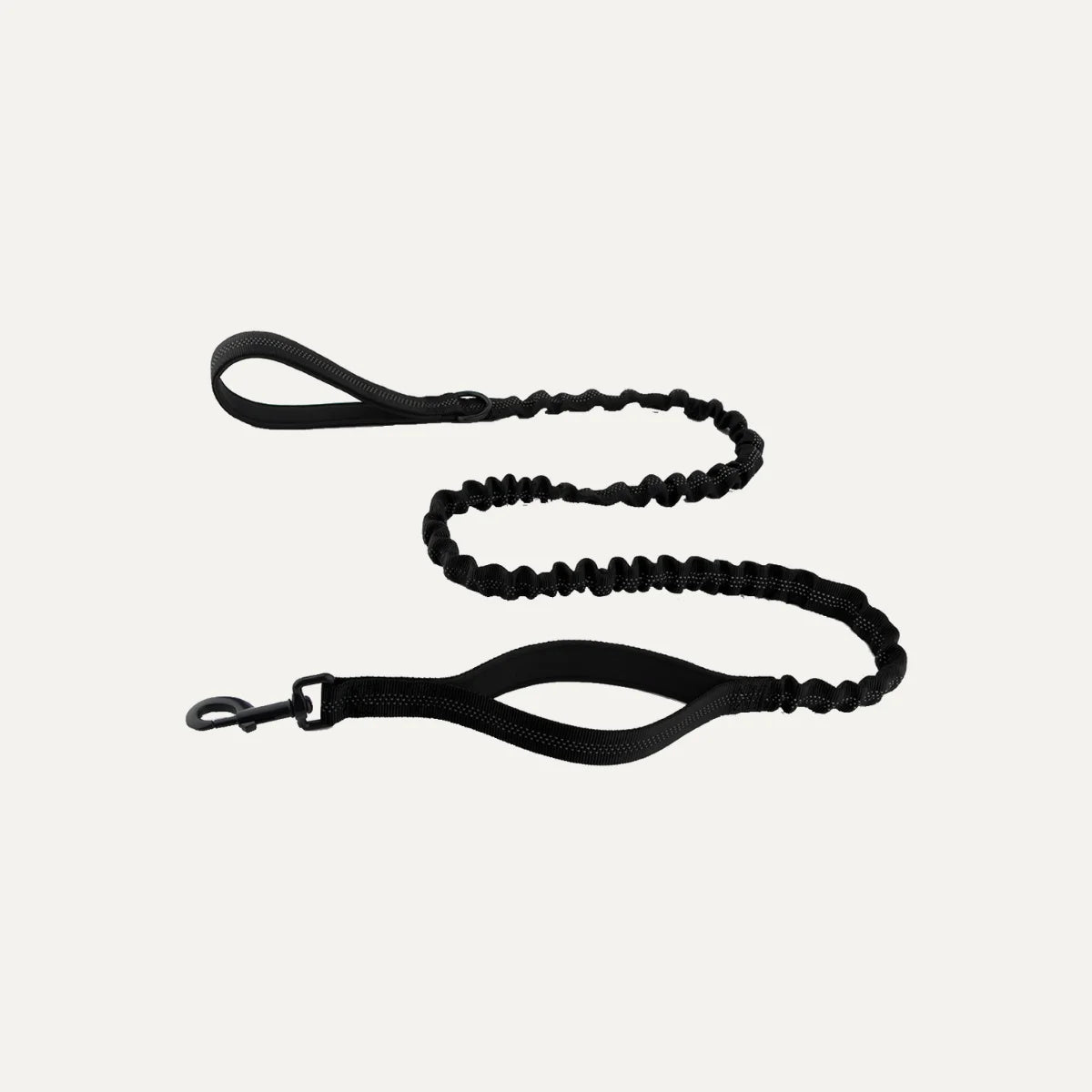
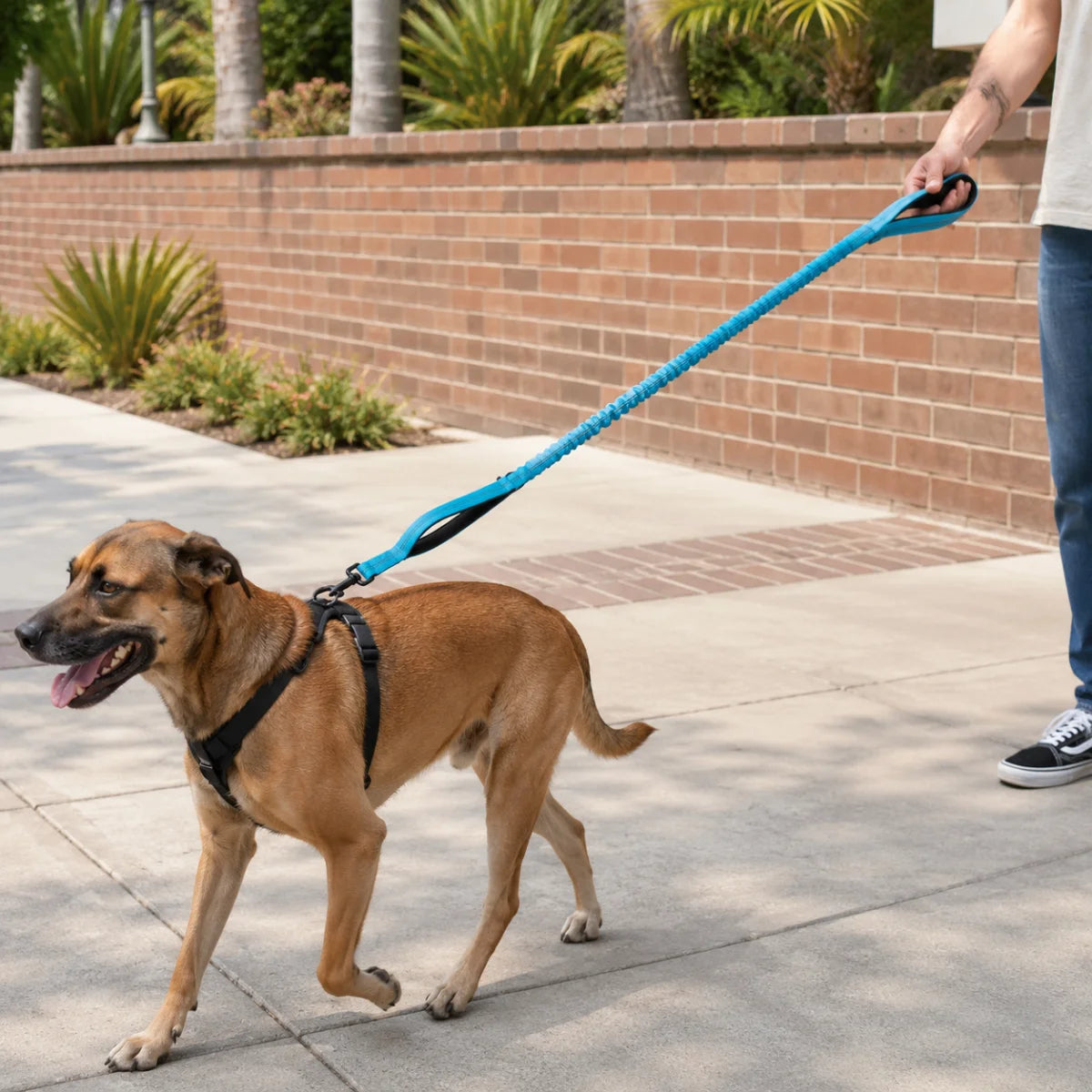
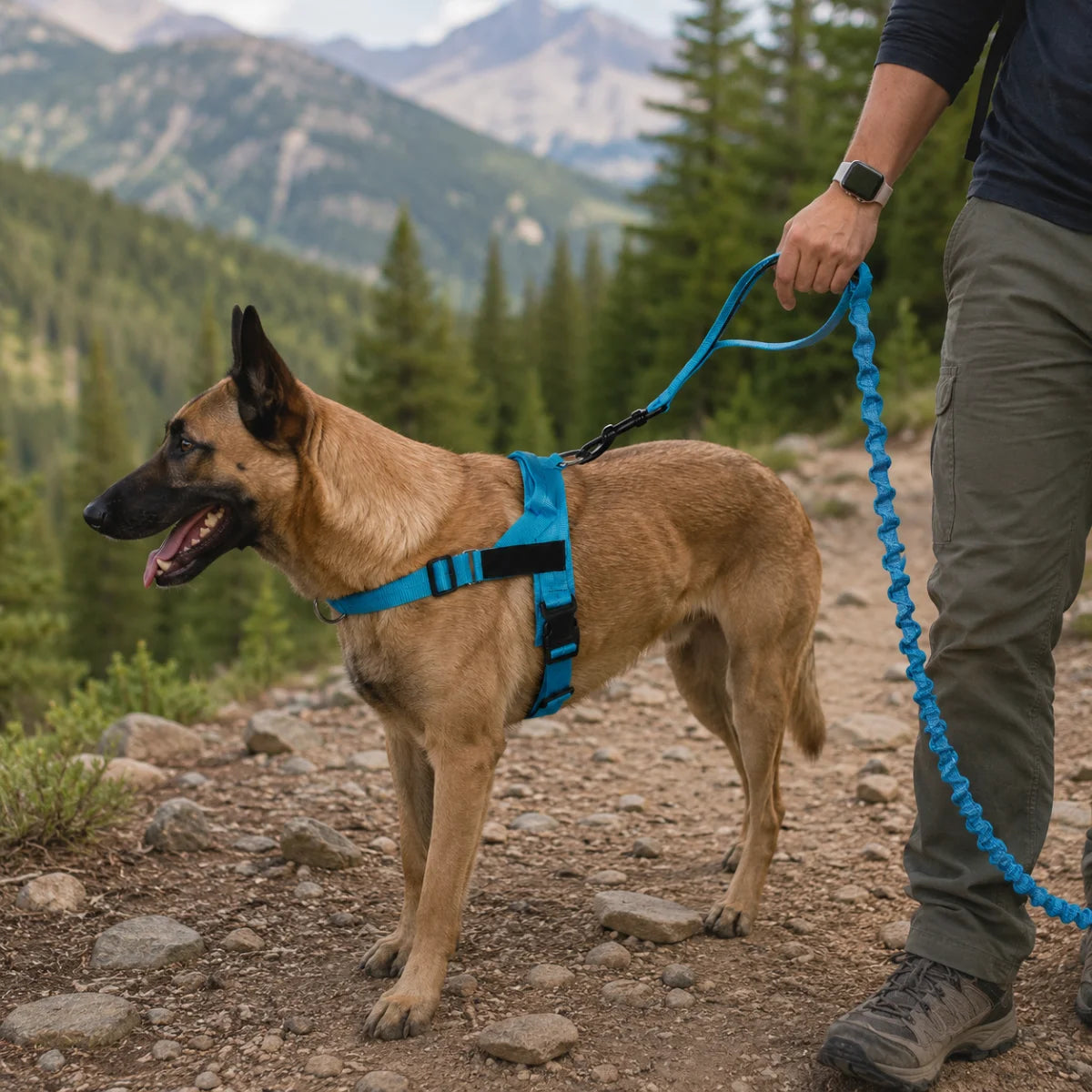
A bungee dog leash includes an elastic section that stretches slightly when your dog pulls. This design helps absorb sudden force and reduce sharp pressure on your arm, shoulder, and your dog’s body.
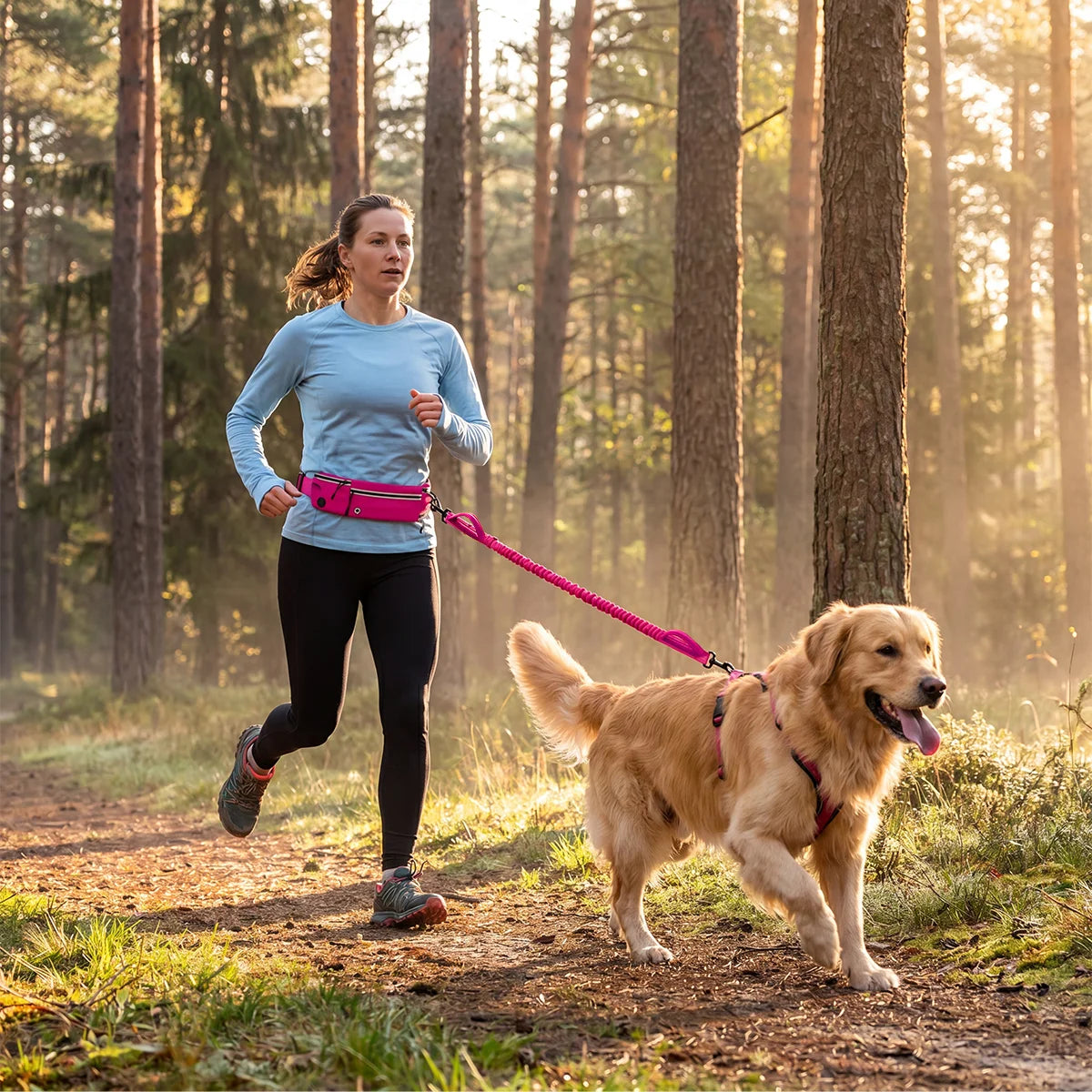
This can be helpful for active dogs, hiking, jogging, or dogs that occasionally lunge forward. The shock-absorbing design creates a smoother walking experience and can make sudden movements feel less harsh.
However, a bungee leash is not always the best choice for every pulling dog. If your dog has no leash manners at all, too much stretch may make it harder to teach clear boundaries. In that case, a bungee leash should be used with training, not as a replacement for training.
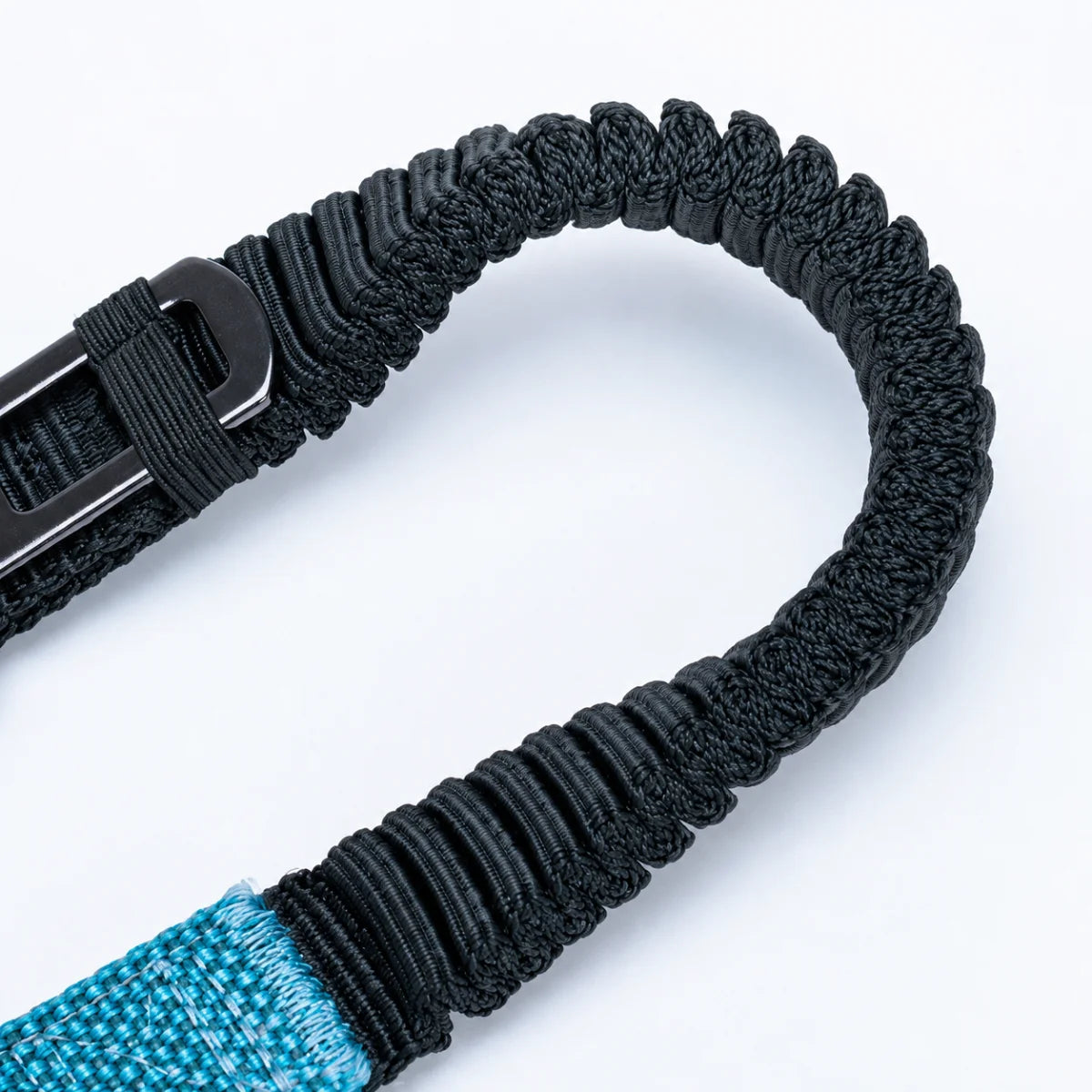
A double handle leash gives you two points of control. One handle works for normal walking, while the second lets you shorten the distance fast when you need your dog close. That can be a better option in busy areas.
This setup helps during leash training because you can manage space without grabbing awkwardly or making sudden leash corrections. If another dog appears, if traffic is nearby, or if your dog becomes overstimulated, that extra handle can make the moment easier.
Control does not need to feel harsh. In many cases, it just means being able to guide your dog smoothly and safely. A double handle can support that by keeping your movements organized and your responses quicker when the environment changes around you.
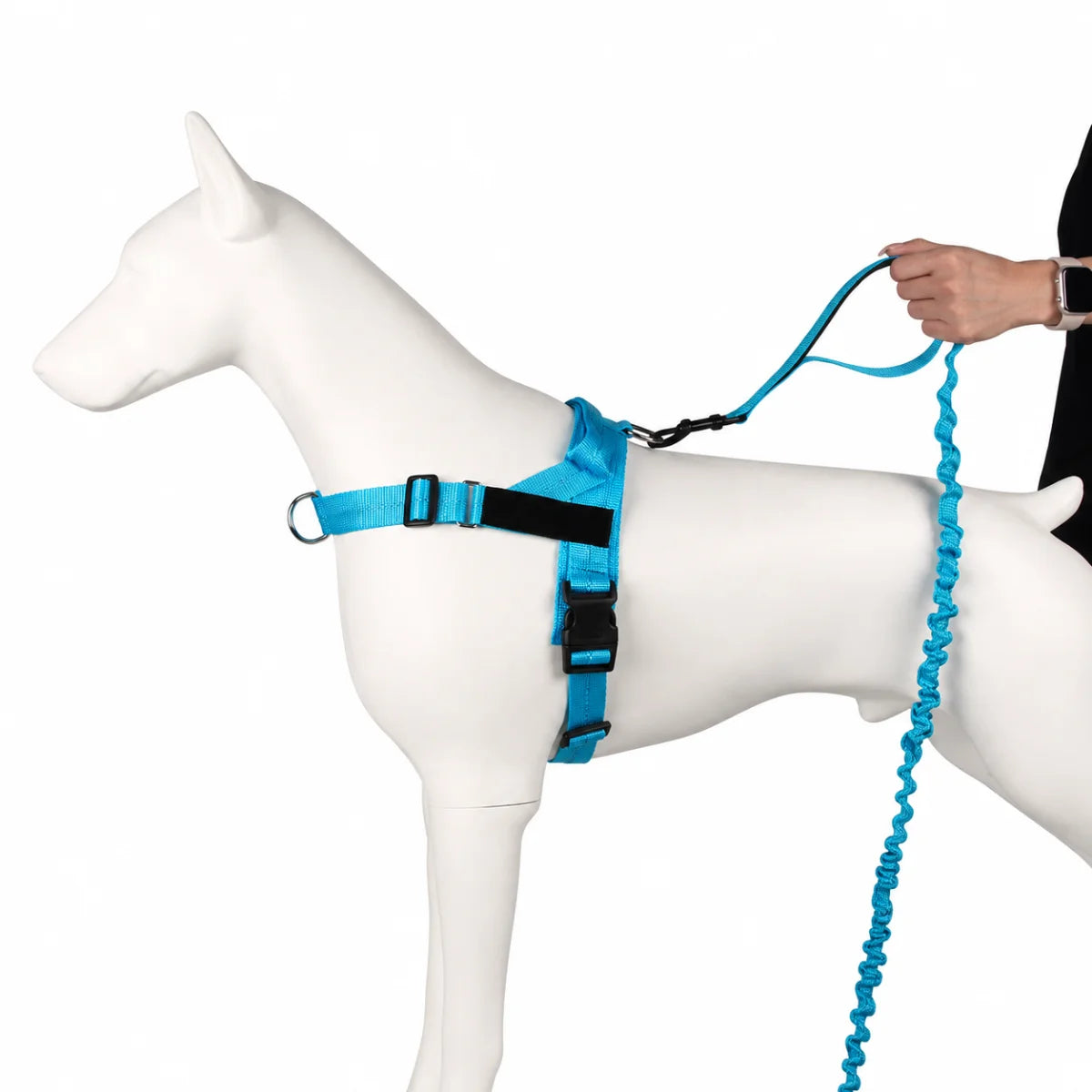
Leash length has a big effect on control. For most pulling dogs, a 4 ft to 6 ft leash is usually easier to manage than a very long leash. A shorter leash keeps your dog closer and helps you respond faster when they start to pull.
A 6 ft leash is a common choice for daily walks because it gives your dog some space while still allowing control. A 4 ft leash may be better for city walks, training, or strong pullers that need to stay close.
Long leashes can be useful for recall training or open spaces, but they are usually not ideal for dogs that pull during regular walks. If the leash is too long, your dog may gain speed before reaching the end, which can create a stronger pulling force.
Not every leash type helps when leash pulling is already a habit. A leash trainer or dog trainer will usually look for options that improve handling, reduce chaos, and support better timing. That is why simple designs often work best.
Based on the compiled guidance, the better option is usually the one that helps you stay consistent. AKC GoodDog support also emphasizes practical training, clear rewards, and safer control. Here is how the main leash types compare.
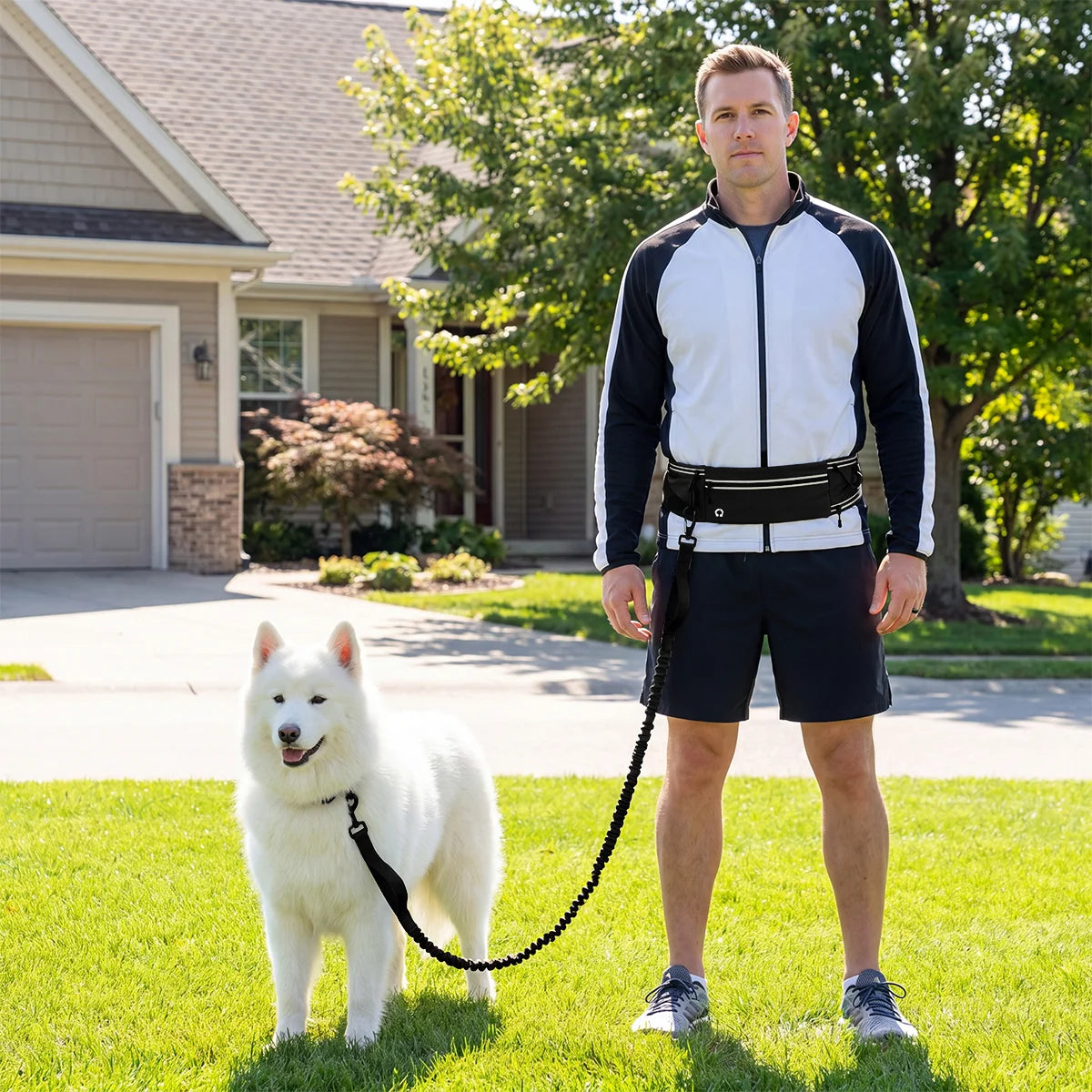
A standard 6 ft leash is one of the most practical choices for everyday walking and basic training. It gives your dog enough room to move naturally while still keeping them close enough for control.
For dogs that pull mildly or moderately, a strong 6 ft leash can work well when paired with loose-leash training. Look for a durable material, secure clip, and comfortable handle. Avoid thin, low-quality leashes if your dog is strong or reactive.
A standard leash is simple, reliable, and easy to use. It is often a good starting point for owners who want to build better walking habits.

A bungee dog leash is a good option for active dogs that pull suddenly but are not completely out of control. The elastic section helps reduce shock, making it useful for jogging, hiking, or energetic walks.
This type of leash can be especially helpful for dogs that make sudden movements when they see squirrels, people, or other dogs. The stretch helps soften the impact instead of transferring all the force directly to your arm.
Still, owners should use it carefully. If your dog constantly pulls from start to finish, a bungee leash alone will not solve the issue. It works best as part of a training plan.
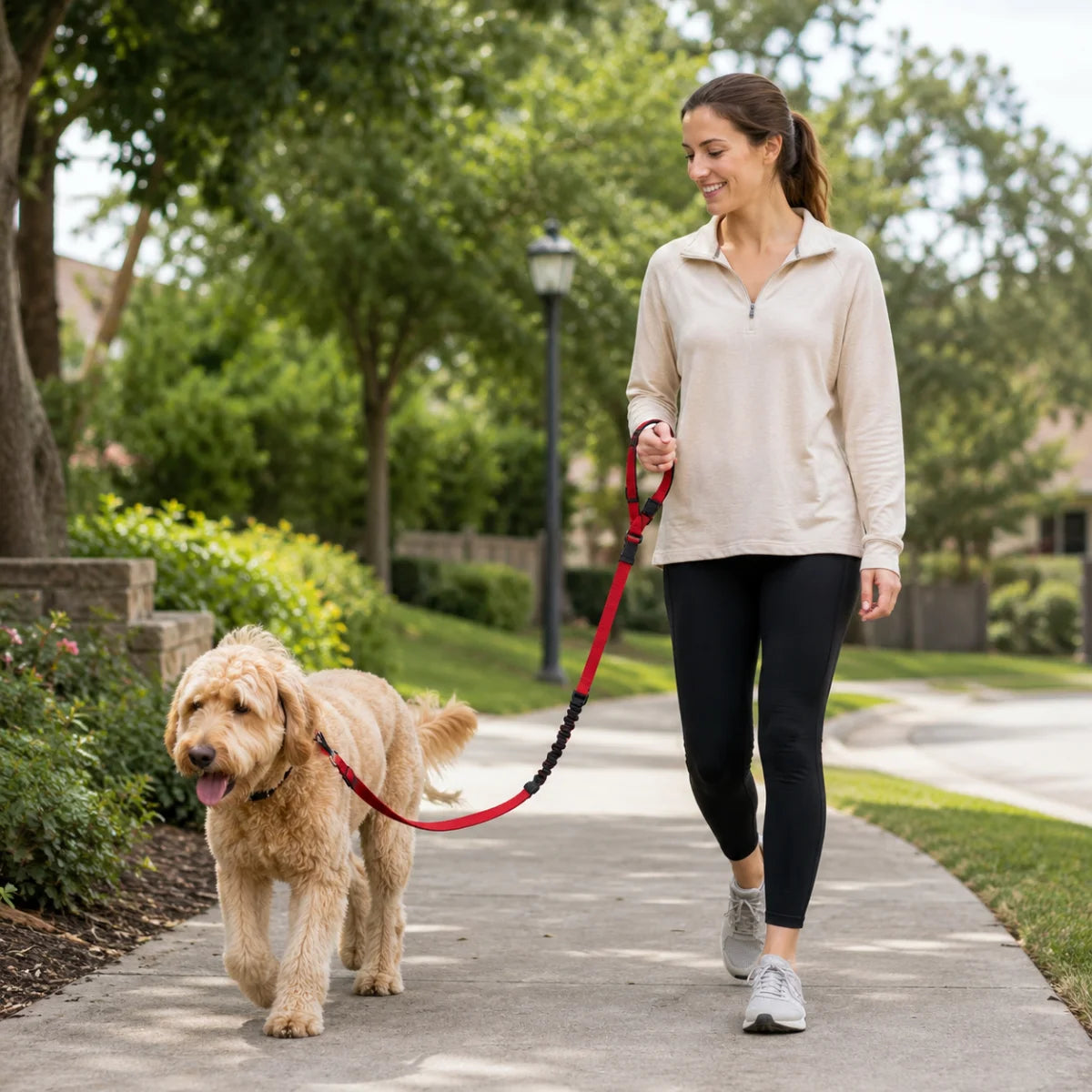
A double handle leash is useful when you want fast control without making the whole walk feel restrictive. One handle gives normal range, and the second short handle helps you guide your dog close when needed.
This style can help reduce rushed leash corrections because you are not scrambling to shorten the leash with your hands. Instead, you already have a built-in option for tighter control in a busy or distracting space.
For owners who need flexibility and control, this type is very practical.
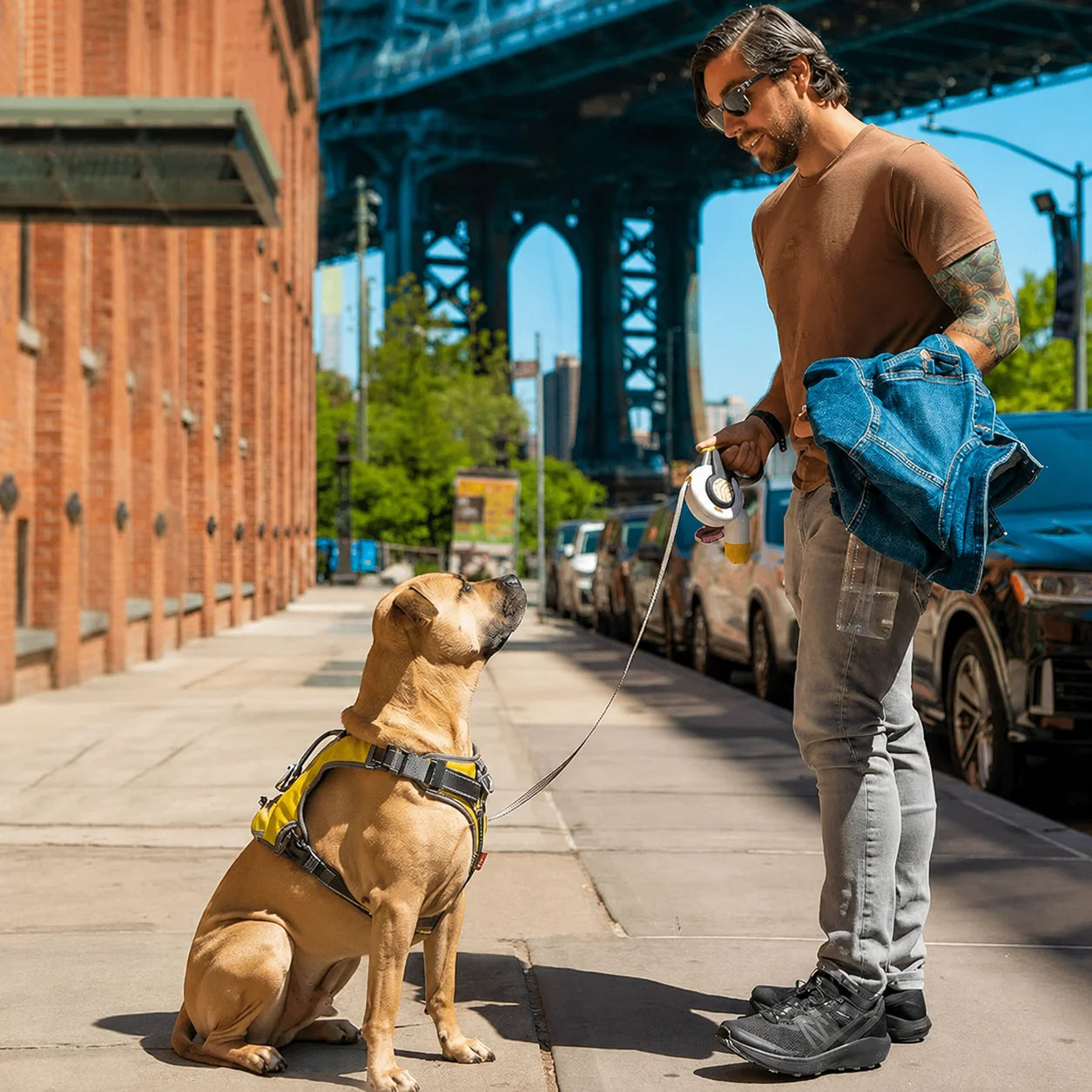
A retractable leash gives dogs more freedom to explore, but it is usually not the best leash for dogs that pull. Because the leash extends and retracts, your dog may learn that pulling creates more distance.
Retractable leashes can also reduce control in sudden situations. If your dog runs toward a road, another dog, or a person, it may be difficult to shorten the leash quickly enough.
For well-trained dogs in open areas, retractable leashes may be useful. But for strong pullers, leash-reactive dogs, or dogs still learning leash manners, a fixed-length leash is usually safer.
Not every leash is suitable for a dog that pulls, especially when considering the factors discussed above such as control, durability, and comfort. Some designs may make walks harder, less comfortable, or less safe.
A thin leash may look simple, but it can be a poor match for leash pulling. If your dog lunges or hits the end hard, thin material can feel sharp in your hand an harder to control in sudden moments.
Weak construction is another problem. A leash should hold steady under pressure, especially if your dog is strong or excitable. If the leash feels flimsy, you may react with hurried leash corrections because you do not trust your grip or the gear.
One myth is that any leash will do as long as you train enough. Training matters, but safe equipment matters too. A solid, reliable leash supports better timing and calmer handling. Thin or weak options often make the walk harder instead of easier, particularly for larger or enthusiastic dogs.
Retractable leashes can be risky for dogs that pull because they give too much distance and reduce immediate control. A dog can build momentum before reaching the end of the leash, which creates a strong sudden pull.
They may also make leash training harder. If the dog learns that pulling increases freedom, it can become more difficult to teach loose-leash walking. For dogs that already pull, a fixed-length training leash is usually a better choice.
A leash without a comfortable grip can wear you down fast. When leash pulling happens often, your hand, wrist, and posture all take the strain. That discomfort can change how you handle your dog.
A leash trainer wants you to stay calm and steady, not brace for every step. If the handle digs into your hand, you may shorten your patience, rush the walk, or react too sharply. None of that helps your dog learn.
Gentle handling starts with equipment that lets you stay composed. A comfortable grip supports smoother movement, better timing, and less frustration on both sides of the leash. If you want less stress during training, do not overlook this simple feature. It affects every walk more than many owners expect.
Choosing the right leash is important, but training is what creates long-term improvement. If you are wondering how to stop dog from pulling on leash, start with simple, consistent habits.
Do not begin training in a highly distracting place. Start in a quiet area, such as your yard, driveway, hallway, or a calm street. Short walks are easier for your dog to understand and easier for you to manage.
Practice for a few minutes at a time. The goal is not distance. The goal is teaching your dog that walking calmly near you leads to progress, praise, and rewards.
Once your dog improves in quiet places, slowly move to areas with more distractions.
Dogs repeat what works. That is why loose leash walking improves faster when you reward it often. You can use treats, praise, petting, or even access to something your dog enjoys, like a chance to sniff.
Positive reinforcement is one of the gentlest methods available because it teaches your dog what to do instead of only reacting to mistakes. Some owners also use a clicker or a marker word like “yes” to pinpoint the exact moment the leash stays loose.
This approach builds confidence and clarity.
If your dog pulls and you keep walking, they may learn that pulling works. One simple training method is to stop moving when the leash becomes tight.
When your dog stops pulling, looks back, or returns toward you, start walking again. This teaches your dog that pulling does not move the walk forward, but a loose leash does.
This takes patience, especially at first. Walks may feel slow in the beginning, but consistency helps your dog learn new habits.
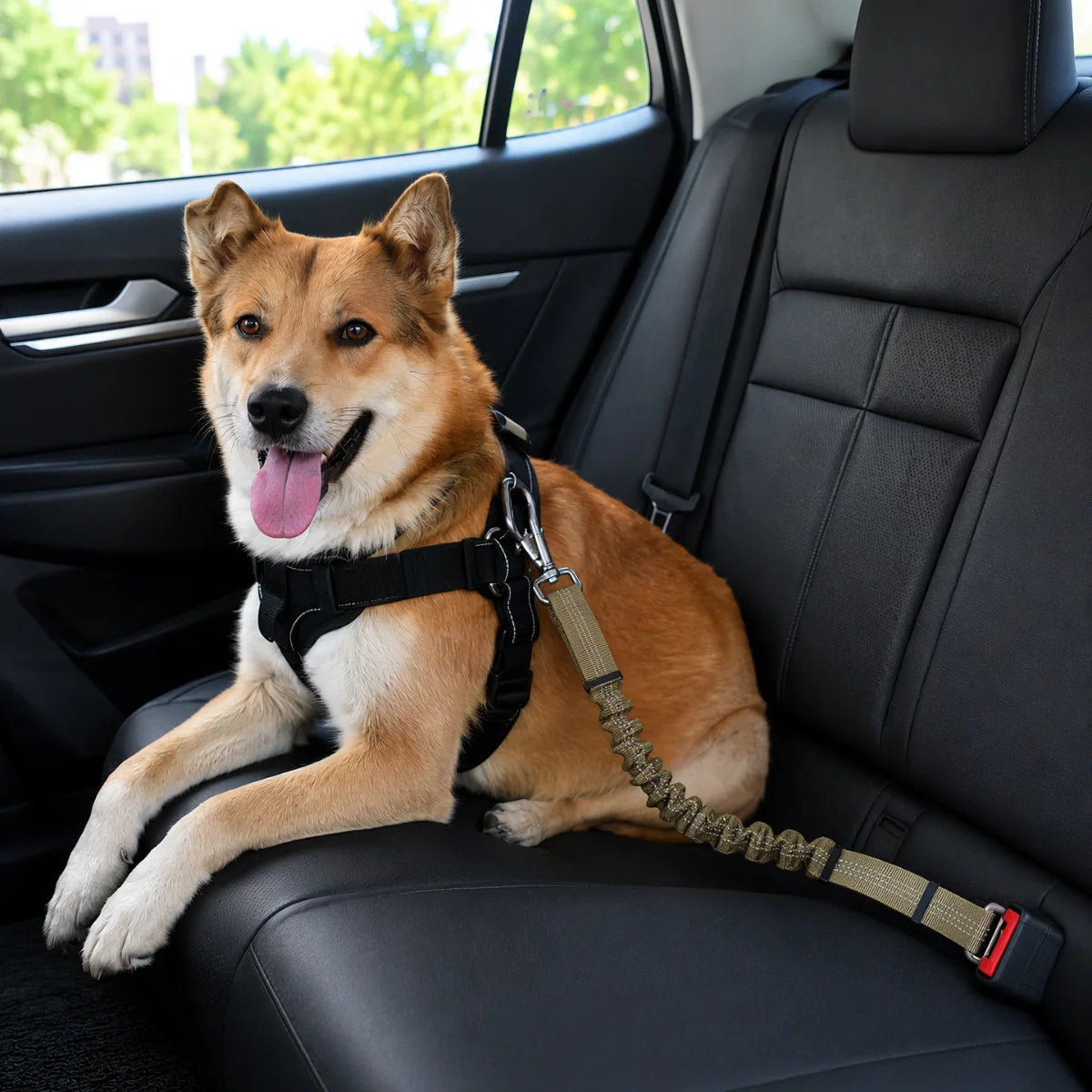
For many pulling dogs, a leash works best when paired with the right harness. A front-clip or no-pull harness can help redirect your dog’s body when they pull, giving you better control without putting pressure on the neck.
Avoid relying only on the leash if your dog is very strong or reactive. A good leash and a well-fitted harness can work together to make walks safer and more manageable.
Make sure the harness fits properly. It should be snug but not tight, and your dog should be able to move comfortably. Check the fit regularly, especially for growing dogs or dogs with thick coats.
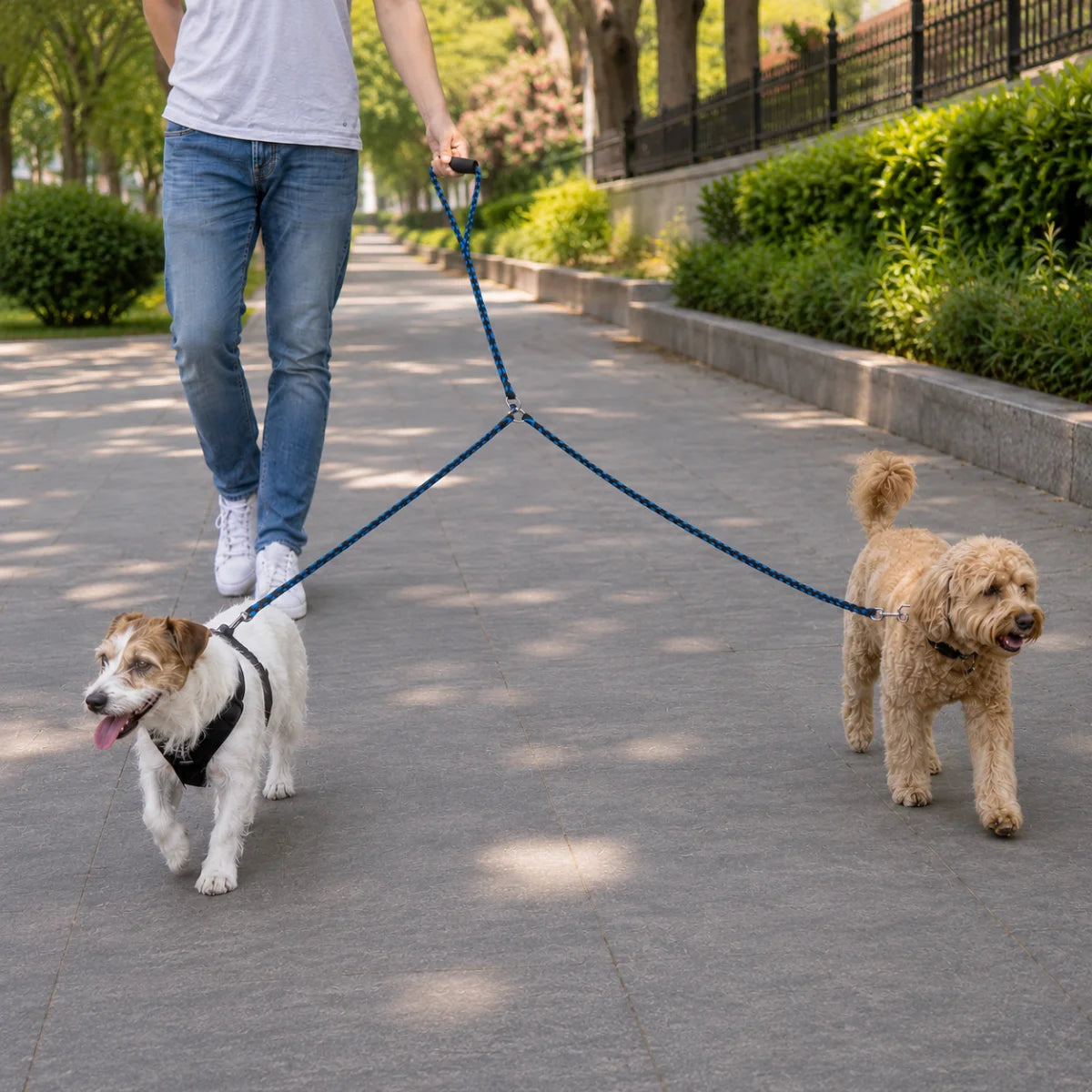
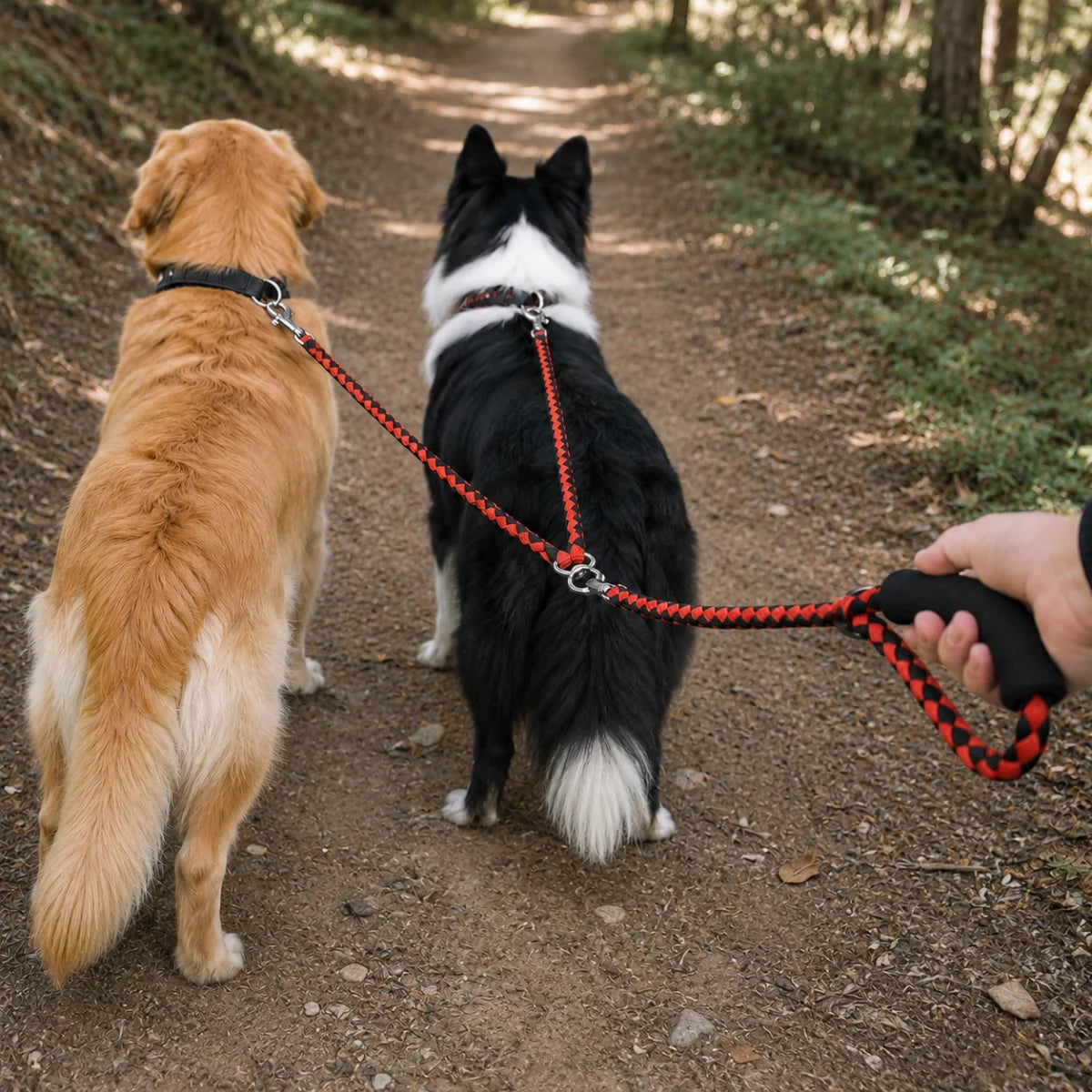
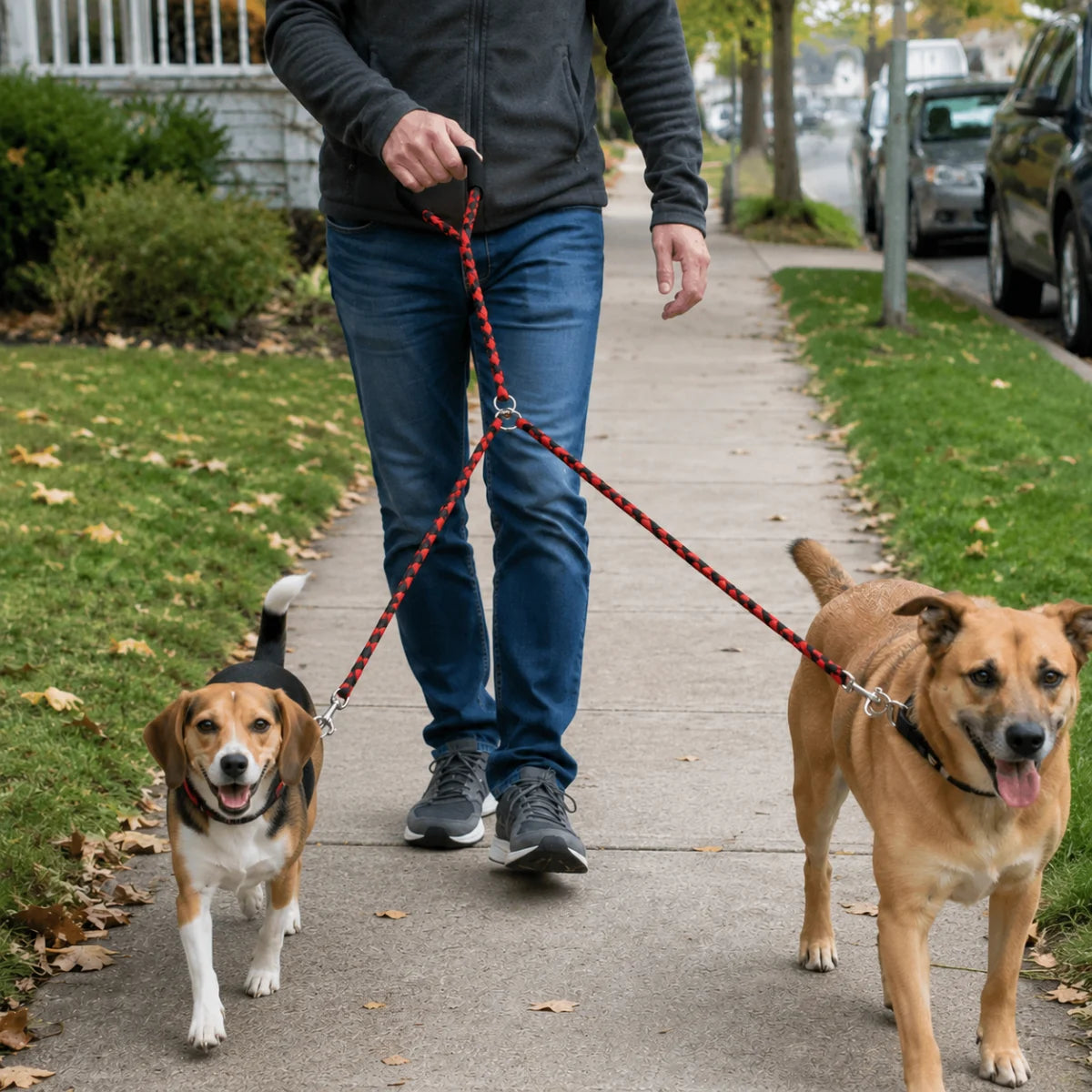
Choosing the best leash for dogs that pull means balancing control, comfort, and durability. Look for a sturdy leash with a padded handle and secure hardware. A bungee dog leash can reduce sudden force, while a double handle leash offers better control. A dog training leash helps reinforce loose-leash walking.
Combine the right leash with consistent training. A good no pull dog leash improves safety, but practice is key to helping your dog walk calmly.
Please read our FAQs page to find out more.
A strong, durable leash that offers control without hurting the dog is best. A 4–6 ft nylon or rope leash with a sturdy clip works well. A padded handle adds comfort, while double handle or bungee leashes help manage strong pullers.
A no pull dog leash can help manage pulling, but it cannot stop the behavior by itself. It gives you better control and makes training easier, but your dog still needs consistent leash training. The best results usually come from using the right leash together with rewards, short training walks, and clear walking rules.
To stop dog from pulling on leash, start with short training walks in a quiet area. Reward your dog when the leash stays loose, and stop moving whenever the leash becomes tight. When your dog relaxes or comes back toward you, continue walking. Over time, this teaches your dog that pulling does not move the walk forward, but calm walking does.