

- by serviceHowoll
How to Train Your Dog to Wear a Coat
- by serviceHowoll
You dropped $50 on a perfectly fitted Howoll full-body protective down suit. Your Greyhound looks like a supermodel. And now he’s standing in your kitchen, four paws locked, staring at you like you’ve asked him to file your taxes.
If your dog freezes the moment you put on a dog coat, you’re not alone. This is one of the most common challenges in dog coat training. Many dogs react to winter gear by shutting down completely — not because they’re stubborn, but because wearing a dog coat feels unfamiliar and overwhelming at first.
The good news? With the right dog coat training approach, even sensitive breeds like Greyhounds can learn to move comfortably and confidently in winter clothing.
Dogs experience the world largely through touch, and their fur and skin are far more sensitive than we often realize. When you introduce a dog coat, it adds new pressure across the chest and shoulders, fabric rubbing against the fur, and reduced airflow against the skin. To your dog, these unfamiliar sensations can feel unnatural, restrictive, and even overwhelming at first.
Beyond physical sensitivity, negative associations can quickly form. If a dog coat is forced on through pulling or restraint, your dog may link the coat with pressure, stress, or loss of control. Static electricity is another overlooked factor. In dry conditions, synthetic fabrics can create crackling sounds and small shocks. What feels like a minor zap to us can be startling to a dog with highly sensitive hearing, reinforcing why some dogs hate that coat.
The right dog coat can make dog coat training significantly easier. Focus on comfort, structure, and familiarity from the start.
Choose natural cotton or soft fleece (polar fleece) whenever possible. These dog coat fabrics are gentler on sensitive skin and less likely to create static buildup. For a deeper comparison of materials, read our [A Guide to Dog Coats Fabric], where we break down how different dog coat fabric choices impact warmth, breathability, and comfort. Avoid stiff nylon or noisy, rigid materials during early dog coat training, as they can feel restrictive and overstimulating.
Full four-leg suits are often the hardest for dogs to accept. For early dog coat training, begin with a saddle-style coat or harness-style cape that rests over the back and secures at the chest. These designs allow more freedom of movement and feel less invasive.

Before introducing a new dog coat, rub it with a T-shirt you’ve worn. Transferring your scent helps the coat smell familiar and safe, making the first stage of dog coat training much smoother.
This gradual desensitization plan reduces fear and builds positive associations by introducing the dog coat in small, manageable steps instead of overwhelming your dog all at once. Rather than forcing immediate acceptance, it allows your dog to process new sensations at a comfortable pace. By pairing each stage with rewards, calm praise, and positive experiences, you’re reshaping your dog’s emotional response. Over time, the dog coat stops feeling like a threat and starts predicting something safe — and even enjoyable.
Place the dog coat on the floor near your dog’s bed and allow it to exist there without forcing any interaction. Let it become part of the environment, like a harmless piece of furniture. Casually pair its presence with treats, toys, and calm praise so your dog begins to associate the dog coat with positive, everyday experiences rather than viewing it as a threat.
Add something irresistible inside the dog coat, like a small smear of peanut butter or a bit of cheese, and encourage your dog to voluntarily stick their nose inside. This creates a positive association, teaching your dog that the dog coat predicts something amazing, making it a critical step in successful dog coat training.
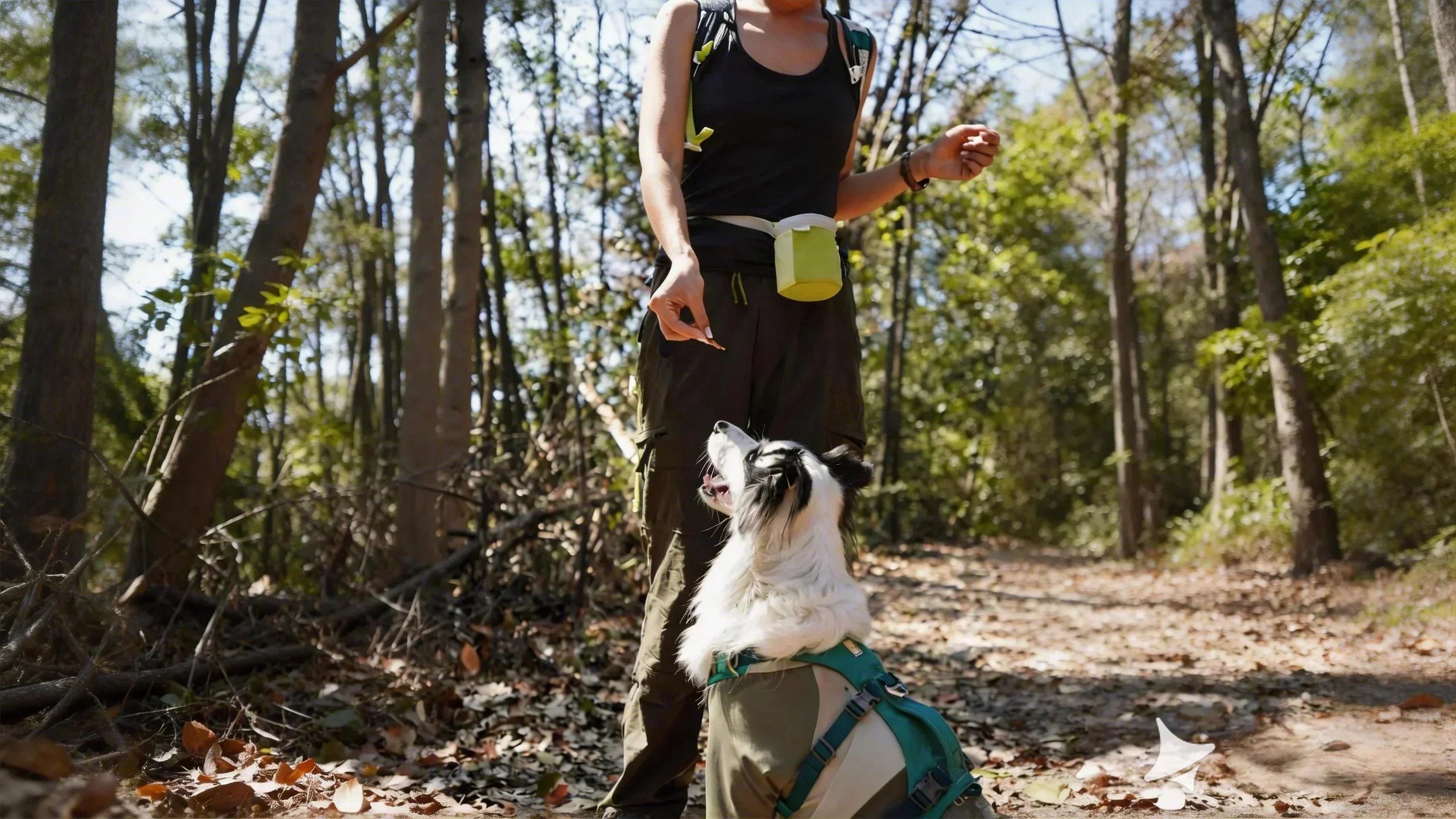
Gently drape the dog coat over your dog’s back without fastening it, and immediately begin continuous treat feeding so that coat on back equals rapid reward. Remove the coat after a few seconds while your dog is still calm, and repeat multiple short sessions. The goal is to build a conditioned emotional response, teaching your dog that wearing a dog coat predicts positive experiences.
Fasten the dog coat, then immediately unfasten it and reward your dog. In the next session, fasten it for 3 seconds, give a treat, and remove it; then try 10 seconds → treat → remove, and finally 1 minute → treat → remove. Gradually increase the duration, but never wait until your dog panics — successful dog coat training always ends on a positive note.
Have your dog wear the dog coat indoors for short periods, while distracting them with toys, training games, or light play. Once your dog moves normally and ignores the coat, they’re ready for outdoor use. It’s important not to introduce the coat for the first time in freezing weather — dog coat training should always start in a low-stress, comfortable environment.
If your dog stands still while wearing the coat, toss treats a few feet away to encourage movement, keep training sessions extremely short, and check for any tight spots around the shoulders and chest that may be causing discomfort.
If your dog bites or scratches at the coat, redirect their attention with a toy, increase the frequency of rewards, and make sure the coat isn’t itchy or restrictive. Remember that regression is normal in dog coat training, and patience is key to helping your dog build confidence and comfort.

Training your dog to wear a dog coat isn’t about forcing compliance; it’s about respecting their sensory sensitivity, building positive associations, and introducing gear gradually. With the right dog coat and a structured dog coat training approach, most dogs can learn to wear winter gear comfortably — and even happily.
Cold weather doesn’t have to mean stress — when done correctly, dog coat training can turn that “frozen statue” moment into confident, enjoyable winter walks.
Please read our FAQs page to find out more.
It’s common for dogs to accept a coat at first and later resist it. A negative experience — such as discomfort, tight straps, static shock, or being rushed into wearing it — can create a new association with stress. Changes in fit, fabric, or sensitivity can also play a role. Going back to gradual, positive dog coat training usually helps rebuild comfort and confidence.
Most dogs only need to wear a coat during outdoor walks or short periods in cold weather. Indoors, it’s usually best to remove the coat to prevent overheating or skin irritation. Watch your dog’s comfort level — if they seem relaxed and moving naturally, the duration is likely appropriate.
Signs of overheating include excessive panting, drooling, restlessness, red gums, or trying to remove the coat. If your dog seems lethargic or uncomfortable, remove the coat immediately and allow them to cool down. Always monitor your dog closely when they’re wearing a coat indoors or during mild weather.
If your dog keeps biting their coat, first check the fit to make sure it isn’t too tight, itchy, or restrictive. Redirect their attention with a toy or treat and keep wearing sessions short and positive. Gradual dog coat training and rewarding calm behavior can help your dog adjust and reduce chewing over time.
Soft, breathable fabrics like cotton and fleece are usually best for dog coats because they’re gentle on sensitive skin and less likely to cause irritation or static. For cold or wet weather, look for layered designs with a soft inner lining and a weather-resistant outer shell. Always choose materials that balance warmth, comfort, and breathability.