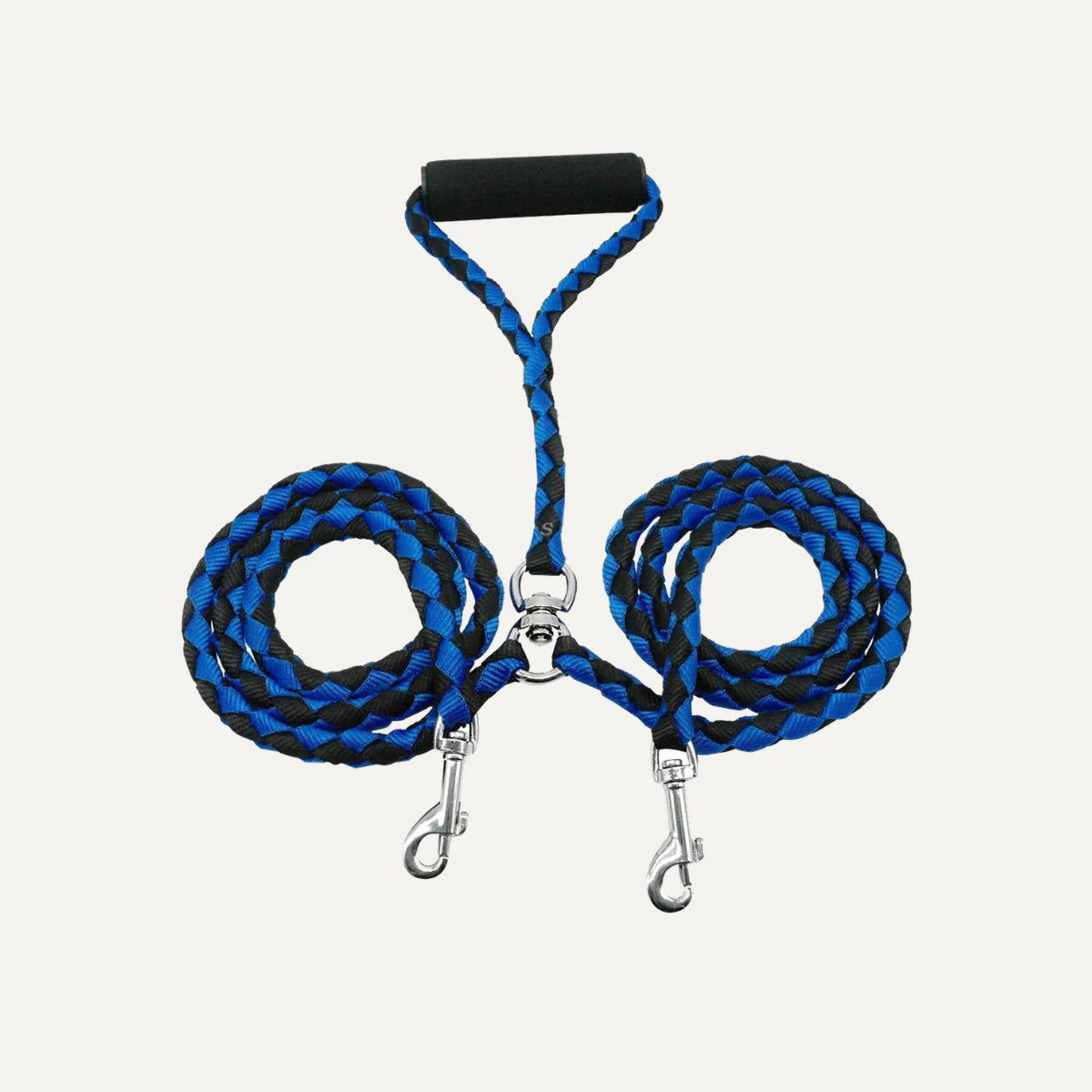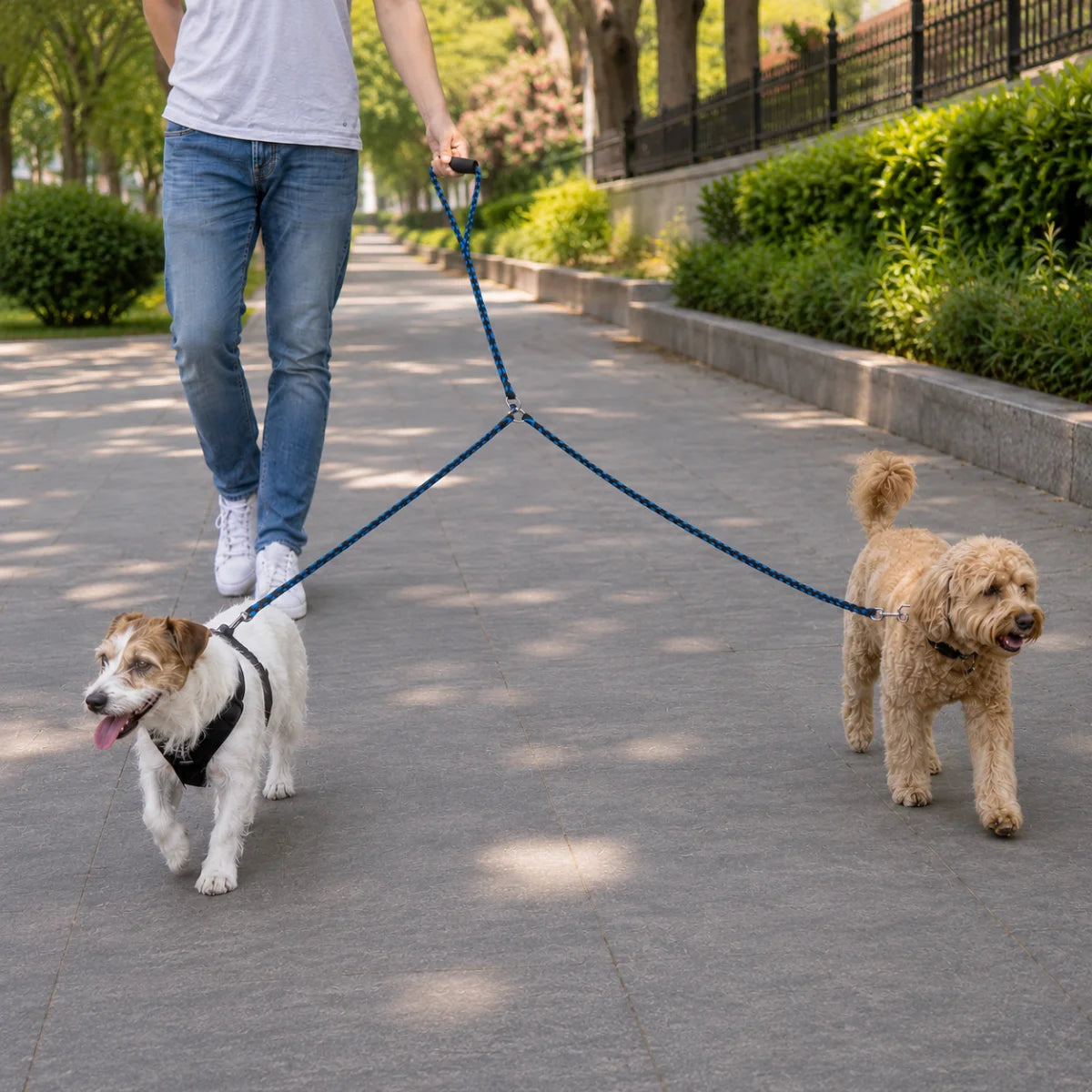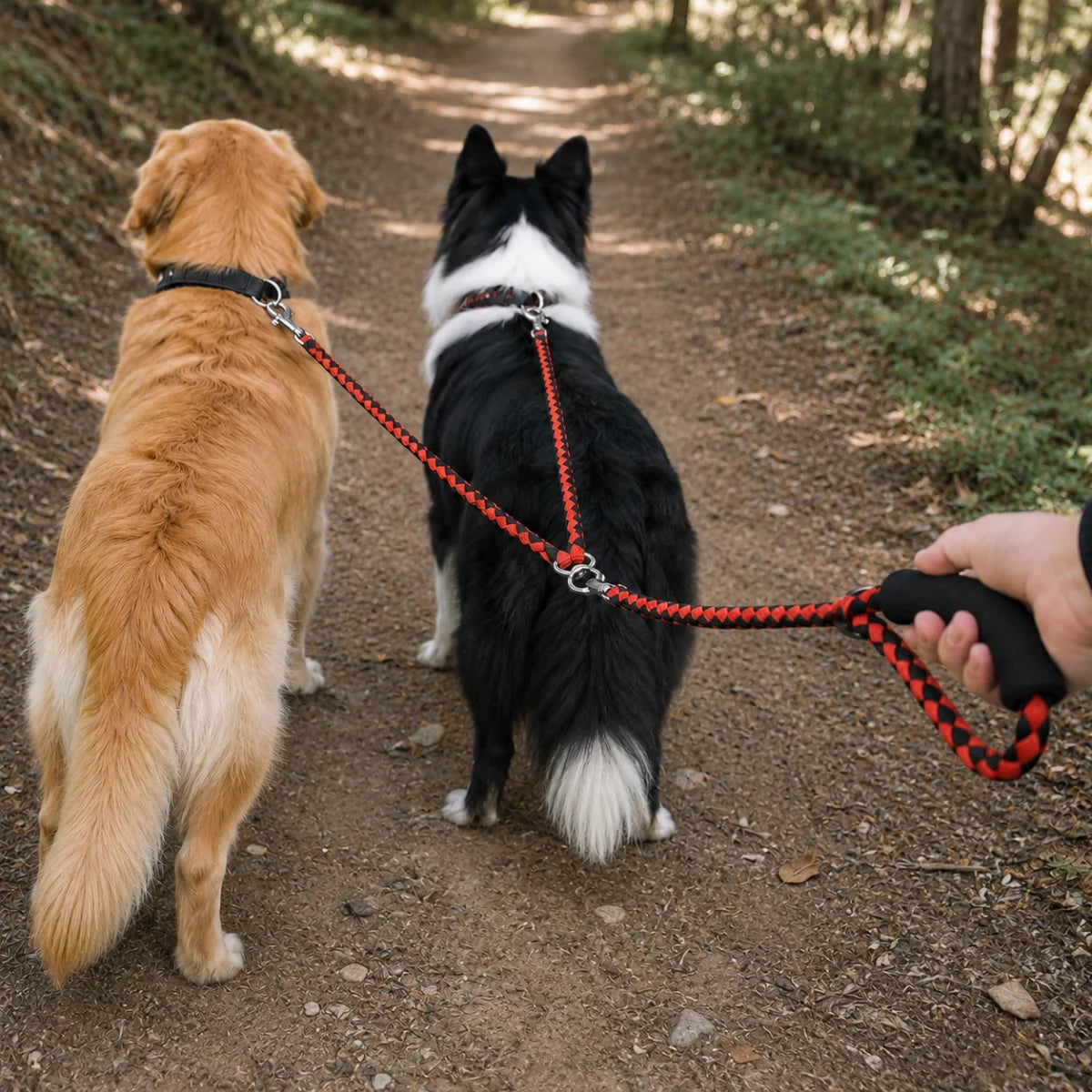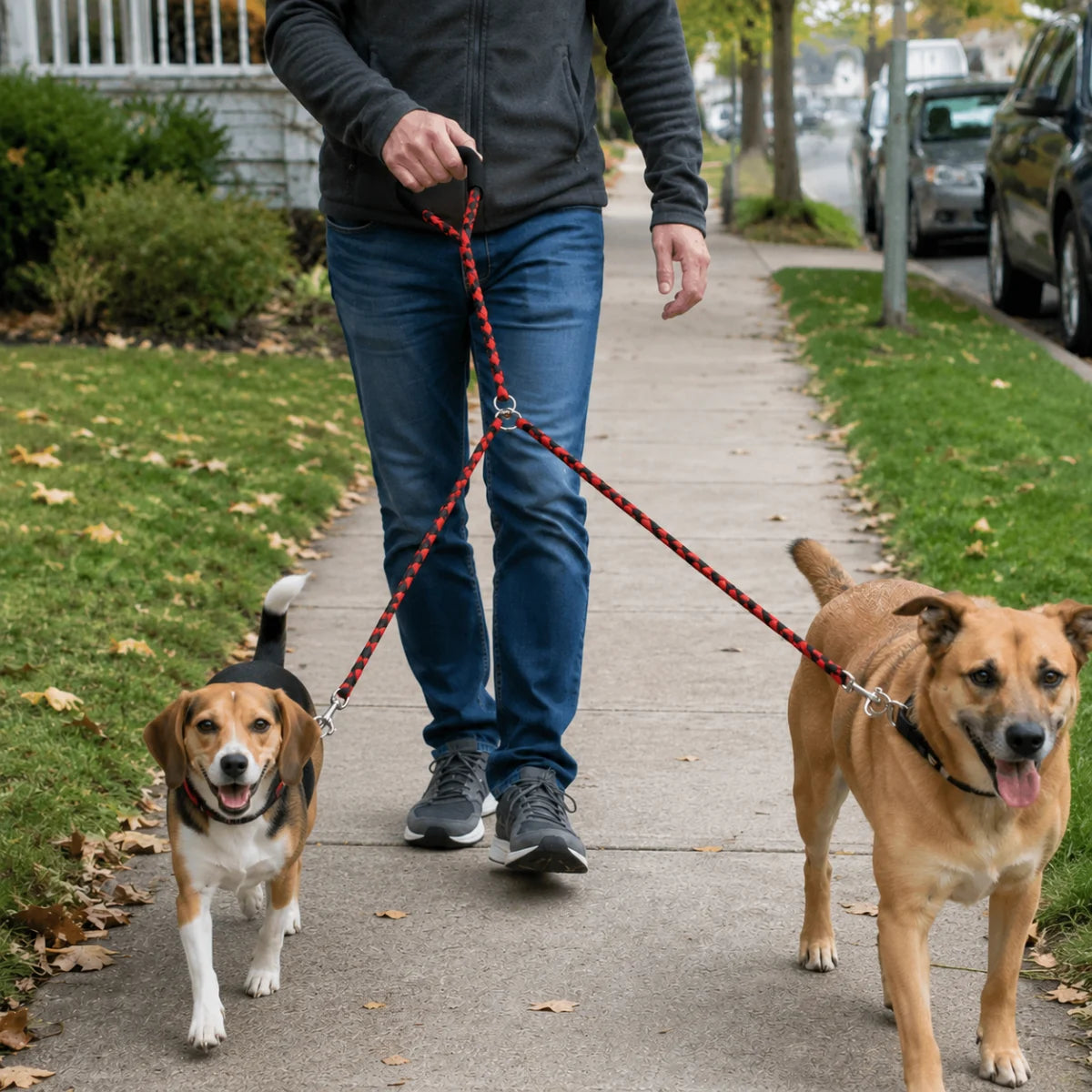

- by JonesMila
Long Dog Leash Guide: Choosing the Right Length for Outdoor
- by JonesMila
A long leash can change the way you and your dog enjoy the outdoors. With the right leash, your dog gets extra length for sniffing, hiking, and training, while you still keep a safe connection. That sounds simple, but leash length matters more than many people expect. Too short can feel limiting. Too long can feel messy.
This guide explains the most common dog leash lengths, how they compare, and when to use each one. It also covers long dog leash training techniques and important safety tips for outdoor activities.
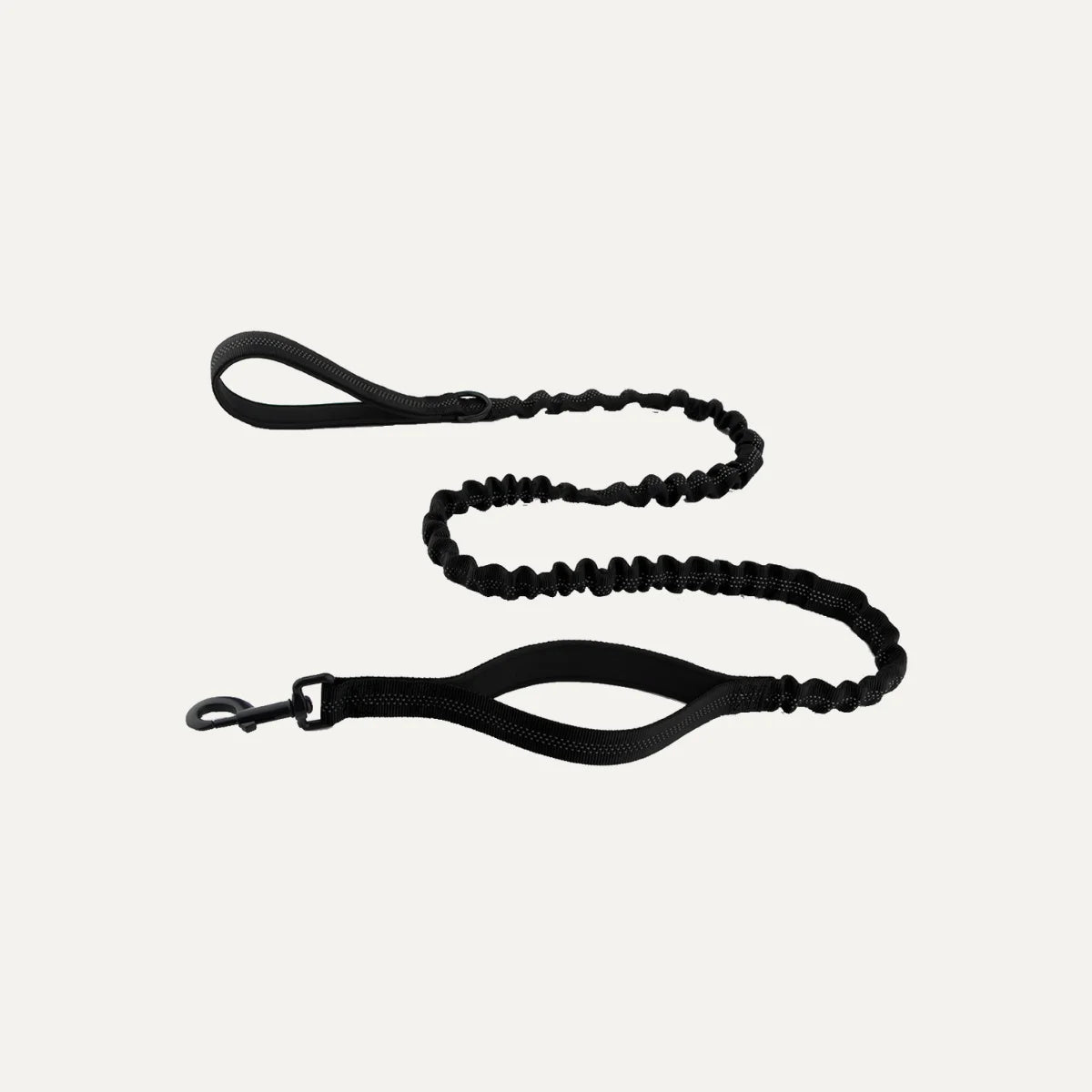
A long dog leash is a leash designed to give a dog more movement than a standard everyday walking leash. While standard leashes are usually four to six feet long, long leashes may range from 10 feet to 50 feet or more.
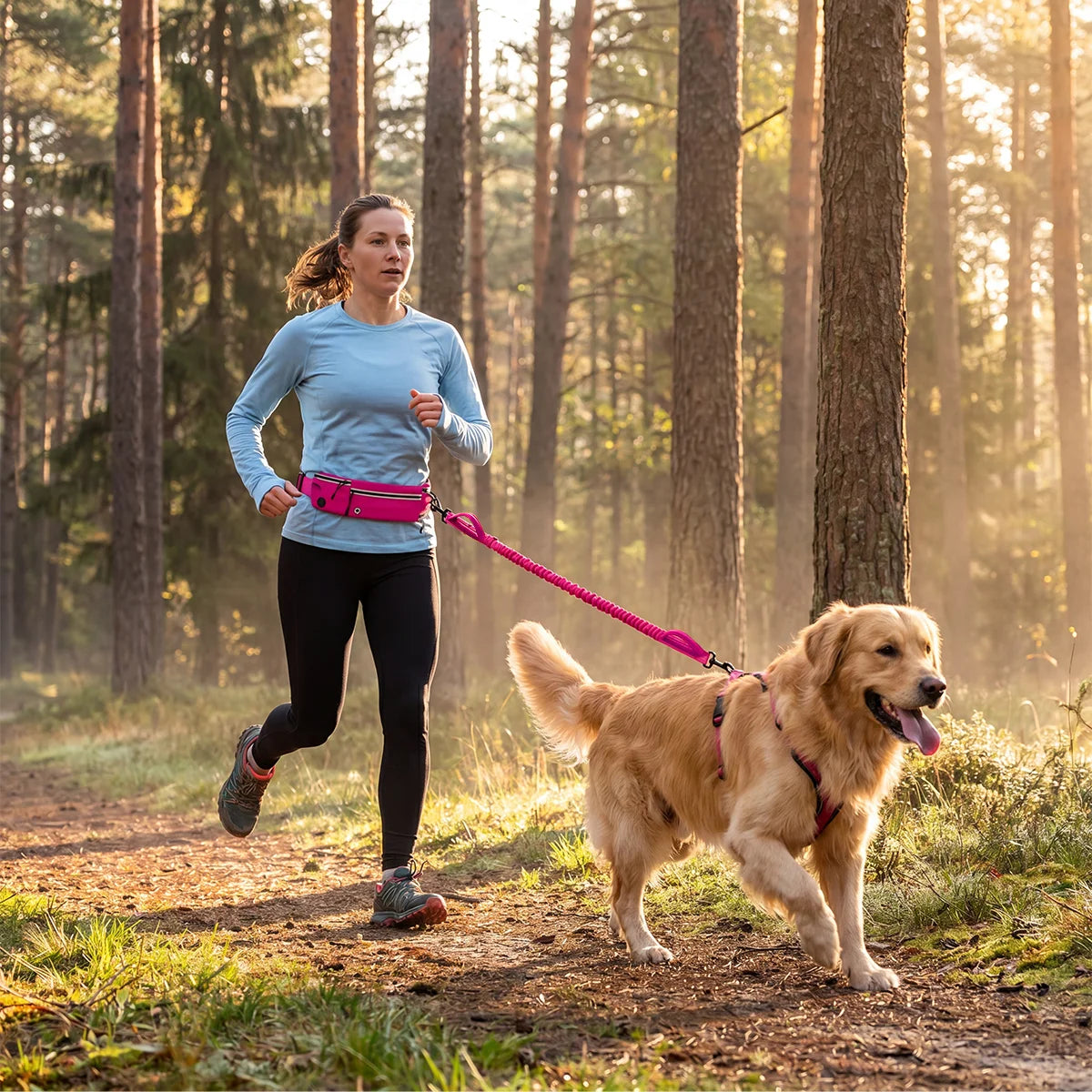
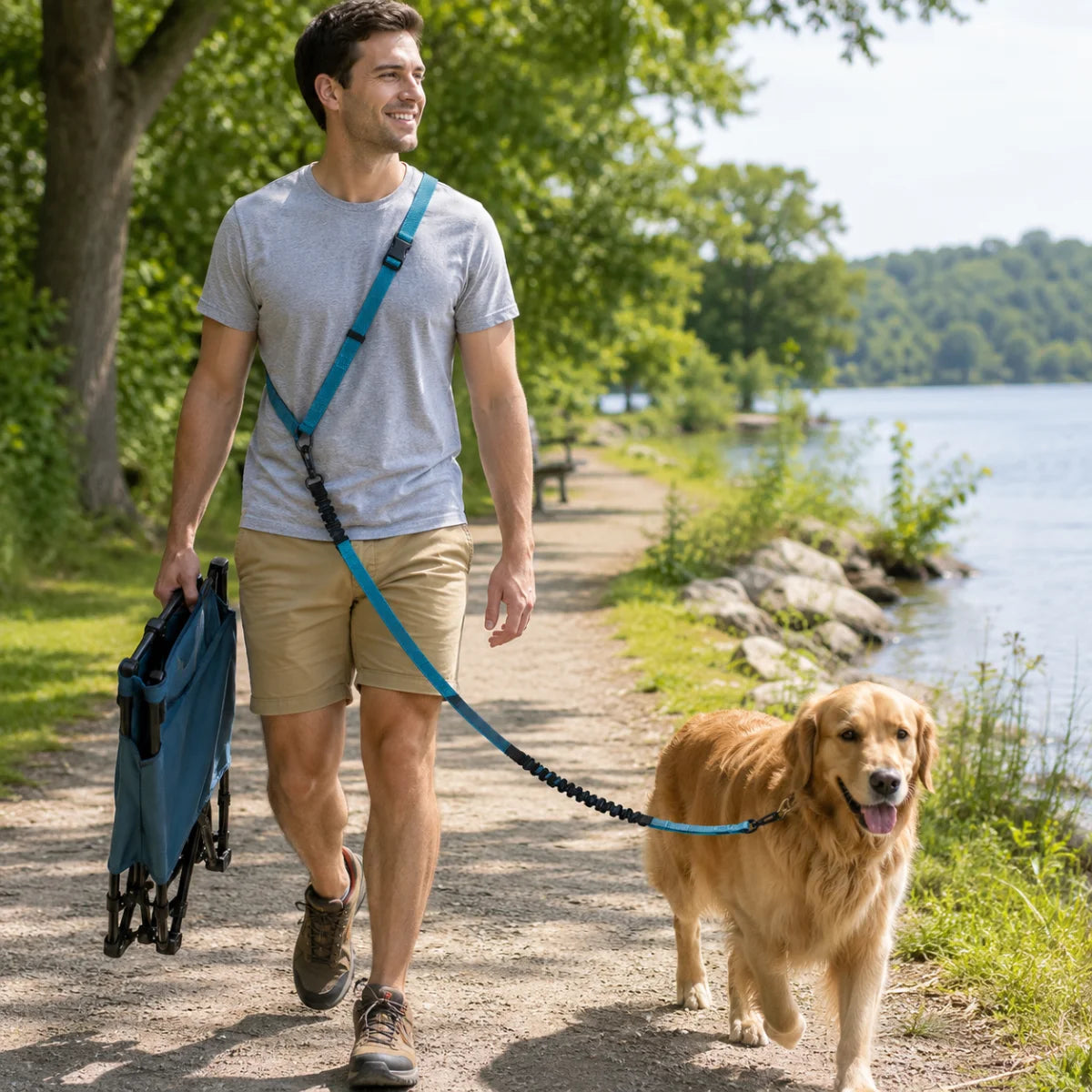
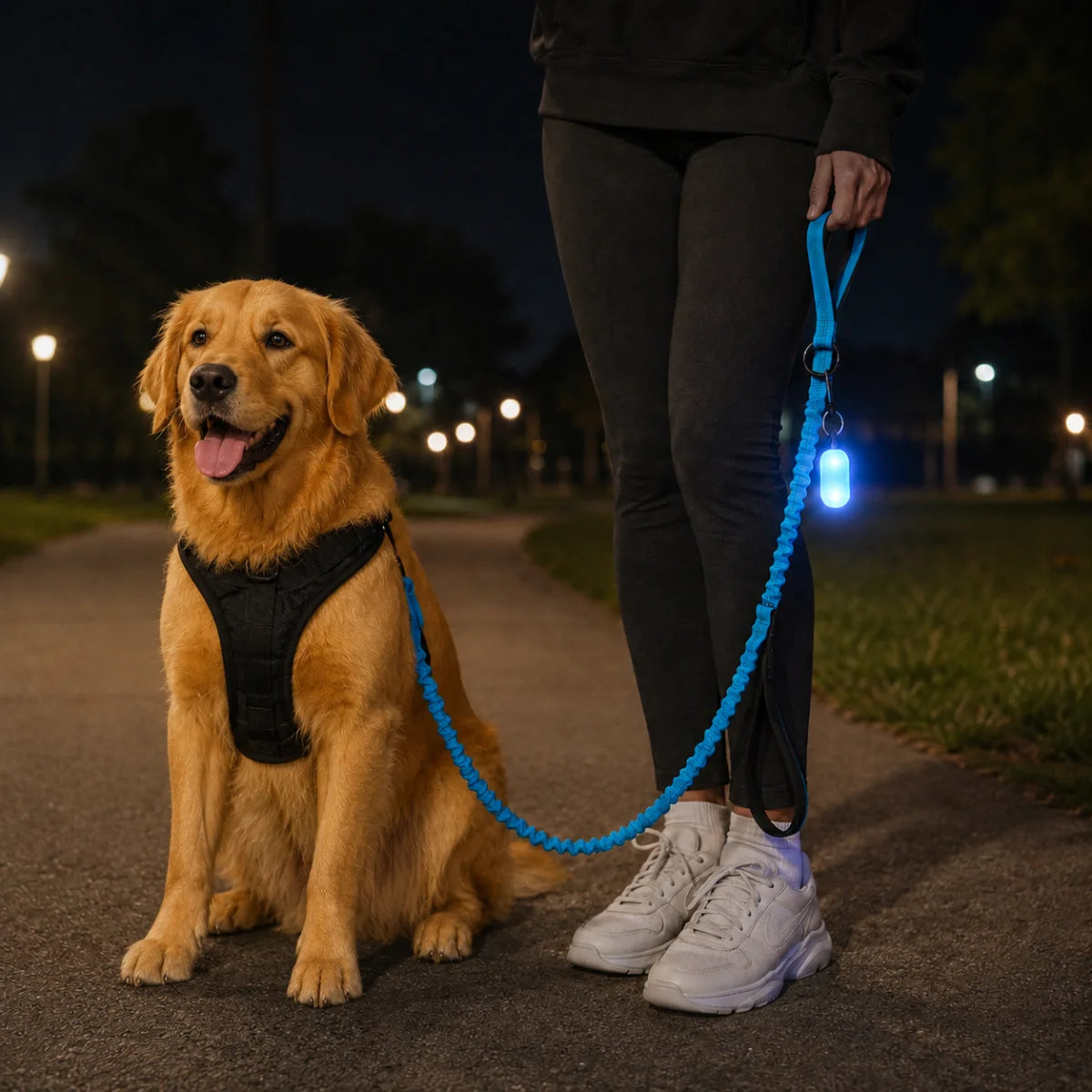
Long leashes are commonly used for recall training, outdoor exploration, hiking, camping, backyard activities, and supervised play in open spaces. They allow dogs to move farther away from their owners while still remaining physically connected.
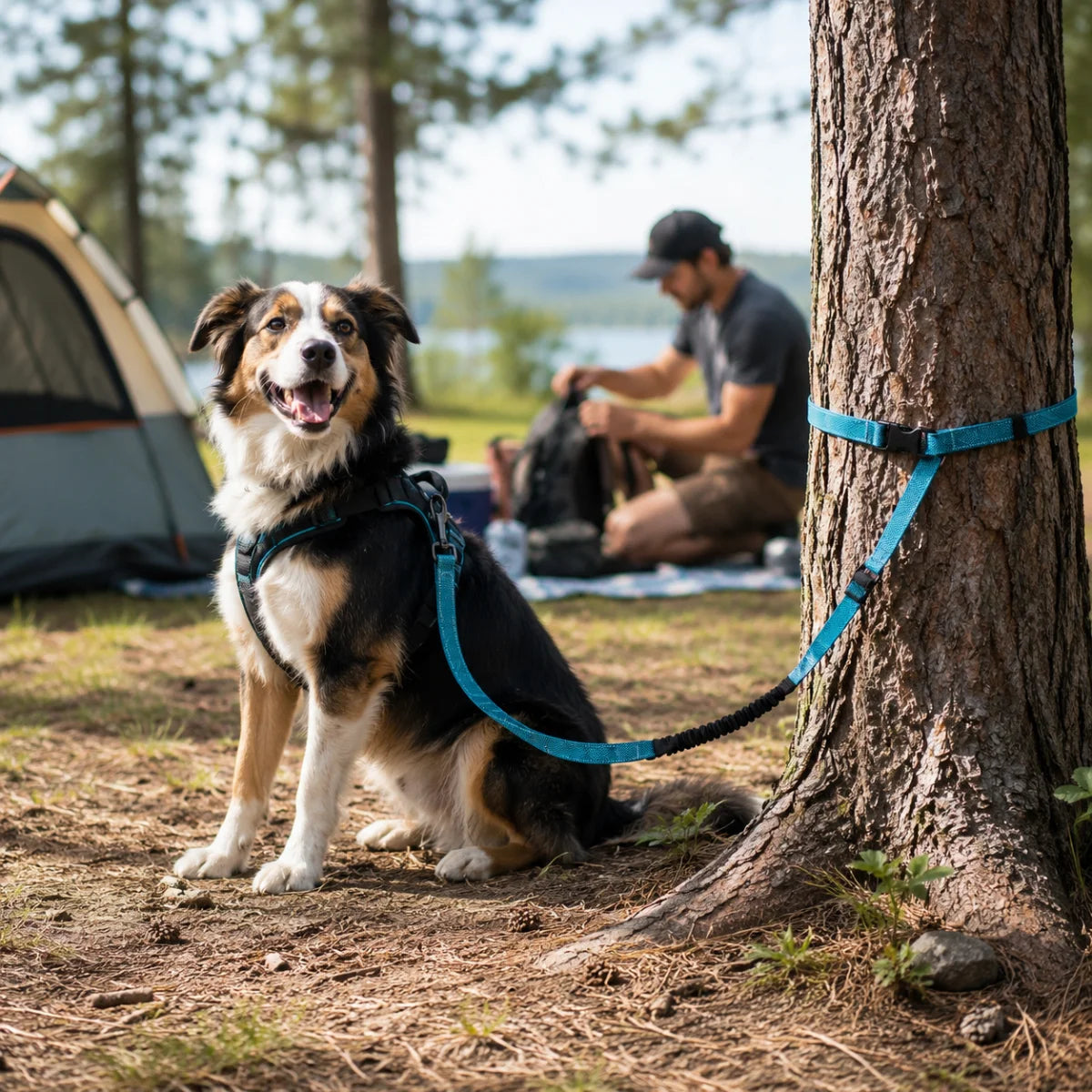
Depending on the design, a long leash may be held in the hand, allowed to drag along the ground during supervised training, or attached to a secure outdoor anchor system.
Dog leashes are available in several common lengths, and each length serves a different purpose.
A 4 foot dog leash keeps a dog close to the handler. It is often used for city walks, crowded areas, obedience training, and situations where quick control is important.
A 6 foot dog leash is the most common length for everyday walking. It provides enough space for natural movement and sniffing while allowing the owner to maintain reliable control.
A 10 ft dog leash gives a dog additional freedom without creating the handling challenges of an extremely long line. It can be useful for quiet trails, open parks, camping, and introductory recall practice.
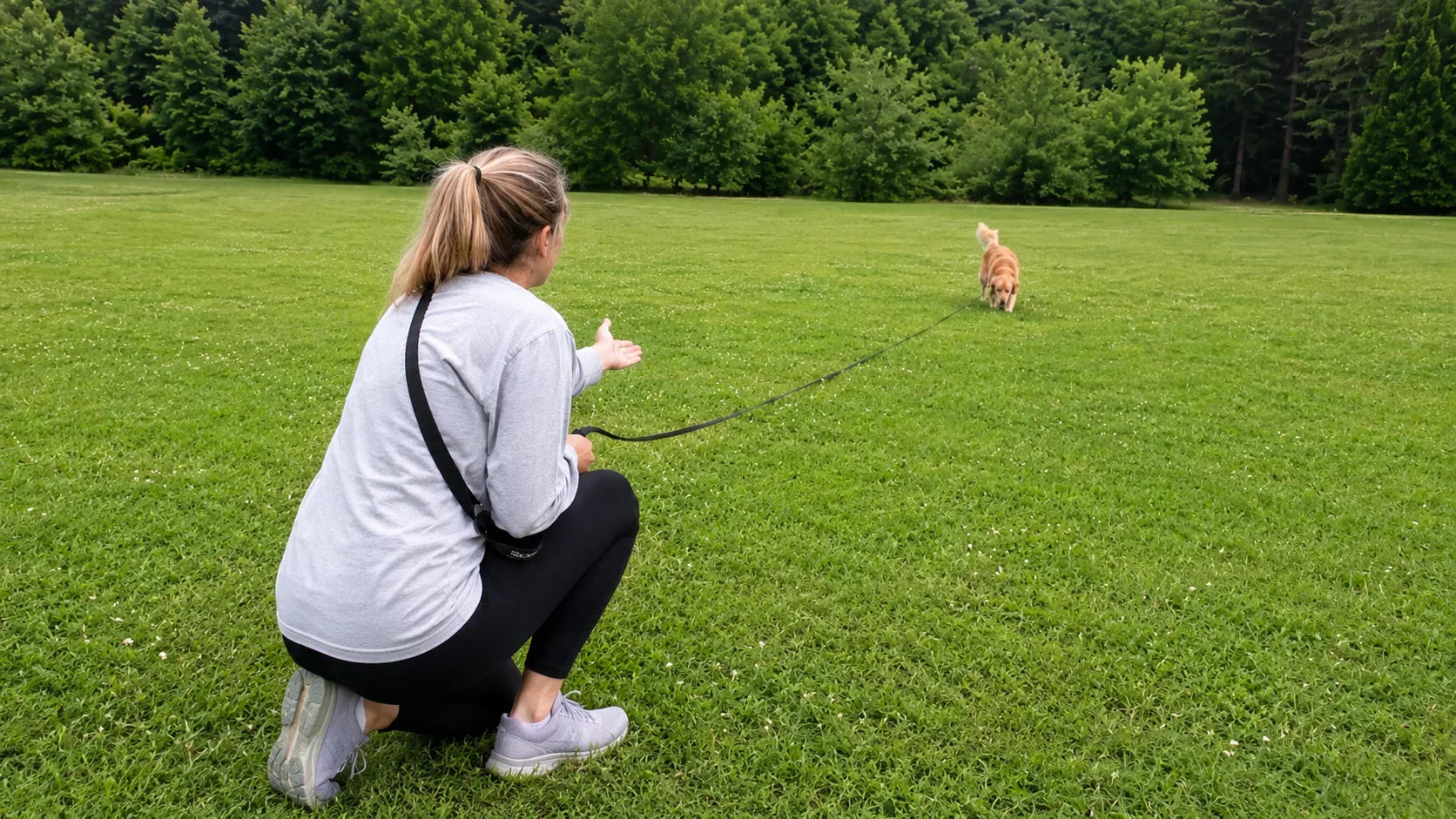
A 20 foot dog leash is commonly used for long dog leash training, especially recall, stay, and distance commands. It gives dogs space to move while helping owners prevent them from running away.
Long lines measuring 30 to 50 feet are usually reserved for advanced recall work, tracking activities, scent training, and controlled exercise in very large open spaces.
A dog yard leash may be 10 feet, 20 feet, or considerably longer, depending on the size and layout of the yard.
The main difference between a long dog leash and a standard dog leash is the amount of freedom each one provides.
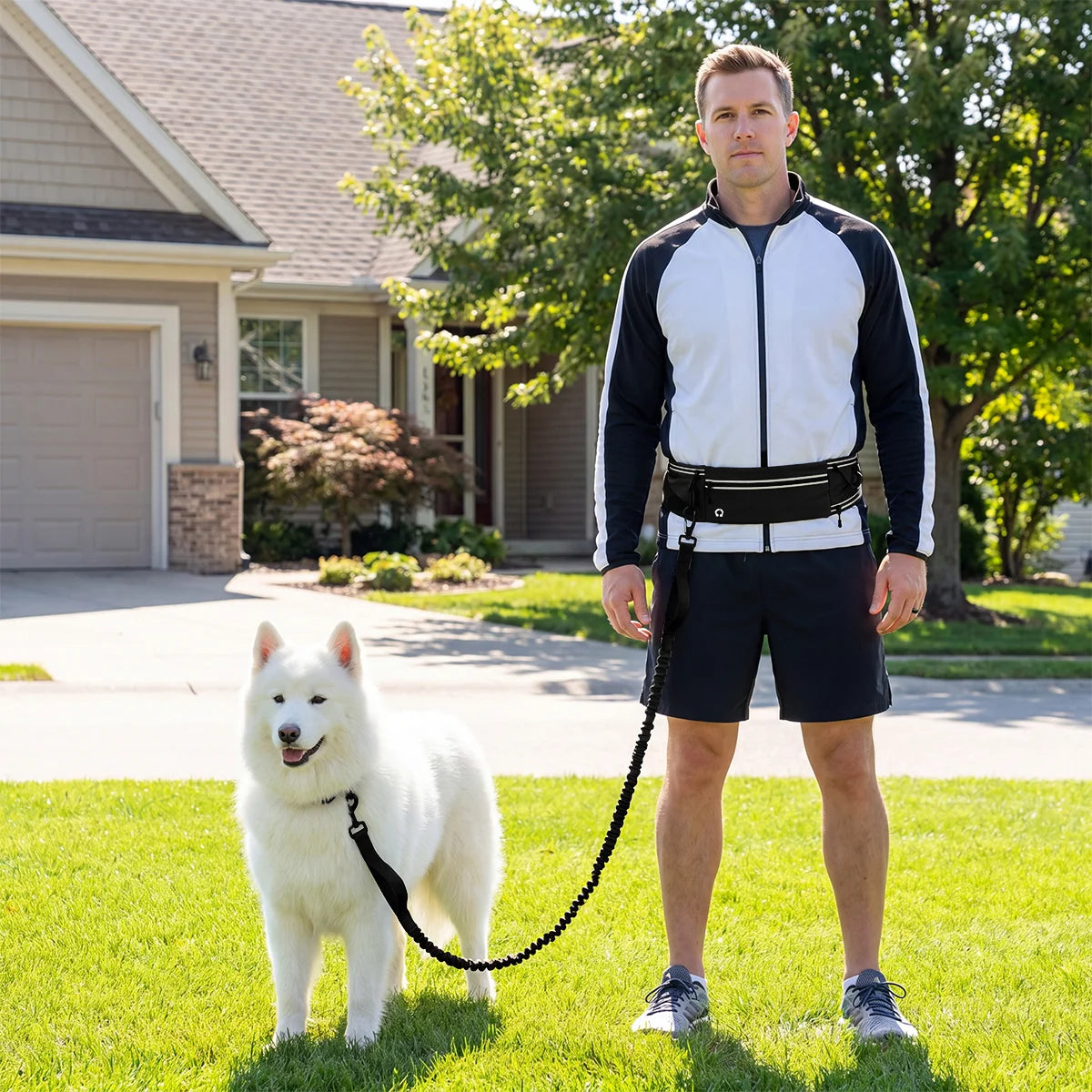
A standard four- or six-foot leash is intended for close walking. It works well on sidewalks, in neighborhoods, near traffic, and in other places where dogs need to stay close to their owners.
A long leash is intended for controlled freedom. It gives dogs more room to explore their surroundings, follow scents, and practice responding from a distance. This makes it particularly useful for training and open outdoor environments.
However, a longer leash also requires more attention and handling skill. The farther a dog can travel, the more momentum the dog may build before reaching the end of the line. Long leashes can also become tangled around trees, people, dogs, or outdoor equipment.
For this reason, standard leashes are usually better for routine walks, while long leashes are more suitable for specific training sessions and carefully selected outdoor locations.
One big benefit of a long leash is simple: your dog gets much freedom without being fully off leash. That can improve walks, give more sniffing time, and support training. A long leash can also work well as an outdoor dog leash for active dogs when the material and hardware are strong enough.
You also get practical training value. Recall training, distance work, and exploration become easier because your dog can move away while you stay connected. Many handlers find 15 to 20 feet offers a useful middle ground between freedom and control.
Keep the limits in mind too:
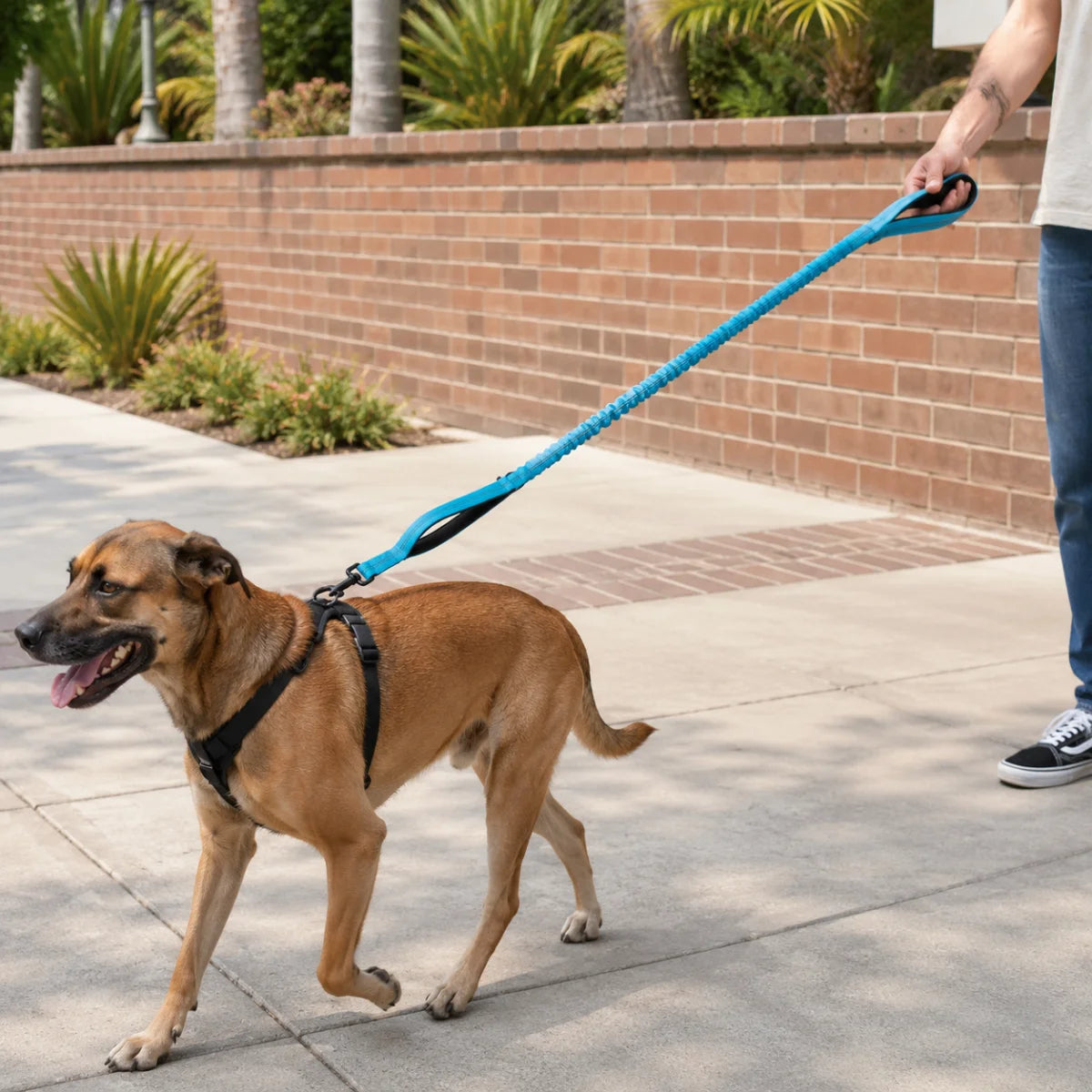
The best leash length depends on your environment, your dog’s behavior, and the activity you have planned. Understanding the strengths of each length can help you choose a safer and more practical outdoor dog leash.
A 4 foot leash is best when you need your dog close. Think urban walks, parking lots, store entrances, or quick car-to-trail transitions. It reduces loose slack and helps you respond faster when space is tight or distractions appear.
Because the leash is short, it is easier to read your dog’s body language and guide them around people or obstacles. It also pairs well with add-ons that make daily walks smoother. You do not get much roaming room, but you gain close control.
This length is also useful during focused training sessions. When teaching heel, loose-leash walking, or attention around distractions, the shorter distance helps owners reward the correct position more consistently.
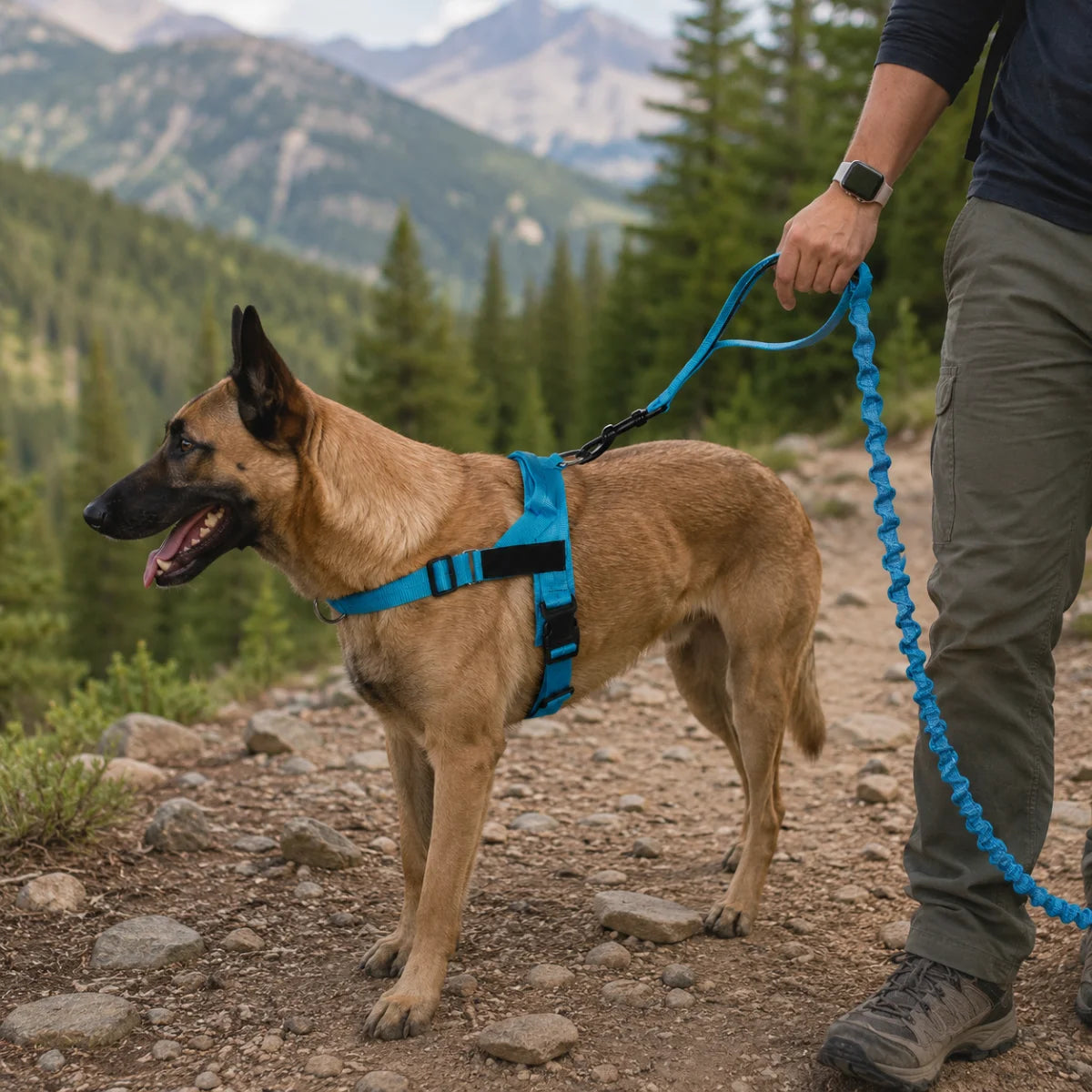
A 6 foot leash is the classic leash choice for a reason. It gives enough room for everyday walking while keeping your dog close enough for common situations. If you want one simple starting point, this is the standard length many people choose.
It works well as an outdoor dog leash for neighborhood routes, parks, and basic training. You get a little freedom without the extra handling challenge of a long line. That makes it a good pick if you are moving up from very short leads.
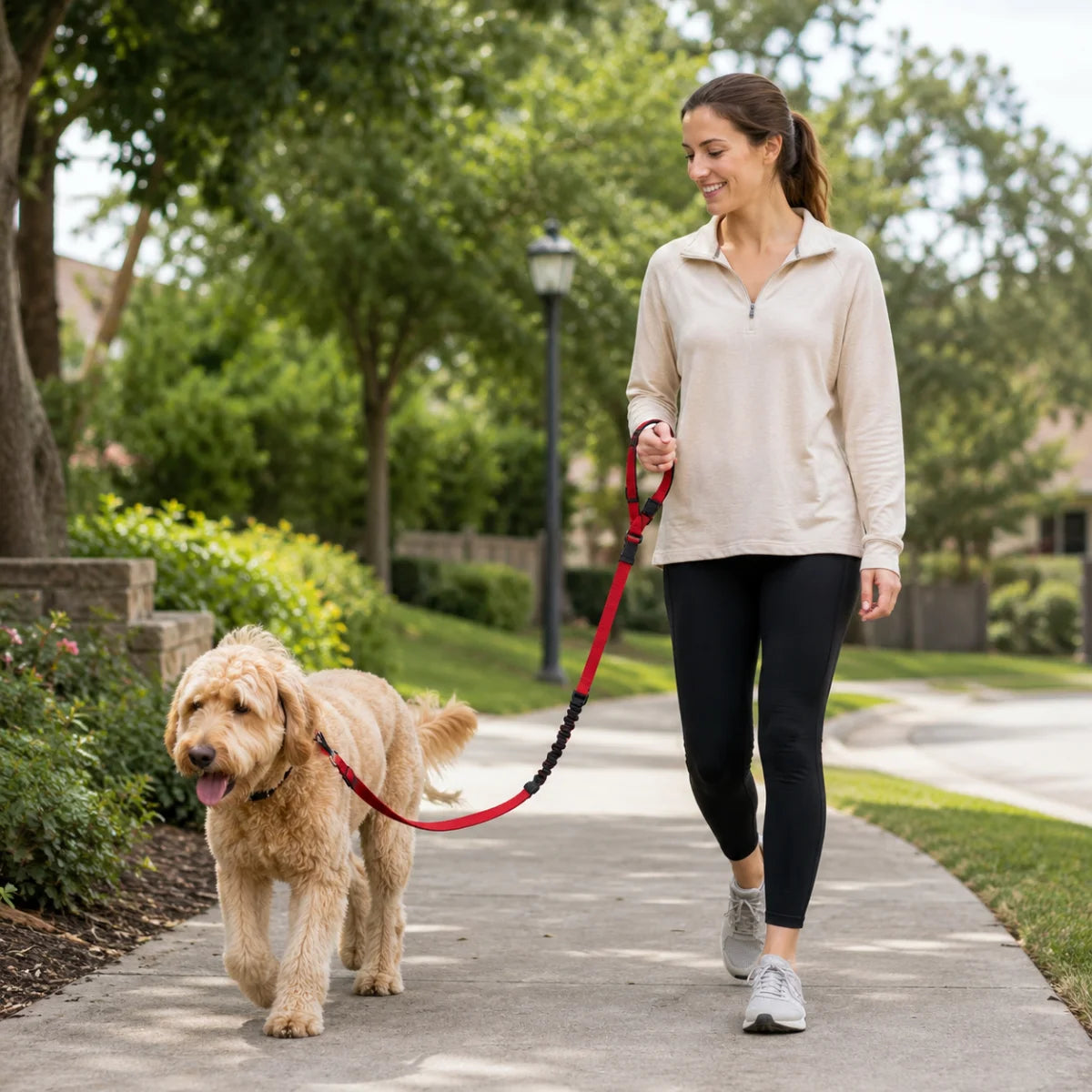
A 10 foot leash is often a smart next step when you want more room without jumping straight to a very long line. It is great for balancing freedom and control during everyday walks, light hiking, and sniff-heavy outings.
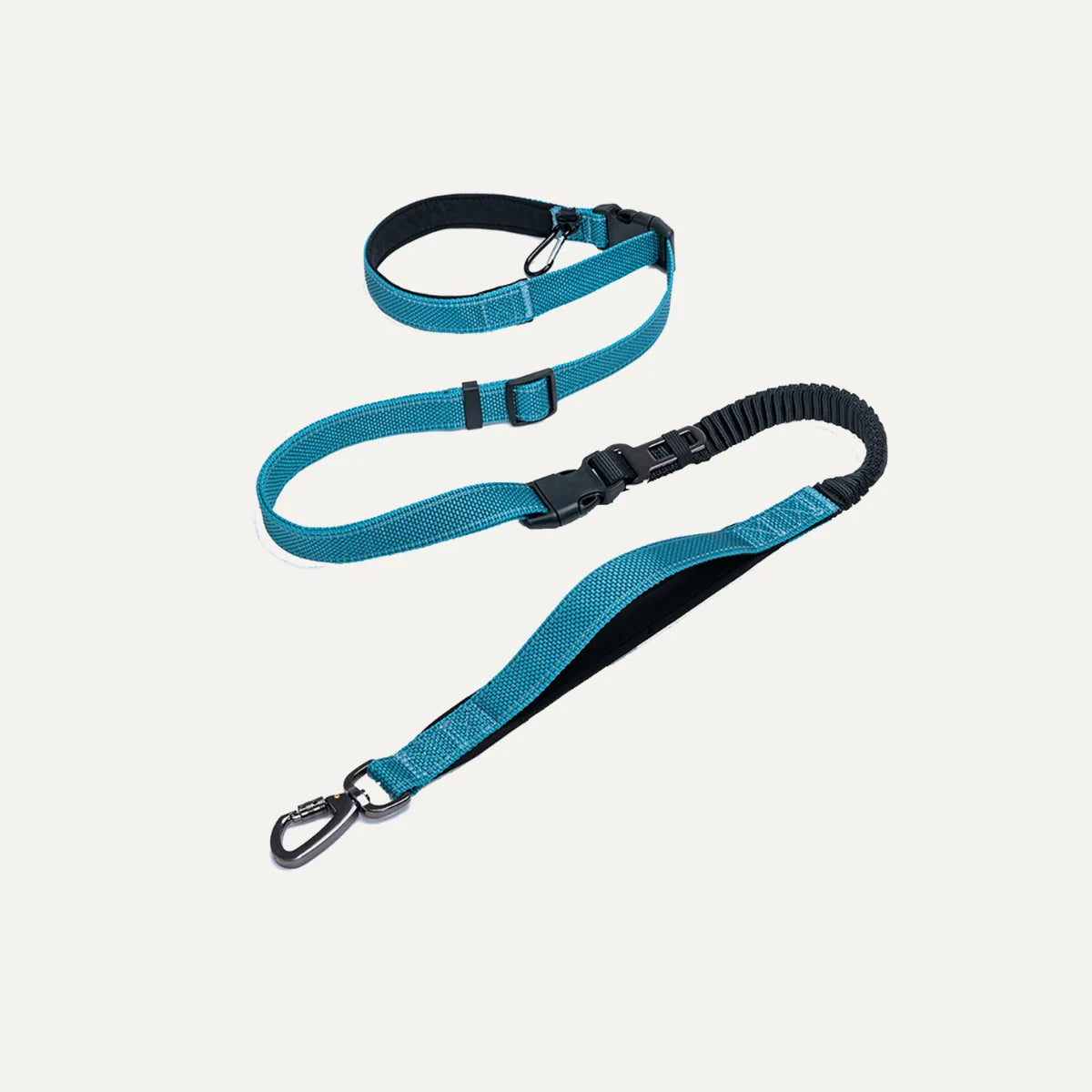
This extra length lets your dog move farther out, but it is still manageable for many handlers. You can hold the main grip with one hand and use your second hand to guide slack in or out. That makes it easier to control speed and avoid sudden jerks.
For large and active dogs, 10 feet can be a practical option if the material is strong and the hardware is secure. It gives space for movement while staying easier to handle than 20 or 30 feet, especially if you are still building skill.
A 20 foot leash is a strong choice when training becomes the main goal. This long line gives your dog enough distance to practice coming back, checking in, and moving through open spaces while still connected to you.
It works especially well for recall training because your dog can travel far enough away for the cue to mean something real. At the same time, you still have a training leash in hand if your dog ignores the call or becomes distracted.
A dog yard leash is different from a regular walking leash because it is often attached to a secure stake, overhead cable, or fixed anchor point rather than held continuously in the owner’s hand.
A yard leash can give your dog safe exploration space at home, especially in a backyard or other open area. It can be useful for sniffing, casual movement, and supervised outdoor time when you still want a physical connection.
Choose the length and width based on your dog’s size and your comfort handling the line. Longer leashes are heavier, so many handlers size down in width for 20 feet and above. Product guidance also notes that size suggestions are comfort guidelines, not safety rules.
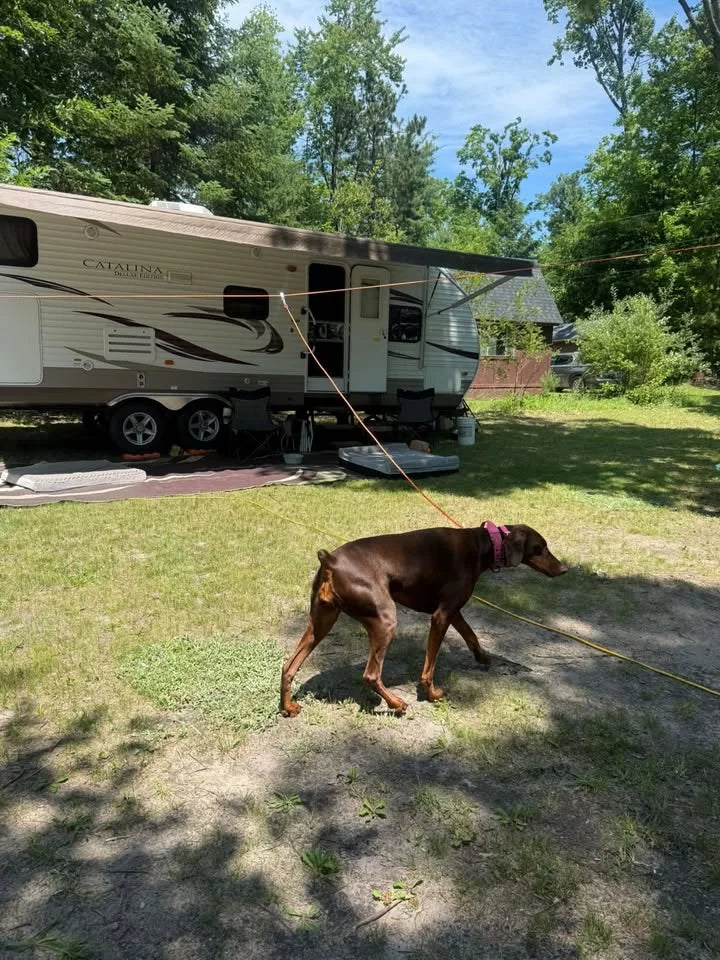
A long leash helps training by giving your dog distance without removing safety. You can practice recall training, a stay command, and other distance skills while still staying connected. That space also lets you watch your dog’s body language in more realistic outdoor situations.
Use the leash with a harness for better comfort and safer pressure distribution. Good handling matters too. The next sections cover practical ways to train with a long line while keeping sessions clear and controlled.
Recall training teaches your dog to return when called. A long leash allows you to practice this skill without the risk of your dog running away.
Begin in a quiet, open location. Allow your dog to move a short distance away while keeping the leash loose. Say your dog’s name followed by a consistent recall cue, such as “Come.”
Use a cheerful voice and move backward slightly to encourage your dog to follow. When your dog reaches you, immediately offer praise, a treat, or another valuable reward.
Avoid pulling the dog toward you unless safety requires it. The purpose of the long leash is to prevent escape, not to physically complete the recall for the dog.
Start with short distances and repeat the exercise several times. As your dog becomes more consistent, gradually allow more distance and introduce mild distractions.
Do not increase both distance and difficulty at the same time. A dog that responds well from 20 feet in a quiet field may not respond as reliably from the same distance near other dogs or wildlife.
A check-in occurs when a dog voluntarily looks back at the owner or returns closer without being called. This behavior helps dogs remain aware of their handlers during outdoor exploration.
To teach check-ins, begin walking with your dog on a long leash in a quiet area. Allow your dog to sniff and explore without repeatedly calling or directing them.
Whenever your dog turns to look at you, mark the behavior with praise or a training word and offer a reward. Over time, the dog learns that paying attention to you is valuable.
You can also change direction occasionally. When your dog notices and follows, reward the response. This encourages the dog to monitor your movement instead of remaining completely focused on the environment.
Regular check-ins make long-leash walks safer and can become an important foundation for future off-leash reliability.
A long leash is useful for teaching commands that require the owner and dog to be separated.
Begin by asking your dog to sit or lie down. Give the stay command, then take one or two steps backward. Return to the dog and reward the successful stay.
Increase the distance gradually. Avoid moving too far too quickly, as this may cause the dog to break position.
The long line should remain loose during the exercise. It acts as a backup if the dog moves away, but it should not be used to force the dog to remain in place.
You can also use a long leash to practice commands such as “Wait,” “Place,” or “Leave it” from greater distances. These skills can improv
Long-line work is useful, but small handling errors can make it frustrating fast. Many training mistakes happen because people choose too much length too soon or do not think about material, hardware, and how the leash feels in the hand.
Another issue is setup. The right width can improve comfort, and strong clips matter for safety. Product guidance suggests choosing width by dog size and handler preference, while remembering that longer lines feel heavier.
Watch out for these common problems:

A long leash can be a valuable outdoor tool, but it must be used carefully. The additional distance creates risks that are less common with a standard walking leash.
A longer leash is usually a poor match for roads, intersections, and other fast-moving areas. Even a well-trained dog can suddenly change direction, speed up, or react to something unexpected. Near traffic, less slack is usually safer.
This is where road safety matters most. If you are close to cars or bikes, switch to a shorter leash or reel in the extra length. A harness helps reduce neck pressure if you need to guide your dog quickly, and watching body language gives you early warning signs.
Keep these habits in mind:
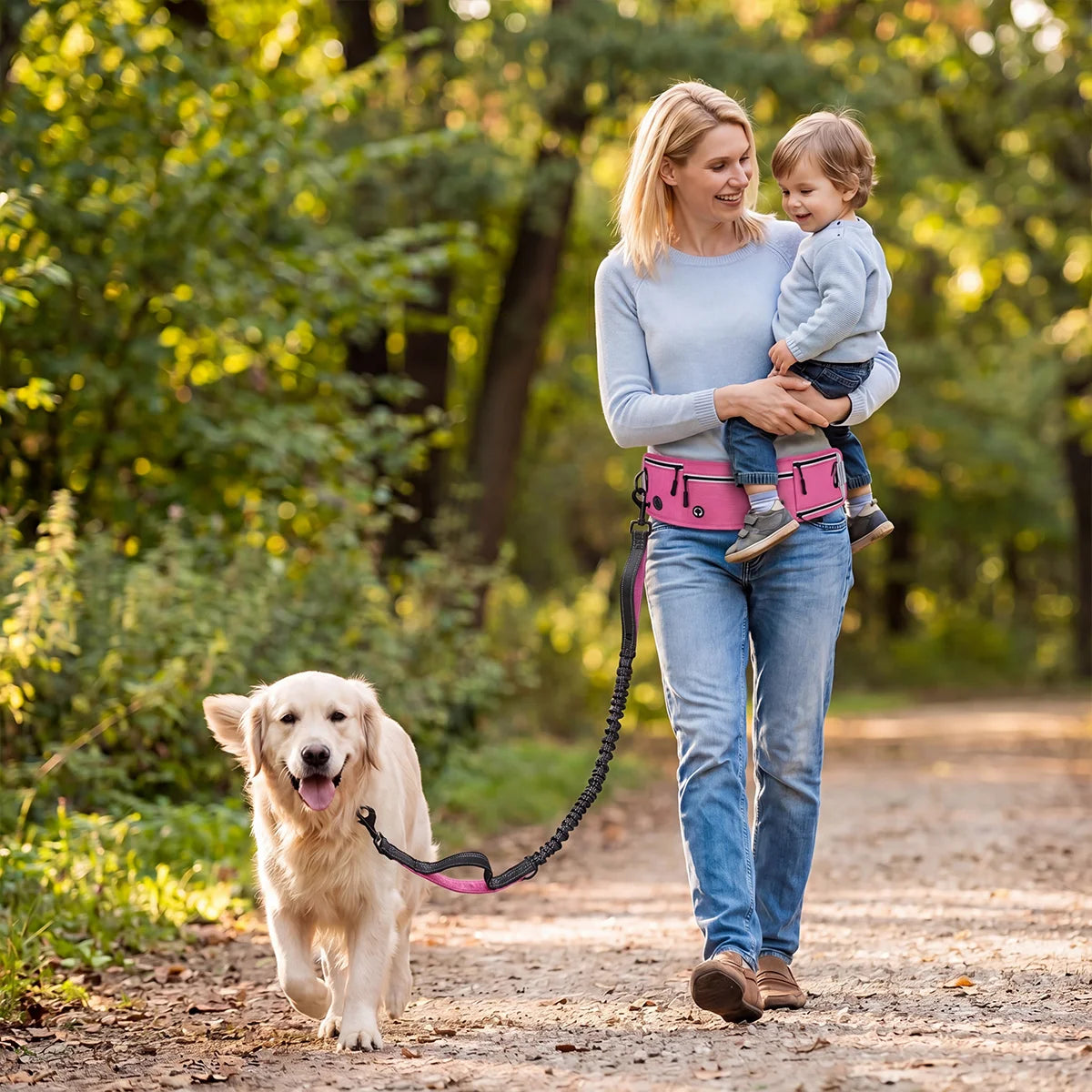
Tangling is one of the biggest challenges with a long leash. The extra length that gives your dog more freedom can also wrap around legs, benches, bushes, or other dogs if you stop paying attention for even a moment.
A better approach is active handling. Keep your main grip steady and use your second hand to guide slack in and out in large loops. That gives you first hand control over how much line is on the ground and helps reduce sudden knots or snags.
If other people or dogs come close, shorten the line before they reach you. Do not wait until the leash is already under feet. A little preparation makes walks smoother and lowers the chance of frustration, burns, or tripping for everyone nearby.
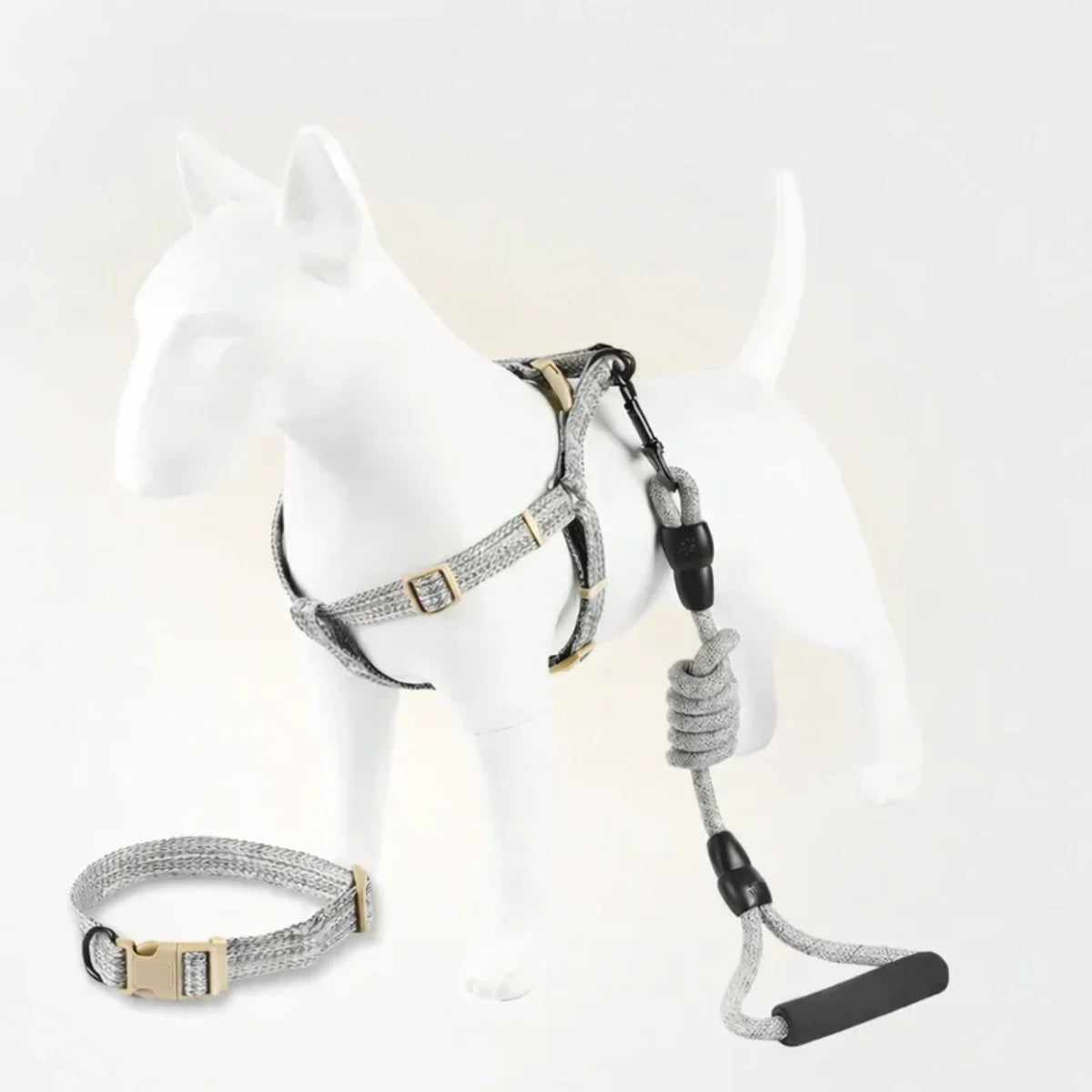
For long-line use, a harness is usually the safer choice. It spreads pressure across the body instead of putting force on the neck. That matters if your dog speeds up, hits the end of the line, or changes direction quickly.
A collar may work for short, calm walking, but long distance adds more momentum. With a strong leash, that force can travel right into your dog’s throat if the leash is clipped there. A back-clip harness can also help keep the line from dropping so low around the legs.
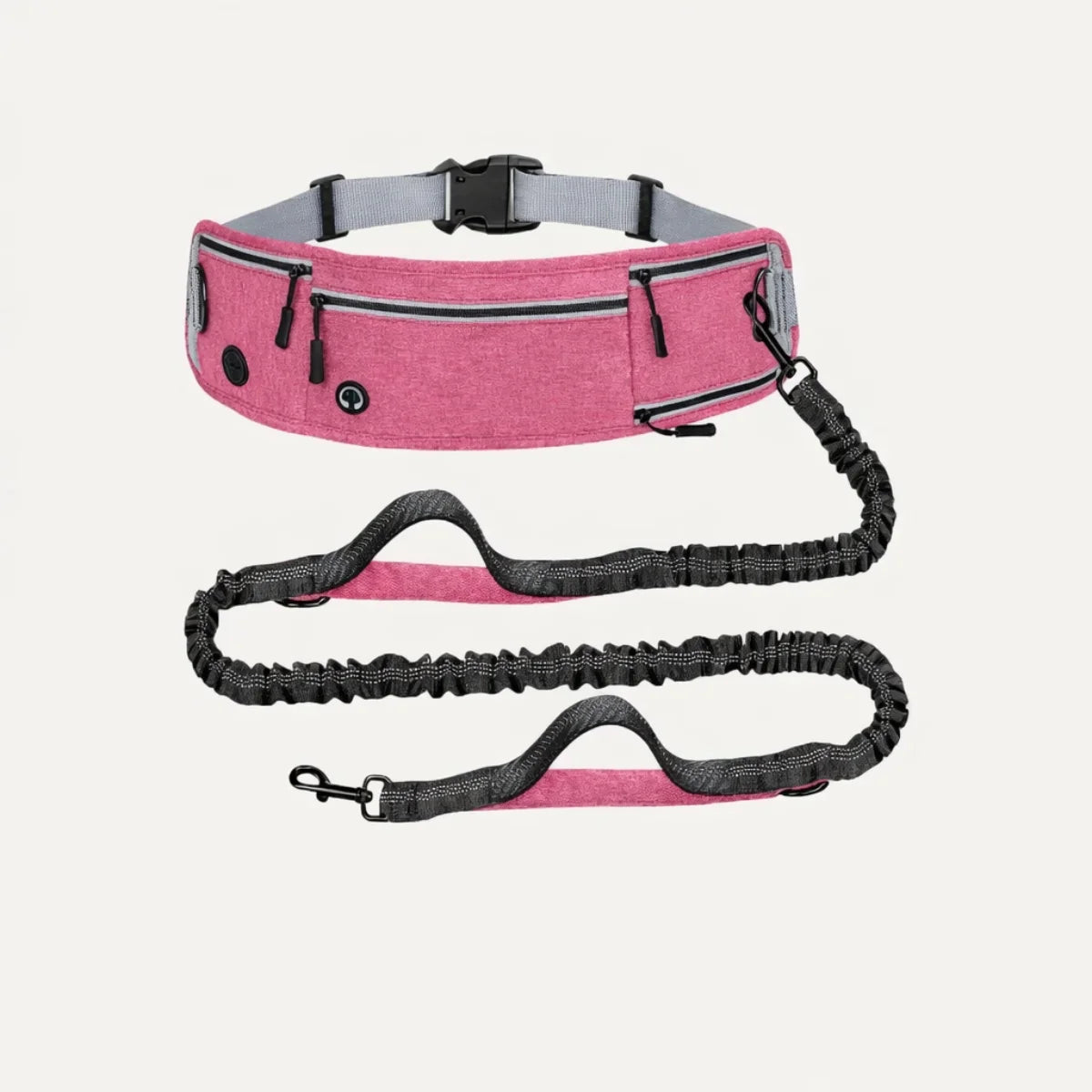
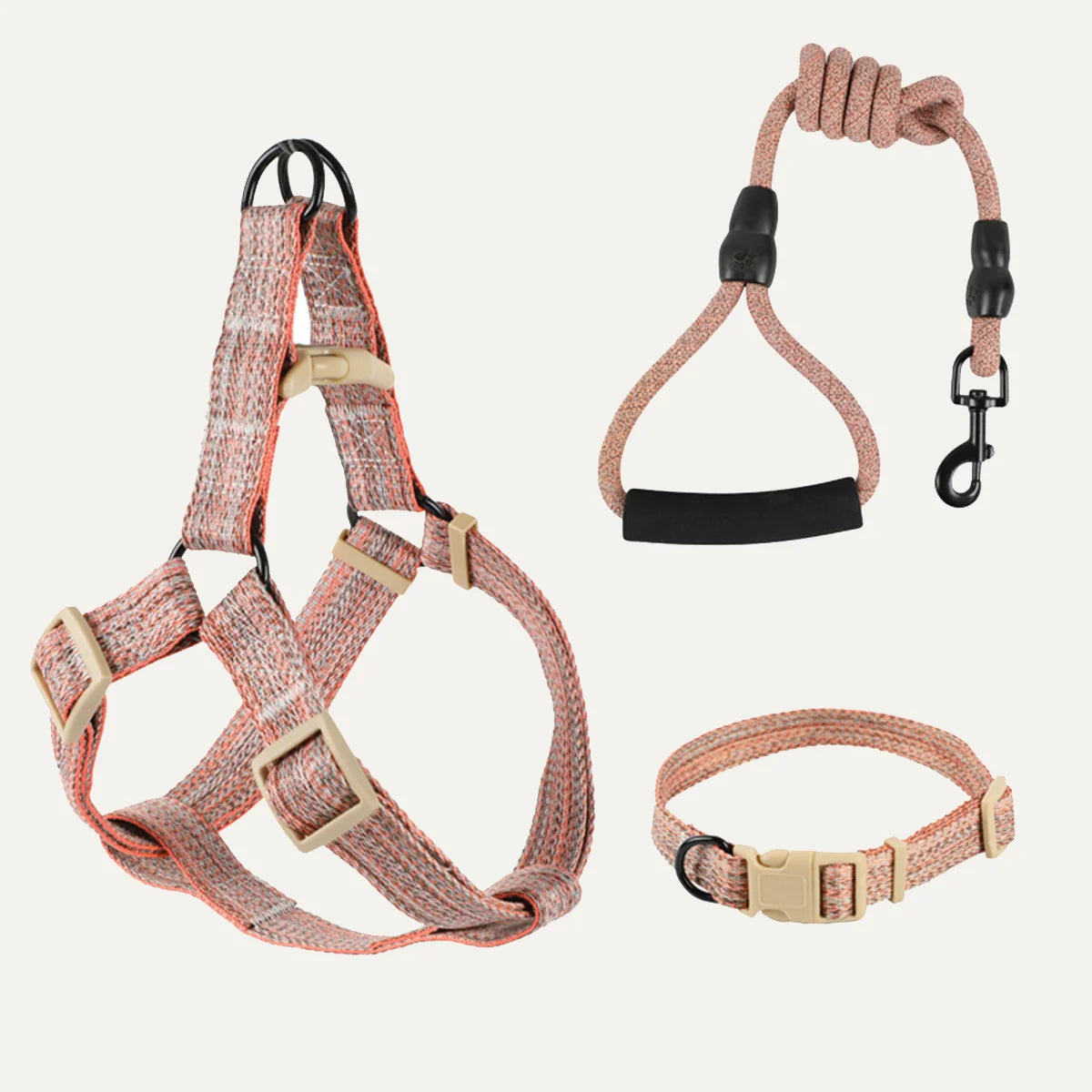
You do not need highly specialized gear, but you do need secure gear. Use a well-fitted harness and check that the clasp connects properly. If your dog is strong or active, secure hardware becomes even more important during outdoor sessions.
Before each outing, take a moment to inspect your leash. Look over the full length, the clip, and any added handle or attachment point. A quick check can help you catch wear before it becomes a problem on a walk or training session.
Material affects what you watch for. Nylon can be harder on hands and may cause burns, while biothane is known for being durable, lightweight, waterproof, stink proof, and easy to clean. No matter the material, chewing damage matters and should never be ignored.
For maintenance, wash the leash in warm soapy water, wipe it with a towel or sponge, rinse, and dry it fully. After beach trips, rinse hardware with fresh water. Store gear dry, out of the sun, and with good airflow to reduce moisture and UV damage.
In summary, choosing the right length for a long dog leash can significantly enhance your outdoor experiences with your furry friend. Different activities call for different leash lengths, whether it's a short urban stroll or a long-distance training session. Understanding the benefits and limitations of each option helps ensure both safety and enjoyment. Remember to implement proper training techniques and safety tips to maximize the effectiveness of your long dog leash. By prioritizing these aspects, you create a fulfilling and positive environment for you and your dog.
Please read our FAQs page to find out more.
For most everyday walks, a 6 foot dog leash is a practical choice. It gives your dog enough room to walk, sniff, and move naturally while allowing you to maintain control. Shorter leashes are generally better in crowded areas, while longer leashes are more suitable for training and open outdoor spaces.
A 10 ft dog leash may be too long for busy sidewalks, crowded parks, and areas near traffic. However, it can work well on quiet trails, at campsites, in open parks, or during sniff-focused walks.
The handler should gather the extra leash when passing people, dogs, bicycles, or obstacles.
A dog yard leash may range from 10 to 30 feet or more, depending on the size of the yard and the location of nearby obstacles. Some owners may also choose longer options, such as a 75 ft dog leash, when they have a large open space and want to give their dog more freedom to roam.
The leash should give the dog room to move without allowing access to fences, roads, grills, furniture, or areas where the line could become tangled.
Dogs should always be supervised while using a yard leash or tie-out system.
Long leashes can be safe for puppies when used in an open area under close supervision. A lightweight 10- or 15-foot line can help introduce recall and check-in training.
Avoid allowing a puppy to run at full speed into the end of the leash, and attach the line to a properly fitted harness rather than directly to the collar.