

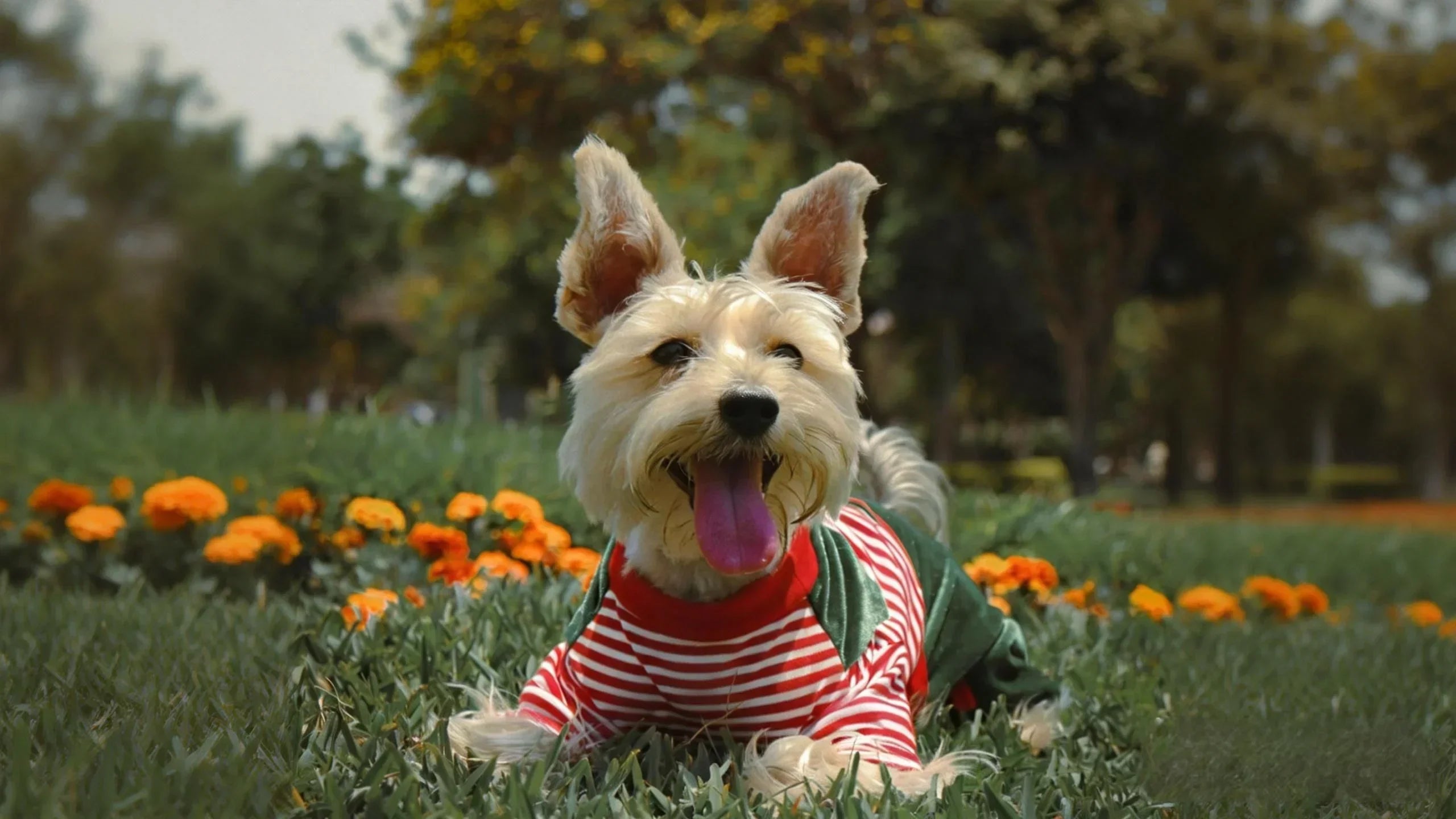
- by serviceHowoll
The History of Dog Clothes
- by serviceHowoll
Dog clothes may feel like a modern trend, but the history of dog clothes stretches back much further than most people realize. Long before dog clothes became stylish or Instagram-worthy, they served very practical purposes rooted in survival, work, and environment.
Understanding the dog clothes history helps us see why modern dog clothes are not just fashion statements, but thoughtfully engineered gear shaped by climate, science, and the evolving relationship between humans and dogs. Today’s dog clothes are the result of centuries of adaptation — blending function, identity, and performance.
In the earliest stages of dog clothes history, dogs did not wear clothing in the modern sense. Instead, historical and archaeological evidence shows that dogs were primarily equipped with collars, not garments.
In ancient civilizations such as Mesopotamia, Egypt, Greece, and early Rome, collars made of leather, rope, or woven materials were widely used to identify, control, and protect dogs—especially hunting and guard dogs.
These early collars served several practical purposes, including restraining working dogs during hunting or guarding activities, identifying ownership, and providing basic protection to the neck from bites or injuries. At this stage in dog clothes history, canine equipment remained strictly functional, and full-body dog clothes had not yet become common or widely adopted.
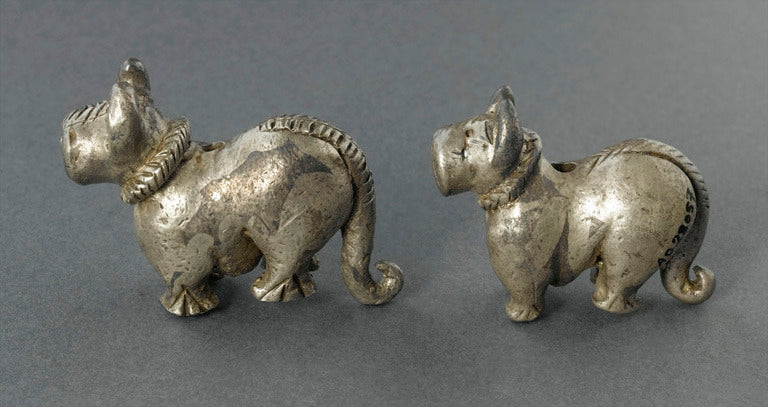
In ancient Rome, dog clothing began to appear in documented history in the form of defensive gear for working and war dogs. Large breeds such as Molossian and mastiff-type dogs were used for guarding and military purposes and were equipped with reinforced leather harnesses and thick, sometimes spiked collars to protect them during patrols, camp defense, and combat-related tasks. These early forms of dog clothes were strictly functional, designed to reduce injury rather than for visual appeal.

By the medieval period, defensive dog clothing became more developed and recognizable. War dogs and hunting dogs were fitted with padded leather vests and metal-reinforced breastplates to shield vital areas from weapons, wild animals, and rough terrain. Surviving examples of canine armor from the late Middle Ages and Renaissance confirm that dog clothes had firmly entered historical records as protective apparel for working dogs.
The role of dog clothes shifted dramatically during the Renaissance and, especially, the Victorian era. As pets became more integrated into family life, dog clothing transformed into a symbol of wealth and social standing.
In the 19th century, dog clothes became fashionable accessories among the European elite. Small breeds like Pomeranians and Toy Spaniels were dressed in intricate, hand-stitched garments made from silk, velvet, and lace. These ornate pieces reflected the owner’s taste and status, turning dog clothes history into a story of luxury and expression. Photographs and paintings from this period clearly show how dog clothes had evolved from workwear to wardrobe staples for the privileged.
The 20th century marked another major shift in dog clothes history, as functionality returned to the forefront. World War II and the expansion of working roles for dogs spurred innovation in protective gear, while advances in textile science paved the way for modern performance apparel.
Military, police, and search-and-rescue dogs required durable, purpose-built gear for increasingly complex missions. However, this functional need could only be fully met by a concurrent technological breakthrough: the invention and commercialization of high-performance synthetic fabrics in the mid-to-late 20th century.
This material revolution—led by innovations like nylon, and most importantly, waterproof-breathable membranes such as Gore-Tex—enabled the development of the first truly modern dog clothes. For the first time, gear could be designed to offer complete protection from wind, rain, and abrasion, while maintaining essential mobility and comfort by allowing heat and moisture to escape. This era didn‘t just use better fabrics; it redefined dog clothing from the ground up, prioritizing measurable performance over ornamentation and setting the technological stage for today‘s entire technical pet apparel industry.
Today, dog clothes represent a blend of fashion, function, and science. With a better understanding of canine health and comfort, along with breakthroughs in fabric technology, contemporary dog clothing is more advanced—and more beloved—than ever.
Modern dog clothes are engineered with materials like waterproof membranes, breathable synthetics, and insulating fills. These innovations ensure that today’s dog clothing isn’t just cute—it’s capable of protecting pets from the elements during outdoor adventures. This scientific approach is a key chapter in dog clothes history, reflecting how far design and functionality have come.
Whether it’s a raincoat for wet walks, a winter jacket for snowy hikes, or a cooling vest for summer play, there’s now dog clothing for nearly every scenario. The history of dog clothes has led us to a point where pet owners can choose gear tailored to their dog’s specific needs, activity level, and environment.

In the modern era of dog clothes history, function has returned to its rightful place. Howoll was created for dogs that live beyond the indoors — exploring trails, campsites, city streets, and everyday adventures alongside their humans. Our approach to dog clothes is simple and purposeful: practical outdoor gear designed for real life. Not over-designed. Not trend-driven. Just comfortable, reliable apparel that allows dogs to move freely and perform confidently outdoors, reflecting the true evolution of modern dog clothing.
Discover gear that moves with your dog — explore more at howoll.com.
Please read our FAQs page to find out more.
Modern dog clothes combine the functional roots of dog clothes history with advanced material science. Unlike historical garments made from leather or wool, today’s dog clothing uses lightweight synthetics, waterproof membranes, and breathable insulation. These innovations allow modern dog clothes to provide protection, comfort, and mobility across a wide range of outdoor activities and climates.
Dog clothes are not necessary for all dogs. Whether a dog needs clothing depends on breed, coat type, size, and environment. While some dogs are naturally well insulated, others—such as small or short-haired breeds—may benefit from dog clothes in cold or wet conditions.
Learn more in our guide: Do Dogs Need a Coat?
When choosing dog clothes today, pet owners should focus on fit, mobility, material performance, and environmental protection. The evolution of dog clothes history highlights that the best dog clothing is designed to move naturally with the dog, protect against the elements, and support real-life use rather than follow short-lived fashion trends.

