

- by 03Howoll
Explore the Best Types of Dog Harnesses for Every Need
- by 03Howoll
Welcome, dog owners! Finding the right equipment for your furry friend is a top priority, and dog harnesses are a fantastic alternative to traditional collars. They provide more support for your dog's body and offer better control without causing discomfort. But with so many options available, how do you find the perfect fit? This guide will walk you through the different types of dog harnesses, explaining their structures and purposes to help you make the best choice for your companion's needs and activities.
As a caring pet owner, you know that your dog's safety and comfort are paramount. Choosing the right dog harness is more than just a style choice; it's about protecting your dog from potential injury. A standard collar can put immense pressure on your dog's neck, especially if they pull, which can lead to serious issues like a collapsed trachea. A well-fitted dog's harness distributes this pressure evenly across the dog's chest and body, providing a safer and more comfortable experience on walks, runs, or during any outdoor activity.
Ensuring a proper fit is crucial. A harness that is too loose can be escaped from, while one that is too tight can cause chafing, restrict movement, and lead to skin irritation. A secure fit guarantees that the harness functions as intended, whether it's for providing better control during training or offering support during a physically demanding dog sport. The right dog's harness keeps your companion safe, comfortable, and ready for adventure.
Understanding the different harnesses available is the first step toward finding a good fit for your dog. Each type of harness is designed with a specific purpose in mind, from discouraging pulling to enabling participation in dog sports. The primary differences often come down to the leash attachment points and the overall structure of the harness.
Whether your dog pulls on the leash or you're training for a canicross event, there's a harness designed for that activity. We will explore harnesses based on their clip position, wearing style, and specialized functions to give you a clear picture of your options. This will help you select the right one based on your dog's behavior and your shared activities.

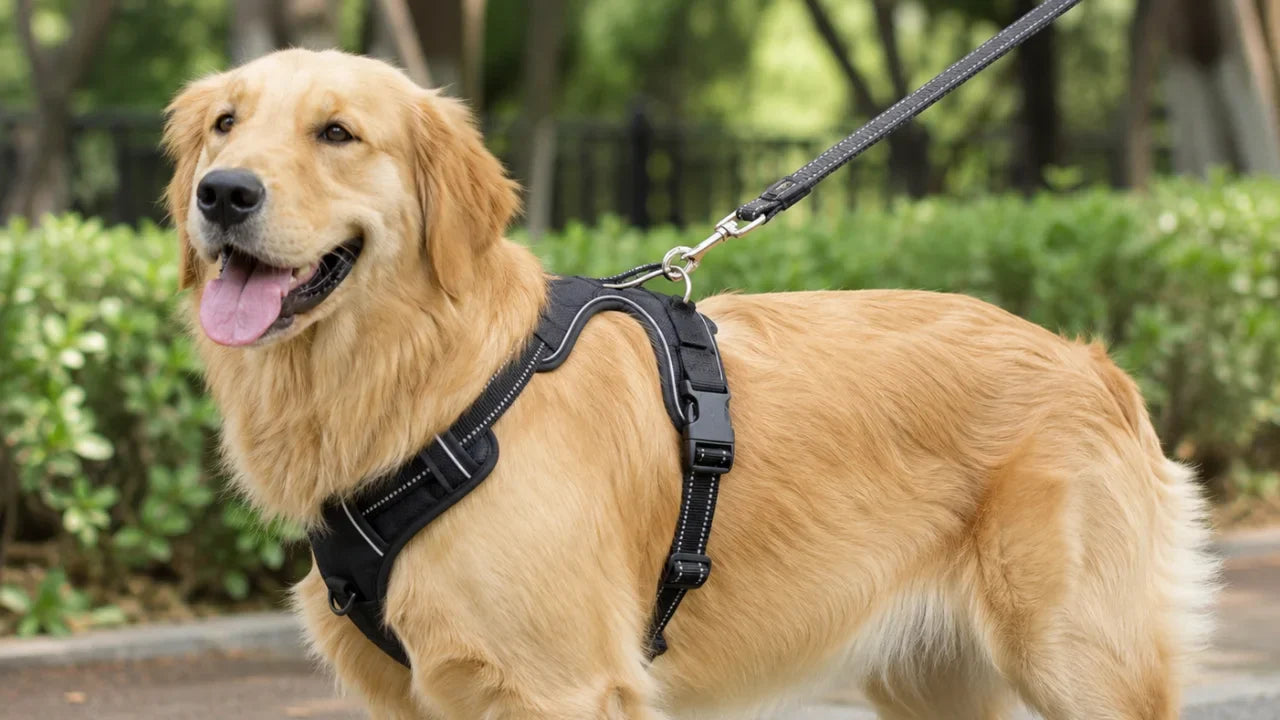
A back-clip dog harness features a leash attachment located on the dog’s back. This is one of the most common and beginner-friendly types of dog harnesses.
It is best suited for:
Benefits of a back-clip harness:
However, back-clip harnesses may not be ideal for strong pullers because they can encourage pulling behavior in energetic dogs.

A front clip dog harness, also known as a no-pull dog harness, has the leash attachment positioned at the front of the chest. This design helps redirect the dog’s movement when pulling occurs.
It is ideal for:
Benefits of a front-clip dog harness:
Because the leash connects at the chest, the dog is naturally guided back toward the owner when pulling forward. This makes front-clip harnesses one of the best options for training and control.

A dual-clip dog harness includes both front and back leash attachment points, giving dog owners more flexibility in different situations.
It works well for:
Benefits of a dual-clip harness:
Many dog owners prefer dual-clip harnesses because they combine the comfort of a back-clip design with the control of a front-clip dog harness.
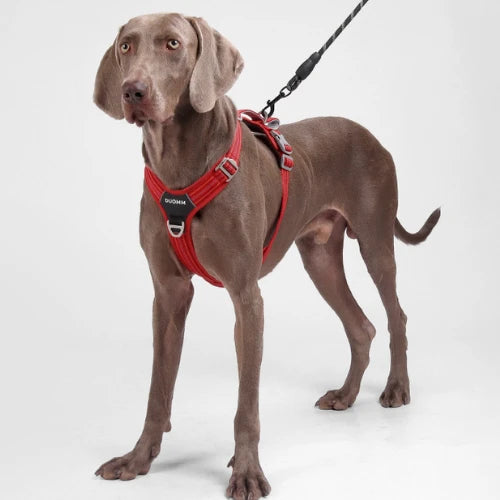
The H-style harness is a classic design that forms an “H” shape when laid flat. It typically has two loops—one around the neck and one around the chest—connected by straps along the back and belly.
Best for:
Key benefits:
However, it may offer less support compared to more ergonomic designs for strong pullers.
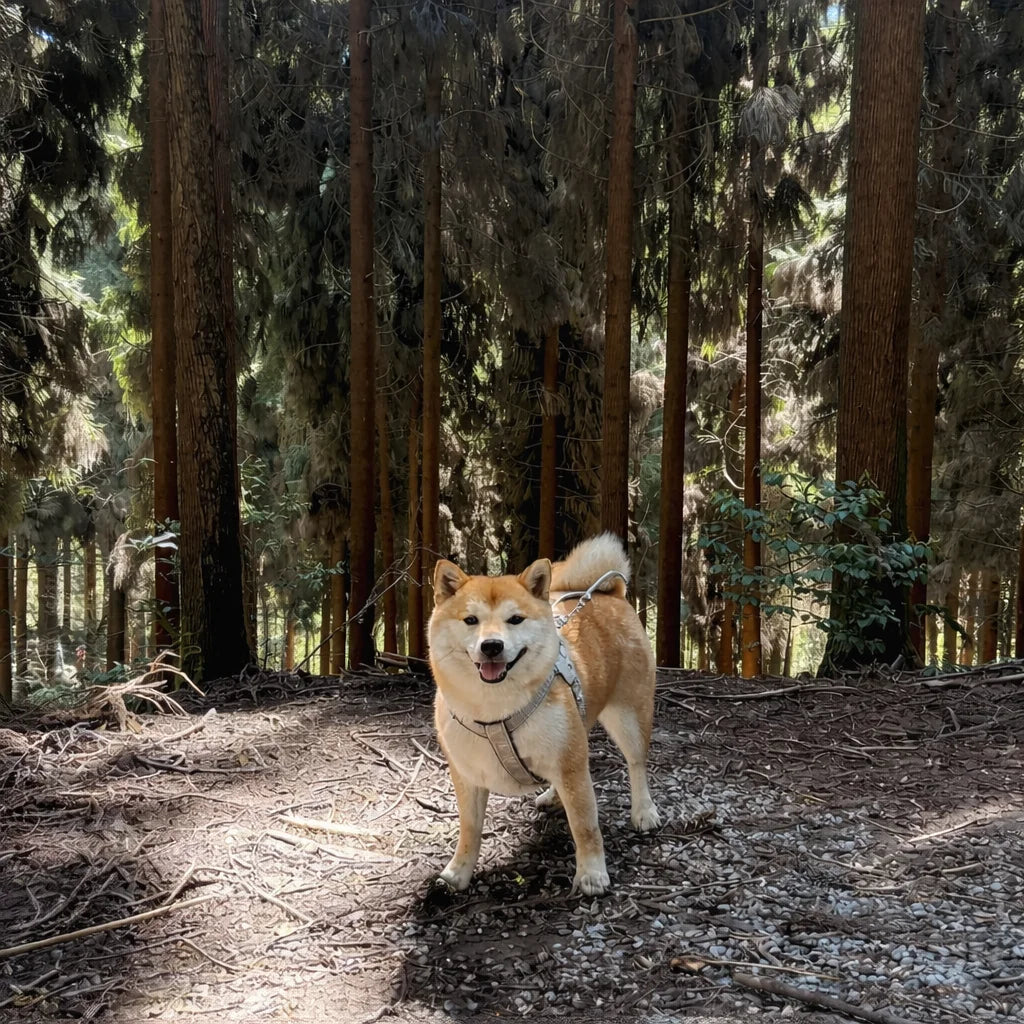
The Y-shaped dog harness is designed to follow the natural shape of a dog’s chest, forming a “Y” across the front. It avoids pressure on the throat and allows free shoulder movement.
Best for:
Key benefits:
This is one of the most recommended modern designs for both comfort and performance.
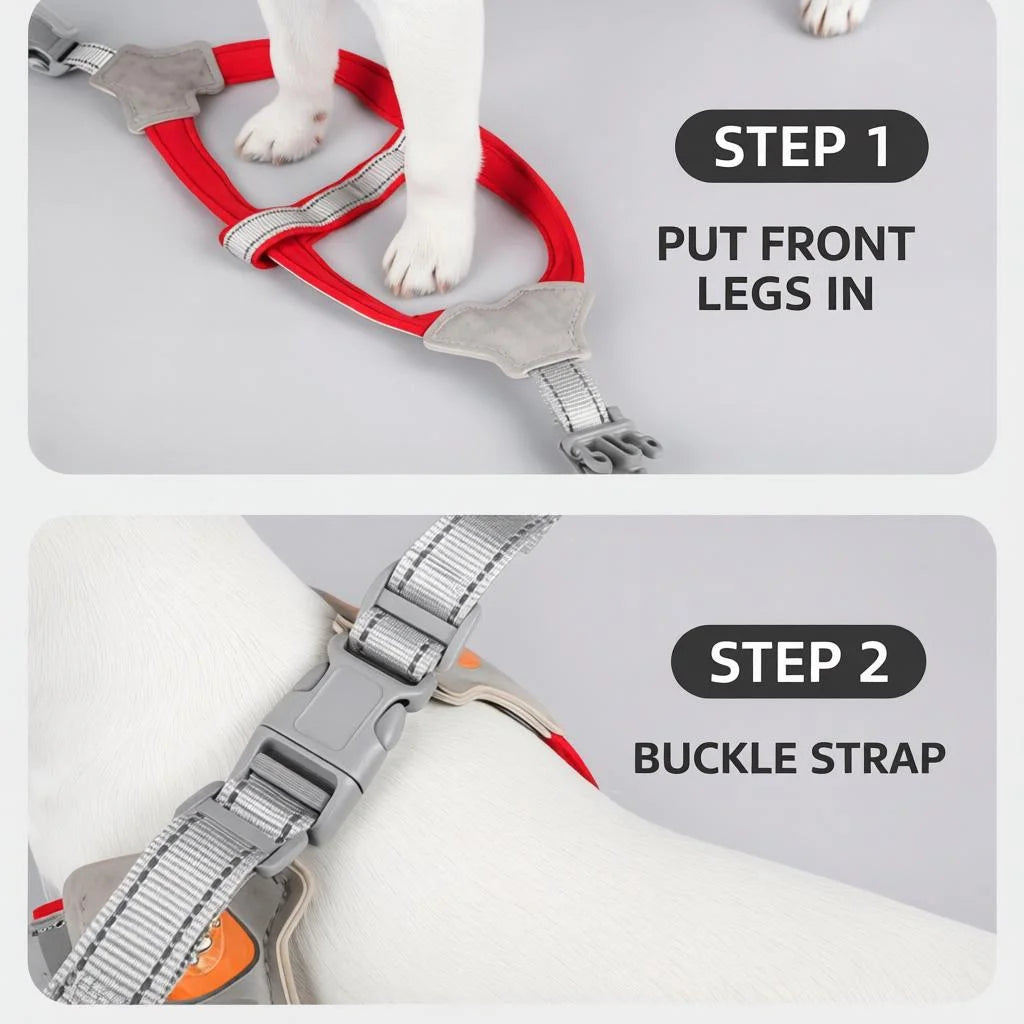
A step-in harness is designed so the dog simply “steps into” the harness, and then it is secured on the back. It does not require pulling over the head.
Best for:
Key benefits:

A vest-style dog harness wraps around the dog’s chest like a soft vest, offering more coverage and padding than traditional harnesses.
Best for:
Key benefits:
This type is especially popular in pet products focused on comfort and daily walking.
Designed for dogs that tend to slip out of regular harnesses, especially slim or nervous breeds.
Best for:
Key benefits:
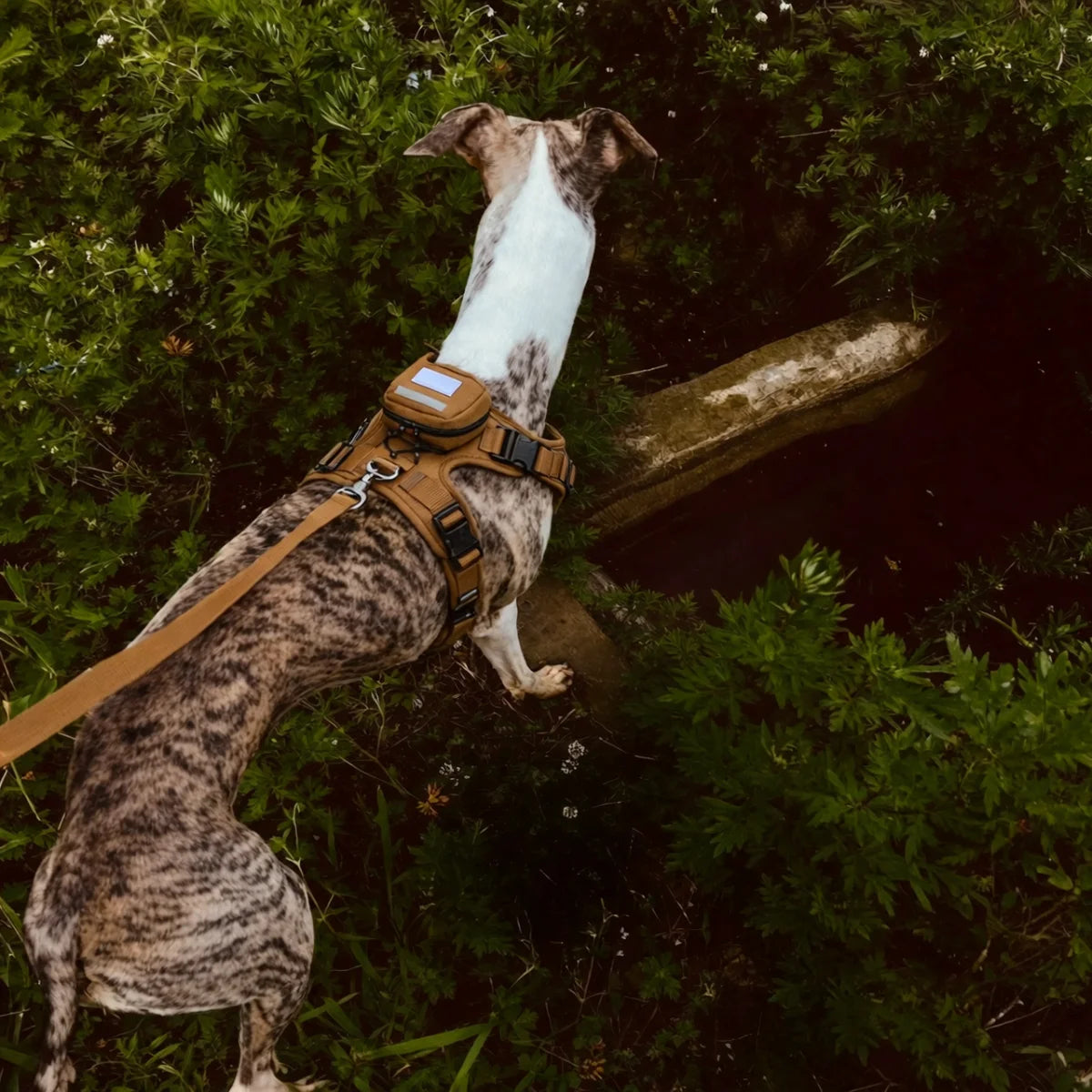
The hiking / backpack dog harness adventures and may include storage compartments or reinforced structures.
Best for:
Key benefits:
Specially designed for breeds like French Bulldogs or English Bulldogs that have unique body structures.
Best for:
Key benefits:
Now that you know the different types, how do you pick the right harness for your companion? Finding the perfect fit is key, so look for a dog's harness with multiple adjustment points. This ensures you can customize the fit to your dog's specific body shape, preventing chafing and escape.
A good option will depend on several factors, including your dog's size, their typical activities, and their behavior on a leash. Let's explore how to narrow down your choices based on these important considerations to find the right harness for your dog.
Selecting the right harness involves considering your dog's size to ensure comfort and functionality. Small dogs benefit from harnesses with adjustable straps and secure fit features, offering extra padding around their necks and chests for added comfort. A lightweight design, often with breathable materials, enhances their freedom of movement, reducing the risk of respiratory issues during walks.
On the other hand, larger dogs may require a more robust harness with multiple attachment points for better control. Harnesses with reinforced handles are excellent for strong pullers, helping owners maintain better grip and management. Regardless of size, the right harness should support your dog's natural movements and align with their specific needs, promoting enjoyable outdoor activities while minimizing strain.
The activities you and your dog enjoy together should heavily influence your harness choice. A harness for everyday use, like casual walks around the neighborhood, can be a simple, comfortable back-clip model. However, for more strenuous outdoor activities, you'll need something more specialized.
If you plan on engaging in a high-energy dog sport or activity, select a harness built for that purpose. The right gear ensures both safety and optimal performance, regardless of the dog breed.
Your dog's on-leash behavior is a major factor in choosing a harness. If your dog walks calmly by your side, a standard back-clip harness will likely suffice. However, for strong pullers, a different approach is needed to make walks more enjoyable and safe for both of you. Traditional collars can cause choking or injury when a dog pulls hard.
For dogs that need some leash training, certain harnesses offer gentle correction and better control. Finding a harness that provides a secure fit is crucial to prevent escape artists from wiggling free.
Using dog harnesses correctly is just as important as choosing the right one. One of the most frequent mistakes is failing to get a proper fit. A harness that is too loose can be easily slipped out of, while one that's too tight can chafe the dog's skin, restrict movement, and even cause respiratory issues. Always check the fit by ensuring you can slide two fingers between the harness and your dog's body at all adjustment points.
Another common error is neglecting harness care. A dirty harness can irritate your dog’s skin, so be sure to clean it regularly with a mild detergent according to the manufacturer's instructions. Also, avoid using the wrong type of harness for an activity, such as using a standard walking harness for pulling sports, as this can put dangerous pressure on the dog’s neck and back.
Choosing the right dog harness is essential for your dog’s safety, comfort, and better leash control. Different styles like back-clip, front-clip, and Y-shaped harnesses serve different needs, so it’s important to pick based on your dog’s behavior, size, and activity level.
At Howoll, we specialize in creating safe and comfortable outdoor gear for dogs, offering a variety of harness styles designed for different breeds and lifestyles. Feel free to explore our collection and find the perfect fit for your dog’s next adventure.
Please read our FAQs page to find out more.
When choosing a harness for puppies, look for adjustable designs that provide a secure fit without restricting movement. Soft, breathable materials are ideal to ensure comfort, while a back-clip style can help prevent pulling. Always consider your puppy's size and activity level.
A front-clip harness is better for dogs that pull, as the front leash attachment provides better control by redirecting them. However, "better" depends on your needs. For calm walkers, a back-clip harness may be more comfortable. Some harnesses offer multiple attachment points for versatility.
Yes, there is a significant difference between harness styles for training purposes. A front-clip harness is designed to discourage pulling by changing the leverage point. This gives you more control over your dog's behavior compared to traditional collars or back-clip harnesses, which can inadvertently encourage pulling.