

- by serviceHowoll
Best Dog Coats for Different Breeds: How to Choose the Right One
- by serviceHowoll
As the temperature drops and winter approaches, many pet parents ask themselves: Does my dog really need a coat? The answer isn"t always straightforward.
Some dogs naturally tolerate cold weather better, while others need extra insulation. For example, short-haired dogs lose heat faster, and small breeds often have weaker temperature regulation. In outdoor environments, wind chill and low temperatures can create risks, making a suitable dog coat for breed an important purchase.
This article will explore how body features affect dog coat selection, how to choose the right dog coat for breed, and the three key standards for finding the best dog coats to help you decide the most suitable coat for your dog.
Different dogs have unique coat structures, and understanding these differences is essential when choosing the right dog coat for breed. The hair type of a dog directly affects how much protection and insulation is needed.
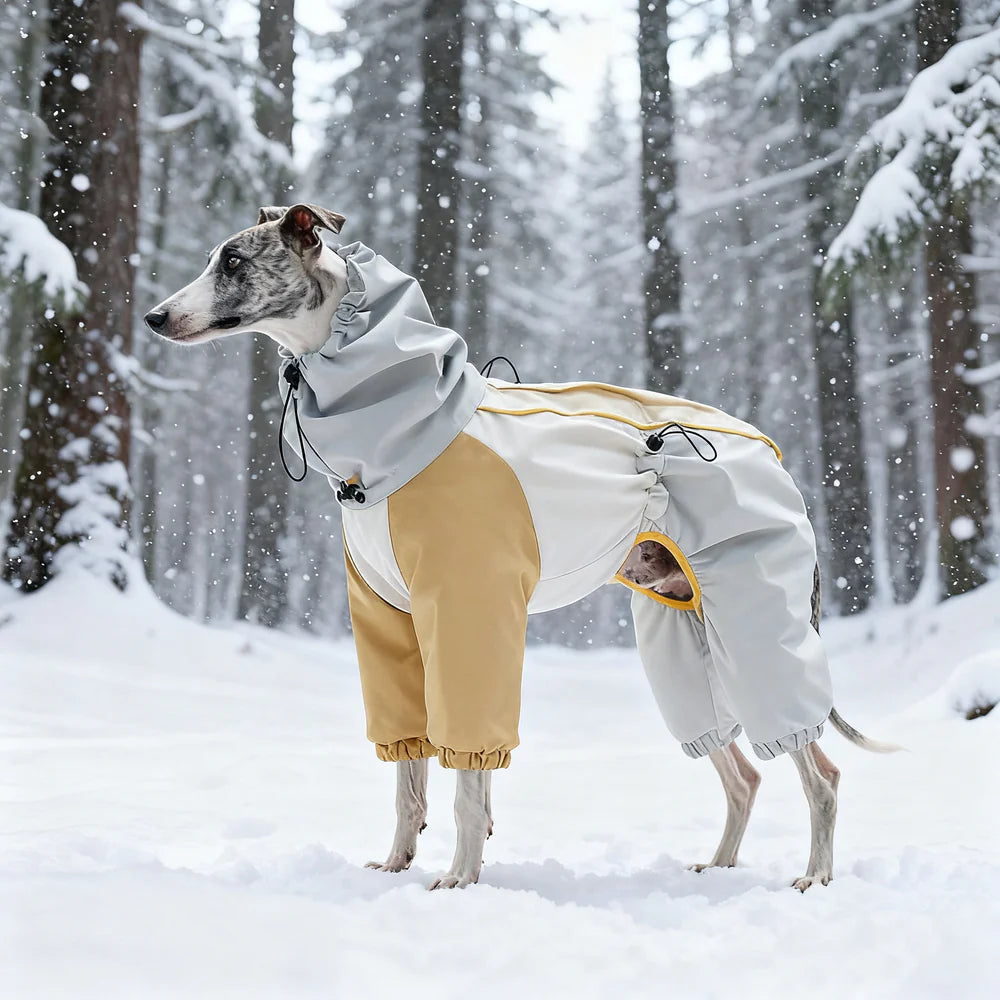
Single-Coated Breeds: Dogs such as Whippets and Pit Bulls do not have an undercoat. They need insulating dog coats like fleece-lined designs to help trap body heat and improve warmth during cold weather.
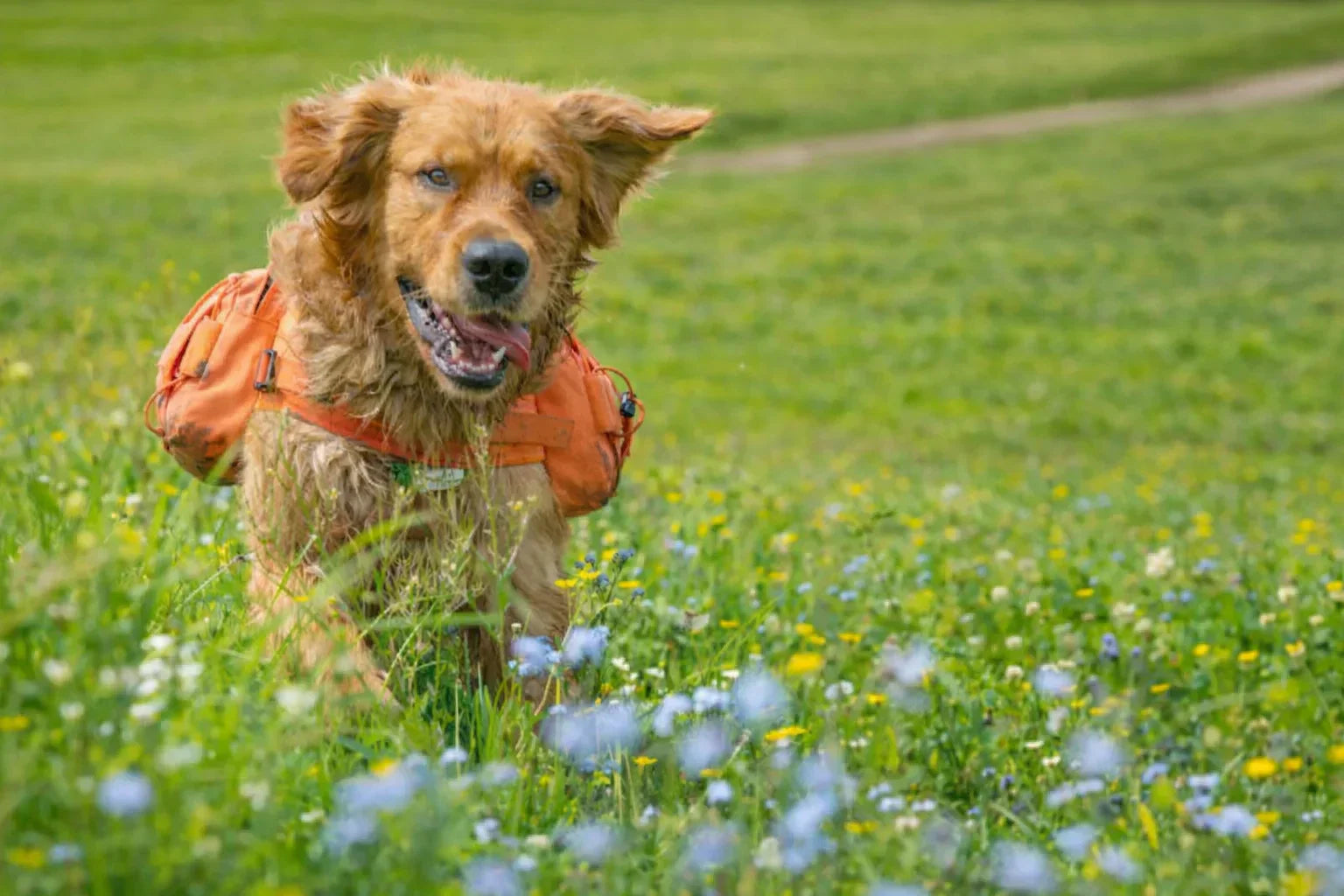
Double-Coated Breeds: Dogs such as Golden Retrievers or Huskies naturally have an insulating undercoat. These dogs usually don’t need heavy insulation. Instead, a waterproof outer dog coat (shell layer) is recommended to keep the undercoat dry while maintaining natural temperature balance.
Dogs should not be grouped only by general size when choosing dog coats. The natural body shape of a dog is more important when picking the best dog coat for breed. Different dogs have different body structures. These natural traits affect how a coat fits and works. A good dog coat should match the dog’s body, not just its size label. Understanding body shape helps you find a more comfortable and practical coat for your dog.
Low-to-the-Ground Body Shape:Some dog breeds have a natural low-to-the-ground body structure. Their legs are shorter, and their bellies are closer to cold or wet surfaces. Breeds like Dachshunds and Corgis often face more exposure to cold pavement, snow, and moisture when they walk outside. Because of this, they need dog coats that offer extra protection around the belly area. The best dog coats for these breeds usually include longer belly coverage to help keep warmth and block wind and water during outdoor activities.
Long, Lean Body Shape:Dogs with long and slim body shapes need special attention when choosing dog coats. These dogs often have longer backs and deeper chests. A coat that is too short may leave part of the body exposed to cold air or wind. Standard coat sizes sometimes do not fit their natural body length or chest depth. For these breeds, the best dog coat for breed usually provides extended back coverage and enough space around the chest. The goal is to make sure the coat stays in place while allowing natural movement. A well-fitted dog coat helps these dogs stay comfortable when walking, running, or resting outdoors.
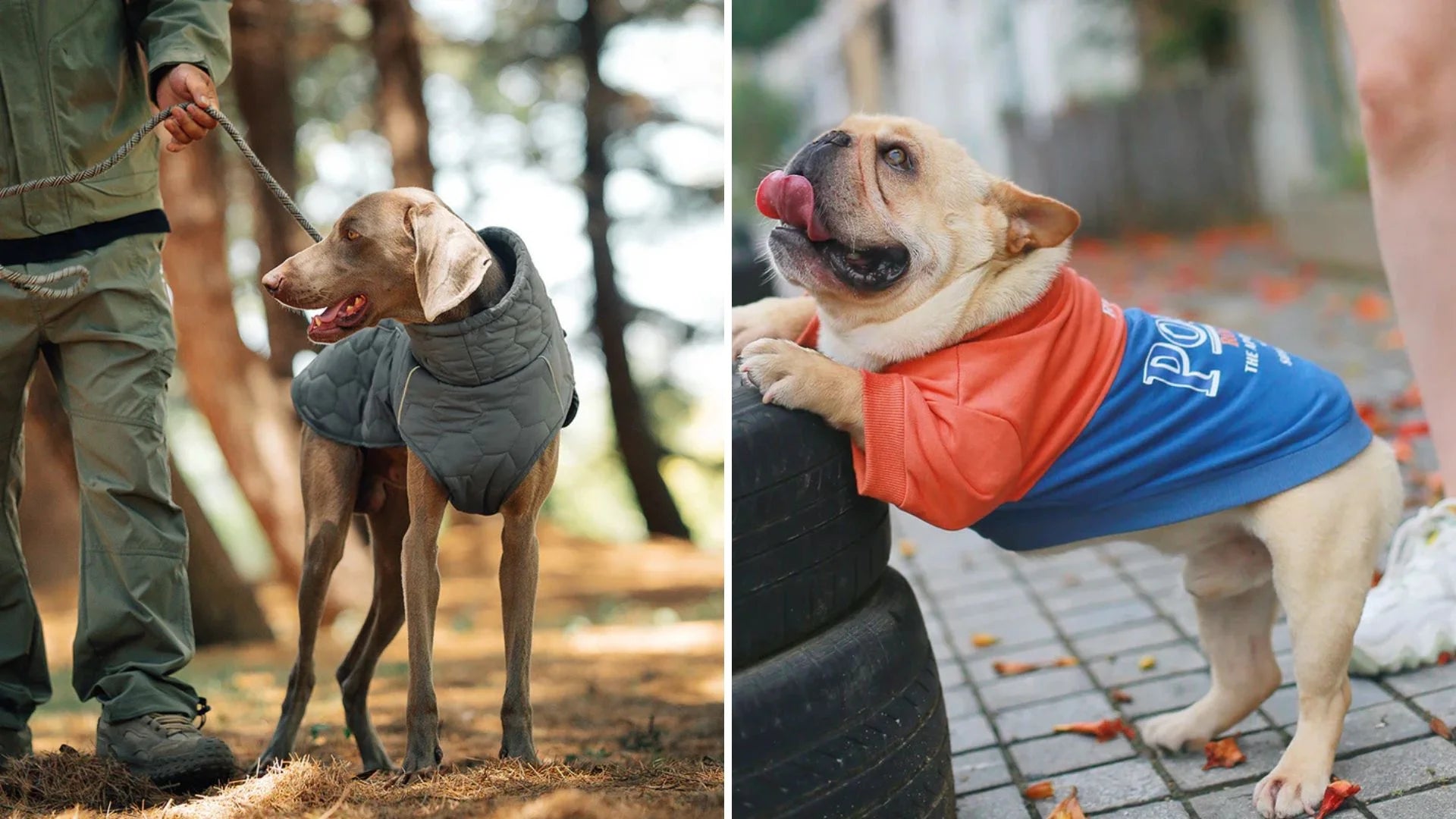
A dog’s level of physical activity plays an important role when choosing dog coats. Dogs that move and play a lot usually produce more body heat during exercise. When an active dog wears a coat with too much insulation, it may become too warm and feel uncomfortable.
For energetic dogs, lightweight dog coats are often a better choice than heavy winter parkas. Designs that are breathable and wind-resistant can help block cold air while allowing heat to escape during exercise. The best dog coat for breed should work with the dog’s natural movement and not limit running, jumping, or walking.
You can also explore more detailed guidance about activity-based coat selection in the article Dog Coats Selection for Active vs. Less Active Dogs, which compares coat choices for dogs with different exercise levels and daily lifestyles.
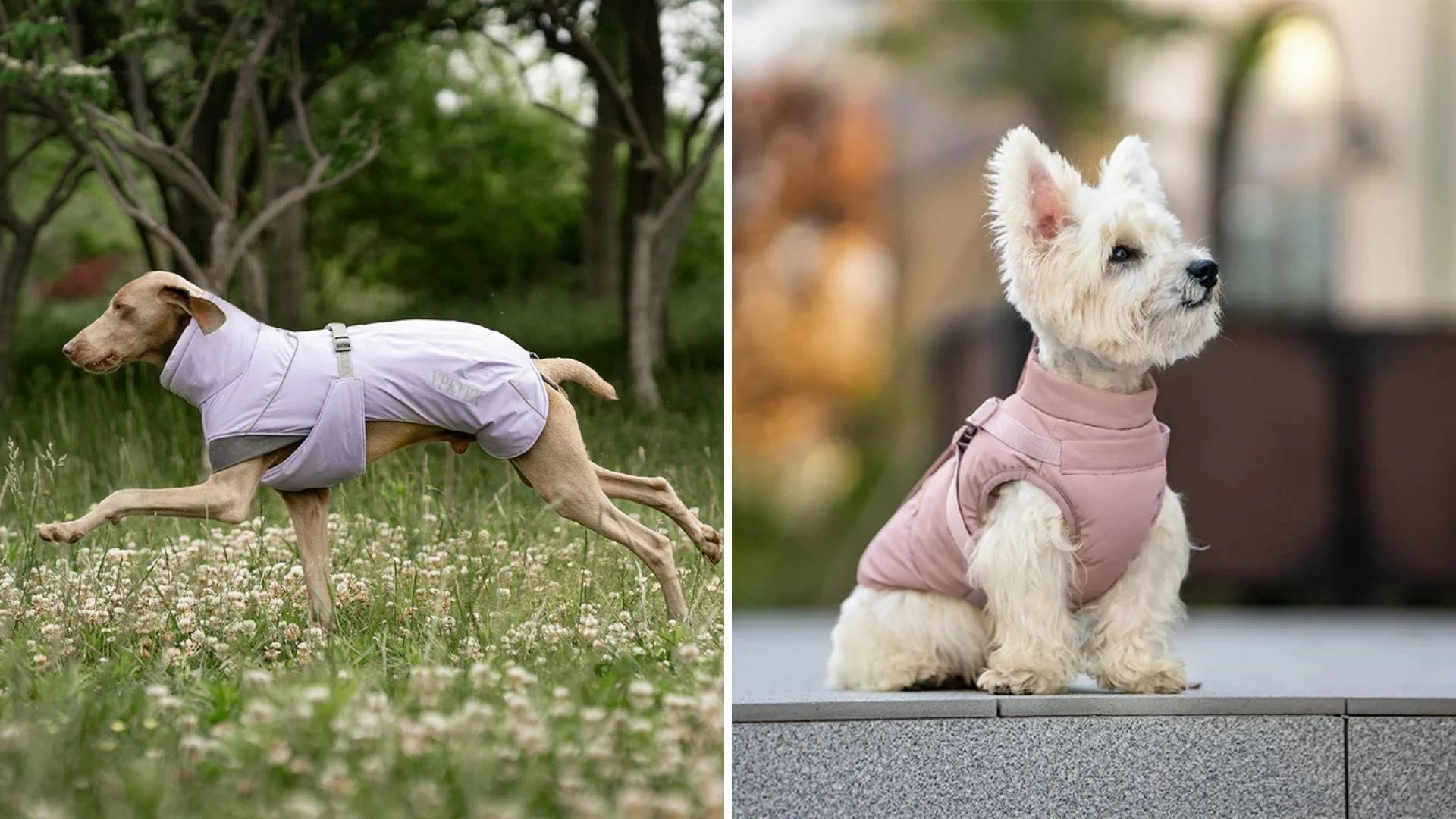
For small dog breeds, the main purpose of wearing dog coats is to keep the body warm and block cold air. Small dogs stay close to the ground. They can easily touch wet pavement, snow, and cold moisture when walking outside. Because of this, choosing the right dog coat for breed is very important for keeping the dog’s body warm.
When picking the best dog coats for small breeds, belly coverage is very important. The belly is easy to feel cold and wet. Small dogs do not need heavy or thick coats. Heavy coats may feel uncomfortable. Light but warm fabric works best. Fleece-lined nylon is a good choice. It keeps the dog warm but does not add too much weight. A high collar or small hood can help protect the neck and ears from cold wind.
Fit is also important when choosing dog coats for small breeds. Many small dogs have thin front legs. Coats with tight or hard arm holes may stop natural movement. Adjustable chest closures with hook-and-loop straps help the coat stay in place and feel comfortable. Some breeds like French Bulldogs have a wide and strong chest. Even if the back is short, chest width should be measured carefully. This helps make sure the dog coat for breed fits well and does not feel tight when the dog moves.
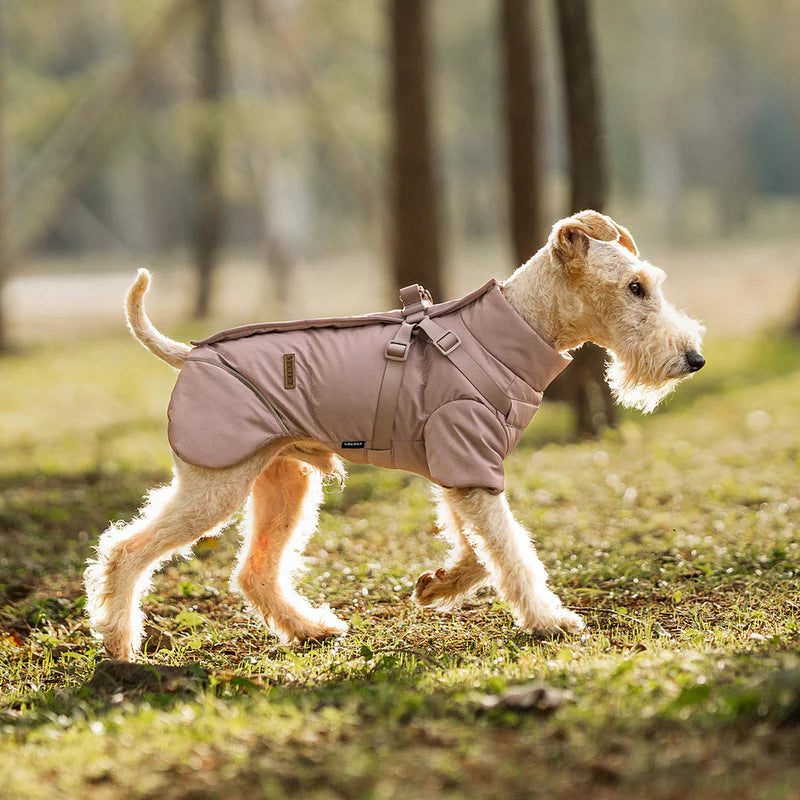
Medium-sized dogs need dog coats that protect them and still allow easy movement. These dogs make more body heat when they run and play. But they still need protection from wind, rain, and cold air. The best choice is a dog coat for breed that keeps the dog comfortable during outdoor walks and play.
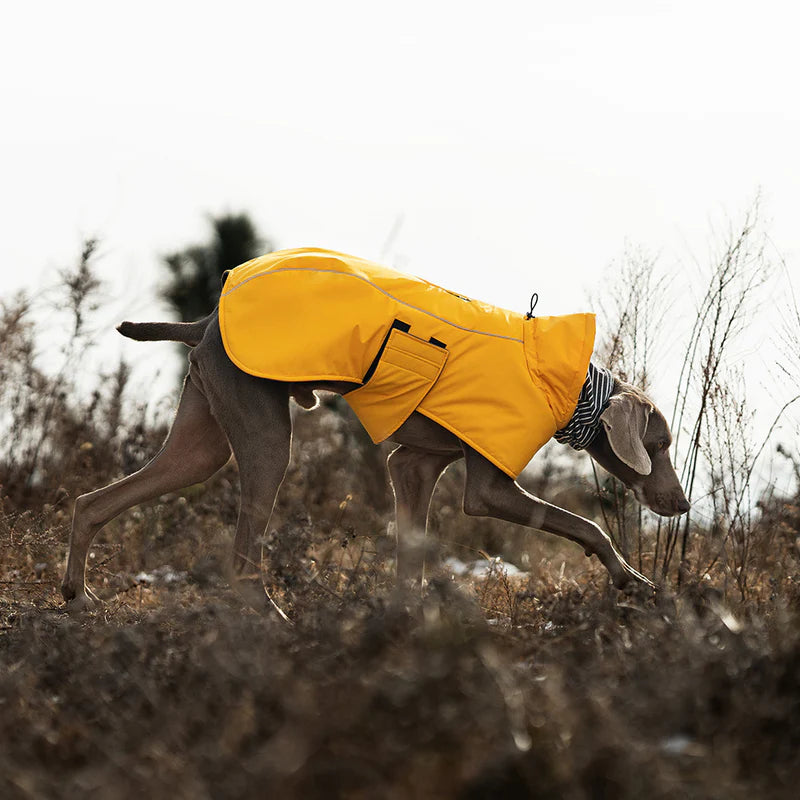
When choosing the best dog coats for medium breeds, a coat with a waterproof outer layer and a removable inner lining is a good option. This design helps the dog coat work in different weather. A harness opening is also important. A harness hole lets you attach the leash without taking off the coat. This is useful for dogs that stay active outside.
The material of the dog coat is also very important. Stretch fabric or elastic fabric works well. Materials like polyester and elastane help the coat move with the dog’s body. These fabrics help reduce rubbing. They also help stop the coat from sliding up or limiting leg movement when the dog runs or walks.
Large and big dog breeds need more coverage and stronger protection when choosing dog coats. These dogs face more wear when they play or walk outside. Some large dogs like to play in water, such as Labrador Retrievers. Some large dogs may feel joint stiffness when they get older. A good dog coat for breed helps dogs stay comfortable and move more easily.
When picking best dog coats for large dogs, durability and weather protection are very important. Coats made from ripstop polyester or nylon are stronger and harder to tear during outdoor use. A waterproof level of about 10,000mm or higher helps large dogs stay dry in rain, snow, or wet grass. For dogs that may have joint pain or arthritis, coats with warm lining, like fleece or simple synthetic insulation, help keep joints warm and make walking more comfortable in cold weather.
Size is a big problem when choosing dog coats for large breeds. You must measure chest size and back length carefully. Many coats for big dogs do not cover the back well or fit the chest properly. It is better to choose brands that offer sizes made for deep-chested dogs so the dog coat for breed fits well and protects the body.
A coat should fit well but not be tight. It must stay close to the dog’s body but still feel comfortable. Use a soft tape to measure from the base of the neck, where the collar sits, to the base of the tail for the coat length. Then measure around the widest part of the chest for chest size.
After putting on the coat, check the fit. You should be able to slide two fingers under the straps or closures. The coat should stay in place. The dog should still be able to walk, run, and move without skin rubbing.
The material of a dog coat should match the weather and your dog’s activity level.
The material of a dog coat must match the weather and your dog’s activity level. In cold and dry weather, soft fabrics that let air pass through work well. Fleece and wool blends help keep heat inside while staying comfortable. In wet and windy weather, a waterproof outer layer is needed. A dog coat for breed should have a water-repellent coating to block rain and wind. Cotton is not a good choice. Cotton absorbs water and can make the dog feel colder.
For dogs with long hair, the inner lining should be smooth. Silk, satin, or good quality polyester can reduce friction. Rough lining may pull or tangle the hair. This can cause discomfort, especially for dogs like Poodles and Goldendoodles.
Visibility: Winter days are short. It is hard to see dogs when walking outside. Dog coats with reflective strips help people see the dog. Drivers and cyclists can notice the dog during early morning or late evening walks.
Hardware: Buckles and closures must be strong. They should not rust. Avoid coats with loose buttons or hanging parts. Dogs may bite and swallow these parts.
Leash Access: A good dog coat for breed should have a hole or slot on the back. This helps you attach a leash to a harness or collar worn under the coat.
Explore high-quality and comfortable dog coats designed for different breeds, body shapes, and activity levels. Visit our website to find the best dog coats that fit your dog’s needs and help keep your pet safe and comfortable in outdoor activities.
Please read our FAQs page to find out more.
Dogs with short hair, small body size, or low cold tolerance often need dog coats in cold weather. If your dog shivers, lifts paws from the cold ground, or avoids going outside, a dog coat for breed may help keep them warm and comfortable.
A good dog coat should fit well, use comfortable and weather-appropriate materials, and include safe design features like strong closures and reflective details. If you want to learn more about what makes the best dog coats, you can read our detailed guide: What Makes a Great Dog Coats? Design Secrets Explained.
Some dogs need time to get used to dog coats. Start by letting your dog wear the coat for a short time at home. Use treats and praise to create a positive experience. Make sure the dog coat for breed fits well and does not feel tight or restrict movement.