


- by Howoll service
What Makes a Great Dog Coats? Design Secrets Explained
- by Howoll service
When most people think of dog coats, the first thing that comes to mind is style. Cute patterns, trendy colors, and Instagram-worthy looks often steal the spotlight. But a truly great dog coat is about much more than appearance. A well-designed dog coat protects your dog from harsh weather, supports natural movement, and stays comfortable during real outdoor use. In other words, great dog coat design is about function first — with style as a bonus. So what actually separates high-quality dog coats from the rest? Let’s break down the standards and uncover the design secrets behind the best dog coats on the market.
Not all dog coats are created equal. A great dog coat consistently meets four essential standards:
Comfort is the foundation of effective dog coat design, as a great dog coat should feel soft against the skin, eliminate pressure points, and allow natural breathing and circulation. Poorly constructed dog coats can lead to rubbing, overheating, or restricted movement, while high-quality dog coats rely on breathable linings and flexible construction to keep dogs comfortable during long walks and extended outdoor adventures. Well-designed outdoor dog coats often focus on ergonomic shaping and skin-friendly materials to support all-day wear in real conditions.
One of the main reasons dog owners choose dog coats is reliable protection in changing weather. From cold wind and rain to snow and damp environments, a well-designed dog coat creates a protective barrier that keeps dogs warm and dry without trapping excess moisture. Effective dog coat design carefully balances insulation and breathability, using performance materials that block the elements while allowing heat and moisture to escape, ensuring comfort in real outdoor conditions. Outdoor-focused dog coats are typically designed with weather-tested fabrics to perform in unpredictable environments.
Dogs are naturally active, which is why a great dog coat must move with their bodies rather than restrict them. The best dog coats are designed to support full shoulder movement, natural strides, and easy bending, allowing dogs to run, jump, and explore comfortably. Thoughtful dog coat design eliminates stiffness around the neck, legs, and chest, ensuring unrestricted mobility during everyday walks and outdoor adventures. Purpose-built dog coats often use contoured cuts to support movement during real outdoor activity.
Outdoor dog coats must be built to withstand real-world use, from rough terrain to frequent washing, making durability a critical factor. Strong stitching, reinforced stress points, and high-quality fabrics are essential elements of long-lasting dog coats, while durable dog coat design ensures consistent performance and protection season after season. High-quality outdoor dog coats are designed with long-term durability in mind, reducing the need for frequent replacement.
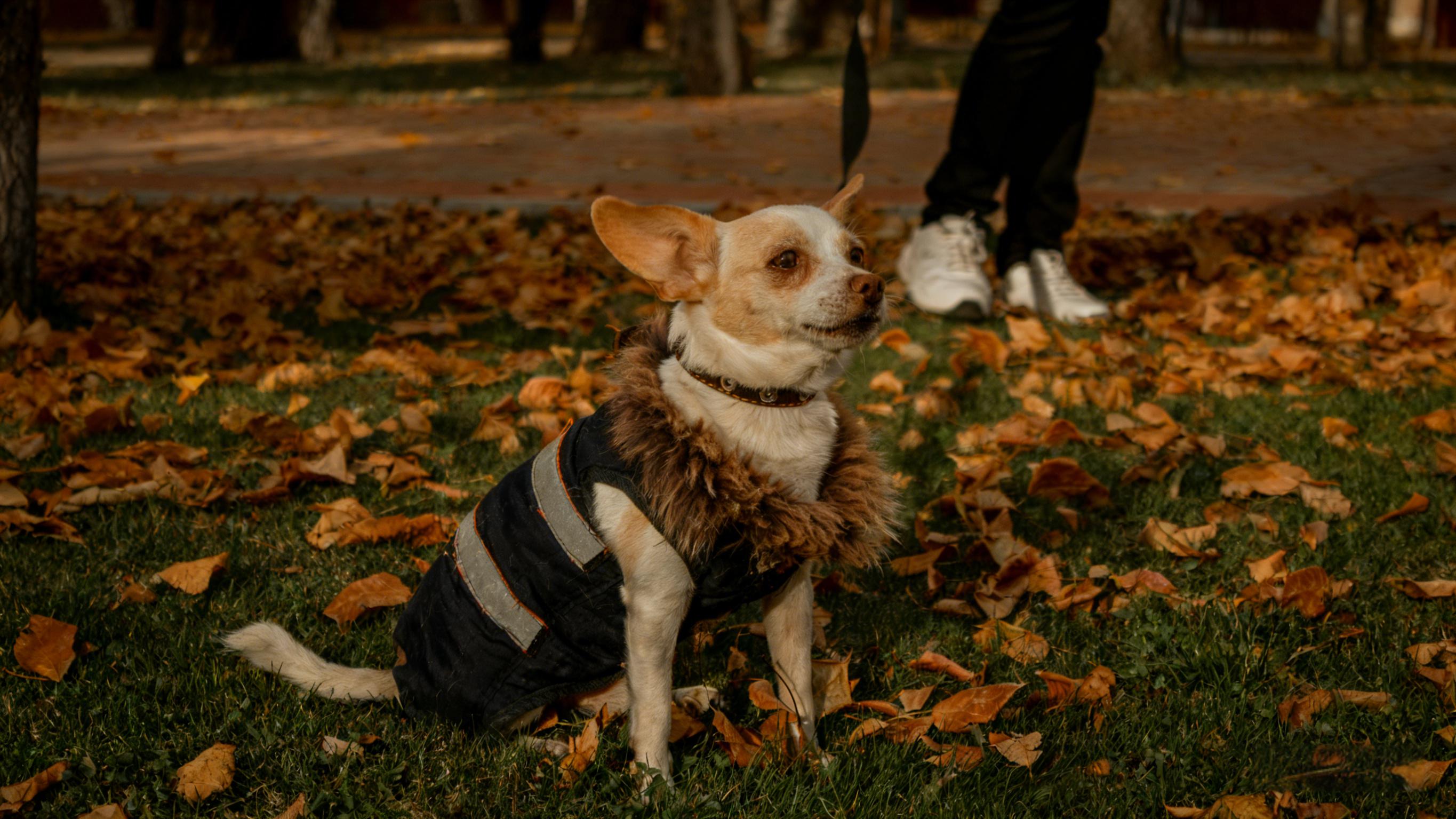
Great dog coats aren’t created by chance — they’re the result of intentional design choices made for active dogs and real environments. The following dog coat design elements reveal what truly goes into making a great dog coat.
When evaluating dog coats, material choice plays a critical role in overall performance. Different fabrics offer different strengths in terms of comfort, warmth, weather protection, and durability, which is why understanding common dog coat materials is essential. Rather than relying on appearance alone, effective dog coat design considers how each fabric performs in real outdoor conditions, from cold temperatures to moisture and extended wear. The table below compares six commonly used materials in dog coats across key performance factors.
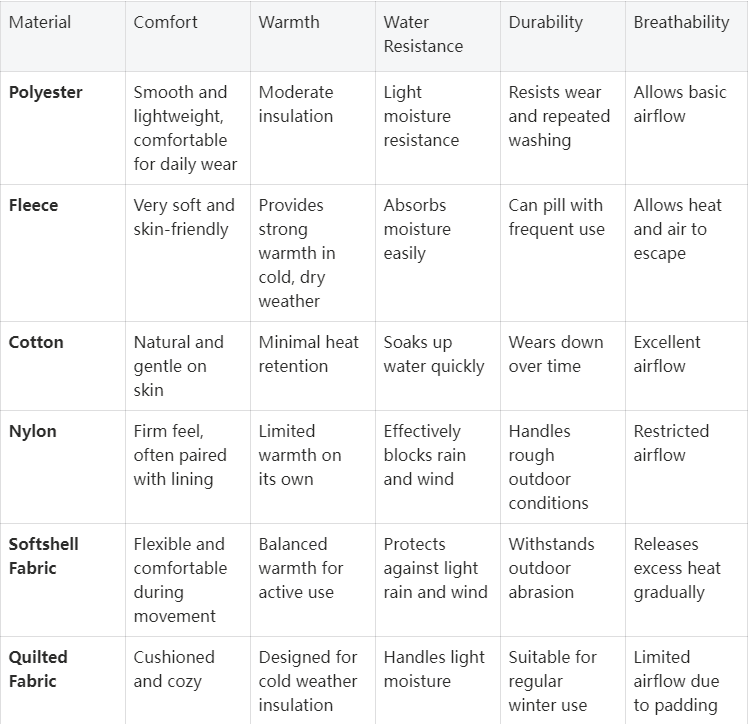
As the comparison shows, no single material excels in every category. Some fabrics prioritize warmth and softness, while others focus on water resistance or durability. This is why well-designed dog coats often combine multiple materials to achieve a balanced level of comfort, protection, and breathability. Thoughtful dog coat design takes into account a dog’s activity level, environment, and seasonal needs, ensuring the coat performs reliably in real-world use rather than serving a single function.
Industry sizing guides consistently emphasize three core measurements: neck circumference, chest girth, and back length. Among these, chest girth remains the most critical for stability and comfort, while neck and back measurements determine positioning and coverage. Lear more about how to measure a dog for a jacket. These measurements must then be matched to the correct coat pattern.
Beyond static measurements, dynamic cut plays a major role in comfort. Dogs generate most of their forward motion through the shoulders, which means poorly placed seams or tight armholes can restrict stride length. Well-designed dog coats incorporate:
In the field of functional canine apparel, dynamic stability is a key metric for evaluating design success. Leading manufacturers explicitly state that a properly fitting garment must remain stable during a dog's walking and running motions, without pulling forward or riding up at the shoulders.
Adjustability is essential for accommodating natural body variation and seasonal layering. In the design of functional pet apparel, the use of a multi-point adjustment system rather than a single closure has become an industry best practice. The core scientific basis for this design stems from the animal welfare principle of "avoiding localized discomfort".
The correct combination improves long-term comfort and prevents pressure concentration, reinforcing fit as a performance feature rather than a sizing afterthought.
Thoughtful dog coat design goes beyond materials and fit, extending to functional details that enhance safety and usability. In top-performing dog coats, reflective materials aren’t added randomly—they are strategically placed based on how dogs move and are seen. High-visibility strips along the neck and back ensure recognition from behind and above, horizontal bands around the torso maximize side visibility, and reflective points near leg joints move with each step, drawing attention in low light. Together, these elements create a three-dimensional visibility system, making dog coats effective from multiple angles. At the same time, quick-release design is a critical safety feature. Even in emergencies—like a dog getting stuck or needing urgent care—owners can remove the coat within seconds using single-handed buckles or easily torn emergency seams. This human-centered safety redundancy ensures dog coats protect without becoming a hazard in critical situations.
A great dog coat must withstand the rigors of real-world outdoor adventures, balancing strength, flexibility, and comfort. This begins with critical seam reinforcement: all high-stress seams—shoulders, underarms, harness attachment points, and belly—are stitched with triple-stitching or overlock techniques, providing several times the strength of a single seam and preventing splits during vigorous activity or washing.
Next, high-wear area reinforcement ensures longevity. Edges, elbows, and chest/abdomen zones that frequently contact the ground are strengthened with thicker fabrics, durable leather, or abrasion-resistant rubber patches, helping dog coats endure frequent friction without damage.
Finally, the accessory anchoring system guarantees that buckles, straps, and D-rings remain secure. Multi-layer backing combined with box or bartack stitching prevents attachments from tearing or coming loose, ensuring the dog coat stays functional and reliable even under heavy use.By integrating these measures, well-designed dog coats achieve the ideal balance of durability, mobility, and lightweight comfort for outdoor adventures.
At its core, exceptional dog coat design goes beyond aesthetics. The best dog coats are rooted in canine biomechanics, prioritizing comfort, mobility, and protection over human visual preferences. Every detail—from precise fit and dynamic cut to reinforced seams and reflective elements—is guided by how dogs move, breathe, and explore the outdoors.
Looking ahead, the future of dog coats is exciting. Innovations like smart temperature control and integrated health monitoring promise to elevate outdoor adventures, combining traditional durability and fit with next-generation technology to keep dogs safe, comfortable, and active in any environment.
At Howoll, we focus on creating dog coats that perform in real outdoor scenarios, combining premium materials, strategic reinforcement, and smart design features to support comfort, safety, and freedom of movement. Check out our collection today and find the perfect dog coat for your pet’s lifestyle.
Please read our FAQs page to find out more.
The best materials for dog coats are those that balance warmth, weather protection, and breathability. Commonly used materials include fleece for warmth, nylon for water resistance, softshell fabric for flexibility, quilted fabric for insulation, and polyester for lightweight comfort and durability.
Look for dog coats with a precise fit, durable materials, effective weather protection, breathable fabrics, reflective safety features, and functional design elements like adjustable closures and reinforced seams to ensure comfort, mobility, and longevity.
Look for dog coats with reinforced seams, strong stitching, and high-quality fabrics that can handle wear and tear. Focus on areas like the shoulders, chest, and belly, where stress is most likely to occur. Multi-layering in high-wear areas (like elbows and belly) can significantly extend the coat's life.
Absolutely! A well-designed dog coat should support full range of motion. Look for coats that allow natural shoulder movement and don’t restrict your dog’s stride. Features like flexible fabrics, ergonomic cuts, and adjustable fasteners ensure your dog can move freely during walks, hikes, or runs.
Dog coats are available for different weather conditions. For winter, choose coats with insulation and waterproof features. For mild weather, lightweight coats with breathable fabrics will keep your dog comfortable. Always consider the specific needs of your dog’s breed and the environment they’ll be in.