
- by 03Howoll
Top 5 Small Dog Harnesses for Every Adventure Together
- by 03Howoll
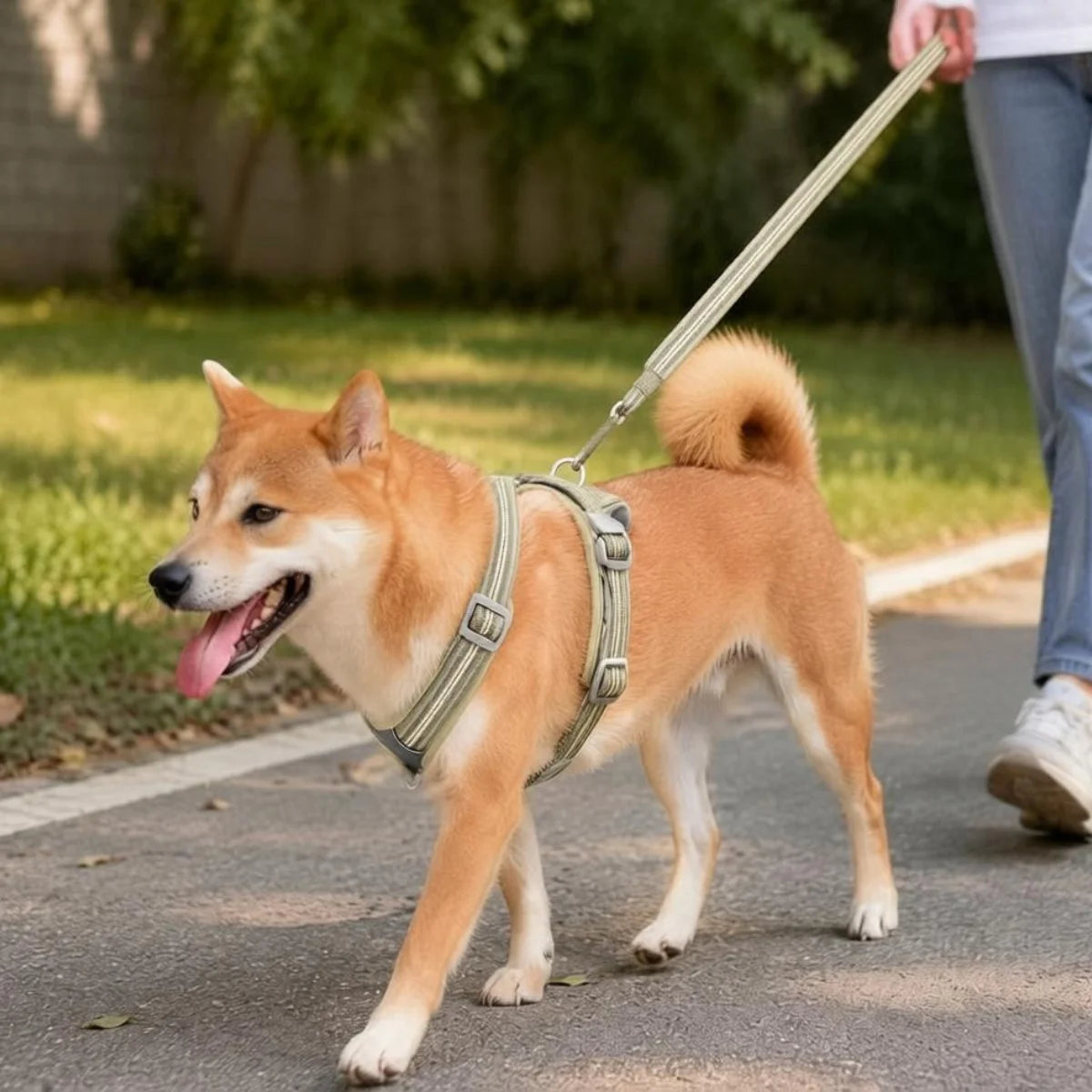
Finding the best dog harness for small dogs is not only about choosing the cutest color or the smallest size. Small dogs have lighter bodies, thinner necks, and more delicate skin, so the wrong harness can quickly become uncomfortable or even unsafe. A good small dog harness should feel lightweight, stay secure during walks, and help spread leash pressure across the chest instead of the neck.
Whether you have a Chihuahua, Yorkie, Maltese, Mini Poodle, Dachshund, Pomeranian, or another small breed, the right harness can make daily walks, car trips, park visits, and outdoor adventures much easier. The key is to choose a harness that fits your dog’s body shape, activity level, and walking habits. In this guide, we will explain why small dogs need the right harness, what features to look for, the main types of harnesses available, and five popular small dog harness options for different needs.
Small breeds are not just scaled-down versions of big dogs. Their frames are lighter, their necks can be more sensitive, and a poor setup can feel bulky on the dog’s body. That is why the right harness matters so much.
For dog owners asking how do I choose the best harness for a small dog, start with fit, comfort, and safety. A secure fit should sit flat, avoid rubbing, and let your dog move naturally. The next points explain why those details make such a difference.
Many small breeds have thin necks and sensitive throats. When a dog pulls against a collar, pressure can concentrate around the neck. For small dogs, this pressure may feel uncomfortable very quickly. A properly fitted harness can help move that pressure away from the throat and distribute it more evenly across the chest and upper body.
This is one reason many owners prefer a harness for small dogs instead of relying only on a collar for walks. A collar can still be useful for ID tags, but a harness often provides better control and comfort during daily walking.
Because small dogs have compact bodies, there is less room between the front legs, chest, and shoulders. If the harness straps sit too close to the armpits or the material is too stiff, it may rub the skin during movement. Over time, this can lead to redness, hair loss, or discomfort.
A good small dog harness should have smooth edges, soft padding, or breathable mesh where the harness touches the body. It should not dig into the skin when your dog sits, walks, turns, or runs. After the first few walks, it is a good idea to check your dog’s chest and underarm area for any signs of irritation.
Small dogs can be surprisingly good escape artists. Dogs with narrow chests, slim shoulders, long bodies, or fluffy coats may slip out of a poorly fitted harness, especially if they pull backward. Nervous dogs may also try to back out of their harness when they hear loud sounds or see something unfamiliar.
This is why adjustability matters. A secure harness should stay close to the body without feeling restrictive. For dogs that have slipped out before, an escape-resistant design or a harness with multiple adjustment points can offer extra peace of mind.

The best dog harness for small dogs should balance comfort, control, and safety. Instead of choosing by appearance alone, look closely at the design, material, leash attachment points, and fit options. A harness that works well for one small dog may not be the best choice for another, especially if their body shapes or walking behaviors are different.
Small dogs usually do better with a lightweight harness. Heavy padding, thick hardware, and rigid panels can feel awkward on a tiny frame. That extra bulk may not bother large dogs, but on small breeds it can affect comfort and movement.
Experts specifically point out that slim profiles and breathable materials work best for smaller pups. Polyester mesh is a strong example. It feels soft, does not add much weight, and can stay comfortable during longer wear. That is one reason soft mesh styles are popular with dog owners of toy and mini breeds.
Always think about the dog’s size in relation to the harness itself. A product can be labeled for small dogs and still feel oversized once it is on. If your dog seems stiff, hesitant, or distracted, the harness may simply be too much gear for a little body.
Comfort starts with what touches your dog. A soft dog harness made from mesh or lined fabric can feel gentler than plain straps, especially for dogs with sensitive skin. That softer contact can reduce friction during daily walks.
Some harnesses use a padded chest panel for maximum comfort. Others rely on breathable mesh that stays flexible and light. Both approaches can work well if the fit is right. The goal is to support the dog without trapping heat or creating pressure points that lead to rubbing.
There is also a handling benefit. When your dog feels comfortable, walks tend to go more smoothly. You often get better control because your dog is not busy reacting to discomfort. For many small dogs, soft materials are not just a luxury. They are a practical feature.
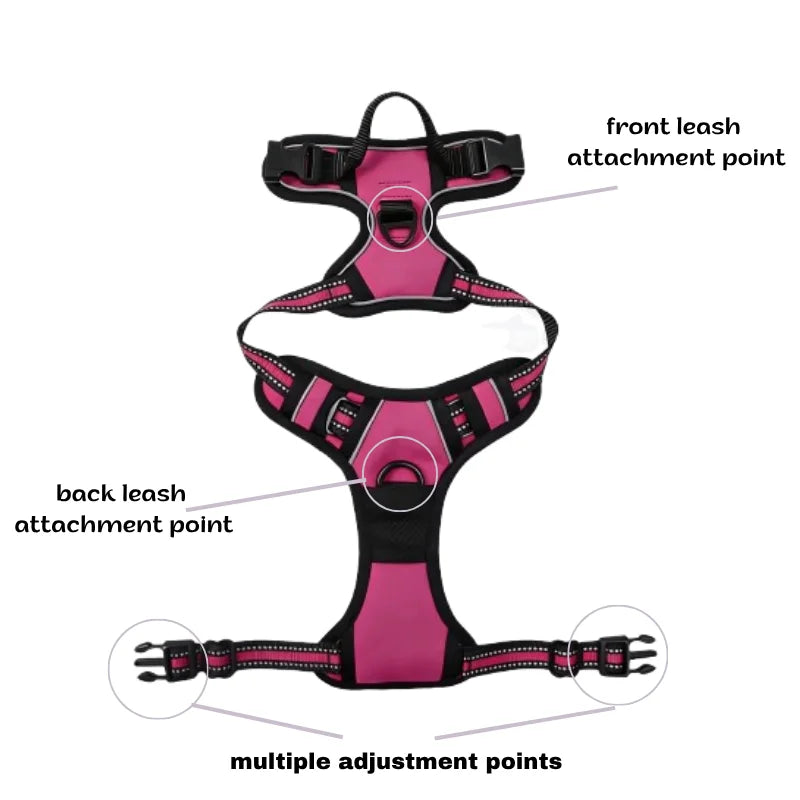
Fit is rarely perfect straight out of the package. Small dogs can be narrow-chested, broad-shouldered, or somewhere in between, which is why multiple adjustment points are so useful. They let you fine-tune the harness to your dog’s body instead of hoping for a close enough match.
A harness with several points of adjustment can solve tricky sizing issues, especially for dogs that fall between sizes. That flexibility helps you find a perfect fit around the chest and ribcage while keeping the straps flat and balanced.
The result is a more secure fit and better comfort. If one part sits too loose, your dog may back out. If another is too tight, movement can be restricted. Adjustable straps help you avoid both problems and make the harness feel more custom.
A secure buckle is important for any dog harness, but it matters even more for small dogs that move quickly or try to reverse out of their gear. The buckle should close firmly, stay in place during movement, and be easy for the owner to open when needed.
Escape-resistant fit does not mean the harness should be tight. Instead, it means the harness should match the dog’s shape and sit in the right position. A well-fitted harness should not slide around the body, twist to one side, or leave large gaps at the neck or chest.
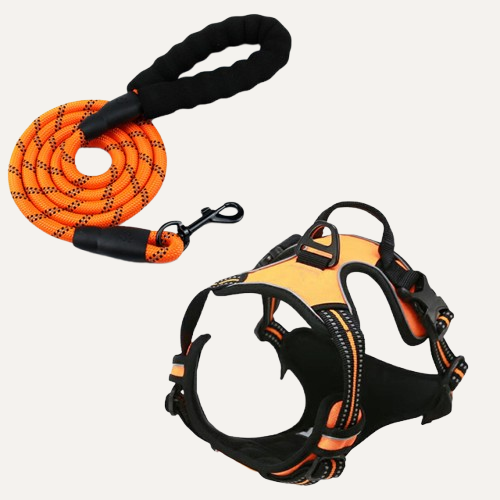
Leash placement changes how a harness feels and performs. A back clip is usually best for dogs that already walk politely, while a front clip can offer better control when a dog leans into the leash. Your choice should match your dog’s habits.
Are there harnesses specially made for small breeds that prevent pulling? Some options can help reduce pulling, especially those with a front clip or dual leash connection points. Still, trainers are clear that harnesses are not a cure for pulling on their own. They work best alongside good leash skills.
A front range harness or another model with both front and back attachment points gives you flexibility. That type of harness can support calmer walks one day and more guided handling the next, which is helpful if your small dog’s behavior varies by setting.
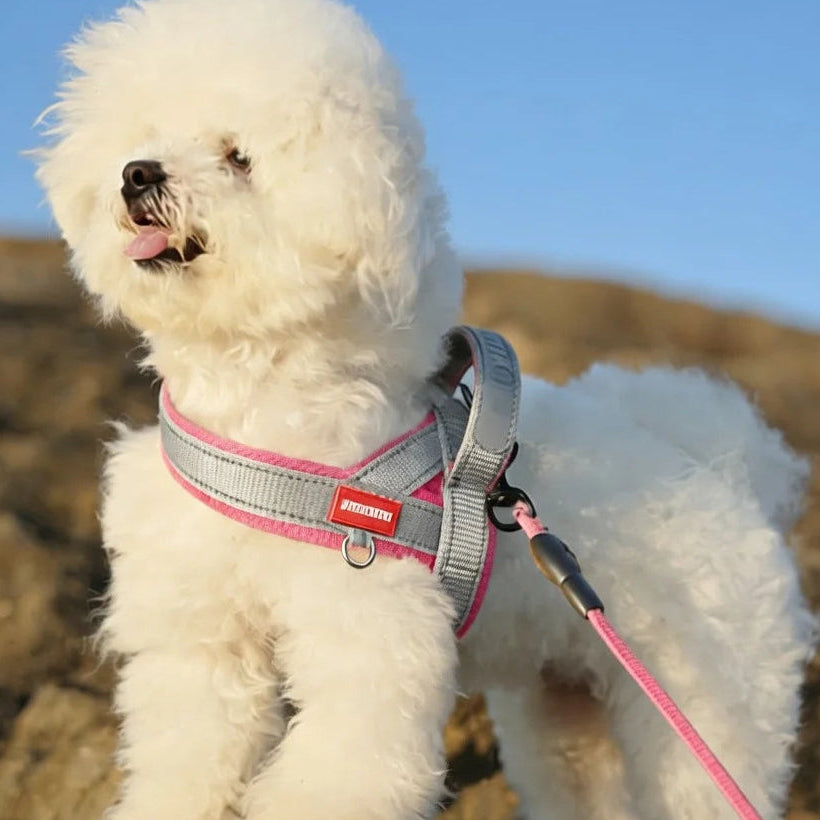
Sometimes the smallest extra features make everyday walks easier. Reflective details are a good example. They improve visibility during early mornings, evenings, or dim weather without changing how the harness fits.
This matters for small dogs because their dog’s size makes them harder to spot than tall breeds. If your pup walks close to parked cars, shrubs, or busy sidewalks, a little added visibility can help. Reflective trim is especially useful for dogs with a higher activity level or those who go out several times a day.
It is not the first feature to shop for, but it is a smart one for daily use. Once you have comfort, fit, and security covered, reflective accents become a practical bonus rather than a gimmick.
Not every type of harness works the same way, and that is good news for pet parents. Different types of dogs need different levels of support, coverage, and control. For small breeds, comfort and simplicity often matter as much as security.
There are several types of small dog harnesses, and each one serves a slightly different purpose. The best choice depends on your dog’s size, temperament, coat type, and walking behavior.
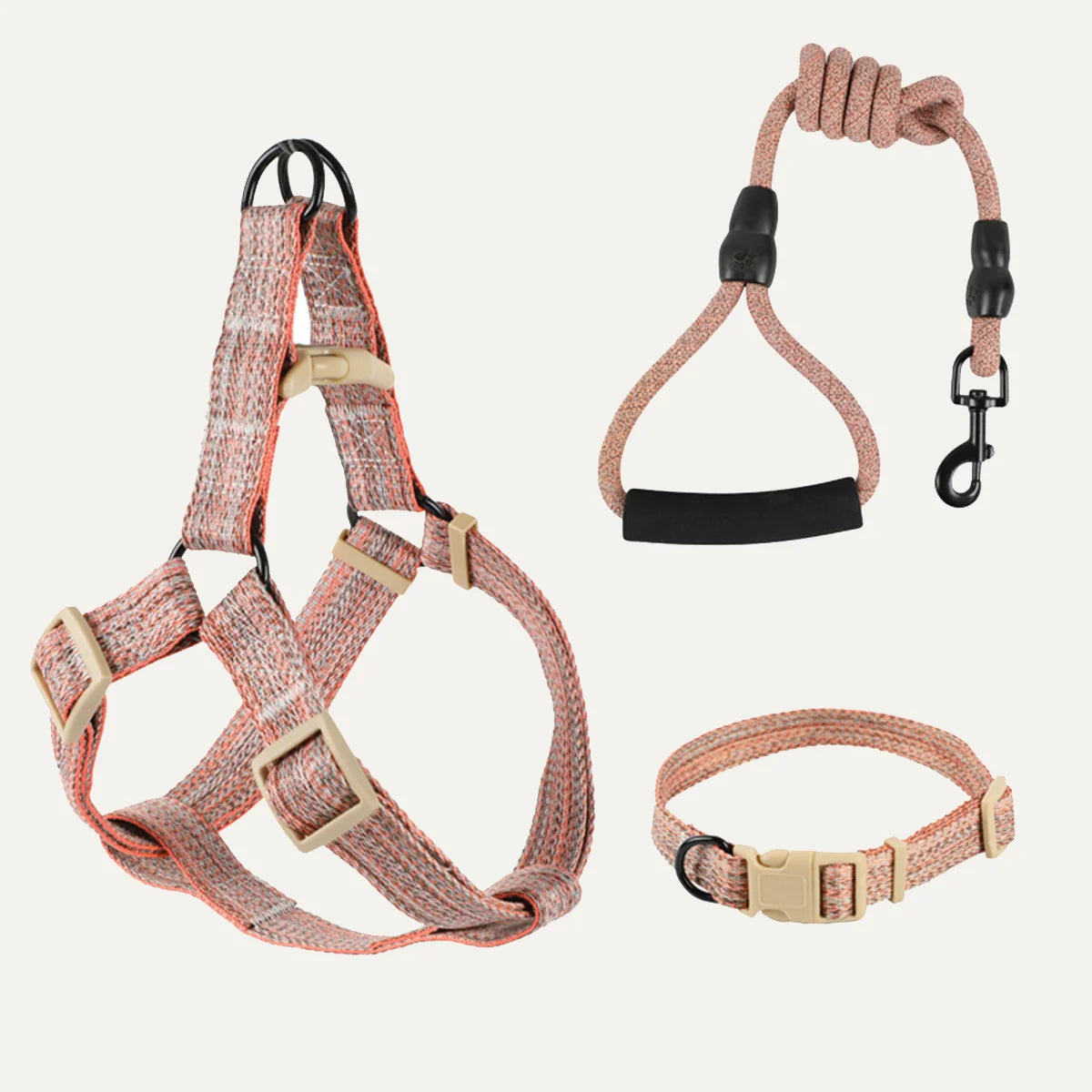
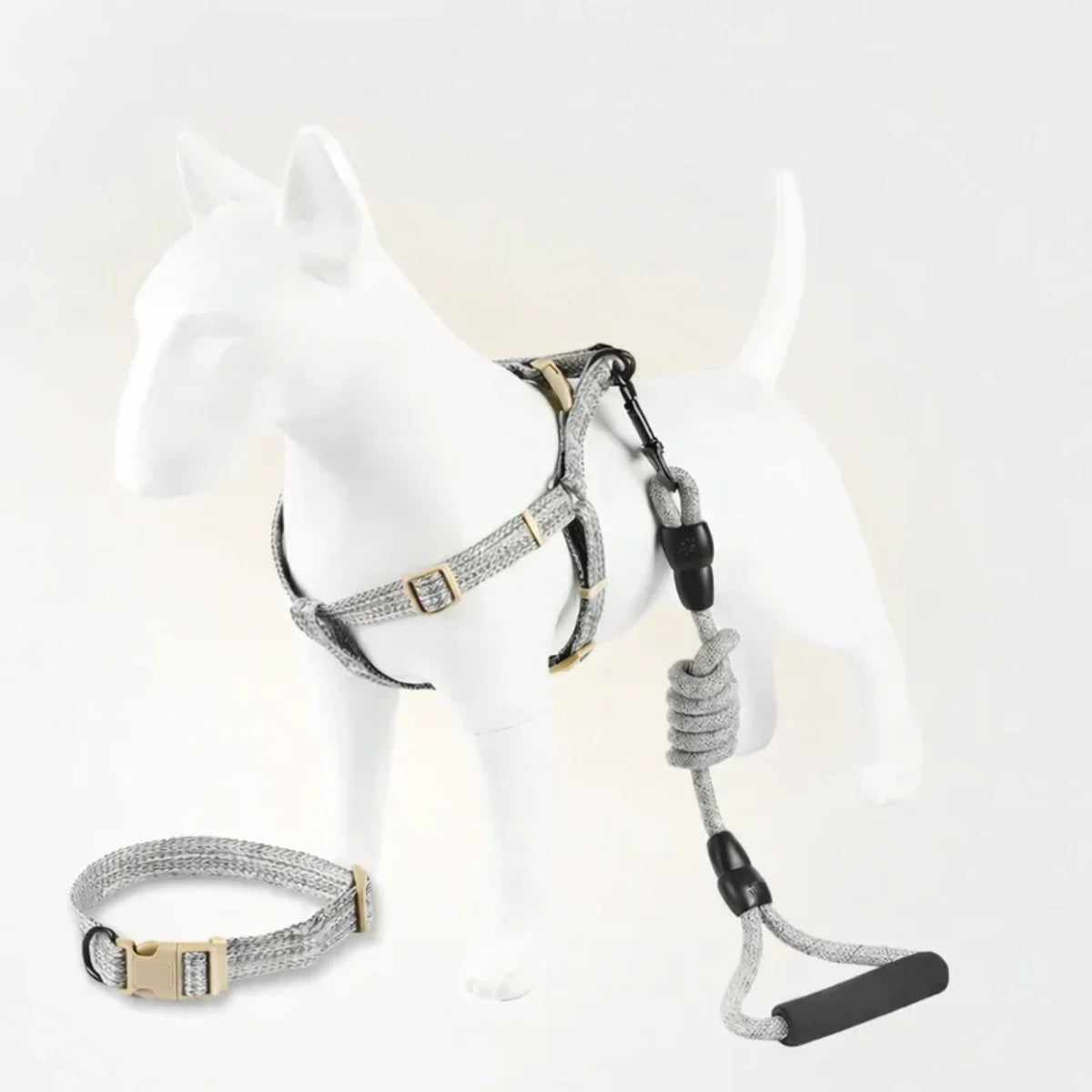
A step-in harness is designed so your dog steps into the leg openings, and the harness closes over the back. This style is often a good choice for small dogs that dislike having a harness pulled over their head.
That ease of use is one of its biggest strengths. It works especially well for small dogs that are calm, easygoing, or light enough to lift into place. Many step-in styles are made from soft mesh, which helps create a comfortable fit for regular short walks.
There are tradeoffs, though. This type often has less adjustability than other styles, so careful measuring matters. If your dog needs a highly tailored shape or tends to pull hard, a step-in harness may not offer enough support or fine-tuning.

A vest harness gives more coverage across the chest and torso than narrow-strap styles. That can feel reassuring for small dogs because the pressure is spread over a wider area. For some pups, it also creates a more secure fit.
Many owners like a vest harness for daily use because it often combines softness with a tidy, easy-to-manage shape. A soft dog harness in vest form can be especially comfortable when it uses breathable mesh or light lining instead of stiff fabric.
The main thing to check is how it goes on and whether the neck opening adjusts. Some vest styles still slip over the head, and some are better for calm walkers than strong pullers. If the sizing matches your dog well, though, this can be a very comfortable everyday choice.

A back-clip harness places the leash attachment on top of the dog’s body. This is a familiar setup for many owners because it feels straightforward and keeps the leash out of the way. For dogs that already walk nicely, it can be a comfortable, low-fuss option.
Back attachment points work best for casual strolls and dogs that do not need much redirection. They distribute pressure away from the neck, which is helpful for small dogs, but they usually do less to discourage pulling than front-based designs.
Some models inspired by a freedom harness approach may include added structure or soft lining, but the basic appeal stays the same: simplicity. If your dog is relaxed on leash and you want a clean daily setup, a back-clip style is a solid place to start.

A front-clip harness places the leash at the chest, using a front attachment point to shift the dog’s direction when they pull forward. That can give you better control, especially with enthusiastic walkers who lunge toward distractions.
For small dogs, the key is finding a front-clip style that stays balanced. If the harness twists sideways under tension, it may not help much. Good fit and smart design matter just as much as clip placement.
A dual-clip harness offers two leash connection options in one setup. You get dual attachment points, usually a front clip at the chest and back attachment points on top. That gives you flexibility based on where you walk and how your dog is behaving that day.
This style suits a wide variety of dogs because it can adapt to different needs. You might use the back clip for an easy neighborhood walk and switch to the front for busier outings where you want more guidance. For some owners, that versatility makes one harness cover more situations.
It is also useful when your dog’s activity level changes. A pup that walks calmly one day may pull the next. Having both options built in saves you from needing separate gear for simple walks and more controlled handling.
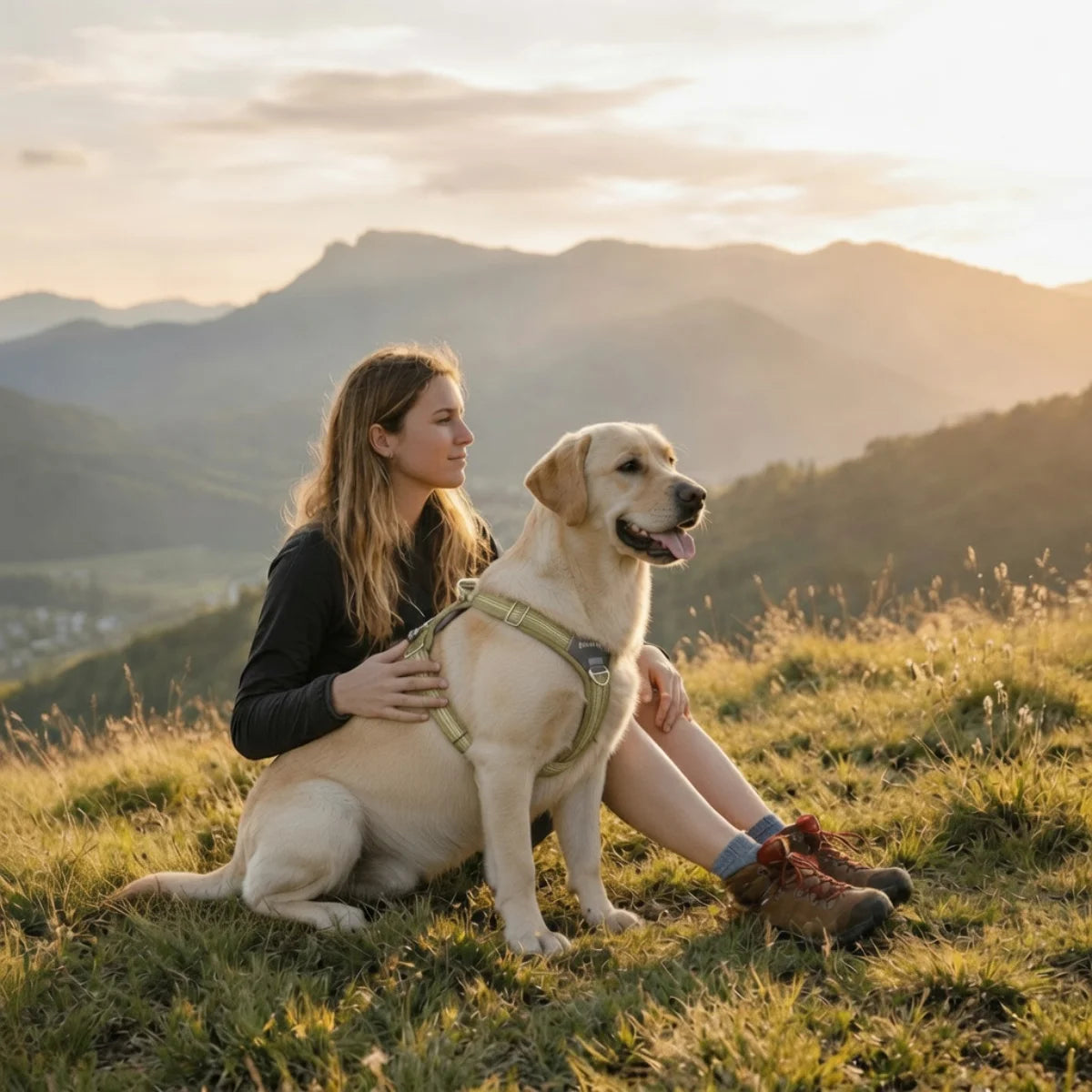
An escape-proof harness is designed for dogs that have slipped out of standard harnesses before. These harnesses often include extra adjustment points, a more secure body shape, or additional straps to reduce the chance of backing out.
For small dogs that are nervous, slim-bodied, or very flexible, this type of harness can be helpful. However, no harness is truly escape-proof if it fits poorly. The harness must still be adjusted correctly and checked regularly.
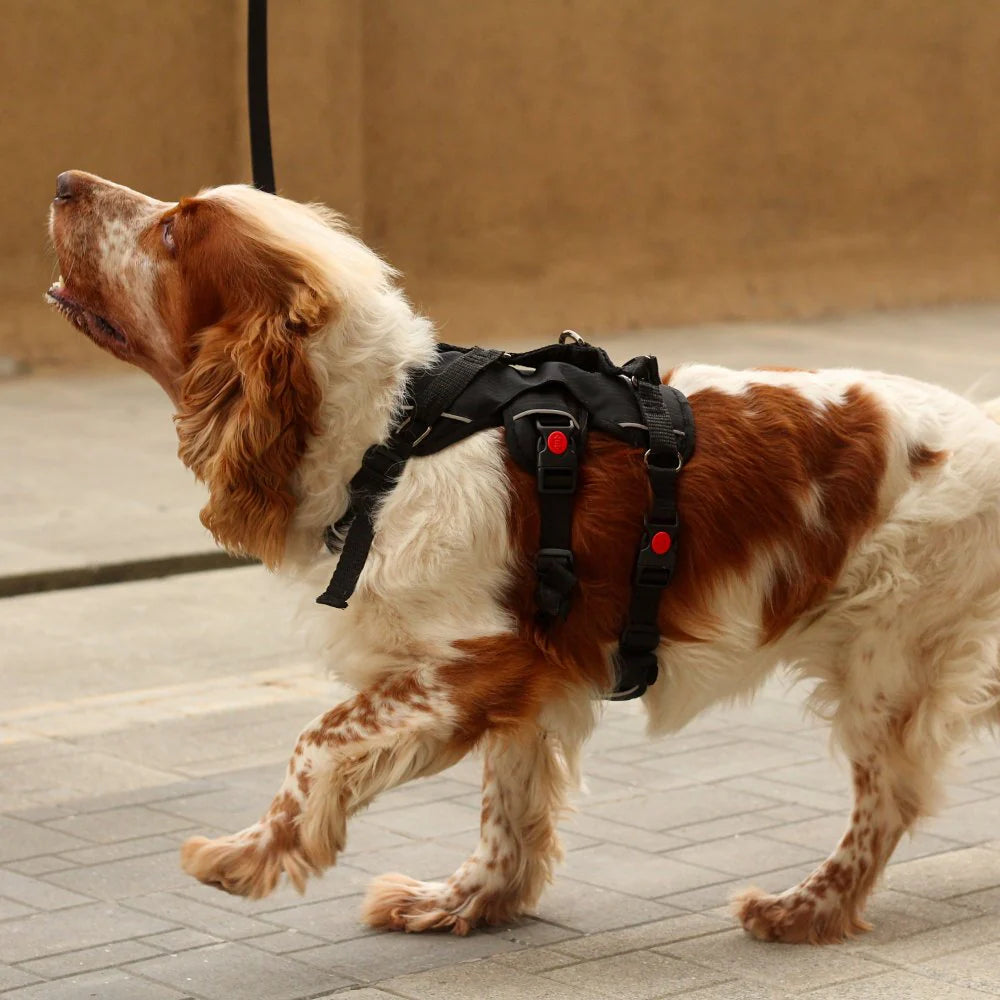
If you are wondering what are the top recommended harnesses for small dogs in 2026, these five stand out from the compiled testing and expert feedback. They cover different needs, from soft everyday wear to more adjustable, secure options.
Are there harness brands popular among small dog owners? Yes. Ruffwear, Puppia, Voyager, Kurgo, and Blue-9 are all widely recognized for comfort, fit, or control. The top pick for you depends on whether your priority is softness, simplicity, adjustability, or extra security.
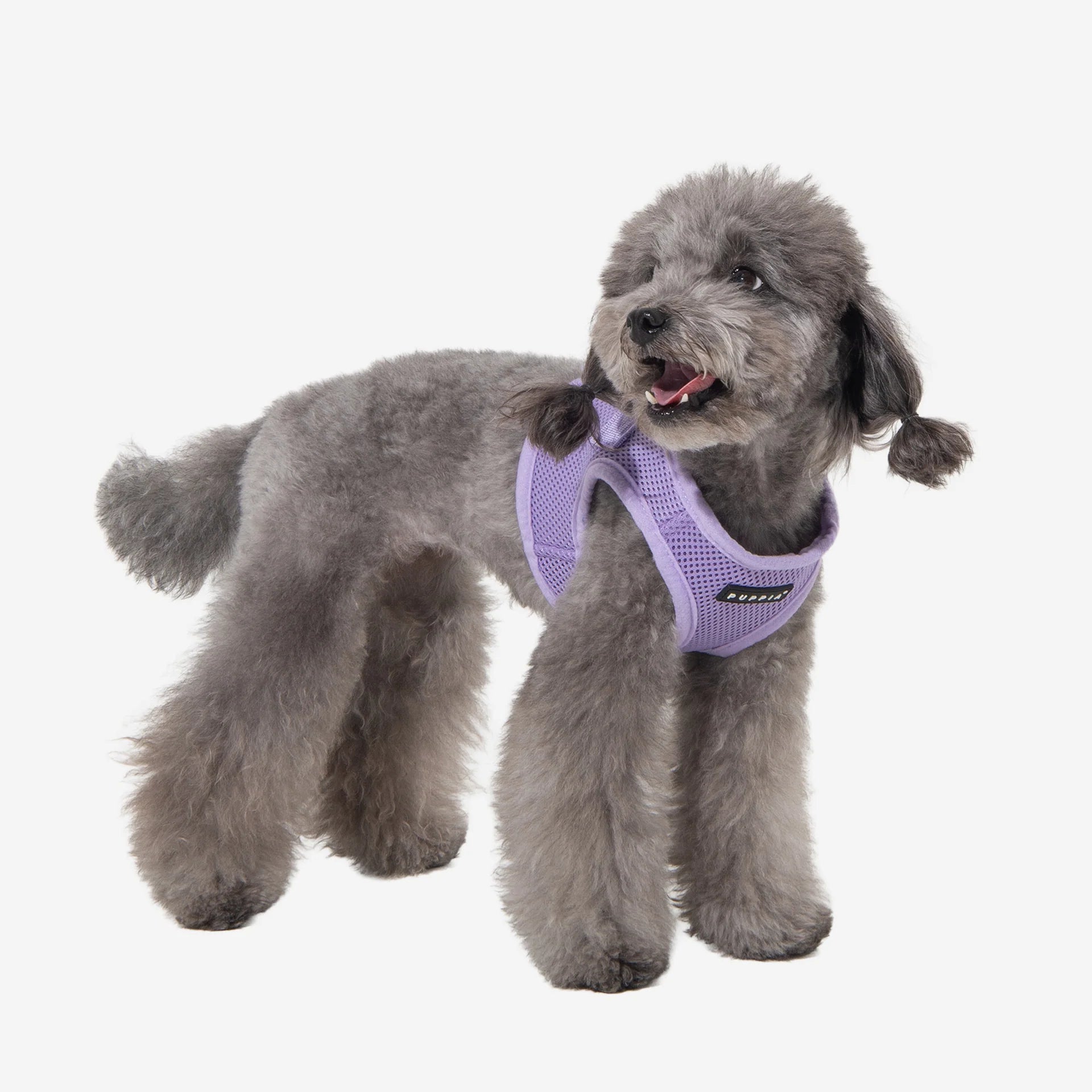
The Puppia Soft Vest Harness is a popular choice among small dog owners, known for its lightweight air-mesh material and soft construction. The design helps distribute pressure evenly across the chest rather than the neck, which is especially important for small breeds that may be more sensitive in that area.
This harness is well-suited for everyday walks and short outings. The vest-style structure allows for easy wear and tends to be more comfortable for dogs compared to traditional harness designs. Its breathable mesh fabric also helps keep dogs cool, making it a practical option for warmer weather.
However, there are a few considerations to keep in mind. Proper sizing is essential, as an incorrect fit may lead to looseness or shifting during walks. Additionally, this harness is not specifically designed for dogs that pull strongly, as it does not provide the same level of control as front-clip or more structured harnesses. Over time, the soft material may also show signs of wear with frequent or rough use.
Overall, it remains a reliable option for pet owners seeking a comfortable and easy-to-use harness for small dogs, particularly for calm walks and daily activities.
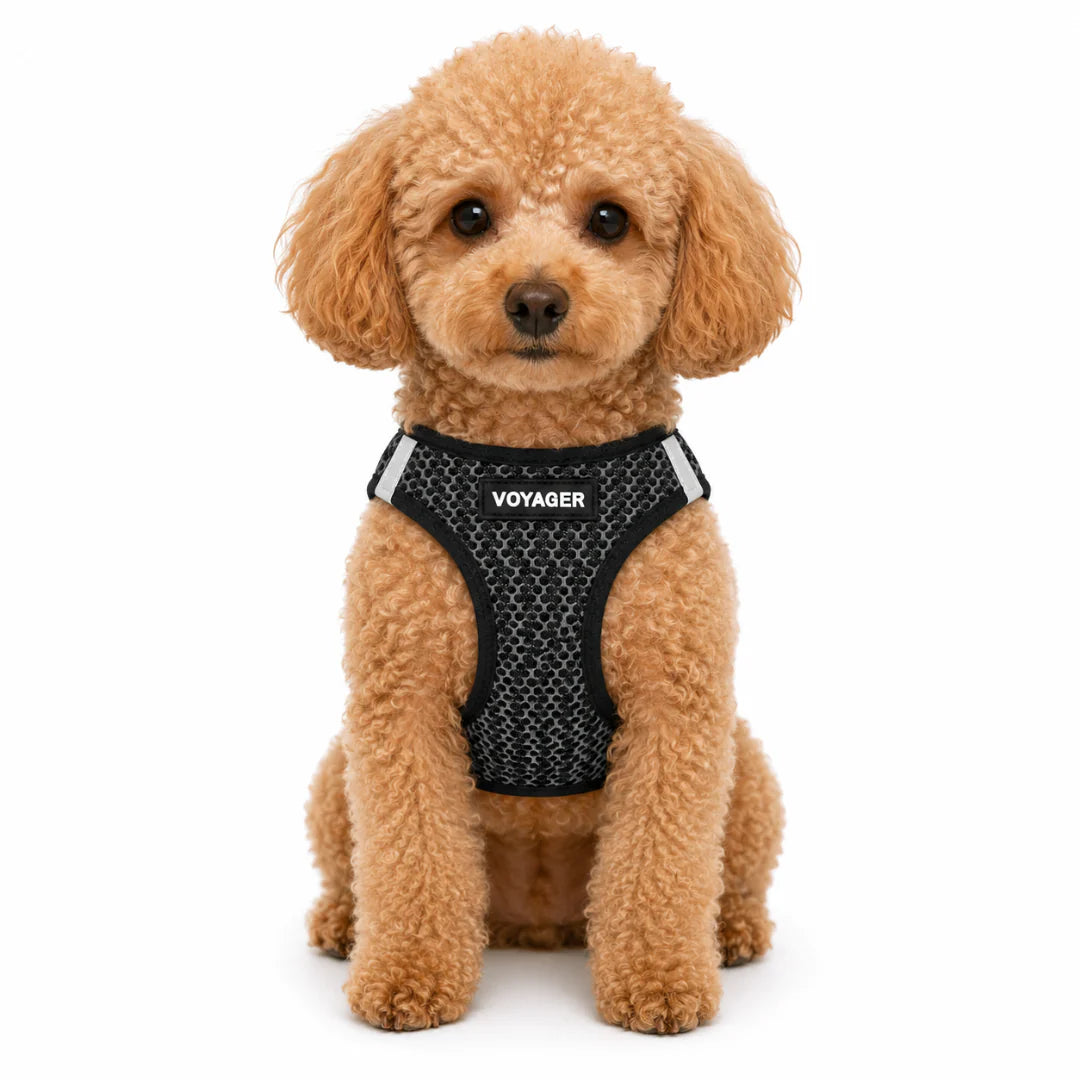
The Voyager Step-In Air Harness suits small to medium dogs that benefit from a simple, no-overhead design. The step-in style allows quick wear, making it a good option for pets that are sensitive around the head.
Constructed with breathable air mesh, it helps keep dogs cool and comfortable in warmer conditions. The lightweight vest structure spreads pressure across the chest, helping to reduce strain on the neck.
It is generally easy to put on and remove, especially for dogs that resist traditional harness styles. The breathable fabric and reflective bands add to its practicality. However, the fit can be tricky to get right, as it may run small or feel too snug for some dogs. Additionally, it may not provide enough control for strong pullers, and the hook-and-loop closure can lose effectiveness over time with frequent use.
The design includes a hook-and-loop closure, a buckle, and double D-rings for added security, along with reflective bands to improve visibility.
Overall, it offers a straightforward and comfortable option for everyday walks, though it may not be the best choice for highly active or strong dogs
Gooby Escape-Free Memory Foam Harness is designed specifically for small dogs, especially those that tend to slip out of regular harnesses. It features a unique escape-prevention structure that gently tightens when the dog pulls backward, improving the overall fit and reducing the chance of escape without causing pressure or discomfort.
In terms of comfort, this harness includes memory foam padding in the chest area, which conforms to the dog’s body shape to provide support and reduce pressure points. It is particularly suitable for smaller dogs or those sensitive to touch. The soft inner lining also makes it comfortable for daily wear, even during longer walks.
However, it’s worth noting that the escape-prevention feature relies on tension to activate, so its benefits may be less noticeable for dogs that don’t pull much. Additionally, the memory foam material may offer limited breathability in hot weather, so it’s recommended to limit wear time in high temperatures.
Overall, this harness strikes a good balance between safety and comfort, making it a reliable choice for small dogs that are prone to escaping during daily outings.
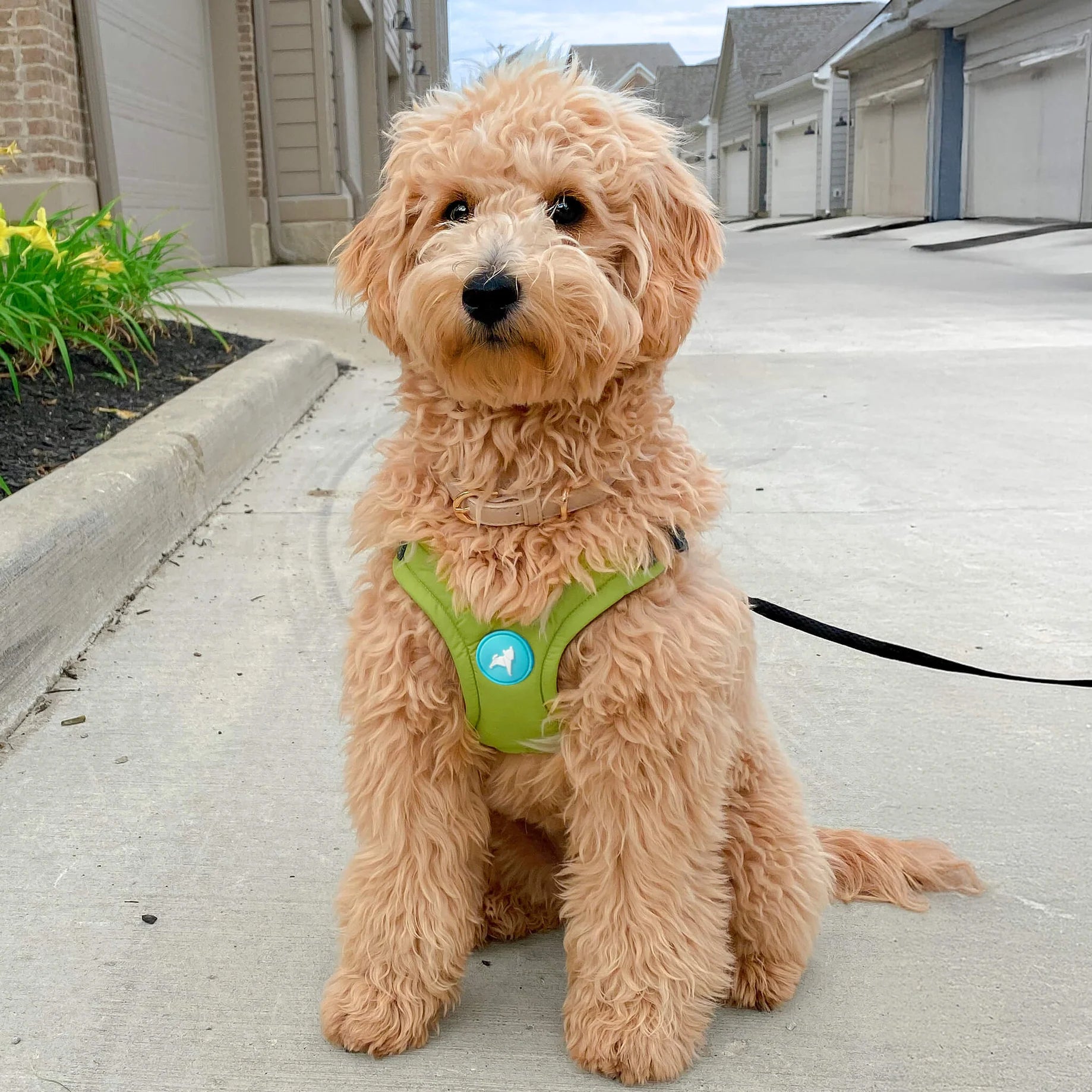
The Blue-9 Balance Harness is thoughtfully designed to provide a truly customizable fit for dogs of all shapes and sizes, including small breeds with unique proportions such as narrow chests or longer torsos. With six points of adjustment, it allows pet parents to fine-tune the fit for optimal comfort and security.
Our minimalist strap design promotes natural movement and excellent airflow, helping keep dogs comfortable during walks, even in warmer conditions. The harness features both front and back leash attachment points, giving you versatile control options for everyday walking or training situations.
Because of its highly adjustable nature, achieving the perfect fit may take a bit of initial setup. Additionally, the multiple adjustment points and strap-based design may feel slightly complex for first-time users, and some dogs may require a short adjustment period to get used to the fit. However, once properly fitted, the Balance Harness offers a secure, comfortable, and movement-friendly solution that supports both you and your dog on every walk.
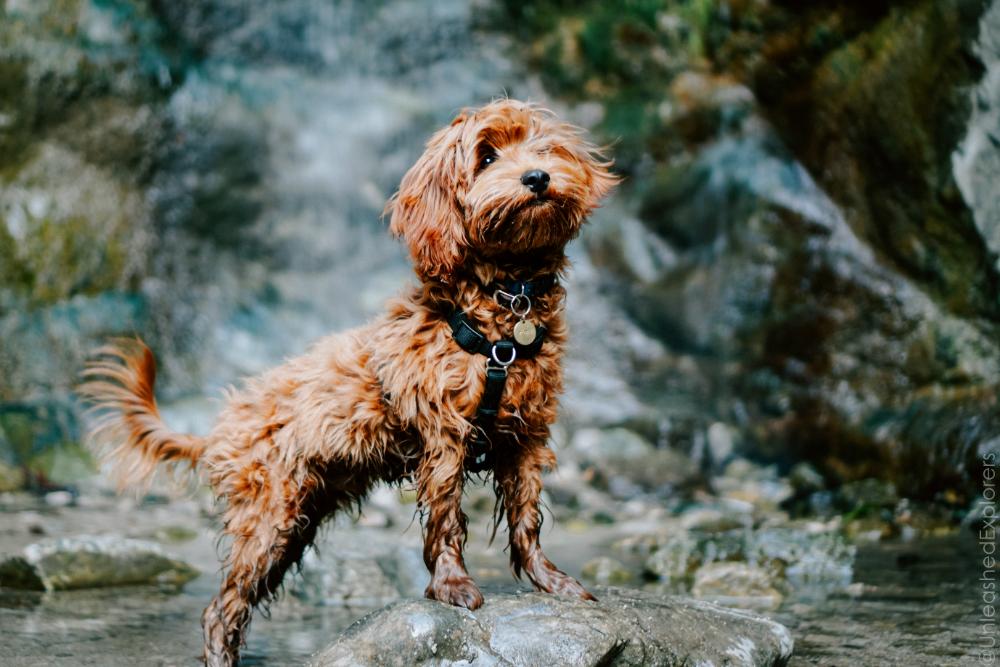
The MiniFit harness is designed specifically for small dogs, featuring a lightweight, close-fitting structure that won’t feel bulky or restrictive. It allows your dog to move freely and comfortably during everyday activities.
Made with breathable mesh and a soft inner lining, it conforms well to the chest and helps reduce friction, staying comfortable even during extended wear. The multi-point adjustment system ensures a snug fit, improving overall security and reducing the risk of slipping out.
Its simple step-in design combined with a quick-release buckle makes it easy and efficient to put on and take off. Reflective details are also included to enhance visibility in low-light conditions or at night, adding an extra layer of safety.
However, this harness is designed with comfort and lightness in mind, so it may offer limited control for dogs that pull strongly and is not ideal for high-intensity outdoor activities. Additionally, since small dogs can vary greatly in size, it’s important to measure carefully before use to ensure the best possible fit.
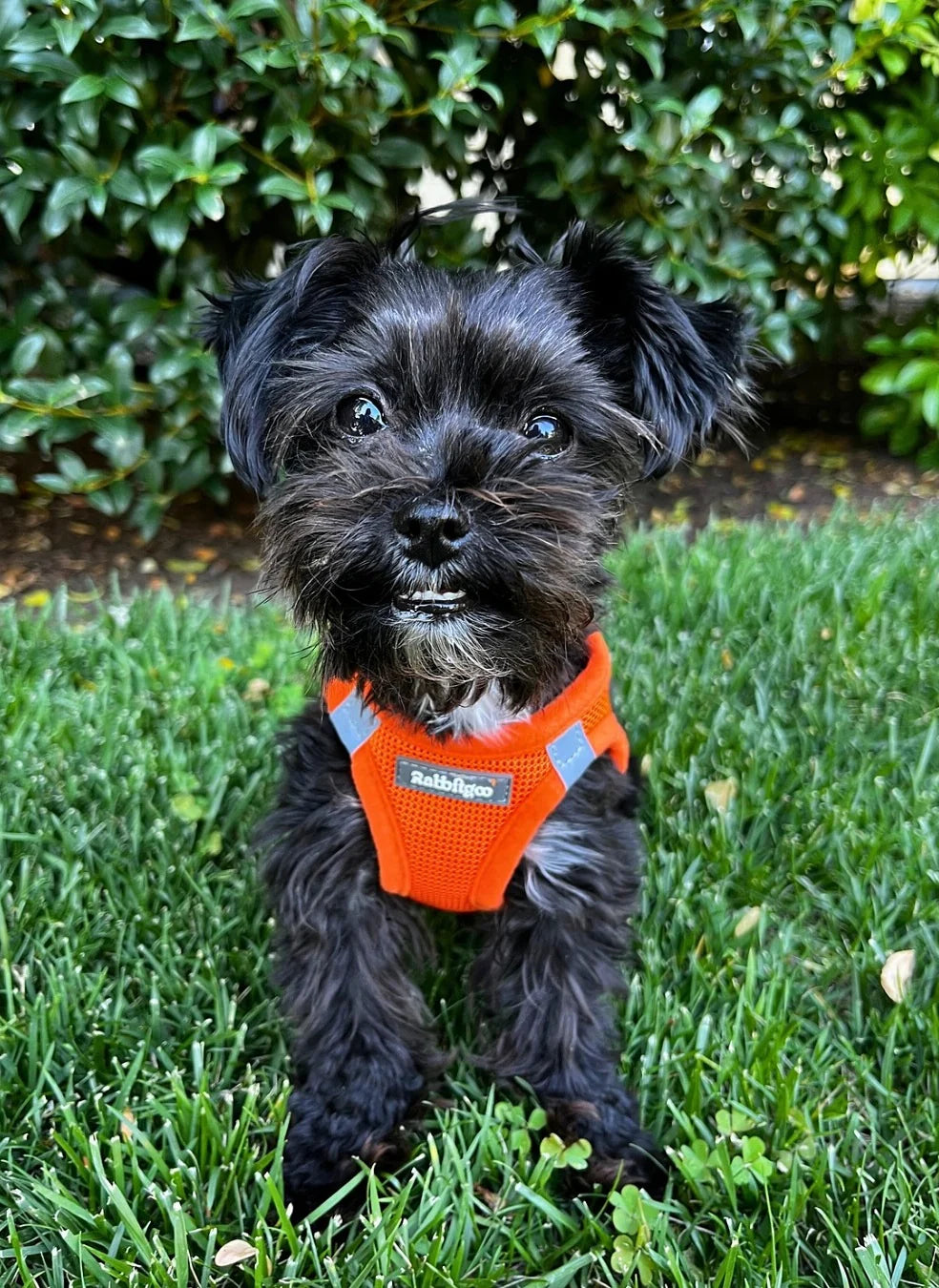
This harness features a step-in design with a single back buckle, making it easy to put on—especially for dogs that don’t like having gear pulled over their heads.
The overall structure is lightweight and snug, so small dogs can wear it comfortably without feeling weighed down. Multiple adjustment points allow for a better fit across different body types, improving safety and reducing the risk of escape.
The inner lining is made of soft, breathable material, so it won’t trap heat or irritate the skin during extended wear. Reflective details also enhance visibility in low-light conditions, making it a great choice that balances comfort and practicality.

Even the best small dog harness will not work well if it does not fit correctly. Fit affects comfort, safety, control, and escape prevention. Before choosing a harness, always measure your dog rather than guessing by breed or weight alone.
Start with a soft tape measure and take your time. Measuring by eye is one of the fastest ways to end up with a harness that rubs, shifts, or slips off. For a perfect fit, you need real numbers that match the brand chart.
Wrap the tape measure around the widest part of the chest or ribcage, and check the neck too if that area is not adjustable. A certified professional dog trainer advice point often repeated in the compiled information is simple: fit matters because every dog’s body is built differently.
Keep these basics in mind:
If your dog falls between different sizes, a harness with more adjustability is often the safer bet.
Once the harness is on your dog, adjust each strap slowly. The harness should sit close to the body without squeezing. It should not press into the throat, restrict shoulder movement, or rub behind the front legs.
A common fitting rule is that you should be able to slide fingers between the harness and your dog’s body. Coastal Pet also notes that a properly sized harness should allow space between the harness and the dog’s body without causing skin bunching or fur indentations.
After adjusting the harness, let your dog walk around the house. Watch how the harness moves when your dog turns, sits, stretches, or shakes. If the harness twists, slides, or pulls into the armpits, adjust it again before using it outdoors.
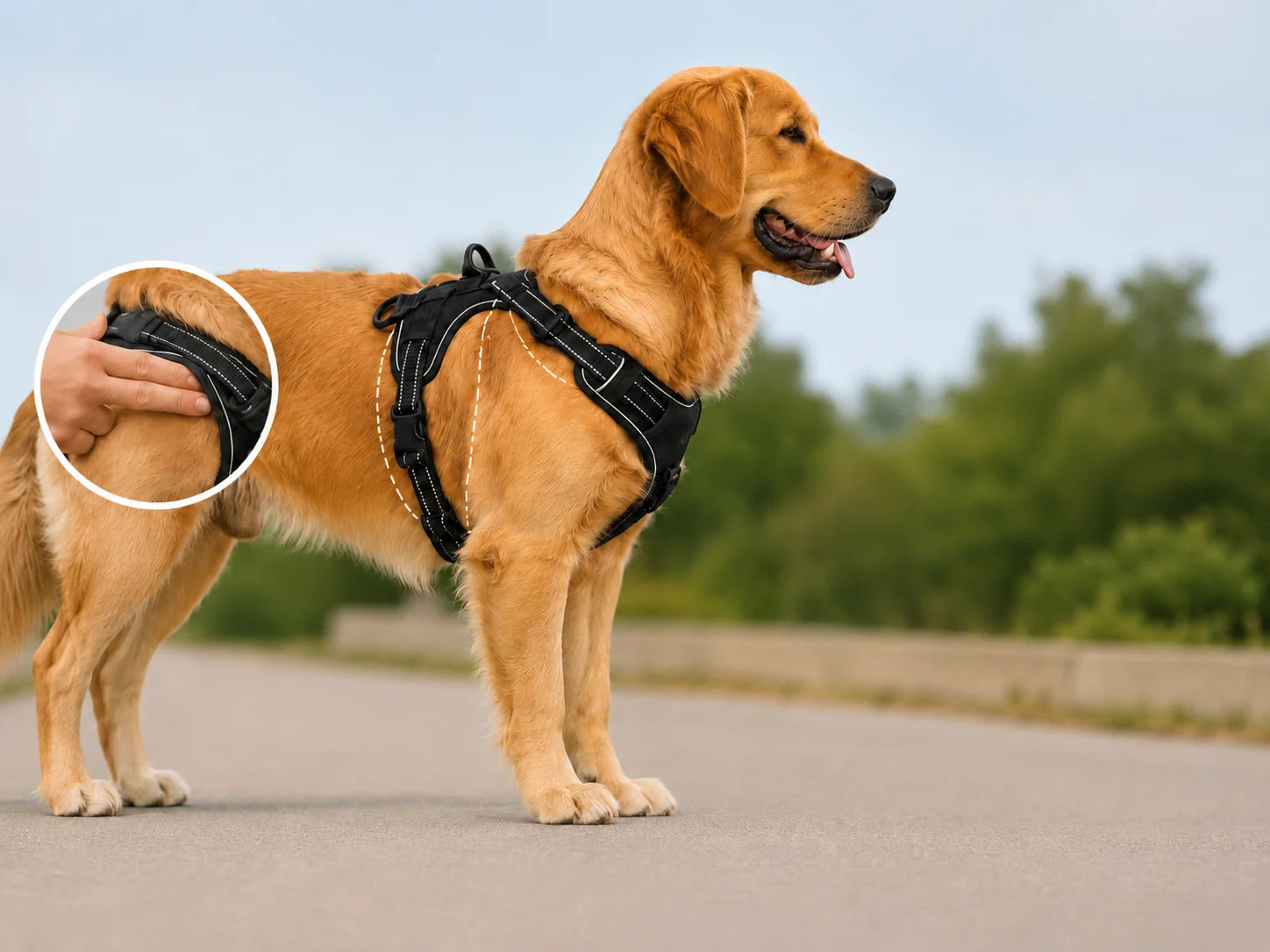
To reduce the chance of escape, make sure the harness is adjusted before every walk. Small dogs can change shape slightly depending on coat length, weight, or grooming, so a harness that fit well last month may need a small adjustment today.
Be careful when your dog pulls backward. Many dogs escape by reversing out of a loose harness. If your dog gets scared easily, avoid pulling forward against them. Instead, stay calm, shorten the leash gently, and encourage your dog forward.
For dogs that have escaped before, consider a more secure harness style with multiple adjustment points. You can also practice in a fenced area before using a new harness in busy outdoor spaces.
Some small dogs accept a harness right away, while others need time. If your dog seems nervous, do not force the harness on quickly. Let your dog sniff it first, then reward calm behavior with treats or praise.
Start with short indoor sessions. Put the harness on for a few minutes, then take it off before your dog becomes uncomfortable. Gradually increase the time as your dog relaxes.
Once your dog is comfortable wearing the harness indoors, attach the leash and walk around the home or yard. Keep the experience positive and calm. Avoid using the first harness session for a long or stressful walk.
For puppies, this slow introduction is especially helpful. A good first experience can make future walks easier and more enjoyable. The goal is to help your dog see the harness as a normal part of going outside, not something scary or restrictive.
In conclusion, selecting the right harness for your small dog is essential for their safety and comfort during your adventures together. With the unique needs of small dogs in mind, it's crucial to consider factors such as fit, design, and security features to ensure a hassle-free experience. From lightweight materials to escape-proof designs, the options available cater to various lifestyles and preferences. Remember, a well-fitted harness not only enhances your dog's comfort but also strengthens the bond you share during those cherished outdoor moments. If you're ready to find the perfect harness for your furry friend, don’t hesitate to explore our recommendations and enjoy countless adventures together!
Please read our FAQs page to find out more.
The best harness for small dogs is usually lightweight, soft, adjustable, and secure. Many small dogs do well with vest harnesses, step-in harnesses, or dual-clip harnesses. The right choice depends on your dog’s body shape, walking behavior, and comfort level.
For a small dog that pulls, a front-clip harness or dual-clip harness can be a good choice. A front leash attachment can help redirect your dog’s movement and provide better control without putting pressure on the neck.
Soft mesh, breathable fabric, and padded materials are often good choices for small dogs. These materials help reduce rubbing and keep the harness comfortable during daily walks. For warmer weather, breathable mesh is especially useful.
Replace your small dog’s harness when it no longer provides a secure fit, shows wear on straps or buckles, or no longer suits your dog’s size. With daily use, even the best dog harnesses can loosen or wear down. A sound harness design should still be checked often for safety.