

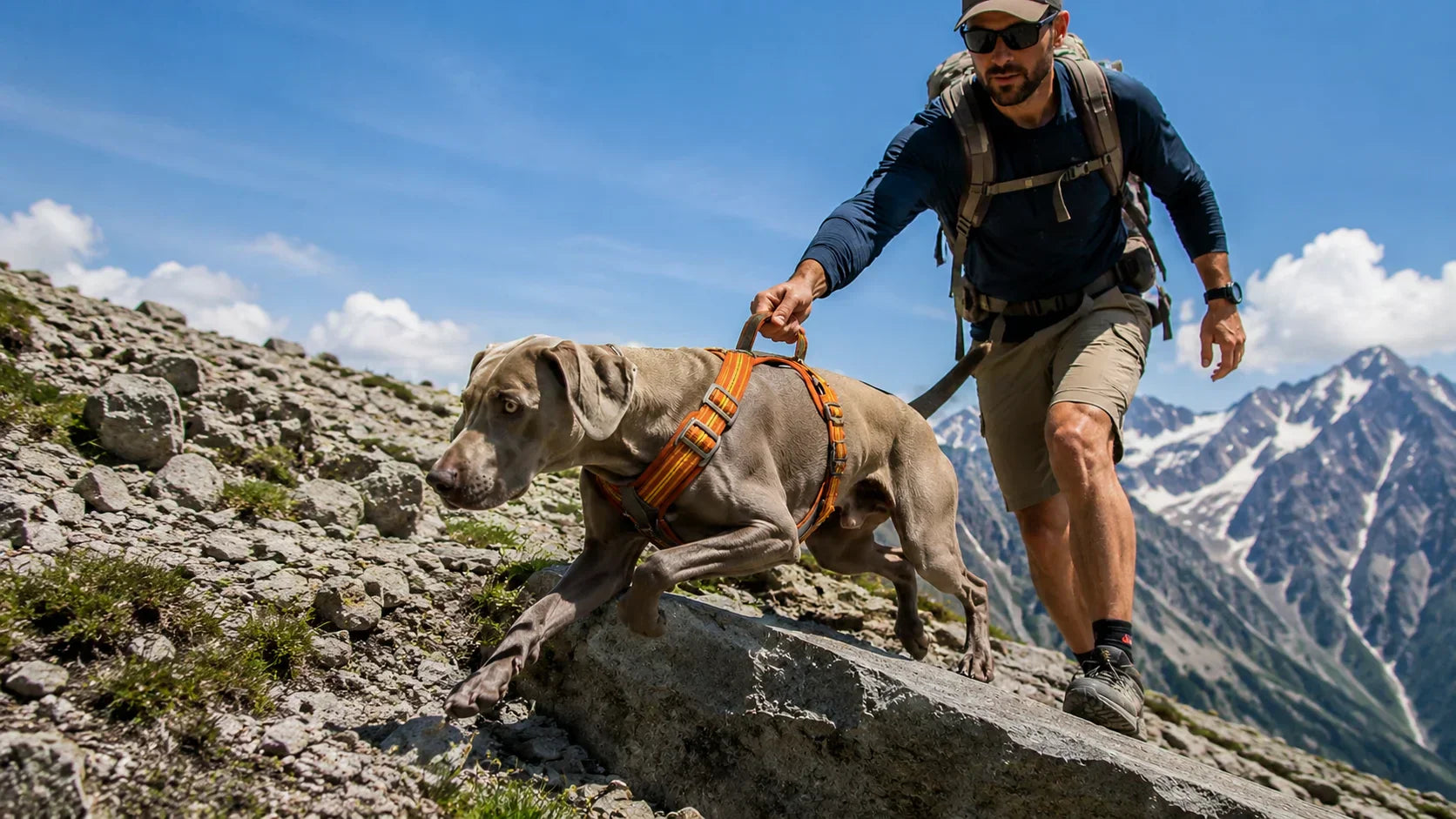
- by 03Howoll
The 7 Best Rated Dog Harnesses for Every Adventure
- by 03Howoll
Finding the right harness can make walks safer, easier, and more comfortable for both you and your dog. With so many styles on the market, it helps to have a complete guide that focuses on real features that matter, from fit to durability. In this roundup, you’ll see what makes each option stand out, which one earns the top pick spot, and how to choose the right harness for everyday walks, training, and outdoor adventures.
A harness affects more than comfort. It plays a big role in pet safety, control, and how pressure is spread across your dog’s body during walks. That is why the best choice is never just the most popular model.
As a dog owner, you also need the right fit. A poorly fitted harness can twist, rub, or let a dog slip free. Good adjustment points help you match the harness to your dog’s shape, which is why fit comes before any extra feature.
One of the biggest reasons people switch from collars is neck protection. When a leash clips to a harness instead of a collar, force is spread across the dog’s body rather than concentrated at the throat. That matters even more if your dog gets excited on walks.
Many well-made harnesses place the attachment points on the back or chest, which helps redirect pressure away from the base of the neck. Designs with a chest plate can also spread force more evenly. This is especially helpful for small dogs, short-snouted breeds, and dogs that pull.
You should also look at overall shape. A harness that sits well and stays in place is less likely to press into sensitive areas. Good design supports movement, reduces strain, and makes daily walks more comfortable without restricting your dog.
If your dog pulls, the right setup can give you extra control. Front-clip designs are often used as a training tool because the leash attachment sits on the chest, helping guide the dog to the side instead of letting them throw their full weight forward.
That does not mean a pull harness will fix pulling on its own. Experts make it clear that training still matters. Still, a front clip can make walks easier while your dog learns better leash habits. Some harnesses also offer back clips for calmer walks.
For many owners, dual-clip harnesses are the most flexible choice. They let you switch between control and comfort depending on the moment. If your dog pulls hard, this kind of design can be a smart place to start while you build better walking behavior.
Not every dog needs the same harness. Your dog’s size, build, and activity level all shape what will work best. A tiny Chihuahua, an older dog, and a young Labrador have very different needs, even if they all walk on a leash.
That is why brands make harnesses for different types of dogs. Small dogs often do well with soft vest or step-in styles, while large dogs may need stronger strap-style designs with more control. Dogs that hike or spend lots of time outdoors may also need tougher materials.
Adjustment points help bridge those differences. They let you fine-tune the fit around the chest and girth, which matters when body shapes vary. The better the harness matches your dog’s build and routine, the more likely it is to stay comfortable and secure.
Start with your dog’s measurements, not just weight. That is the easiest way to get the right fit and avoid a harness that twists, slips, or rubs. If your dog falls between sizes, ordering two sizes or checking sizing help at a pet store can save time.
Your dog’s size is the first filter when shopping for a harness. Small dogs often need lighter, softer designs, while large dogs usually benefit from stronger straps and more coverage in high-pressure areas. Breed shape matters too, especially if your dog has a deep chest or a compact frame.
Fit around the shoulder blades is important. A harness should allow natural movement without digging into the front legs or rubbing under the arms. Adjustment points can help you dial in a good fit when your dog’s proportions do not match a standard shape.
Measure the chest and base of the neck for a more accurate size.
Think about how you actually use the harness. For short neighborhood walks, a simple harness design with a back clip may be enough. For dogs that spend more time outside, the best choice often includes more support, durability, and secure attachment options.
Different types of dog harnesses suit different routines. A padded dual-clip model can be a great option for mixed daily use, while a lightweight outdoor model may work better for hiking. If your dog is very active, breathable materials and a shape that does not limit movement matter even more.
A high-quality harness balances comfort, fit, and durability. A padded design can prevent rubbing, especially on longer walks, while strong materials help the harness keep its shape over time. Good construction also reduces twisting and slipping during movement.
Materials matter more than many buyers expect. Nylon webbing is common because it is strong and light. Some outdoor styles also use pe foam or similar padding to add comfort without making the harness bulky. The right material should feel sturdy but not stiff against your dog.
Clip location changes how a harness behaves on walks. A back clip is simple and comfortable for many dogs, especially those that already walk well. It also tends to tangle less because the leash attachment sits between the shoulder blades.
A front leash attachment point is often used for training. It helps redirect a pulling dog to the side, which can improve control. Some harnesses use a front webbing loop instead of a metal ring. That can still work well, though some owners prefer metal hardware.
Dual attachment points give you flexibility. You can use the front leash attachment when training and the back clip for relaxed outings.


Now for the part you came for. The best dog harness options for 2026 stand out because they combine comfort, control, and a secure fit for different kinds of dogs and activities.
Some are built for training, some for hiking, and some for tiny escape artists. Our top pick is a great harness for broad everyday use, but each model below earns a place for a specific reason. Several also come in a variety of colors, which is a nice bonus.
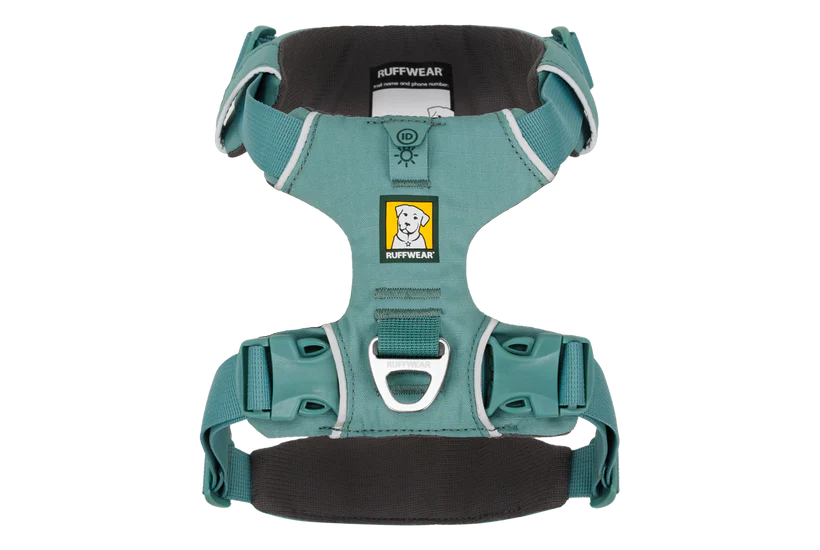
The ruffwear front range harness is the top pick for many dogs because it balances comfort, durability, and control. This front range harness is padded without feeling bulky, and it stays in place better than many weaker designs that twist on the dog’s body.
It also gives you flexibility. There is a back leash attachment with an aluminum V-ring and a reinforced front loop for training support. Four adjustment points help create a close fit across a wide size range, which makes it easier to use on dogs with different builds.
Safety details help it stand out. Reflective trim improves visibility, and the hidden ID pocket is a smart extra. While it may feel a little bulky on very small dogs, it remains one of the strongest all-around choices for walks, hikes, and everyday use.
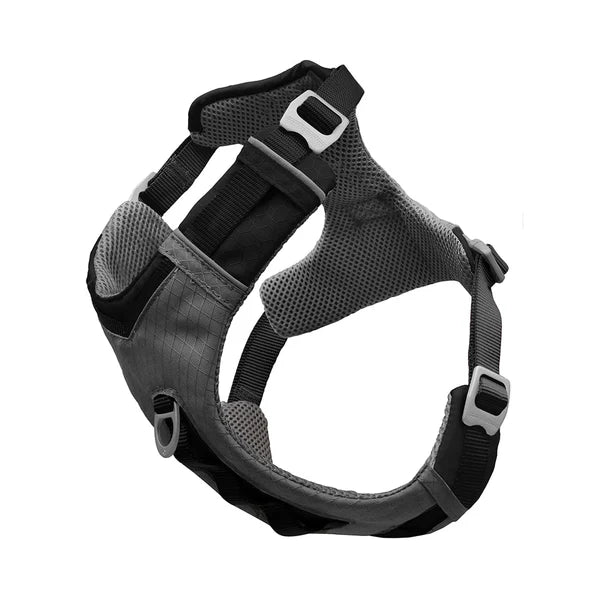
The kurgo journey air is presented here as a hiking-friendly option because the compiled information highlights Kurgo as a strong, easy-to-use brand for active dogs. Its vestlike construction is lightweight and suited to dogs that join you on outdoor adventures.
What makes the Kurgo approach appealing is the practical setup. It offers front and back attachment points, quick-release buckles, and a shape that avoids extra throat pressure. For owners who hike or move between car rides and trail walks, that convenience matters a lot.
The source material describes lightweight padded polyester and nylon rather than pe foam, and it notes useful control features like a front webbing loop style setup through dual clips. It is durable and backed by a lifetime warranty, though some users have reported buckle concerns.
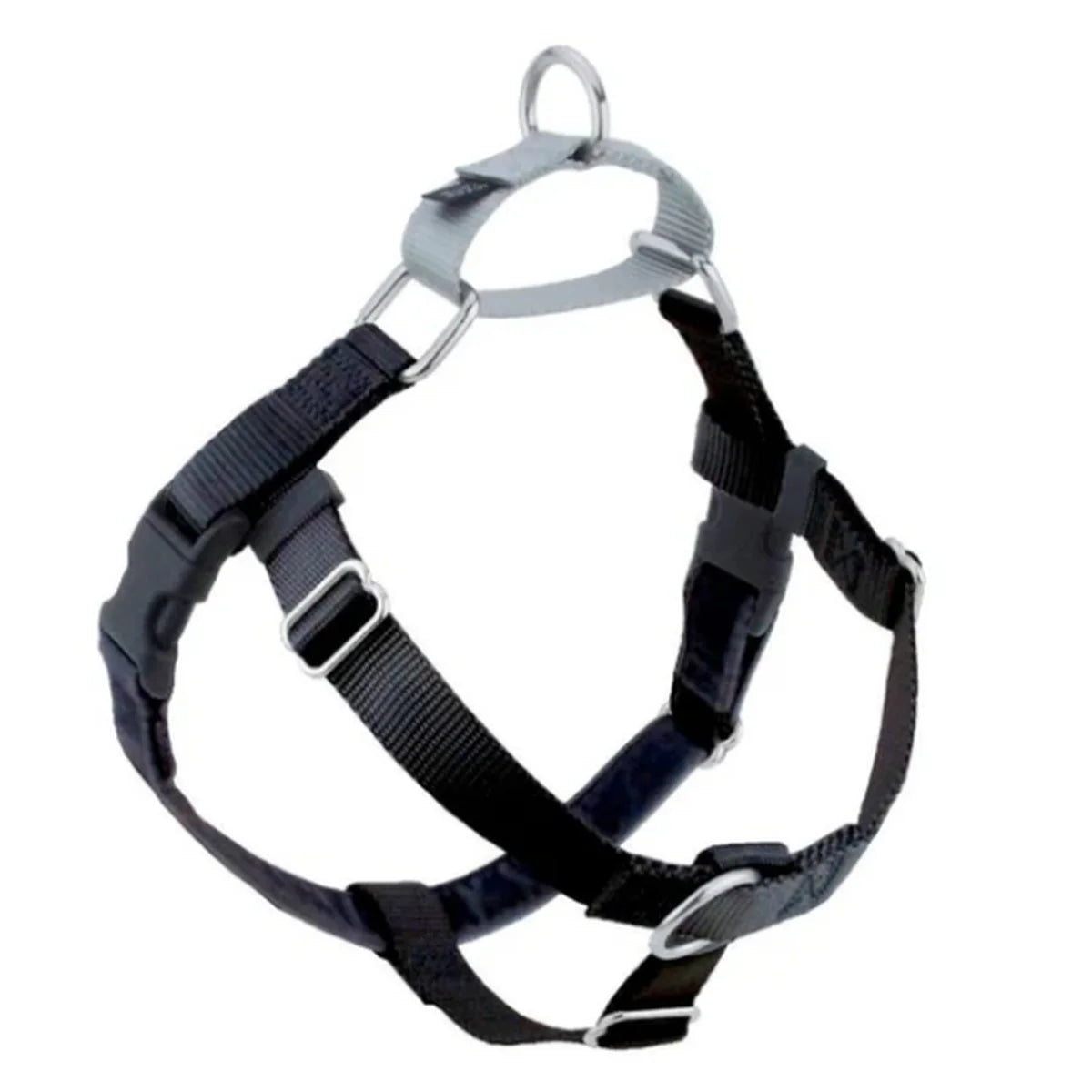
If your dog pulls, this pull harness deserves a close look. The 2 Hounds Design Freedom No Pull Dog Harness is built to give you better control during training and walking, especially with large or strong dogs.
Its shape is different from many standard harnesses. The front strap sits low across the chest instead of around the neck, which helps guide the dog sideways when pulling starts. That design can make walks more manageable, though any dog trainer will still tell you that consistent training is the real fix.
For everyday use, the dual leash connection points add flexibility. You can use the front ring for control or the back ring for a more standard walk. Velvet lining helps reduce rubbing, and the sizing range makes it especially useful for big, powerful dogs.
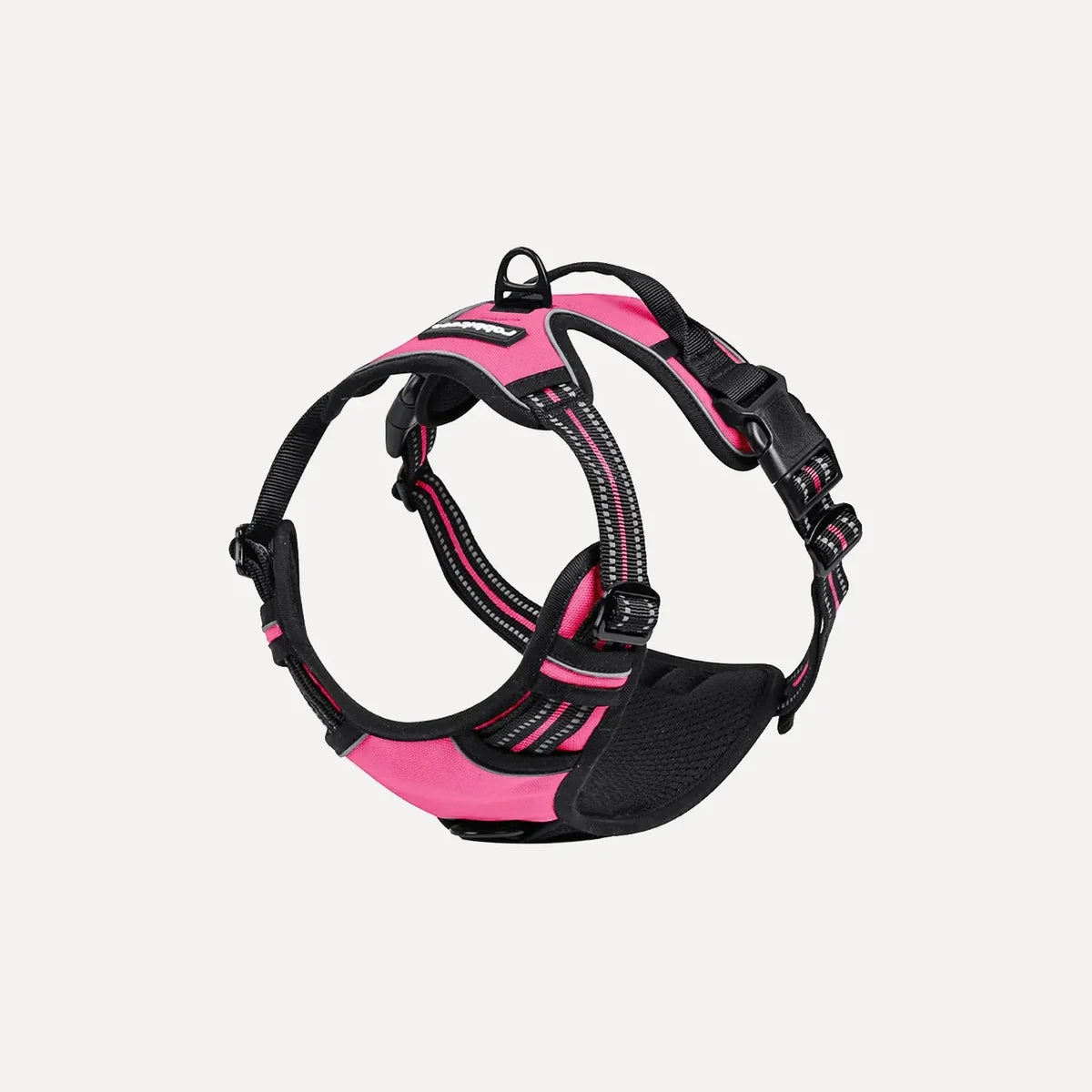
The Rabbitgoo No Pull Dog Harness is a solid budget-friendly option if you want a secure fit without paying top-tier prices. The compiled information describes it as a strong head-in harness that works well, even if it sits slightly behind premium rivals.
Its biggest advantage is value. You still get a useful structure, a stable build, and enough points of adjustment to help create a good fit on many dogs. For owners who want front-clip control and everyday function, that makes it easy to consider.
It does come with trade-offs. The source notes that it is a bit bulkier than similar favorites, which may matter if your dog needs more freedom around the front legs. Still, for buyers who want dependable performance and practical extra features at a lower cost, it remains a worthwhile choice.
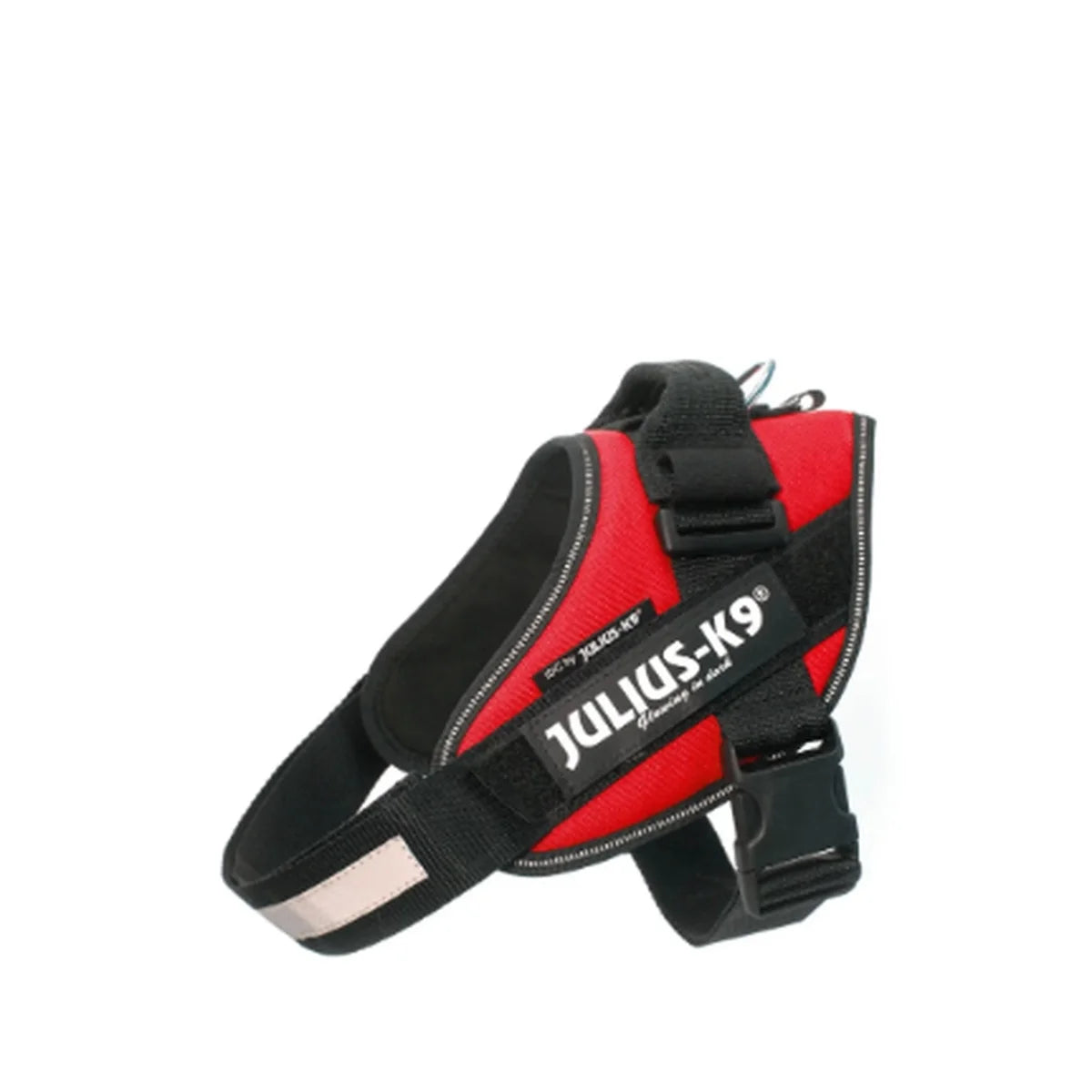
Designed for durability and comfort, the Julius K9 IDC Powerharness stands out with its robust construction and versatile features. It incorporates multiple adjustment points, allowing for a snug fit that adapts to your dog’s body, ensuring they are secure without compromising on mobility. A front leash attachment point is strategically placed, giving owners extra control during walks, making it a top choice for training, particularly for dogs that pull.
The handle on the back provides an added layer of functionality, enabling quick grabs in situations that require immediate intervention. This harness also includes reflective elements for enhanced visibility during nighttime walks, combining safety with style. Available in a variety of colors and designs, the Julius K9 harness considers both pet safety and owner preferences, making it a reliable option for any size dog.
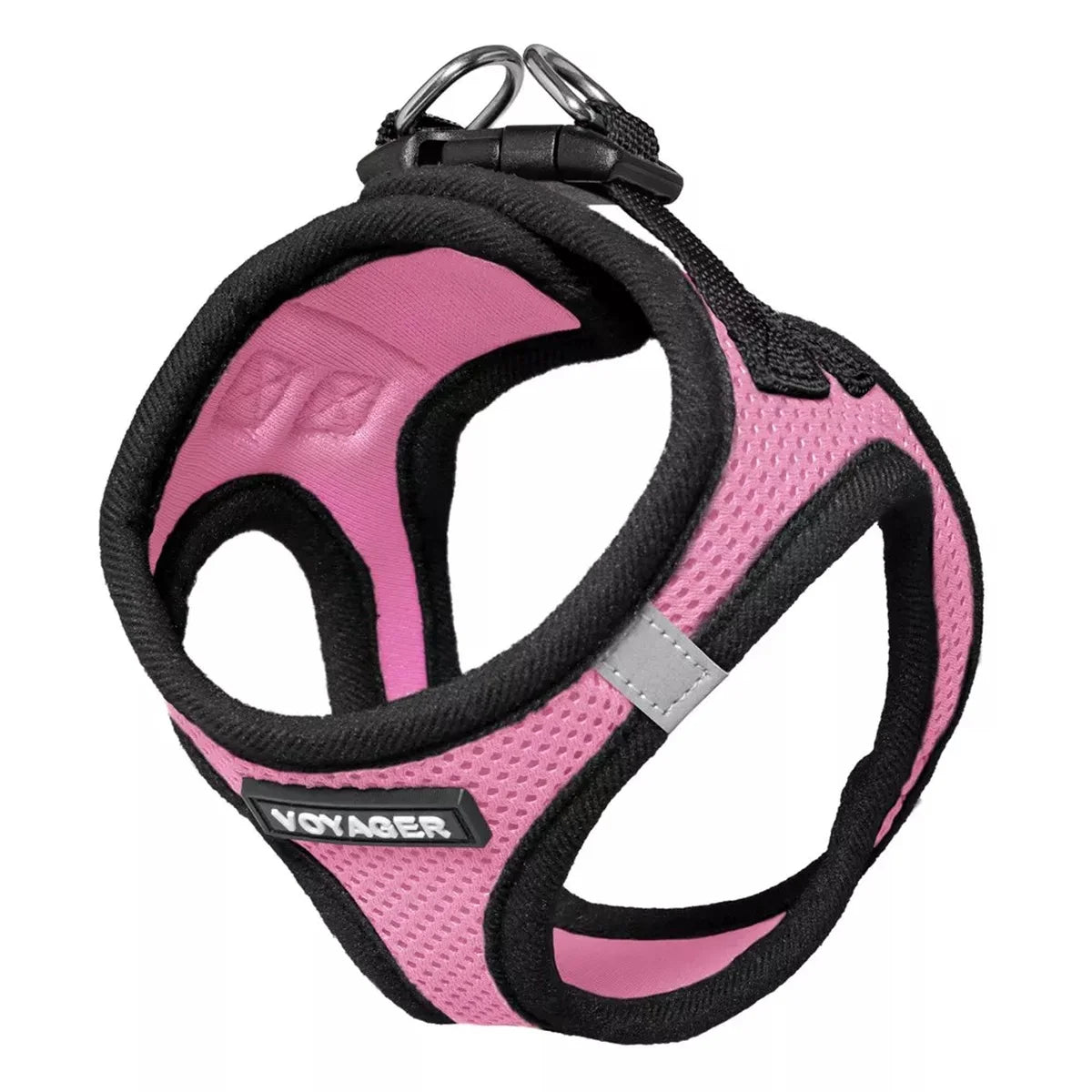
For small dogs, the Voyager Step-In Air Dog Harness is a very good option. It uses a similar design to other soft mesh vests, but it secures at the back of the neck instead of the chest, which improves security for squirmy pups.
This lightweight harness is made for tiny dogs that need comfort without extra bulk. It uses three layers of fastening: hook-and-loop closure, a buckle, and dual D-rings. That stacked setup helps keep small escape artists in place and gives owners more peace of mind.
Another plus is easy of use in daily life. Since it is a step-in style, many owners find it simpler to manage with little dogs. It only has a back clip, but for most small dogs that is enough. If your pup is tiny, wiggly, and hard to fit, this is a smart pick.
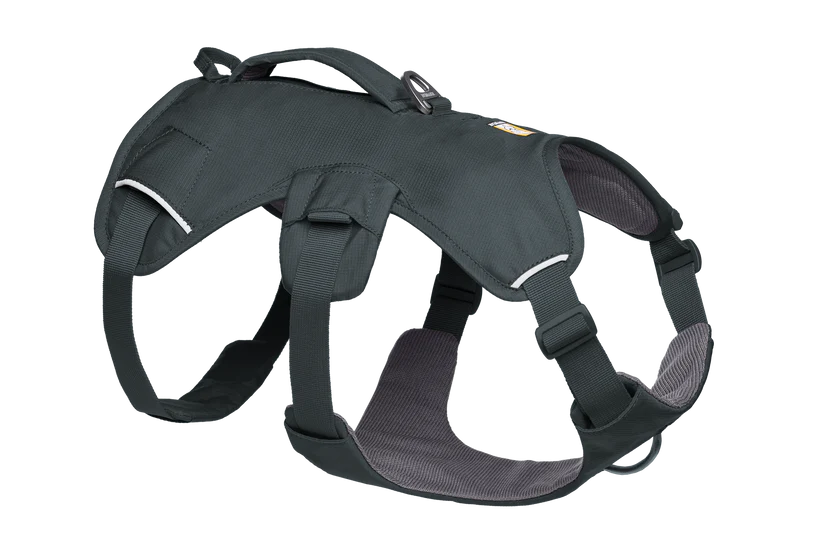
The ruffwear web master is a strong answer if your main concern is escape prevention. In the compiled information, the web master is described as a three-strap design made for dogs that slip out of regular harnesses, giving a more locked-in, escape proof feel.
That extra rear strap helps create a more secure fit behind the ribcage. Once adjusted properly, it stays close to the body and resists shifting. The material is lightly padded, so you still get comfort along with added hold.
Although it was highlighted more broadly for escape artists than only large dogs, this design can be especially helpful for strong or active dogs that test the limits of standard gear. If your dog has backed out of other harnesses before, this is one of the best options to consider.
The Howoll Durable Reflective Waterproof Dog Harness is a reliable choice for large dogs and active outdoor use. Made from durable nylon with reflective details and a waterproof design, it works well for walking, training, and outdoor activities.
The adjustable fit helps distribute pulling pressure more evenly, making strong dogs easier to control. Reflective strips also improve visibility during early morning or nighttime walks.
With reinforced construction, this harness is suitable for walking, hiking, sledding, and other pulling activities. It is a practical heavy-duty option that offers durability, control, and safety.

The most common mistake is guessing size instead of using your dog’s measurements. Weight alone is not enough. A harness that is a little bit too loose can twist or slip off, while one that is too tight can rub under the arms or limit movement. Another mistake is picking style before fit. The most important factor is how the harness sits on your dog.
Price can also mislead buyers. In the compiled information, strong options range from about $13 for some small-dog harnesses to around $60 for premium everyday picks, with specialized designs costing more. At the end of the spectrum, car safety or advanced escape-resistant models can rise much higher. For regular use, focus on fit, comfort, and purpose first.
In conclusion, selecting the right dog harness is crucial for both your pet's comfort and safety during all kinds of adventures. With the right harness, you can reduce strain on your dog’s neck, gain better control during walks, and ensure a snug fit tailored to their specific needs. The seven harnesses highlighted in this guide offer excellent options for various activities, sizes, and breeds. Remember to consider key features like adjustability, padding, and clip locations to find the perfect match for your furry friend. Happy adventuring with your pup! If you need personalized assistance or more insights, feel free to reach out for a free consultation.
Please read our FAQs page to find out more.
Choose the right harness based on your dog’s size and body shape, then tighten it for a secure fit. Look for enough points of adjustment and check that it does not twist or slide. Escape proof styles like three-strap designs can help dogs that back out of standard harnesses.
For large dogs, use your dog’s measurements rather than weight alone. Measure the chest and base of the neck, then compare those numbers to the brand chart. A perfect fit should feel snug but not tight, and adjustment points can help you fine-tune a good fit.
Yes, many experts view a pull harness as a safer walking option than a collar because it improves pet safety by reducing neck strain. A dog trainer may recommend a front leash attachment for better control, but even the best dog harness still works best when paired with training.