

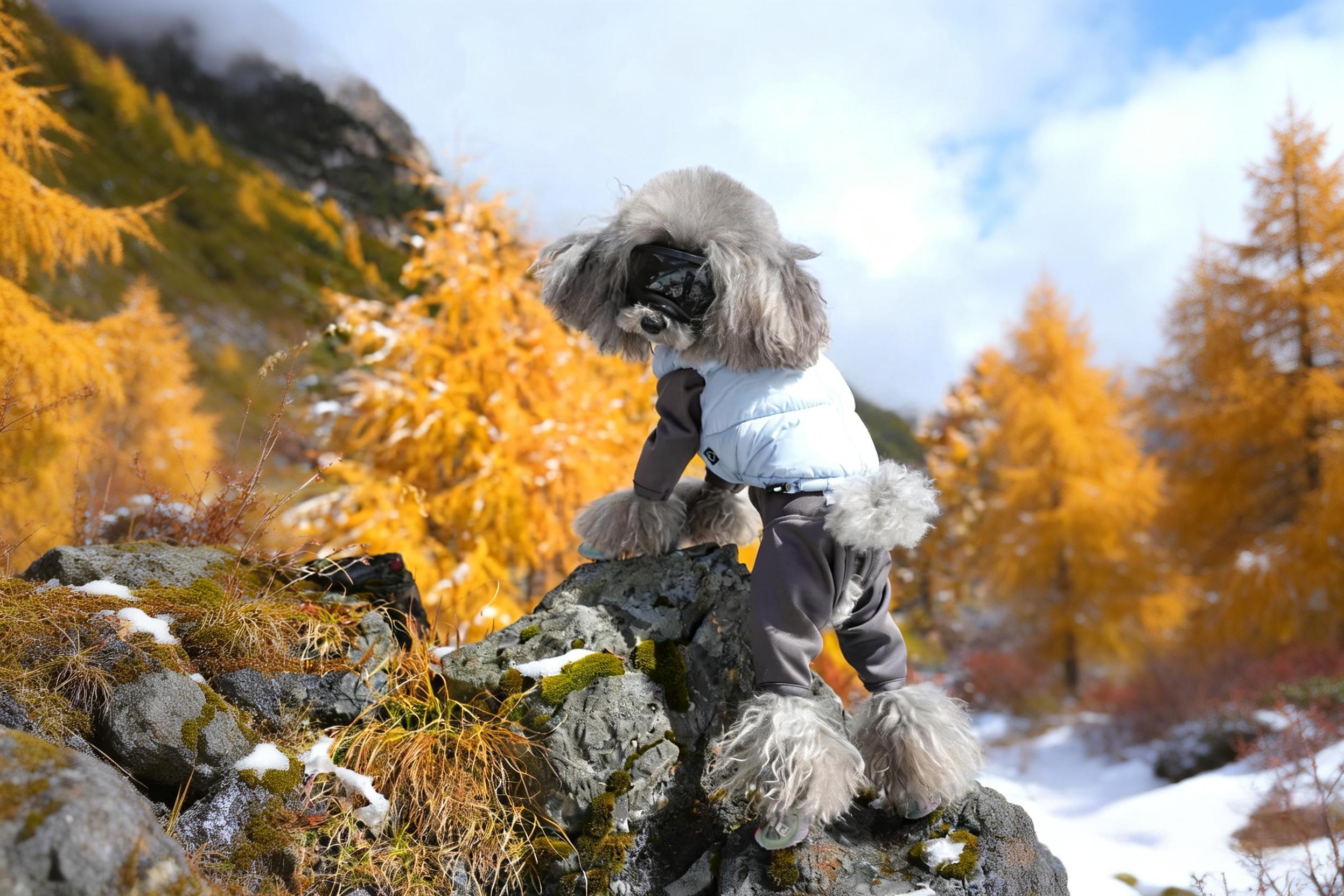
- by serviceHowoll
Features to Look for Winter Dog Coats
- by serviceHowoll
According to data from the American Pet Products Association, 67% of pet owners purchase winter coats for their dogs—yet 42% of those coats are left unused after the first wear. It's not because the dogs don’t like them, but because these coats fail miserably when faced with real winter conditions. This article will not only guide you on what to buy, but also reveal why 80% of the products on the market don't deserve to be called winter gear.
A truly winter-proof dog coat goes beyond just looking cute—it has to withstand the challenges of cold, wet, and often windy winter conditions. As discussed in our article on What Makes a Great Dog Coat, a quality dog coat should have excellent fabric, a proper fit, and durability. However, when it comes to winter dog coats, the focus shifts to three essential characteristics:
Wind chill is winter's silent threat. Even in moderately cold temperatures, wind can rapidly strip away your dog's body heat, leaving them vulnerable to discomfort and even hypothermia. To protect against this, look for winter dog coats made with dense, tightly woven outer fabrics that form a barrier against biting winds. Many quality coats also feature special wind-blocking panels across the chest and back, areas that are most exposed to head-on winds during walks, ensuring your dog stays warm and comfortable.
Understanding the difference between "water-resistant" and "waterproof" is crucial for your dog's comfort. Water-resistant coatings can handle light snow for about 10-15 minutes but will eventually become soaked. In contrast, waterproof membranes, such as those with sealed seams and materials like Gore-Tex® or TPU, create a true barrier against moisture, keeping your dog dry even during extended exposure to wet snow, sleet, or freezing rain.
Pro Tip: Test your dog's current coat by sprinkling water on it. If beads form and roll off, you've got good water resistance. If the fabric absorbs moisture quickly, it won't stand up to true winter weather.
Effective winter insulation isn’t just about thickness—it’s rooted in material science. High-quality synthetic insulations like PrimaLoft® or Thinsulate™ maintain warmth even when damp, offering lightweight performance compared to natural fills. The strategic placement of insulation is also crucial, especially around the chest, back, and kidney areas where dogs lose heat the fastest. Additionally, breathability is key to preventing overheating during activity, a factor often overlooked in cheaper winter dog coats.
Now that we've explored the key characteristics of winter dog coats, let’s dive into the core structural elements that make up a truly effective winter coat. Understanding these components will help you choose a coat that not only keeps your dog warm but also ensures comfort and durability through the harshest winter conditions.
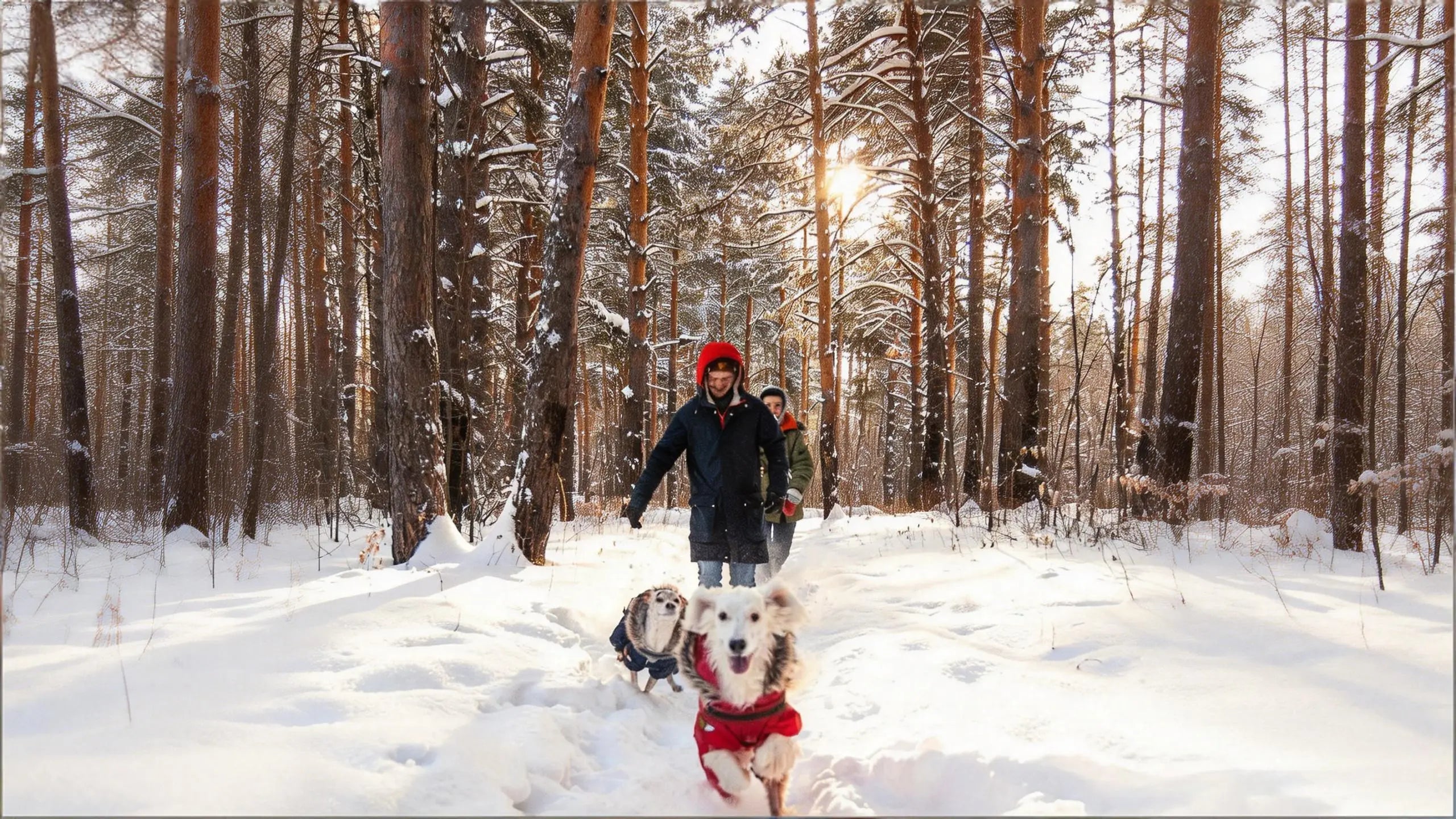
When selecting a winter dog coat, here are the most important features to look for:
Now that you’re familiar with the key features to look for in winter dog coats, it’s important to keep in mind that not all coats are created equal. To ensure your dog stays comfortable and protected, avoid these common pitfalls when making your selection.
Different adventures require different winter coats for your dog. Whether you're hiking, running errands, or taking a leisurely walk in the park, your dog's winter coat needs to be adaptable for various situations. For winter hikes, choose a coat that provides maximum insulation and wind protection to keep your dog warm on longer outdoor excursions. During city walks, a lighter coat will suffice, offering enough warmth without feeling too bulky. If your dog enjoys playing in the snow, go for a coat that's water-resistant and provides full coverage, ensuring optimal warmth and protection against the elements. For more detailed advice on choosing the perfect dog coat for specific activities, check out our article Outdoor Adventures: Selecting the Right Dog Coats.
To wrap up, choosing the right winter dog coat is essential for your pet's well-being in cold conditions. Here are 5 winter pet apparel options for your reference, designed to keep your furry friends warm and stylish during the colder months.
Please read our FAQs page to find out more.
To measure your dog for a winter coat, start by measuring their neck, chest, and length. For the neck, measure around the base where the collar sits. For the chest, measure the widest part, just behind the front legs. For the length, measure from the base of the neck to the base of the tail. Proper measurements ensure a good fit and comfort. For more detailed guidance, check out our article on How to Measure Your Dog for the Perfect Coat.
The best materials for a winter dog coat are windproof, waterproof fabrics like nylon or polyester, combined with insulating layers such as fleece, Thinsulate™, or PrimaLoft®. These materials provide warmth, water resistance, and durability, ensuring your dog stays comfortable in cold weather.
If you're looking for affordable winter dog coats with fleece lining to keep your dog warm during the colder months, here are three great options: Carhartt Firm Duck Insulated Dog Chore Coat; Howoll AlpinePro Dog Vest
Reflective winter dog coats enhance visibility during low-light conditions, such as early morning or evening walks. The reflective strips or materials on the coat make your dog more noticeable to drivers and other pedestrians, reducing the risk of accidents. These coats provide an added layer of safety, especially during winter when daylight hours are shorter.
Yes, many modern winter dog coats are designed for comfort and ease of use. With features like adjustable straps, step-in designs, and single-buckle closures, these coats are easy to put on and take off. They are crafted to avoid restricting movement, ensuring your pet can still enjoy outdoor activities while staying warm and cozy.