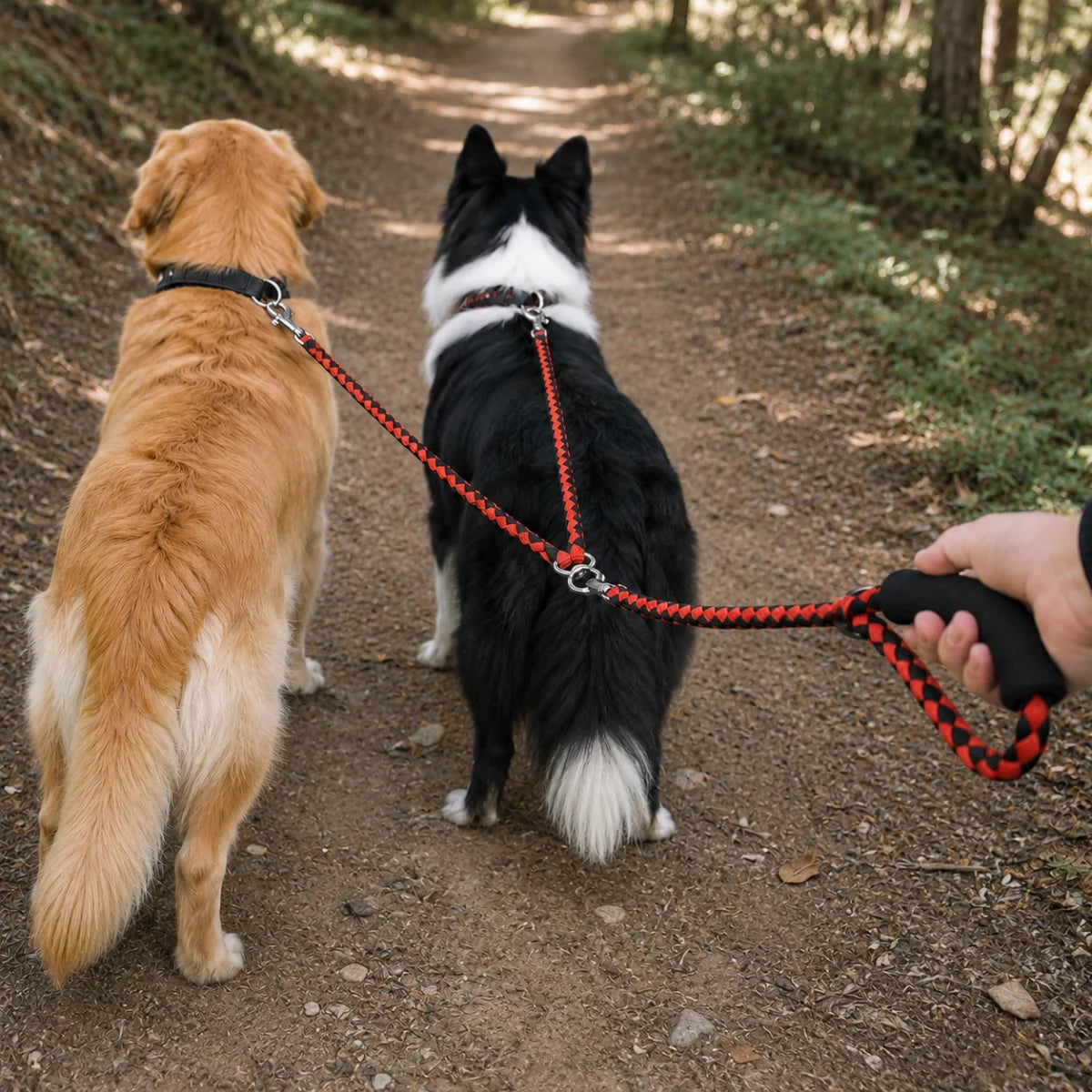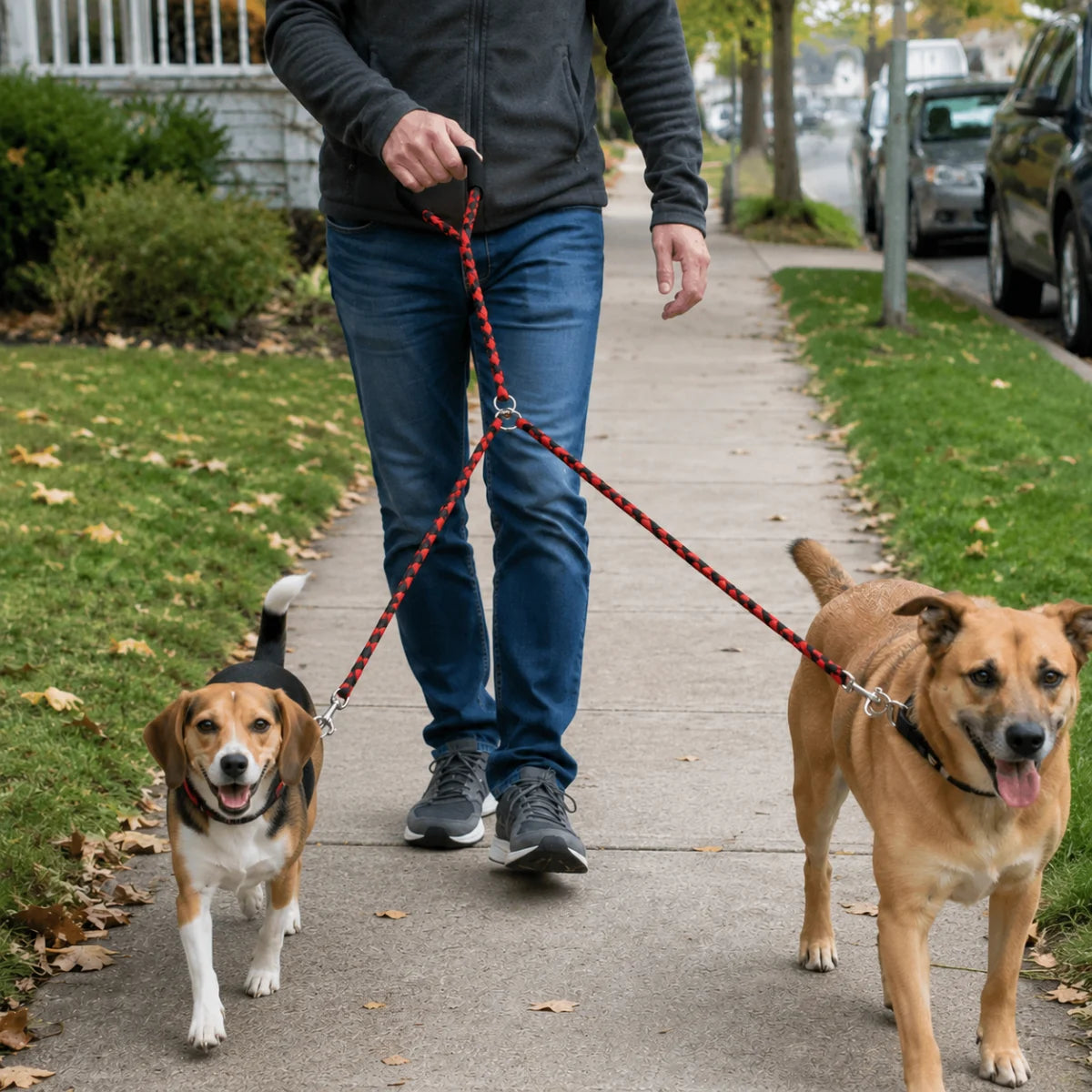

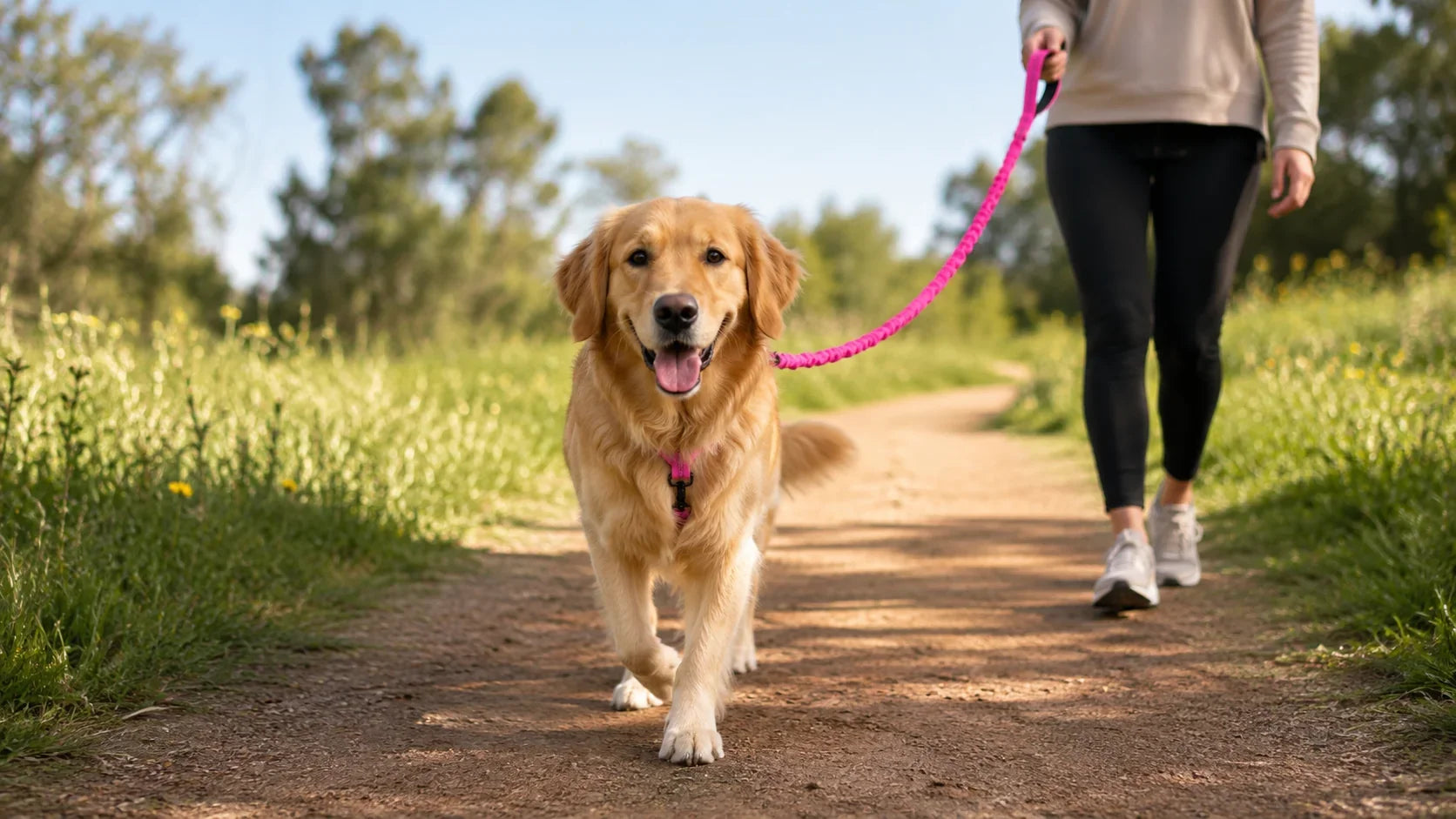
What Is a Dog Leash? A Complete Guide for New Dog Owners
- by JonesMila
For many dog owners, a dog leash seems simple at first glance. Yet it plays a big role in daily safety, comfort, and communication. It can turn a walk into a calm routine instead of a pulling match. If you are new to leash training, understanding how leashes work and which type fits your dog can save you time and stress. This guide explains the basics in a clear way, so you can make better choices from the start.
A leash is more than a walking accessory. It is an important safety and control tool that helps protect your dog, other animals, and the people around you.
Even a calm or well-trained dog can become distracted by vehicles, other animals, loud noises, or unfamiliar smells, and without a leash it may suddenly run into traffic, approach hazards, or enter unsafe areas. In one Associated Press report, a dog ran into the street and was struck by a car, becoming trapped in the vehicle’s front bumper, showing how quickly an off-leash situation can turn dangerous.
Using a leash helps you control your dog’s movement and guide them away from risks, especially near roads, parking lots, construction zones, steep trails, and crowded spaces, while also preventing them from eating harmful objects or encountering sharp items, toxic plants, or aggressive wildlife.
Walks often include passing neighbors, children, other pets, and busy sidewalks. In these moments, a leash gives you better control and helps your dog stay focused. That matters whether your dog is friendly, shy, or still learning how to behave in public. For example, in Stokesdale, two loose Cane Corsos attacked a woman and her dog while they were out walking, an incident that is currently under investigation by the sheriff’s office. Authorities later determined that the owner is responsible for compensating the victims, and the dogs were taken into custody by a local animal shelter, emphasizing the importance of keeping dogs properly restrained and the critical role of leash use in ensuring safety.
To help protect the safety of both dogs and people, many cities, parks, neighborhoods, apartment communities, and public spaces in the United States have specific leash laws and dog control regulations. These rules vary by location, so dog owners should always check local requirements before visiting a new area.
The table below shows examples from several major U.S. cities and well-known parks:
| City / Park | Leash Requirement | Key Rule Details |
|---|---|---|
| New York City (NYC Parks) | Required in most areas | Leash ≤6 ft in parks; dogs must be controlled at all times. |
| Los Angeles (LA City Parks) | Required | Leash required except in off-leash dog parks; dogs cannot be unattended. |
| Chicago (City Parks & Lakefront) | Required in most areas | Leash required; off-leash only in designated zones; owners must clean up. |
| San Francisco (City Parks) | Required except dog play areas | Leash required except in marked off-leash areas under voice control. |
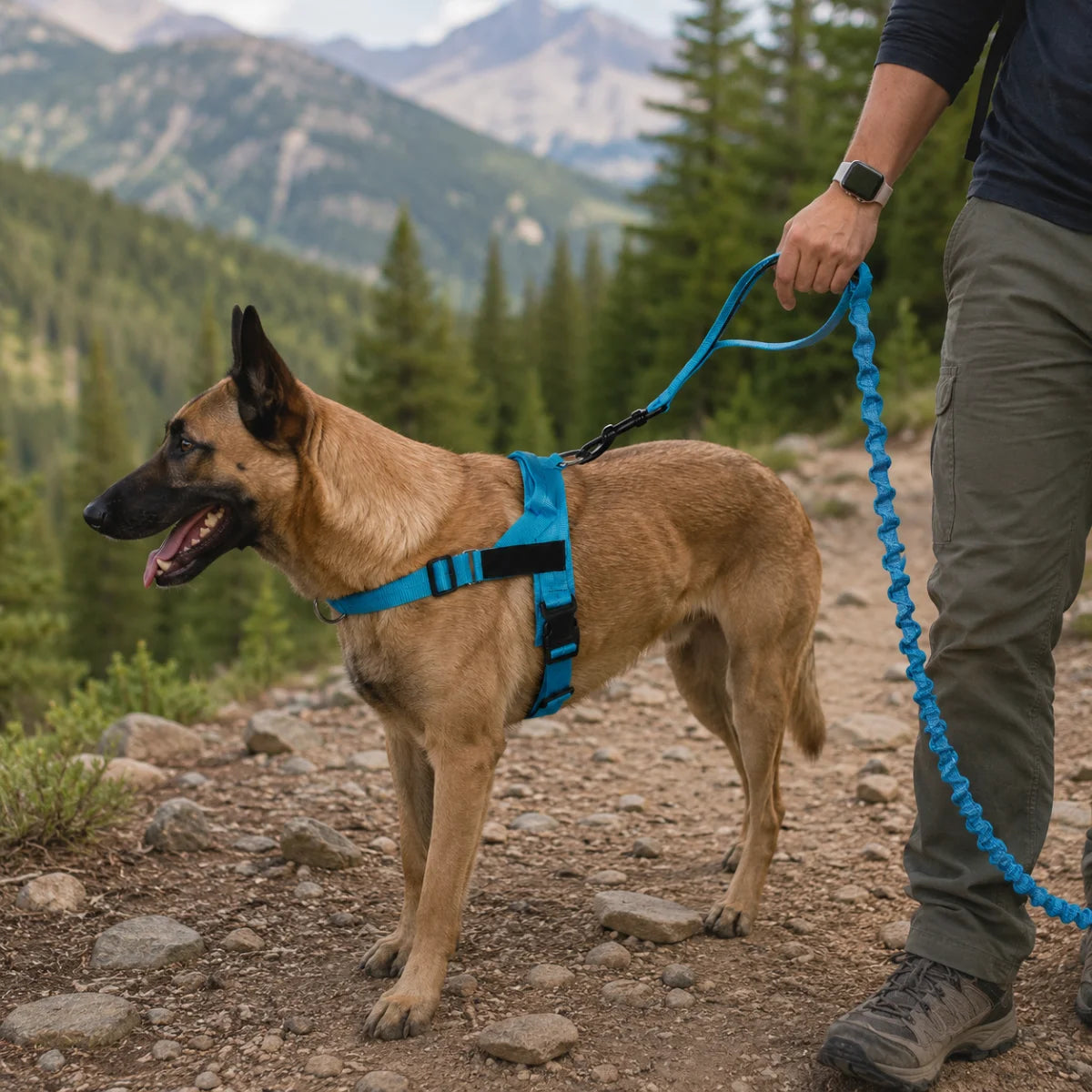
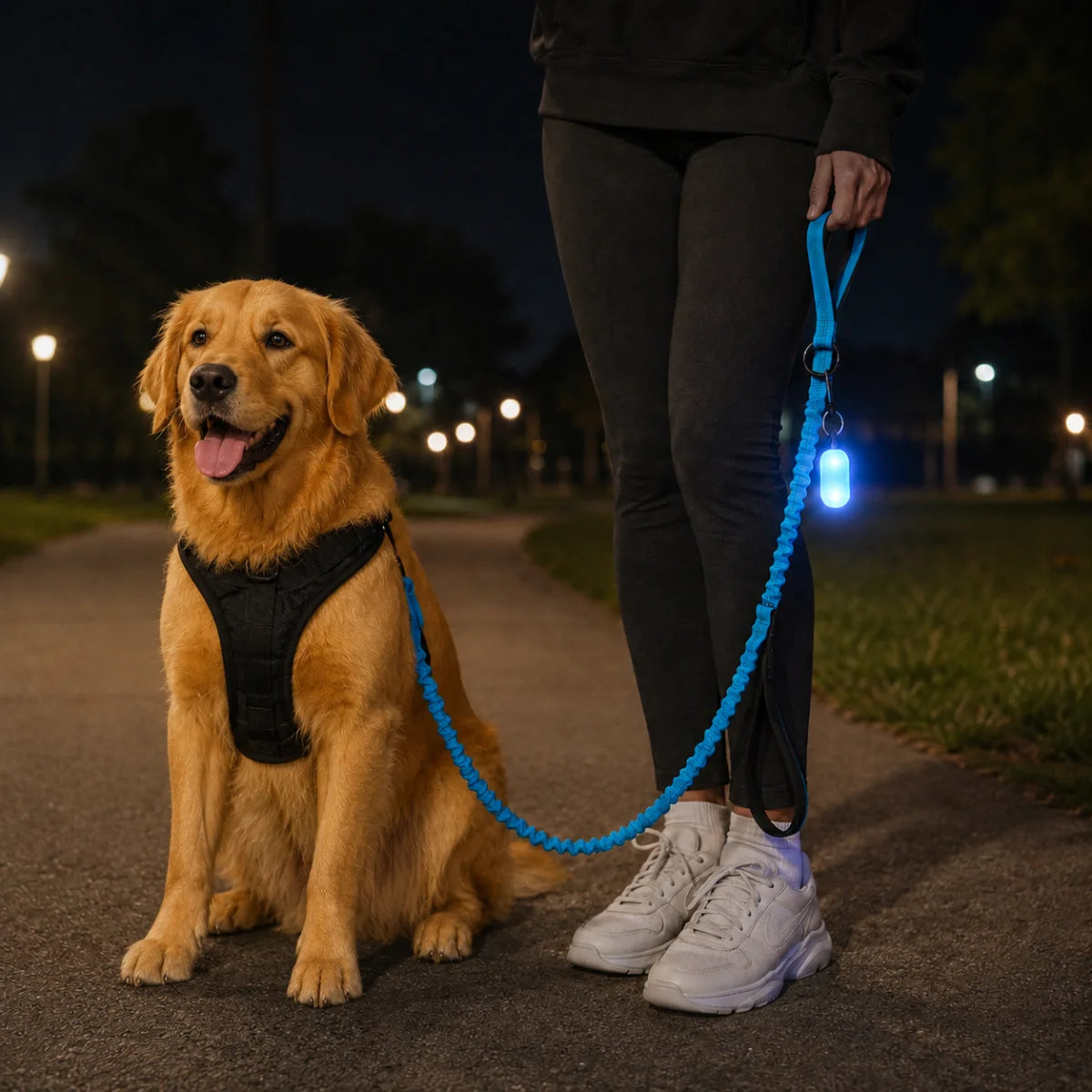
A dog leash is a strap, cord, tape, or chain that connects your hand to your dog during dog walking. Its job is simple but important. It helps guide movement, supports training, and keeps your dog close enough for safe handling in public or unfamiliar places.
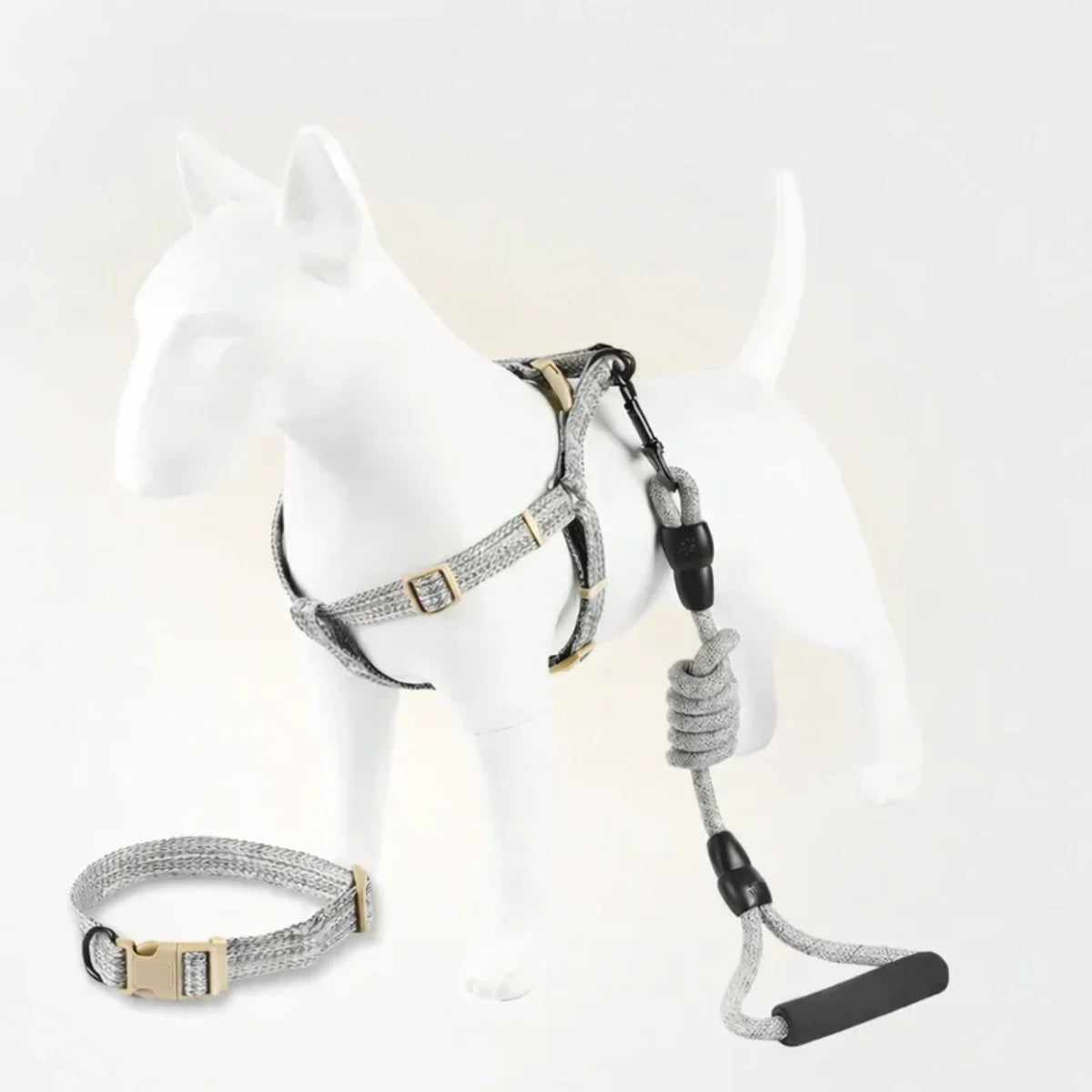
Most leashes attach to the dog’s collar or harness with a bolt snap or similar clip. That secure connection lets you manage distance and direction more easily. In short, a dog leash gives you a safe, practical way to stay linked to your dog wherever you go.
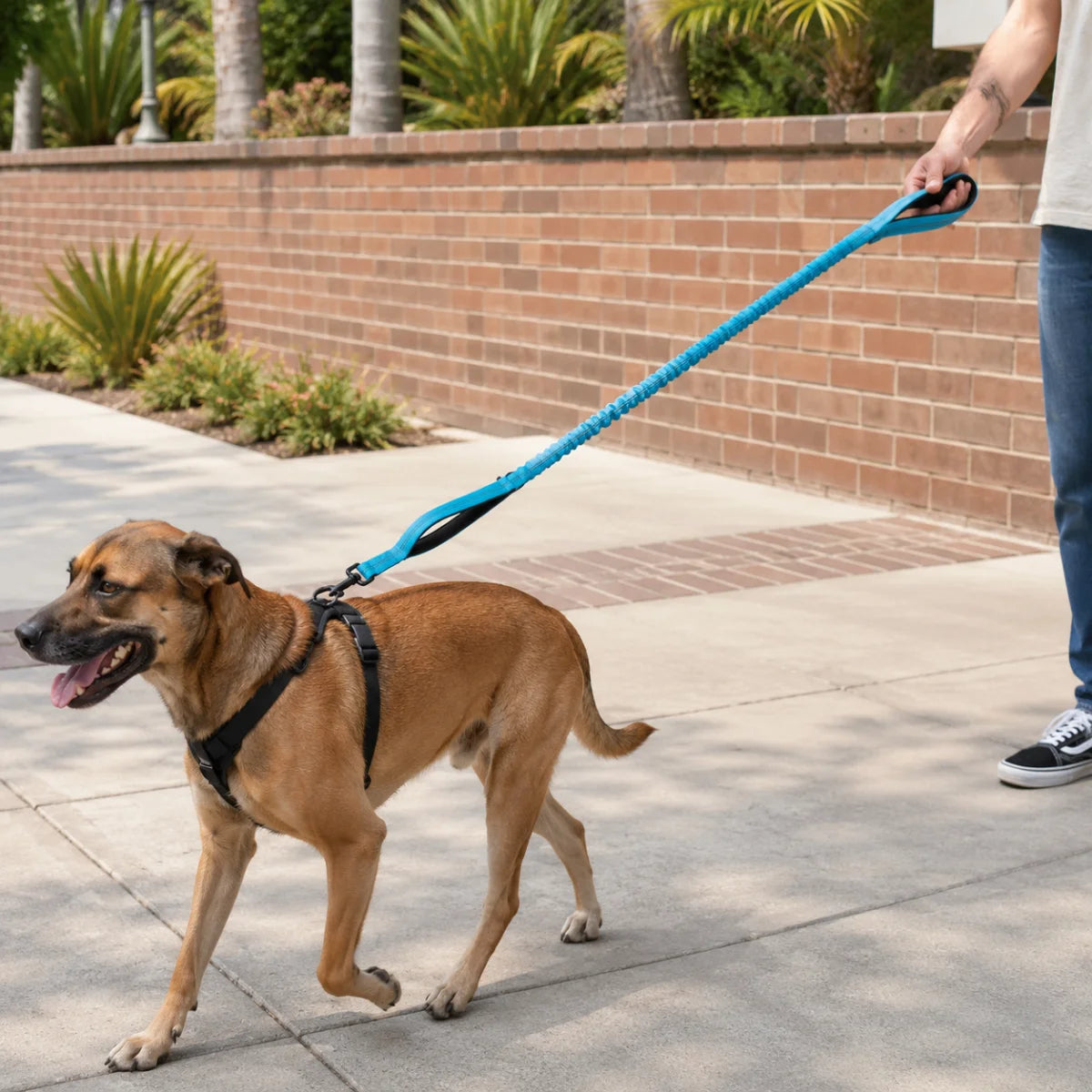
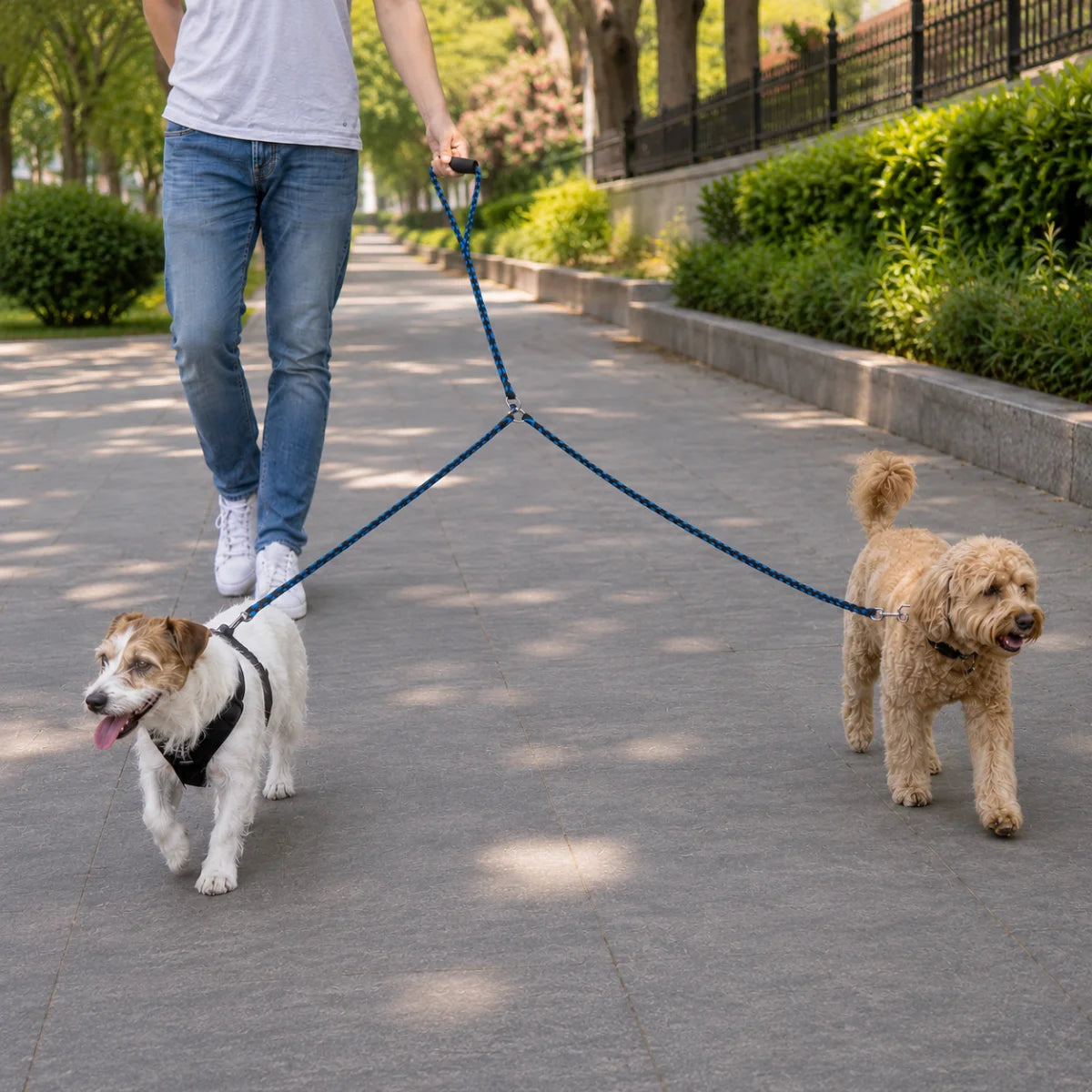
A leash works by creating a direct line between you and your dog. One end stays in your hand, and the other attaches to the dog’s collar or harness. That secure connection allows you to guide speed, direction, and distance during a walk.
In leash training, this connection teaches your dog how to move with you instead of pulling ahead. If the leash is attached to the dog’s collar, it helps you communicate position through light, steady feedback near the dog’s neck. The goal is not force. The goal is clear guidance.
This setup improves the handler’s control when something unexpected happens. You can shorten space, prevent darting, or pause before crossing a street. That is how a leash helps ensure safety during walks. It gives you a fast, physical way to protect and direct your dog.

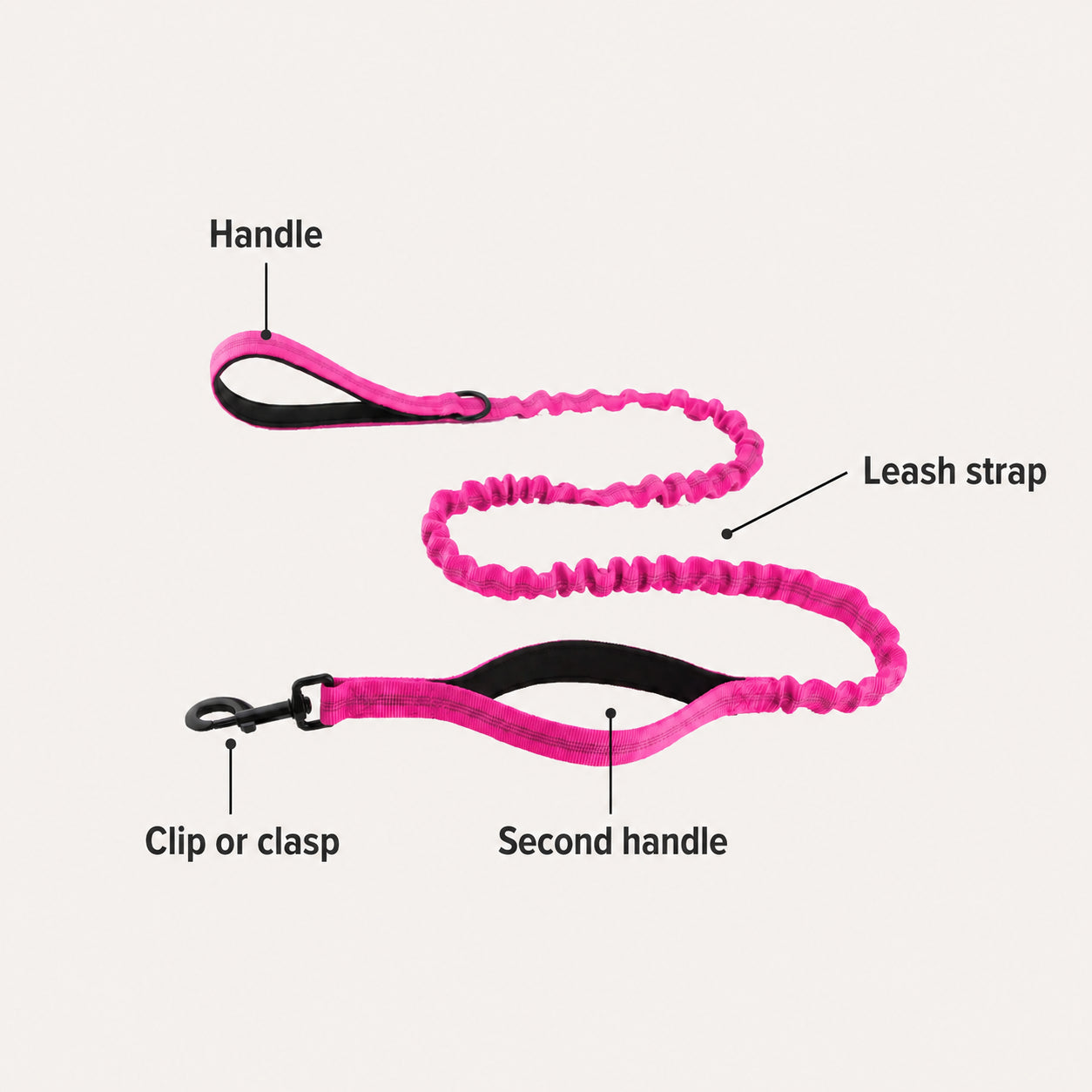
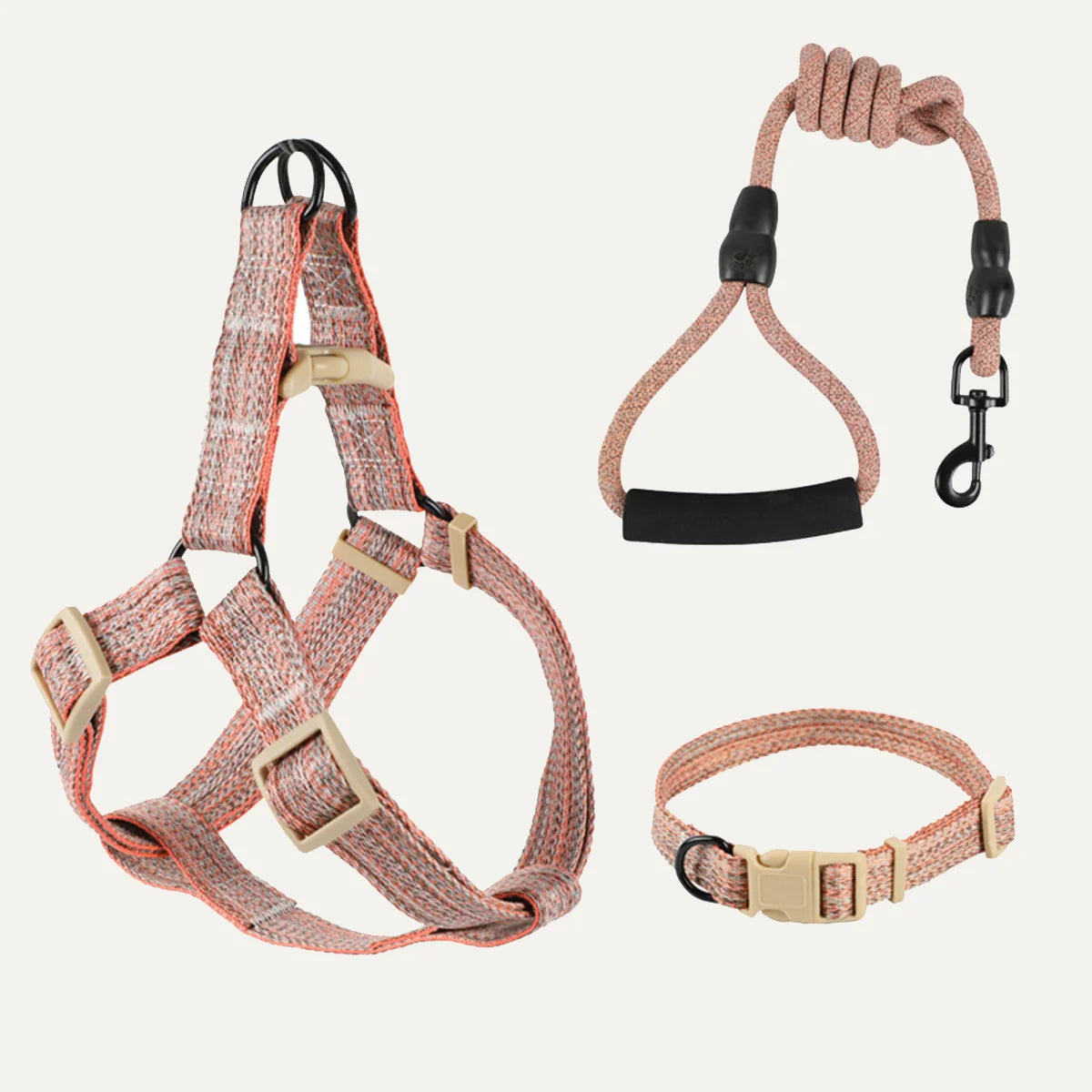
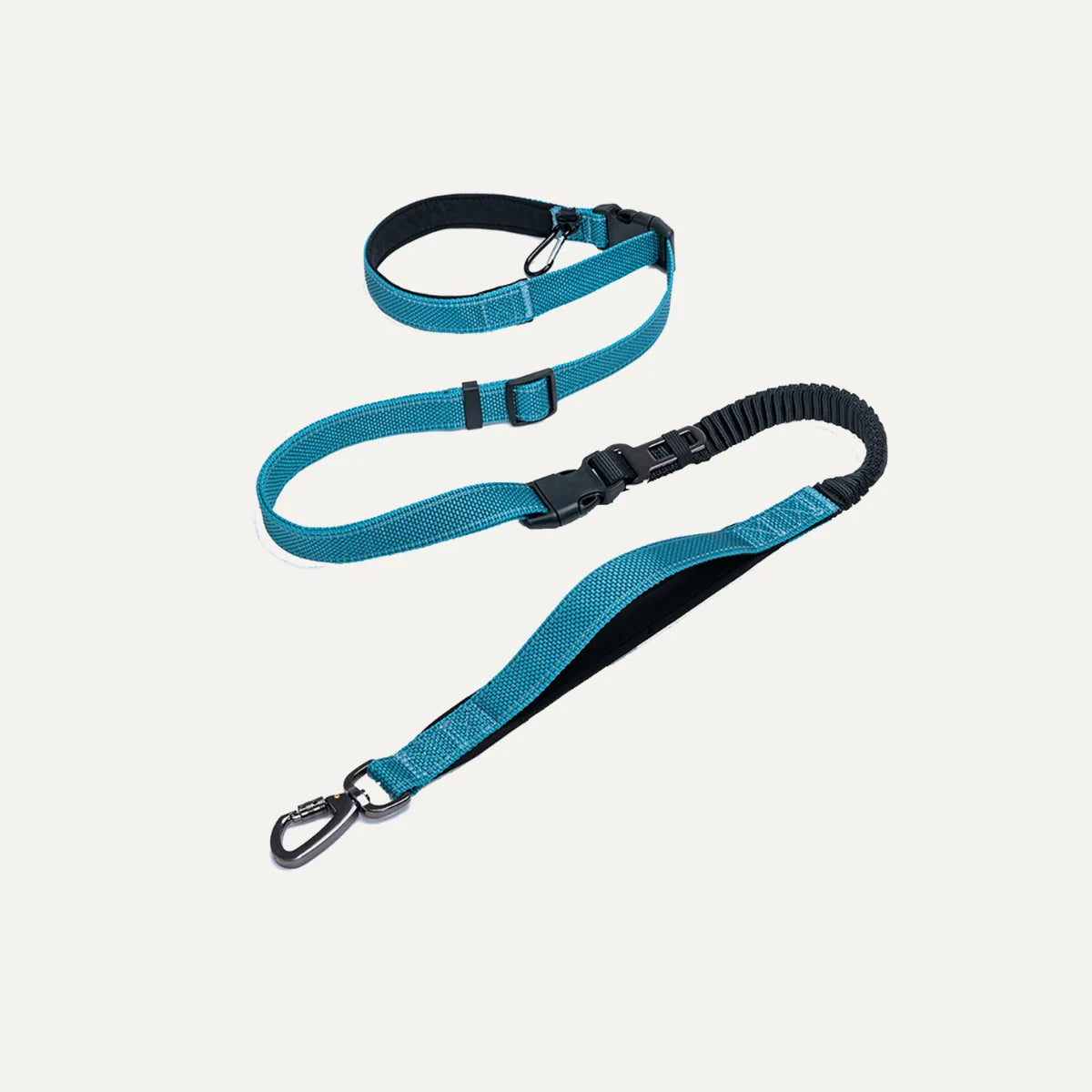
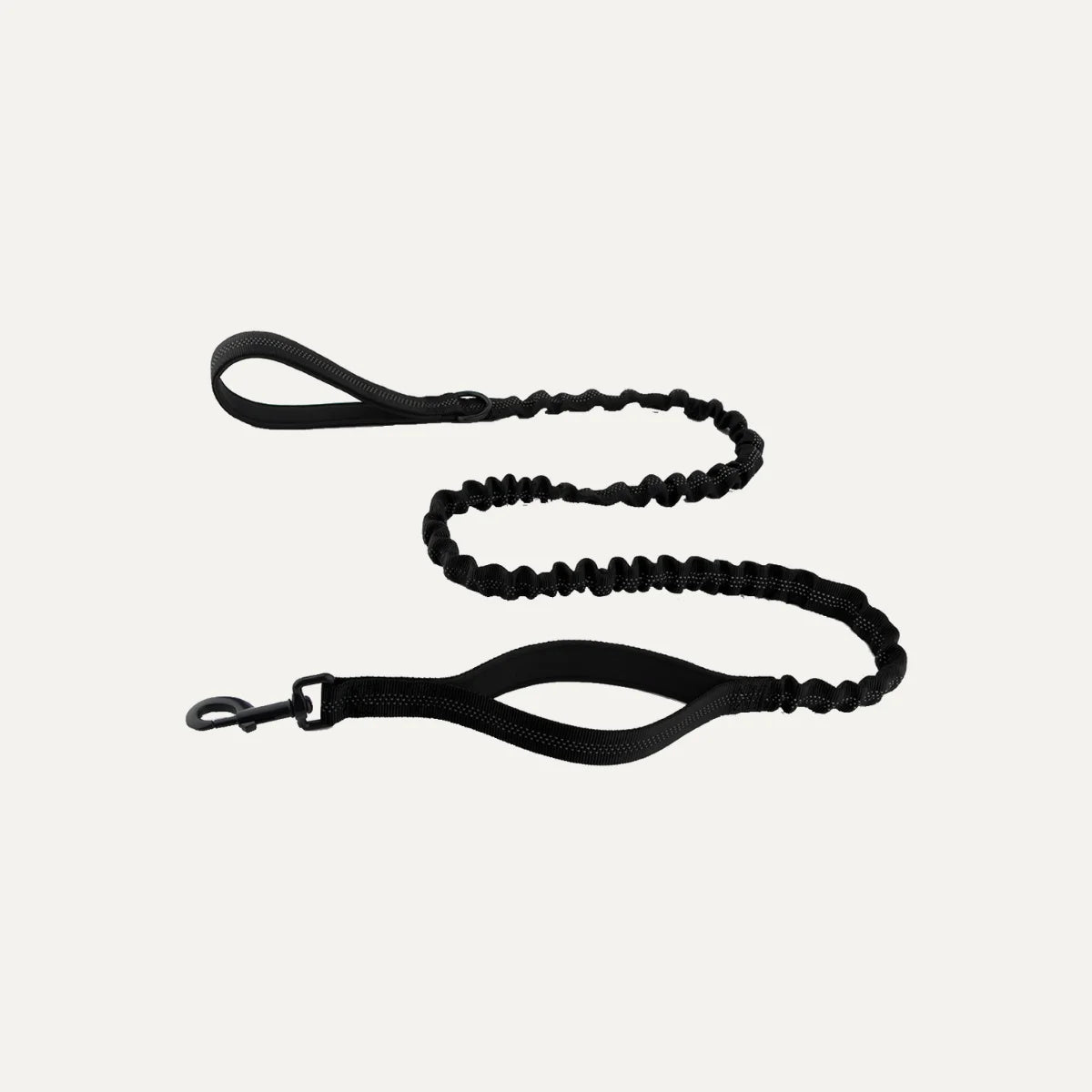
Most leashes have a few core parts that work together. While styles vary, the basic design stays similar. You have a section that attaches to your dog, a length of material between you, and a part for your hand or waist.
Dog leashes are designed for different walking environments and activities. Understanding the main dog leash types and materials can help you choose a leash that matches your dog’s behavior and daily routine.
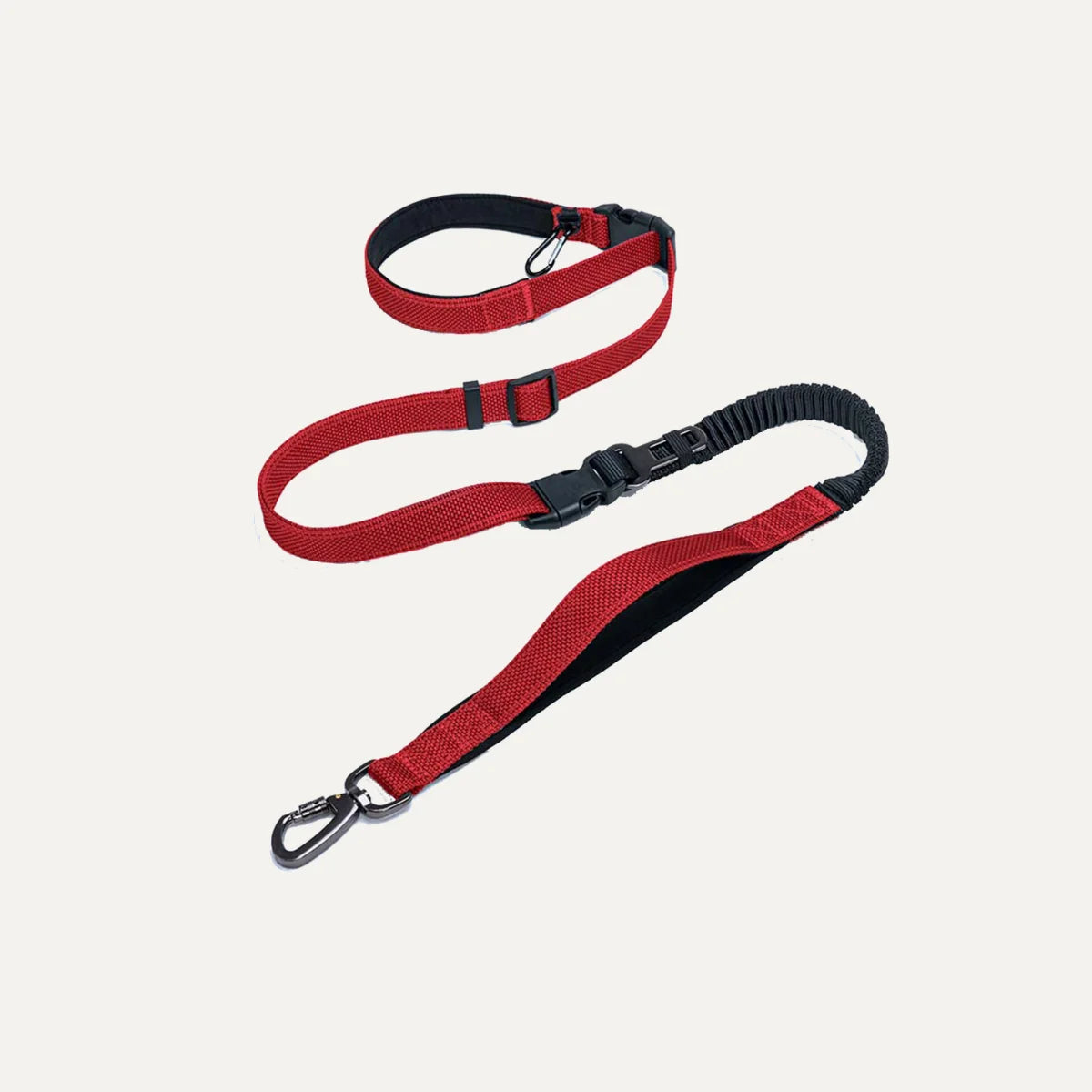
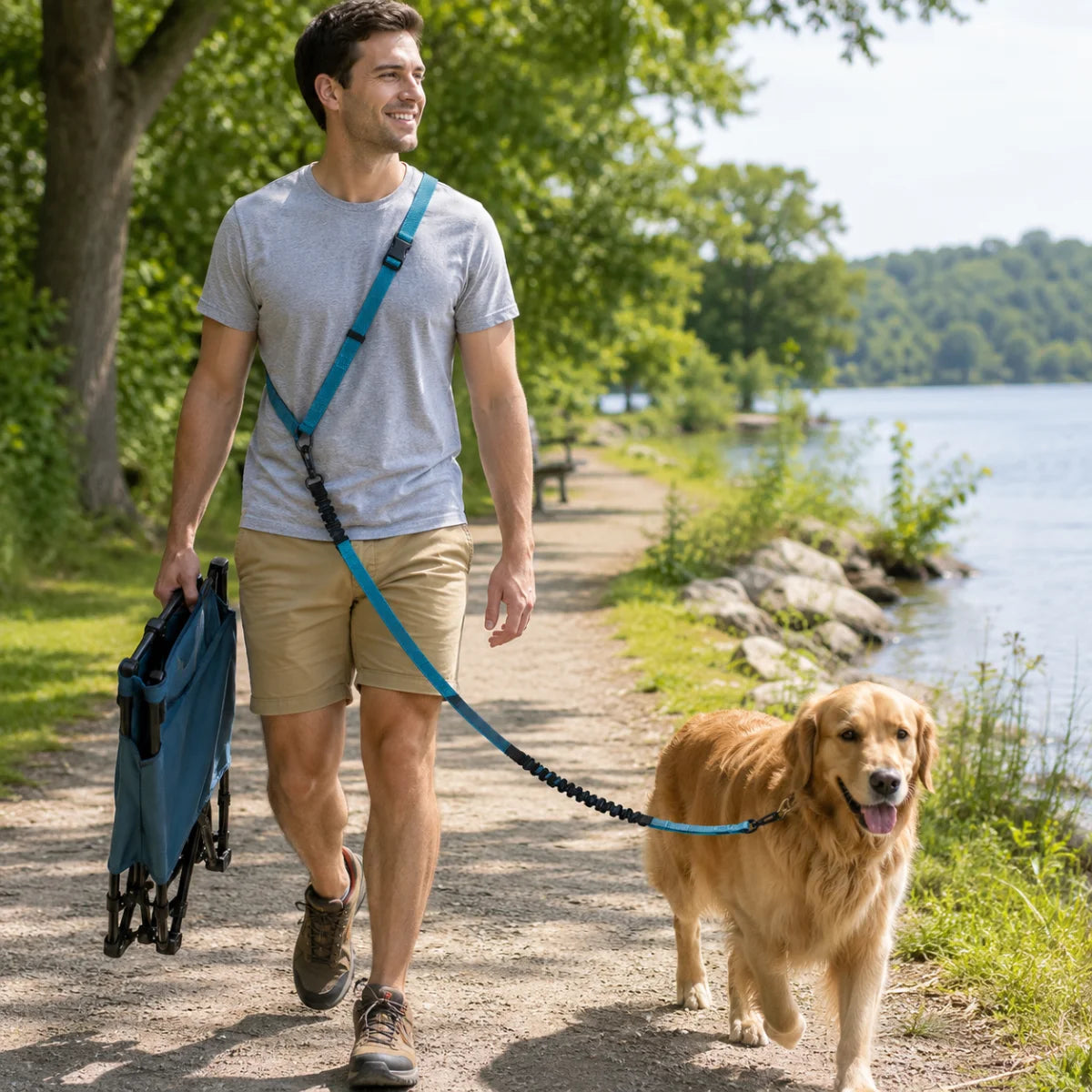
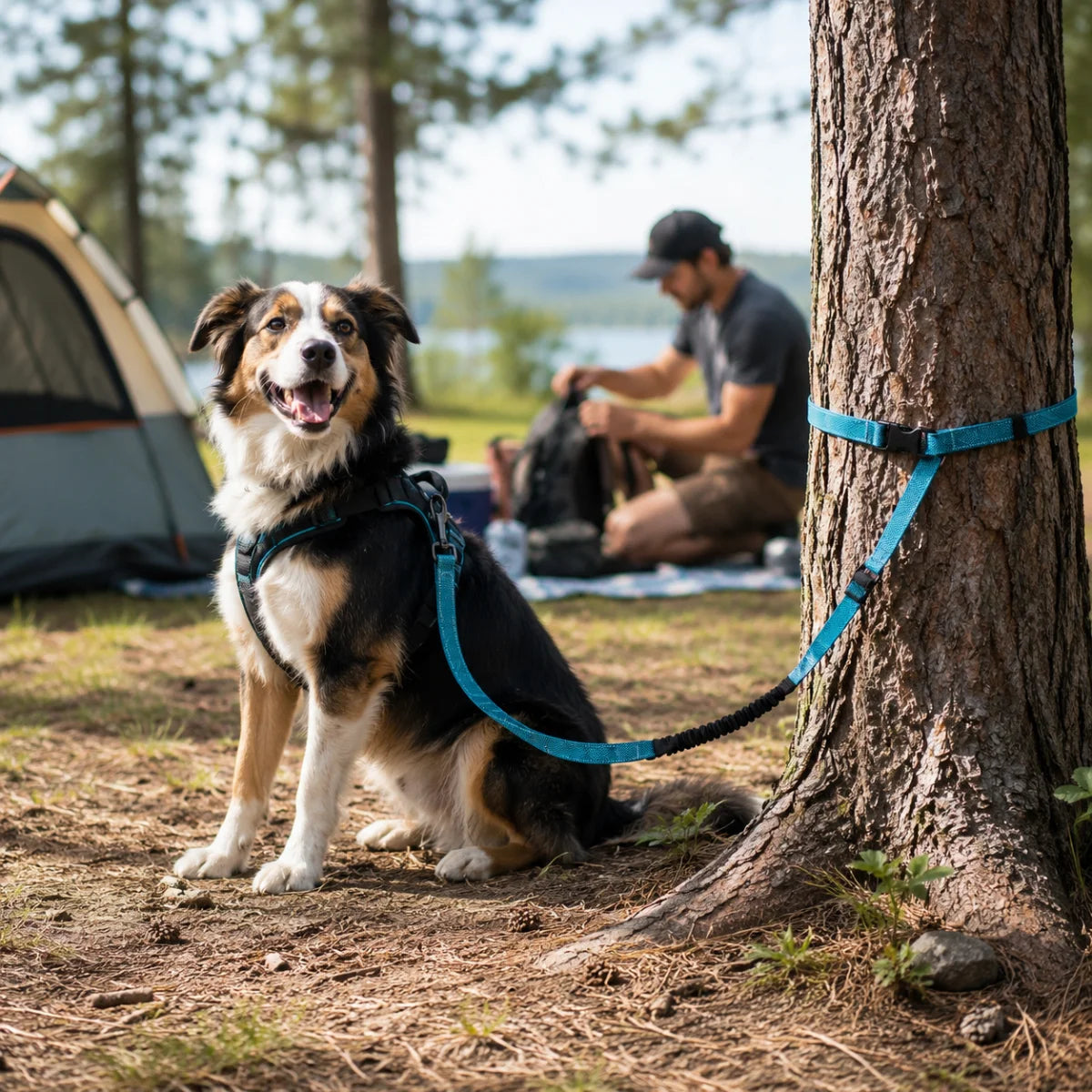
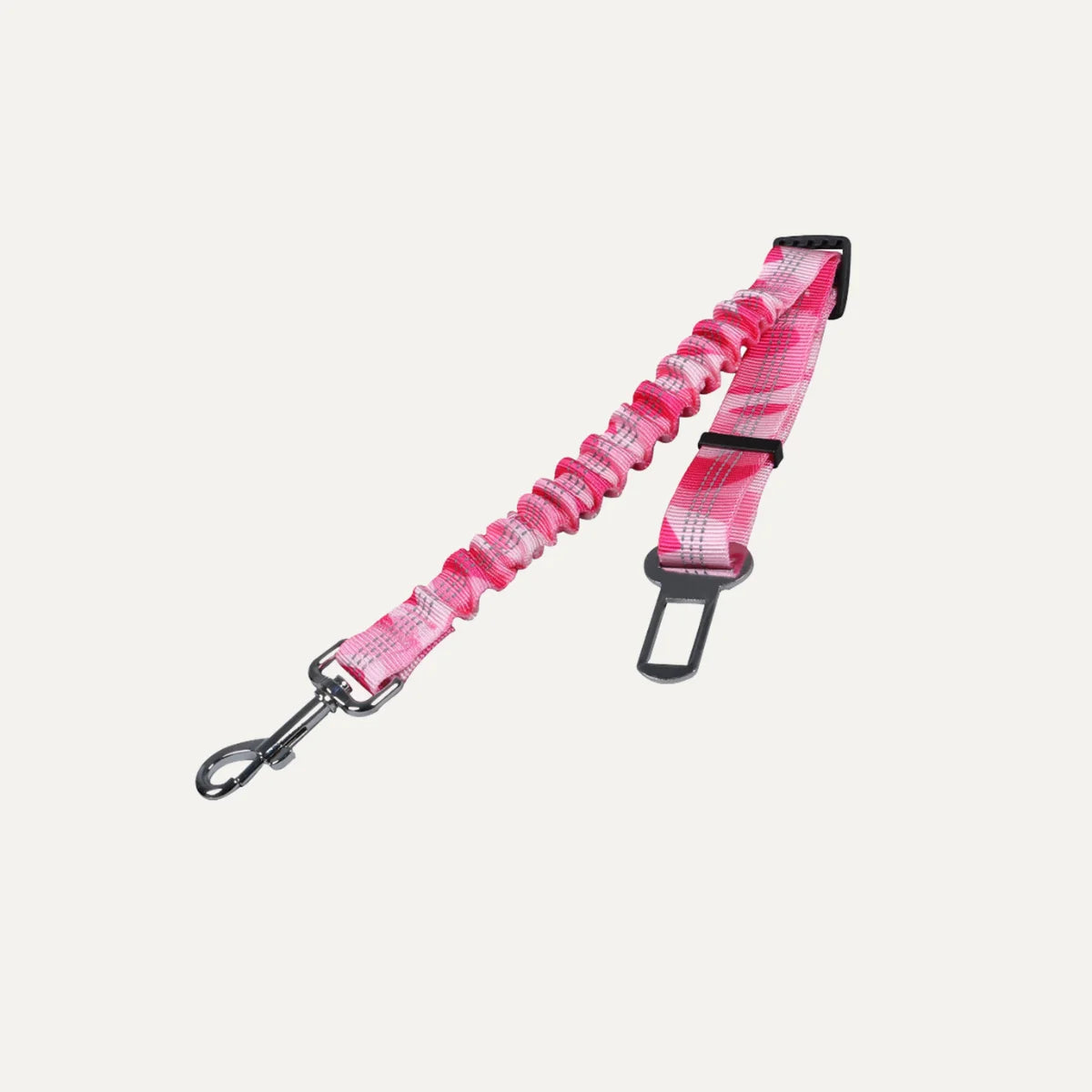
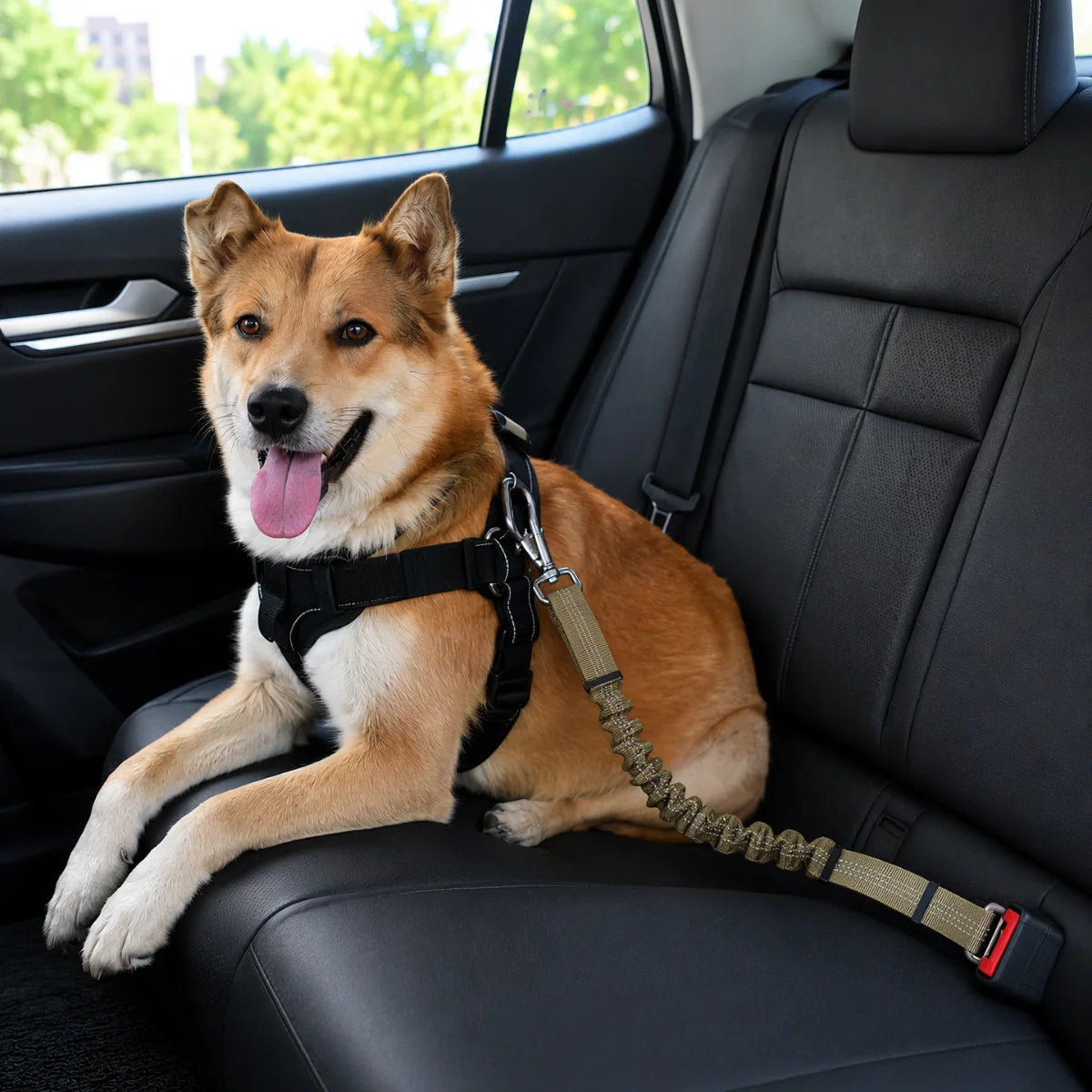
Dog leashes come in a variety of designs, each serving different purposes such as training, safety, and outdoor activities. Understanding their differences helps owners choose the most appropriate option for their dog’s behavior and environment.
Dog leashes come in a variety of materials, each designed to meet different walking needs, environments, and dog behaviors. Choosing the right leash depends on factors like durability, comfort, maintenance, and your dog’s size and activity level.
| Material | Advantages | Disadvantages | Best For |
|---|---|---|---|
| Nylon | Lightweight, affordable, easy to clean, many styles | Not chew-proof, may cause hand friction | Daily walks, puppies |
| Rope | Strong, comfortable grip, durable | Can absorb water and get heavy when wet | Hiking, medium to large dogs |
| Leather | Durable, comfortable, improves with use | Expensive, needs maintenance, not ideal when wet | Long-term use, trained dogs |
| Waterproof/Coated | Water-resistant, easy to clean, odor-resistant | Less breathable, may feel stiff | Rainy weather, beach, outdoor adventures |
| Chain | Chew-resistant, very strong | Heavy, less comfortable, limited flexibility | Dogs that chew leashes |
The best dog leash depends on your dog’s particular needs, not just what looks nice on the shelf. Size, training level, activity, and your own handling comfort all matter. A leash that works for a tiny puppy may not suit a strong adult dog.
Smaller dogs usually do best with lighter gear that does not feel bulky. A very heavy leash can be awkward for them and annoying for you. In many cases, lightweight leashes with a narrow width are strong enough while still being easy to manage.
That is why many owners choose nylon-based options for toy breeds and other small pets. Whether the leash uses flat webbing or nylon tape, the goal is to avoid extra weight while keeping a secure hold on the dog’s collar or harness. You will also find them in a wide variety of colors.
A suitable leash for smaller dogs should feel balanced, not oversized. You want something simple to clip on, easy to hold, and light enough for daily use. Comfort matters here just as much as strength. The leash should help, not overwhelm your dog.

Large dogs need stronger equipment because their size and force create more strain during walks. If your dog lunges or pulls, a thin leash may be hard to manage. In that case, look for a heavy duty design with wider material and solid hardware.
A sturdy bolt snap clip is important because it keeps the connection reliable under pressure. Many owners also like a leather handle or padded grip for better comfort. For crowded areas or roadside walking, a leash with an extra handle closer to the dog can give quicker control.
For many large breeds, the best dog leashes are standard flat styles made with strong webbing and secure metal parts. They do not need to be fancy. They just need to be dependable, comfortable in your hand, and built for the dog’s strength.

In conclusion, understanding the importance of a dog leash is essential for every new dog owner. A well-chosen leash not only ensures the safety of your furry friend but also provides you with better control during walks and outings. From different types and materials to considerations based on your dog's size and activity level, selecting the right leash can make a significant difference in your daily experiences. By prioritizing the right leash, you are investing in a safer and more enjoyable time with your pet.
Please read our FAQs page to find out more.
The best leash for dogs depends on their size, behavior, and activity level. A standard 4–6 foot leash is usually the best choice for daily walks, while long leashes, hands-free leashes, or bungee leashes are better for training, running, and outdoor activities.
For most daily walks, a 6-foot leash provides a good balance between freedom and control. A 4-foot leash works well in crowded areas, while 10–20 foot long leashes are useful for training and supervised outdoor exploration.
Adjustable dog leashes offer more flexibility for different situations, while fixed-length leashes provide more consistent control. For most daily walks and beginner owners, a fixed-length leash is usually easier to manage. The best choice depends on your dog’s size, behavior, and walking environment.