

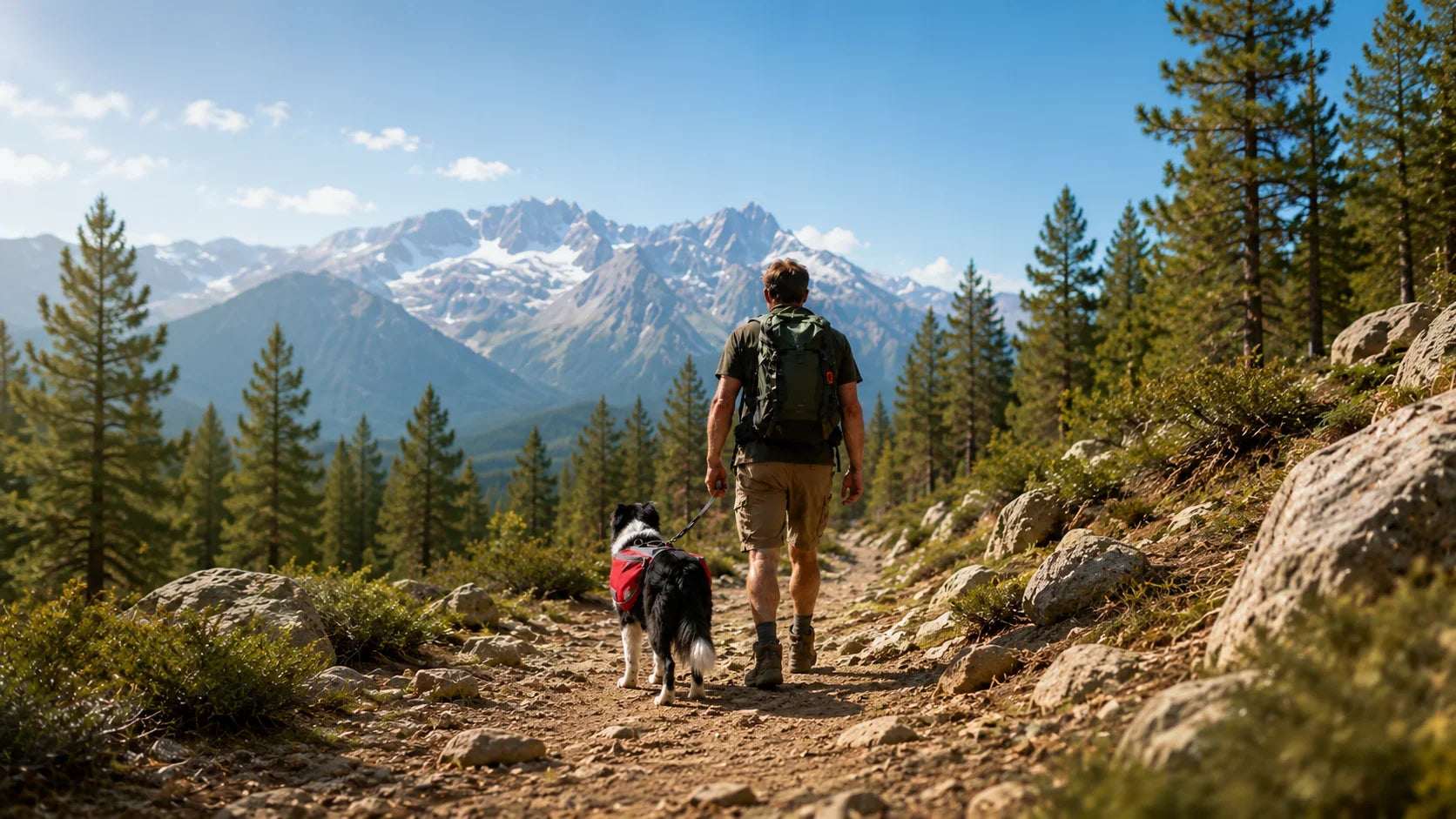
What Are the Benefits of a Dog Backpack Harness?
- by JonesMila
Hiking with your dog can be a rewarding way to exercise, explore nature, and strengthen your bond, but outdoor trips often require extra supplies such as water, waste bags, treats, a collapsible bowl, and basic safety gear, which can quickly become inconvenient to carry on your own during longer walks or hikes. A dog backpack harness offers a practical solution by combining the control of a traditional harness with built-in storage pockets, allowing a healthy, active dog to carry a small amount of lightweight gear while helping distribute the load more efficiently and giving the owner better control on outdoor trails.
Unlike a standard walking harness, a backpack harness is designed for more demanding outdoor activities and often includes adjustable straps, padded panels, reinforced stitching, reflective details, and a control handle, all of which improve comfort, safety, and versatility for hiking, camping, and other adventures. However, the backpack must fit correctly and should never be overloaded, and this guide will help you understand how a dog backpack harness works, highlight its real-world benefits, and provide practical tips on choosing the right model and using it safely so you and your dog can enjoy more comfortable, organized, and enjoyable outdoor experiences.
A dog backpack harness is a harness your dog wears that also includes side storage for small trail items. It is different from basic walking gear because it combines control and carrying ability in one setup. For many hikes, that can be useful.
Most designs rely on adjustable straps and secure buckles to keep the pack stable while your dog moves. You still attach a leash for control, but the harness also helps hold lightweight supplies in place. The next sections explain how it works and who benefits most.
A dog backpack harness uses adjustable straps to secure the harness around the dog’s chest and torso. The storage pockets sit on both sides of the body so that the load can be distributed evenly.
A typical design may include:
Once the harness is correctly adjusted, the dog should be able to walk, sit, turn, and lie down naturally. The pockets should stay close to the body without swinging from side to side.
Before adding supplies, the dog should first become comfortable wearing the backpack while it is empty.
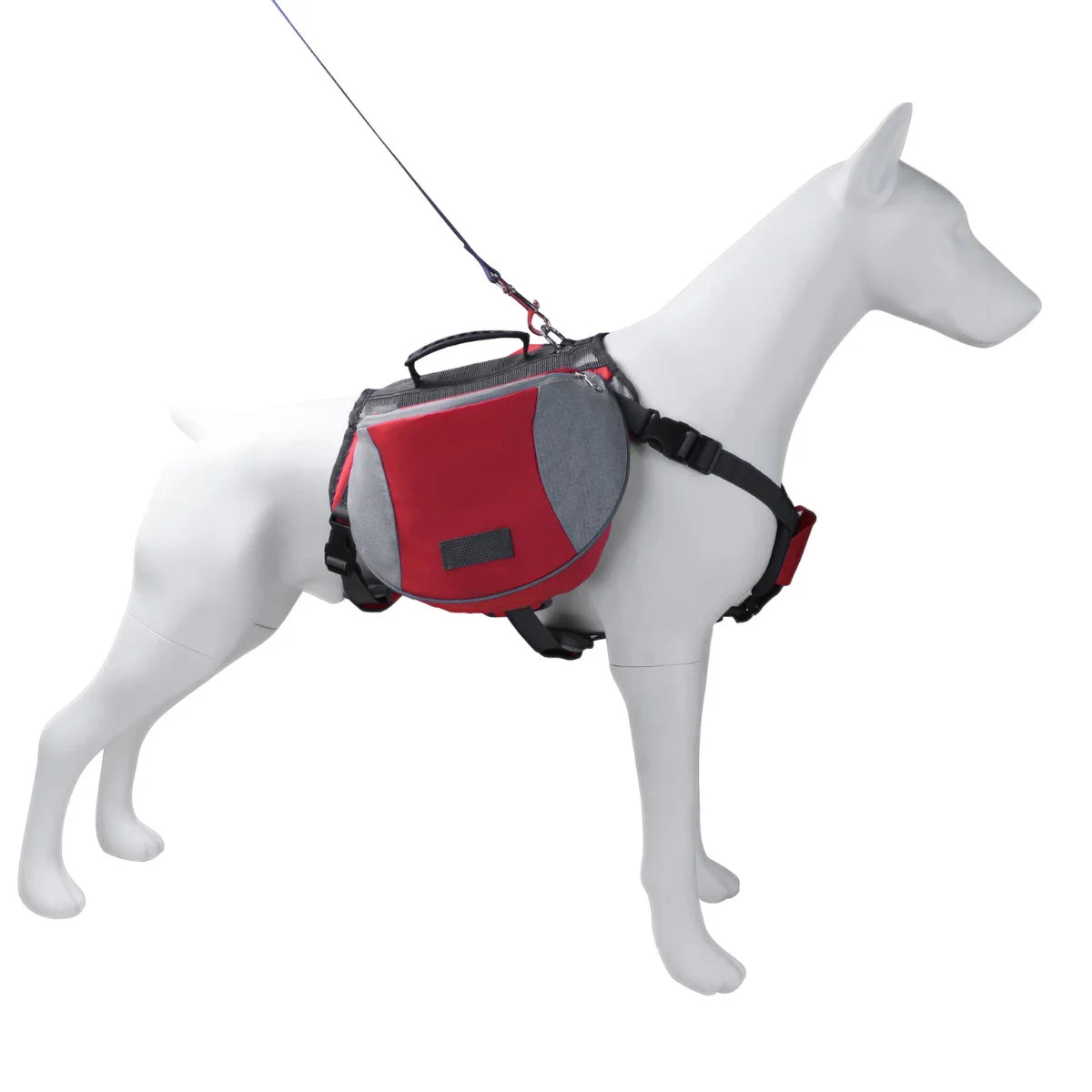
A regular dog harness is mainly built for walking, everyday control, and leash attachment. A backpack harness adds storage, so it suits hiking and longer outings better. If your dog only needs simple daily use, a regular dog harness may be enough. If you want your dog to carry light supplies, the backpack style offers more function.
The main differences include:
| Feature | Dog Backpack Harness | Regular Dog Harness |
|---|---|---|
| Storage pockets | Usually included | Usually not included |
| Main purpose | Hiking, camping, and carrying supplies | Everyday walking and training |
| Overall weight | Heavier | Lighter |
| Load balancing | Required | Not applicable |
| Outdoor features | Often includes handles and reflective details | Depends on the design |
| Adjustment | Must fit the dog and balance the pockets | Primarily focused on fit |
A backpack harness is generally best suited to healthy adult dogs that are physically active and comfortable wearing a standard harness.
It may be useful for:
A backpack harness may not be appropriate for every dog. Puppies are still developing and should not be expected to carry additional weight. Senior dogs and dogs with joint, spinal, breathing, or mobility problems may also need a lighter harness.
Dogs recovering from surgery or injury should not use a loaded backpack unless a veterinarian has approved it.
A dog backpack harness offers more than just storage—it can enhance your dog’s outdoor experience while improving safety, engagement, and convenience for both of you. When used correctly, it becomes a practical tool that supports both physical activity and mental stimulation during hikes or daily adventures.
The benefits vary depending on the dog’s condition, the terrain, and how the backpack is used, but the following advantages highlight why many owners choose this type of gear.
Wearing a backpack can gently increase the level of physical activity during walks or hikes. Even with a light load, the added resistance encourages dogs to engage more muscles, especially in the shoulders and core. For active dogs, this can help improve endurance over time, support muscle development, burn additional energy during walks, and make routine exercise more effective.
It is important to keep the weight minimal and appropriate for the dog’s size and fitness level. The goal is to enhance movement, not strain the body.
Carrying a backpack can give dogs a sense of responsibility, which may help improve focus during outdoor activities. Instead of becoming distracted by every scent or movement, some dogs become more attentive and purposeful when wearing gear.
This added mental engagement can reduce boredom during long walks, encourage calmer behavior, help high-energy dogs stay more focused, and support training routines. For many dogs, having a “job” can make outdoor time more structured and rewarding.
Some dogs tend to pull, wander, or become overly excited during walks. A properly fitted backpack harness can help encourage steadier movement and better walking habits. The slight added weight and structured fit may promote a more consistent walking pace and reduce excessive pulling, helping dogs stay more focused during the walk.
It can also encourage better leash manners and help dogs remain closer to their handler, especially in distracting environments. While it is not a replacement for training, it can be a helpful tool when combined with consistent guidance.
A dog backpack harness allows your dog to carry small, lightweight essentials, making outdoor trips more organized. Common items include waste bags, treats, a collapsible bowl, small toys, and lightweight first-aid supplies.
This added storage can make hiking with dog more convenient, especially on longer outings where organization matters.

Many backpack harnesses are designed with outdoor safety in mind. Features such as reflective strips, bright colors, and sturdy handles can improve visibility and control in different environments. These elements make it easier to spot your dog in low-light conditions and provide quick control in crowded or potentially risky areas.
They can also assist in guiding your dog over obstacles and contribute to overall trail safety. When combined with a secure leash attachment, the backpack harness becomes a reliable piece of safety equipment.

Using a backpack harness during shared activities can deepen the connection between you and your dog. Working together on hikes or outdoor adventures creates a sense of teamwork and helps both of you stay engaged throughout the experience.
This shared experience can build trust between dog and owner, encourage cooperation during walks, make outdoor time more interactive, and create a consistent routine. For many owners, the backpack becomes part of a meaningful outdoor ritual that both they and their dog enjoy.
A backpack harness should be selected based on fit, comfort, durability, storage design, and the type of outdoor activity.
The best harness is not simply the model with the largest pockets. It should allow natural movement and remain secure without adding unnecessary bulk.
Proper fit is the most important part of choosing a dog backpack harness. To ensure accuracy, you can refer to this detailed guide on How to Measure a Dog for a Harness: Step-by-Step Guide, which explains the correct way to take measurements before selecting a size. Measure the dog’s chest girth and compare it with the manufacturer’s size chart. Do not select a size based only on breed or body weight, because dogs of the same breed can have different body shapes.
A properly fitted harness should stay centered on the dog’s body, allow natural shoulder movement, avoid rubbing behind the front legs, remain secure without restricting breathing, fit closely enough that the dog cannot back out, and allow approximately two fingers under the straps. Check the fit again after adding items to the pockets, as the extra weight can change how the harness sits on the body.
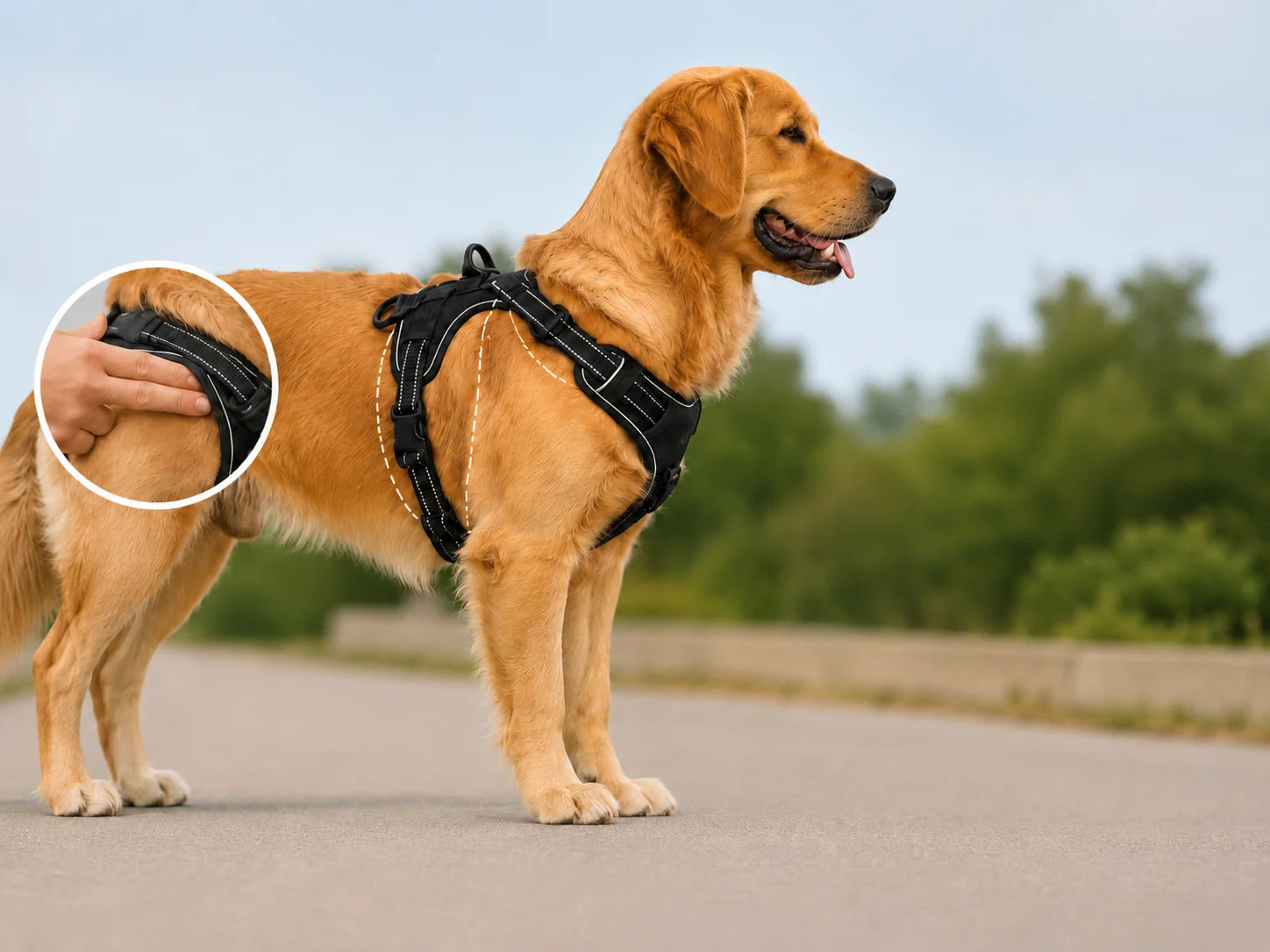
Outdoor harnesses face dirt, moisture, and rough terrain, so durable materials are important. Common options include high-density nylon, Oxford cloth, and polyester blends, which offer good abrasion resistance while staying lightweight. Some designs add ripstop fabric or water-resistant coatings, along with breathable mesh panels to improve airflow.
Reinforced stitching is also key. High-stress areas like strap joints and leash points are often strengthened to prevent tearing. Combined with sturdy buckles and metal D-rings, these features help keep the harness secure. Even so, the harness should fit well and be checked regularly for wear before each hike.
The pockets should sit evenly on both sides of the dog’s body and stay secure while remaining easy to access. A good pocket system should keep items close, minimize movement, balance weight, prevent loss, and avoid pressure on the dog’s body. When packing, make sure both sides carry similar weight to prevent the backpack from leaning.
Padding reduces friction on the chest, back, and sides, while breathable mesh improves airflow. Since backpack harnesses cover more surface area, ventilation is important. Check for padding in key areas and monitor the dog’s skin after use for any signs of irritation or pressure.

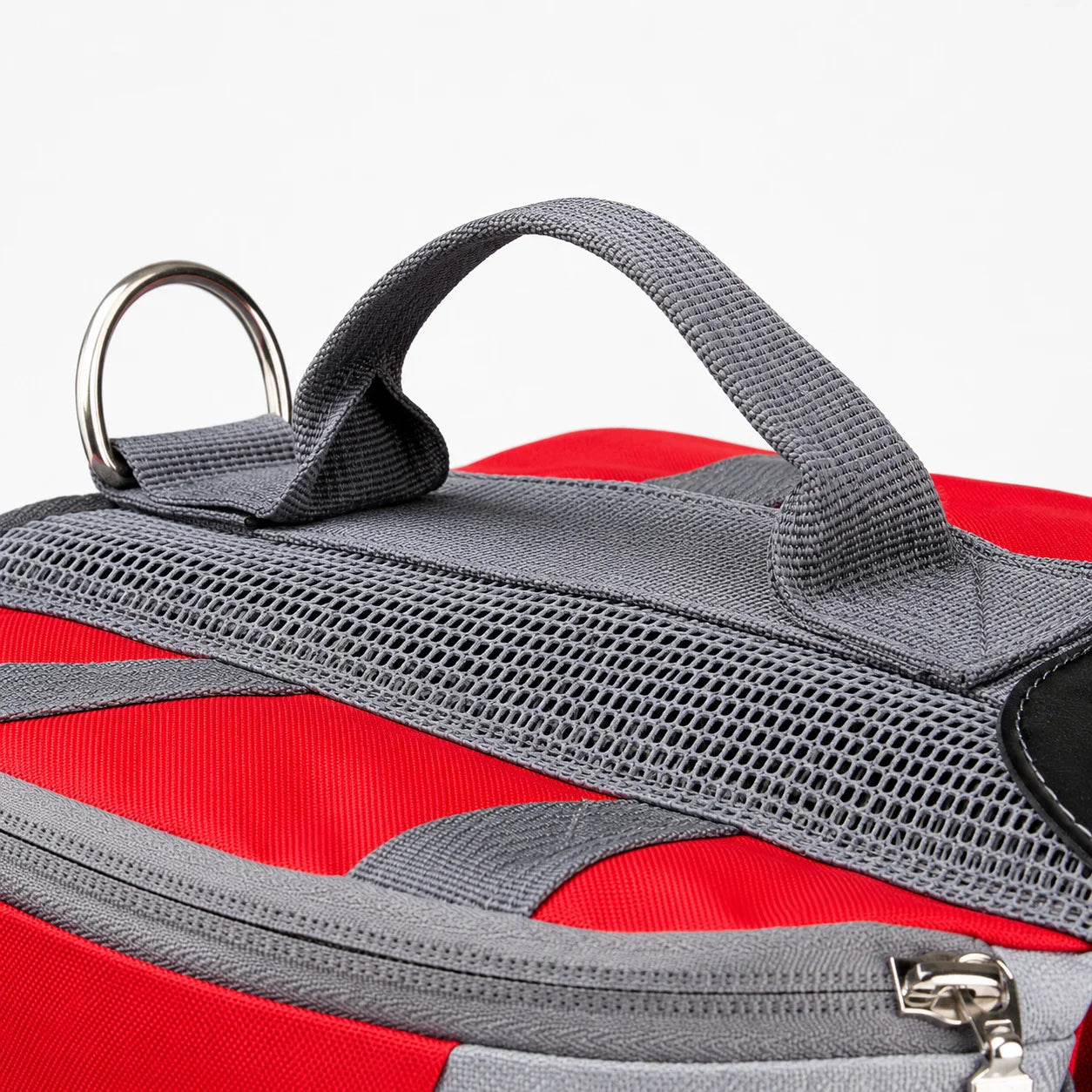
A strong top handle provides an additional point of control for owners when navigating challenging outdoor environments, helping guide or steady the dog when needed.
Hikes may extend into low-light conditions, and visibility can also be reduced by forests or cloudy weather.
Reflective strips or stitching help make dogs more visible, especially during early mornings, evenings, camping trips, wooded trails, or roadside walks. While not a substitute for a flashlight or safety light, they provide an added layer of visibility.
How much weight a dog should carry, there is no fixed rule that applies to every dog. A commonly mentioned guideline is up to 25 percent of the dog’s body weight, but this should only be treated as a general reference rather than a strict limit. The appropriate load depends on factors such as the dog’s age, size, strength, fitness level, and overall health. The safest approach is to allow the dog to carry only what it can manage comfortably after gradual training, ideally with guidance from a veterinarian, especially for young, senior, or physically sensitive dogs.
The dog should first learn to wear the backpack without carrying anything.
Place the empty harness on the dog for a few minutes at home. Reward calm behavior and allow the dog to walk naturally.
Once the dog appears comfortable, try a short neighborhood walk with the pockets empty. Watch for signs such as freezing, scratching at the harness, walking unevenly, or refusing to move.
The goal is to make the harness feel familiar before adding any load.
After the dog is comfortable with the empty backpack, add a small amount of lightweight items and increase the load gradually over several walks. Monitor the dog’s movement, breathing, and energy level, and remove the weight if any signs of discomfort appear. Never use the backpack to push a tired or unconditioned dog beyond its limits.
The weight in both pockets should be as even as possible. An unbalanced load can cause the harness to shift, rotate, or pull to one side, which may lead to discomfort or an uneven walking pattern. To maintain balance, place similar items in each pocket, compare their weight, and ensure the pack stays centered when worn. Observe the dog’s movement from different angles and make adjustments as needed. It is also important to recheck and rebalance the load regularly as supplies are used during the hike.
A dog backpack harness is useful for healthy, active dogs. It lets them carry light essentials while giving owners better control on hikes.
Key benefits include organizing supplies, reducing what owners carry, distributing pressure, and improving control with a leash point and handle.
Choose a well-fitting hiking harness for dogs with durable materials, balanced pockets, and breathable padding.
Start with an empty pack, add weight gradually, and keep both sides balanced. Always monitor your dog’s condition.
Used properly, it makes hiking with your dog easier and more comfortable.


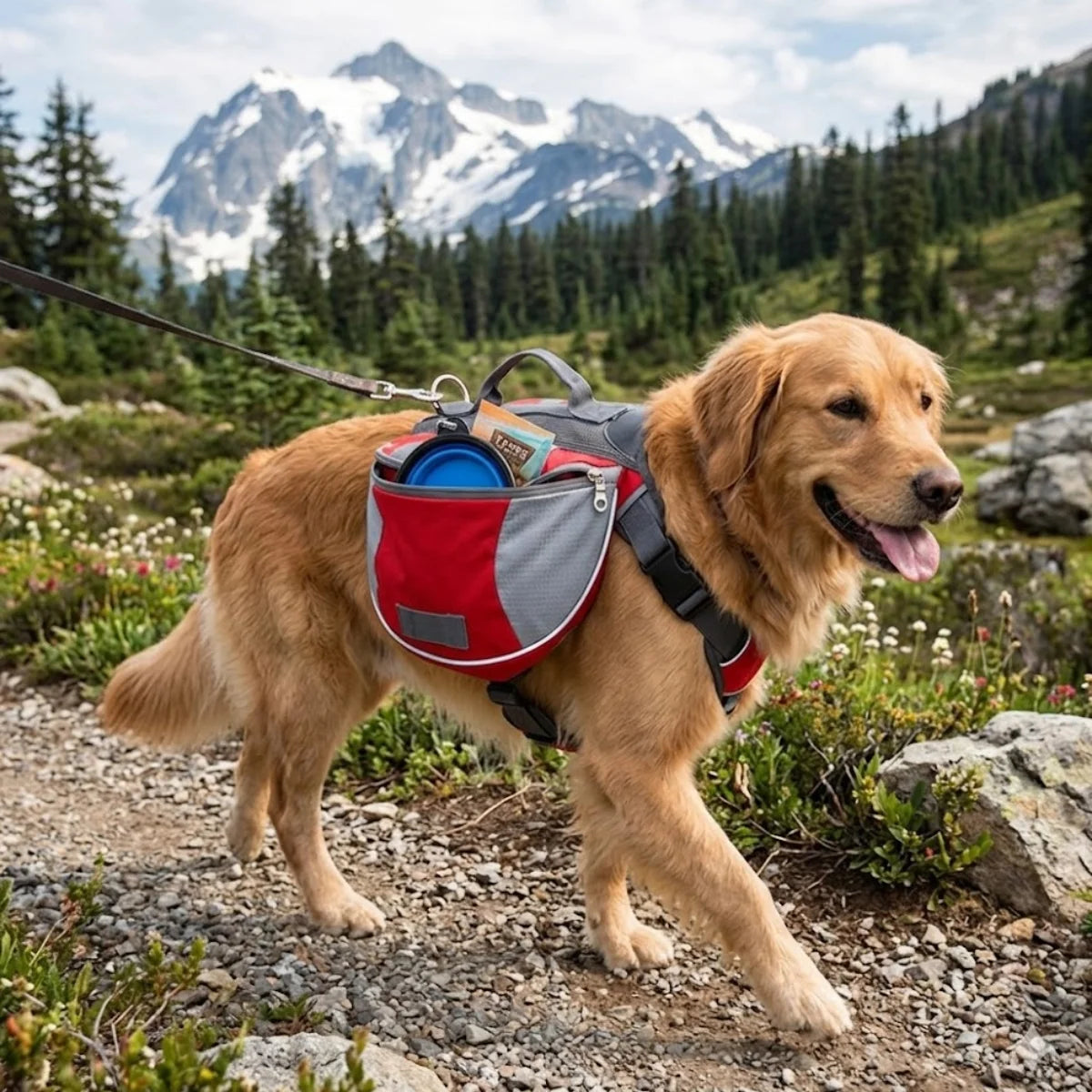

Quick-Release Padded Dog Saddlebag Backpack
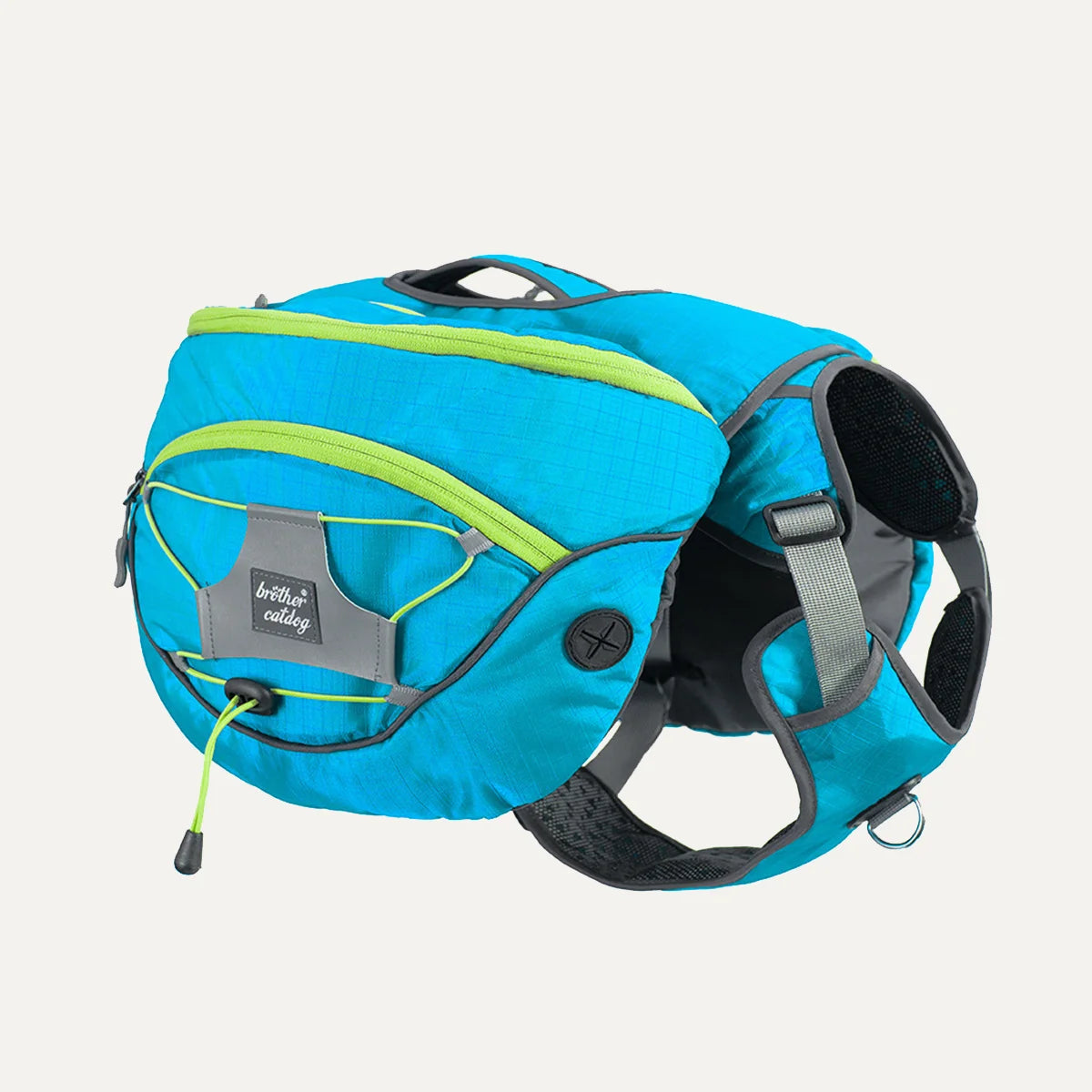
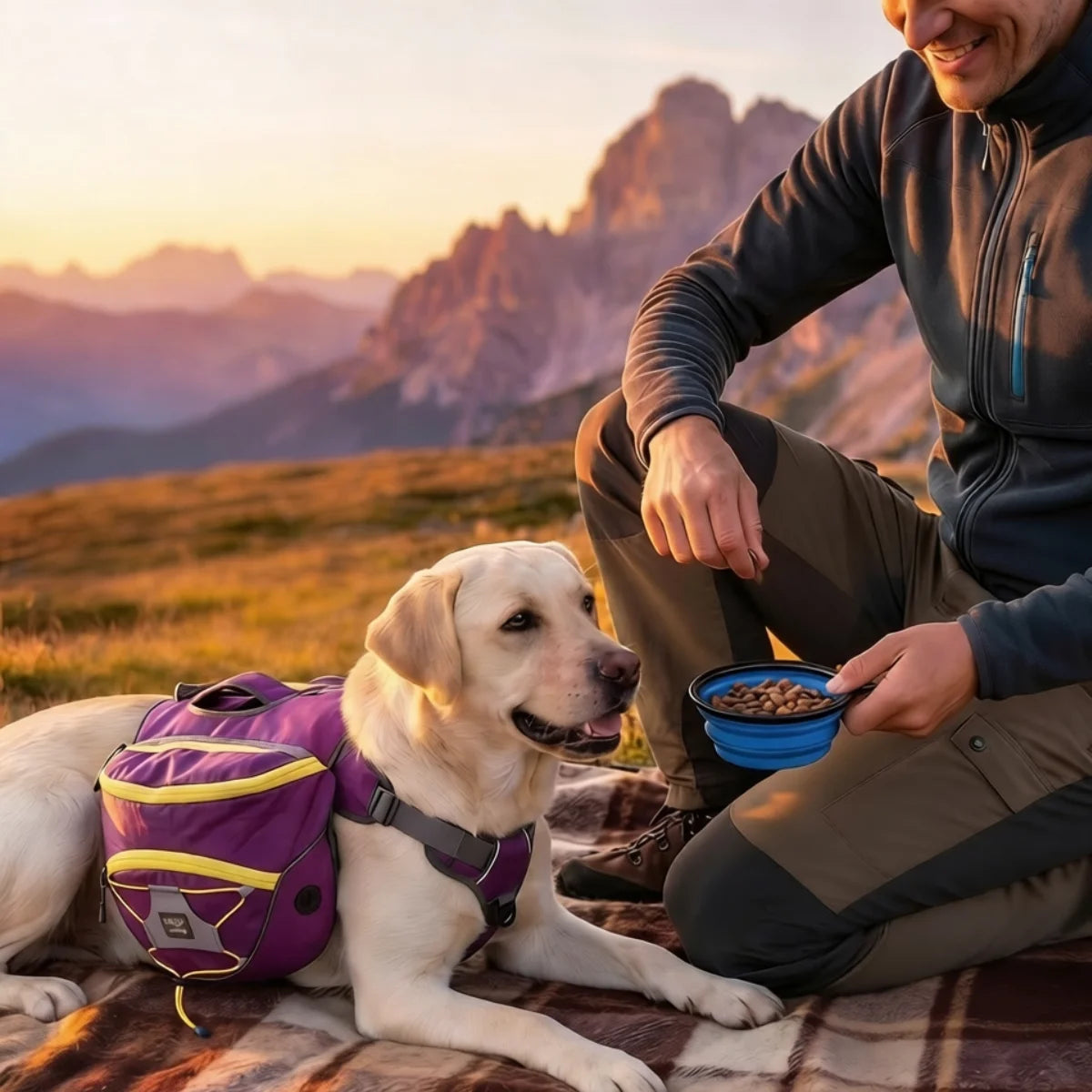


Removable Pockets Waterproof Dog Saddle Bag Backpack
Please read our FAQs page to find out more.
Healthy small dogs can wear backpack harnesses if the harness is lightweight, properly sized, and designed for their body shape. However, small dogs have less carrying capacity, so the pockets should contain only very light items and should never interfere with their movement.
The safe wearing time depends on the dog’s fitness, the backpack’s weight, the weather, and the difficulty of the hike. Take regular rest and water breaks, inspect the skin for rubbing, and remove the backpack during longer stops. End the activity if the dog begins slowing down, panting heavily, walking unevenly, or showing discomfort.
A young dog can become familiar with a lightweight, empty backpack, but it should not carry a loaded pack until its body is sufficiently developed. Growth rates differ by breed and size, so ask your veterinarian when it is safe to begin adding weight.
No. A regular hiking harness is usually enough when your dog does not need to carry supplies. A dog backpack harness is more useful for longer hikes or camping trips where storage pockets provide a practical benefit.
Warning signs include slowing down, excessive panting, refusing to continue, stumbling, walking unevenly, lowered posture, or the backpack repeatedly shifting to one side. Stop the activity, remove the load, offer water and rest, and do not continue with the same weight.