

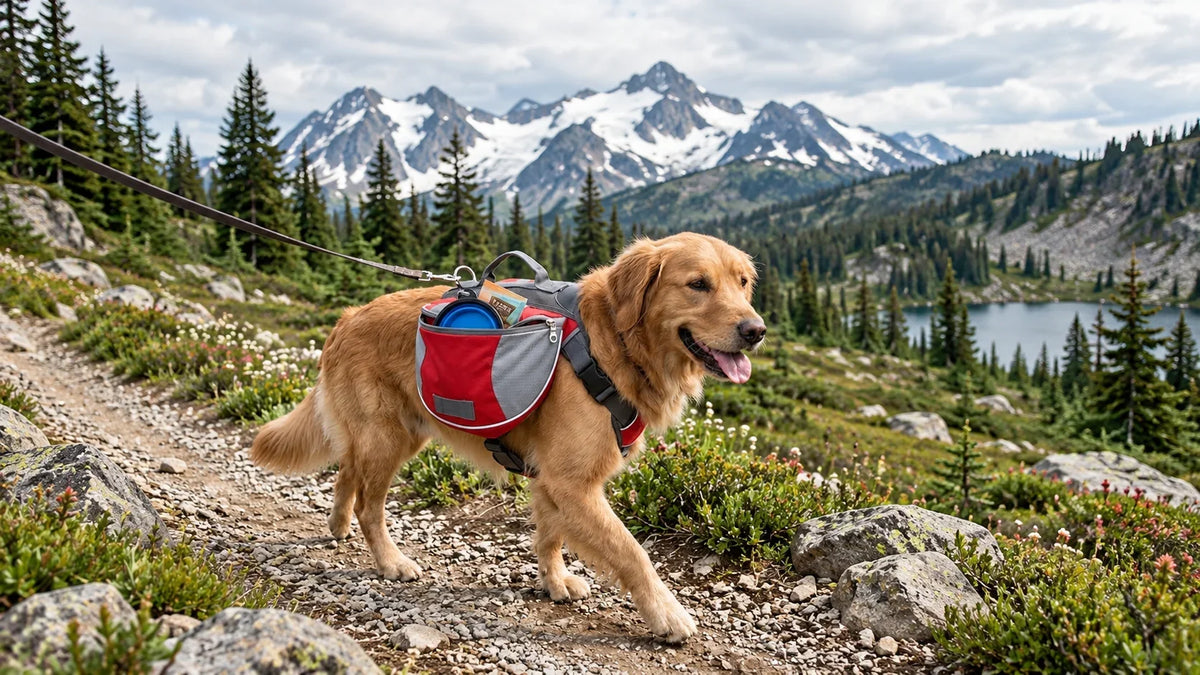
How to Choose the Right Dog Backpack Harness: Fit, Features & Safety
- by HuangMila
A good dog backpack harness should do two jobs without compromising either one: help you guide your dog comfortably and carry a small, balanced load. The right design can make hikes, day trips, and longer walks easier to organize. The wrong fit can shift, rub, restrict movement, or place uneven pressure on your dog.
This guide explains how to choose a dog harness and backpack based on fit, activity, storage needs, materials, adjustability, and safety. It also includes a simple pre-trip checklist so you can introduce the pack gradually and watch how your dog moves.
A dog backpack harness combines a supportive harness with storage compartments, usually positioned on both sides of the dog's torso. Depending on the design, the bags may be permanently attached or removable. Some models are compact and suited to everyday outings, while others use larger saddlebags for hiking and travel.
The key difference between an ordinary harness and a dog backpack with harness is load management. A regular harness focuses mainly on leash control and pressure distribution. A backpack harness must also keep carried items stable and balanced while your dog walks, turns, climbs, and rests.
Before comparing pockets or colors, consider whether your dog is ready to wear a pack. Age, health, body shape, conditioning, gait, and experience all matter. Puppies, senior dogs, dogs recovering from an injury, and dogs with joint, back, breathing, or mobility concerns may not be suitable candidates. Ask your veterinarian if you are unsure.
Your dog's temperament matters too. A dog that is uncomfortable with clothing or harnesses may need a slower introduction. Start with the harness empty, reward calm behavior, and keep early sessions short.
Use the manufacturer's size chart rather than choosing by breed or weight alone. Measure the areas requested on that chart, typically the widest part of the chest and sometimes the neck or back length. Take measurements while your dog is standing naturally, and use a soft measuring tape without pulling it tight.
A well-fitted backpack harness should sit securely without pinching. You should be able to slide your fingers under the straps, but the harness should not rotate freely around the body. Check that straps do not sit directly in the armpits and that the front panel does not press against the throat.
If your dog falls between sizes, prioritize the brand's fitting guidance and the available adjustment range. A highly adjustable harness is especially useful for deep-chested dogs, dogs with narrow waists, or dogs that wear a coat in cold weather.
For step-by-step sizing instructions, see our guide on how to measure a dog for a harness before choosing your size.
The storage compartments should sit evenly on both sides of the body and remain close to the torso. Bags that hang too low or far from the body can swing with each step. Bags positioned too far forward may interfere with the shoulders; bags placed too far back can shift toward the lower back.
Choose a design that makes it easy to divide gear evenly. After packing, lift or compare both sides by hand and adjust until they feel similar. Recheck the balance after the first few minutes of walking because water, soft items, and treats can settle.
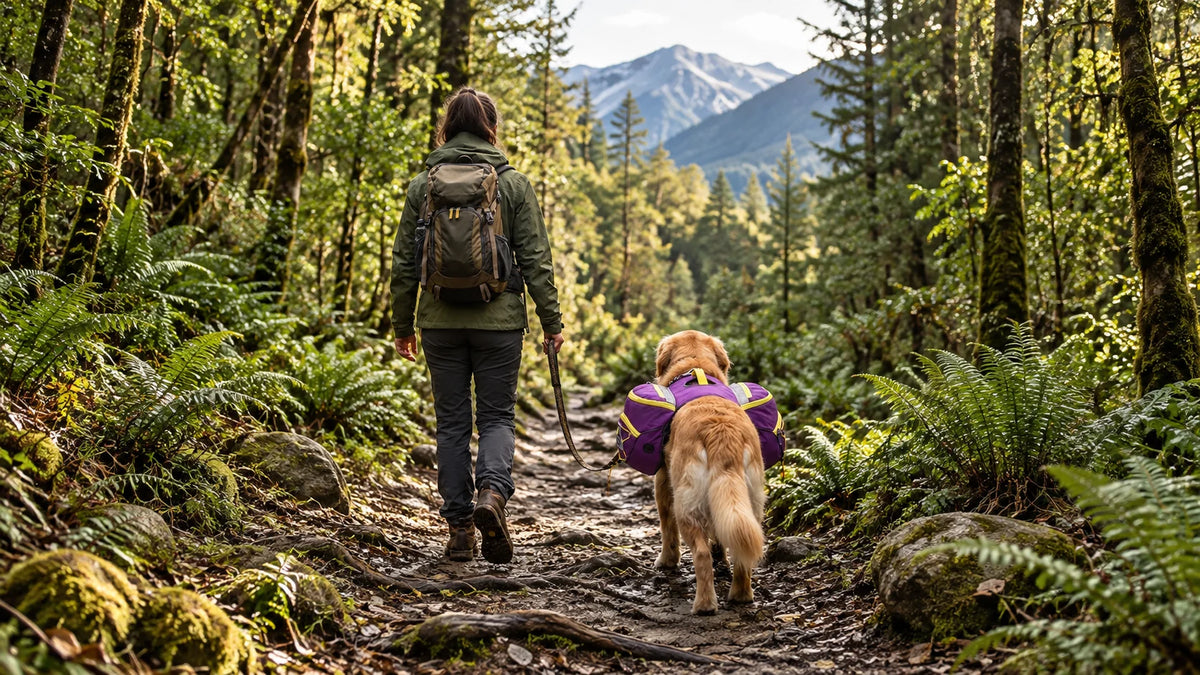
More storage is not automatically better. For a neighborhood walk, a compact dog harness backpack may only need space for waste bags, a collapsible bowl, and a small accessory. A day hike may call for room for water, food, and lightweight trail essentials.
Choose the smallest capacity that suits the trip. Oversized bags invite overpacking and can be harder to stabilize. If you mainly want leash control and only occasional storage, a harness with a removable pouch may be more versatile than a full saddlebag system.
For warm-weather use, look for breathable panels and padding that does not trap excessive heat. For brushy trails or frequent outdoor use, inspect the outer fabric, stitching, zipper construction, and attachment points. The material should feel durable without becoming stiff or bulky.
Water-resistant fabric can help protect small items from light rain and splashes, but it does not necessarily make the bag waterproof. Pack moisture-sensitive items in a separate sealed pouch unless the manufacturer states that the compartments are waterproof.
Not sure which fabric is best for outdoor use? Our dog harness material guide compares common options for comfort, breathability, and durability.
A useful backpack harness for dogs should be easy to fine-tune. Multiple adjustment points help keep the harness stable and accommodate different body shapes. Once adjusted, straps should stay in position rather than loosening during movement.
Quick-release buckles make the harness easier to put on and remove, but they should sit away from high-friction areas. Check that no buckle or slider presses into the ribs, shoulder, or elbow when your dog walks or lies down.
A secure leash attachment is essential. Some hiking harnesses include a back attachment for ordinary walking, while others add a front attachment to provide another handling option. Choose the setup that matches your dog's training and your usual terrain.
A sturdy top handle can offer brief, close control at trailheads, crossings, or obstacles. It is not a substitute for proper lifting equipment, and you should not lift your dog by the handle unless the product is specifically designed and rated for that purpose.
For more on handle placement and safe use, read our guide to choosing a dog harness with handle.
Reflective trim or high-contrast panels can make a dog hiking harness easier to see around dawn, dusk, shaded trails, and campsites. Visibility details do not replace a light, leash, or close supervision, but they are a useful additional feature for outdoor use.
Detachable saddlebags let you use the base as a regular harness during rest breaks or shorter walks. They can also make cleaning and packing easier. Fixed bags may feel simpler and lighter, but they offer less flexibility once you reach your destination.
If you want one system for both hiking and everyday walks, a modular dog backpack and harness is often the more adaptable choice.
Once the harness is adjusted, check it from the front, side, and top:
After a short test walk, remove the harness and look for redness, damp friction points, flattened fur, or tenderness. Refit the straps before increasing distance.
If you are unfamiliar with strap placement and adjustment, follow our guide on how to put on a dog harness correctly before your first walk.
There is no single load that is right for every dog. A dog's safe carrying ability depends on health, age, build, fitness, trail difficulty, weather, pack design, and experience. Start with the pack empty. Then add only light items over several short outings while watching your dog's gait, breathing, energy, and willingness to continue.
Keep the load balanced and carry dense or heavy essentials in your own pack. Ask your veterinarian for dog-specific guidance before adding weight, especially for a young, older, small, short-legged, deep-chested, or medically sensitive dog.
The best dog harness for hiking depends on what you need your dog to carry.
If you are still comparing styles, browse HOWOLL's dog backpack collection and dog harness collection. For a saddlebag-style option, see the Quick-Release Padded Dog Saddlebag Backpack. If removable utility storage and close handling are priorities, compare the Tactical Dog Harness With Bag & Leash Set.
For a closer look at storage, hiking convenience, and everyday use, explore the benefits of a dog backpack harness.
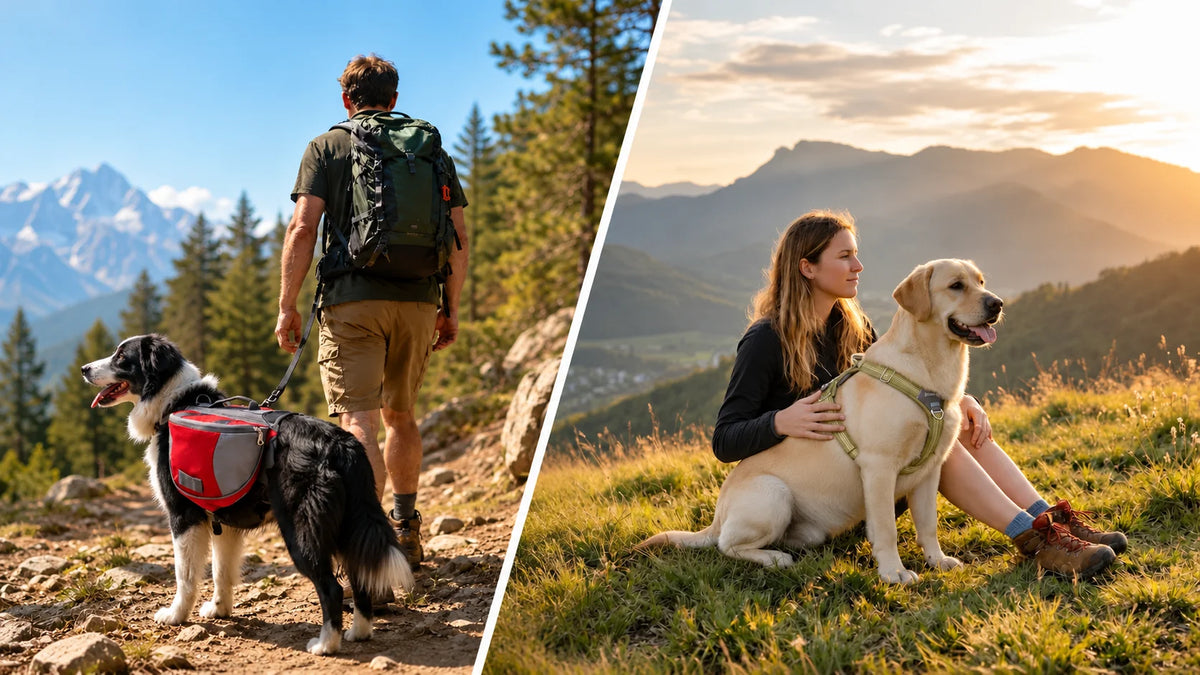
Keep your dog's load simple, light, and balanced. Depending on the outing, useful items may include:
Water is essential, but it is also heavy and changes balance as it is consumed. Depending on your dog's condition and the trip, it may be better for you to carry most or all of it. HOWOLL's travel bowls and dog water bottles can help keep hydration gear organized.
For guidance on choosing gear for different activities, see our adventure dog harness guide.
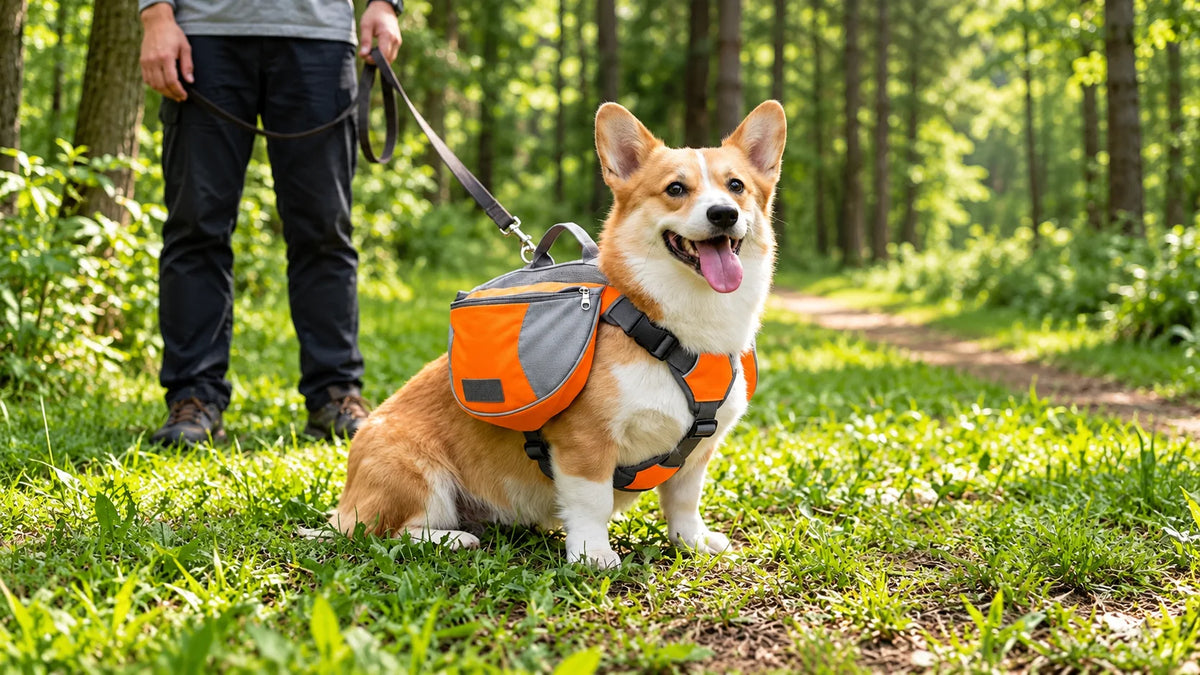
The right dog backpack harness is the one that fits your dog's body, matches the activity, stays balanced, and allows natural movement. Begin with accurate measurements and a stable harness structure. Then compare capacity, materials, adjustment, visibility, and removable storage.
Most importantly, introduce the pack gradually. An empty, well-fitted harness and a short test walk tell you more than a long feature list. When your dog moves freely and comfortably, you can build toward longer adventures one step at a time.


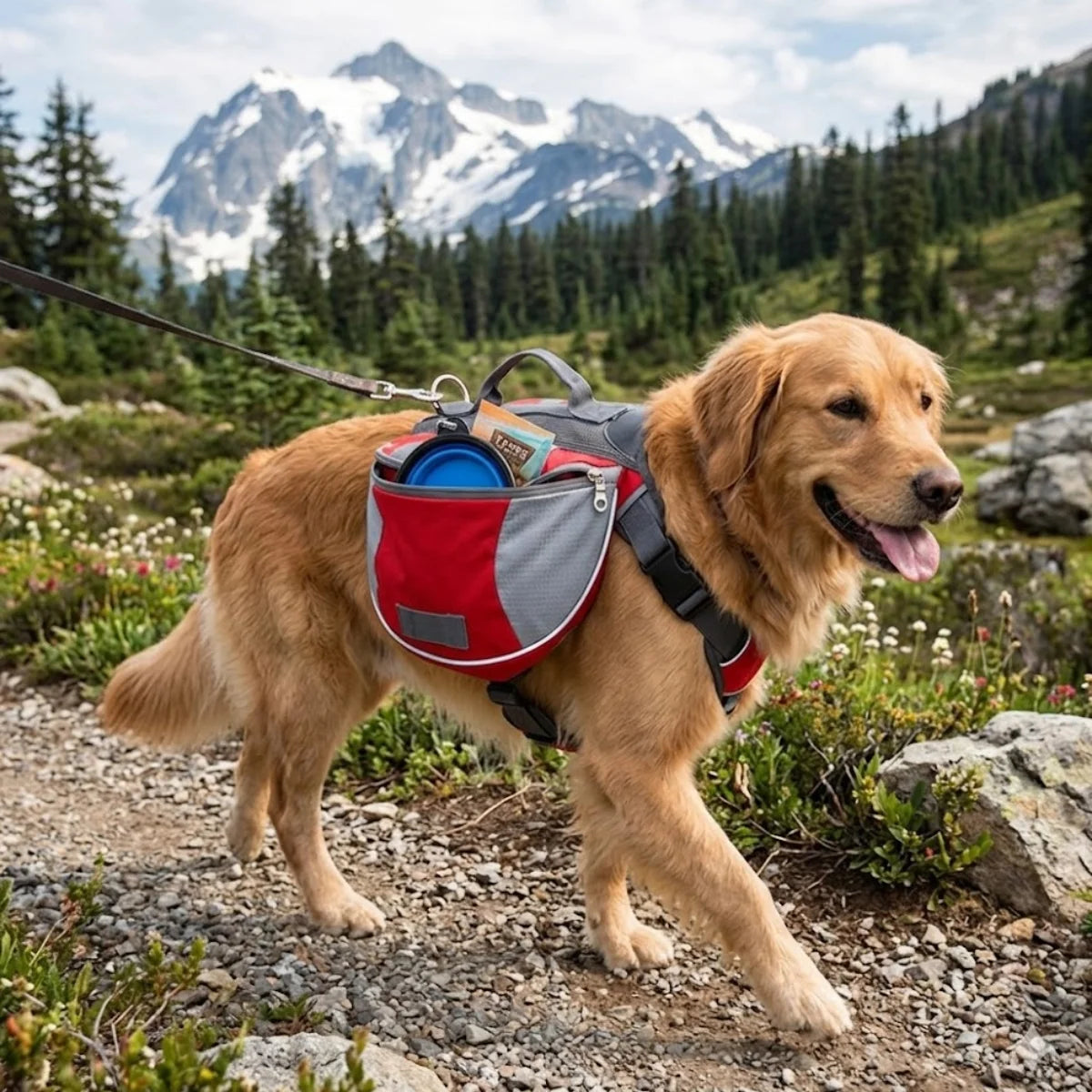

Quick-Release Padded Dog Saddlebag Backpack
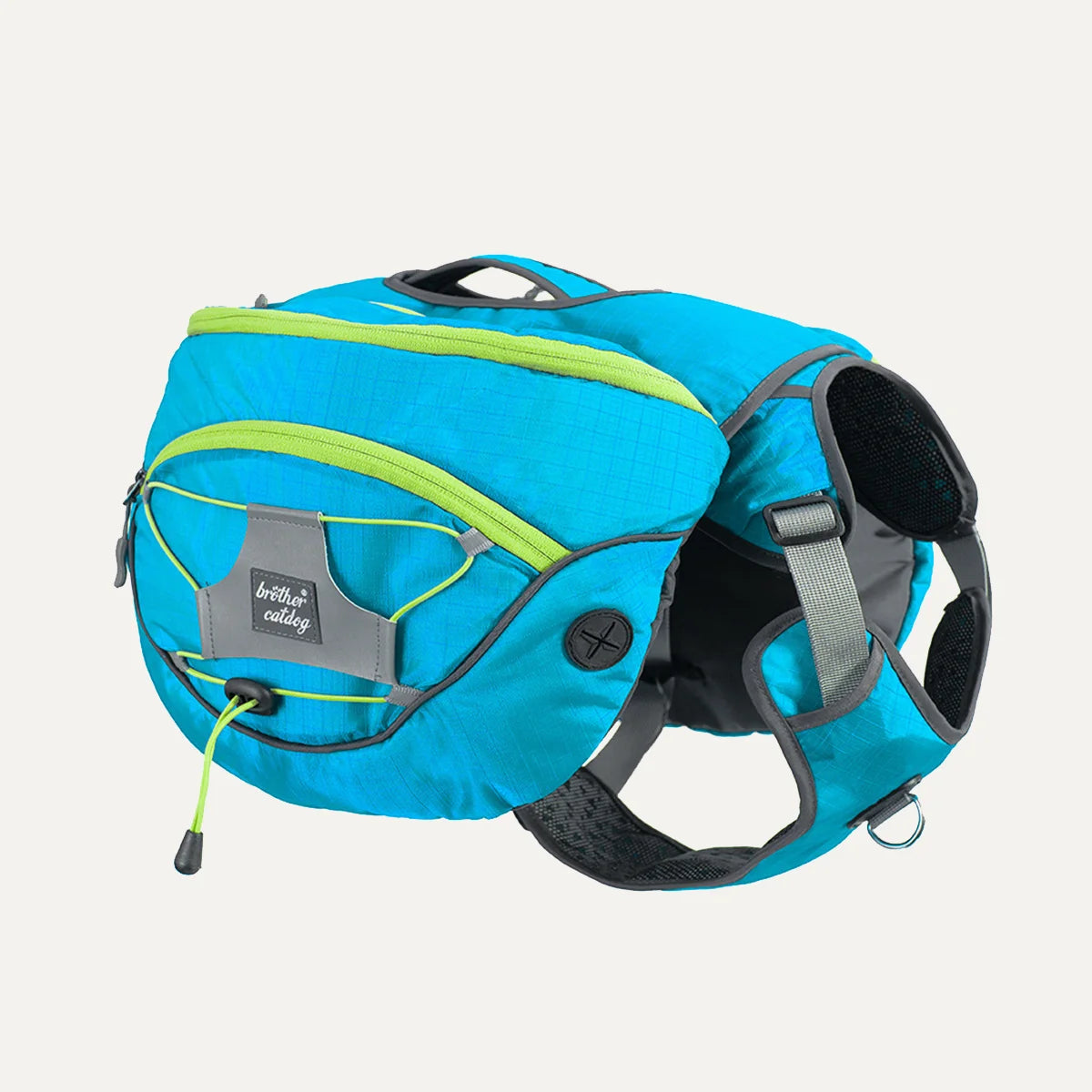
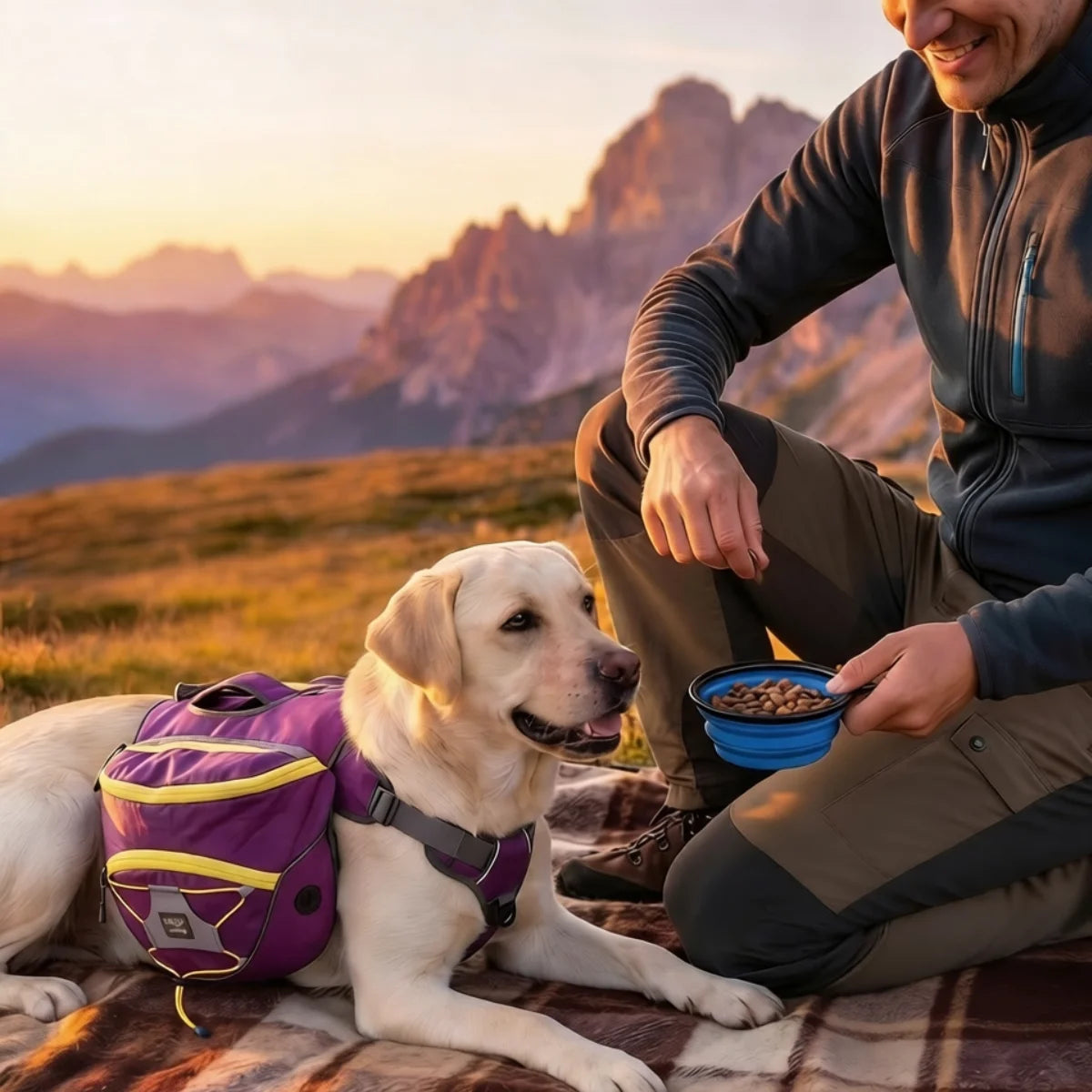


Removable Pockets Waterproof Dog Saddle Bag Backpack
A backpack harness can be useful for a healthy, conditioned dog when it fits correctly, carries a light and balanced load, and is introduced gradually. It may not suit puppies, senior dogs, dogs with health or mobility concerns, or dogs that show discomfort wearing gear. Ask your veterinarian if you are uncertain.
Follow the specific product's size chart. Most brands ask for the widest part of the chest, and some also require neck or back measurements. Measure while your dog stands naturally, then confirm that the chosen size has enough adjustment range.
They should sit evenly on both sides, close to the torso, without interfering with the shoulders or hanging over the lower back. The pack should remain stable when your dog walks, turns, and changes pace.
A regular harness is mainly designed for leash attachment, control, and pressure distribution. A dog backpack harness adds storage and must also manage load balance and movement. Because of that, saddlebag position and side-to-side weight distribution become important.
Some dogs can carry a small amount of water, but water is dense and the load changes as it is used. Start cautiously, balance both sides, and consider carrying most of the water yourself. Seek veterinary guidance for a dog-specific recommendation.
Fixed bags can be simple and compact. Removable bags are more versatile because the base harness can stay on during rest stops or short walks. Choose based on how often you need storage and whether you want one harness for several types of outing.