

- by serviceHowoll
Dog Coat Guide: Picking the Right Type
- by serviceHowoll
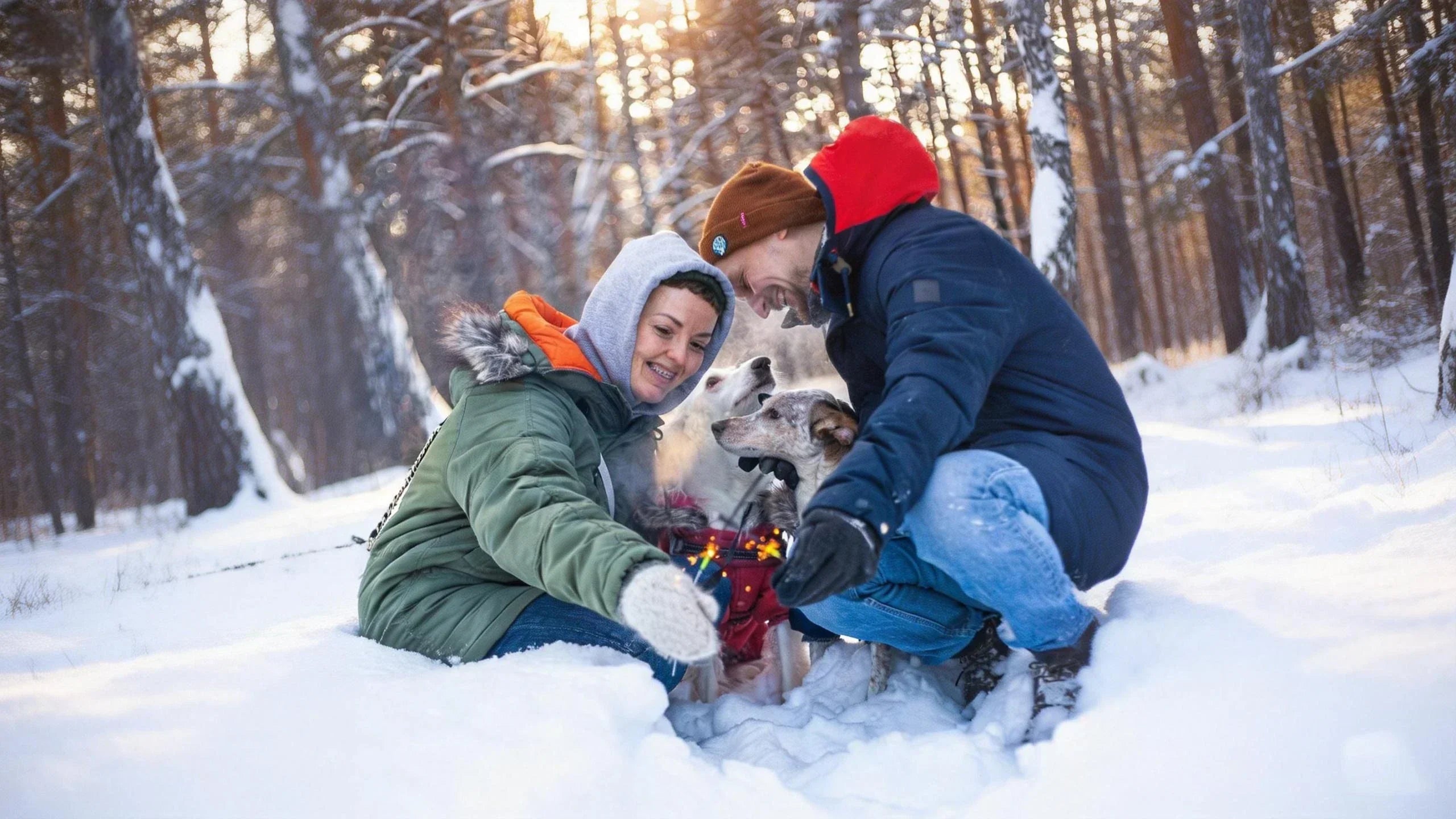
Picture this: a Siberian Husky, bred for sub-zero Arctic temperatures, bundled up in a thick, puffy winter coat during a crisp fall walk. Meanwhile, a tiny Chihuahua shivers in nothing but a light rain jacket on a snowy day. It’s a scene that happens more often than you think—well-meaning owners spending money on the wrong dog coat, not only wasting resources but, more importantly, causing their pets discomfort or even risking their health.
Choosing the right dog coat isn’t about fashion alone; it’s about function, protection, and well-being. This Dog Coat Guide aims to clear the confusion. We’ll simplify the complex world of canine apparel into a clear, actionable decision-making framework. By the end of this guide, you’ll know exactly how to pick the perfect coat for your dog’s unique needs.
Not all dog coats are created equal. Here’s a quick breakdown of the most common types:


Selecting the right coat starts with understanding the weather your dog will face. Matching the gear to the conditions is essential for comfort and safety—not every coat is designed for every scenario.
Cold & Snow: In freezing temperatures and snowy conditions, your primary goals are retaining body heat and keeping your dog dry. Prioritize coats with high-quality insulation (such as thermal fleece or lightweight synthetic fill) paired with a fully waterproof and windproof outer shell. Look for features like a snug collar, extended coverage over the belly, and often a longer back to protect vital areas. A proper winter coat acts like a barrier against the elements, preventing hypothermia and keeping your pup comfortable during extended outdoor time.

Rain & Damp: When the forecast calls for wet weather, waterproofness is non-negotiable. A water-resistant jacket might suffice for a light drizzle, but for steady rain, you need a coat with a waterproof membrane (e.g., sealed seams and durable water-repellent fabric). A full-coverage design with a hood is far more practical than a warm sweater, as a soaked sweater can make your dog colder. The focus here is on creating a dry microclimate for your dog, regardless of how wet it gets outside.
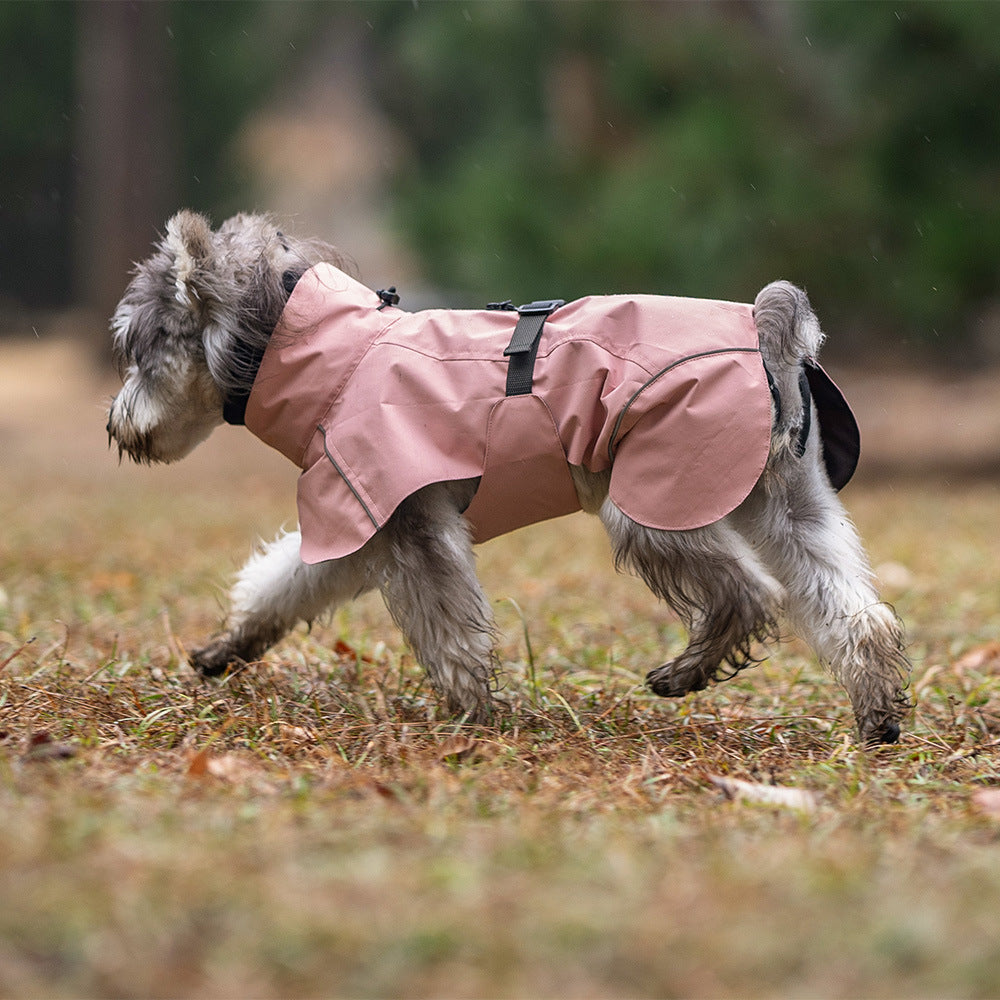
Windy: Blustery conditions can strip away body heat rapidly, even if the temperature itself doesn't seem extreme. In these scenarios, a wind-resistant shell or insulated vest is key. These coats work by creating a protective barrier that stops the wind from penetrating your dog's fur, thereby preventing rapid heat loss. They are often lighter than heavy winter coats but are crucial for maintaining core temperature during brisk walks or in open, exposed areas.

When choosing the right dog coat, it’s important to consider your dog’s activity level. For high-activity dogs—those who love hiking, running, or outdoor adventures—opt for lightweight, flexible, and breathable coats. Look for vests or jackets with strategic padding that allow a full range of motion, ensuring comfort during intense activities. Bulky coats should be avoided, as they can cause overheating. On the other hand, for low-activity dogs who enjoy leisurely strolls or quick potty breaks, you can prioritize maximum warmth and coverage. Overheating is less of a concern in these situations, so coats with thicker insulation will keep your dog cozy during shorter outings.
For more tips on choosing the right gear based on your dog’s activity level, check out our detailed guide on Dog Coats Selection for Active vs. Less Active Dogs.
The amount of warmth your dog needs can vary depending on their breed and size. Smaller breeds, such as Chihuahuas, often require extra insulation to stay warm, especially in cooler temperatures. In contrast, larger breeds like Huskies, with their thick coats, typically need less warmth in cold weather and may only require a light jacket to keep comfortable. Understanding your dog’s breed and size will help you choose a coat that’s perfectly suited to their needs.
Fit Tips: When selecting a dog coat, it’s crucial to ensure that it fits properly. The coat should be snug enough to provide warmth and comfort but not so tight that it restricts movement. Check for any areas where the coat might rub or pinch, especially around the chest and neck. A well-fitting coat allows your dog to move freely, whether they’re running, walking, or playing.
Safety: Visibility is key, especially in low-light conditions. Look for coats with reflective strips or bright colors that ensure your dog can be seen by others. This is particularly important during early morning or evening walks when visibility can be poor. Reflective elements add an extra layer of safety, helping to protect your dog from potential hazards like passing cars or cyclists.
Layering: In extremely cold weather, layering can make a significant difference in keeping your dog warm. Choose a coat that allows for additional layers beneath it, such as a thermal vest or sweater. Layering not only provides extra insulation but also gives you flexibility to adjust according to the weather. For more information on how to layer your dog’s clothing for maximum warmth, check out our detailed guide on Layering for Winter Dog Gear.
Choosing by Appearance: While it’s tempting to pick a coat based on how cute it looks, style should never outweigh functionality. A dog coat that’s visually appealing but not suited to your dog's needs might lead to discomfort or lack of protection. Always prioritize the material, insulation, and overall fit over aesthetics. A cute design is great, but a well-functioning coat will ensure your dog stays comfortable and safe, whether it’s cold, rainy, or windy outside.
Ignoring Size: One of the biggest mistakes dog owners make when selecting a coat is ignoring the importance of size. A coat that’s too big will leave your dog unprotected, and the excess fabric can get caught on things, making movement difficult. On the other hand, a coat that’s too small can be uncomfortable and restrict your dog’s movement. Always take the time to measure your dog’s chest, neck, and length before purchasing a coat. The right size ensures your dog stays comfortable, warm, and able to move freely.
Overlooking Breathability: It's easy to overlook breathability when choosing a coat, but it plays a vital role in your dog’s comfort, especially in warmer or wetter climates. If the fabric doesn’t allow for proper air circulation, your dog may overheat, leading to discomfort or even skin issues. Look for coats made from breathable materials like mesh or moisture-wicking fabrics, particularly if you live in an area with fluctuating temperatures or high humidity. A breathable coat will help regulate your dog's body temperature and keep them comfortable during long walks or outdoor adventures.
Visit howoll.com to explore a wide range of dog coats and other outdoor pet gear, carefully selected to suit your dog's specific needs. Whether you're heading out for a walk in the park or embarking on an adventure, we have the perfect gear for you and your puppy.
Please read our FAQs page to find out more.
The best dog coat for winter is one with insulation (like fleece or synthetic fill) and a waterproof, windproof outer shell. It should also have features like a snug collar and extended coverage over the belly to keep your dog warm and dry in cold conditions.
Measure your dog’s neck, chest, and back length before purchasing. Compare these measurements to the size chart provided by the manufacturer to ensure a snug yet comfortable fit. A coat that's too loose can be ineffective, while one that’s too tight can restrict movement.
A dog vest provides core warmth without restricting leg movement, making it ideal for active dogs or moderate climates. A jacket, on the other hand, offers more full-body protection, including warmth and water resistance, and is better suited for cold or wet conditions.
Dogs with long fur may still benefit from a coat in cold weather, especially if they are in a climate with extreme cold or wet conditions. A lightweight, breathable coat can provide additional protection against wind and rain.
Wash your dog’s coat as needed, depending on the activity level and conditions it’s exposed to. Always follow the manufacturer’s care instructions to avoid damaging the fabric. For coats used in rainy or muddy conditions, a wash after each outing may be necessary.