
Why Dog Owners Use Tie Outs for Outdoor Safety
- by 03Howoll
For many dog owners, giving a pet room to enjoy the yard can feel like a balancing act between freedom and outdoor safety. You want your best dog to sniff, stretch, and relax outside, but you also want to prevent wandering and trouble. That is why tie outs remain a practical option for some homes and trips. When used the right way, they can support safe outdoor time while keeping your dog close, comfortable, and easier to monitor.
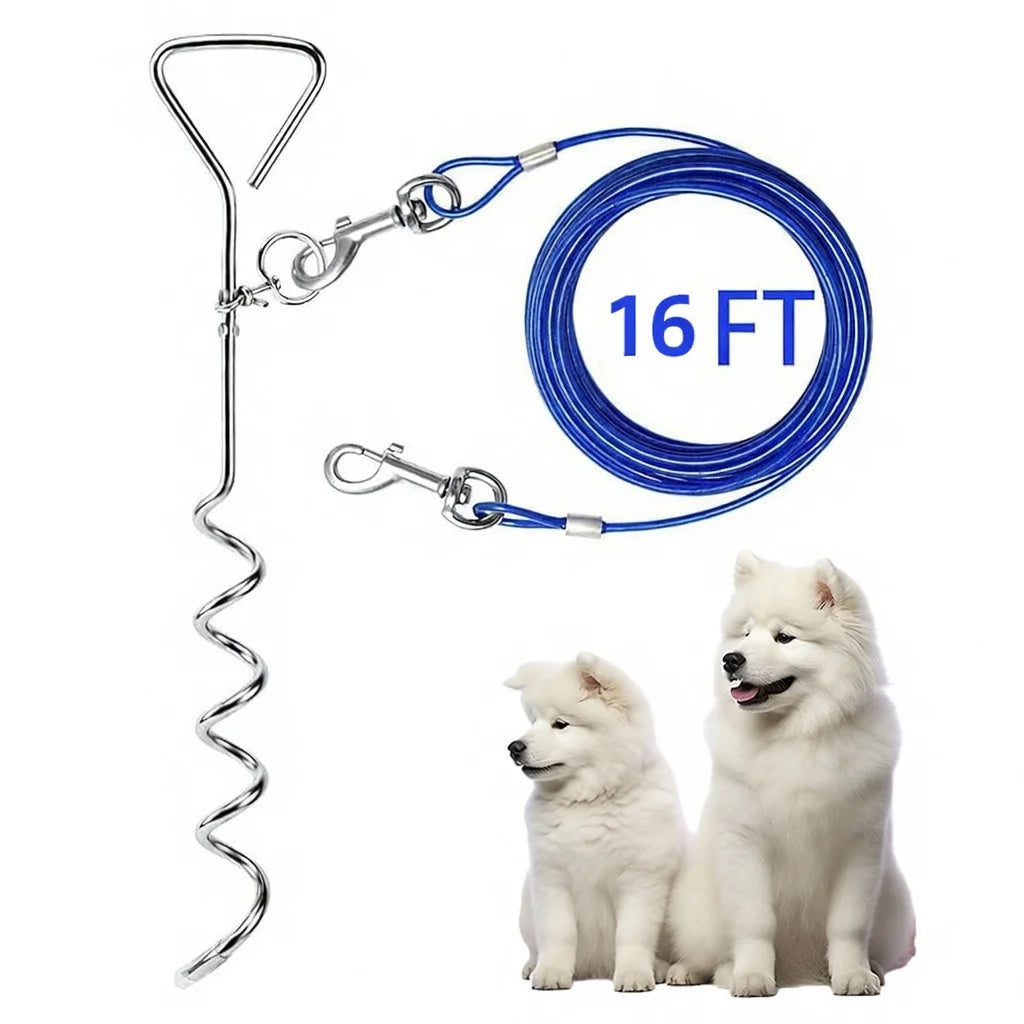
A dog tie out is a simple system that keeps your pet connected to one safe area outdoors. It usually includes an anchor in the ground and a tether or cable that clips to your dog’s harness or leash point.
In practice, the dog tie out lets your pet move within a set range while you maintain supervision. It is meant to offer controlled freedom, not replace care or attention. To understand how to use one well, it helps to start with the basics.
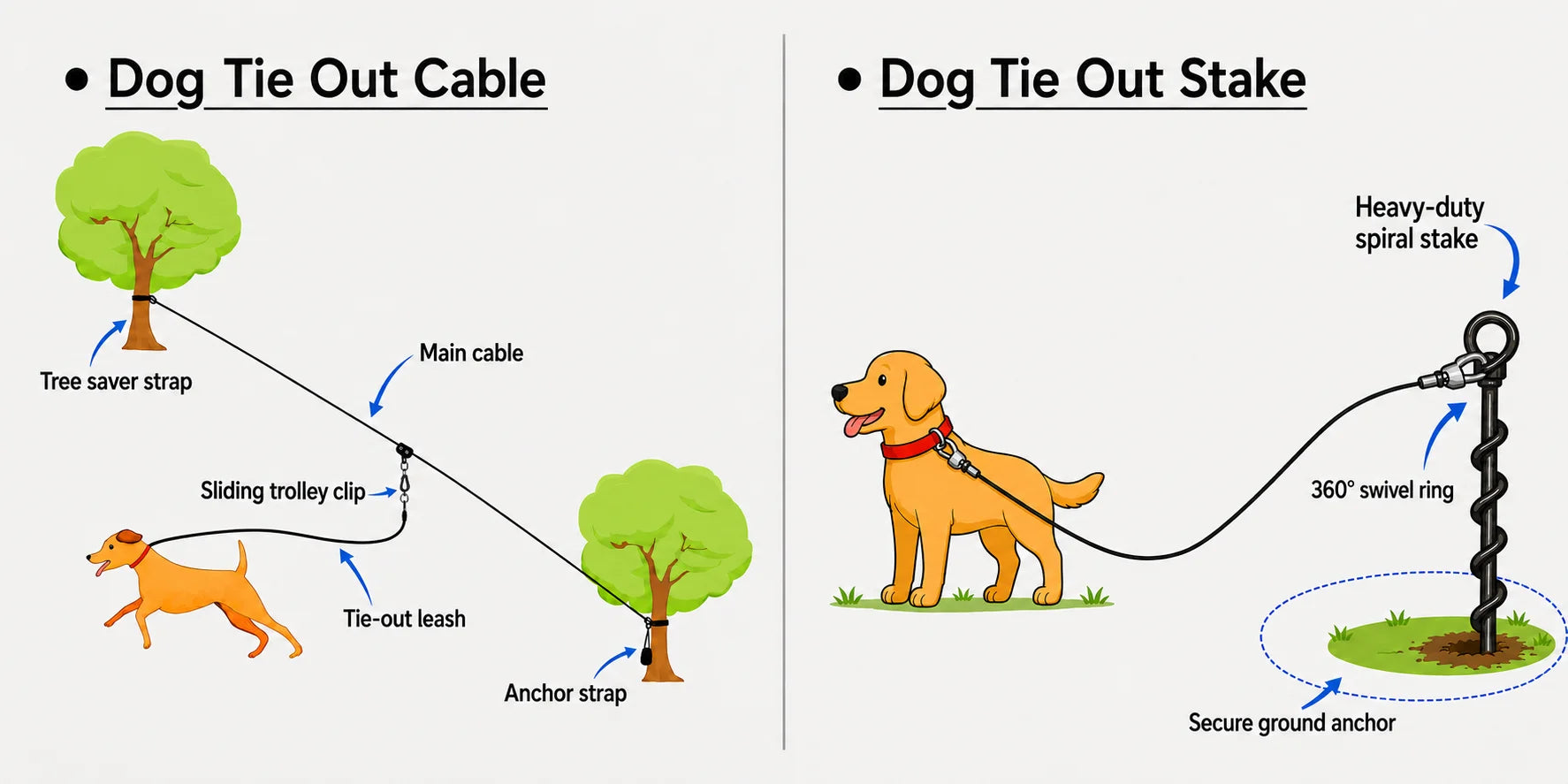
Dog tie outs are generally divided into two categories: tie out cables and tie out stakes. Both are designed to help create a controlled outdoor area where your dog can enjoy fresh air while staying within a limited range.
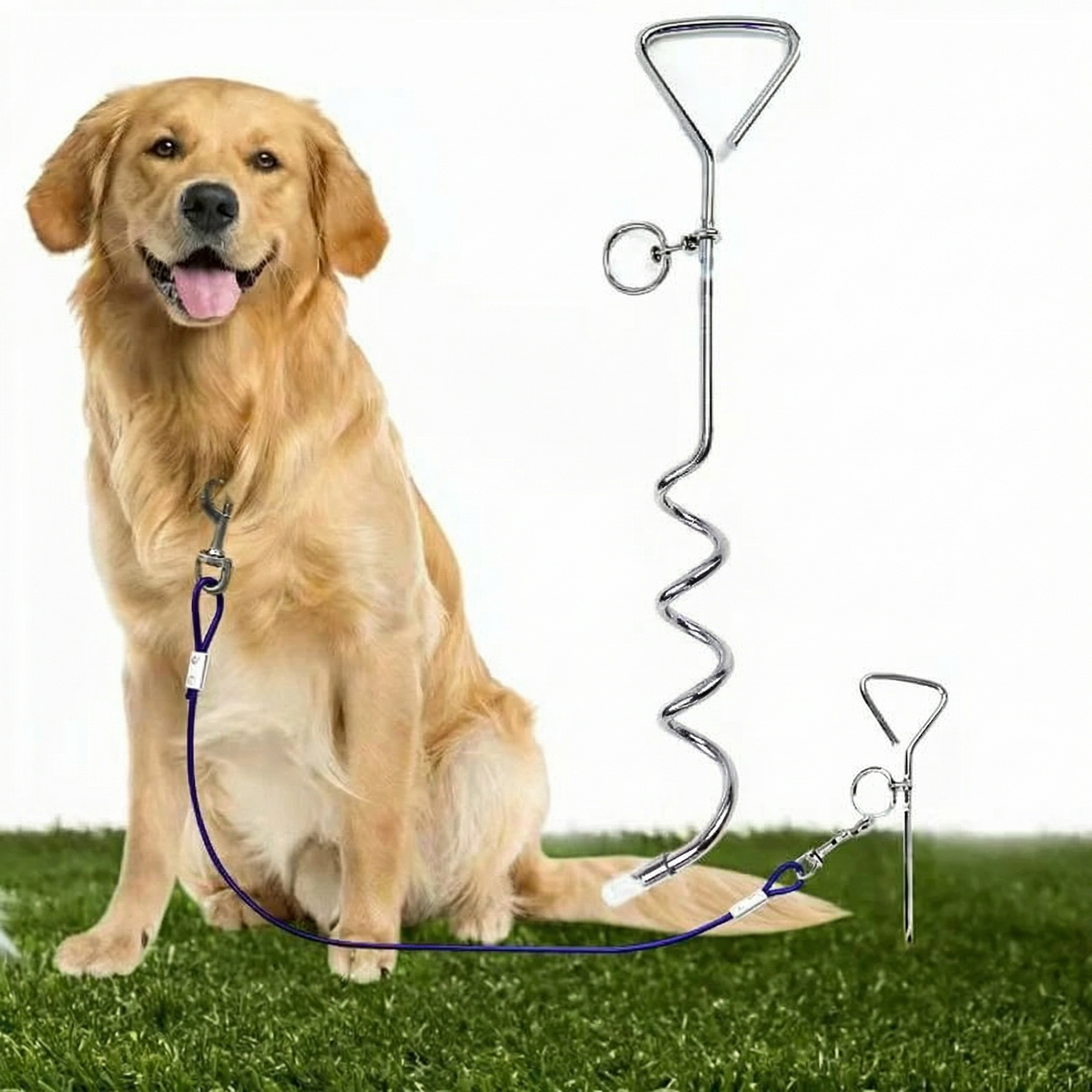
A tie out cable is the line that connects your dog to an anchor point. It is usually made from durable rope, cable, or coated steel and attaches to your dog’s harness with a secure clip. The cable gives your dog room to walk, sniff, rest, and explore while remaining within a set distance.
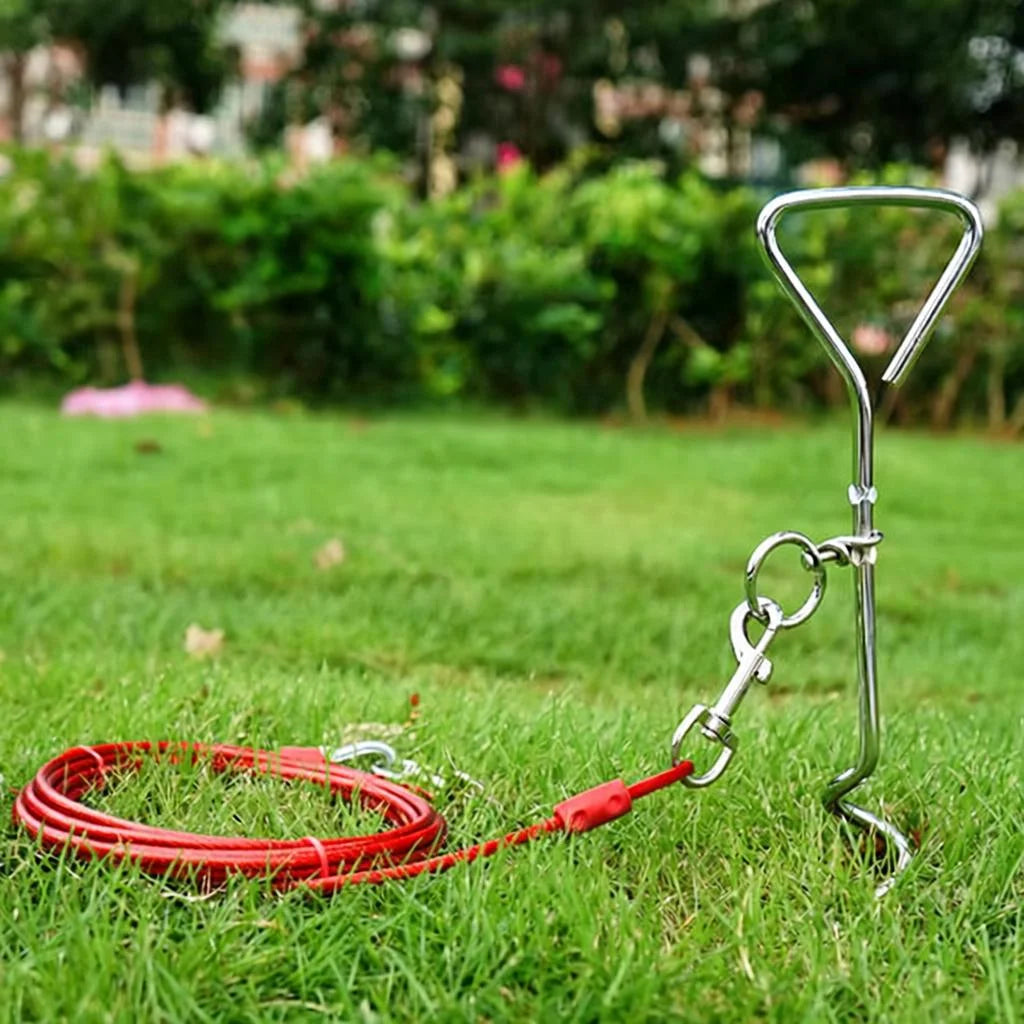
A tie out stake is the anchor that secures the tie out system to the ground. It is designed to stay firmly in place during supervised outdoor use and is commonly used in backyards, campsites, patios, and other temporary outdoor spaces.
Unlike a fixed yard barrier, a tie out is portable and easier to install. That makes it useful in backyards, patios, and temporary outdoor spaces. Many pet owners choose it when they want a flexible setup that can be moved as needed.
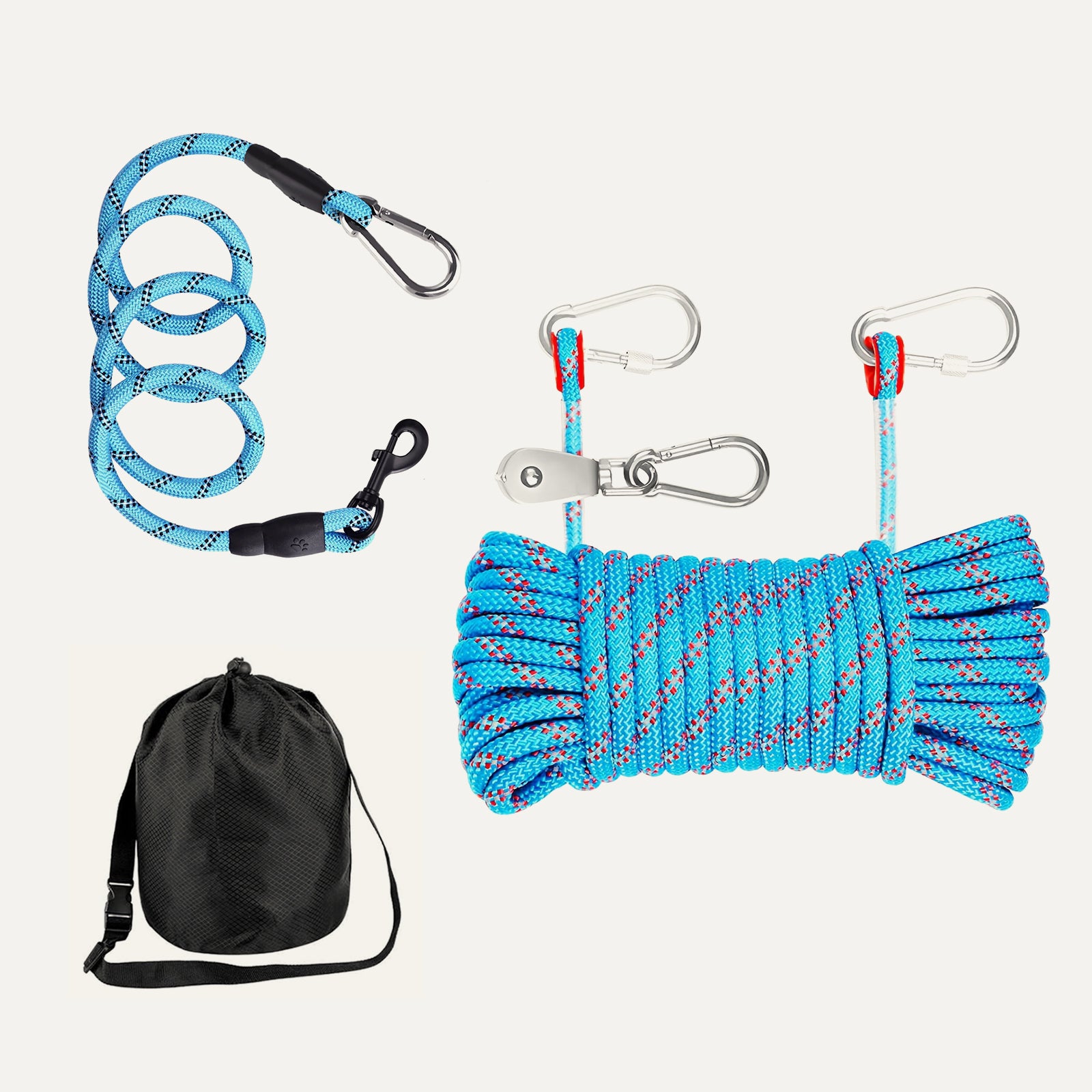
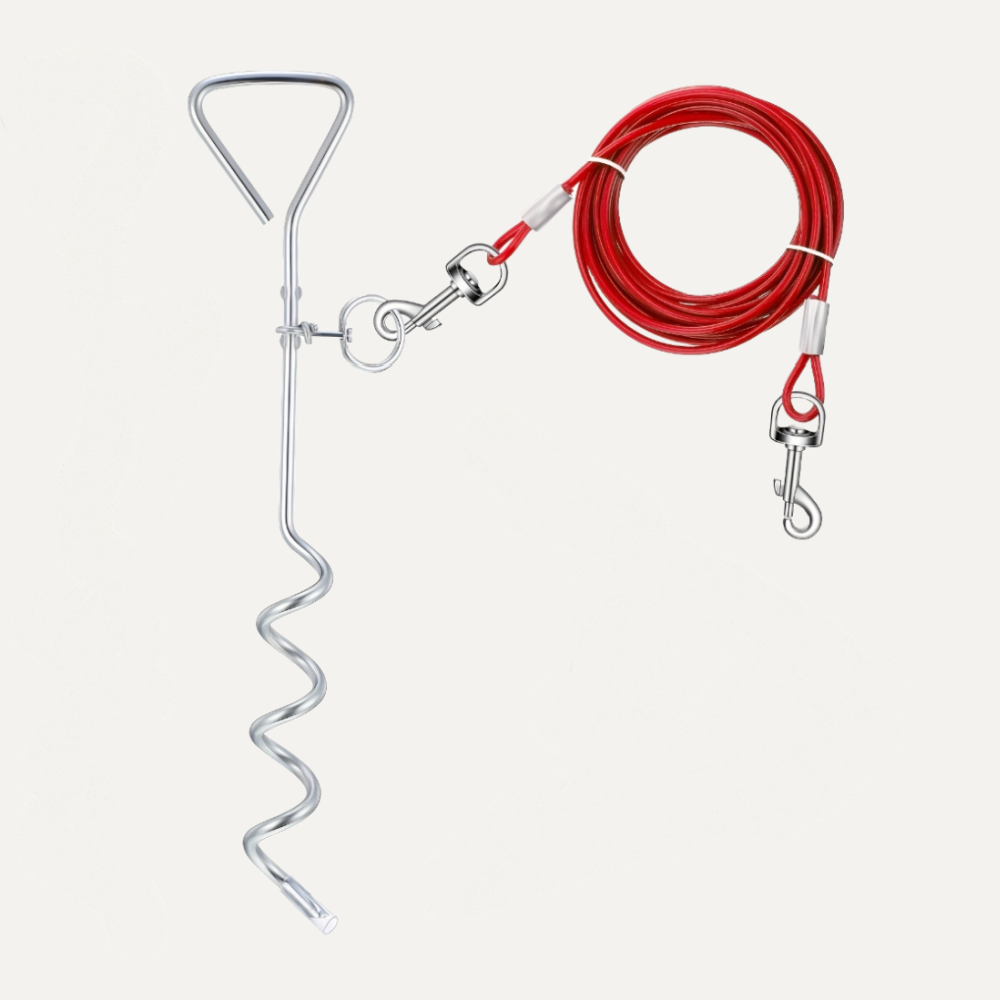
A dog tie out works by connecting your dog to a fixed anchor point through a cable or tether. The stake stays secured in the ground, while the cable attaches to your dog’s harness with a clip. This setup creates a limited outdoor area where your dog can walk, sniff, sit, or lie down without leaving the safe range.
When your dog moves, the cable follows within its allowed length. This gives your pet more room than a regular short leash, while still helping you keep control in open spaces. For example, in a backyard, campsite, or patio area, a tie out can help your dog enjoy fresh air without wandering into roads, neighboring yards, or unsafe areas.
The system works best when it is placed in an open, hazard-free space. Owners should avoid areas with sharp objects, fire pits, heavy foot traffic, or anything the cable could wrap around. A properly installed tie out is not meant to replace supervision, but it can make short outdoor sessions safer and easier for both dogs and owners.
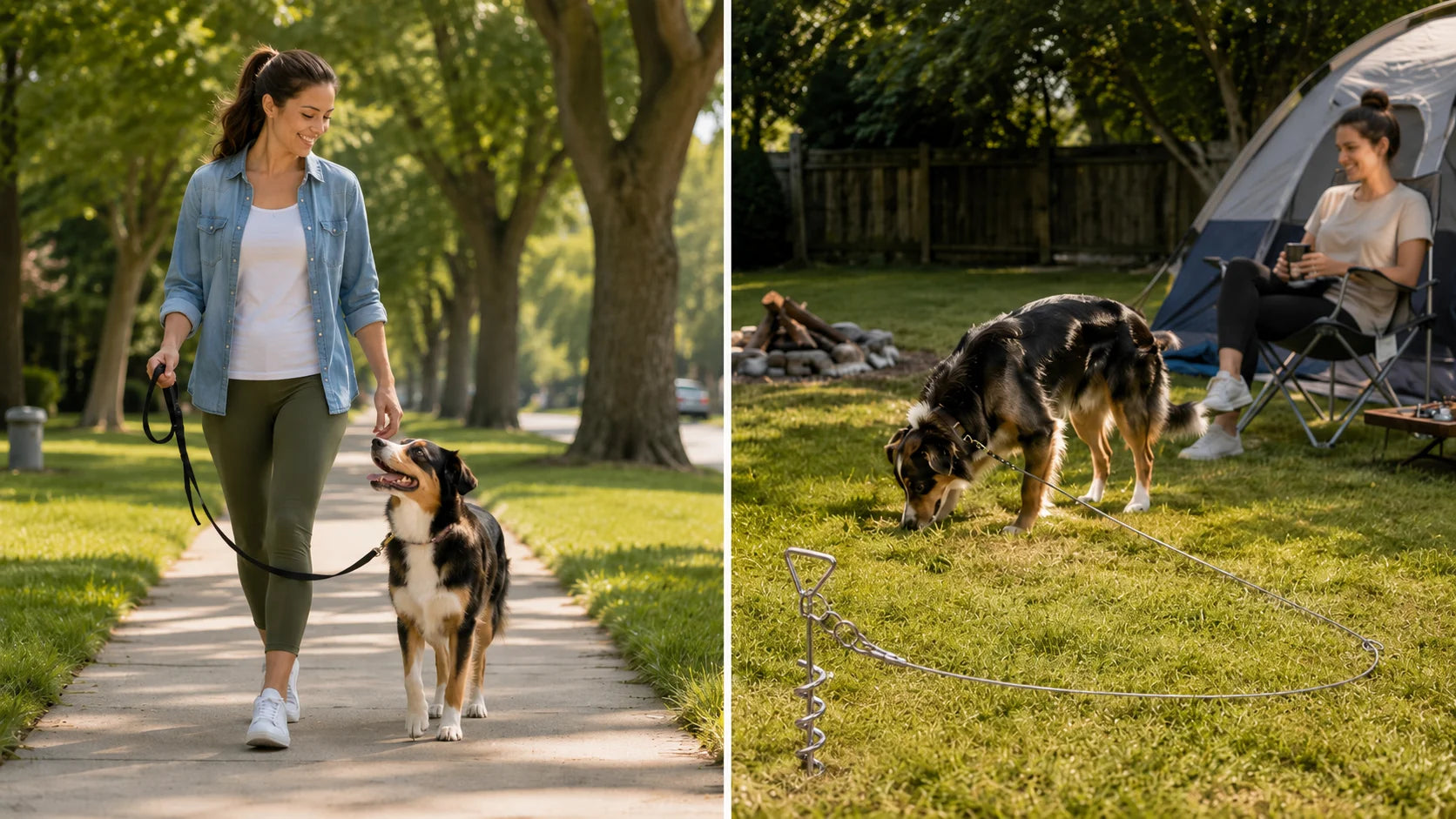
A dog tie out and a regular leash both help keep your dog under control, but they are used in different situations. A regular leash is best for walking, training, and guiding your dog closely. It gives the owner direct control and is useful when moving through sidewalks, parks, trails, or busy public areas.
A dog tie out is different because it is designed for short, supervised outdoor time in one fixed area. Instead of keeping your dog right beside you, it gives your pet more room to move, sniff, and relax while staying within a set range. This makes it useful for backyards, patios, campsites, picnics, or travel stops where your dog needs outdoor freedom but should not wander too far.
In simple terms, a leash is for walking and active handling, while a dog tie out is for creating a controlled outdoor space. For many dog owners, both tools are useful. The leash helps during movement, and the tie out helps during rest, outdoor breaks, or situations where owners need their hands free for a short time.
A well-chosen tie out can give your dog outdoor freedom without requiring a permanent dog run or a major yard project. For homes without fencing, it can be the best option for short, controlled outdoor sessions.
It also brings peace of mind to owners who want their dog nearby but not underfoot every second. A heavy-duty stake can hold more reliably in the right conditions, which is one reason many people see this setup as practical. Next, let’s look at the biggest everyday benefits.
One of the biggest reasons dog owners use a dog tie out is to give their pets more room to move while still keeping them within a safe outdoor area. Compared with a short leash, a tie out cable allows dogs to walk around, sniff, stretch, and relax without staying right beside their owner the whole time.
This extra space can make outdoor time more enjoyable, especially in a backyard, patio, campsite, or open resting area. Dogs naturally like to explore their surroundings, and a dog tie out gives them a controlled way to enjoy fresh air and outdoor smells without wandering too far.
For owners, this creates a better balance between freedom and safety. Your dog can enjoy more movement, while you can still keep them close enough to supervise. When used for short, watched outdoor sessions, a tie out can help make outside time more comfortable and less restrictive for both dogs and their owners.
Open outdoor spaces can be exciting for dogs, but they can also bring unexpected risks. In places without fences, such as campsites, parks, patios, or open yards, dogs may run after other animals, approach strangers, move toward roads, or wander out of sight. A dog tie out helps reduce these risks by keeping your dog within a controlled area.
With a secure tie out cable and a stable anchor point, your dog can enjoy fresh air and outdoor movement without having full access to unsafe areas. This can be especially helpful for dogs that are curious, energetic, or easily distracted by new sounds and smells.
For dog owners, this added control brings peace of mind. You can let your dog enjoy the outdoors while still keeping them close enough to watch. When placed in a safe, open area and used with proper supervision, a dog tie out can support a safer outdoor experience for both pets and owners.
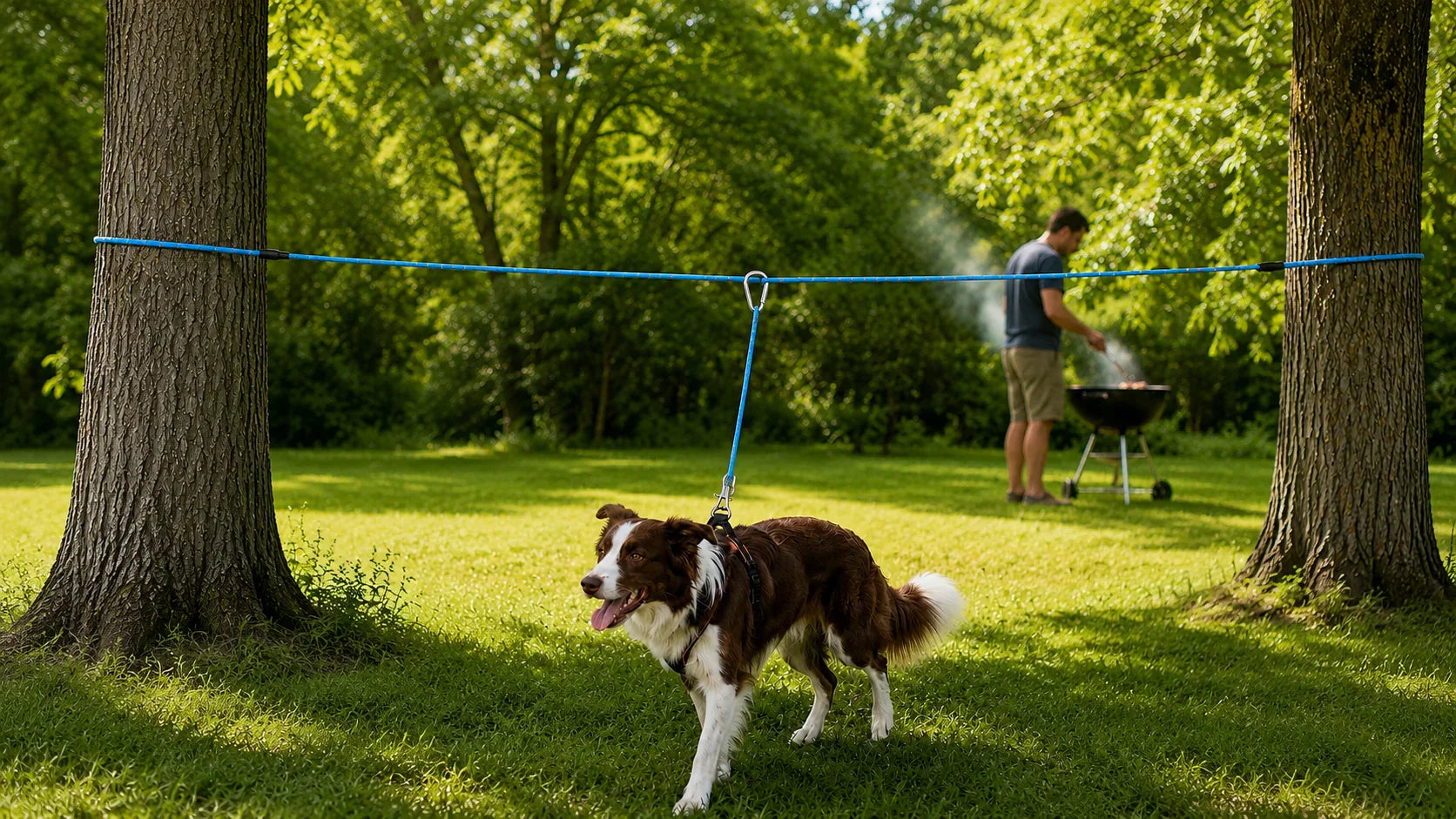
A dog tie out can make outdoor time more manageable for owners, especially when they need to do more than simply hold a leash. In a backyard, campsite, picnic area, or travel stop, owners may need to set up chairs, prepare food, unload the car, talk with family, or take care of other outdoor tasks. A tie out cable gives the dog a safe range to stay nearby while giving the owner more flexibility.
This is especially helpful for dogs that want to be part of the outdoor activity but cannot roam freely. Instead of keeping your dog on a short leash the entire time, a dog tie out allows them to relax, sniff around, or lie down in a controlled space. For owners, this creates a more comfortable outdoor routine because the dog can enjoy the environment without needing constant leash handling.
When used correctly, a tie out is not about leaving a dog alone outside. It is a practical tool for short, supervised outdoor moments when owners want their dog close but also need their hands free. This balance makes outdoor time easier, safer, and more enjoyable for both dogs and their owners.
A dog tie out can also help create a comfortable outdoor resting spot for your dog. When placed near a shaded area, dog mat, tent, patio, or campsite setup, it gives your pet a clear space to relax while still staying close to you. This can make outdoor time feel more familiar and less stressful, especially in new places.
For many dogs, having a set area to rest can be helpful during backyard time, camping trips, picnics, or travel breaks. They can lie down, watch what is happening around them, enjoy fresh air, and stay part of the outdoor activity without moving into unsafe areas. This is especially useful when owners want their dogs nearby but do not want them walking around food, gear, fire pits, or busy foot traffic.
To make the space more comfortable, owners can add a soft dog mat, water bowl, shade, and enough room for the dog to turn around and stretch. The tie out should be placed in an open, hazard-free area and used only with supervision. When set up properly, it can give dogs a safe and relaxing outdoor spot while giving owners better control over the environment.
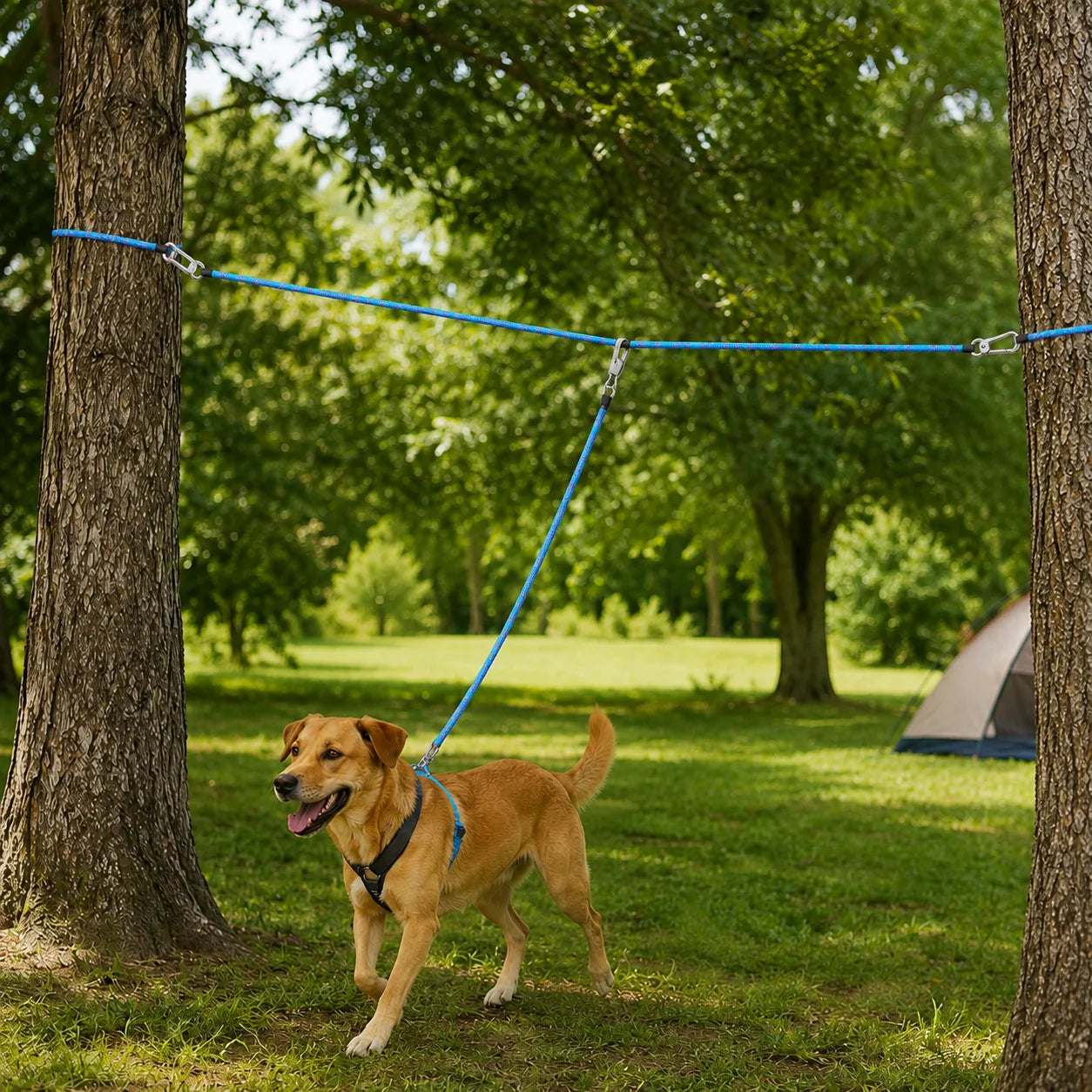
Selecting the appropriate dog tie out cable involves considering several key factors. The dog’s size and strength play a crucial role; larger dogs require more durable materials, such as solid steel or heavy-duty options, to prevent potential accidents. Look for cables with a swivel feature to minimize entanglement and enhance your dog’s outdoor freedom. Always evaluate the outdoor conditions, ensuring the cable can withstand various weather elements and provide a secure setup for your furry friend.
Choosing the right dog tie out cable starts with your dog's weight and pulling strength. A cable that is too light may break under tension, while one that is too heavy can be uncomfortable for smaller dogs. As a general guide, always choose a cable rated for more than your dog's actual weight.
Your dog's behavior is just as important as its size. For example:
Cable length should also match your dog's activity level and environment. A 10–15 foot cable works well for patios and campsites, while 20–30 feet provides more freedom in open yards. Avoid excessively long cables in areas with obstacles, as they increase the risk of tangling.
In general, the safest choice is to buy a dog tie out cable with a weight rating higher than your dog's body weight and combine it with a secure anchor system. Matching the cable to your dog's size, strength, and behavior will provide better safety and a more comfortable outdoor experience.
A heavy-duty dog tie out cable can be especially useful for camping trips, road travel, RV stops, and other outdoor adventures. In these situations, dogs are often in unfamiliar open spaces without fences, so a stronger tie out system helps keep them close while still giving them room to move, rest, and enjoy the outdoors.
When choosing a dog tie out for camping or travel, durability should be a top priority. Look for a cable made from strong, weather-resistant materials that can handle outdoor ground conditions, sudden pulling, and regular use. Secure clips, swivel ends, and a reliable anchor point can also help reduce tangling and make the setup safer for active dogs.
Placement is just as important as the cable itself. Set up the tie out in an open area away from roads, fire pits, sharp objects, water edges, and heavy foot traffic. If you are using it at a campsite, choose a spot where your dog can stay near your tent, chair, or vehicle while remaining easy to supervise.
A heavy-duty dog tie out is not meant for leaving dogs unattended, especially overnight or in extreme weather. Instead, it works best as a short-term outdoor safety tool during supervised camping breaks, travel stops, or relaxed time outside. With the right setup, it can help dogs feel included in outdoor activities while giving owners better control and peace of mind.
In summary, using dog tie outs can enhance both outdoor safety and freedom for your furry friends. They provide pet owners with peace of mind while allowing dogs the chance to explore their surroundings and enjoy mental stimulation. By selecting the right tie out, considering factors like your dog's size, and setting it up safely, you can create a secure environment that caters to your pet's needs. Moreover, learning from the experiences of other dog owners can further equip you with valuable insights on best practices. As you embark on your journey with tie outs, remember to stay informed and adapt to your dog's preferences for a harmonious outdoor experience. If you're ready to enhance your dog's outdoor adventures, consider implementing a tie out system today!
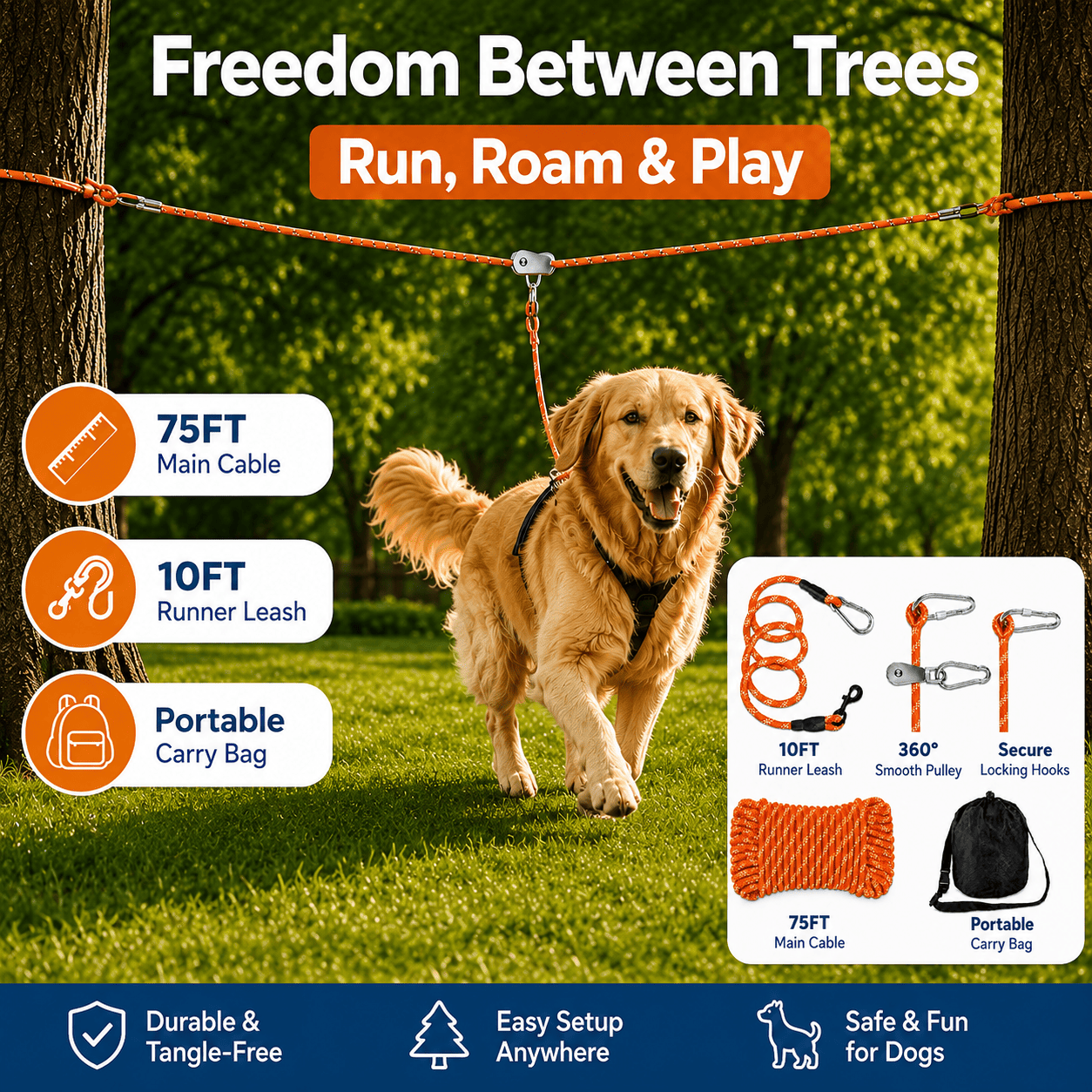
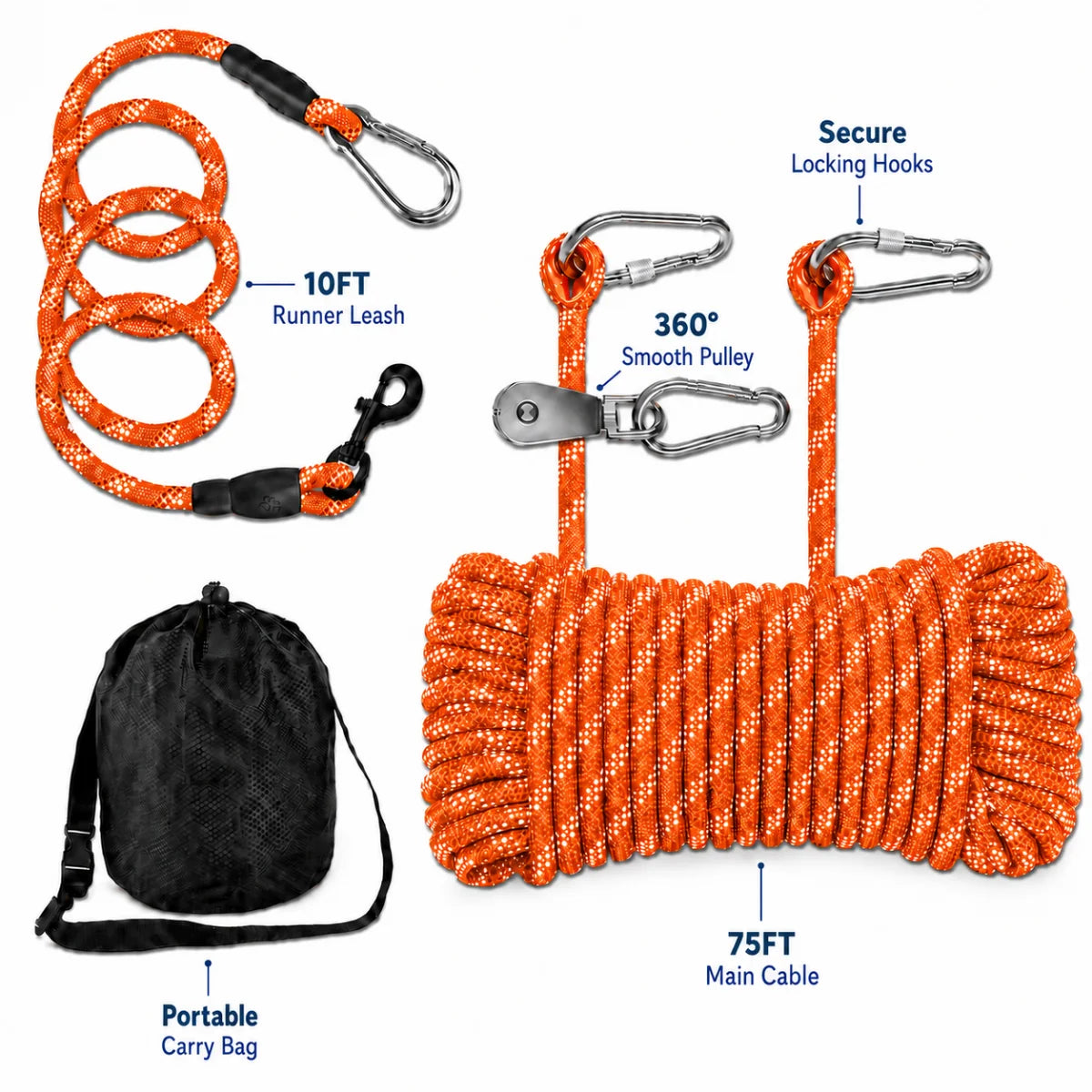
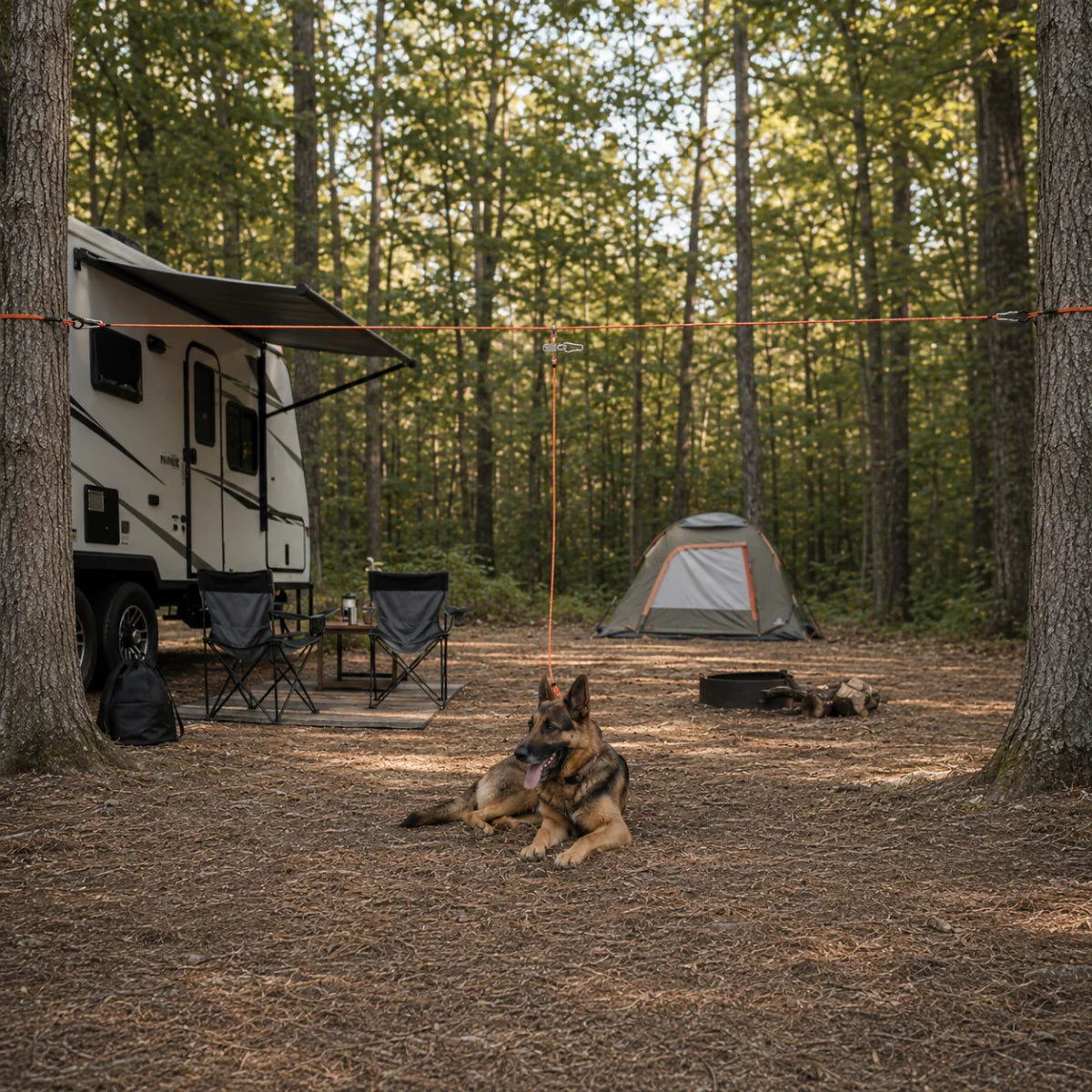
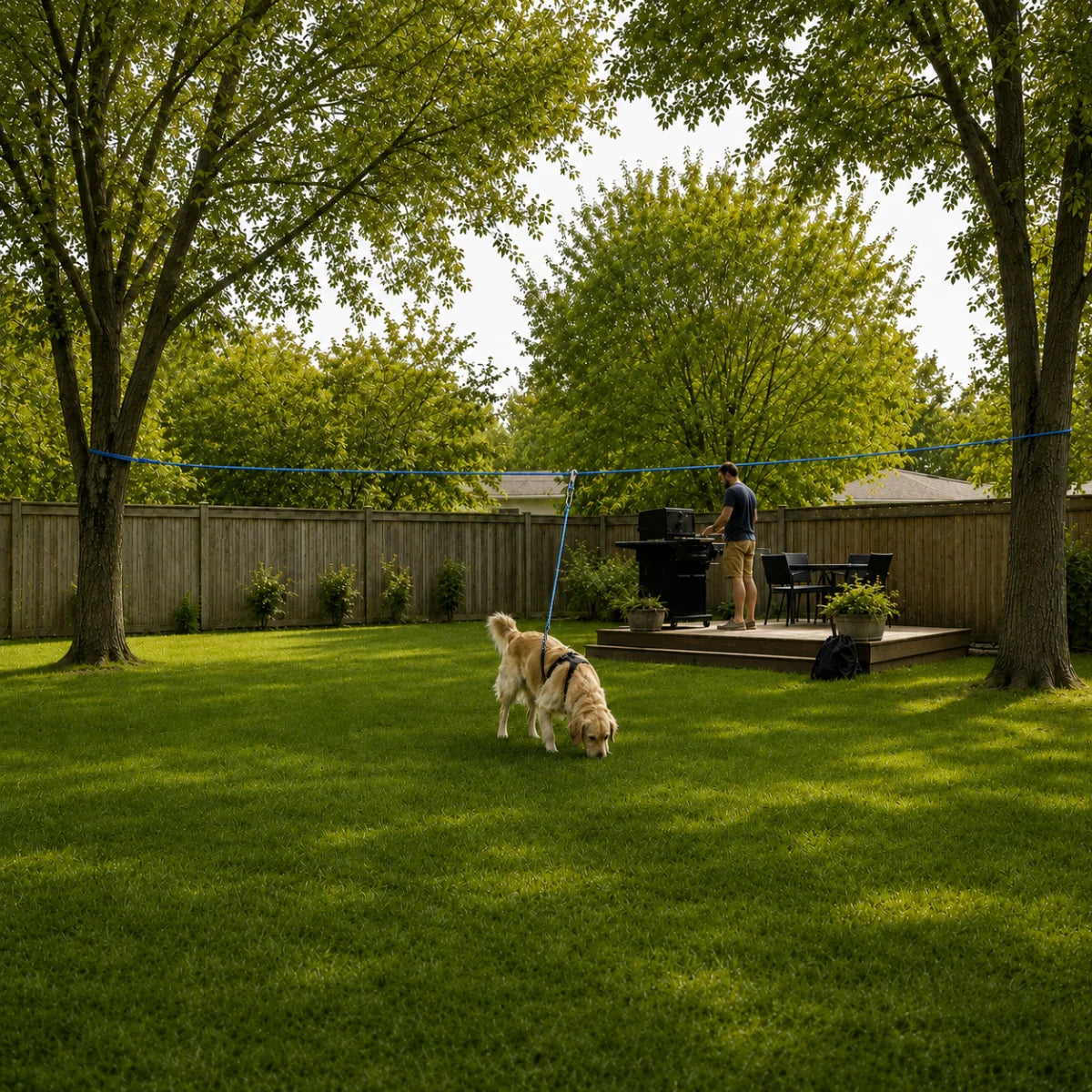
Overhead Outdoor Reflective Dog Tie Out Cable
Please read our FAQs page to find out more.
Dog tie outs are not one-size-fits-all. The best dog setup depends on the right fit for your pet’s size, strength, and behavior. Even the strongest dog still needs supervision. If you are unsure what is appropriate, ask your veterinarian before choosing equipment.
No, overnight tie out use at a campsite is not a good idea. Dogs should have supervision because potential dangers can develop fast, including tangling, stress, or weather changes. Even with a secure anchor, risks increase in hot weather or unfamiliar nighttime surroundings.
Helpful safety gear includes a well-fitted harness, a swivel connector to reduce twisting, and a durable anchor matched to the ground. For regular weather use, inspect all parts often and replace anything worn. Good gear supports safety, but it never replaces close supervision.