
- by serviceHowoll
How to Choose the Best Dog Coats for Your Dog
- by serviceHowoll


You’re not the only one confused about how to choose dog coats. The market is flooded with options: thick, thin, waterproof, puffy. Faced with racks of adorable sweaters and professional-grade hiking jackets, it’s easy to feel overwhelmed. Picking the wrong one means your dog stays uncomfortable and your money goes to waste. That’s why finding the best dog coats for your specific pup is so important. This guide will walk you through the process, ensuring you make a smart, cozy choice.
Breeds like Greyhounds, Whippets and Dobermans lose body heat much faster than other dogs due to their short fur and low body fat. For these dogs, choosing the best dog coats isn’t about style—it’s about protection. A well-designed dog coat should provide reliable insulation or padded warmth to help retain body heat, along with full chest and belly coverage where heat loss is most severe. In addition, a wind-blocking outer layer plays a critical role, especially during winter walks or open, exposed environments, preventing cold air from cutting through the coat and leaving your dog chilled. When selecting dog coats for short-haired breeds, warmth, coverage, and wind resistance should always come before aesthetics.
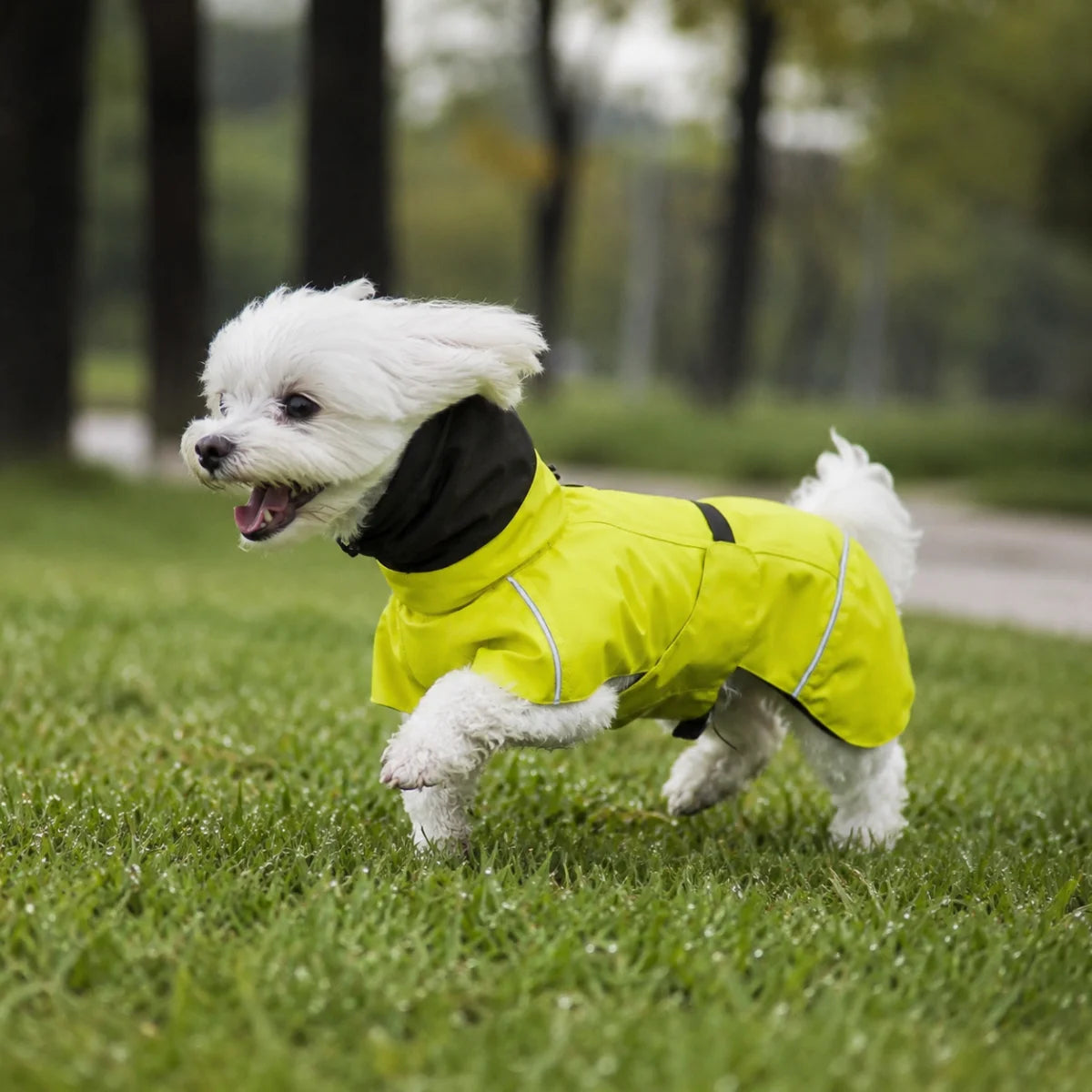
Double-coated and cold-adapted breeds such as Huskies, Malamutes, and Samoyeds are naturally equipped to handle low temperatures, thanks to their dense undercoats. However, this doesn’t mean they never need dog coats. In wet, windy, or highly variable weather conditions, moisture and strong winds can compromise their natural insulation. In these cases, the best dog coats for double-coated breeds focus less on heavy padding and more on protection. Lightweight dog coats with waterproof or water-resistant outer shells help keep the undercoat dry, while breathable construction prevents overheating during active movement. For these dogs, the right dog coat acts as a protective shell rather than a source of bulk warmth.
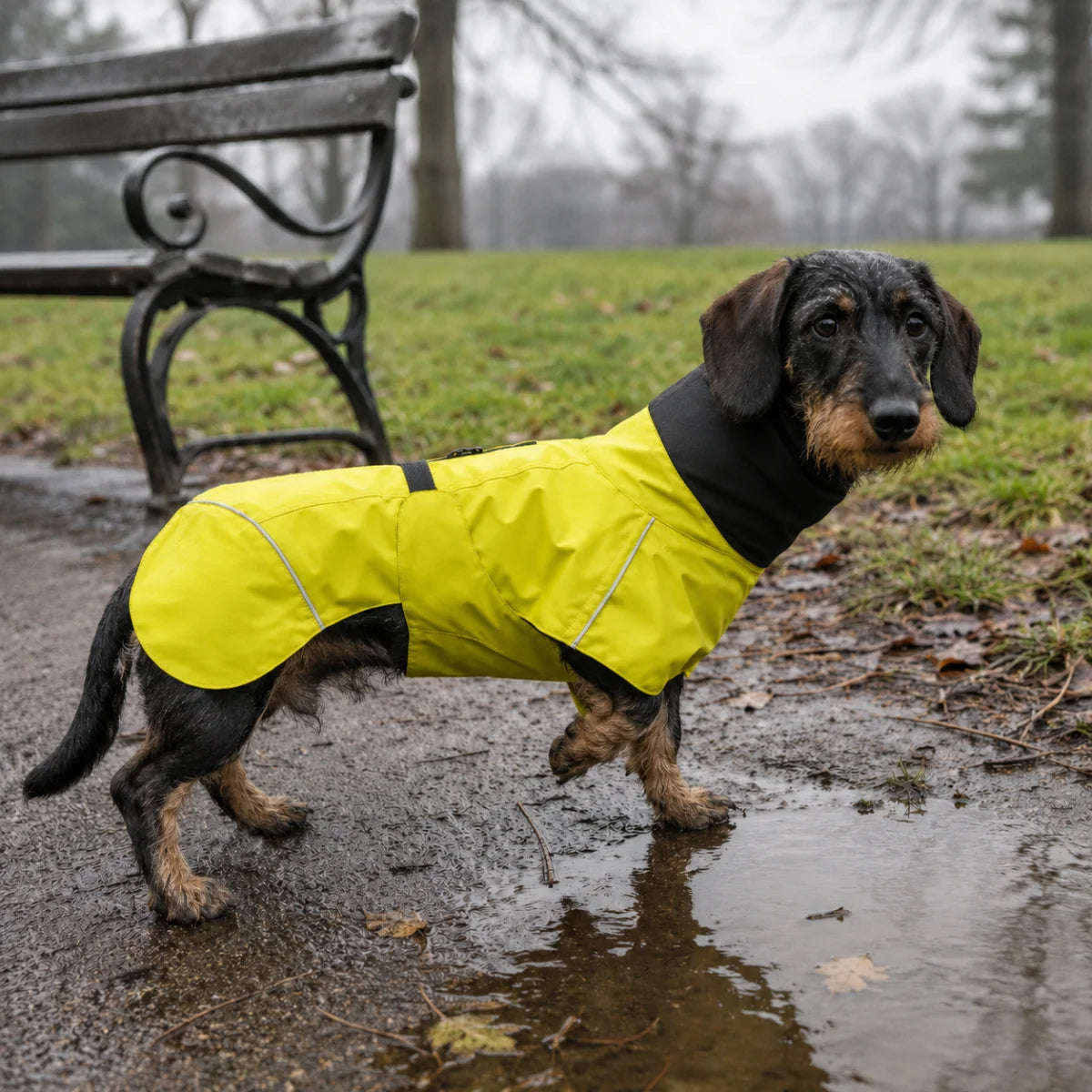
Small dogs and breeds with unique body proportions, such as Dachshunds and other long-backed dogs, lose heat more quickly and are often more sensitive to cold due to their size and ground-level exposure. Choosing the best dog coats for these dogs requires special attention to fit and coverage. A properly designed dog coat should offer adjustable neck and chest areas to prevent gaps, an extended back length to ensure full coverage, and secure closures that keep the coat in place during movement. Because poorly fitted dog coats can easily shift or bunch up on smaller bodies, comfort and stability are just as important as warmth when selecting the right option.
Urban & Casual: Focus on style, comfort, and light warmth for everyday walks around the neighborhood. For this type of use, lightweight dog coats with fleece liners or softshell fabrics provide just enough insulation to keep your dog comfortable on chilly sidewalks without restricting movement or causing overheating.
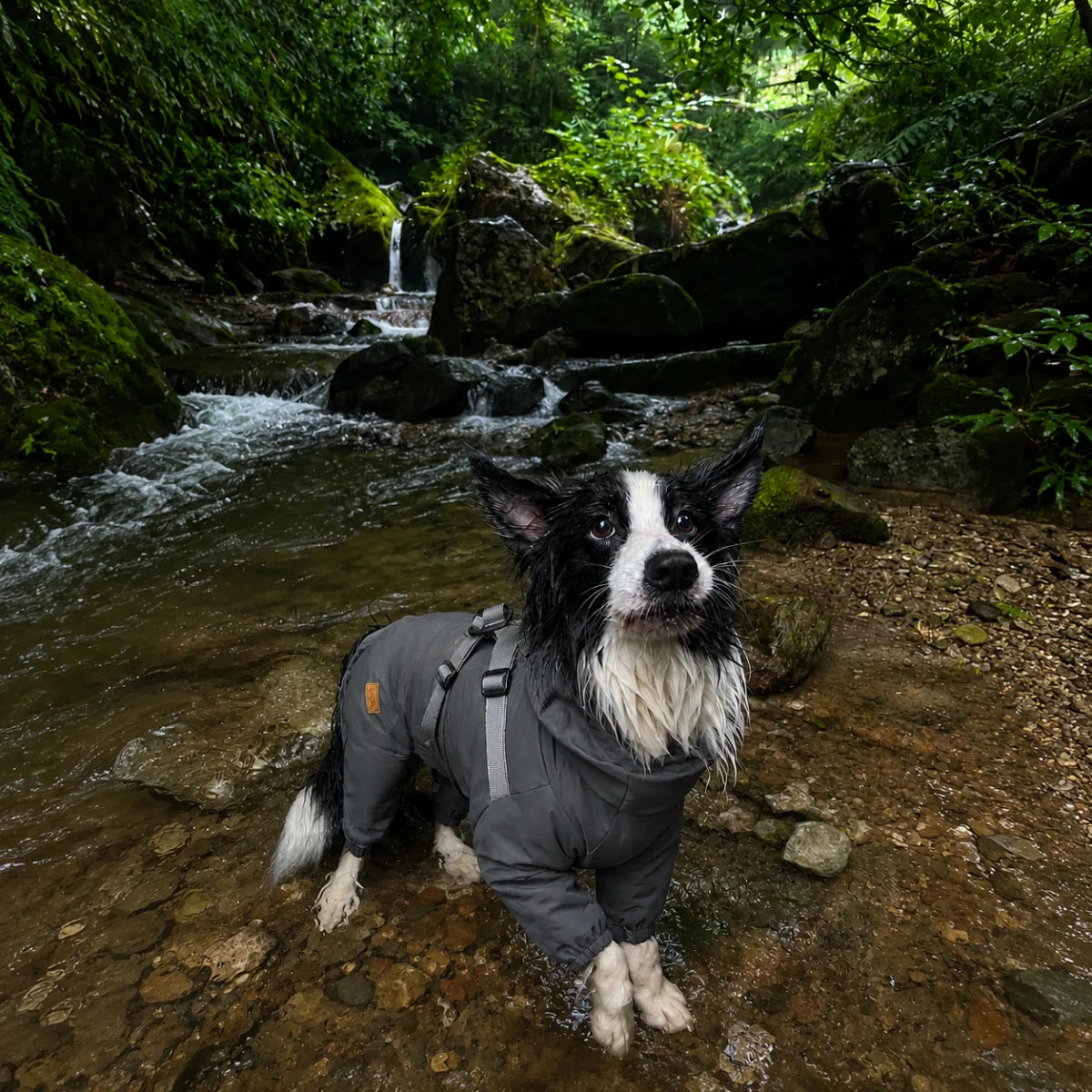
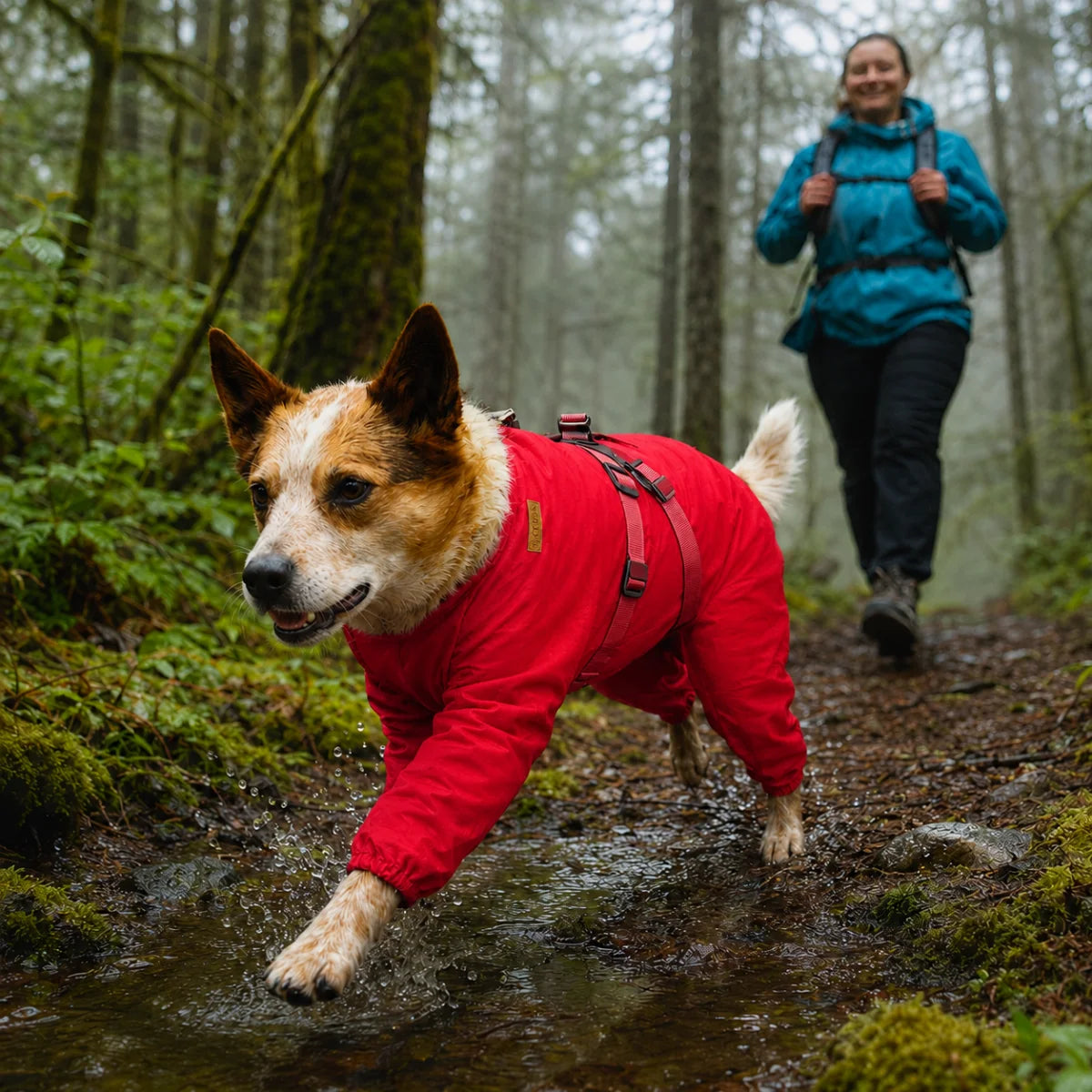
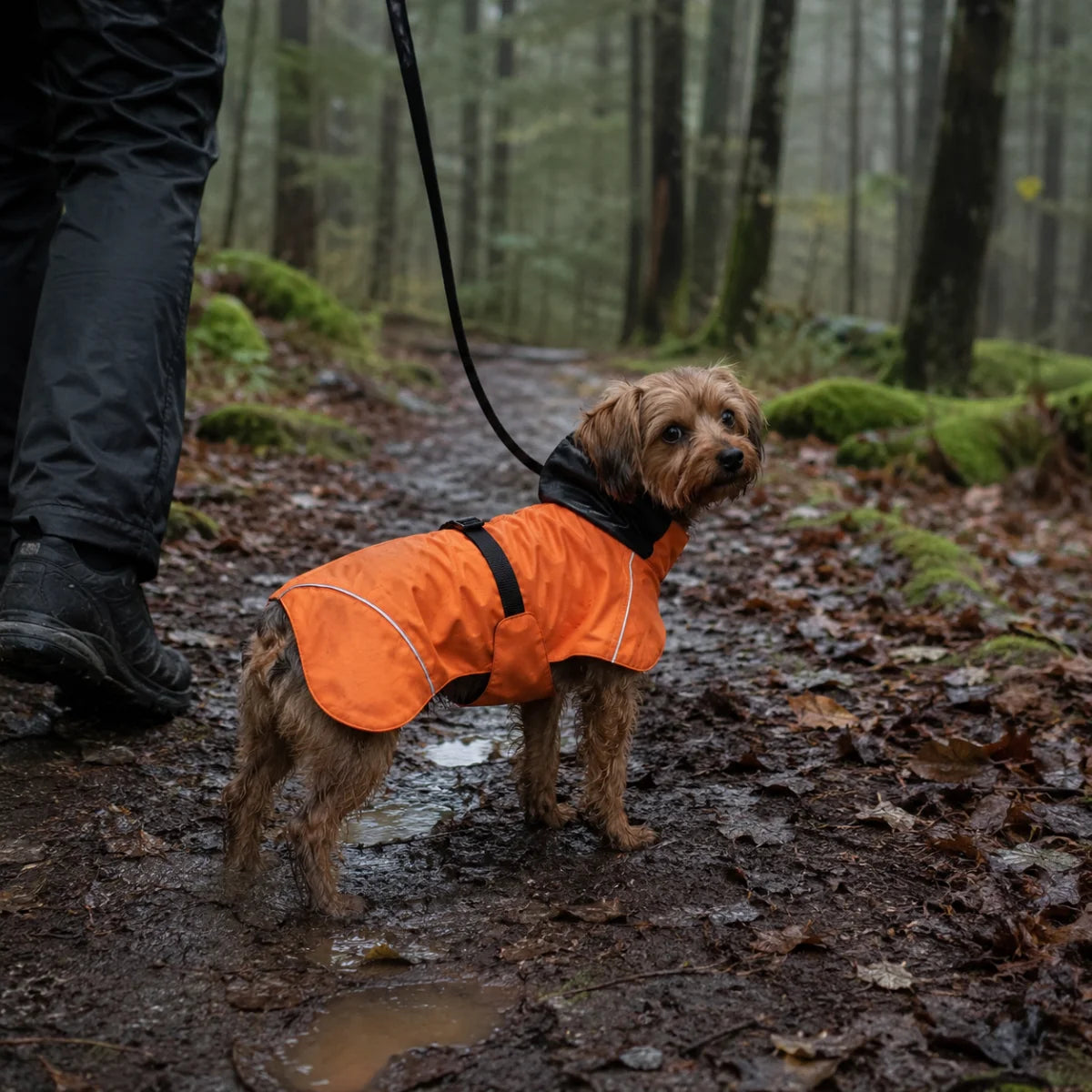
Active & Hiking: Durability and weather protection become essential when your dog joins you on trails or longer outdoor adventures. The best dog coats for hiking are technical, waterproof, and breathable, allowing your dog to stay dry while regulating body heat. Features like reflective trim, secure closures, and reinforced panels add extra safety and reliability in changing conditions.
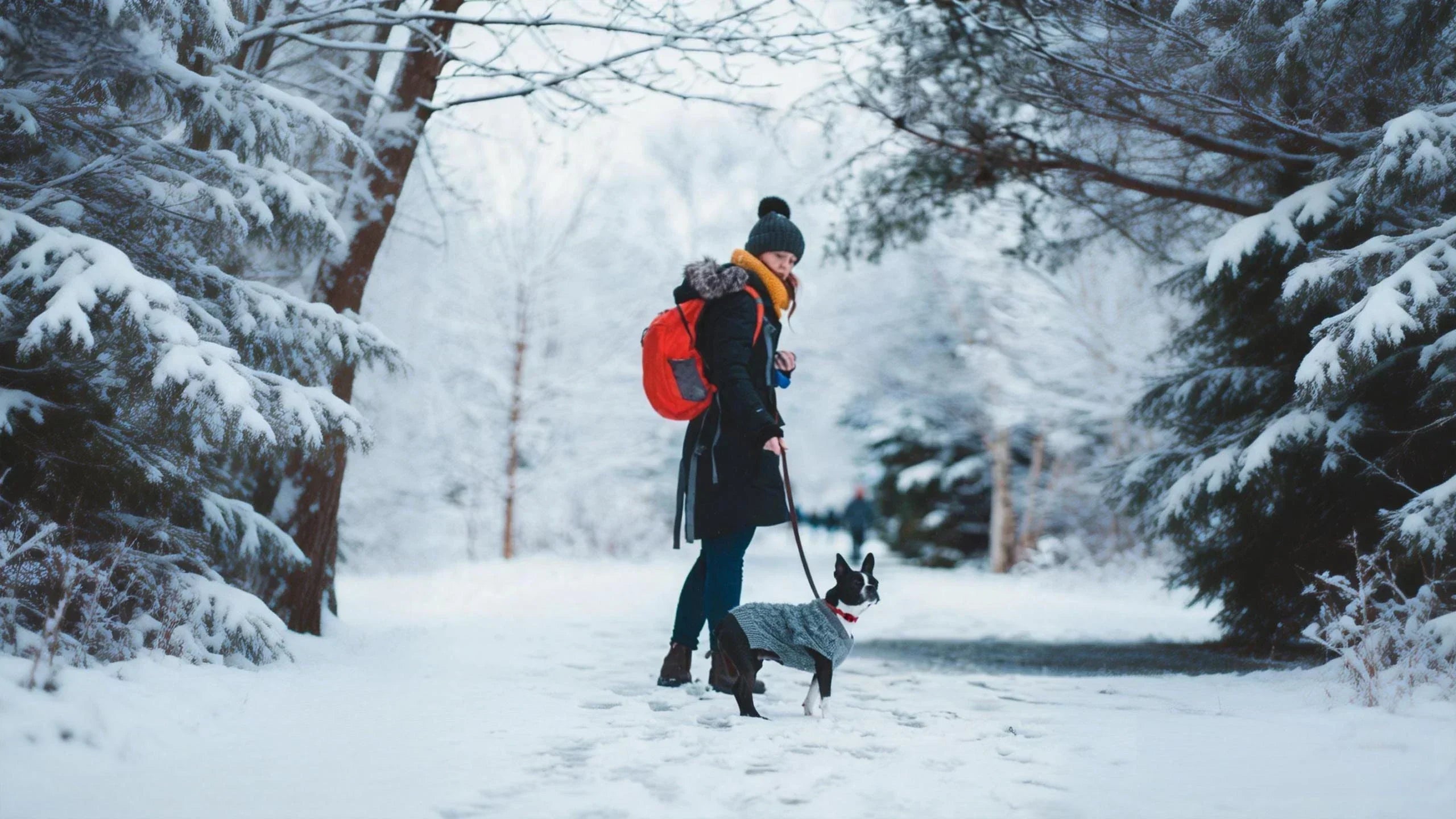
Cold & Snowy: In freezing temperatures and snowy environments, insulation is the top priority. Puffy or quilted dog coats with high-quality insulation help retain body heat, while a water-resistant outer shell prevents snow and moisture from soaking through. These dog coats are ideal for winter walks, snow play, and extended time outdoors in cold climates.
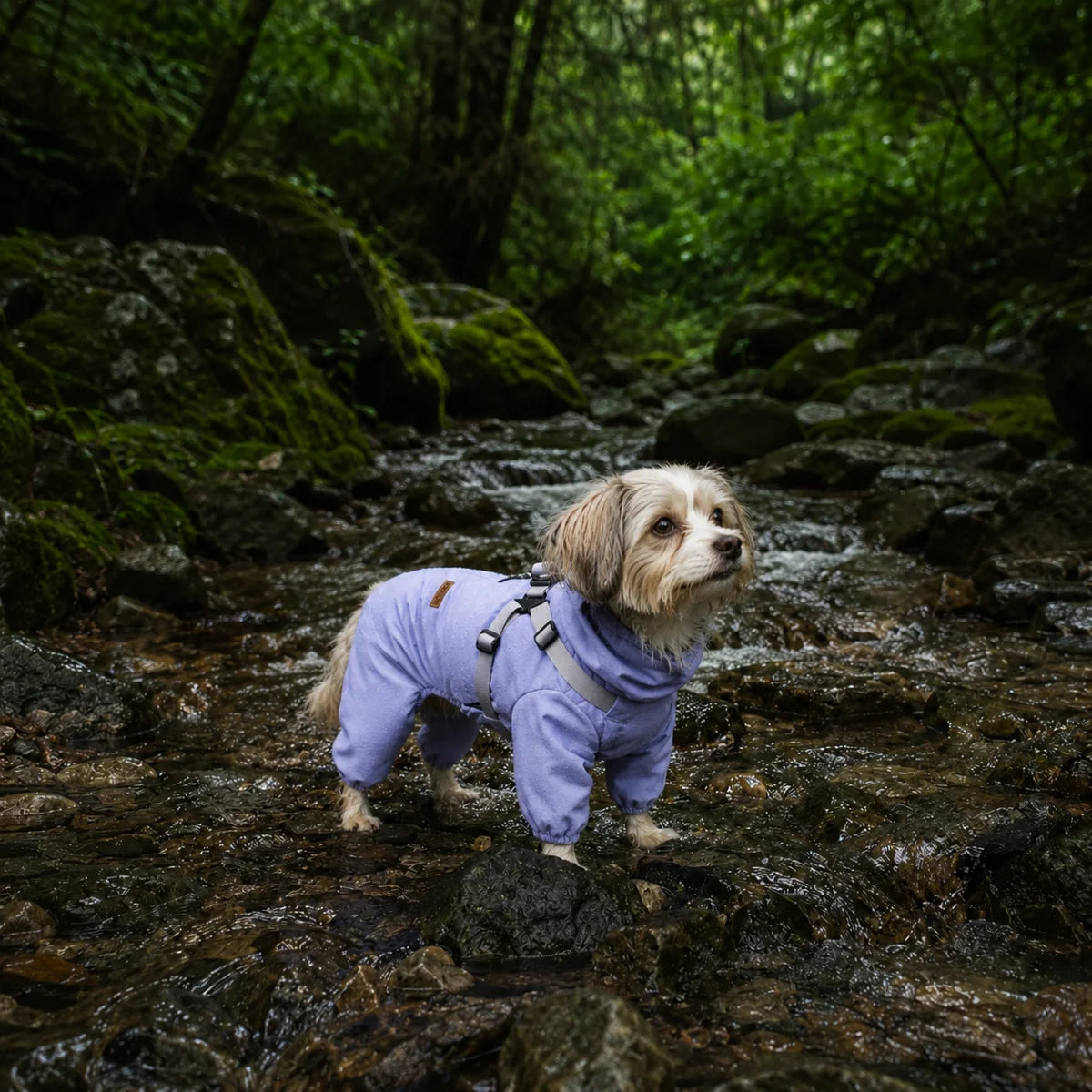
Rainy & Wet: When rain is the main concern, staying dry matters more than added warmth. A simple, lightweight dog coat with a fully waterproof shell and sealed seams keeps moisture out without adding bulk. This type of dog coat is perfect for rainy-day walks, muddy trails, and damp conditions where comfort depends on dryness rather than insulation.
We explore this in more detail in our guide on Outdoor Adventures: Selecting the Right Dog Coats, where we break down how different environments and adventure styles impact the performance of dog coats.
Fabrics and construction play a huge role in how dog coats perform—affecting everything from warmth and breathability to water resistance and durability. Two dog coats may look similar at first glance, but the fabrics used can make a significant difference in comfort and function. If you want a deeper breakdown of outer shells, insulation layers, and linings, we cover this in detail in A Guide to Dog Coats Fabric.
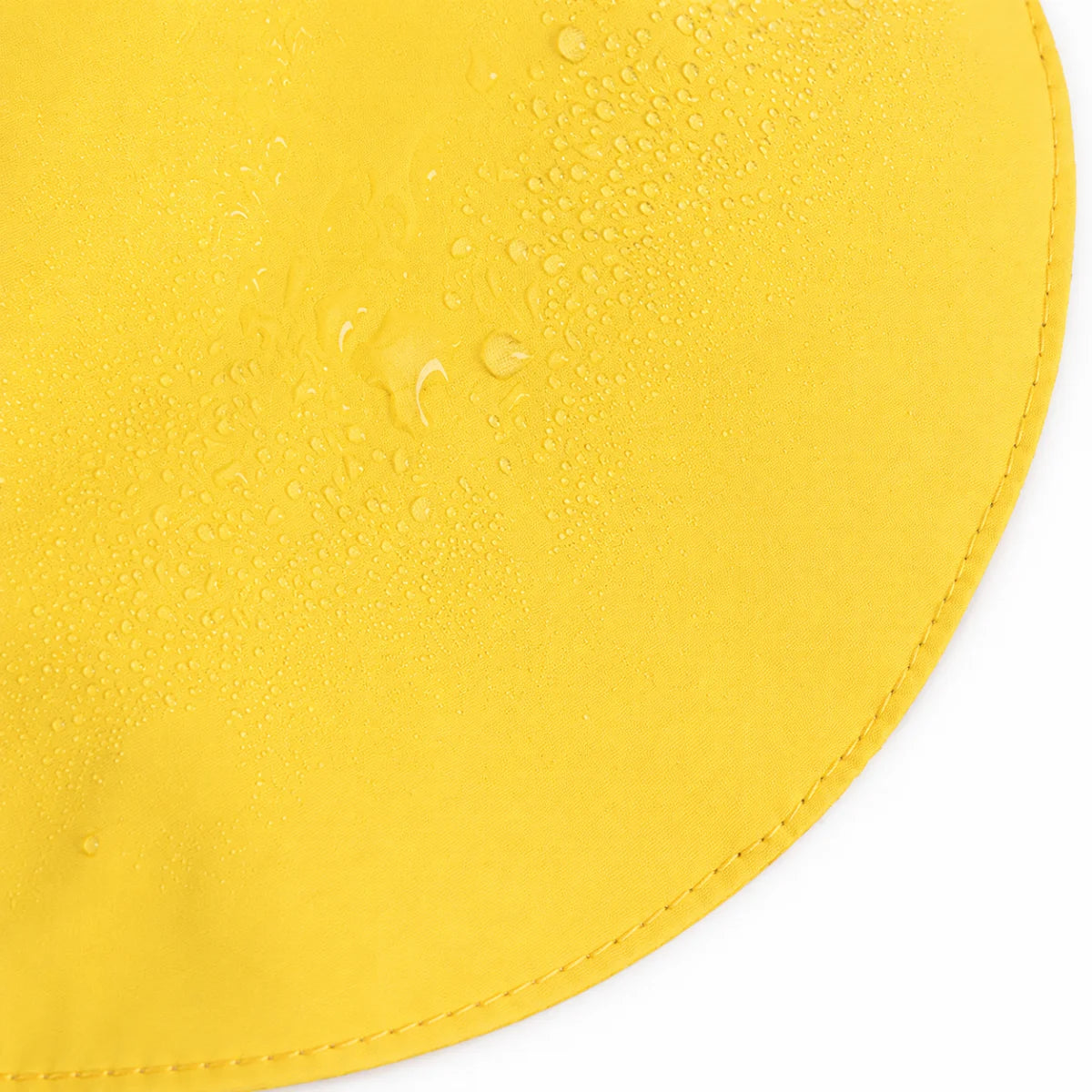
Waterproof vs. Water-Resistant: Understanding the difference between these two terms is essential when choosing dog coats for wet conditions. For prolonged rain, snow, or consistently damp environments, fully waterproof fabrics—often featuring a protective membrane such as Tex—offer the best protection by preventing moisture from penetrating the coat. Water-resistant dog coats, on the other hand, are designed to shed light rain or brief exposure to moisture but will eventually wet through during heavy downpours. Choosing between the two depends on how long your dog will be outside and how severe the weather is.
Insulation: Insulation determines how well dog coats retain heat, especially in cold or unpredictable conditions. Synthetic fills such as PrimaLoft® are a popular choice in high-performance dog coats because they continue to provide warmth even when wet, making them ideal for snow, rain, or active dogs. Down insulation is exceptionally warm and lightweight, but it loses much of its insulating power once damp, which limits its practicality in wet climates or for high-energy outdoor use.
Key Features: Beyond materials, thoughtful design features often separate average dog coats from the best dog coats. Reflective strips improve visibility during early morning or evening walks, while harness-compatible designs allow you to leash up without removing the coat. Easy-on and easy-off closures—such as Velcro, snaps, or zippers—make daily use more convenient, and a raised neck or hood provides extra protection against wind, rain, and cold, especially in exposed environments.
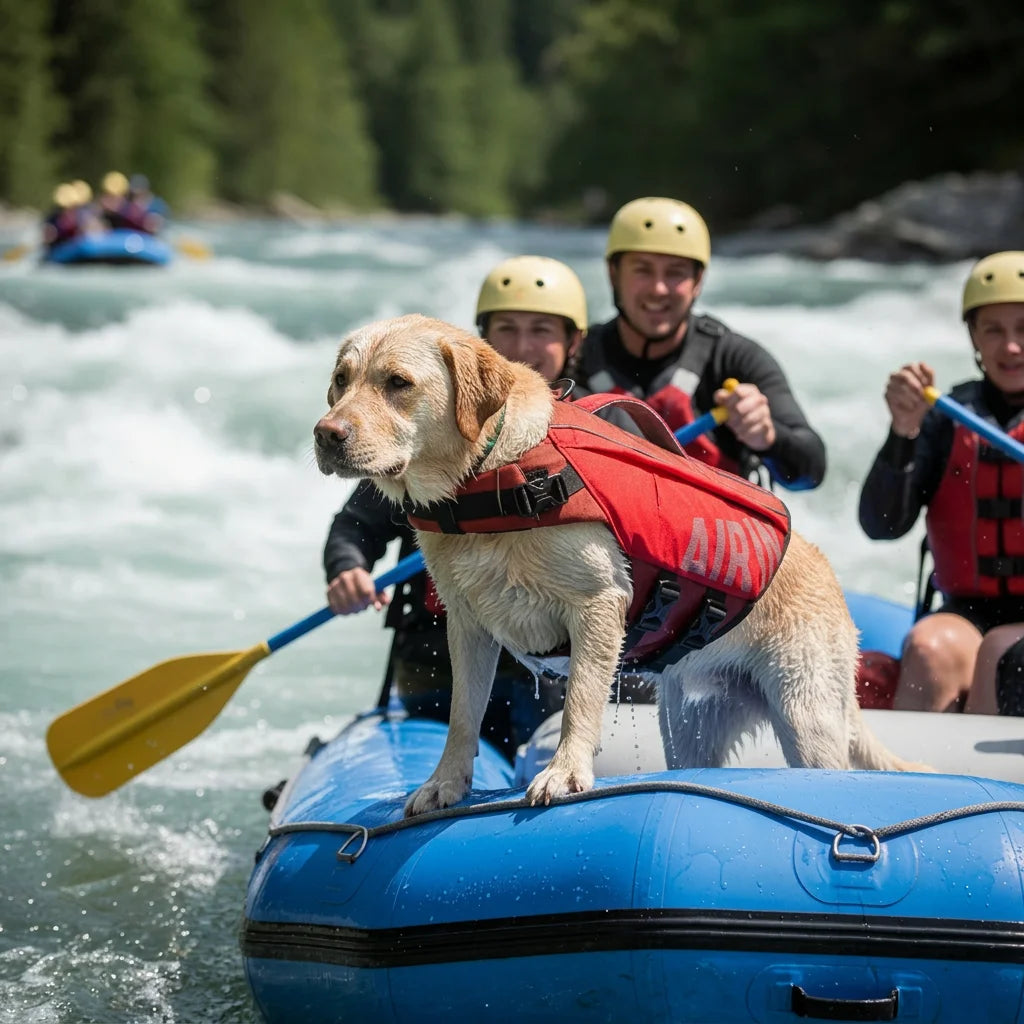
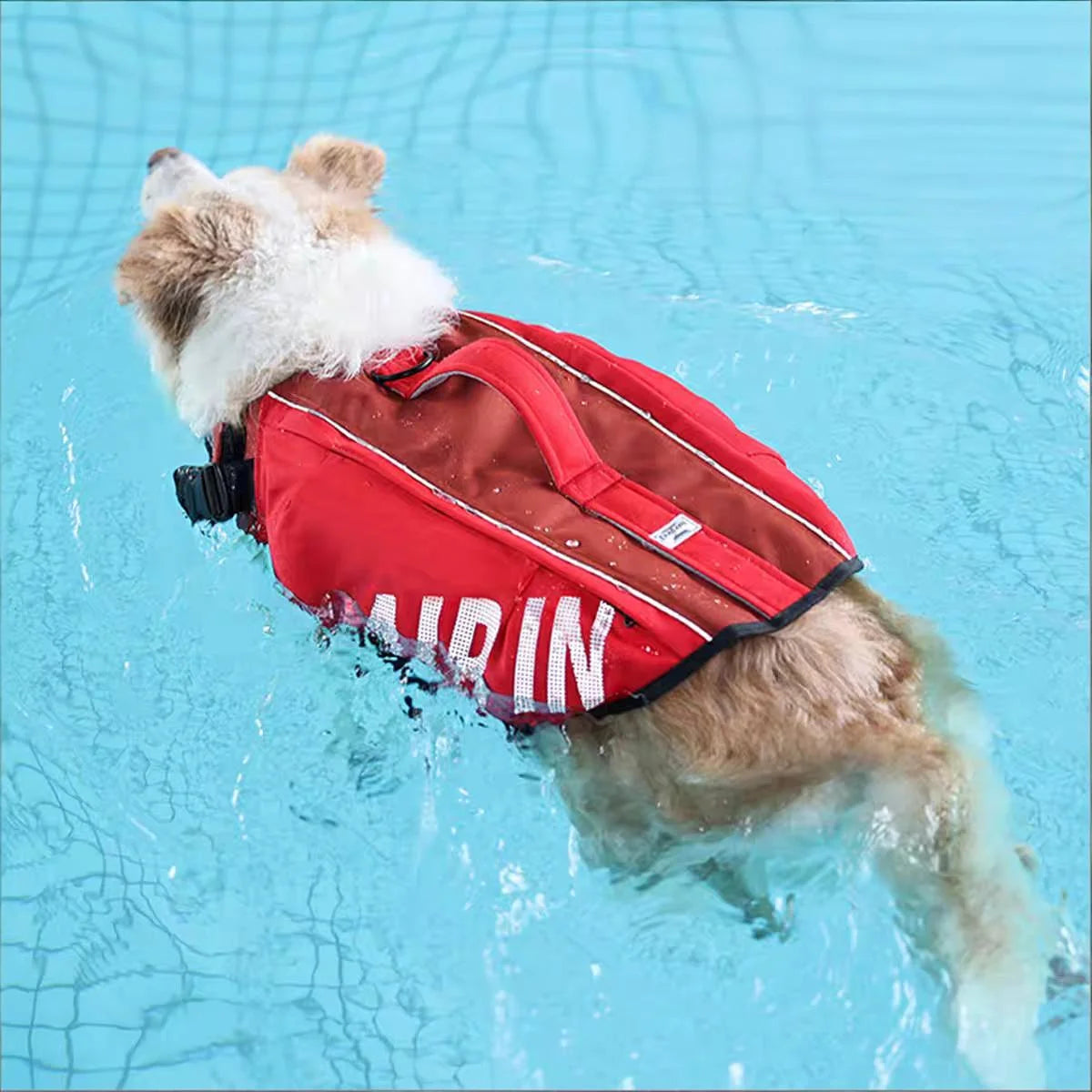
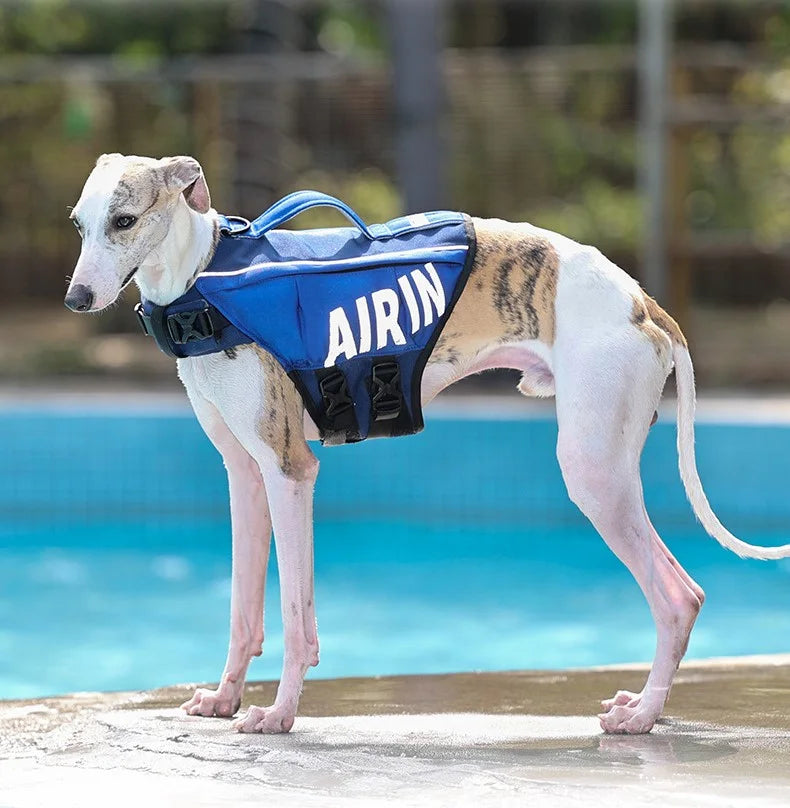
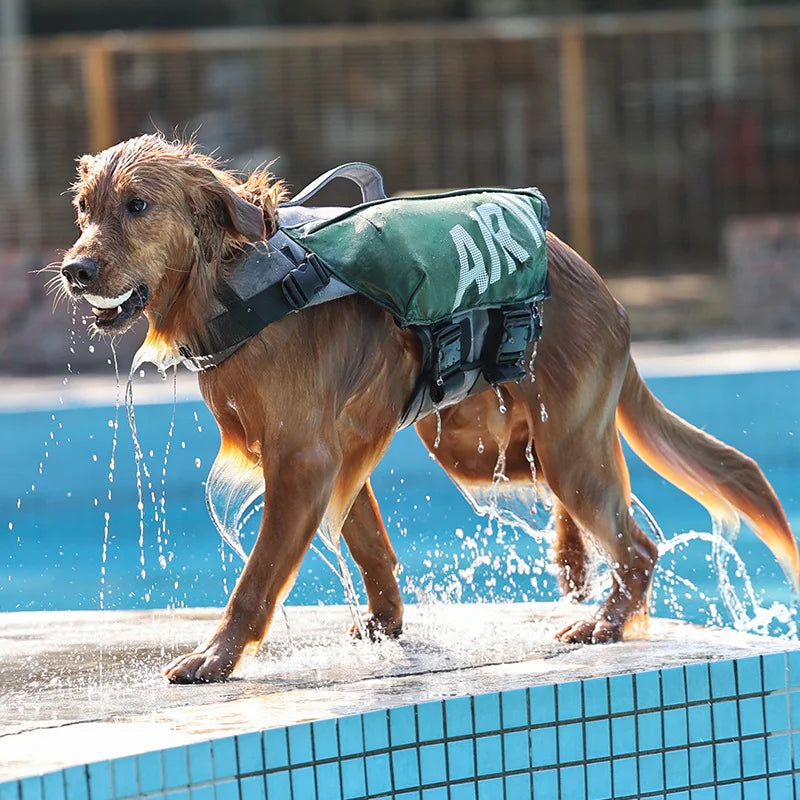
Inflatable Reflective Dog Life Jacket
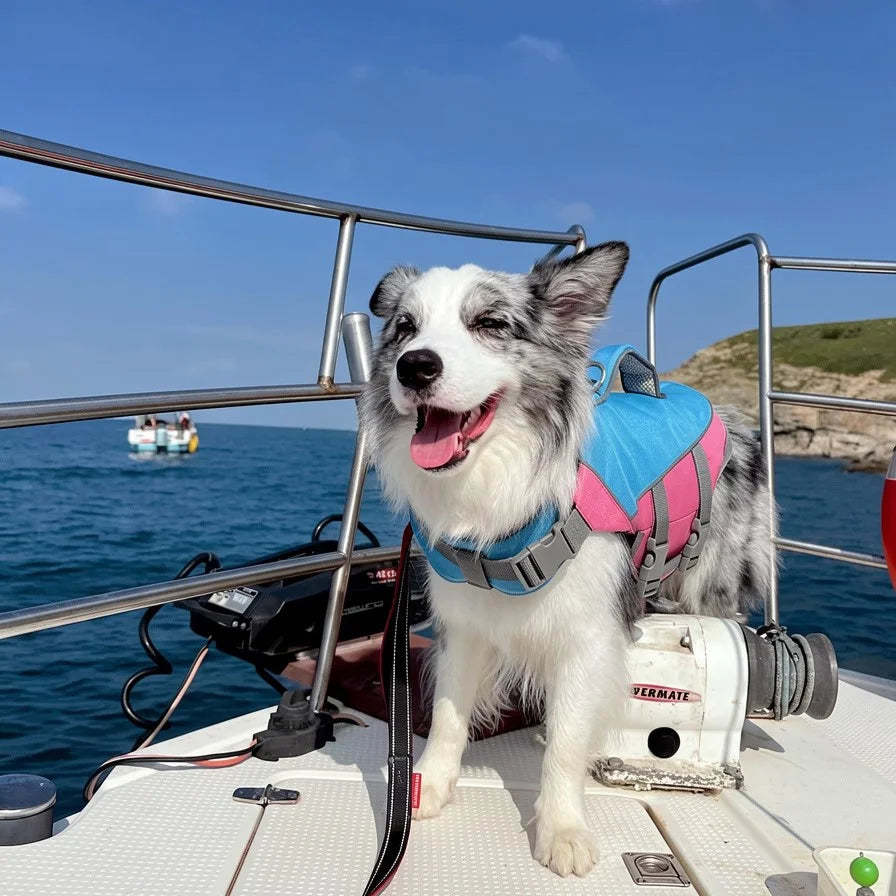
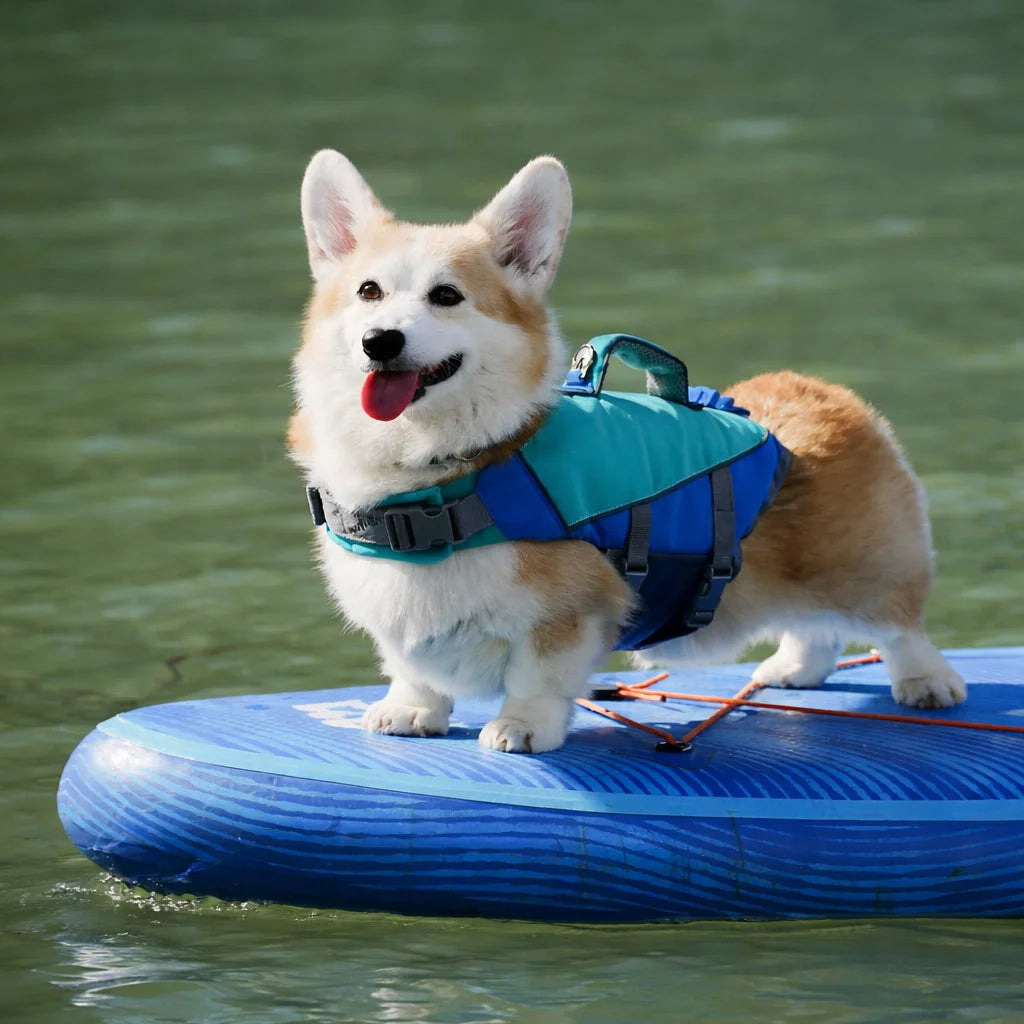
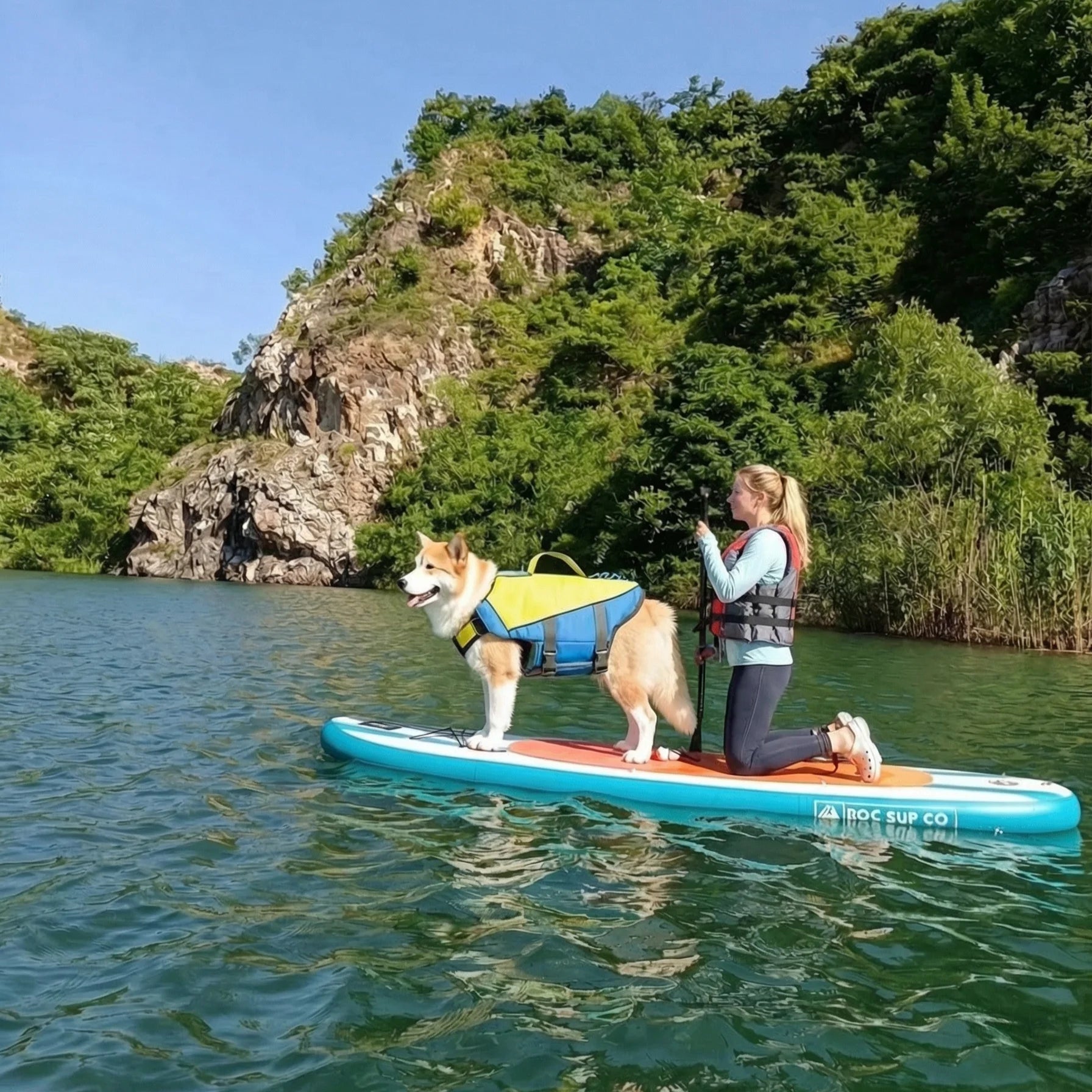
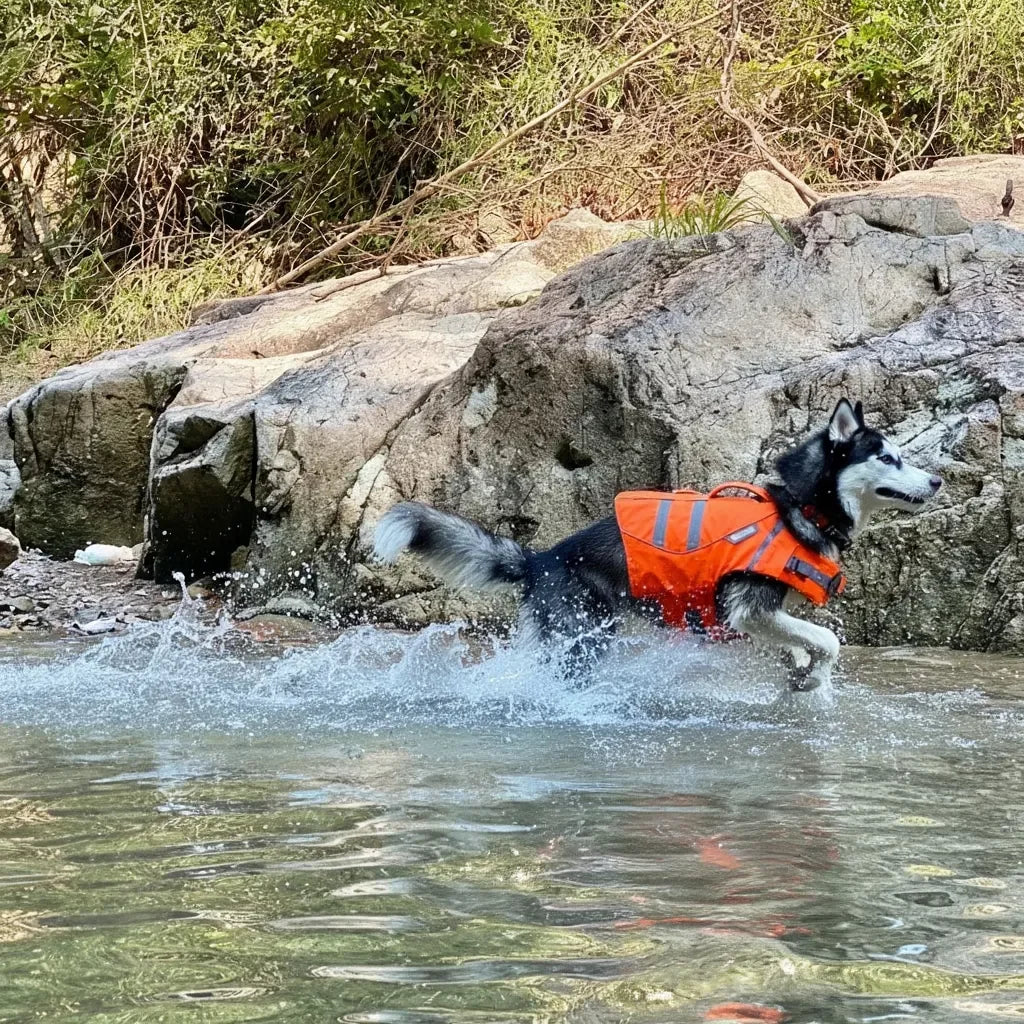
There’s no such thing as a one-size-fits-all solution when it comes to dog coats. Every dog has a unique combination of body shape, coat type, activity level, and tolerance to cold, which means the same dog coat can perform very differently from one dog to another. A coat that works perfectly for a calm, short-haired dog on daily walks may be completely unsuitable for an energetic, trail-loving dog or a senior pet that needs extra warmth and easy wear. That’s why choosing the best dog coats is about finding the right balance between fit, function, and lifestyle—rather than following trends or assuming one design will meet every dog’s needs.
Active dogs need: Dog coats designed for active dogs should prioritize lightweight, flexible materials that move naturally with the body and don’t slow them down. A non-restrictive shoulder design is especially important, as it allows full range of motion when running, climbing, or playing. The best dog coats for active dogs feel secure without being bulky, so your dog can stay protected while remaining agile and comfortable during outdoor adventures.
Senior dogs benefit from: Older dogs often require extra warmth to help support stiff joints and reduced circulation, especially in cooler weather. Dog coats for senior dogs should also feature easy-on, easy-off closures that minimize bending, lifting, or prolonged handling. Simple, intuitive designs make daily walks more comfortable for both you and your dog.
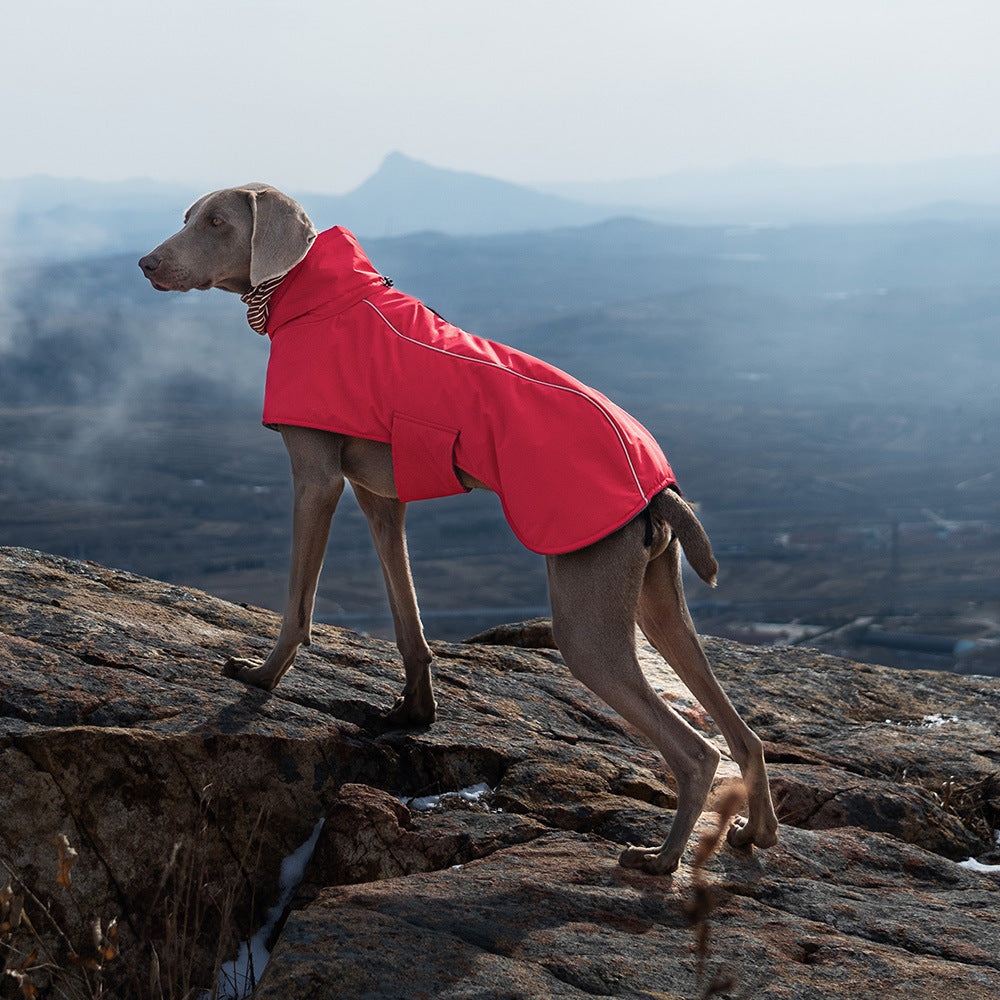
Dogs who hate wearing coats do best with: Dogs that are sensitive to clothing usually respond better to dog coats with minimal bulk and a streamlined fit. Soft, quiet fabrics help reduce irritation and eliminate distracting noises that can cause stress or resistance. For these dogs, the right dog coat should feel light and unobtrusive—almost like a second layer of fur rather than an added garment.
By this point, you’ve considered your dog’s breed, body shape, activity level, weather conditions, materials, and sizing. On paper, the coat may seem like the perfect match—but before you commit, there’s one last step that matters just as much as everything that came before. The final check is where theory meets reality. It’s your chance to confirm that the dog coat doesn’t just look right or measure correctly, but actually works in real life. This quick but crucial step helps ensure you’ve truly chosen one of the best dog coats for your dog, not just a good option on paper.
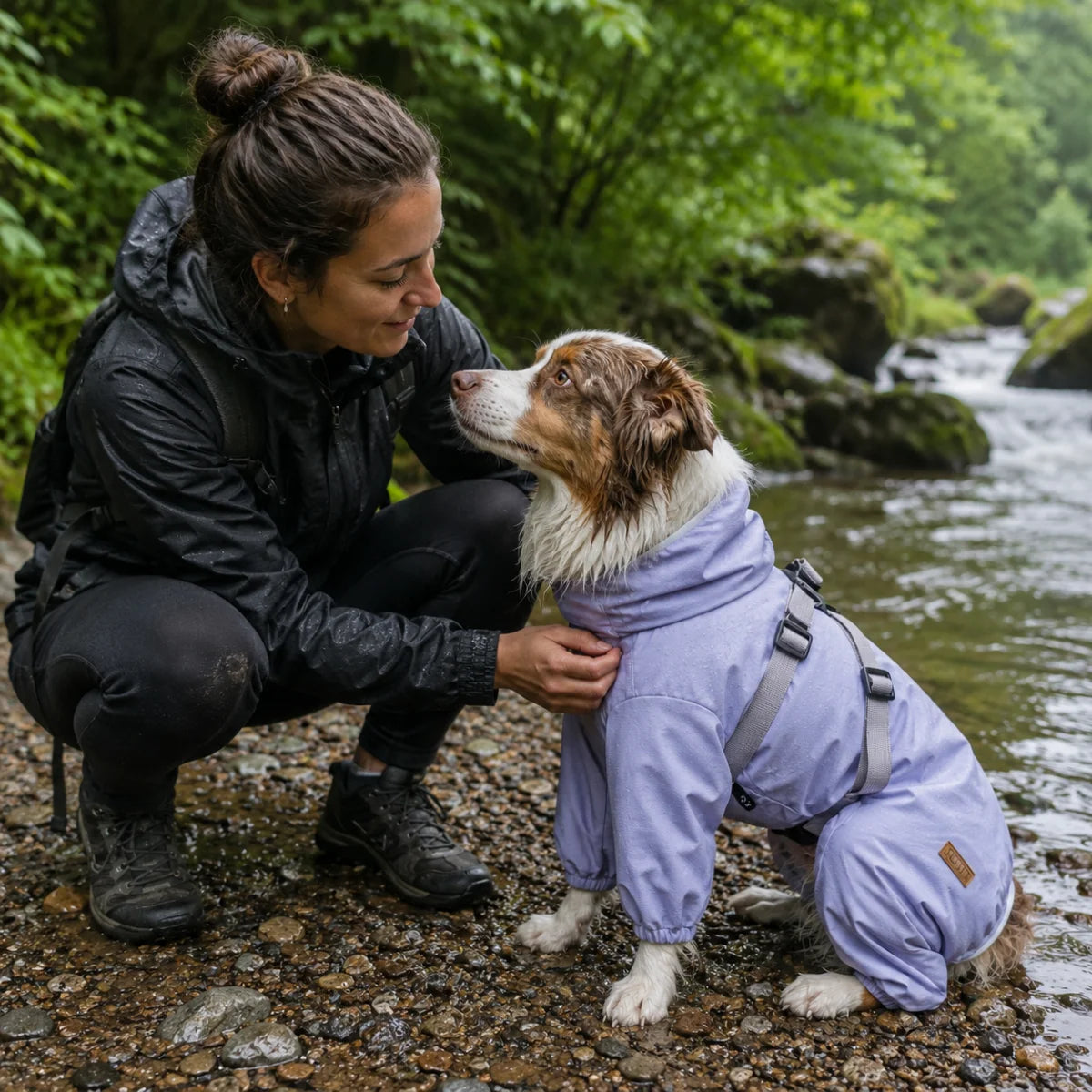
Before purchasing any dog coat, it’s essential to take accurate measurements of your dog’s back length, chest girth, and neck girth to ensure you select the correct size. Once the coat arrives, the fitting process isn’t finished—your dog needs to try it on so you can confirm it works in real-life movement, not just on paper.
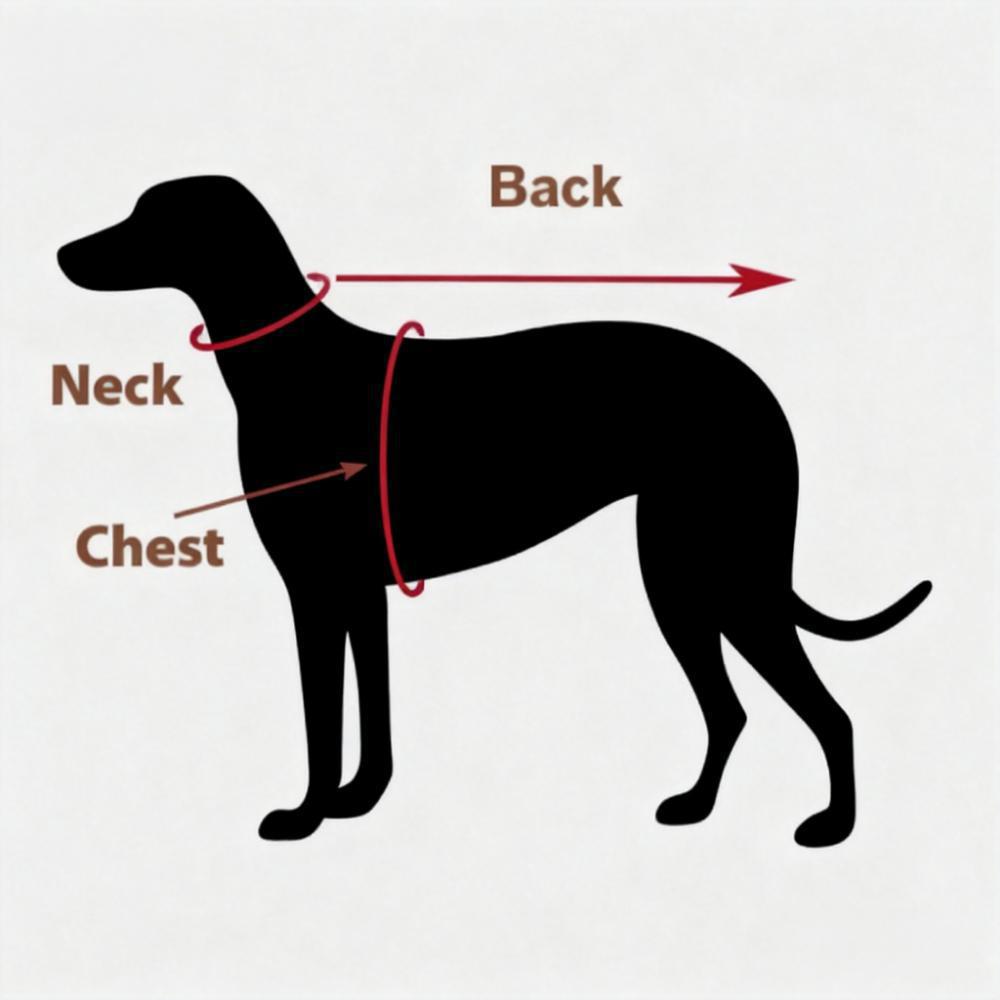
Use the checklist below during the try-on:
If the answer to any of these questions is “no,” the fit isn’t quite right. The best dog coats should feel secure, comfortable, and effortless for both you and your dog—allowing full movement while providing the protection they’re designed for.
At the end of the day, the best dog coats aren’t the most expensive or the trendiest. They’re the ones designed around your dog’s body, lifestyle, and environment. By understanding breed needs, weather conditions, materials, and fit, you’ll know exactly how to choose dog coats that keep your dog warm, comfortable, and ready for every adventure—no guesswork required.
Please read our FAQs page to find out more.
Not all dogs need a dog coat, but many benefit from one. Short-haired, small, senior, or low-body-fat dogs often struggle to retain heat and need extra protection. Even double-coated breeds may need a dog coat in wet, windy, or extreme conditions to stay dry and comfortable.
Signs that a dog coat may be too warm include excessive panting, restlessness, or your dog trying to remove the coat. Breathable fabrics and proper layering are important when learning how to choose dog coats, especially for active dogs or milder weather conditions.
There’s no fixed time limit—it depends on the weather, your dog’s tolerance to cold, and the coat’s design. Monitor your dog for signs of discomfort, and remove the coat once you’re indoors to prevent overheating or skin irritation.
No, dog coats are useful year-round, including lightweight shells for rain, wind protection for hiking, and insulated options for cold weather.
The best dog coats combine proper fit, high-quality materials, and thoughtful features like insulation, waterproofing, and reflective details, while regular dog coats may focus on style alone without ensuring warmth, comfort, or durability.